Defence & Security
Barracks, hangars and secure compounds — conventional building, unconventional rules.
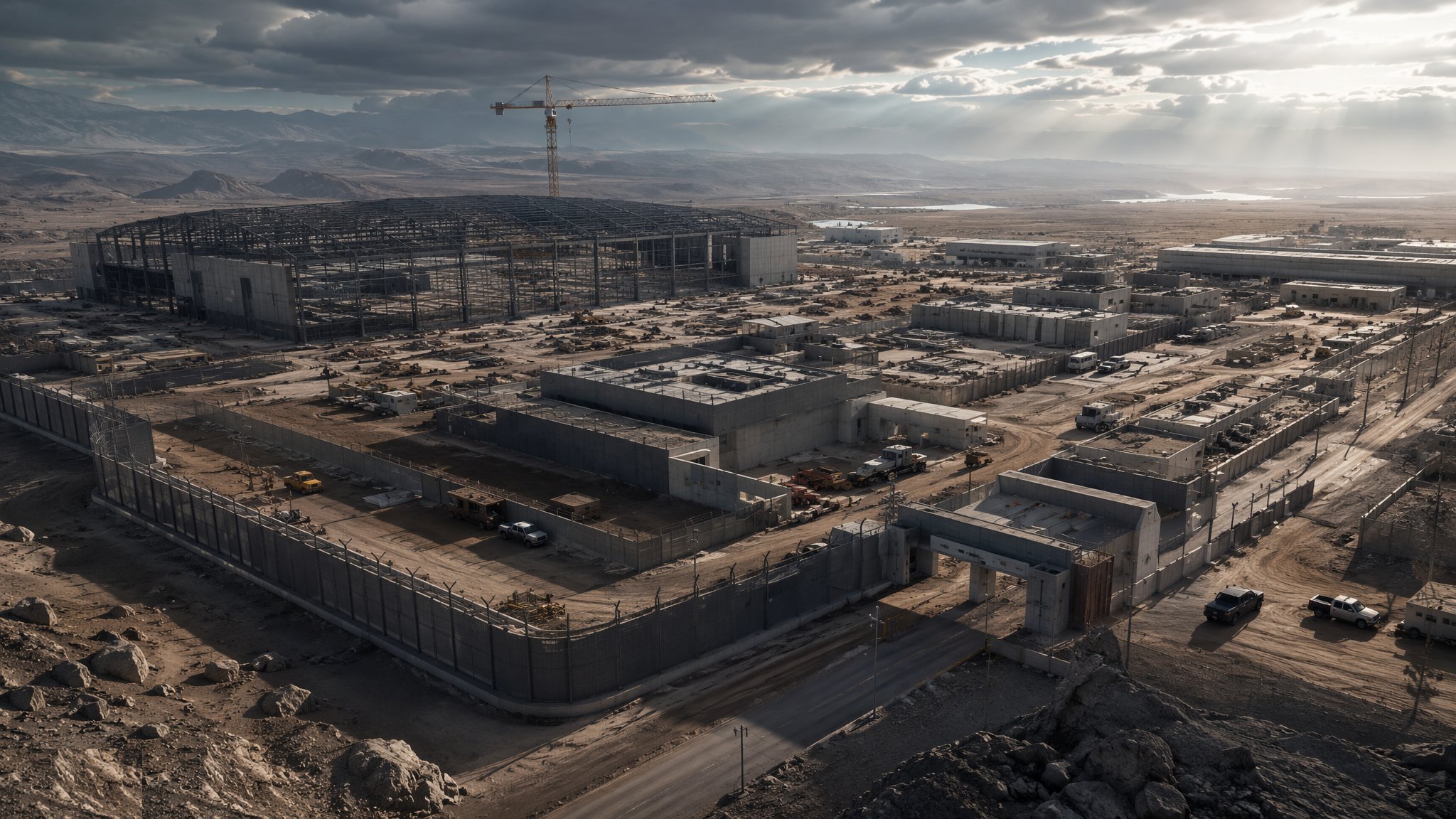
Defence construction uses ordinary trades under extraordinary constraints. The buildings themselves — accommodation blocks, hangars, workshops — go up with the same shared methods as any other sector, linked below. What is different is everything around the work: cleared labour, controlled materials, photography and documentation rules that would double the filing on any other job, and a client whose site security does not pause for your programme.
Then there is the hardened end of the estate, where the structure is the defence: blast-resistant design, stand-off distances and progressive-collapse measures that change how the frame is detailed and checked. The three guides in this sector cover defence infrastructure construction, secure and hardened facilities, and working on live secure sites.
What does Defence & Security cover?
Process guides in Defence & Security
- Defence Estate Construction — Building the places the armed forces live, work and train: accommodation blocks, hangars, workshops and ranges — delivered to MOD standards where robustness is specified, tested and expected to survive its users.
- Hardened & Secure Facility Construction — Facilities built to keep blasts out, signals in and the wrong people at a distance: heavy concrete structures, engineered penetrations, shielded spaces and protective hardware — all tested and accredited before use.
- Site Security & Cleared Working — The construction regime that comes with defence work: vetted people, controlled materials, escorted movements and no cameras — and how a productive site runs inside those rules.
Shared methods used in Defence & Security
- Site Access & Enabling Works
- Setting Out & Survey Control
- Earthworks & Excavation
- Piling & Deep Foundations
- Concrete Frame Construction
- Steel Frame Construction
- Floor Slabs & Screeds
- Roofing
- Façade & Cladding
- MEP First Fix
- Testing, Handover & Snagging
Part of the Buildings group.