Groups of Sectors
BuildPedia organises construction into 7 groups of sectors. 6 of them hold the 59 construction sectors; the methods library is the group whose disciplines run across all of them.
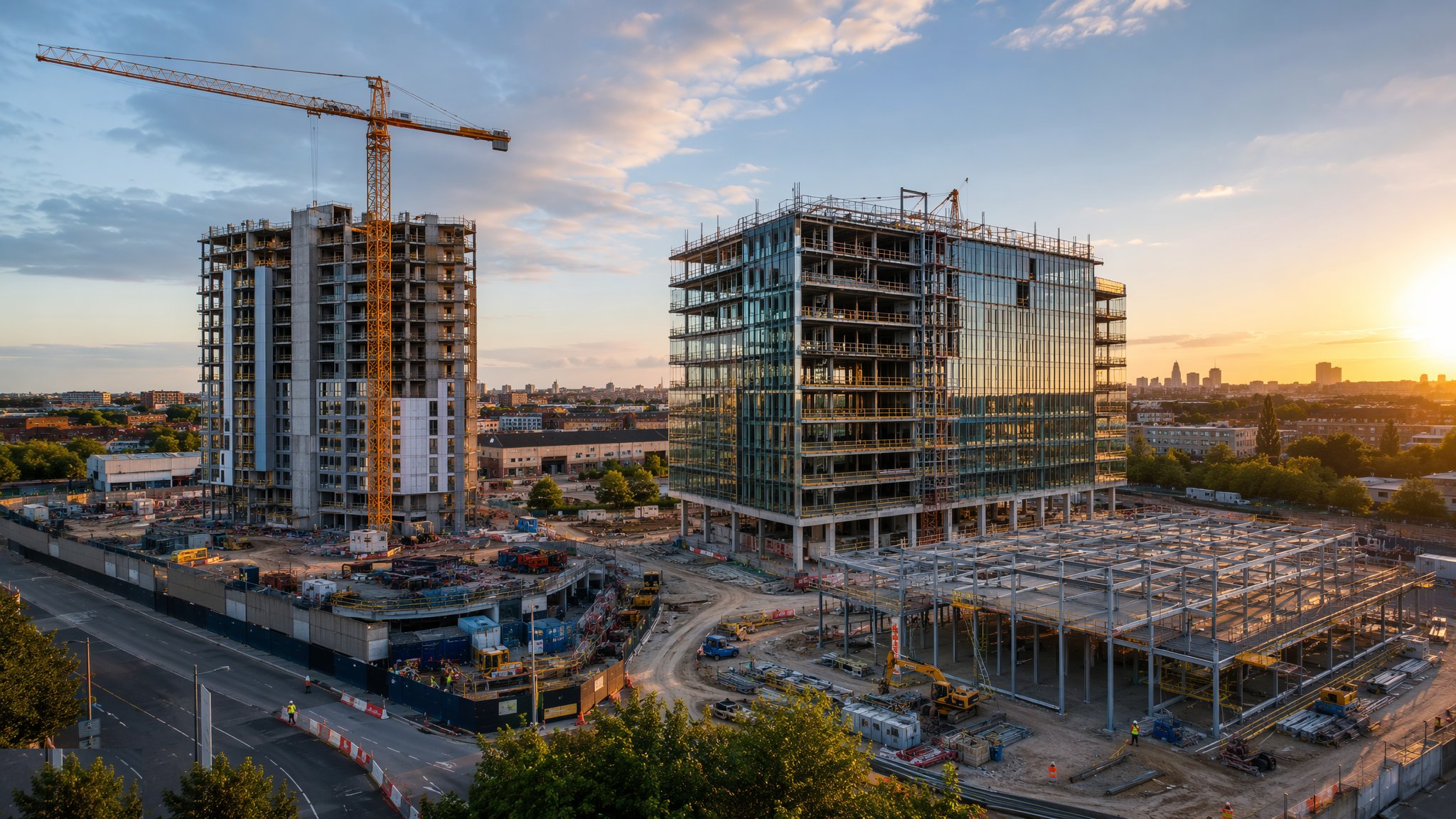
Homes, offices, hospitals, schools - everything with rooms in it.
The buildings group covers every asset whose job is to enclose space for people: housing, offices, shops, hotels, hospitals, schools, civic and cultural buildings, sports venues and the secure estate. The structural DNA barely changes across the group - enabling works, foundations, frame, envelope, services, finishes, handover - what changes is the fit-out philosophy and the regulatory burden.
Explore this group of sectors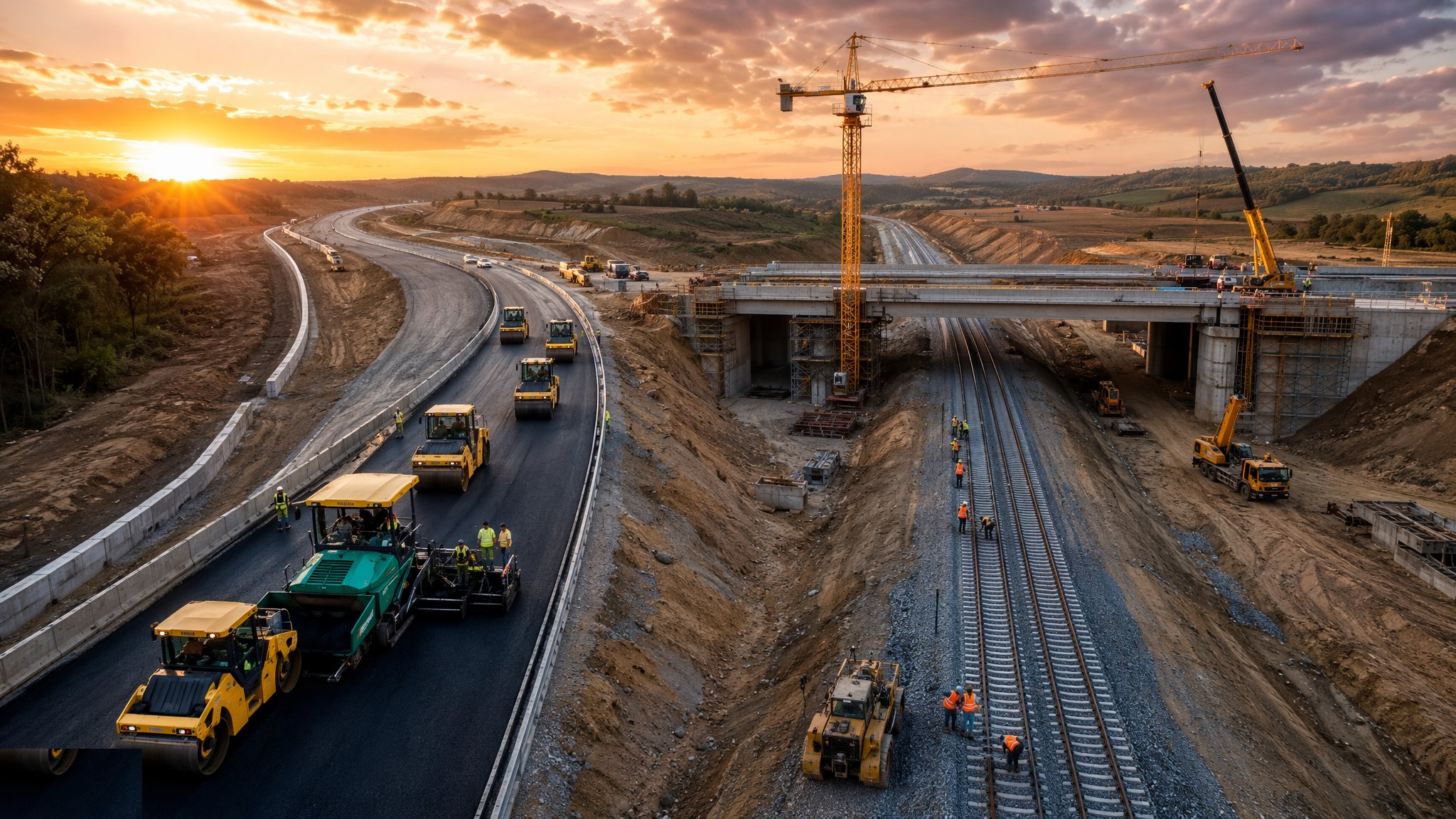
Roads, bridges, tunnels, rail, airports and ports - the heavy civils that move everything.
Transport infrastructure is civil engineering at its heaviest: earthworks measured in hundreds of thousands of cubic metres, structures designed for 120-year lives, and plant that makes a tower crane look modest. The same sequence runs through all of it - corridor access, survey control, ground investigation, bulk earthworks, drainage - before the alignment branches into roads, structures or tunnels.
Explore this group of sectors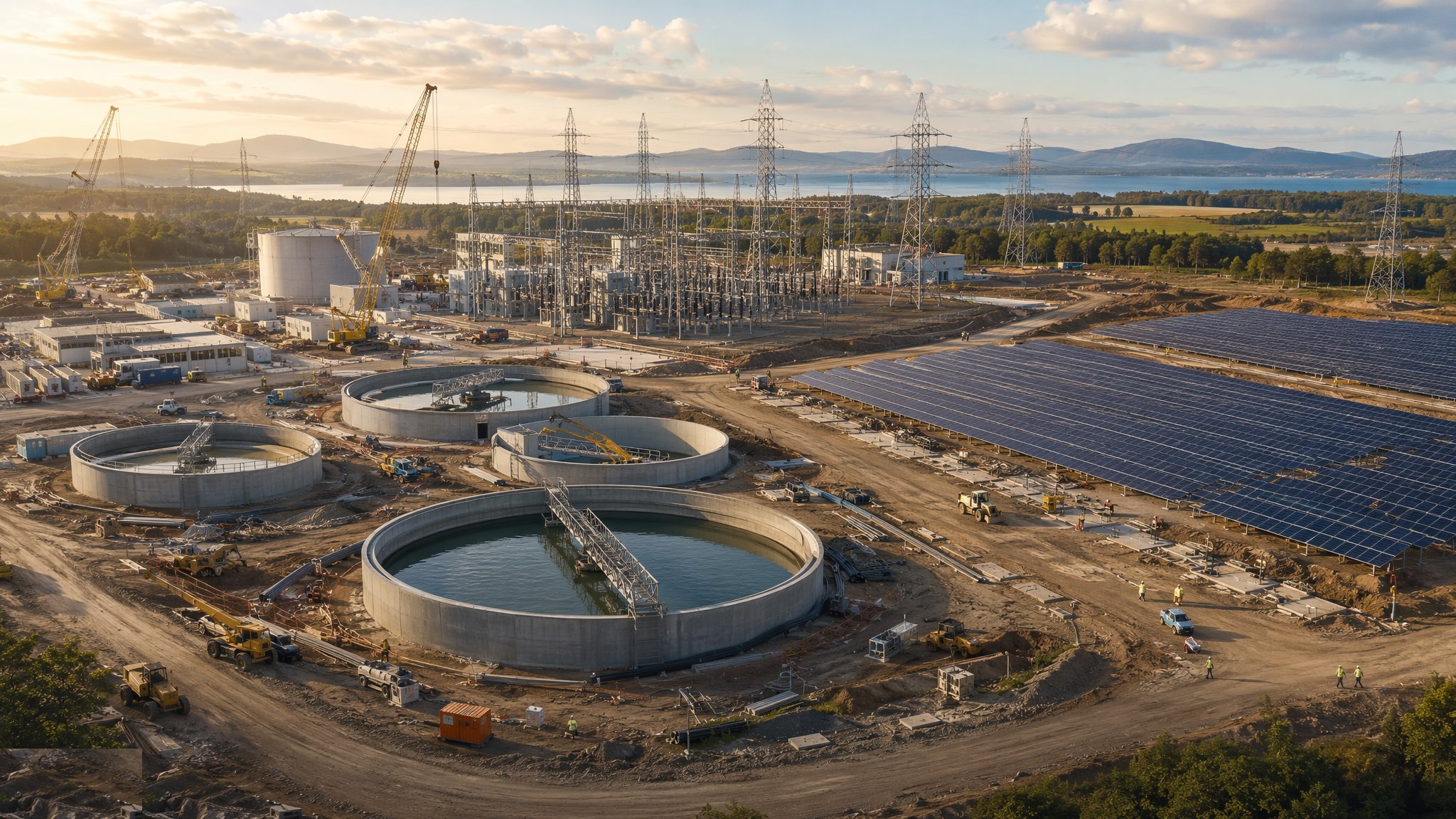
Power, water, sewers, grids and data - the networks everything else plugs into.
Utilities and energy construction is where building work meets process engineering. A solar farm is mostly civil and electrical work at scale; a wind turbine is a foundation, a crane lift and a commissioning exercise; water and wastewater assets are concrete, pipework and process kit held to drinking-water standards. Every scheme closes the same way: testing, energisation and handover to the operator.
Explore this group of sectors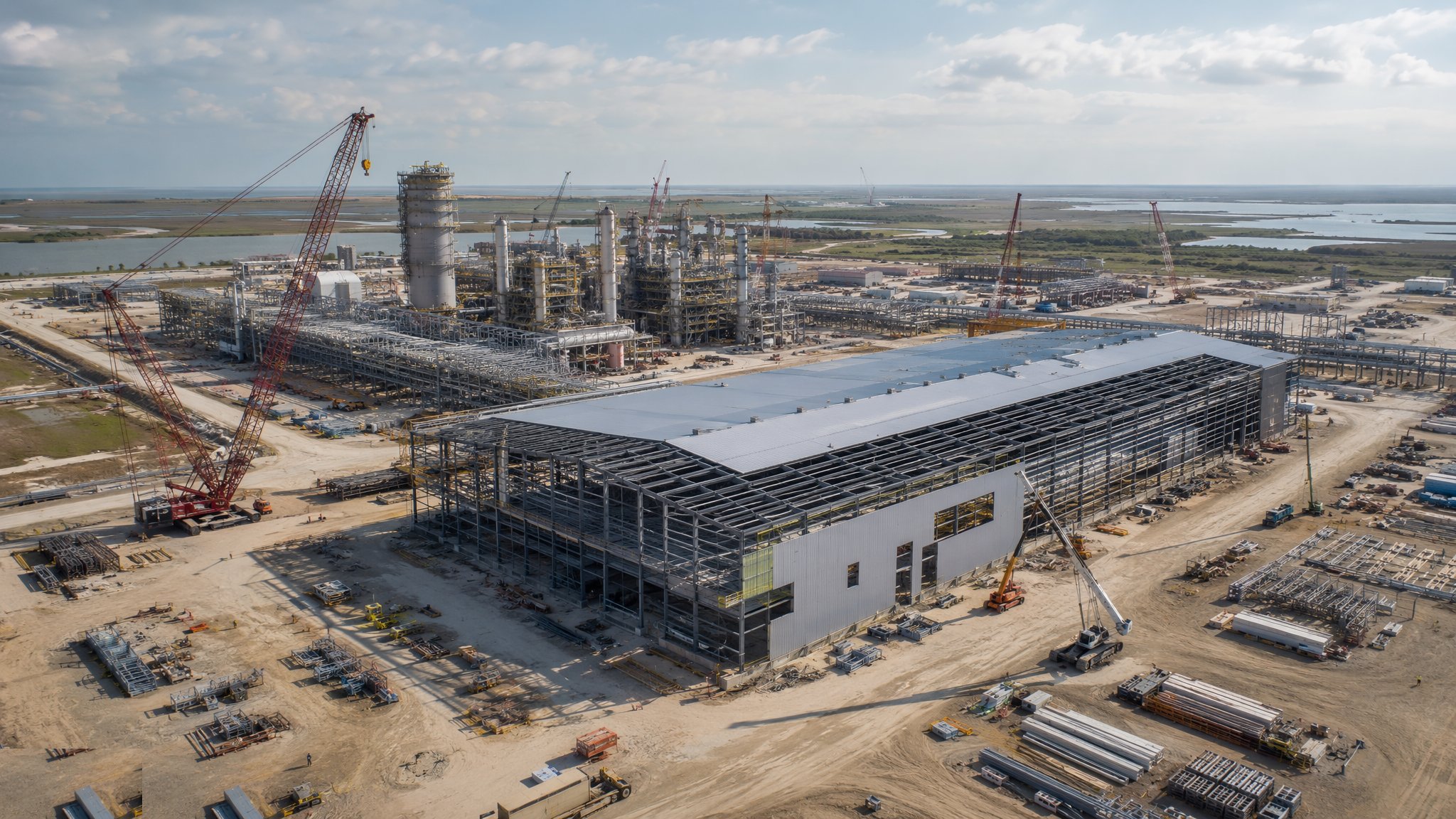
Oil & gas, factories, warehouses, mines and laboratories - built to process, not to inhabit.
Industrial work inverts the usual priorities: the process plant comes first and the building is just the weather protection around it. Oil and gas facilities are structural steel, pressure systems and an unforgiving permit-to-work culture; manufacturing and logistics assets are big spans, heavy slabs and fast programmes; laboratories and high-tech facilities add containment, vibration and cleanliness regimes most sectors never meet.
Explore this group of sectors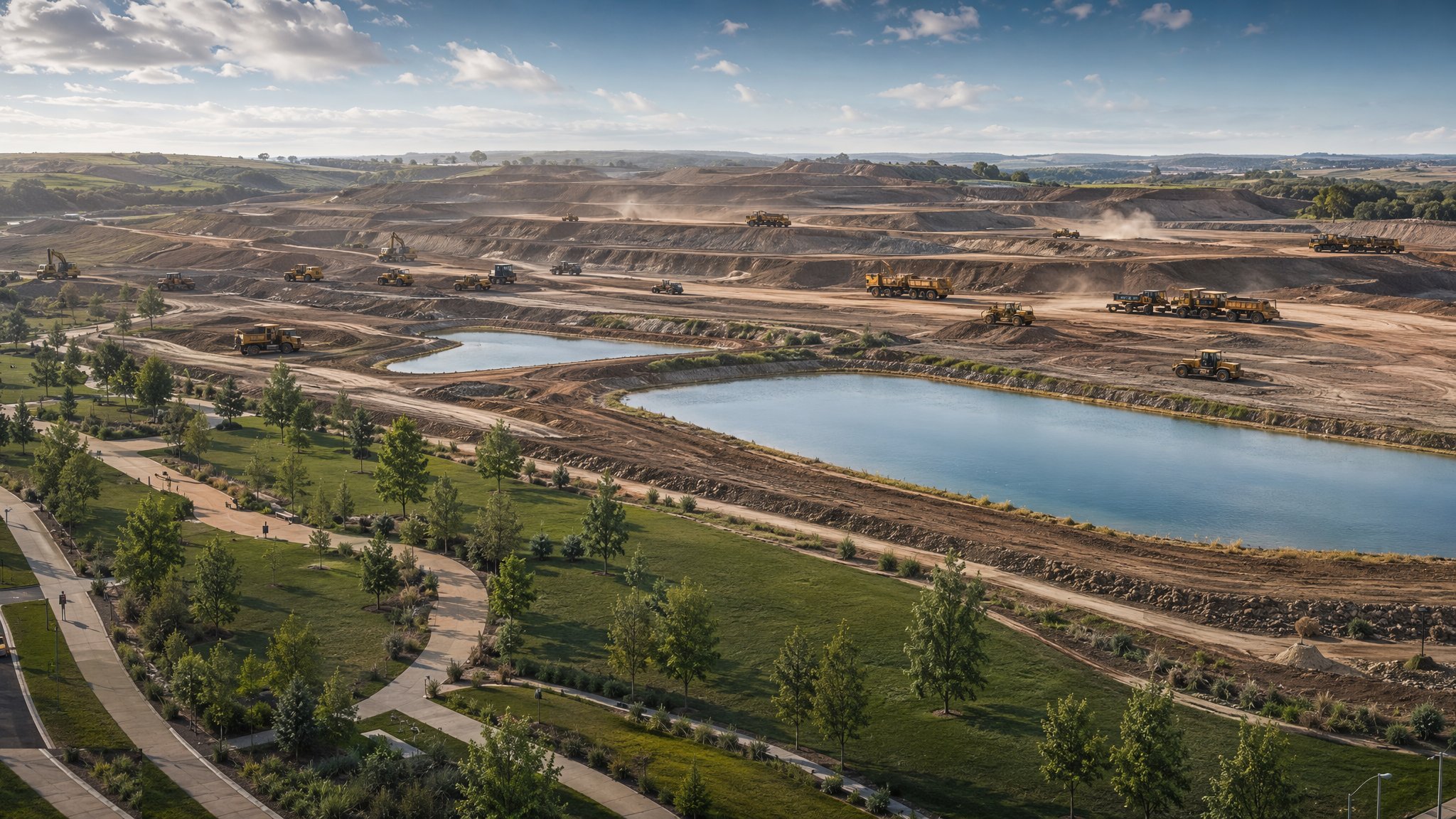
Earthworks, landscaping, remediation and coastal works - shaping the ground itself.
This group is about the land rather than what sits on it: cutting development platforms out of raw ground, building public realm and landscapes, engineering environmental protection, managing waste, defending coastlines and putting communities back together after disasters. The plant is heavy, the tolerances are generous, and the weather is always on the programme.
Explore this group of sectors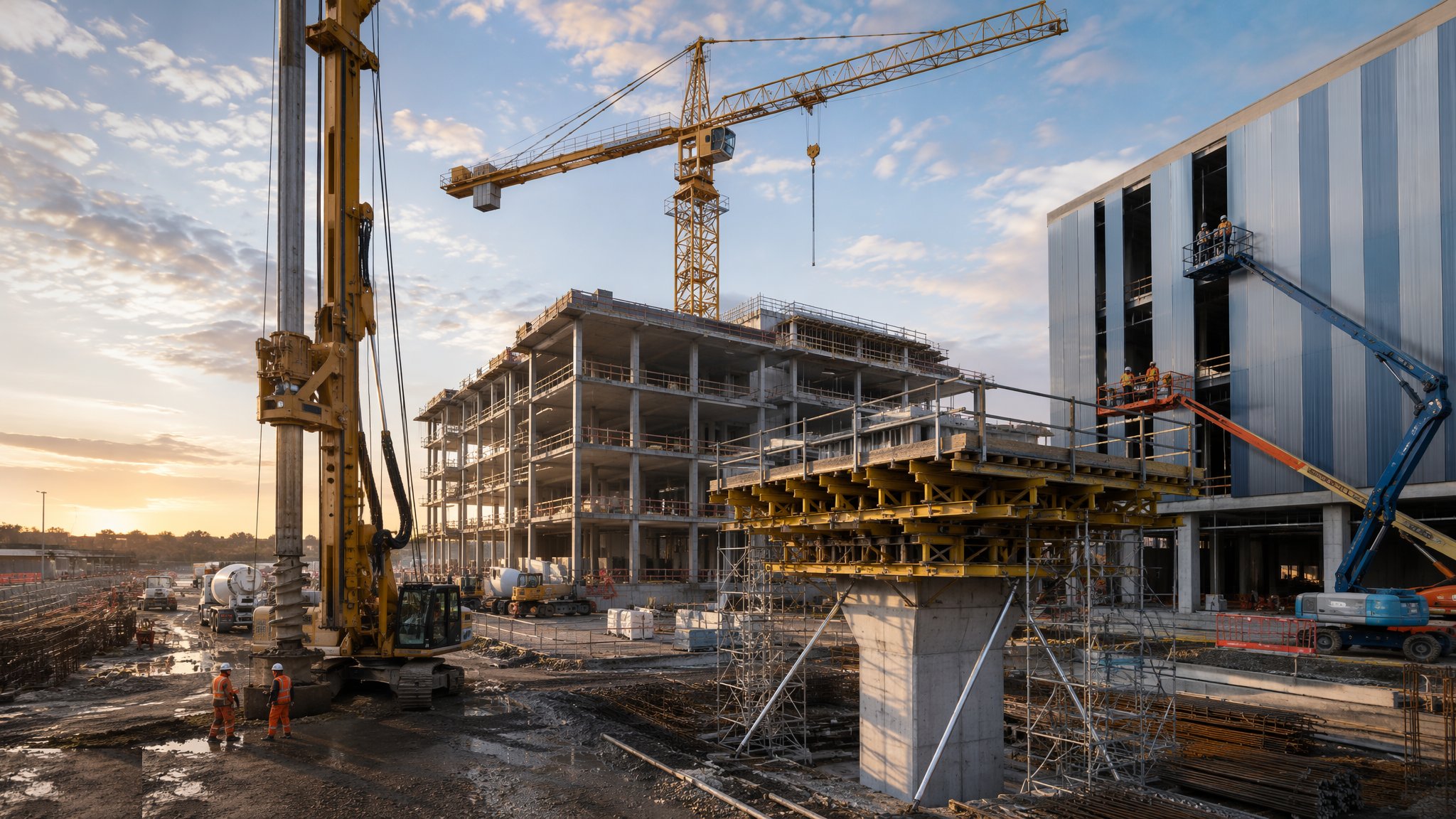
The disciplines that operate across every sector - foundations, frames, envelopes, services.
This is the methods library rather than a sector. Piling does not care whether it is founding a house, a bridge or a wind turbine; MEP first fix is the same discipline in a hospital as in an office. These ten categories reorganise the same process guides by discipline, so you can follow a trade across sector boundaries.
Explore this group of sectors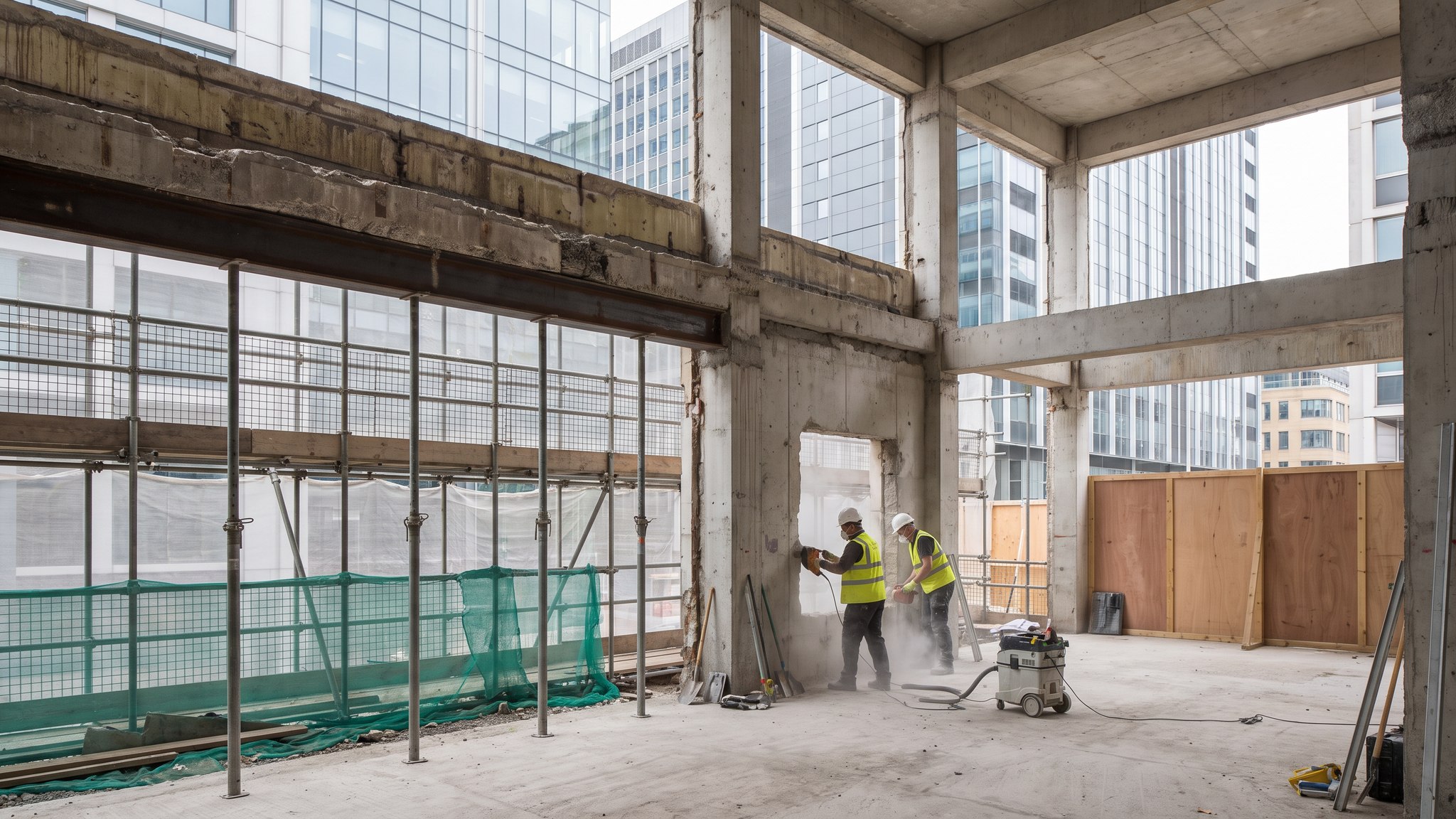
Work on what is already there - refurbishment, alteration and the trades that only ever work on existing assets.
Specialist Works is the seventh group of sectors and the only one defined by what a project is done TO rather than what it produces. Everything here happens on an existing asset: a building, a bridge, a tunnel, a treatment works. Something is kept, which means it has to be surveyed, understood, protected and worked around - and that single fact changes the survey burden, the temporary works, the unknowns and the way the job is priced.
Explore this group of sectorsHow the structure works
There are four levels, and it is worth ten seconds to learn them because every page on the site sits somewhere in this structure.
A group of sectors is the top level - the six cards above. Inside each group sit the sectors: residential housing, roads and highways, tunnels and underground, and so on, 59 in total. Each sector contains its processes, in build order, from site access through to handover - 258 of them across the site. And where a process can be carried out in more than one way, it carries its methods: the competing techniques, compared against each other.
Every group has its own colour. It runs all the way down - group page, sector page, process guide, method comparison - so the colour of a page tells you which part of construction you are in before you have read a word of it. Amber is not one of them: amber is the site\u2019s own colour, and it means a link or a button. Coloured boxes work the other way round: they are the same on every page and they code the KIND of information, so a red box is a hazard whether you are reading about tower cranes or tunnels.
The sixth group is different. Construction Methods is a library rather than a sector group: it collects the disciplines that cut across every sector - temporary works, offsite and modern methods of construction, the trades, and the general construction processes that appear on almost every job.