Specialist Works
Work on what is already there - refurbishment, alteration and the trades that only ever work on existing assets.
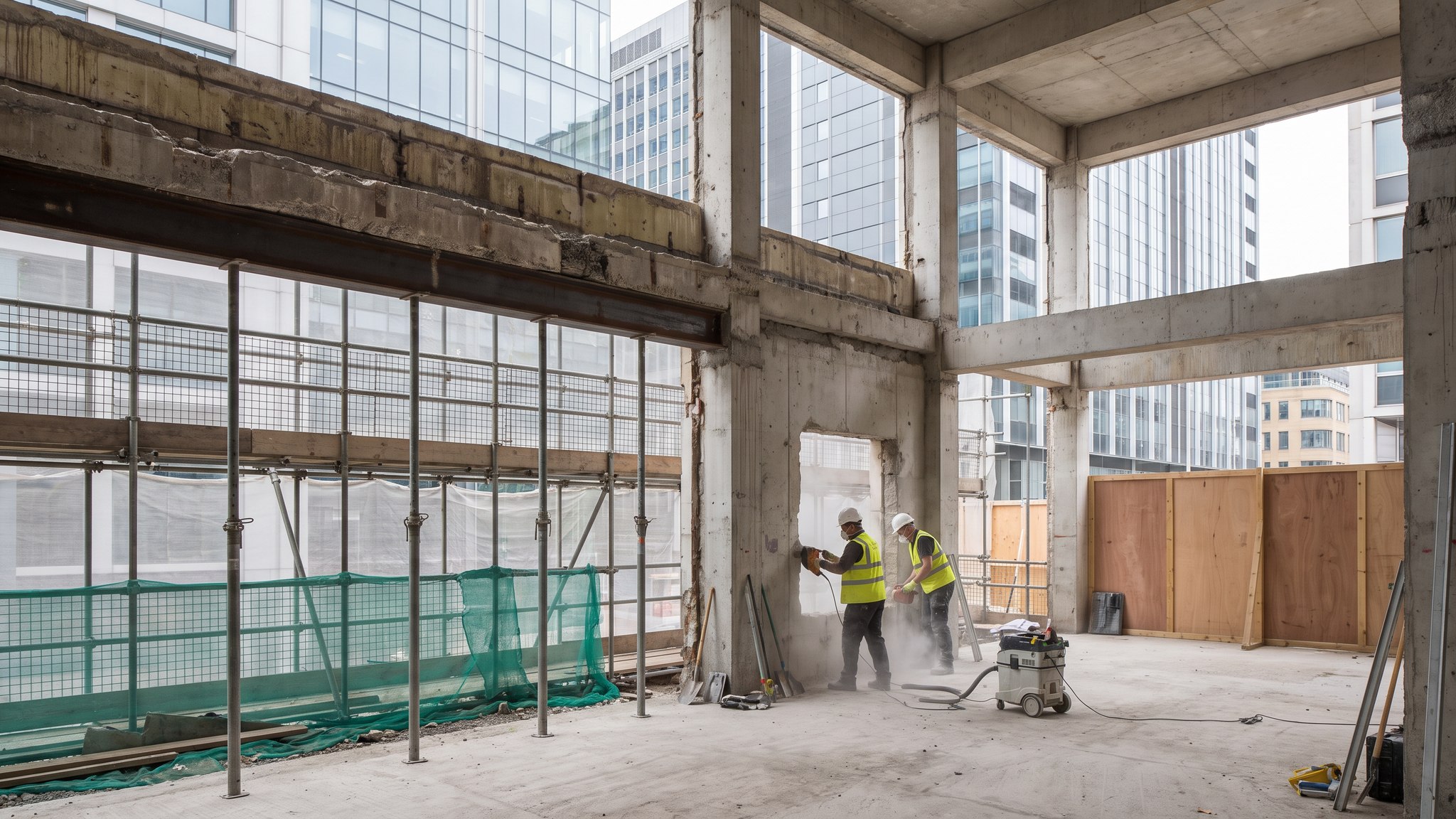
Specialist Works is the seventh group of sectors and the only one defined by what a project is done TO rather than what it produces. Everything here happens on an existing asset: a building, a bridge, a tunnel, a treatment works. Something is kept, which means it has to be surveyed, understood, protected and worked around - and that single fact changes the survey burden, the temporary works, the unknowns and the way the job is priced.
10 sectors in this group
Live sectors carry the full step-by-step guides. The rest are scoped and scheduled - their pages slot straight in when the next build phase lands.
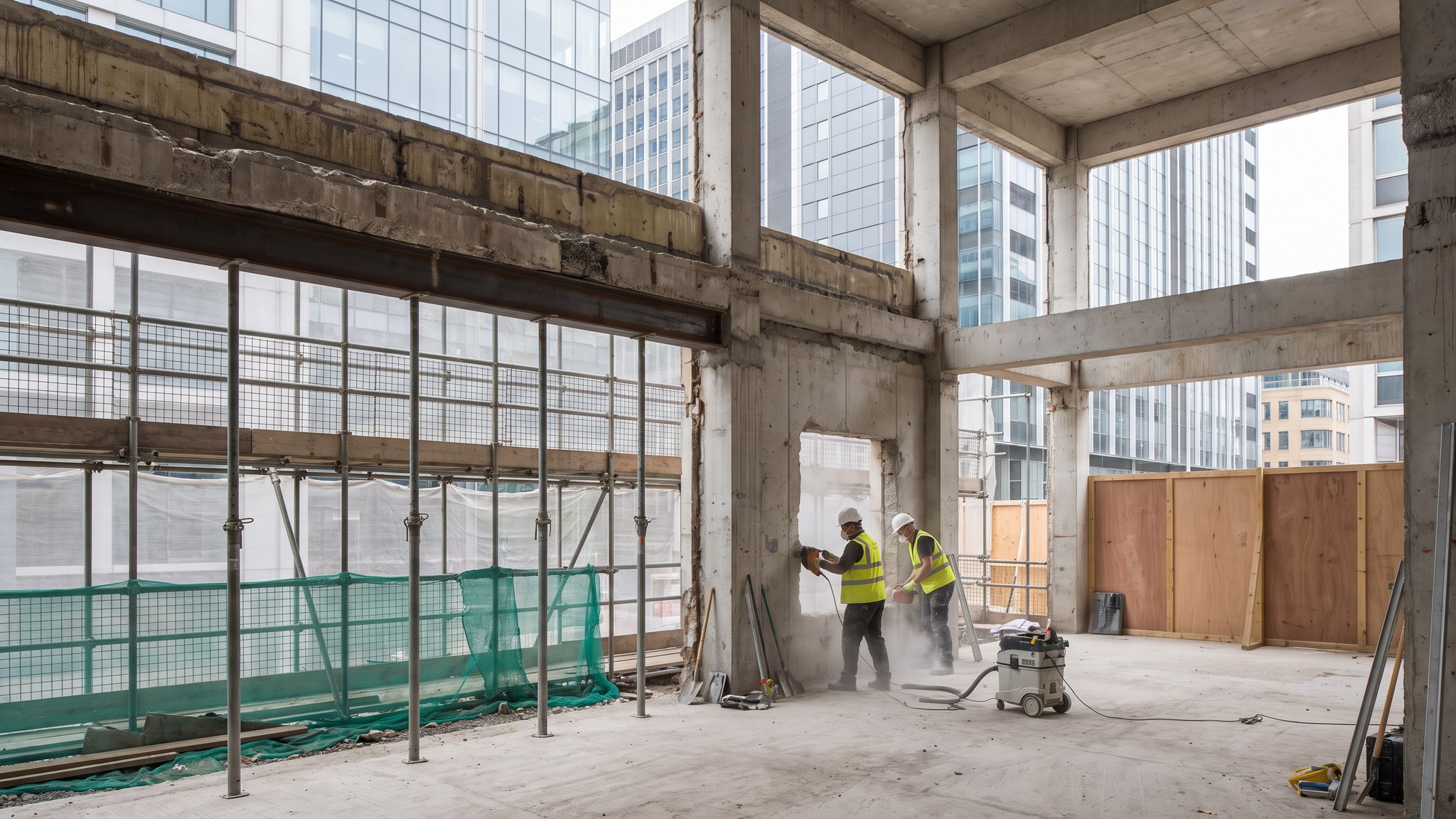
Minor domestic works through to major civils refurbishment - everything done to an asset that already exists.
Explore the sector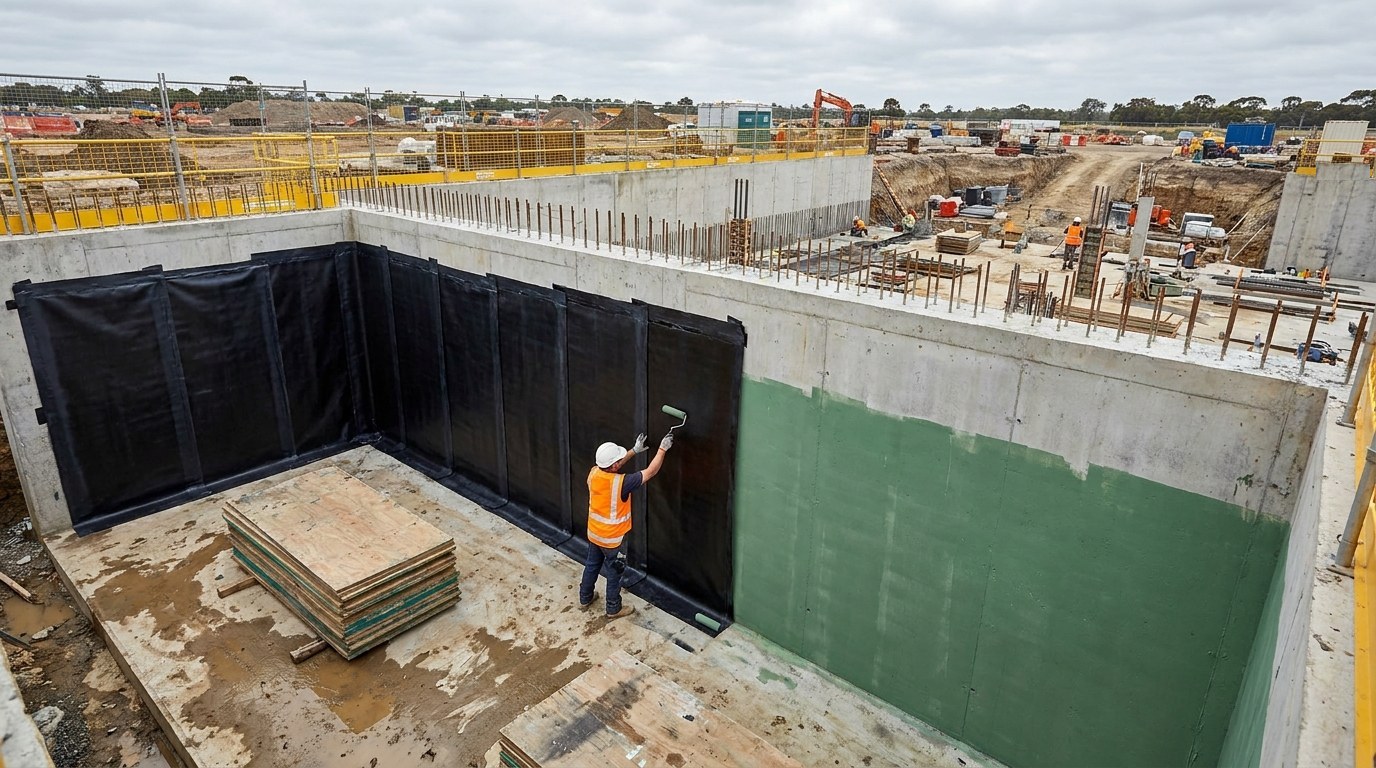
Keeping water out of structures - basements, roofs, decks and everything below ground.
Explore the sector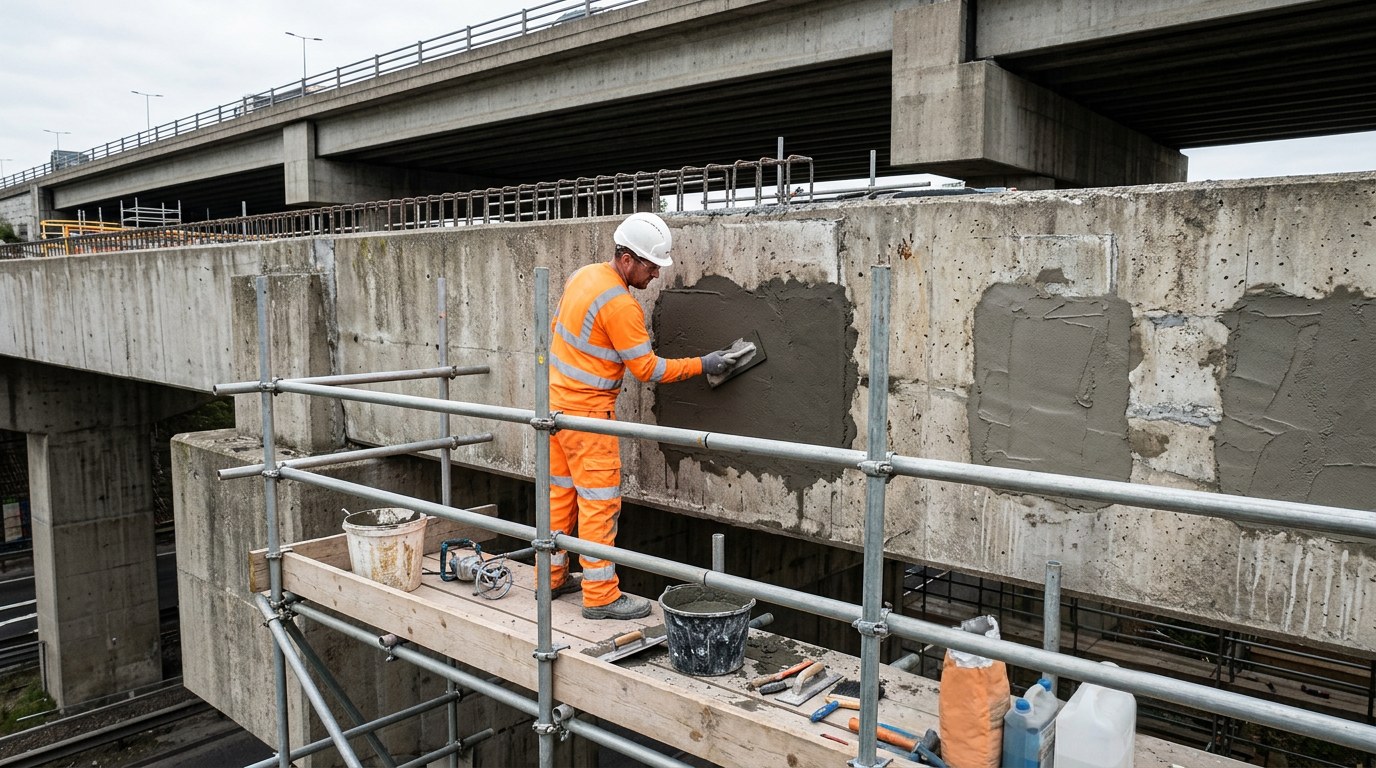
Diagnosing and repairing damaged concrete - spalling, corrosion, cracking and defects.
Explore the sector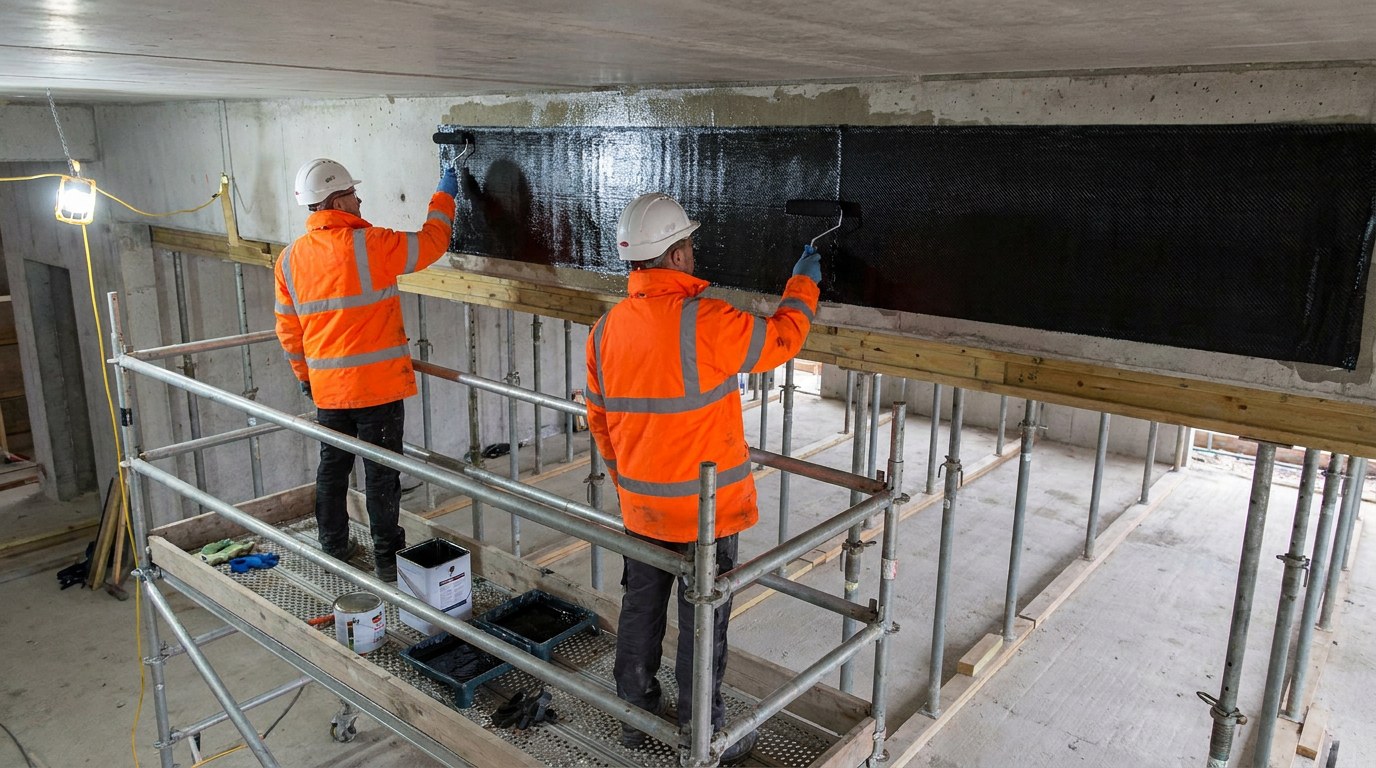
Bonded carbon fibre plates and fabrics that add strength without adding weight.
Explore the sector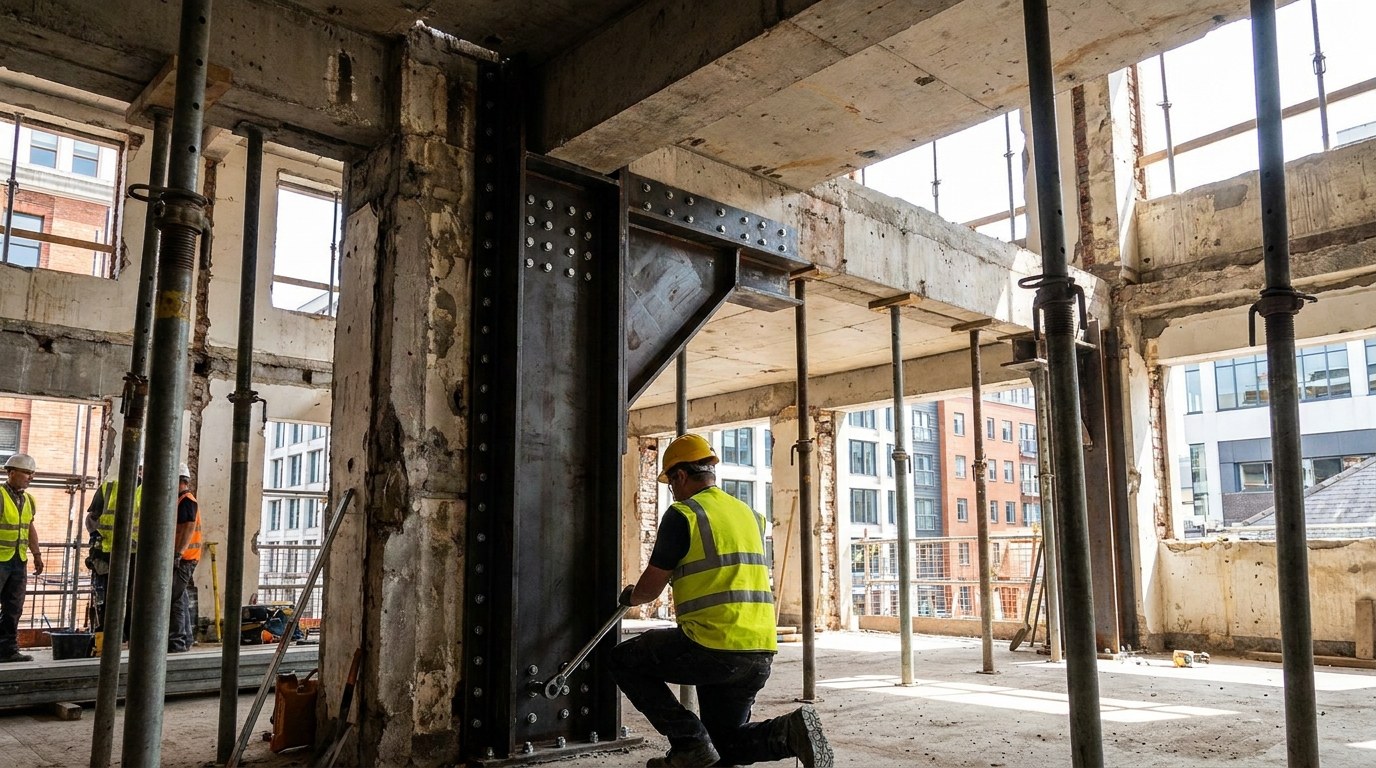
Upgrading existing structures to carry more - steel, concrete jackets, and seismic retrofit.
Explore the sector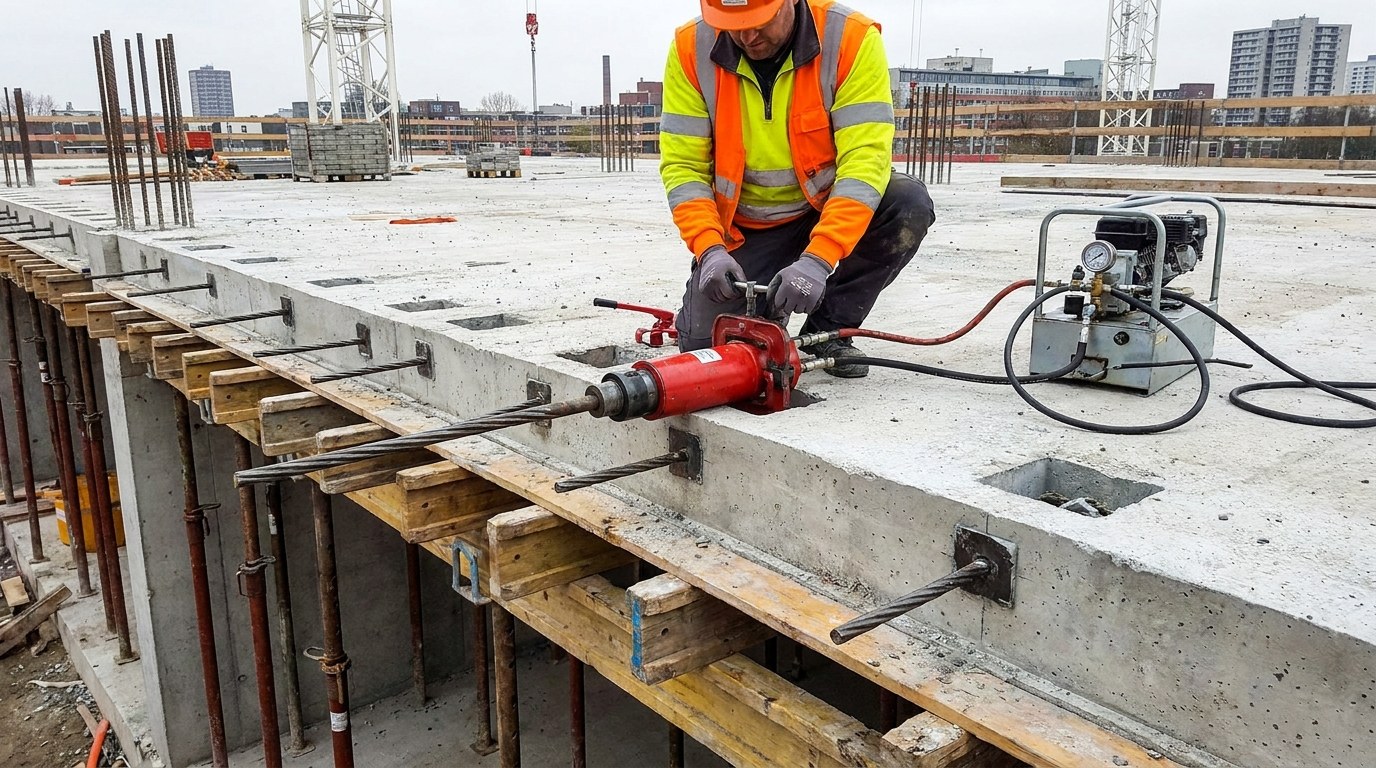
Installing, inspecting and repairing the tendons that hold modern long-span structures together.
Explore the sector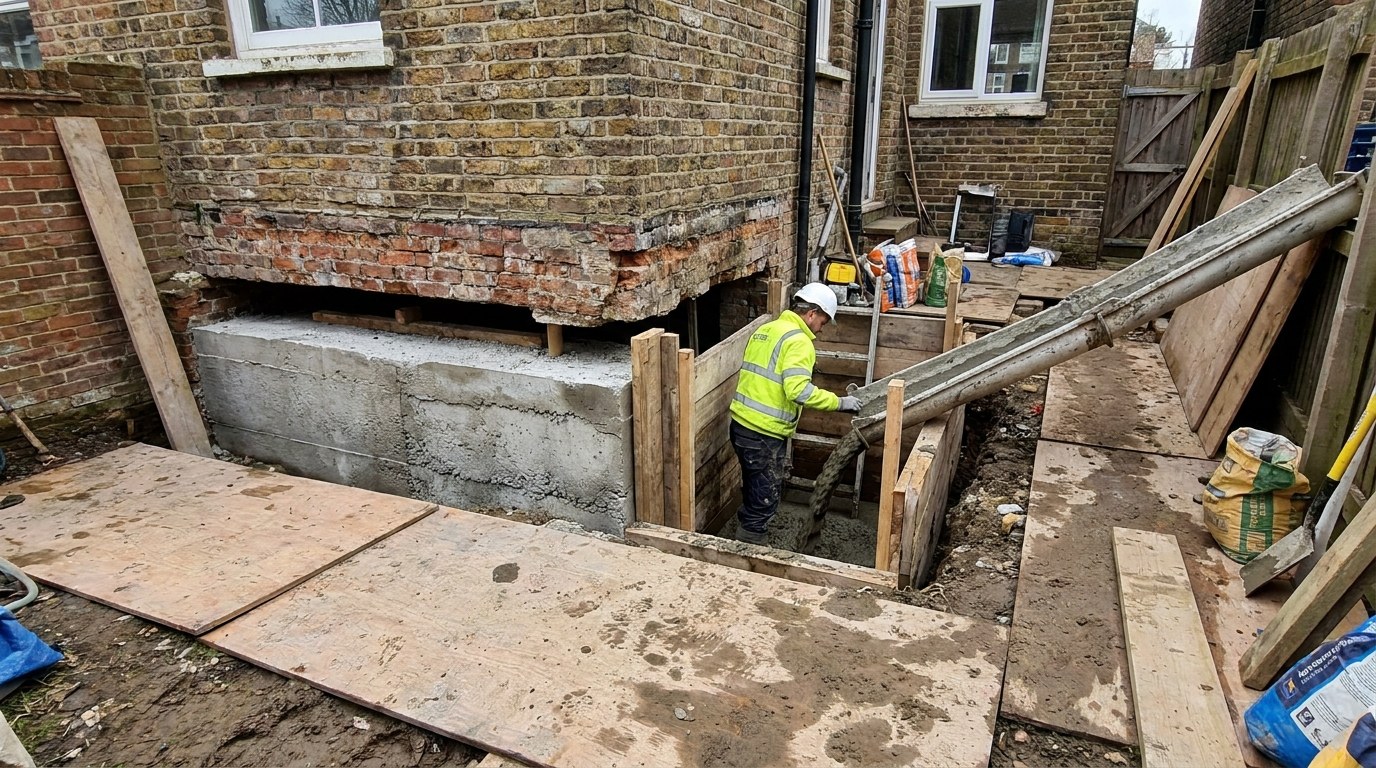
Deepening, stiffening and rescuing foundations under structures that are staying put.
Explore the sector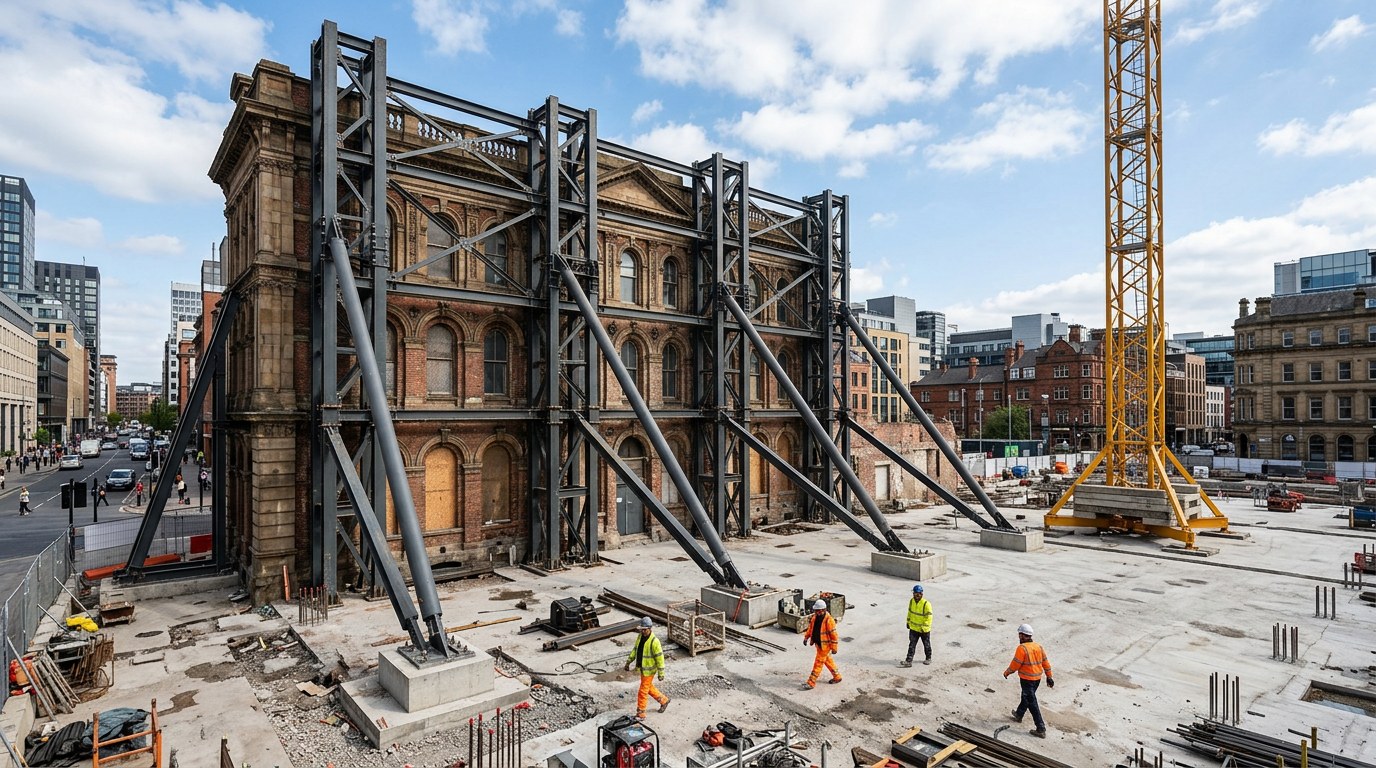
Holding historic facades while everything behind them changes - and restoring the envelope itself.
Explore the sector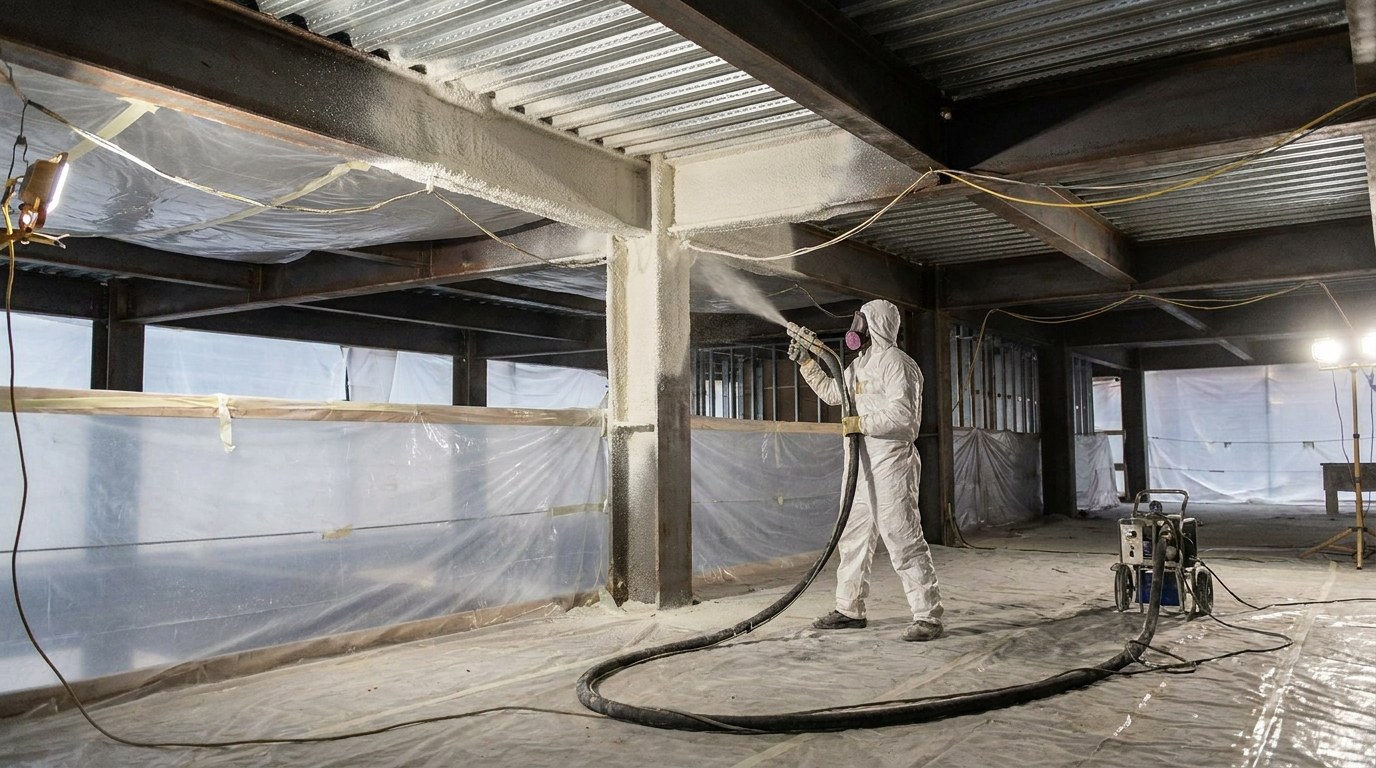
Fireproofing, compartmentation and firestopping - the protection built into the fabric.
Explore the sector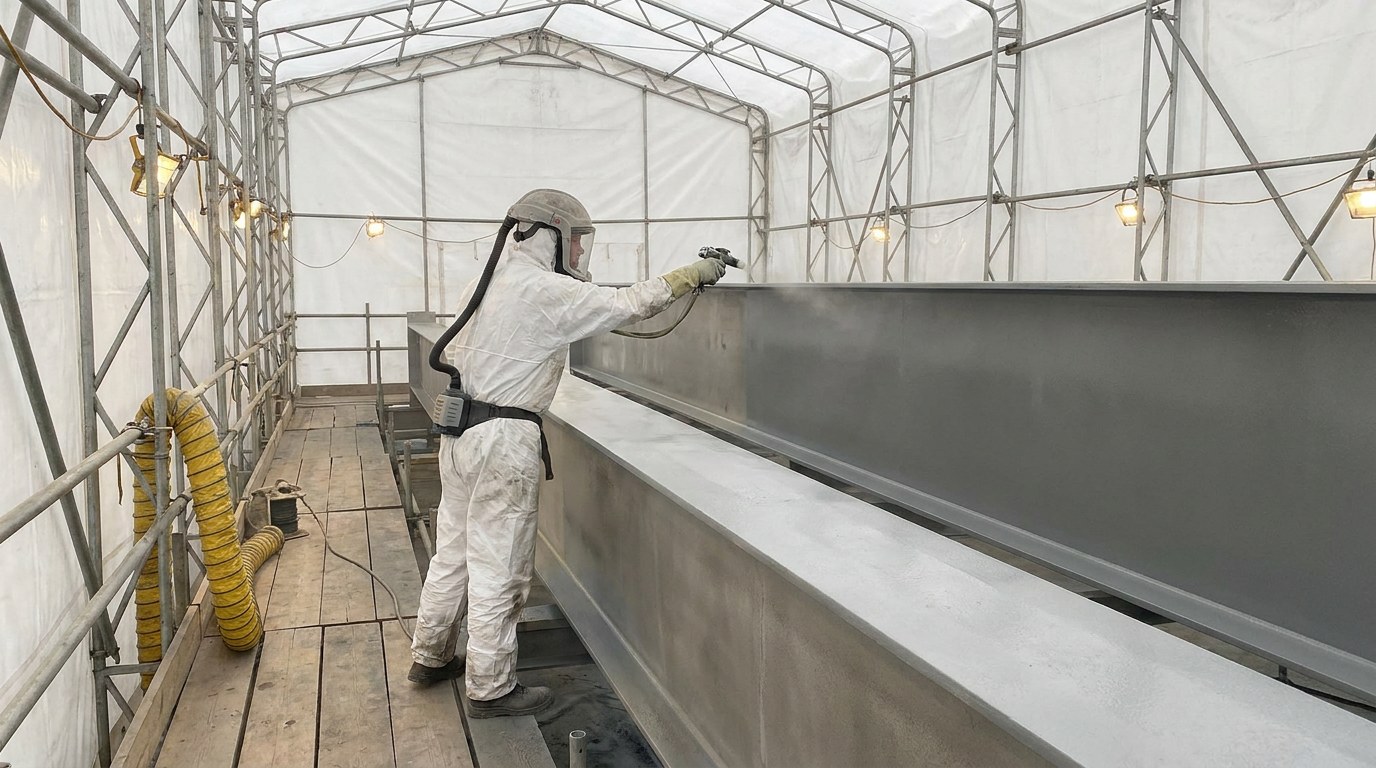
Stopping steel from rusting - inside concrete, underground and underwater.
Explore the sectorSpecialist Works in depth
About Specialist Works
It is deliberately separate from new build. A contractor who can put up a concrete frame does not automatically know how to open a hole in a 1960s one without bringing the floor above down, and the sequencing logic is close to the reverse of a new-build programme: you cannot start at the bottom and work up, because the top is already occupied.