Construction Methods
The disciplines that operate across every sector - foundations, frames, envelopes, services.
This is the methods library rather than a sector. Piling does not care whether it is founding a house, a bridge or a wind turbine; MEP first fix is the same discipline in a hospital as in an office. These ten categories reorganise the same process guides by discipline, so you can follow a trade across sector boundaries.
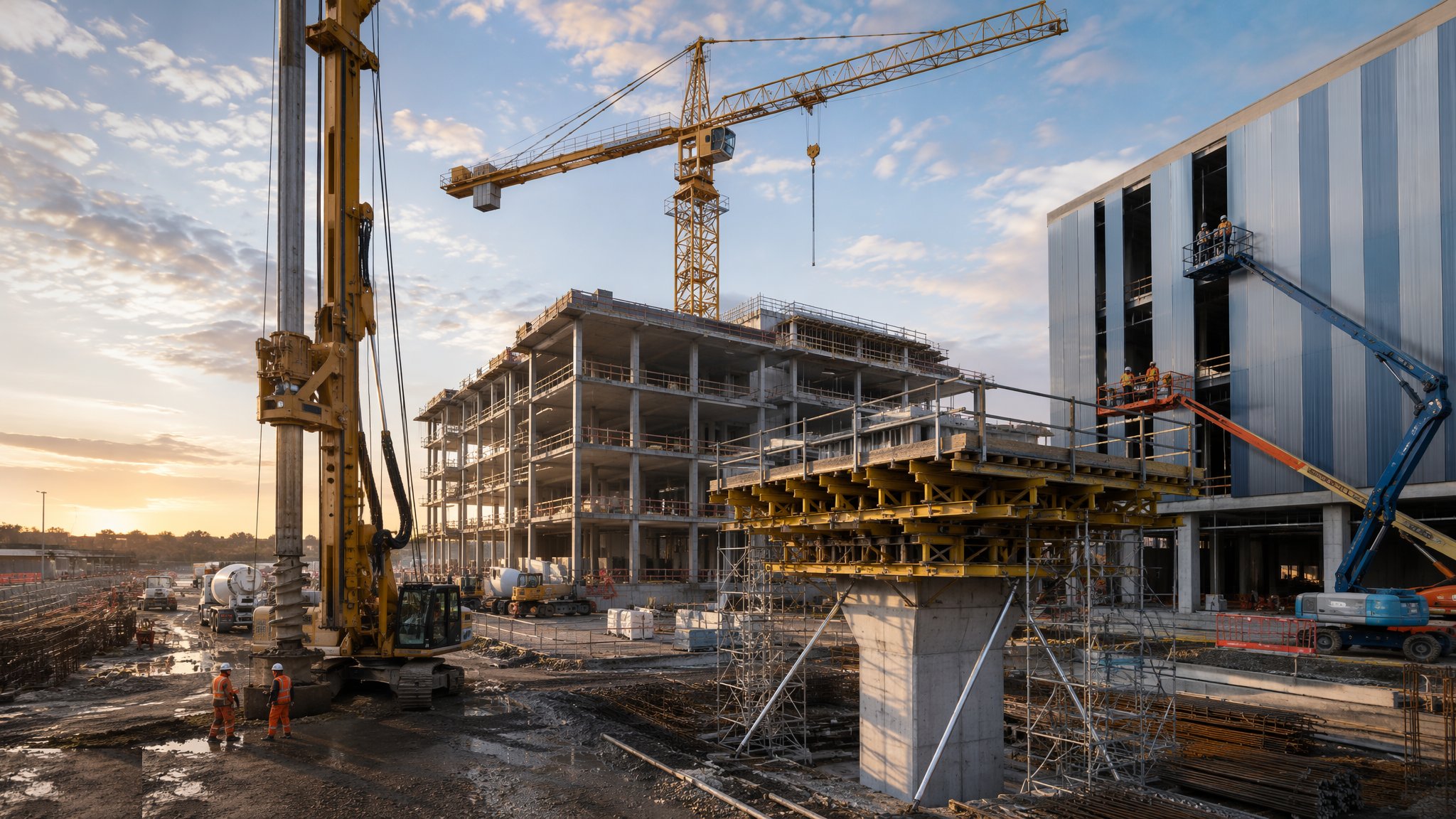
Ten disciplines, one library
This is the methods library rather than a sector. Each category collects the process guides for one discipline, wherever in the site they live - and every card links to the guide's canonical home sector.
Temporary Works & Enabling27
Access, survey control and ground control - before the real work starts.
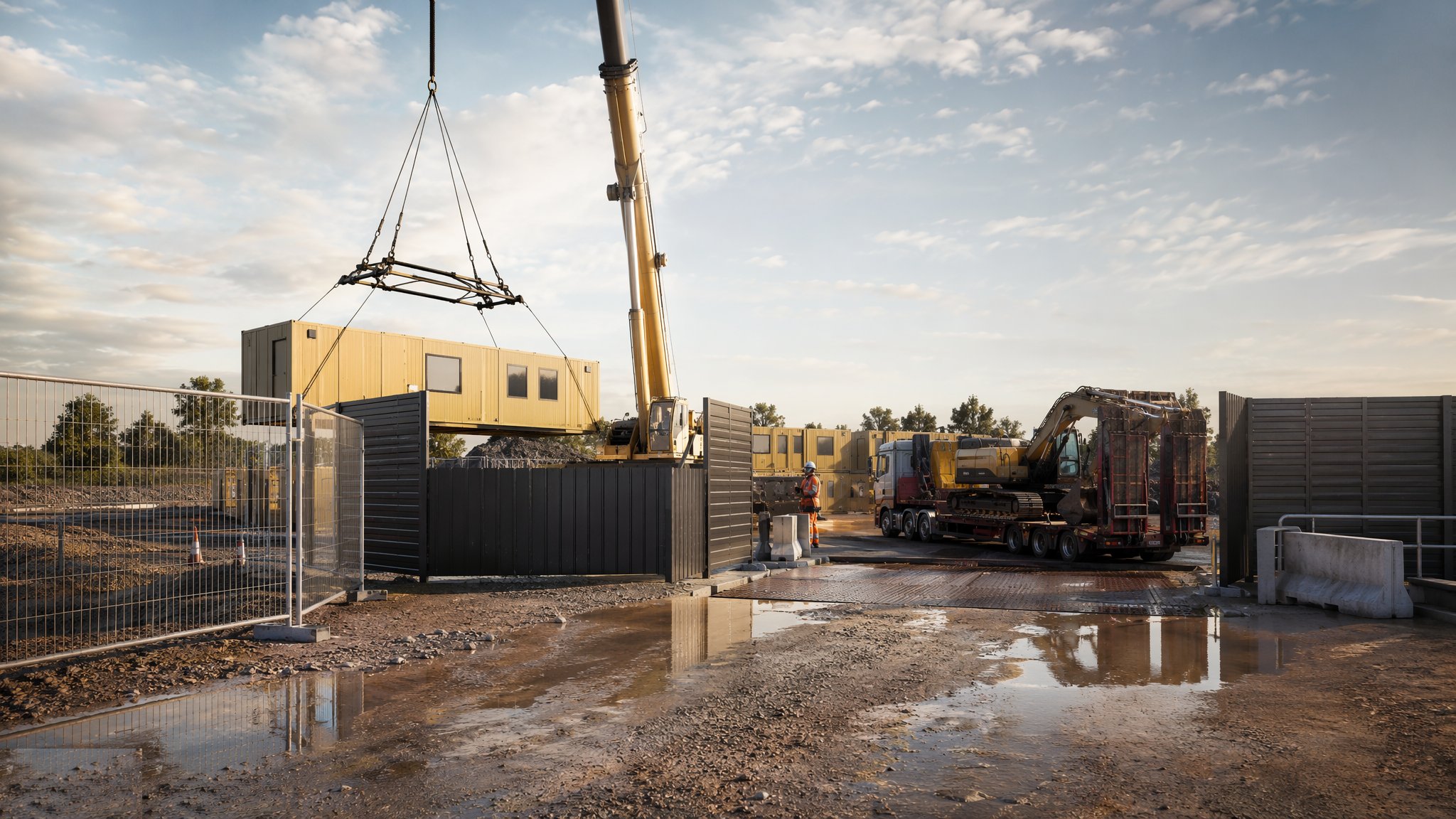
Site Access & Enabling Works
Turning a piece of land into a controlled, serviced, legal construction site.
Open process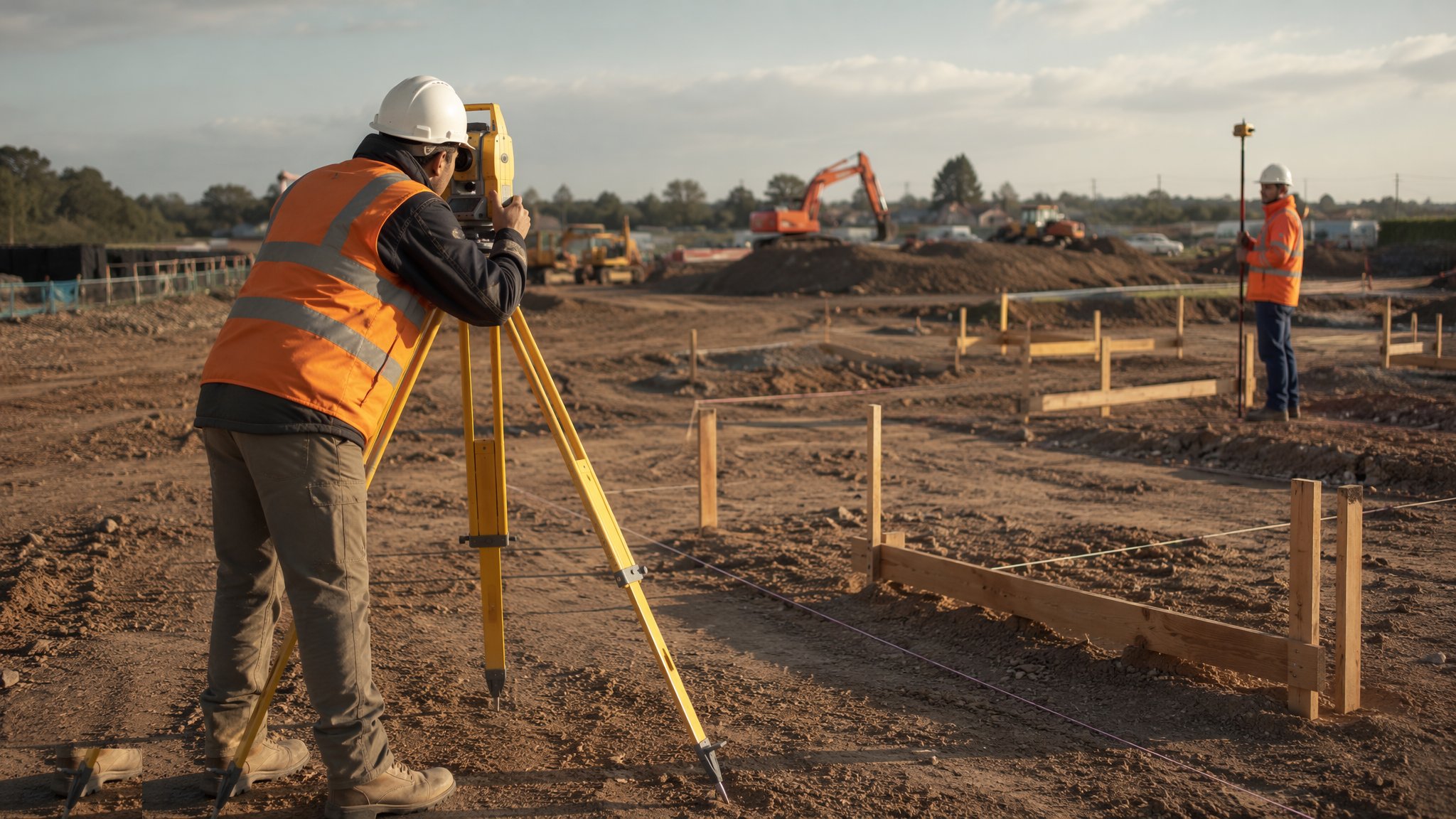
Setting Out & Survey Control
Benchmarks, grids and datums - the invisible framework every trade builds to.
Open process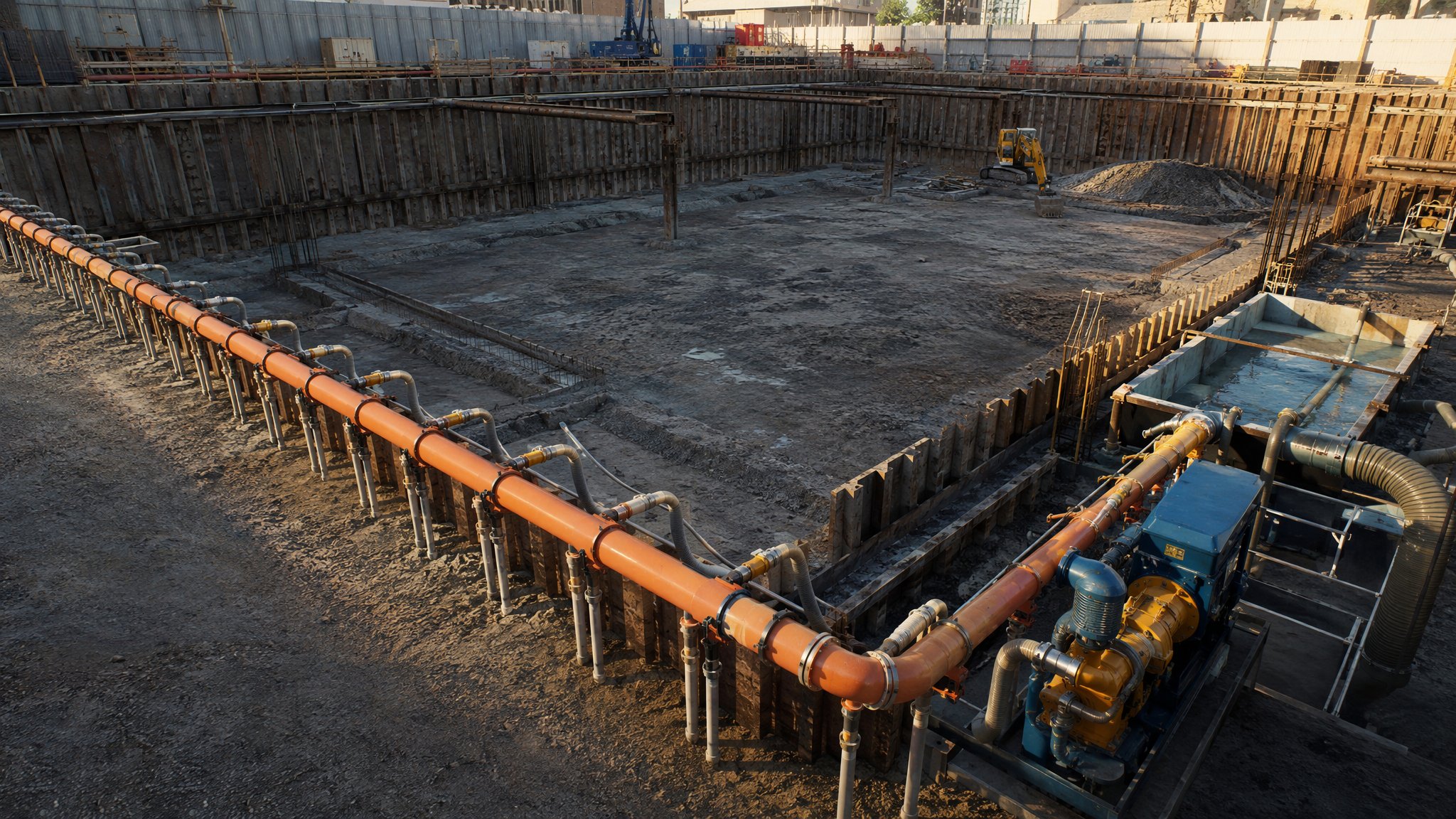
Dewatering & Groundwater Control
Keeping the dig dry - pumps, wellpoints and cut-off walls against an enemy that never sleeps.
Open process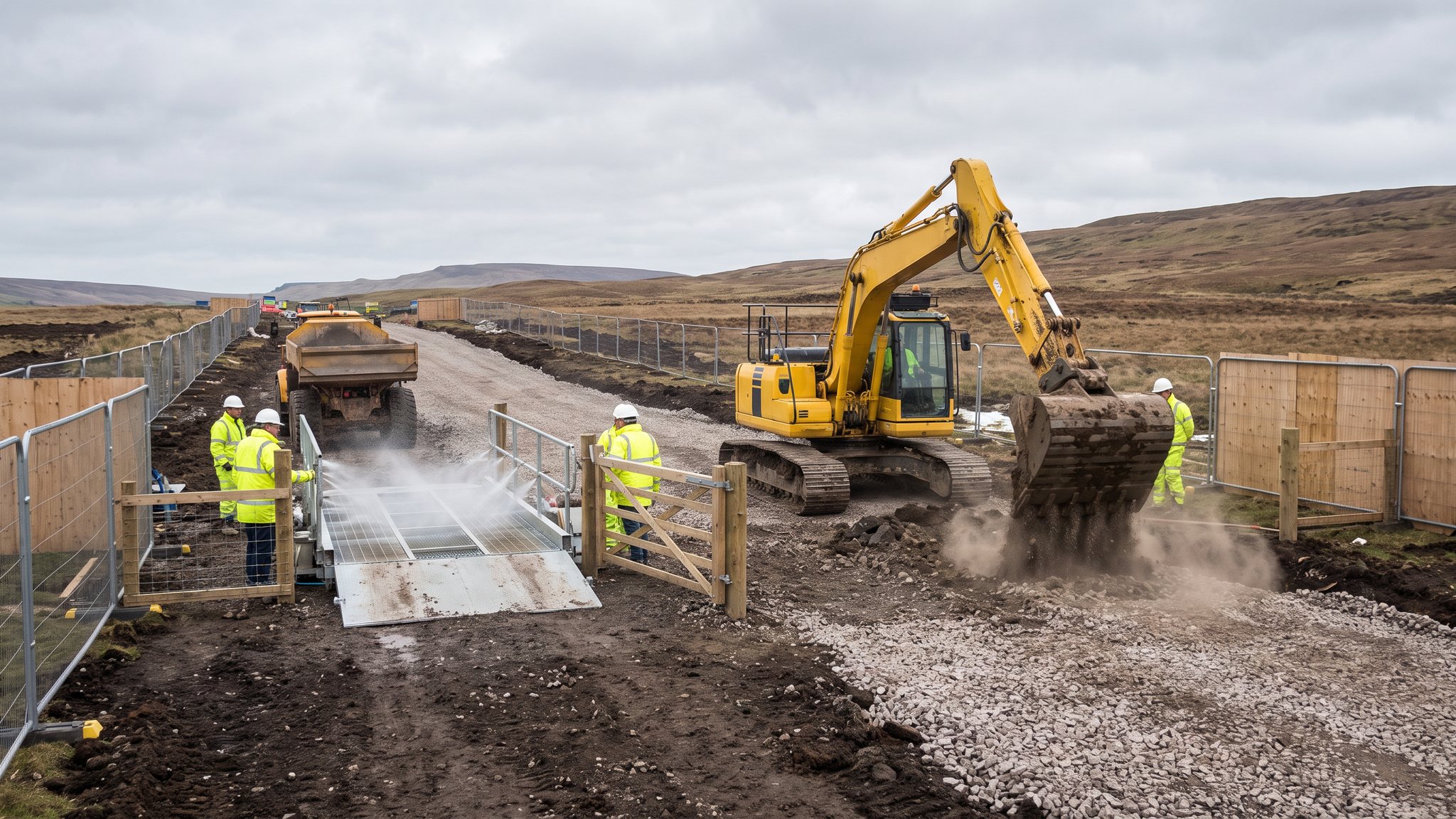
Corridor Access & Enabling Works
Turning a length of route - often a live highway - into a controlled, approved, workable construction corridor.
Open process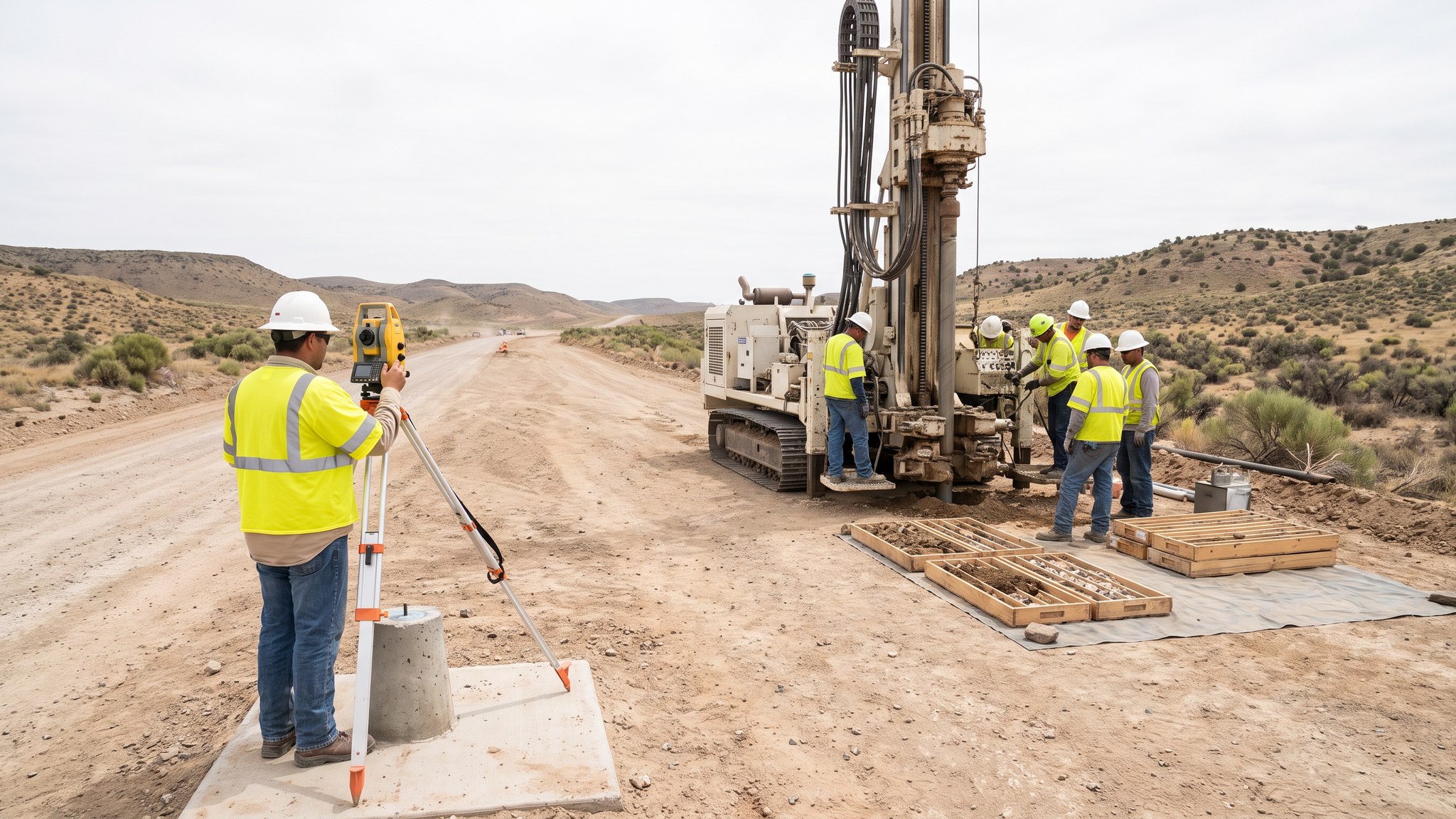
Survey Control & Ground Investigation
Corridor control networks and the ground investigation that tells you what the road, bridge or tunnel is actually standing on.
Open process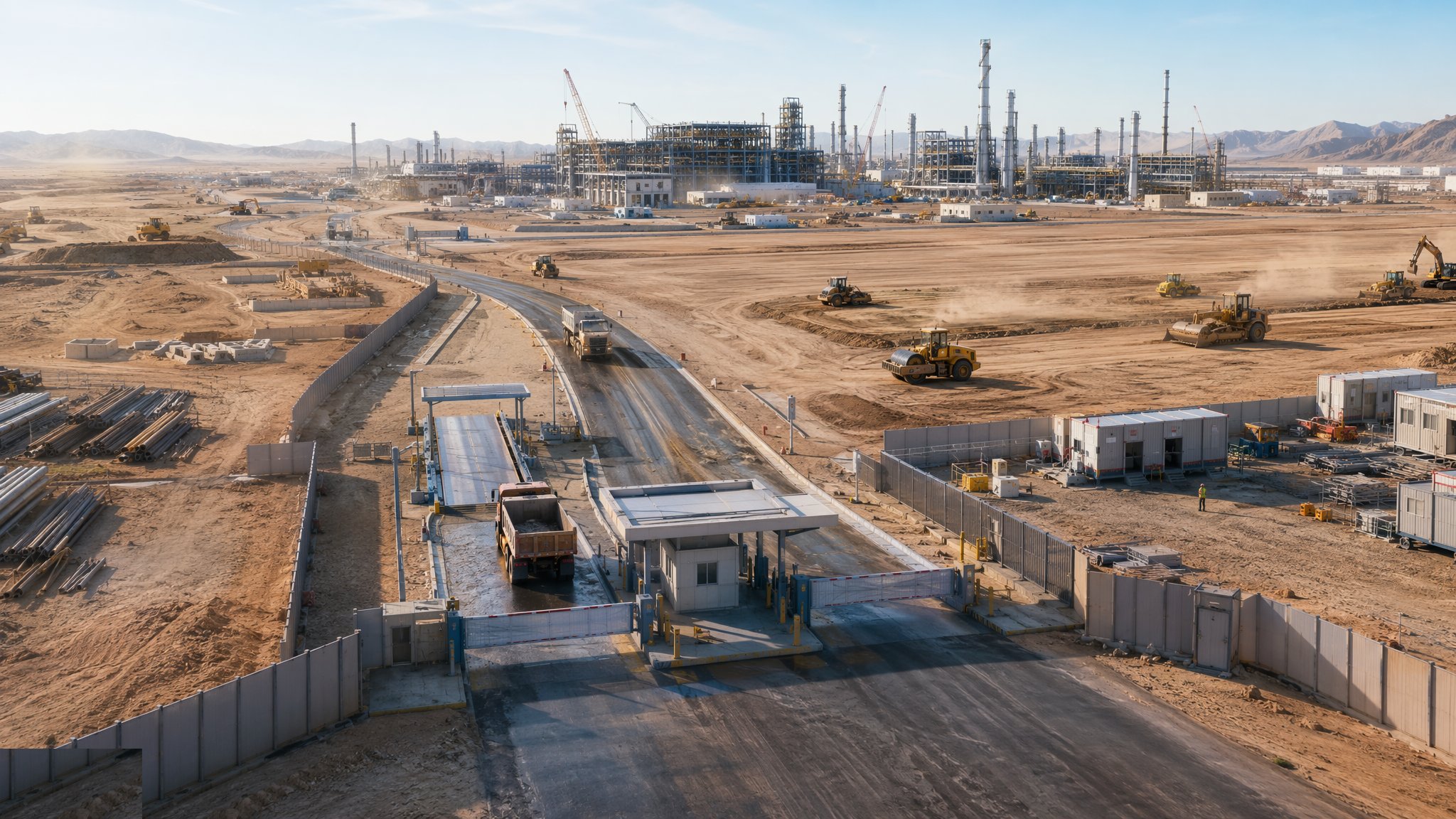
Site Access & Enabling Works - Energy Facilities
Getting plant, people and materials to a remote site and making it safe, legal and workable - the logistics stage every energy project starts with.
Open process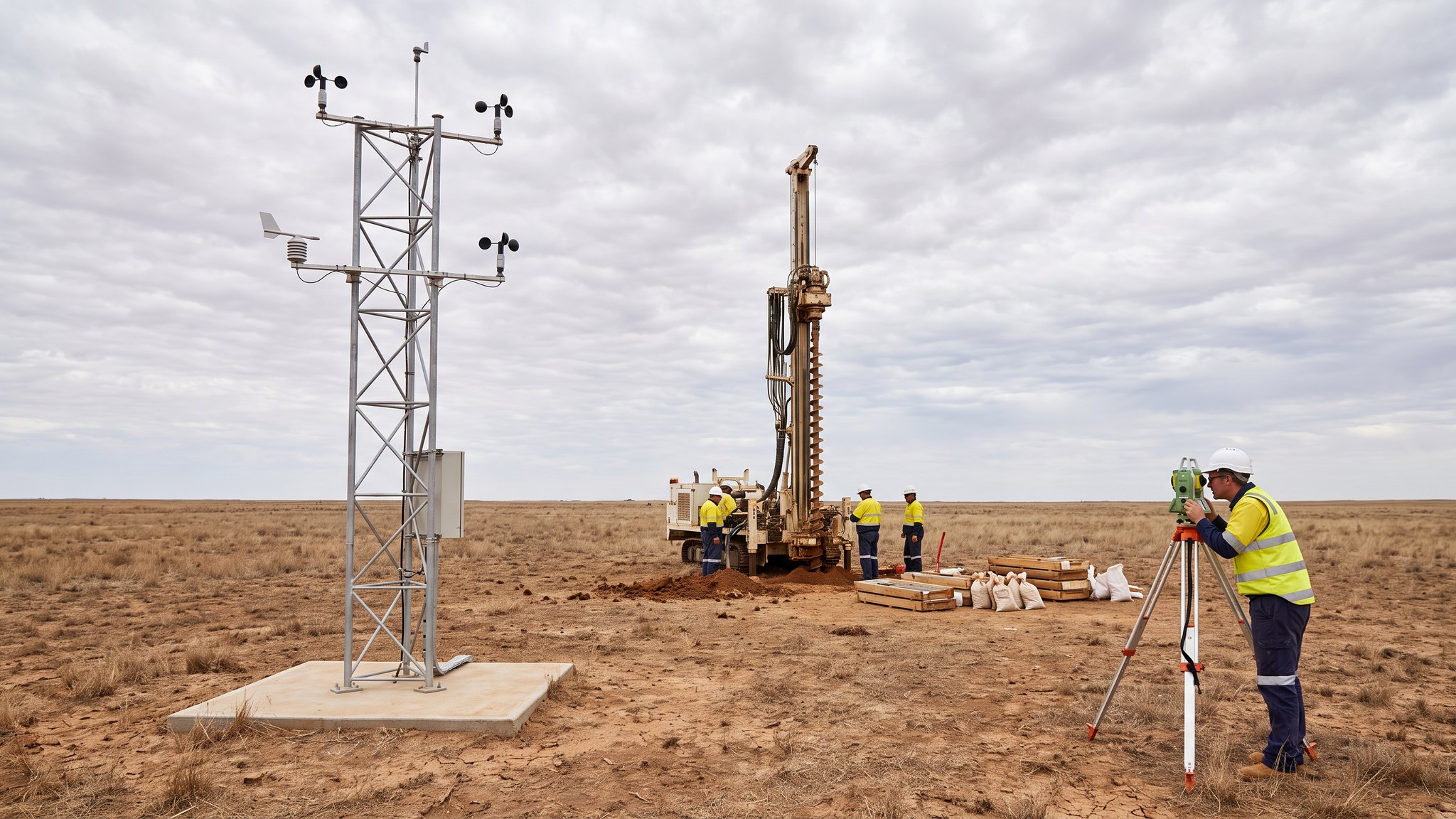
Survey, Ground Investigation & Resource Studies
Fixing where everything goes, proving what the ground will take, and measuring the wind, water and grid the asset is being built for.
Open process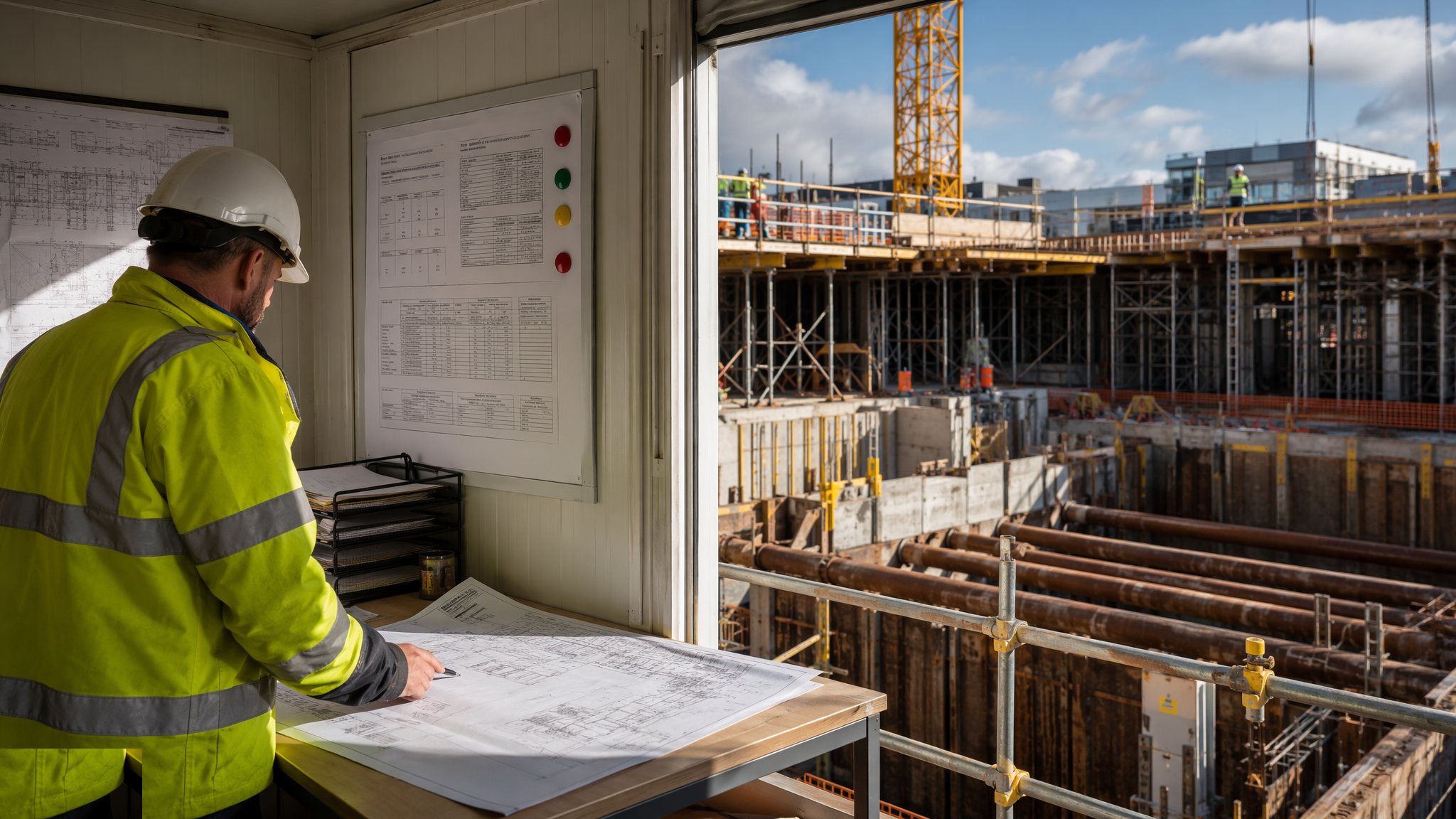
Temporary Works - Design, Control and the TWC
The register, the briefs, the checks and the permits that stop formwork, scaffolds and props collapsing - the paperwork that actually prevents failures.
Open process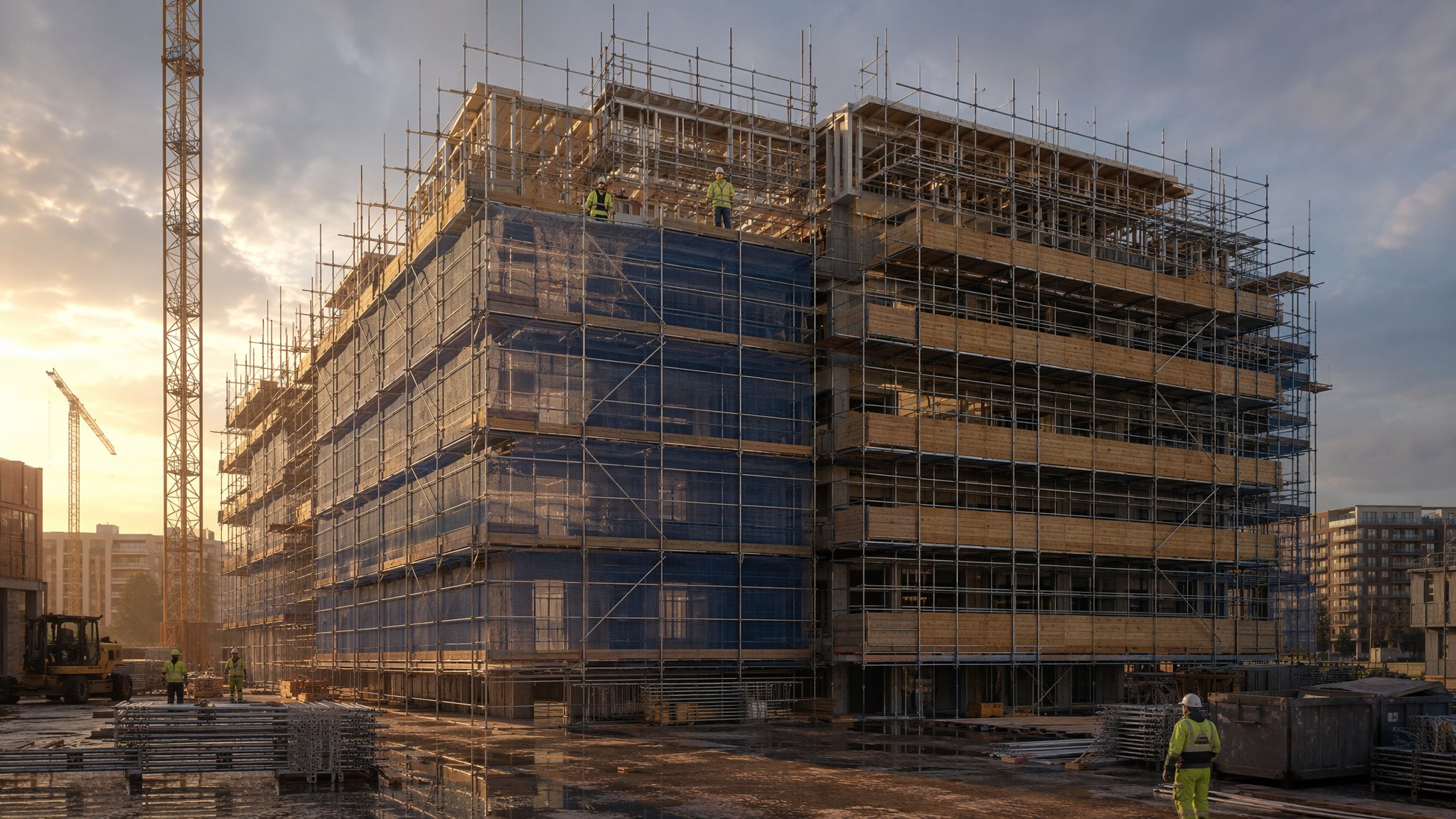
Scaffolding and Access Systems
Tube-and-fitting and system scaffolds, towers and MEWPs - how the workforce actually gets to the work face, tied, tagged and inspected.
Open process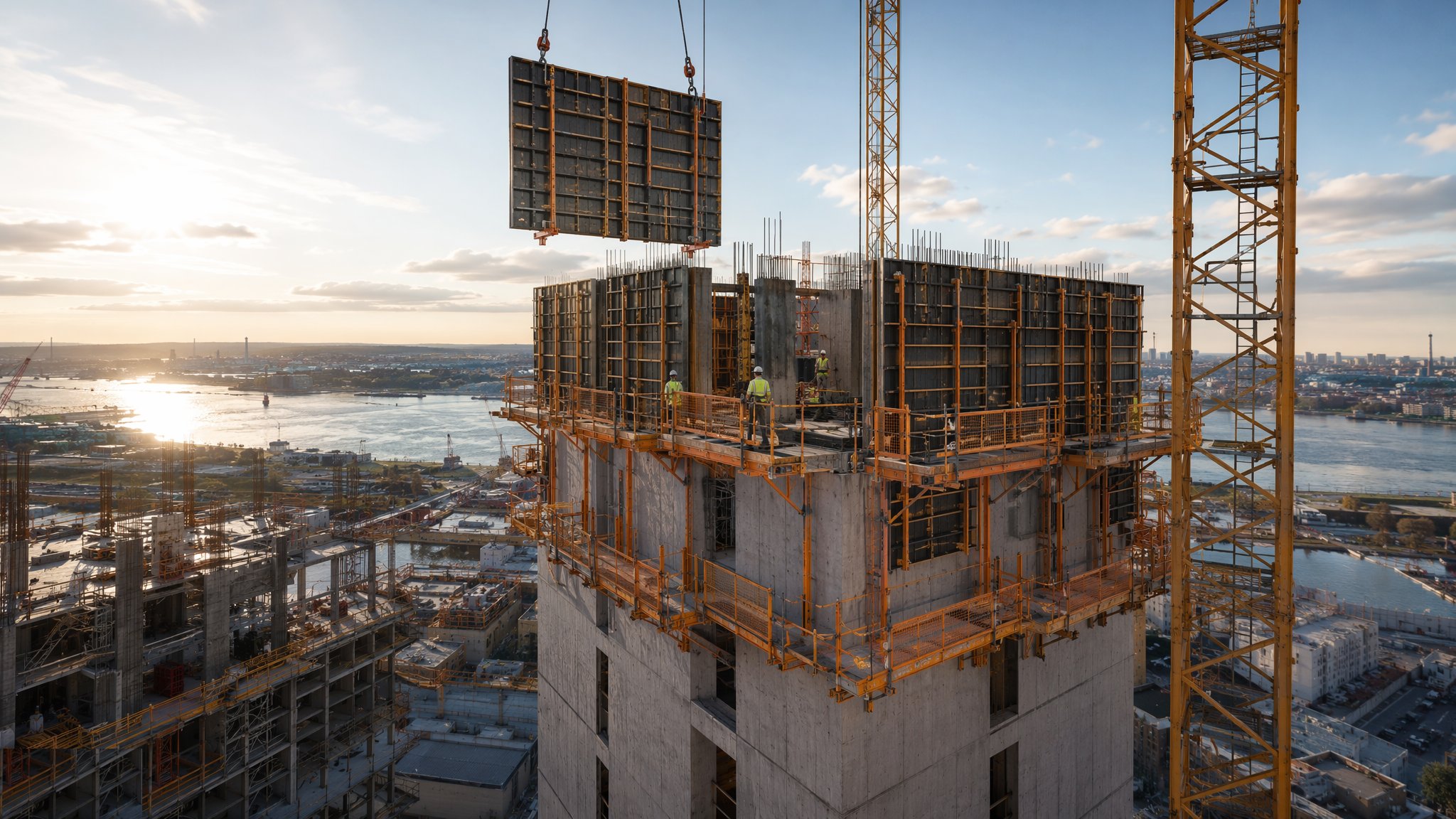
Vertical Formwork - Wall, Column, Climbing and Jump Form
Timber, panel, climbing and jump form systems for walls and columns - pour pressure, plumb, kickers and striking on strength.
Open process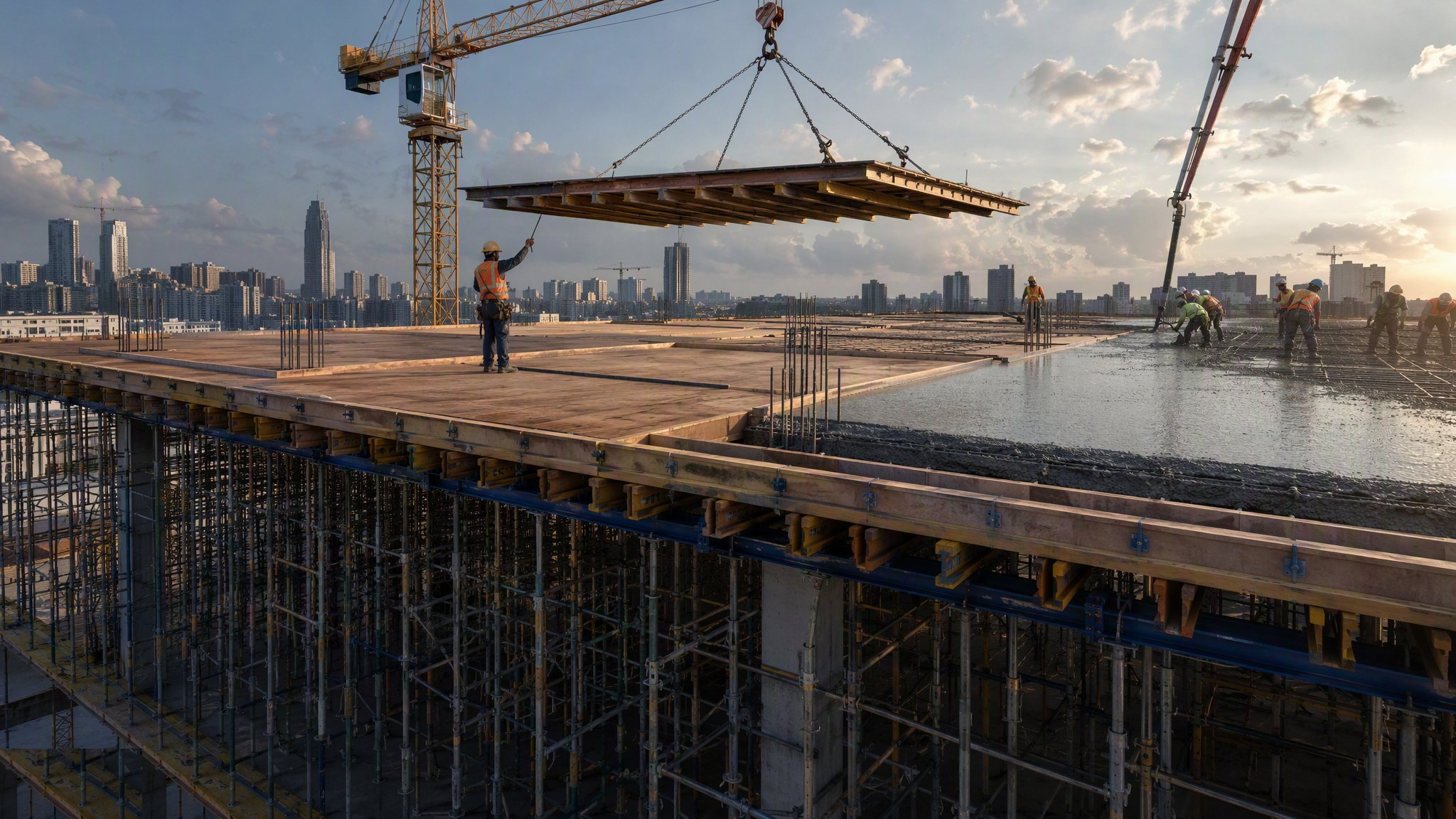
Horizontal Formwork and Falsework
Table forms, prop-and-panel decks and birdcage falsework for slabs and beams - back-propping, load paths, striking sequence and precamber.
Open process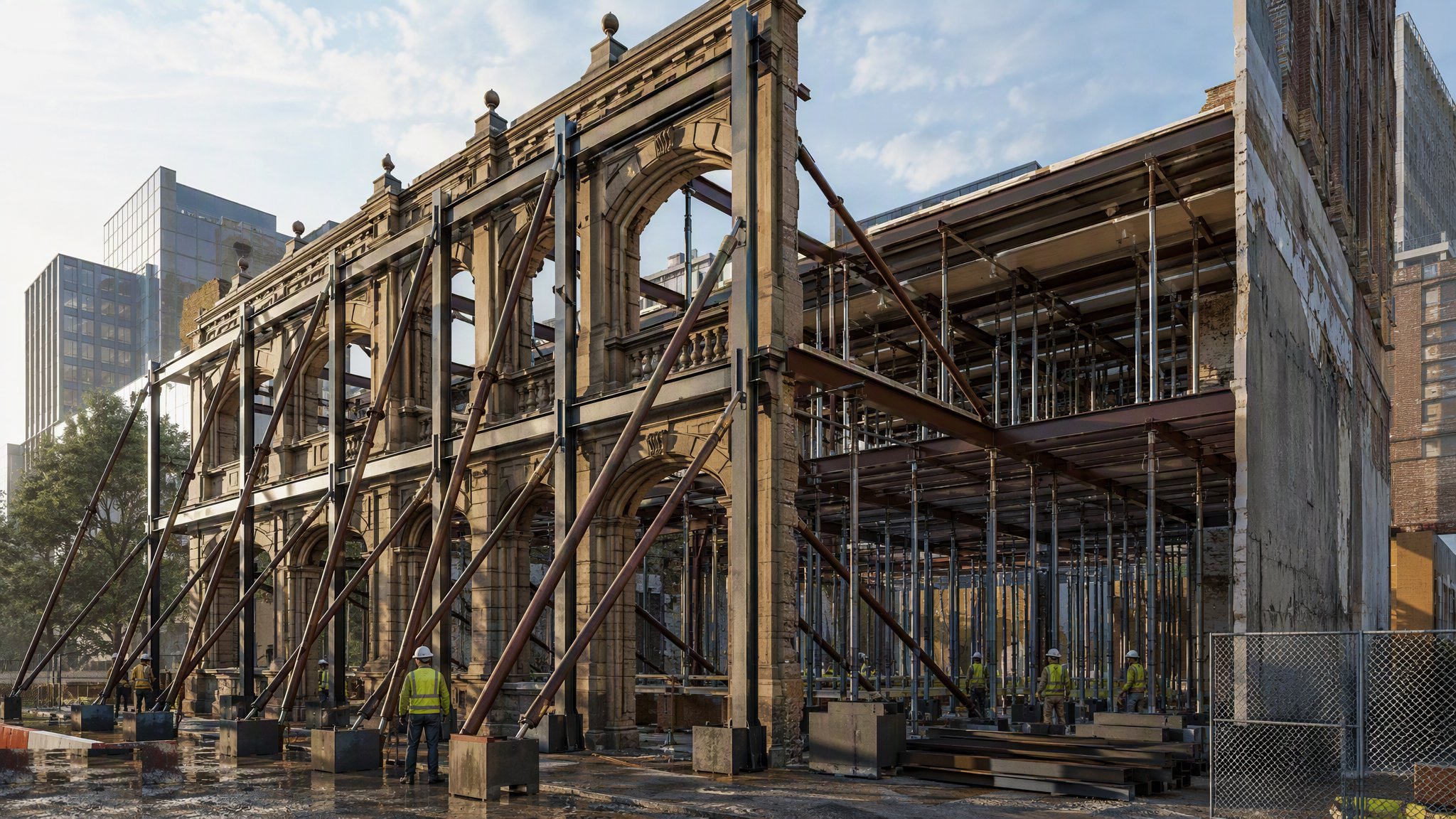
Propping, Façade Retention and Temporary Support
Holding a building up while you take parts of it away - needle beams, raking shores, façade retention frames and the monitoring that tells you it is all still standing.
Open process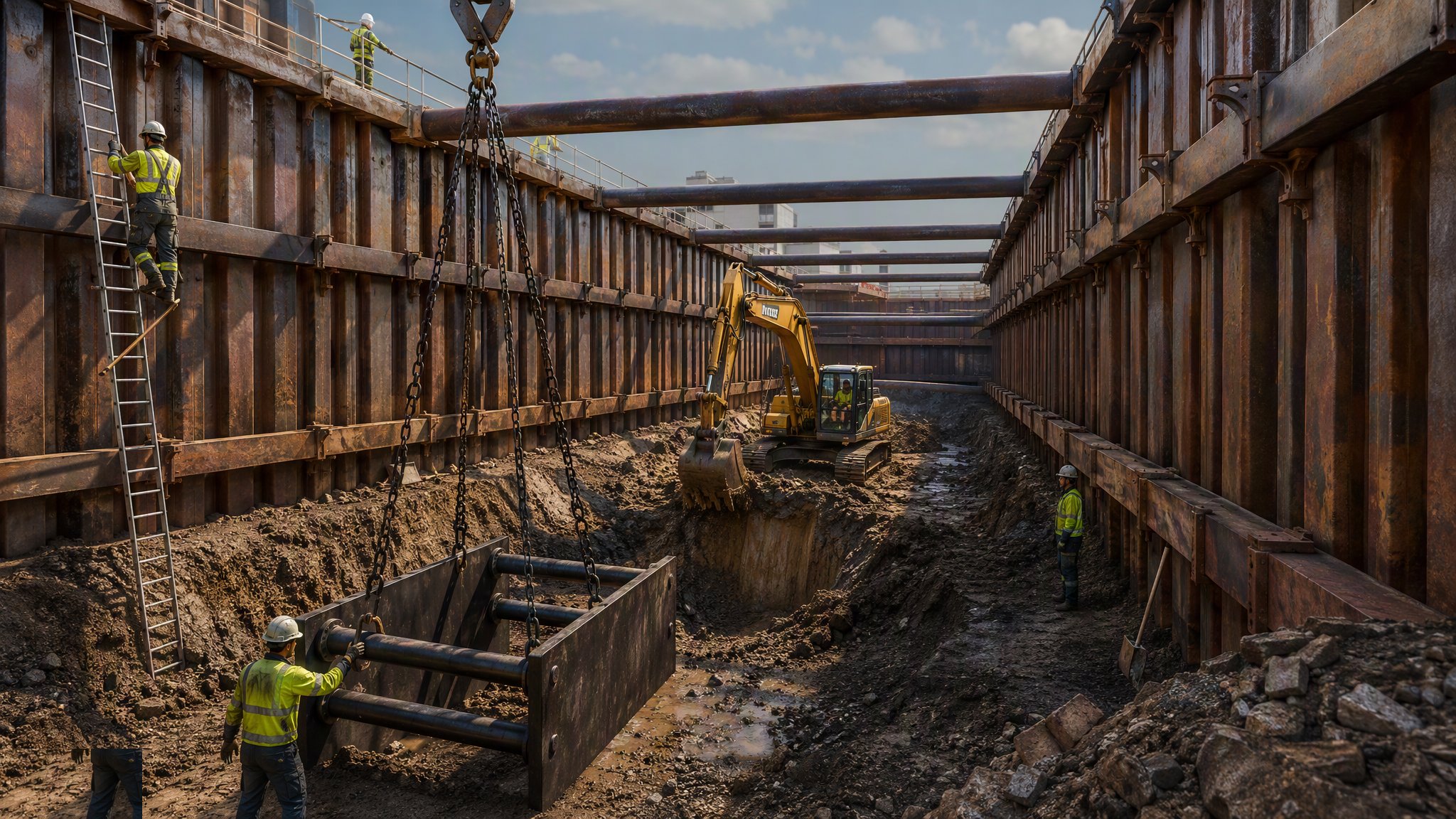
Excavation Support and Trench Shoring
Keeping the sides of a hole standing - battered slopes, trench boxes, hydraulic walings and sheet piles - because a cubic metre of soil weighs about two tonnes and it does not warn you.
Open process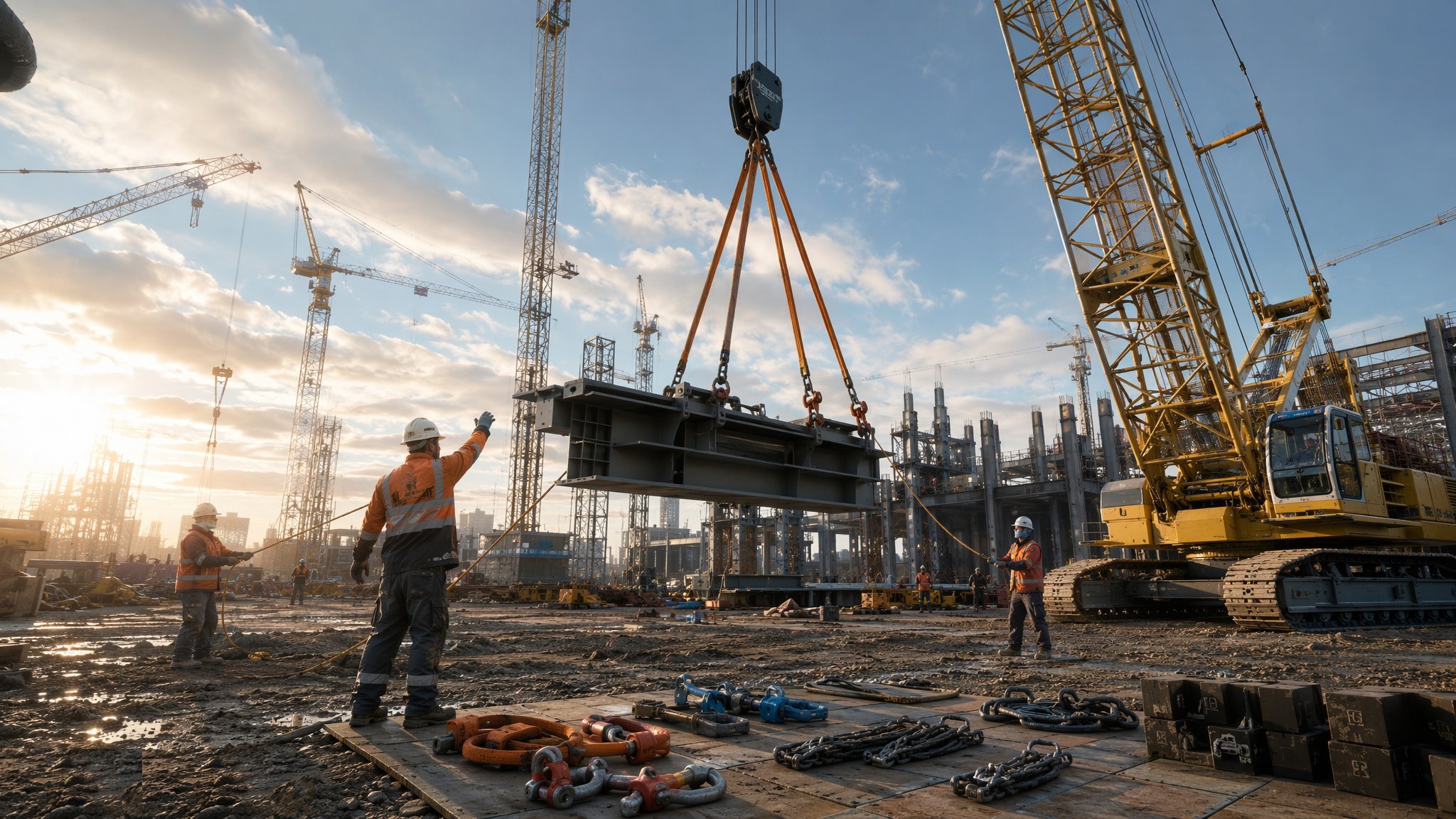
Craneage and Lifting Operations
Choosing, standing and running the cranes that feed the whole site - lift planning under BS 7121, ground bearing, wind limits and the people who make a lift legal.
Open process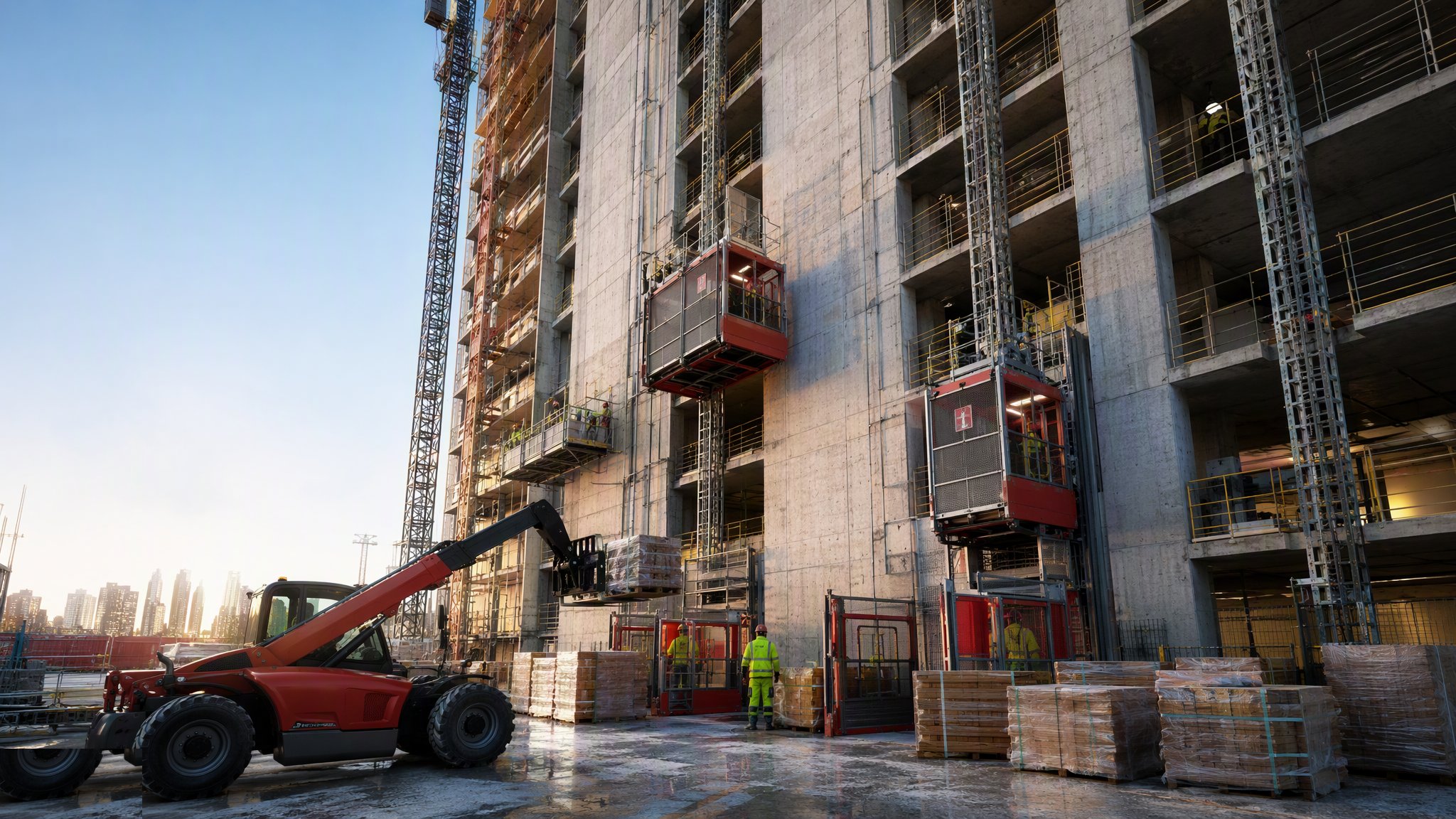
Hoists, Mast Climbers and Material Handling
The vertical logistics that decide whether a tower finishes on time - passenger hoists, goods hoists, mast climbers, telehandlers and the loading-bay strategy behind the finishing programme.
Open process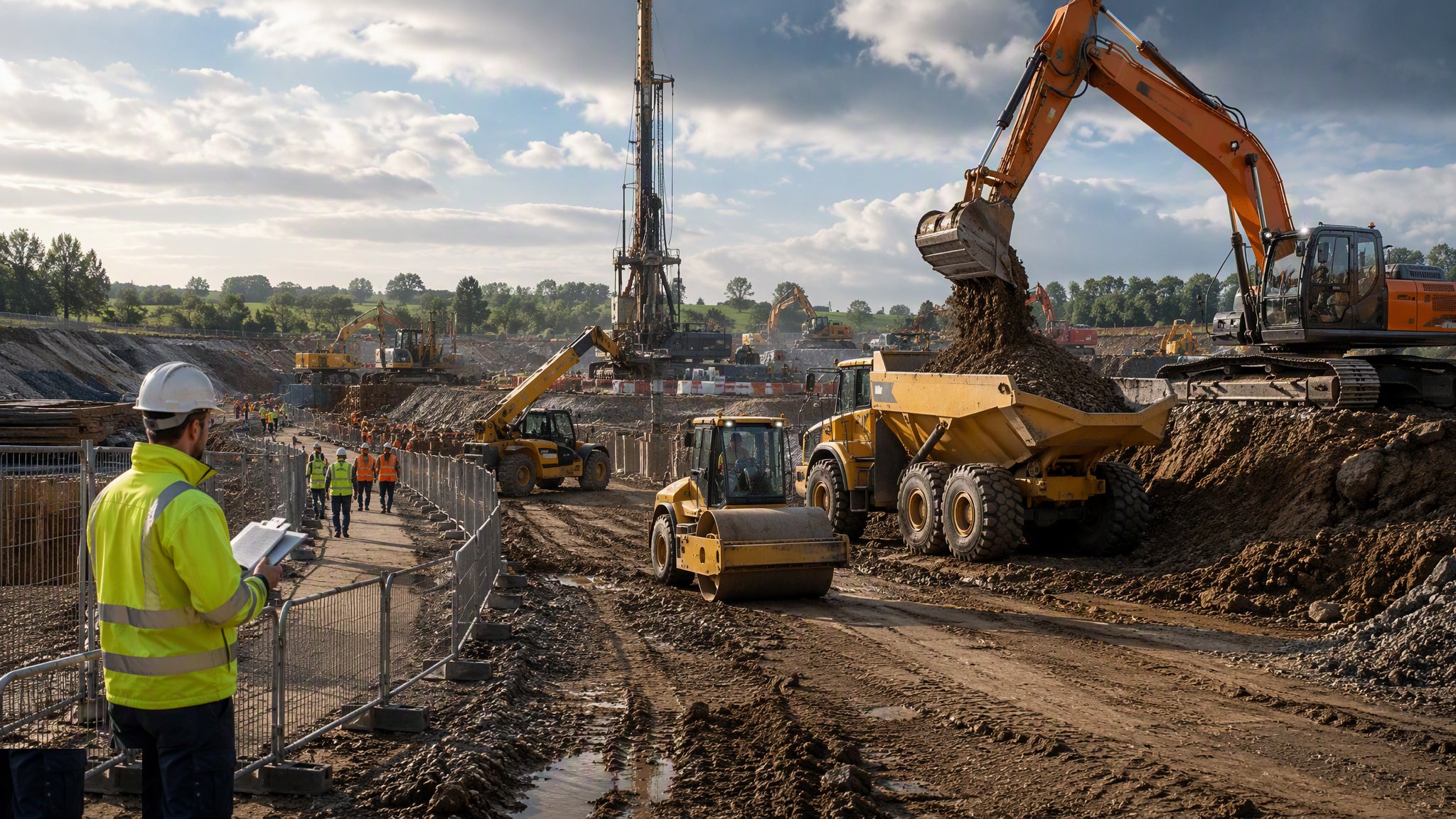
Construction Plant and Equipment
The plant families every site runs on - earthmoving, lifting, access, concrete, compaction and piling - and how to choose, hire and man them properly.
Open process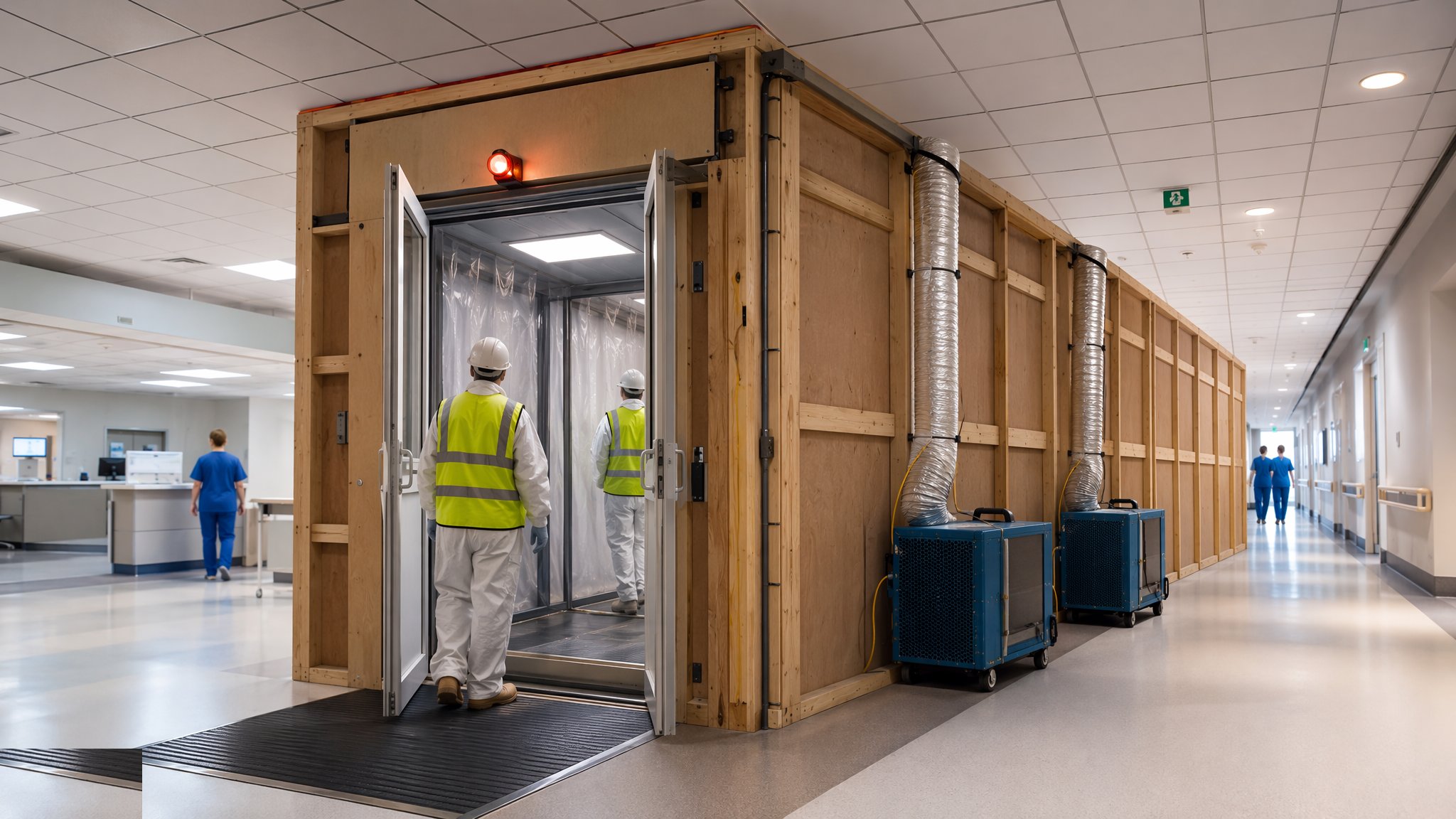
Working In & Around Live Hospitals
Building inside a hospital that never closes - infection control, sealed containment, negative-pressure working and decant logistics that keep patients safe while the work goes on around them.
Open process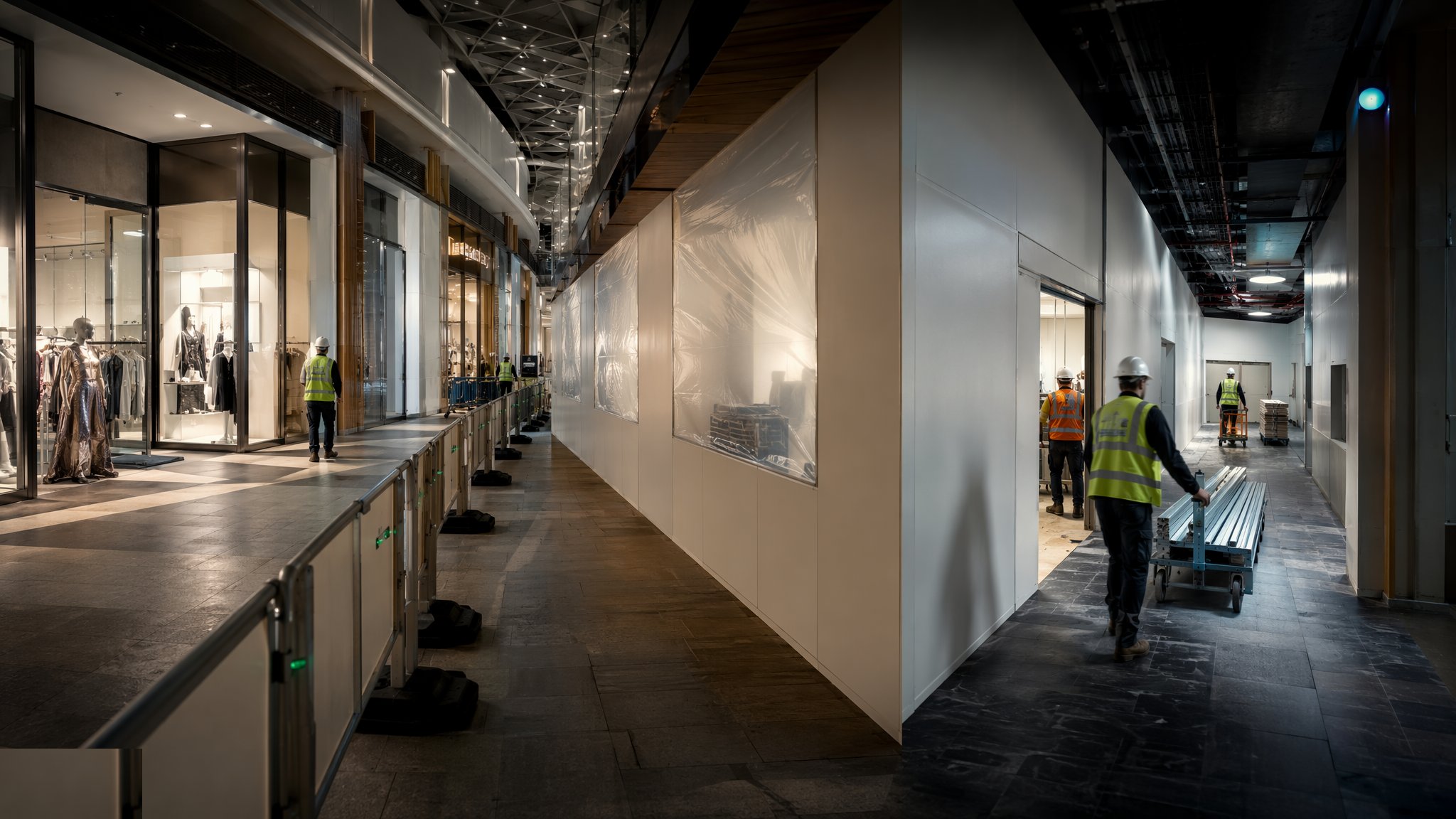
Phasing & Working Around Live Trading
Refurbishing malls and stores that never close - fire-rated hoarding in live environments, night works, customer segregation, phased handovers and the shopping-centre permit regime that governs every hour of it.
Open process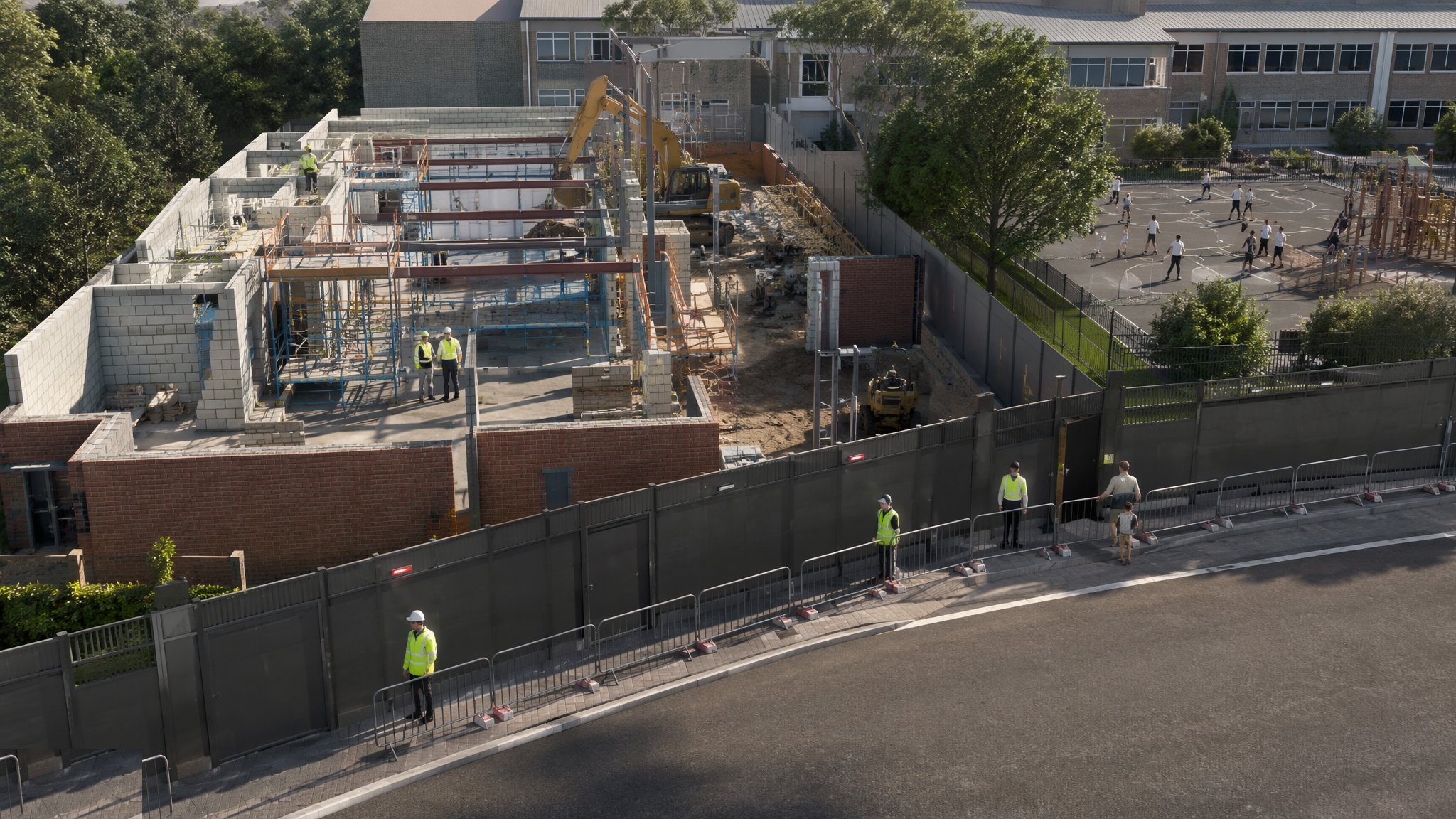
Working in Live Schools & Safeguarding
Construction on a live school campus - hoardings, segregated routes, vetted crews and holiday possessions - run on the principle that a pupil never meets the works.
Open process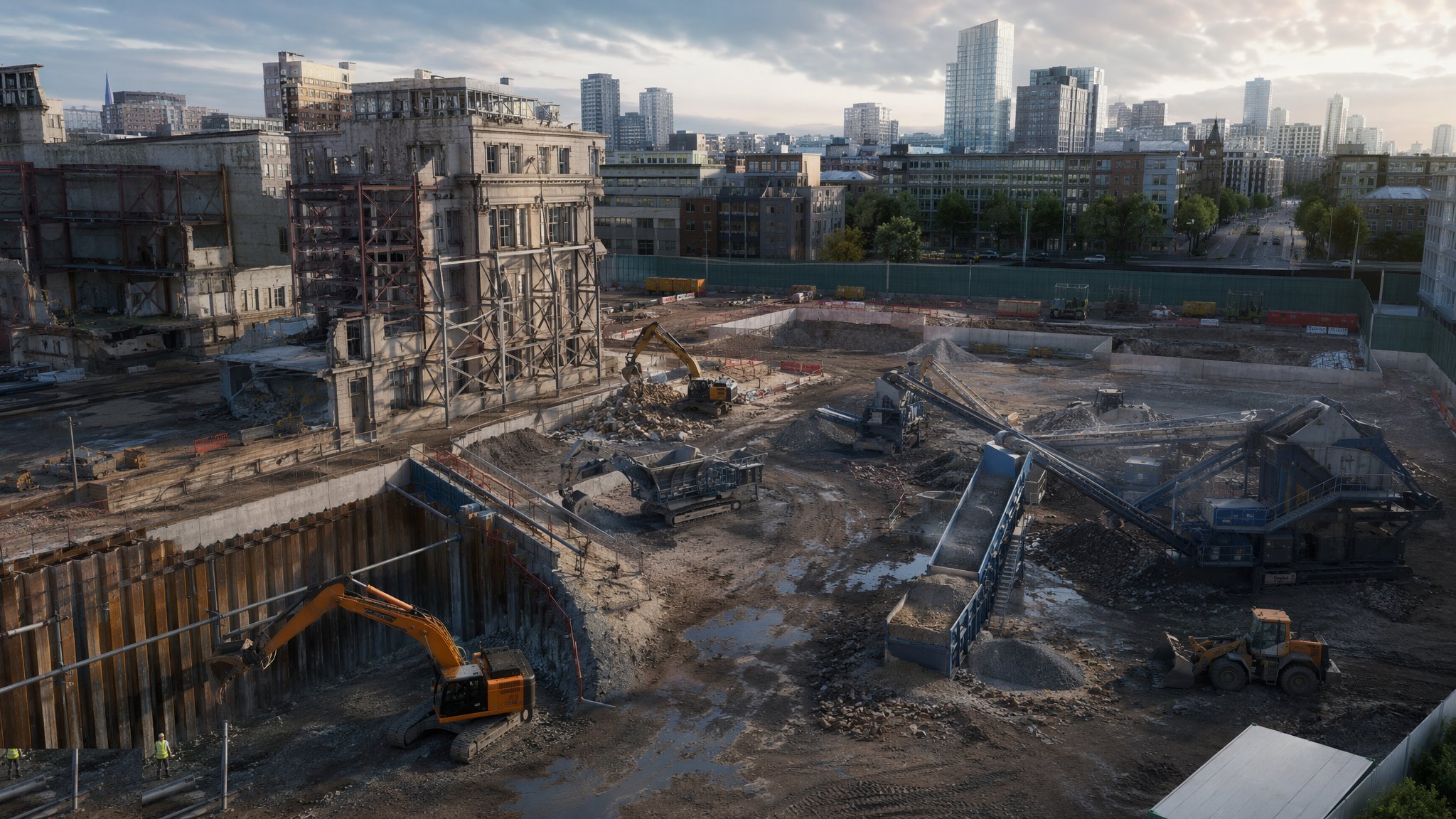
Urban Regeneration & Brownfield Enabling
Making a buildable site out of a used one: demolition, remediation, buried obstructions, retained façades and party walls - all inside a city that keeps moving around the hoardings.
Open process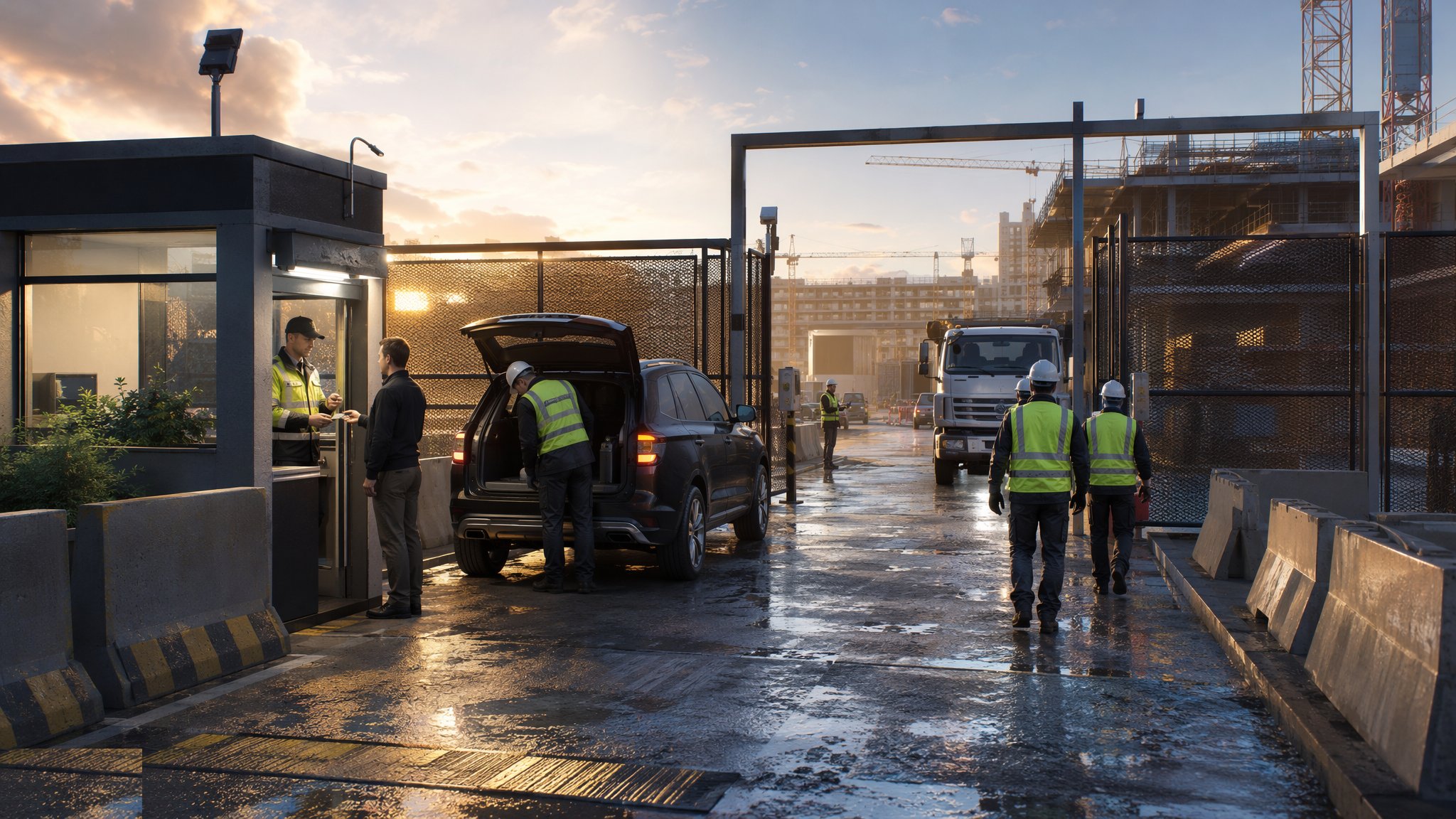
Site Security & Cleared Working
The construction regime that comes with defence work: vetted people, controlled materials, escorted movements and no cameras - and how a productive site runs inside those rules.
Open process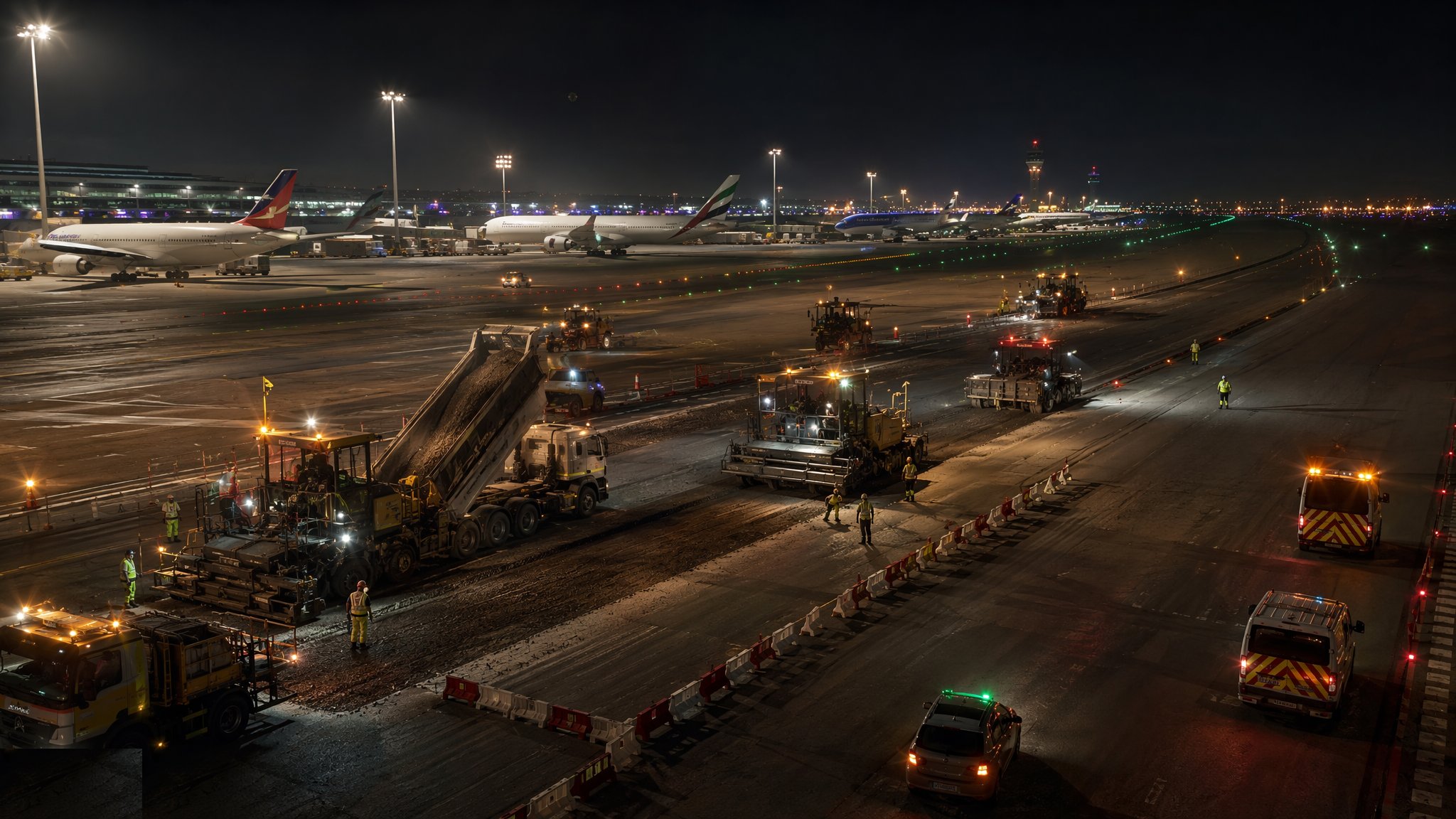
Airside Works in Live Airports
Working beside aircraft that are earning money - passes, escorts and radio discipline, night possessions with a hard handback, FOD control as a way of life, and NOTAMs telling the world's pilots where you dug today.
Open process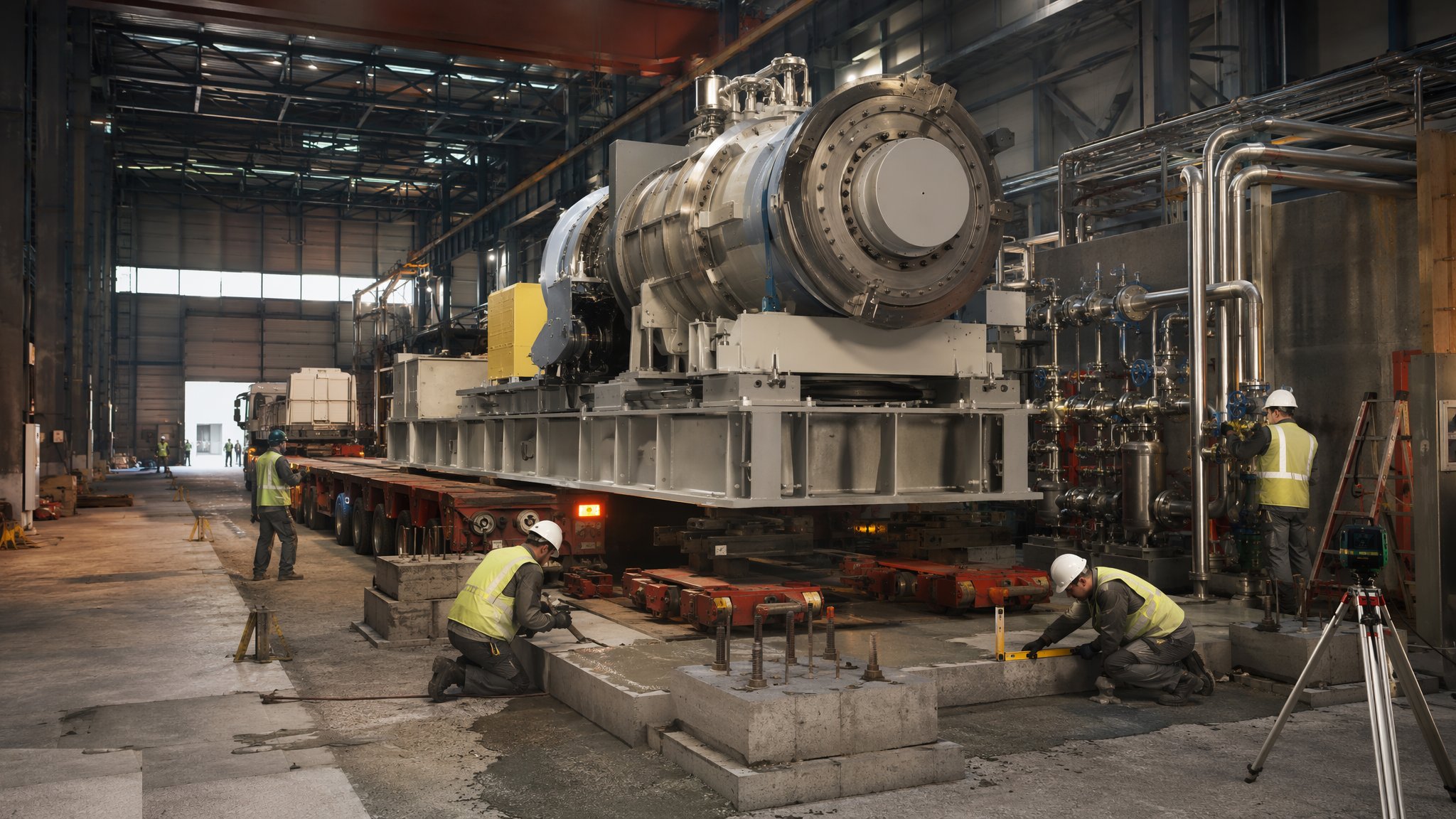
Process Plant & Production Line Installation
Machines off the low-loader and onto their bases - grouted, levelled and aligned to hundredths of a millimetre, hooked up to every service, then proven cold before anything gets hot.
Open process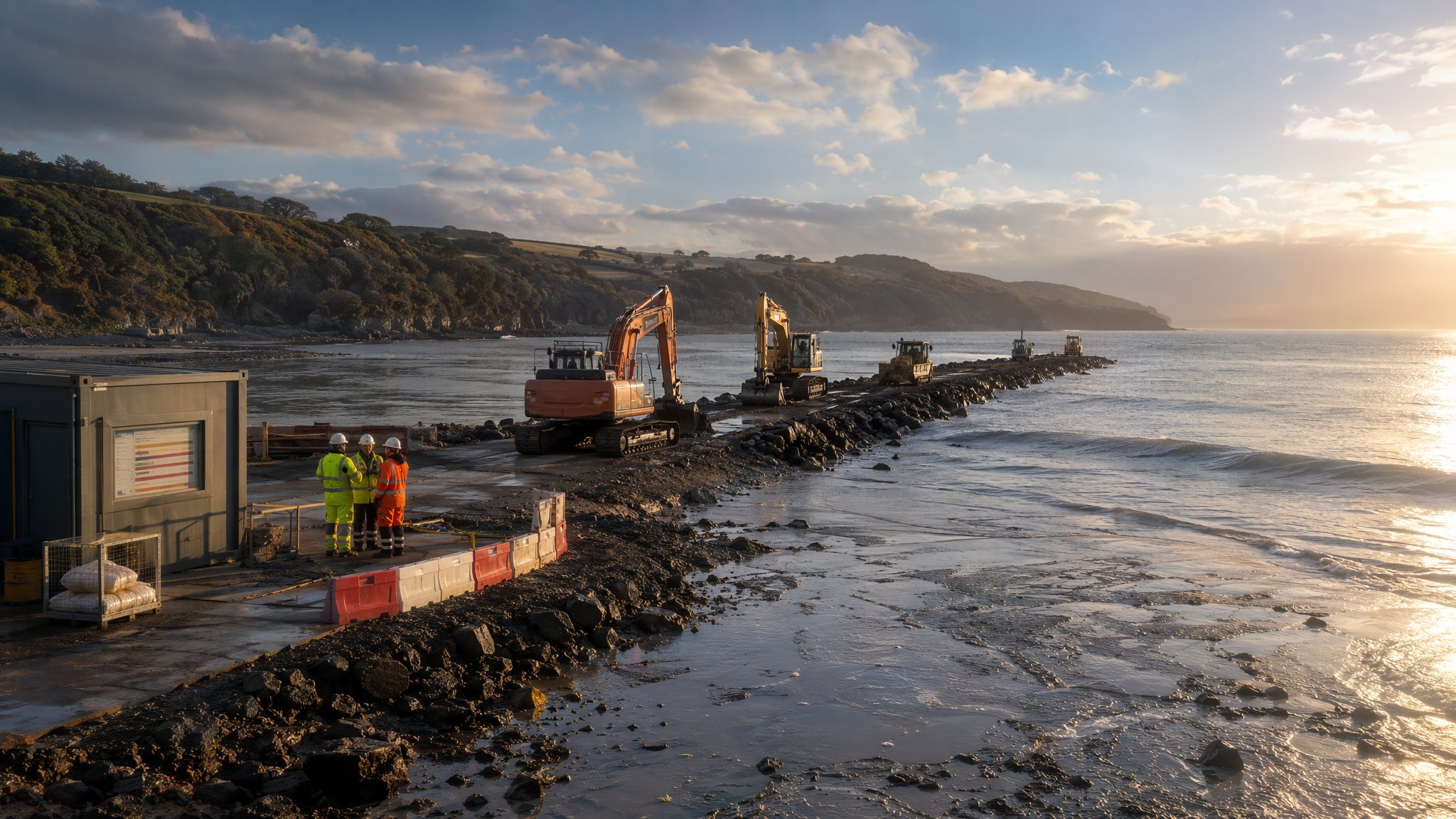
Working in the Intertidal Zone
The discipline behind every coastal job - tide tables, working windows, causeways and soft-ground plant, weather limits, and the retreat plan for when the sea comes back.
Open process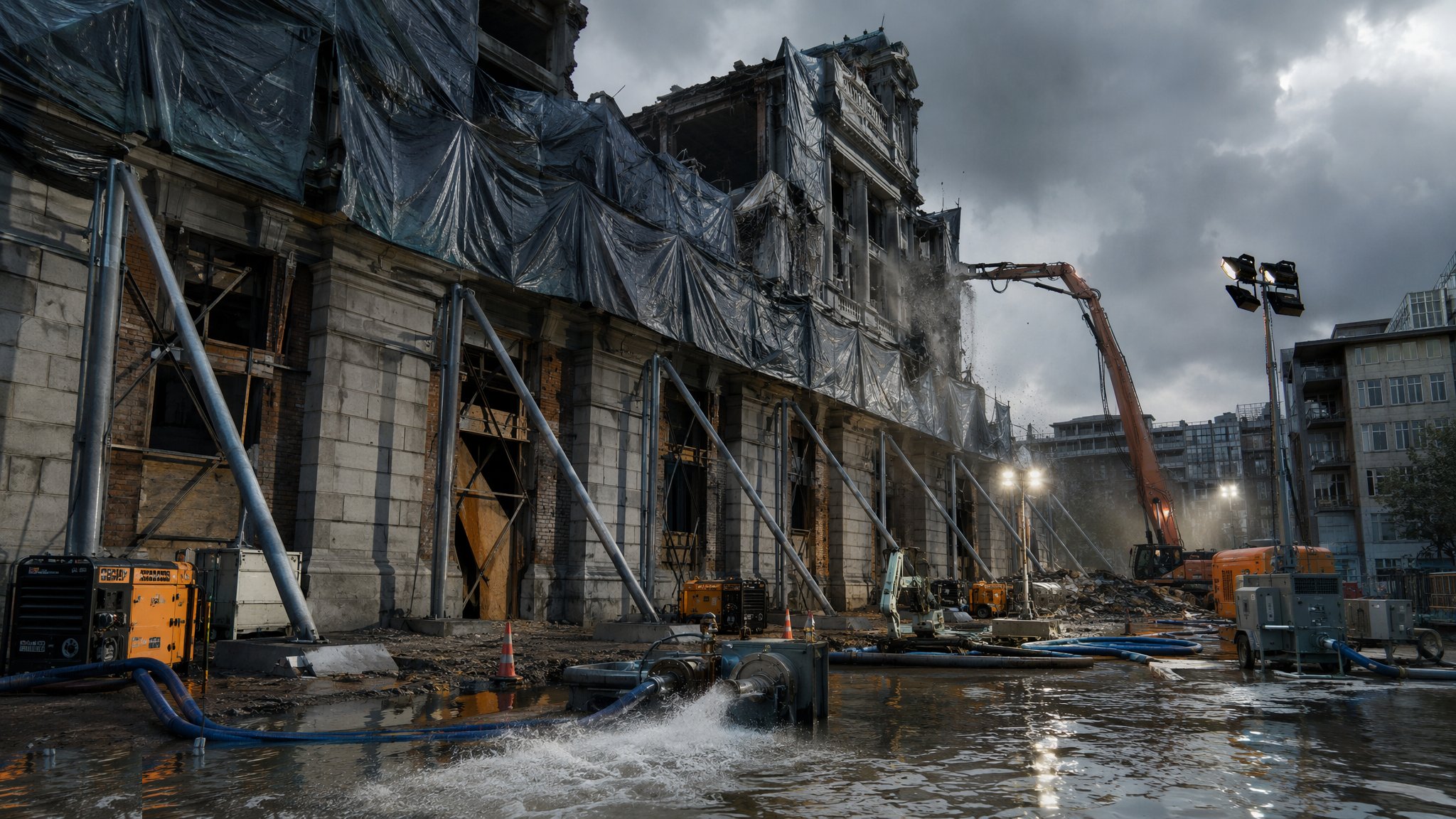
Emergency Works & Stabilisation
The first construction response after the storm, flood or blast - shoring what still stands, demolishing what cannot, keeping the weather out and the utilities alive - under emergency powers and blue-light coordination.
Open process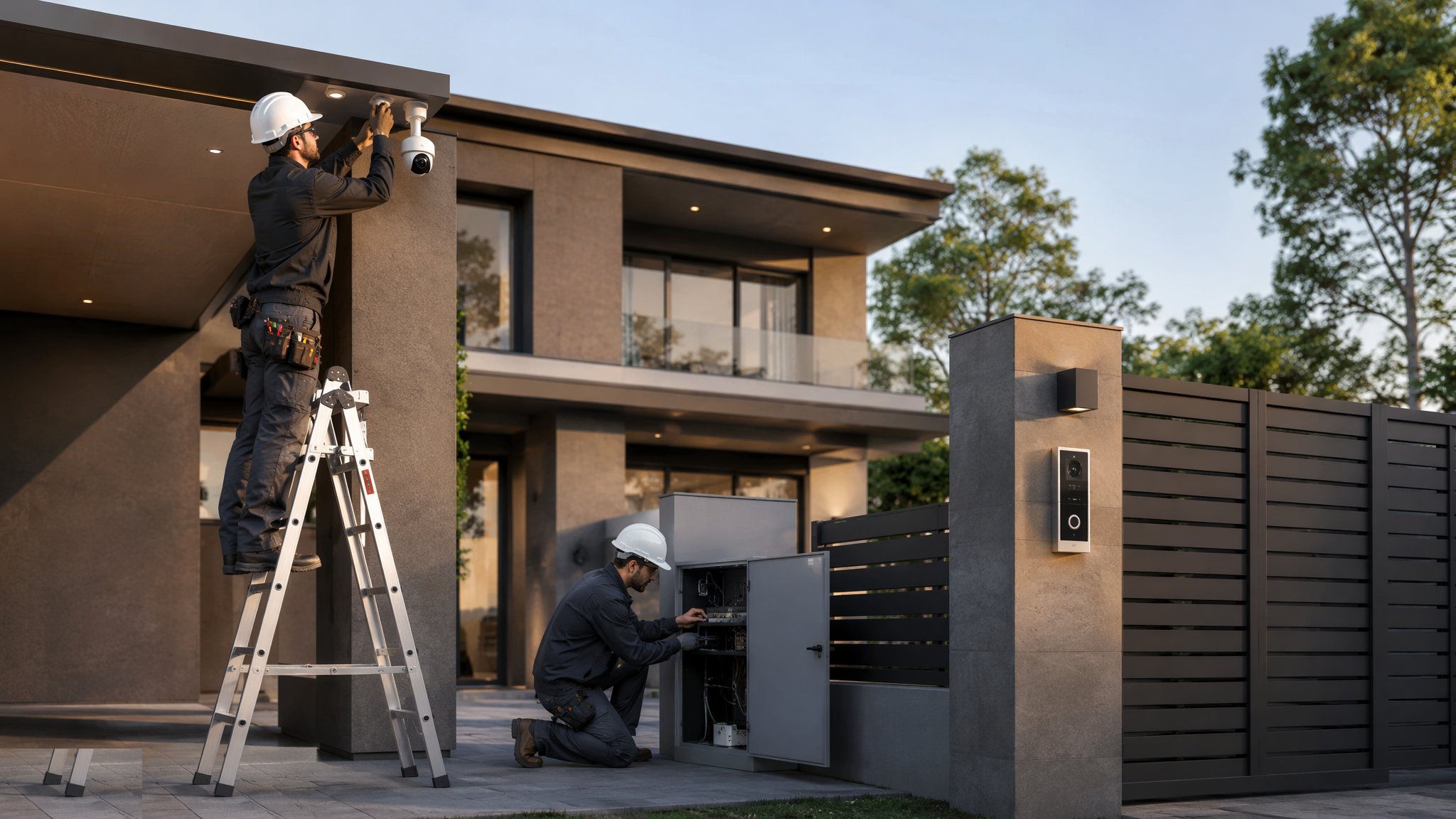
CCTV & Security Systems Installation
Cameras, intruder alarms and access control - the ELV trade that wires a building to watch and protect itself.
Open process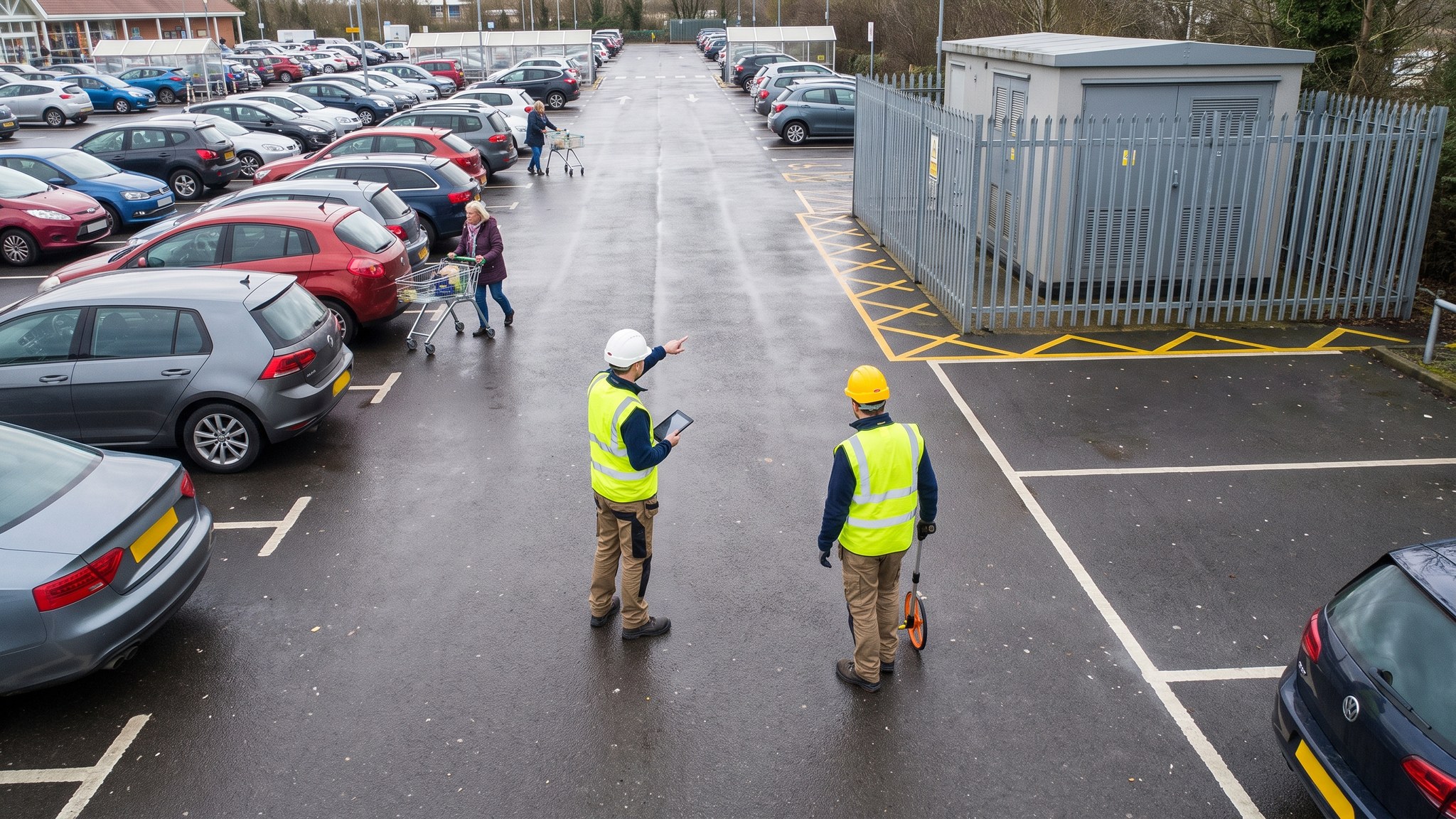
Site Survey & Grid Application
The stage that decides whether the scheme happens at all - surveying what is above and below the ground, establishing what power the network can actually give, and getting the connection application in, because its lead time sets the programme.
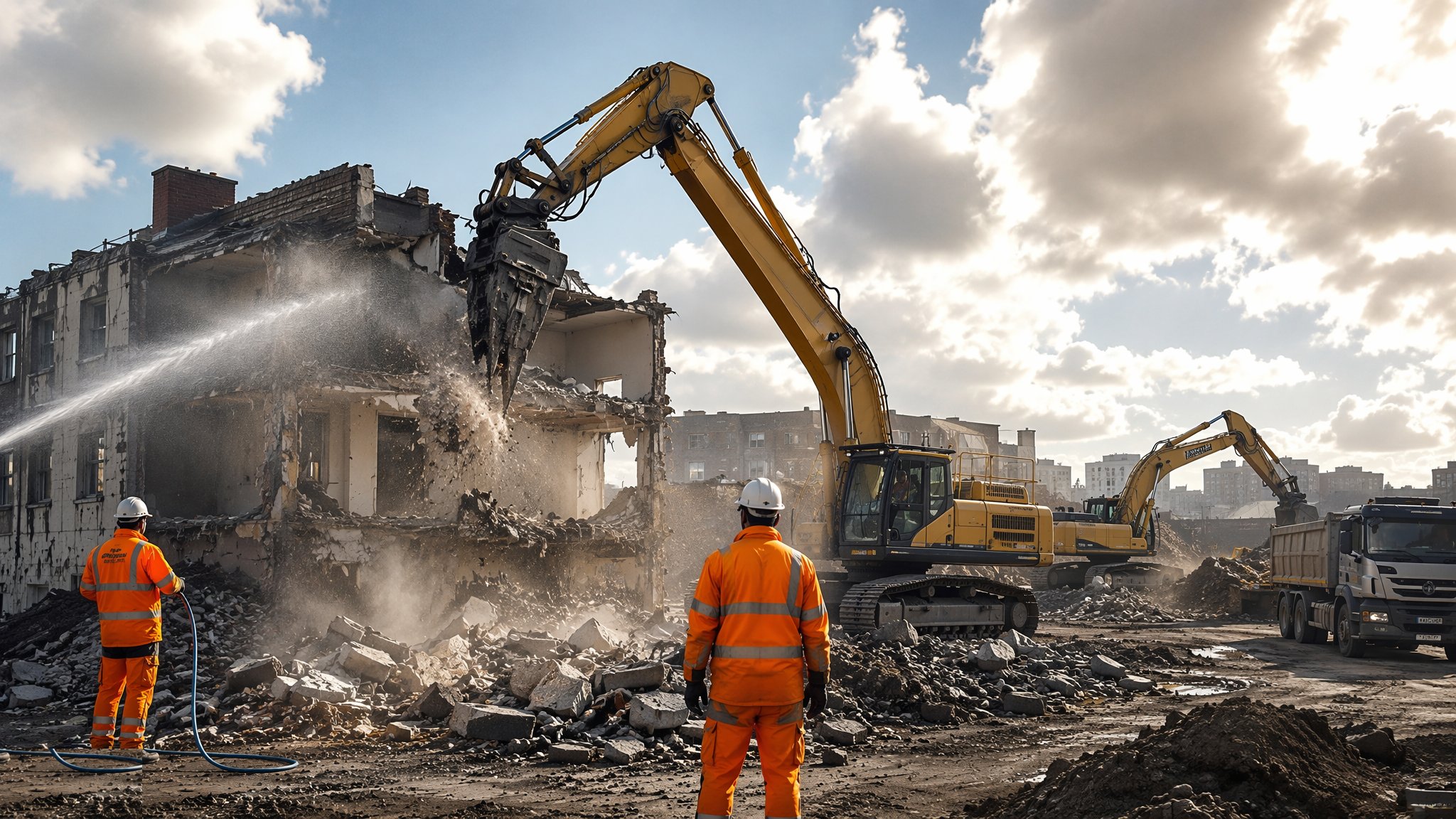
Open processDemolition & Deconstruction1
Construction in reverse - all the risk, none of the forgiveness.
Foundations & Geotechnical22
Shallow, piled and specialist foundations across buildings and heavy civils.
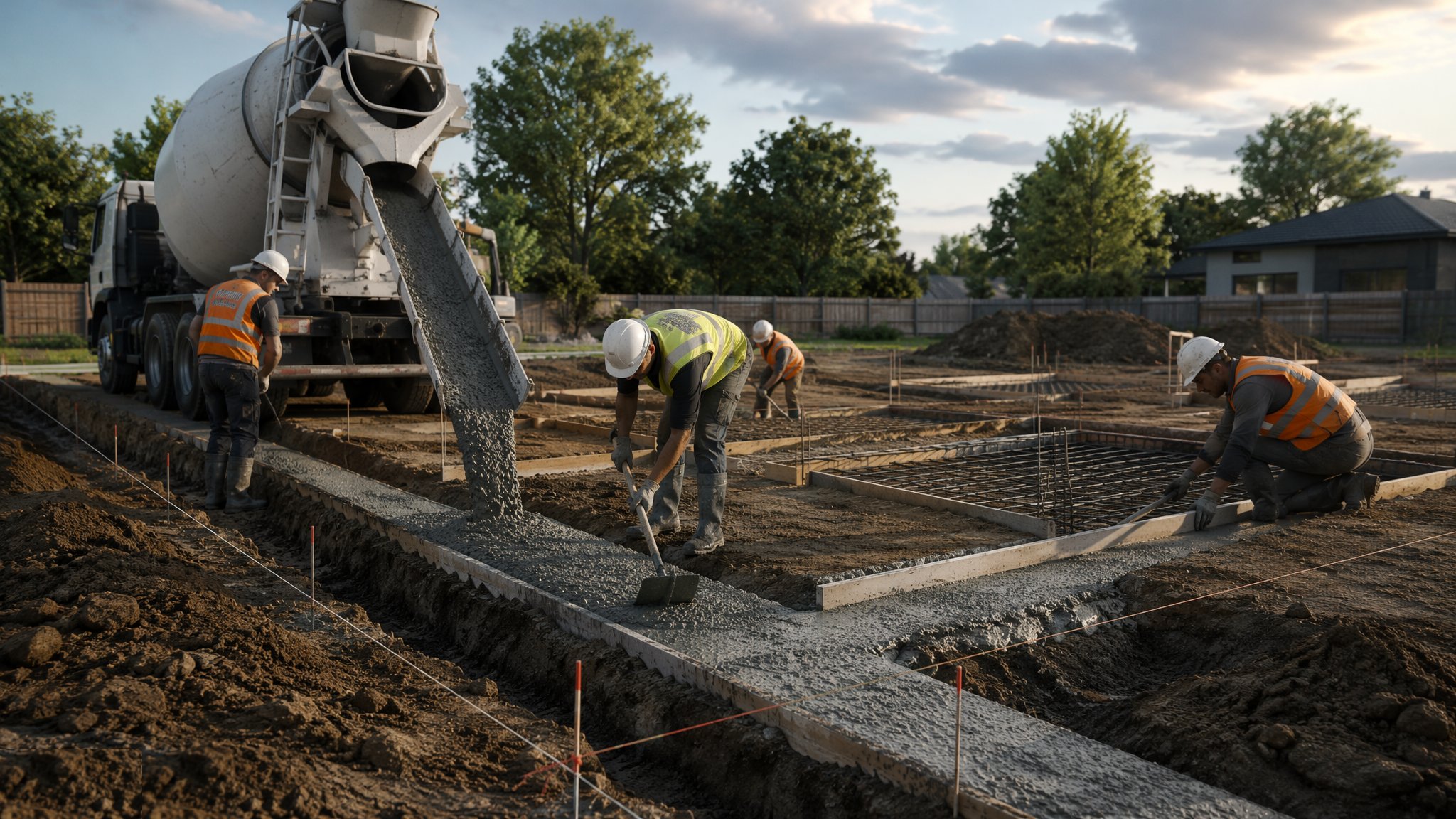
Shallow Foundations
Strips, pads and rafts - spreading the building's weight onto good ground near the surface.
Open process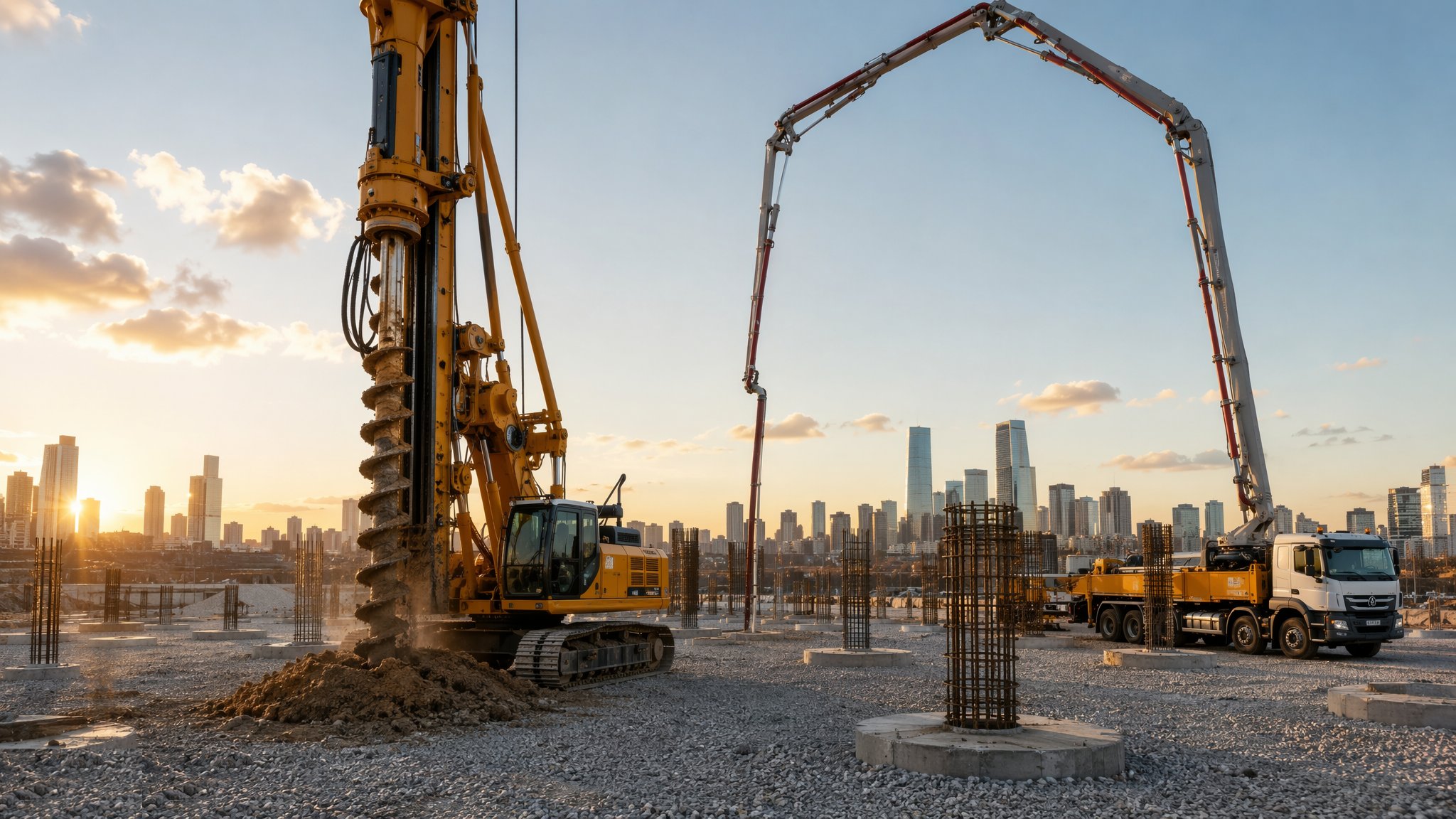
Piling & Deep Foundations
Driven, bored and CFA piles - carrying the building down to ground that can actually take it.
Open process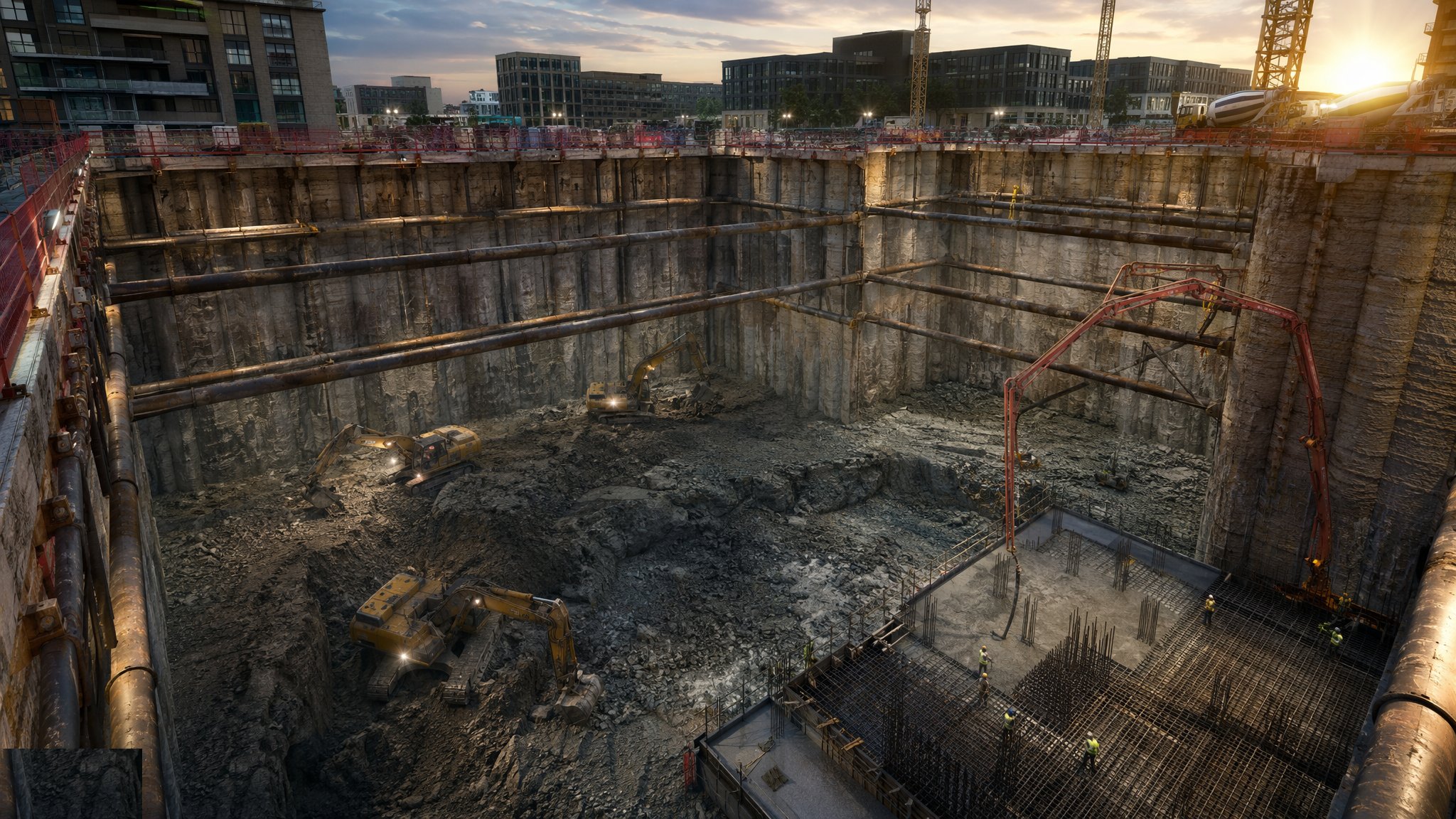
Basement & Substructure
Retaining walls, waterproof boxes and the fight to build dry space below ground.
Open process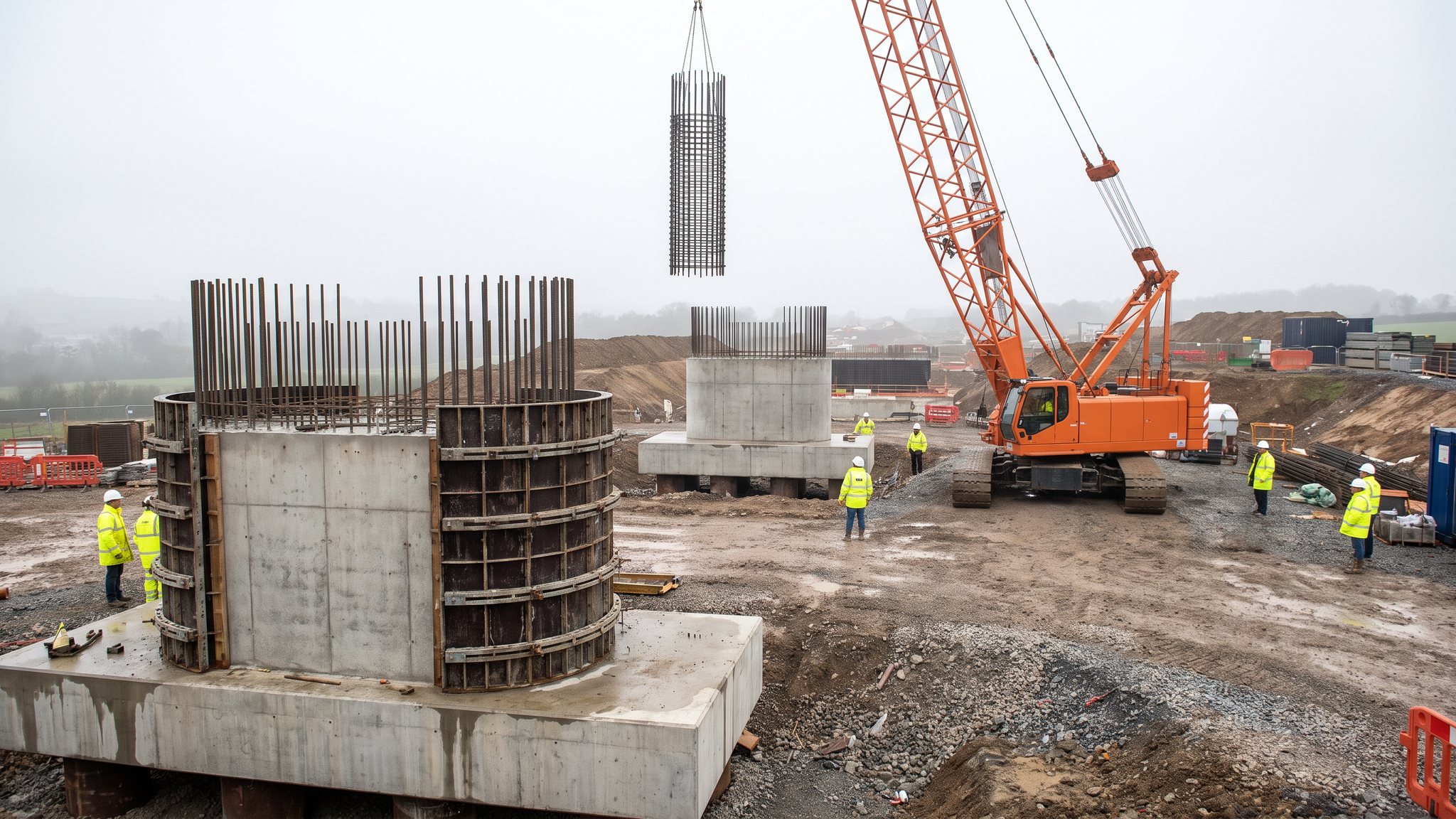
Bridge Foundations & Substructure
Piled foundations, pile caps, abutments and piers - everything between the ground and the bearings.
Open process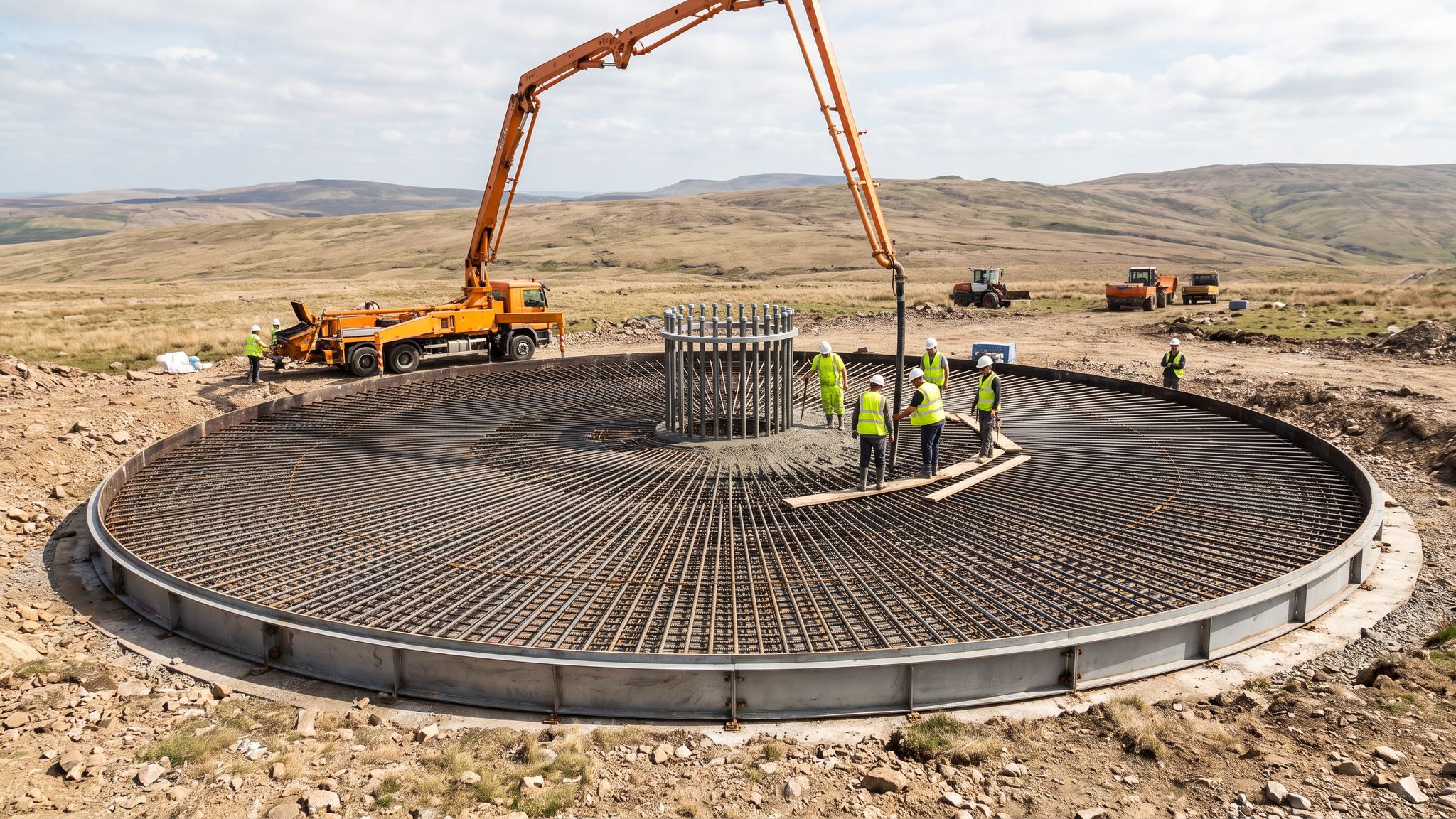
Wind Turbine Foundations
The reinforced concrete bases that hold a 100-metre-plus tower against the overturning pull of the rotor - built to millimetre-level bolt tolerances at the end of a moorland track.
Open process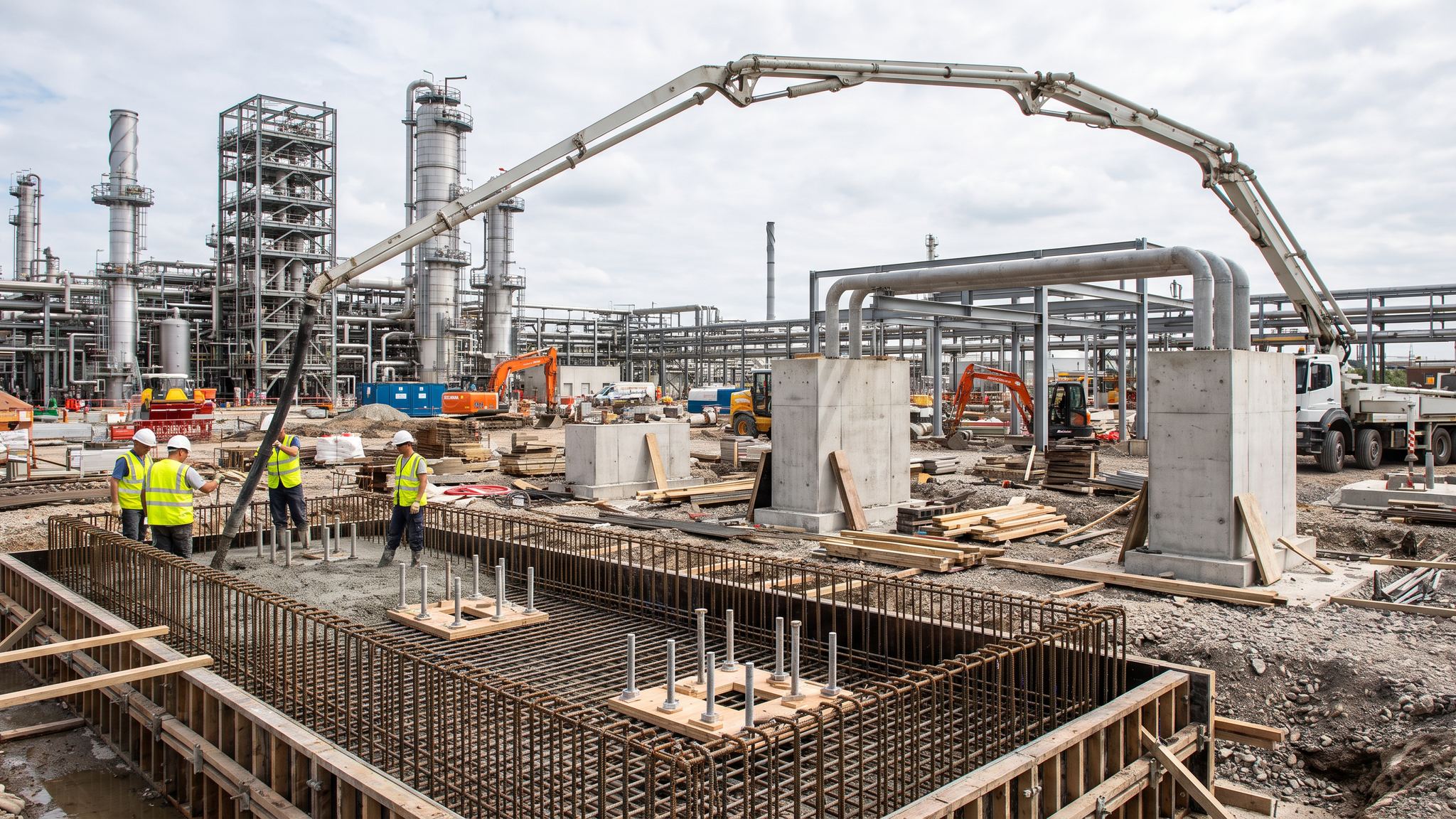
Heavy Civils & Foundations
Equipment foundations, machine blocks, tank bases and piperack civils - the concrete that a process plant stands on, and the anchor bolts everything else lines up from.
Open process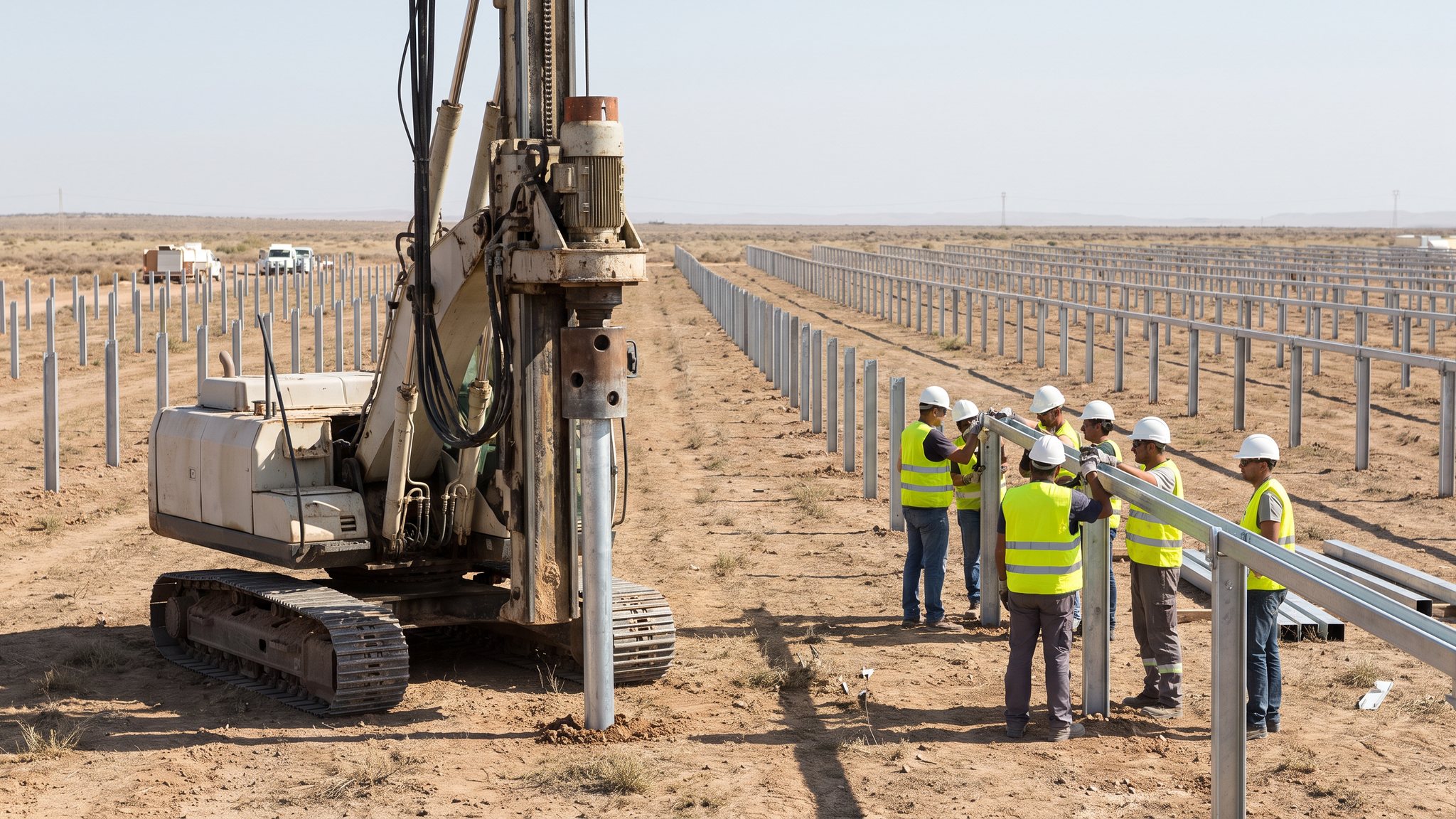
Piling & Mounting Structures
Thousands of driven steel posts and the racking they carry - the repetitive, high-rate foundation system whose pull-out tests and driving logs decide whether the array stands for thirty years.
Open process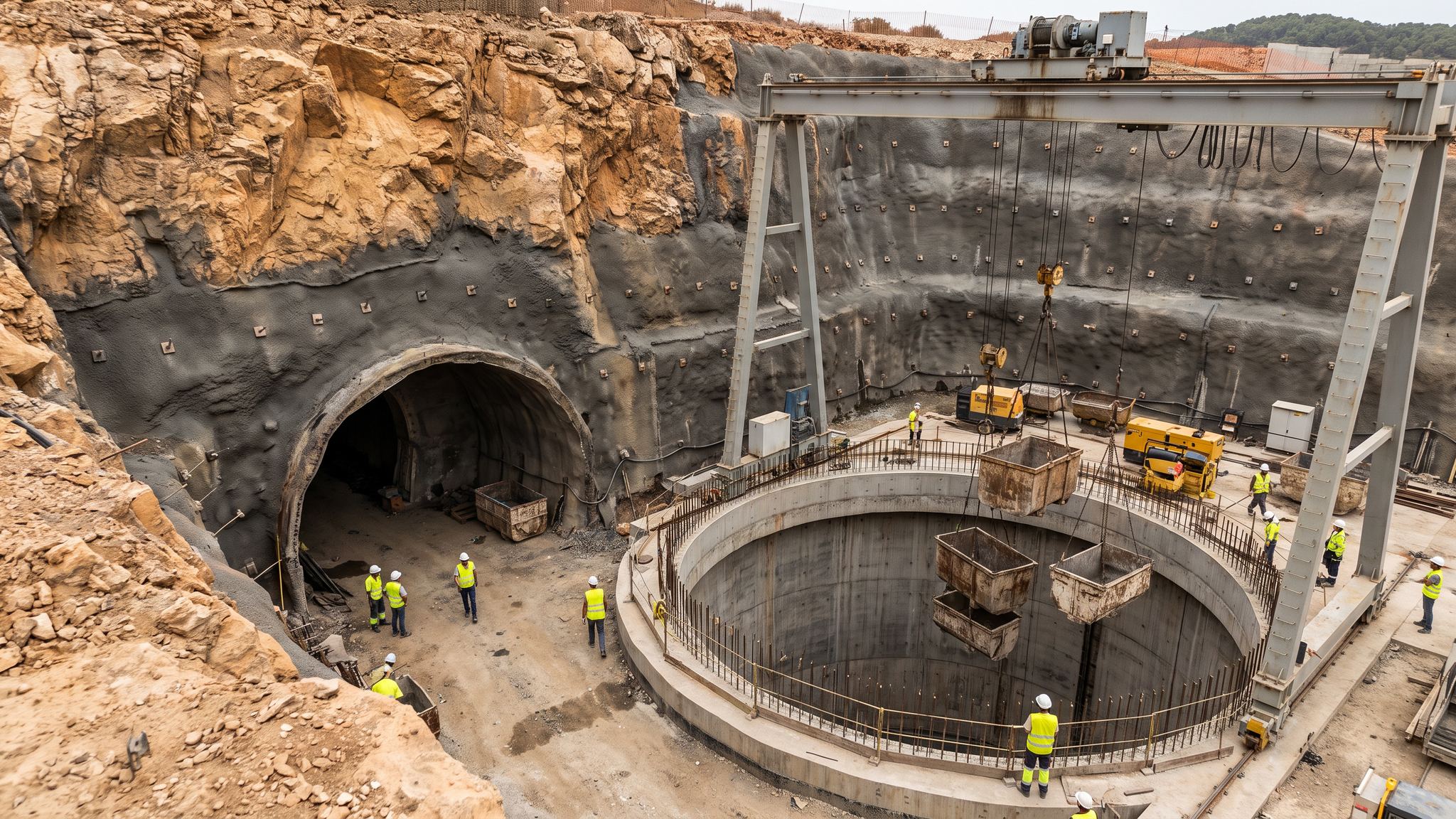
Shafts & Portals
The deep excavations that let tunnelling begin - launch and reception shafts, and the portal structures where the tunnel meets daylight.
Open process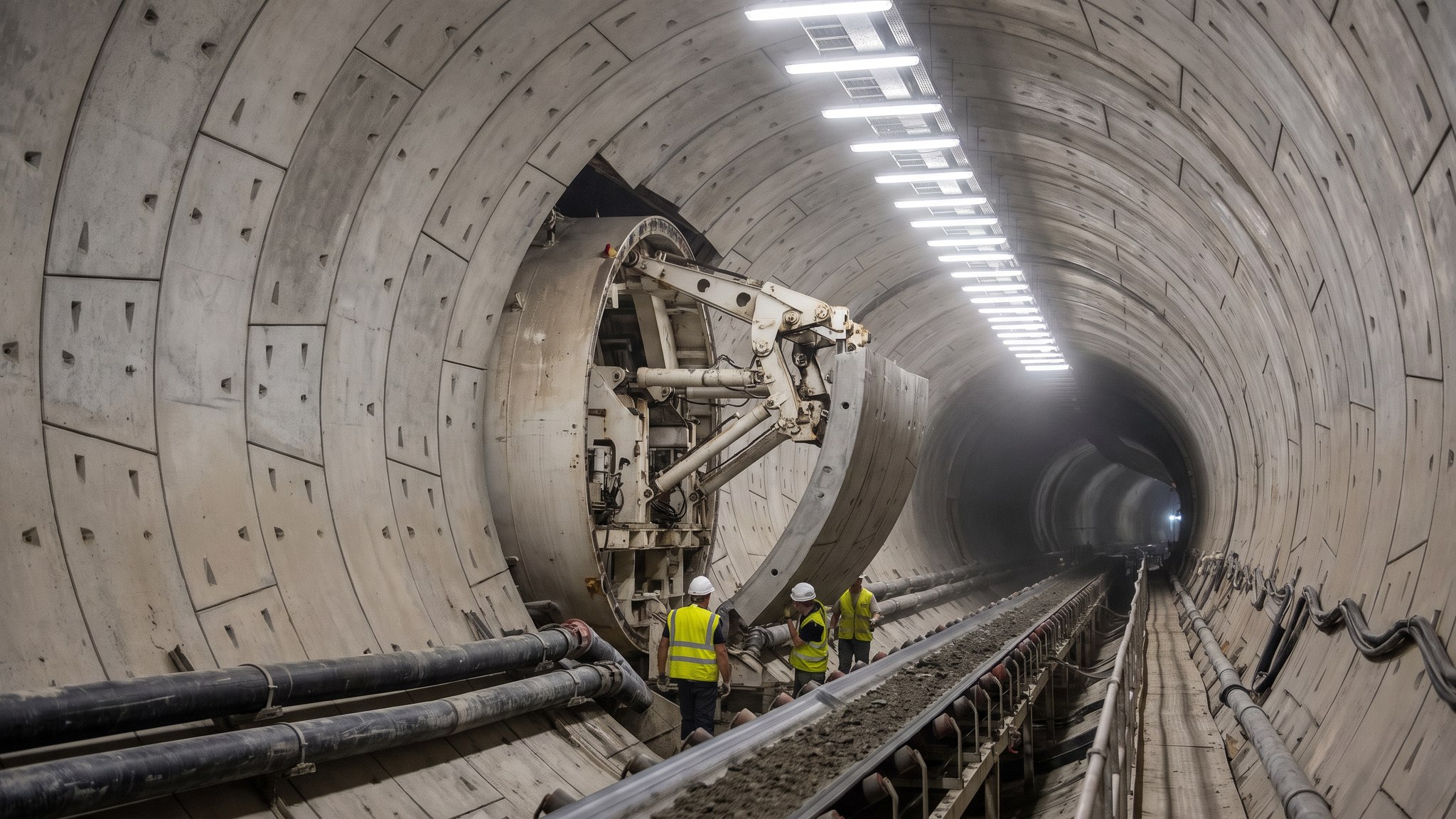
TBM Tunnelling & Segmental Lining
Mechanised tunnelling: the machine, the muck, and the gasketed precast rings that become the finished tunnel.
Open process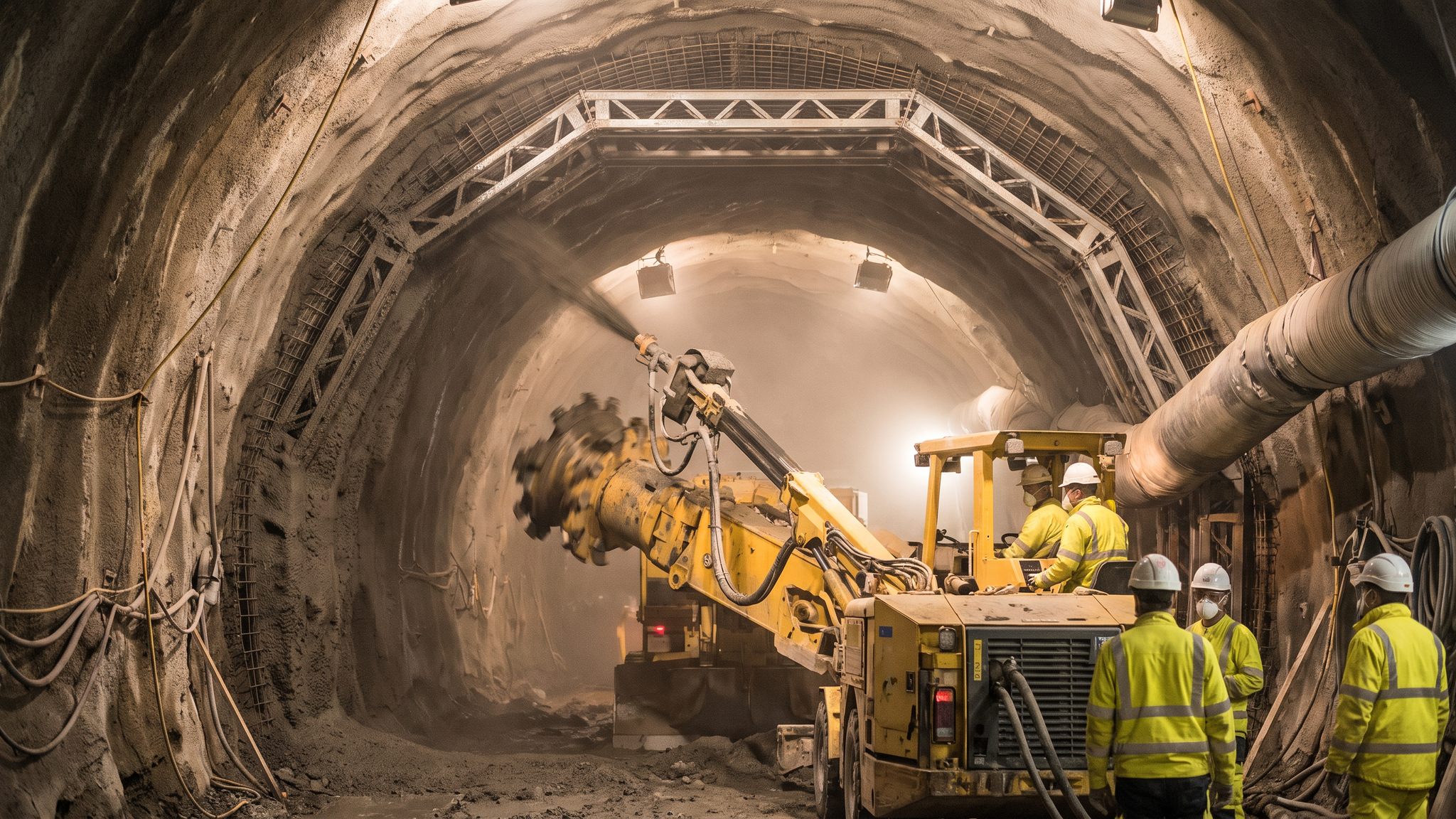
SCL & Drill-and-Blast Tunnelling
Conventional tunnelling where machines do not fit - sprayed concrete linings in soft ground, and the drill–charge–fire–muck cycle in rock.
Open process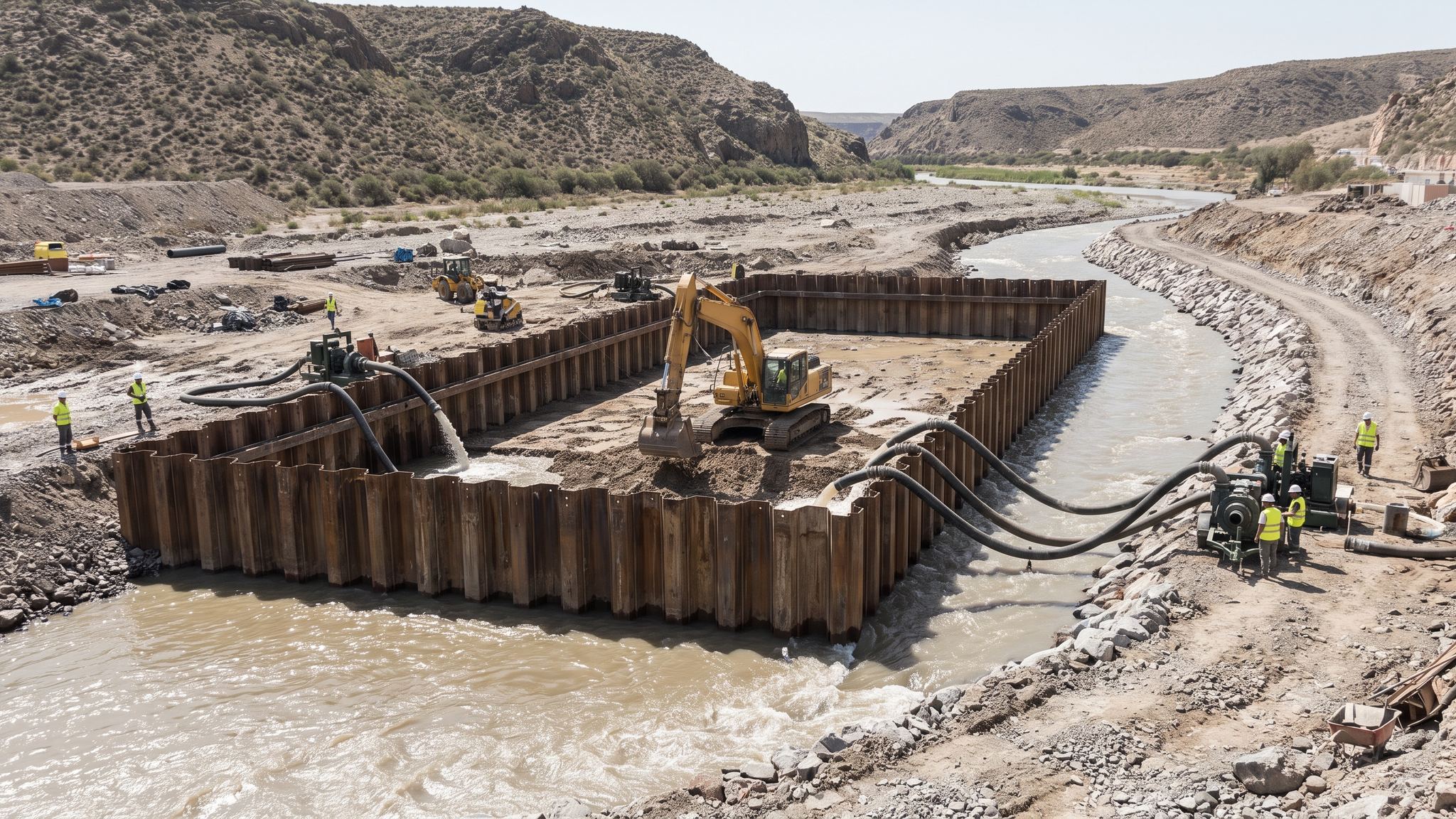
River Diversion & Cofferdams
Diversion and cofferdam works - moving the river aside by a tunnel, a channel or a phased cofferdam sequence, and keeping it there through every flood the construction period will see.
Open process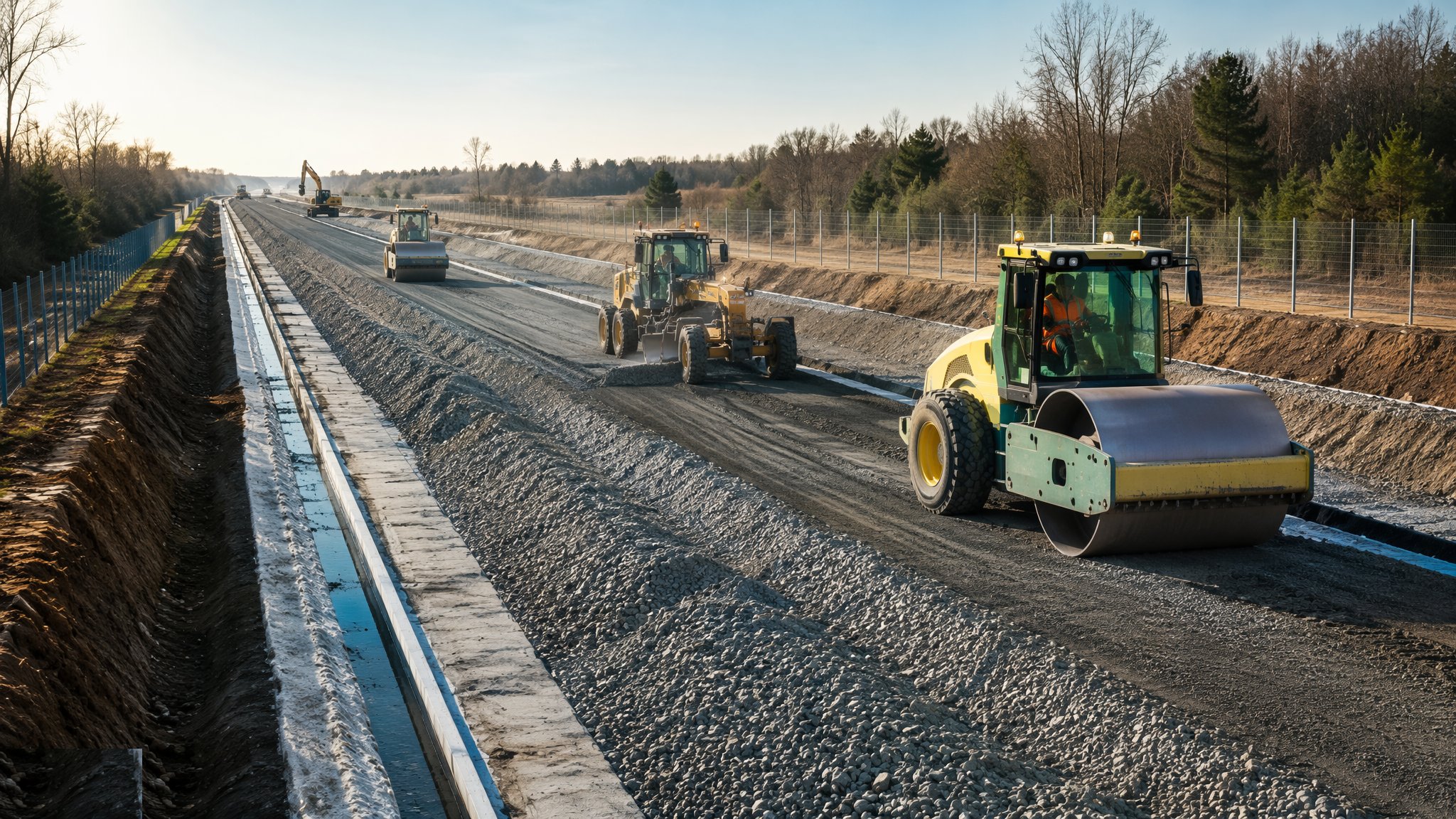
Rail Formation & Trackbed
Preparing the formation, placing the capping and sub-ballast, and cutting in the track drainage - the engineered ground the whole railway stands on.
Open process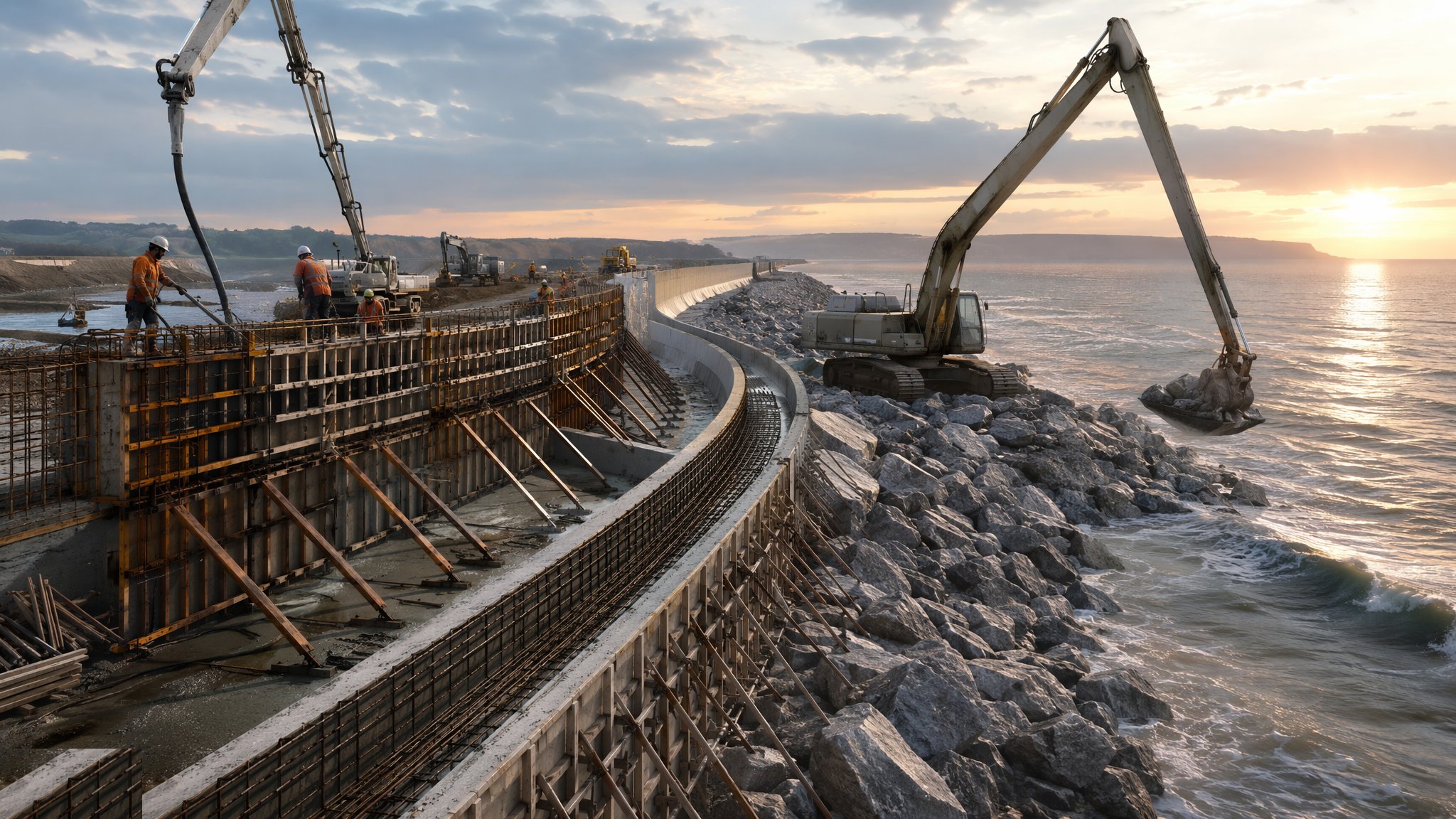
Sea Walls & Revetments
The hard edge between land and sea - curved wave-return walls, rock armour slopes and stepped revetments - built around the tide and armoured at the toe against scour.
Open process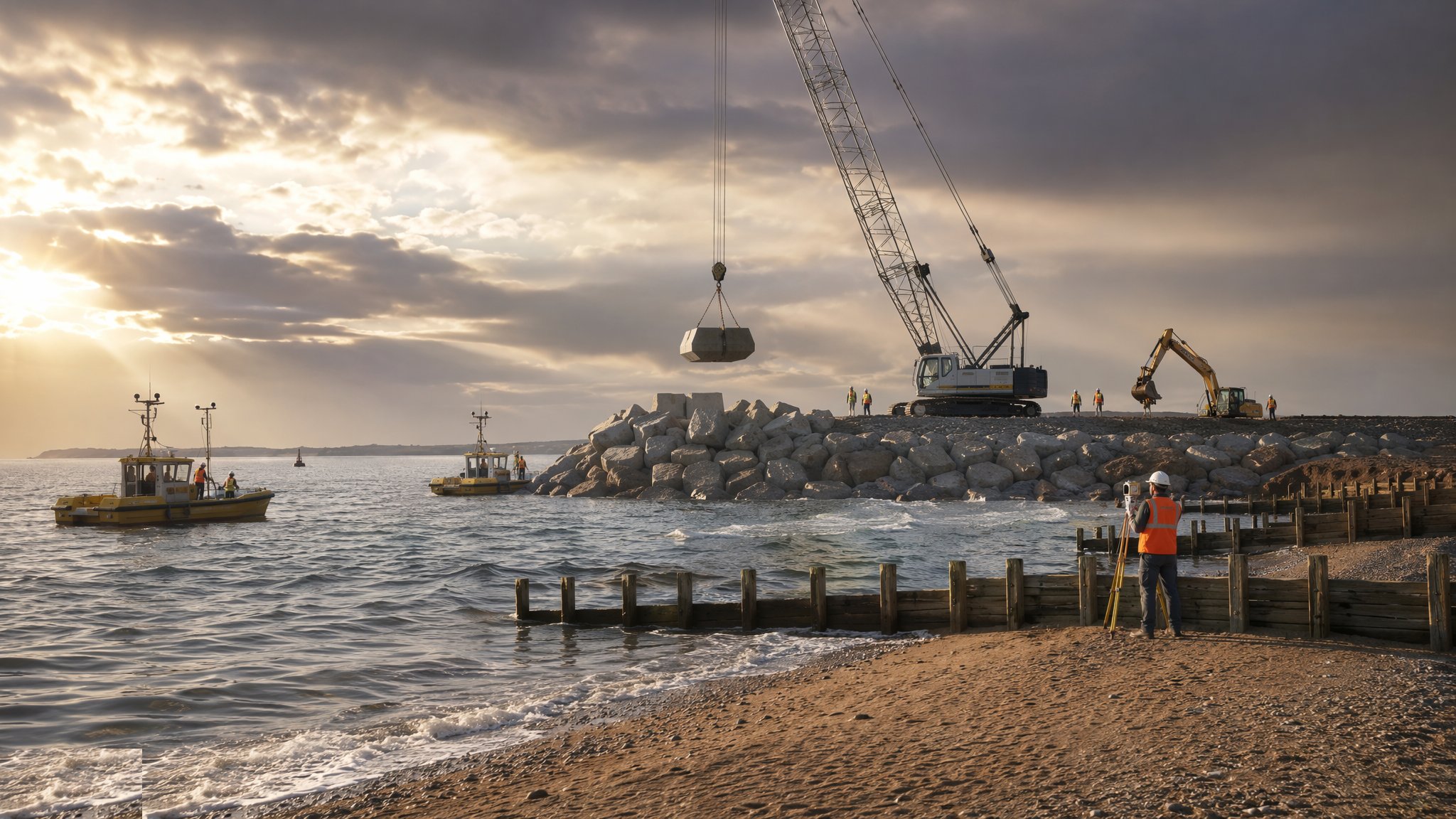
Breakwaters & Groynes
Structures built out into the sea on purpose - rubble-mound breakwaters armoured in rock or concrete units, and groynes holding the beach where it belongs - placed rock by rock under survey control.
Open process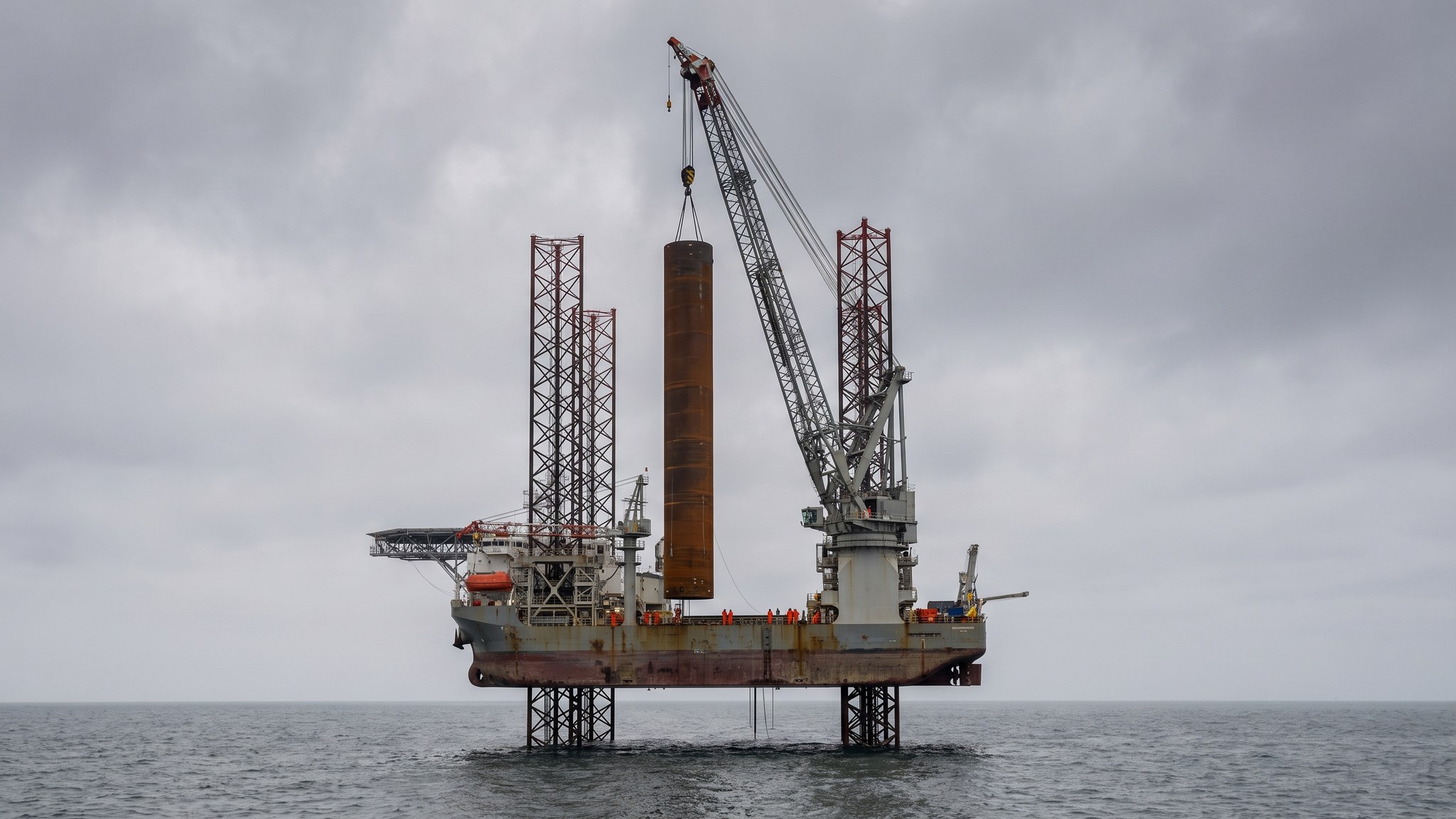
Offshore Foundations
The steel that holds a turbine still in moving water - monopiles, jackets and floating substructures - fabricated onshore, marshalled at a port and installed from a vessel inside a weather window. Nothing else on the project can start until they are in.
Open process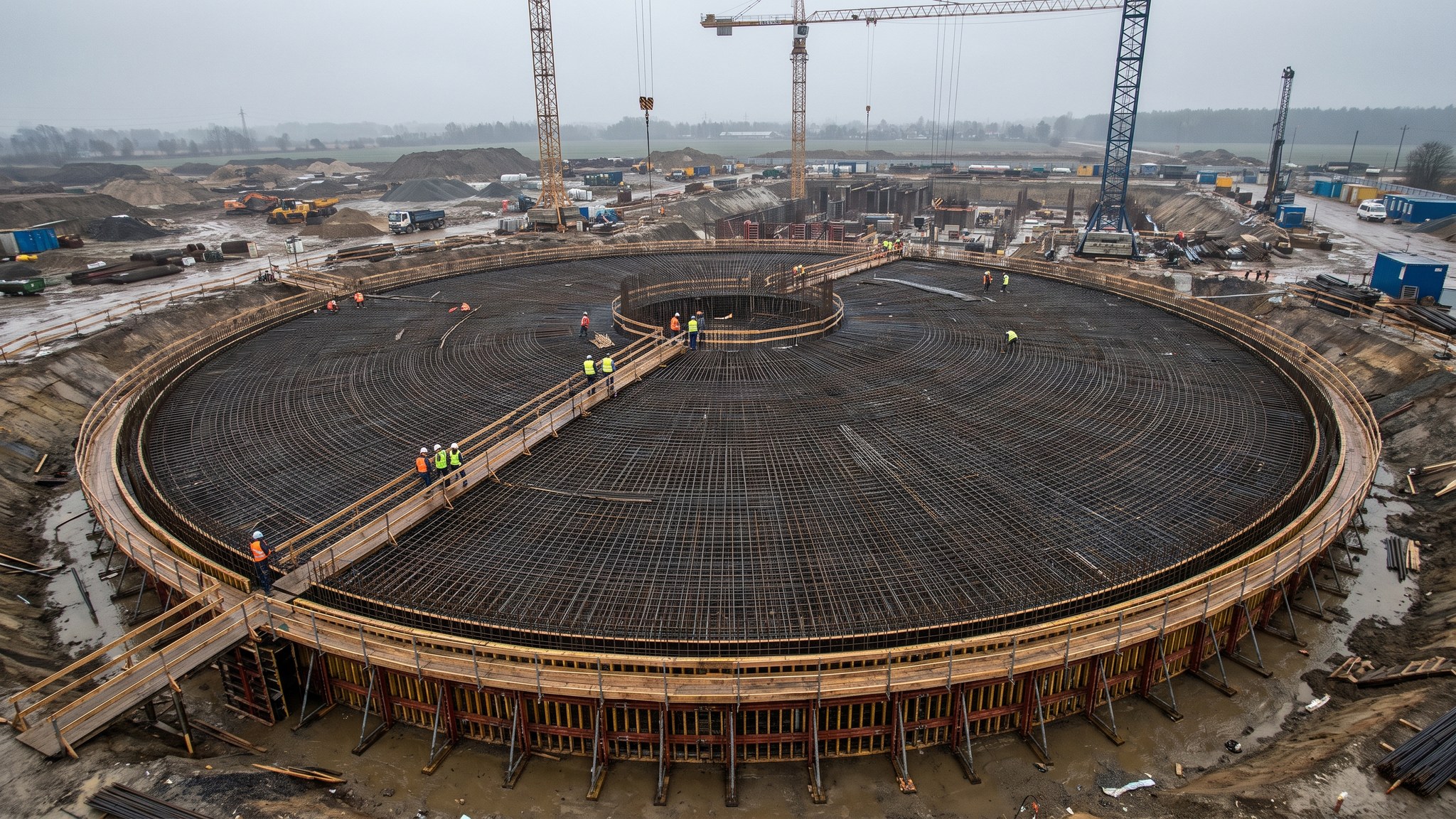
Nuclear Island Foundations
The common raft that the reactor building and its surrounding safety-classified structures sit on - a very large, very heavily reinforced base cast in a small number of enormous pours, and the datum that every level, wall and embedded plate above it is measured from.
Open process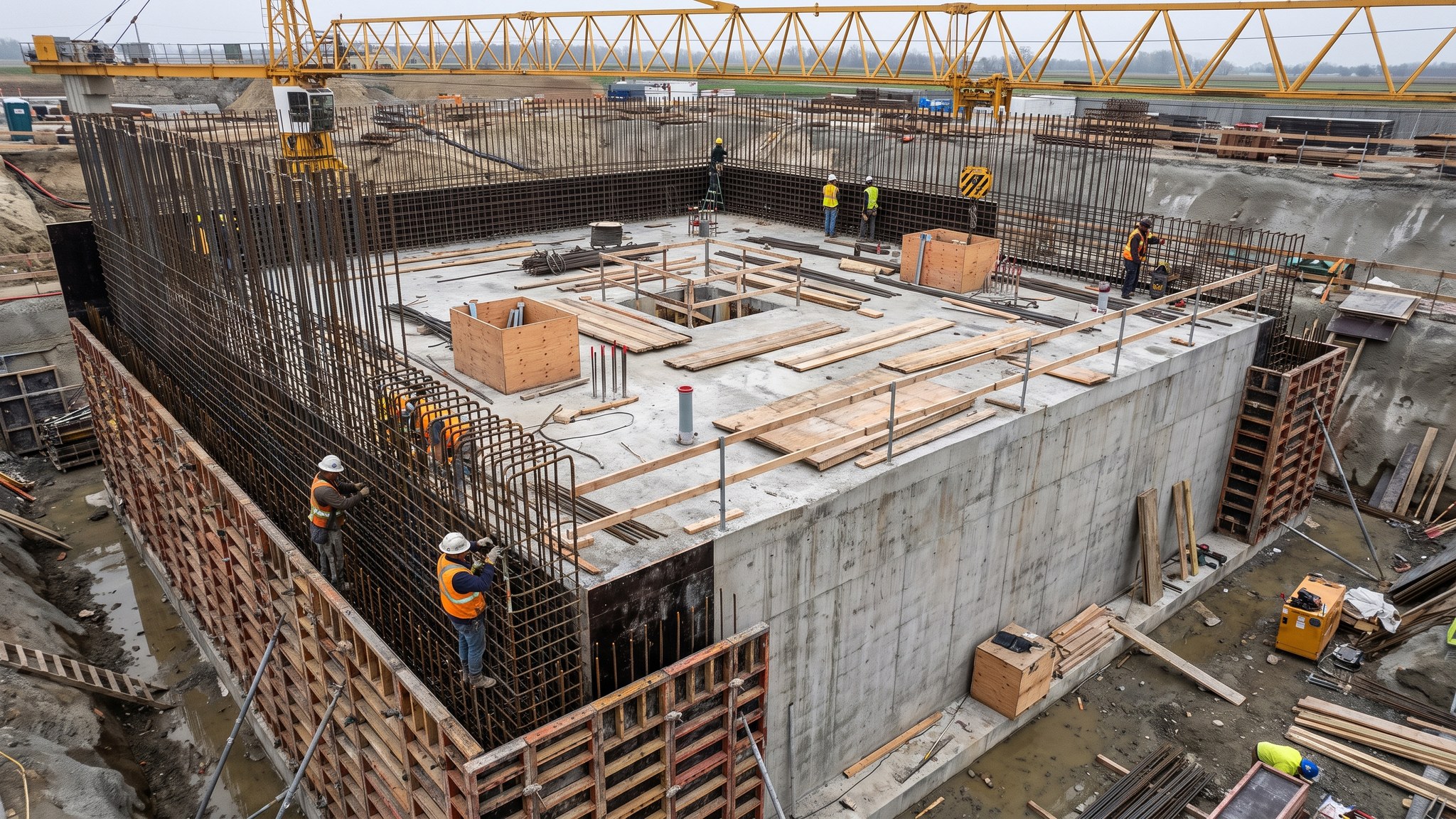
Civils & Heavy Foundations
The platform, piles and heavy bases a power station stands on - where the governing design case is rarely weight. It is vibration and alignment, because the machine that sits on top spins for decades and will not forgive a foundation that moves.
Open process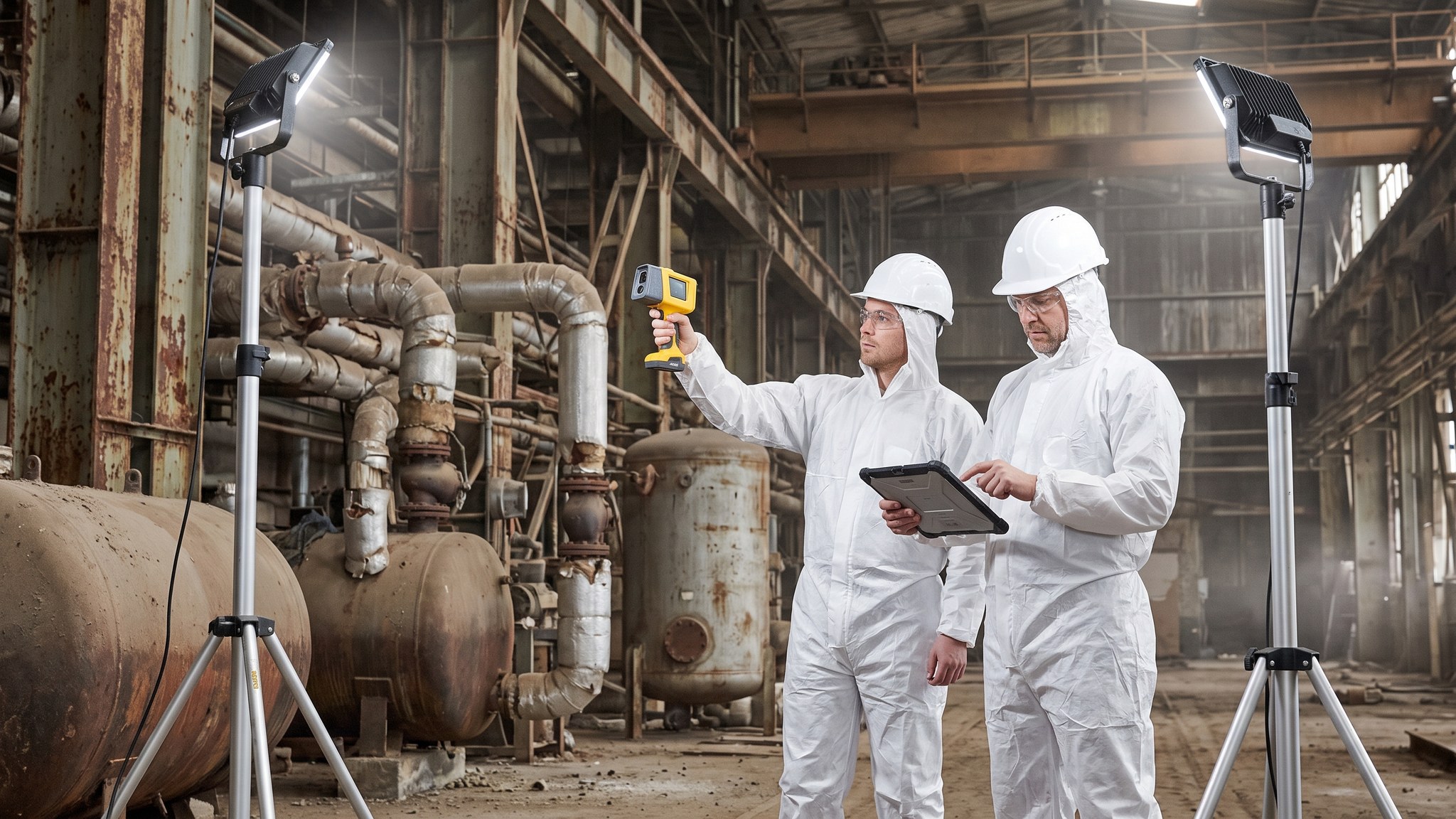
Characterisation & Planning
Establishing and recording exactly what is on the site before anything is touched - the structures, their condition, the materials they are made of, what runs beneath them and where every stream of arisings will eventually be allowed to go.
Open process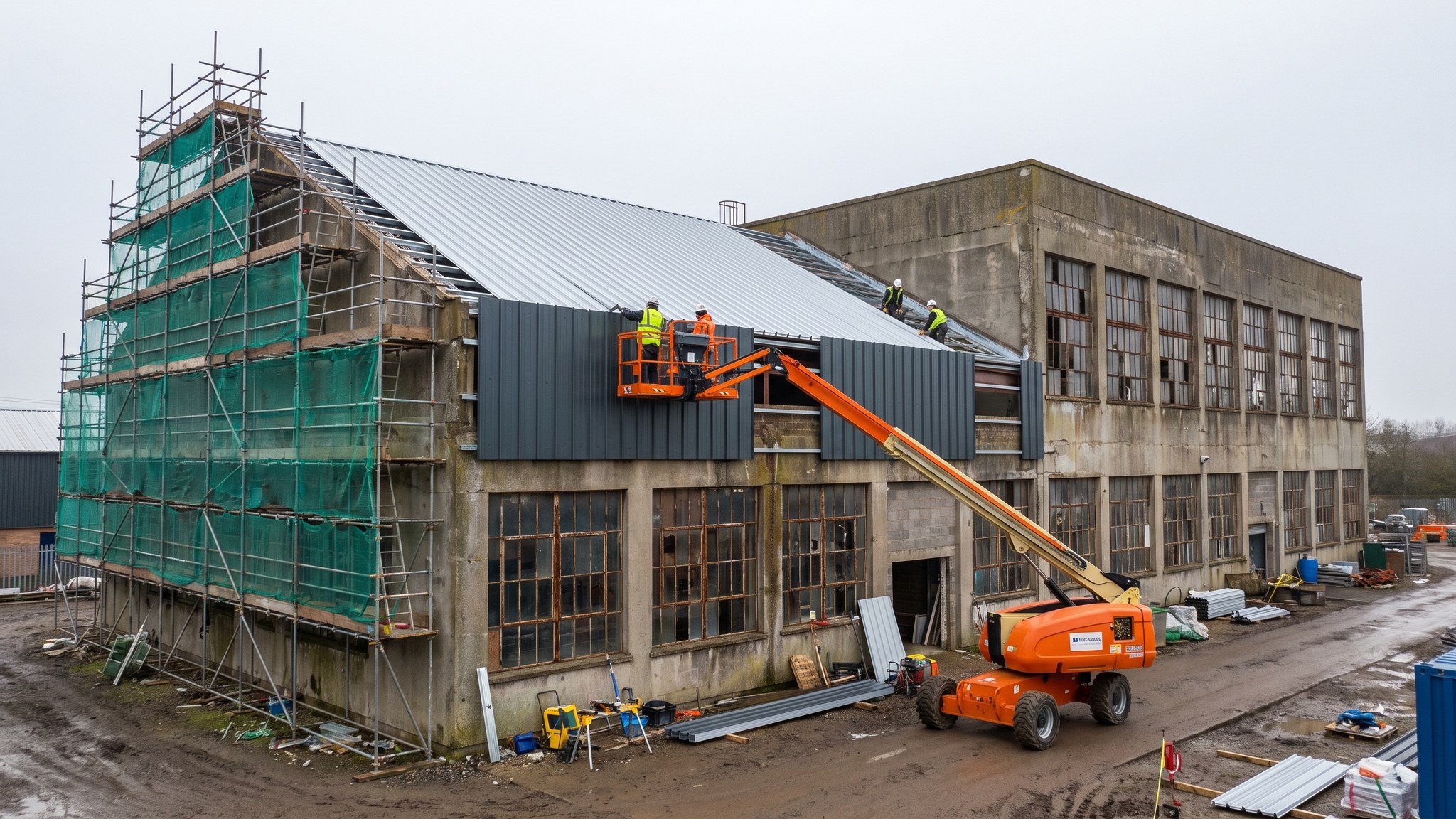
Asset Care & Preparation
Getting a redundant plant into a state it can be left in or worked on - stripping out non-active plant, removing the conventional hazards, refurbishing the fabric for a long second life, installing the services the dismantling will need, and shrinking the site to what has to be kept.
Open process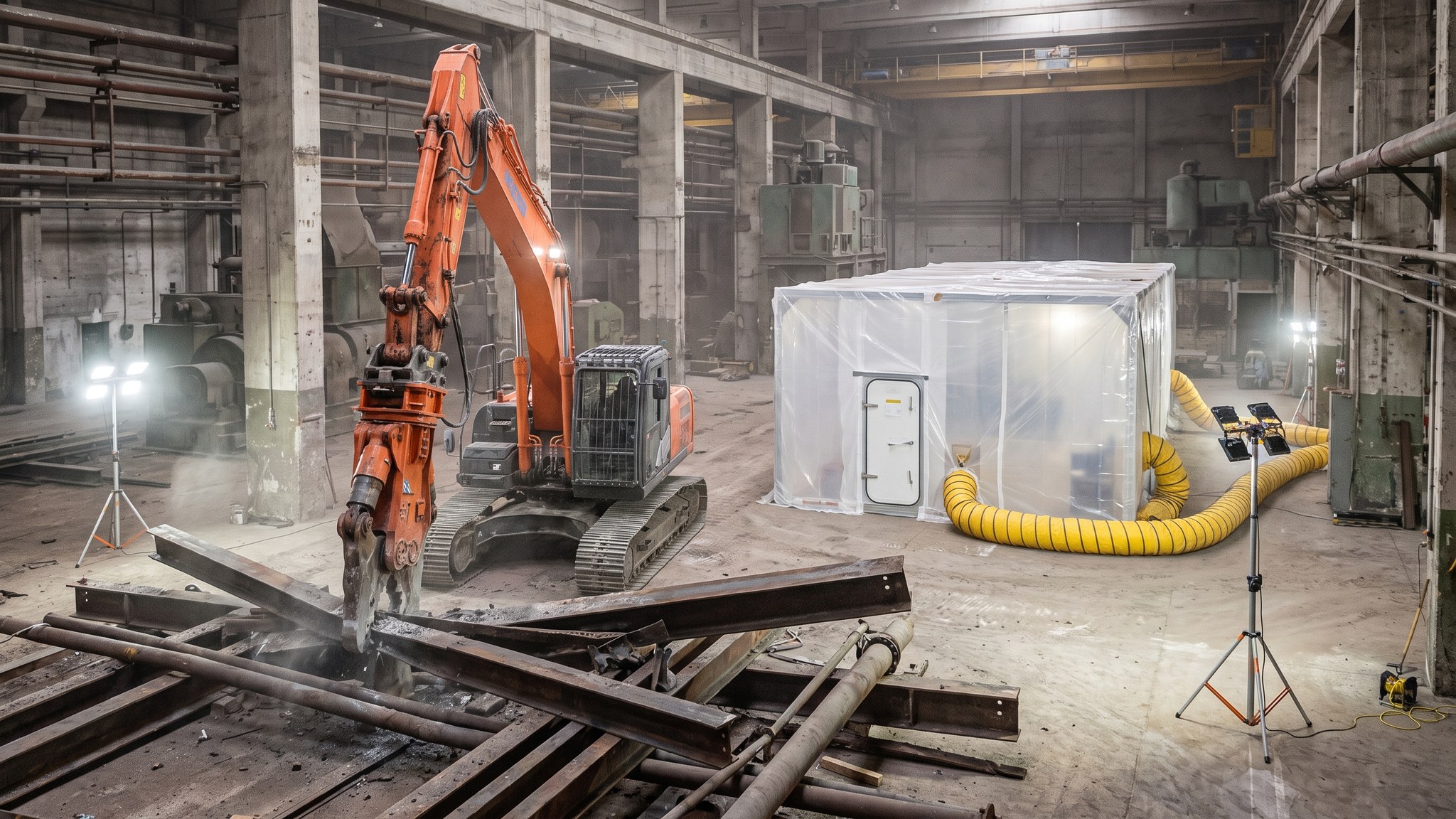
Dismantling & Size Reduction
Taking the plant apart piece by piece and cutting the pieces down to the size the container will take - remote and mechanical techniques that keep people away from the work face, inside containment enclosures with their own ventilation, on a structure that was never designed to come apart.
Open process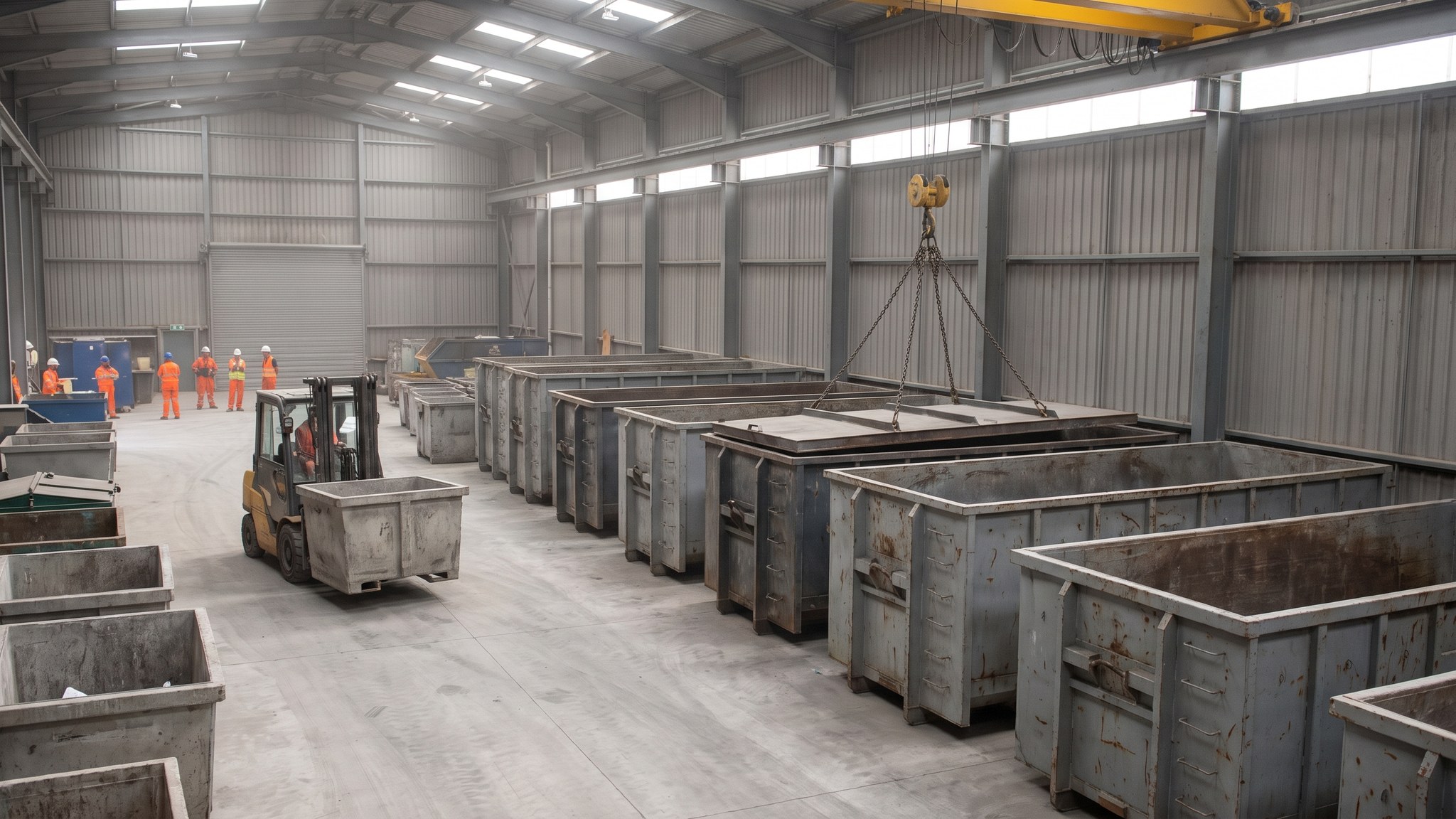
Waste Packaging & Transfer
The logistics operation that actually governs the programme - segregating at the work face, monitoring and releasing the clean fraction, packaging the rest to the criteria the disposal route sets, recording every package and moving it to store or off site.
Open process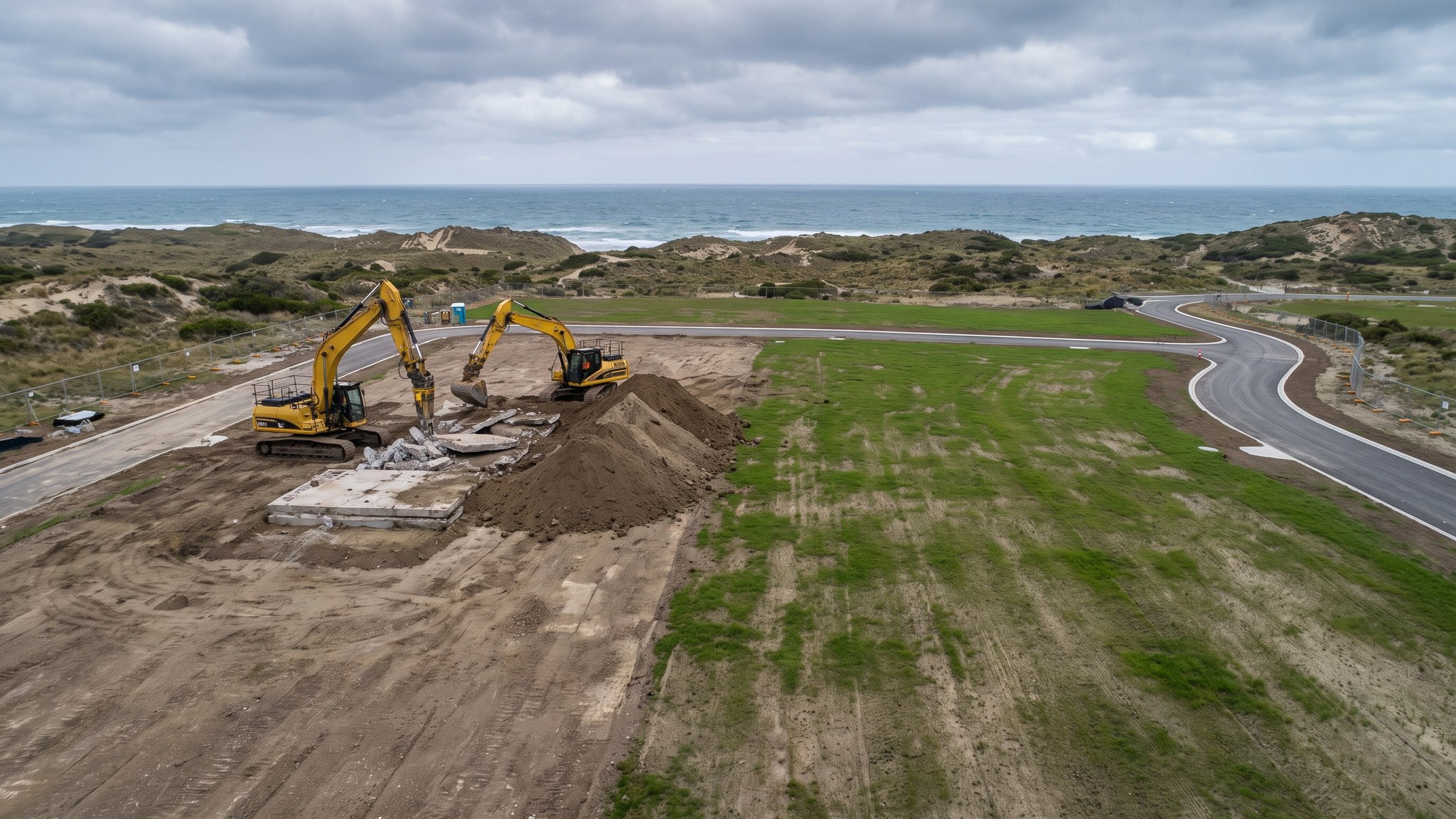
Site Remediation & Delicensing
The last phase - conventional demolition of the structures that remain, breaking out slabs, foundations, drains and tunnels, remediating and reprofiling the ground, then assembling the evidence that lets the land be released and turned back into ordinary ground.
Open processStructural Engineering & Frames22
Concrete, steel and timber frames - plus decks, dams and process steelwork.
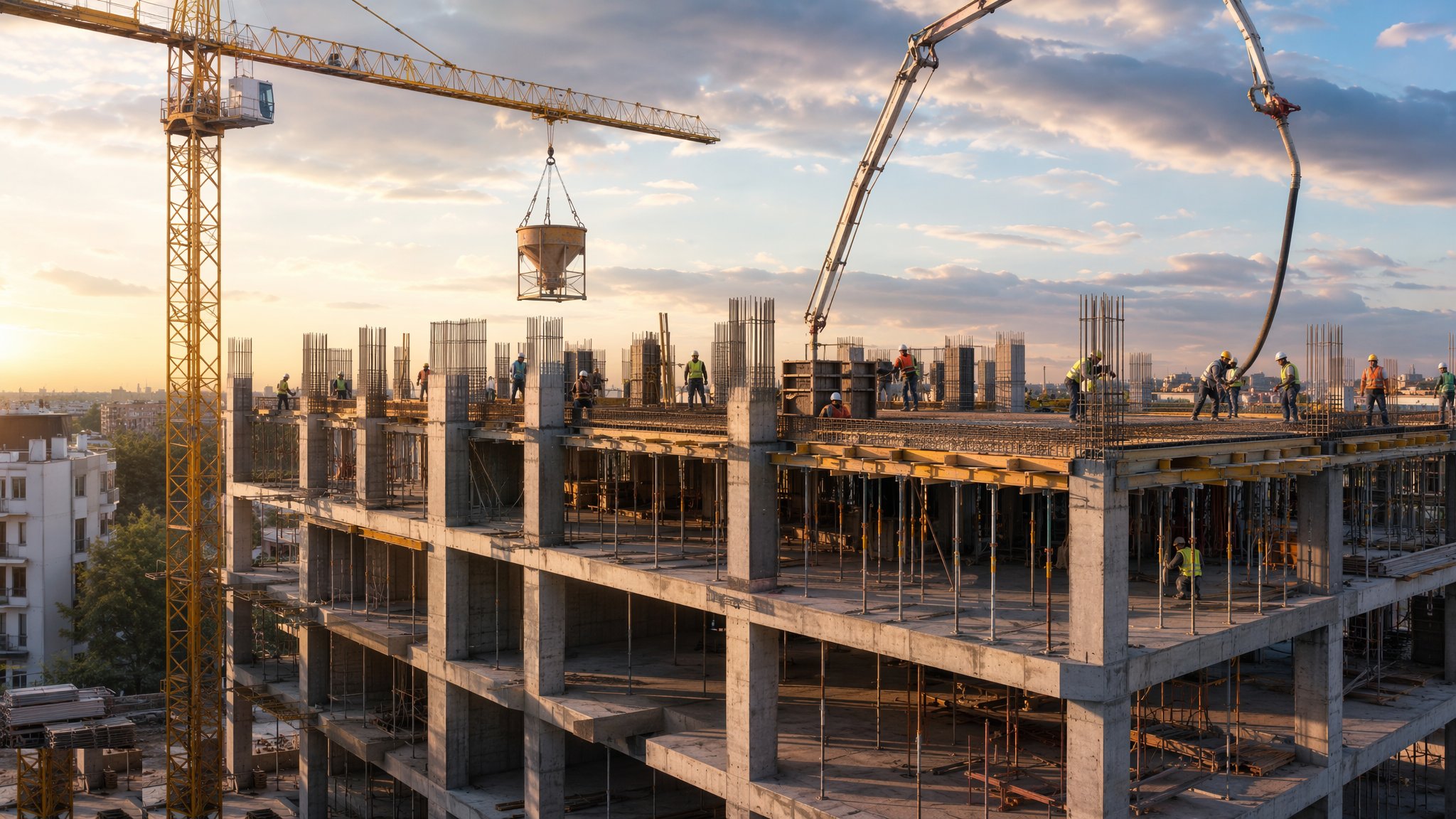
Concrete Frame Construction
Columns, walls and slabs cast in situ - the ribcage of a residential tower.
Open process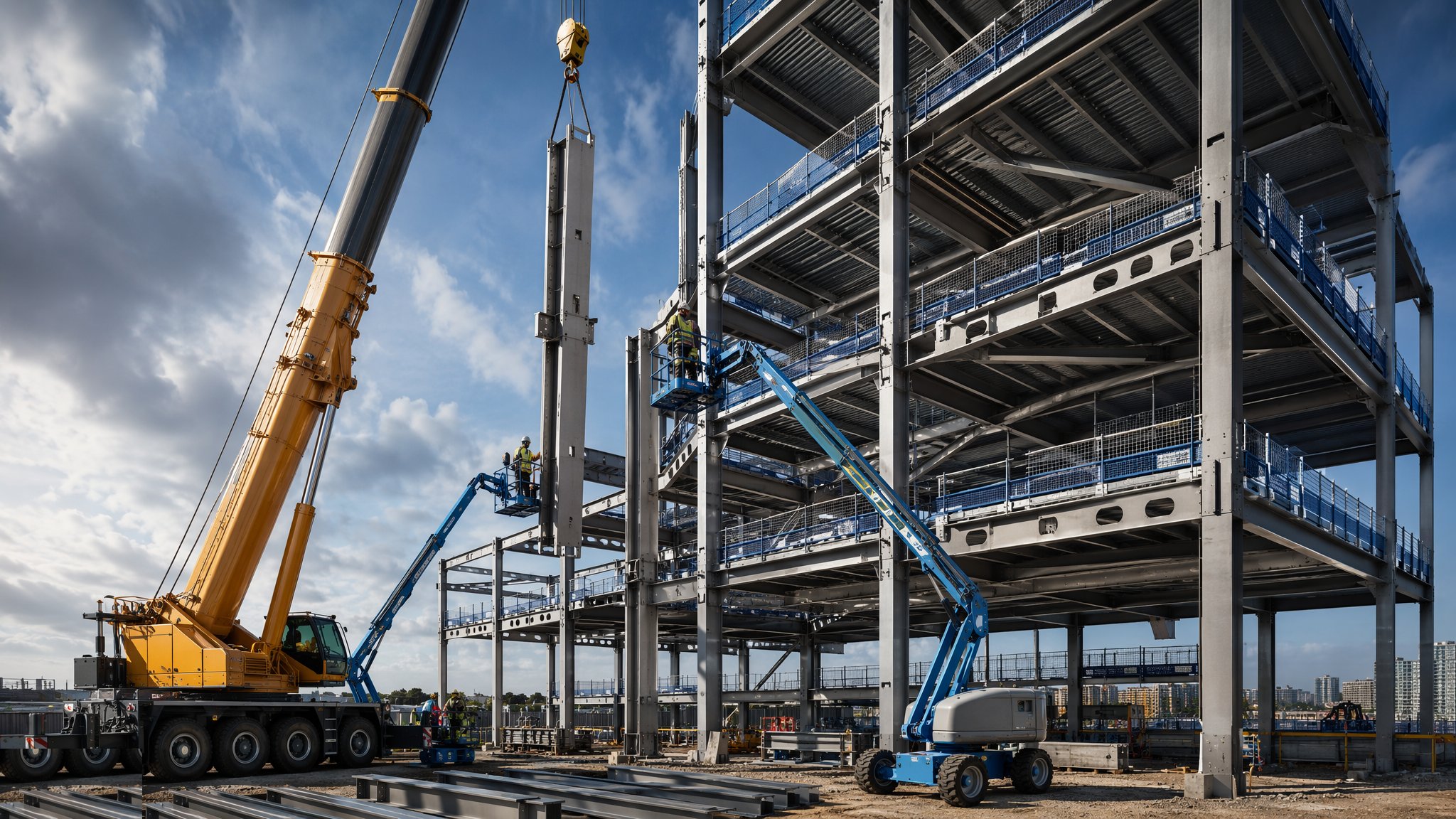
Steel Frame Construction
Fabricated off-site, erected at speed - bolted skeletons for frames that fly up.
Open process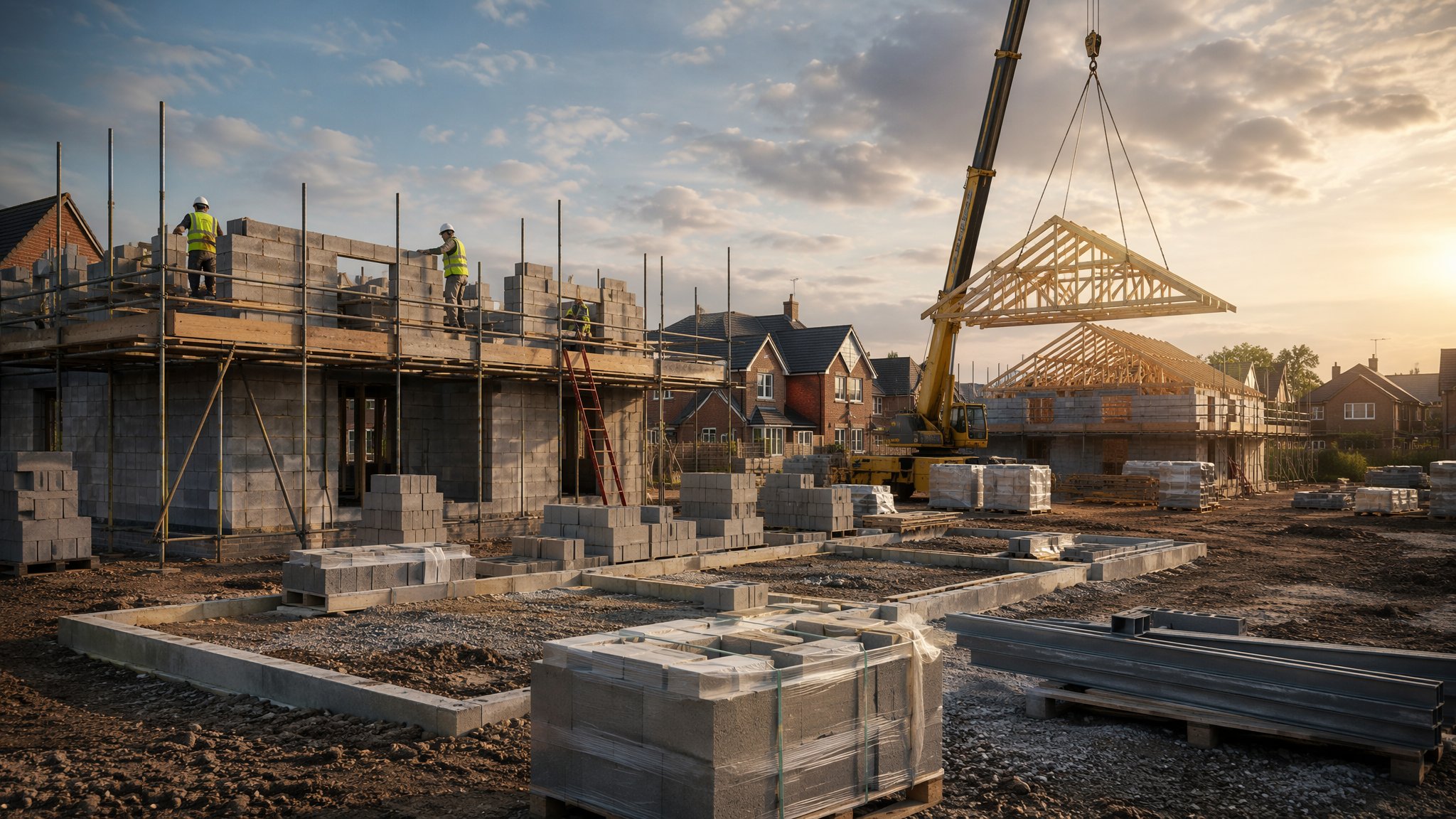
Masonry & Timber Frame
Cavity walls and factory-made timber panels - how homes and villas actually get built.
Open process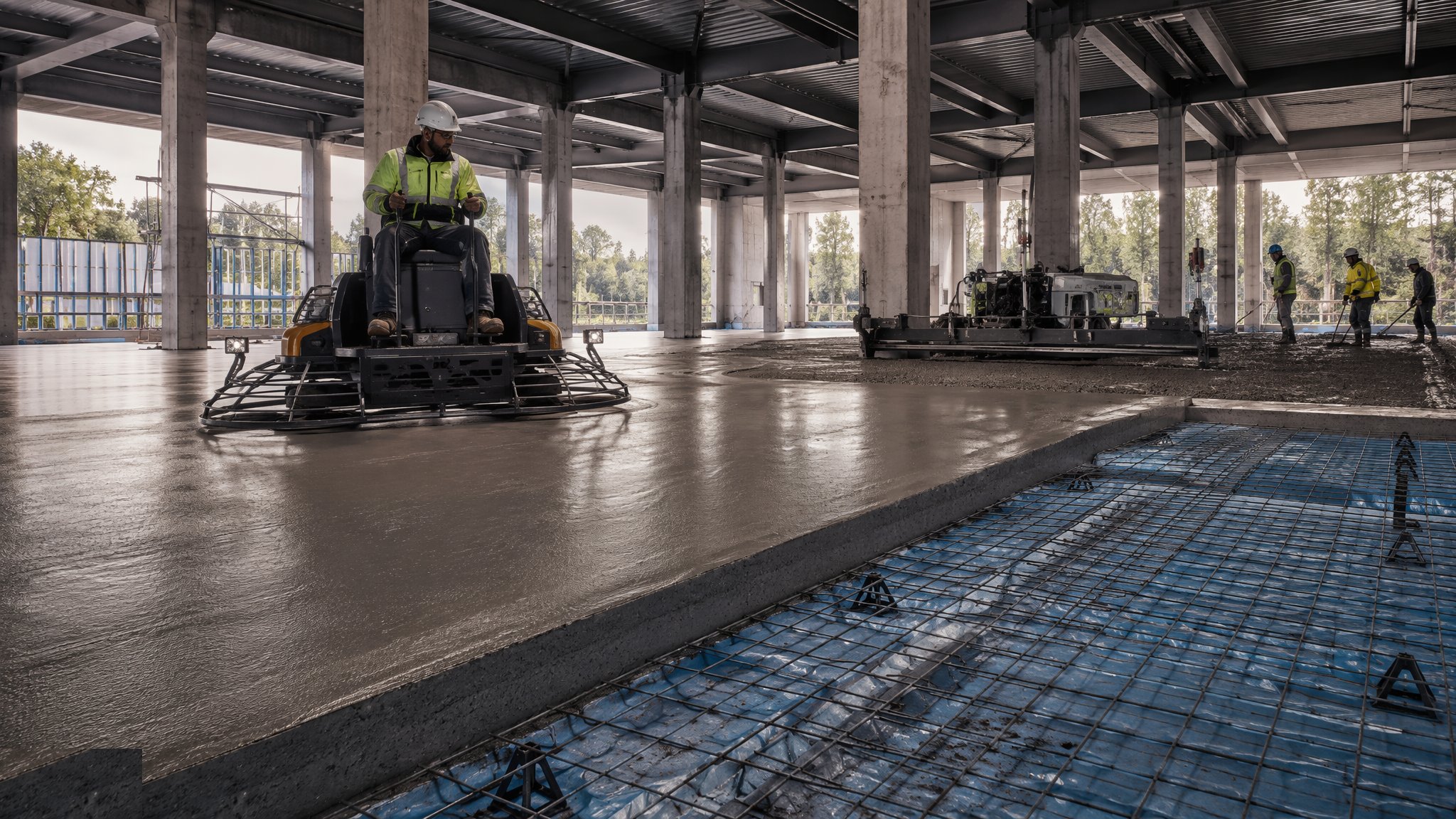
Floor Slabs & Screeds
Hardcore to power float - building the flat, dry, warm surface every finish depends on.
Open process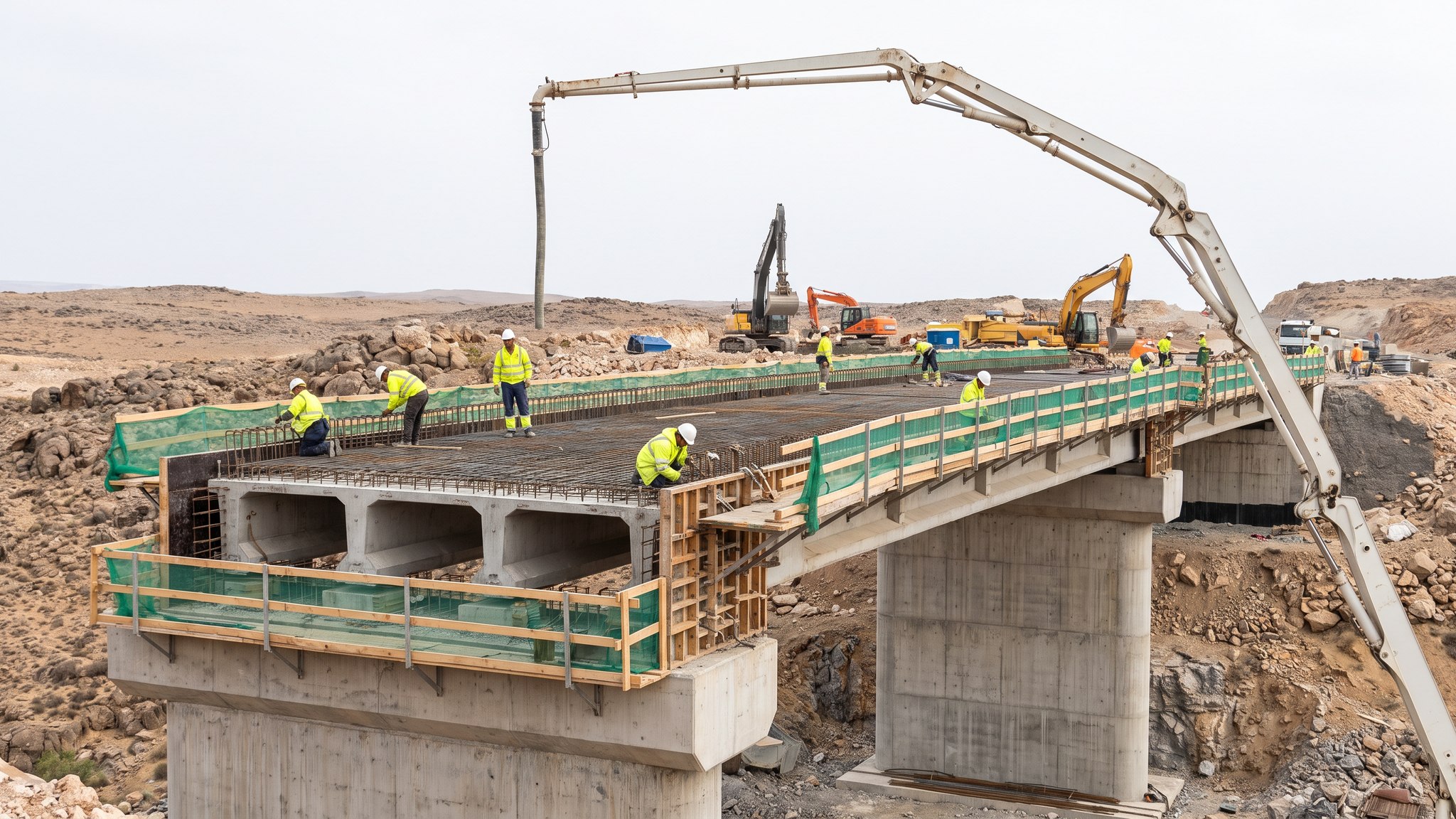
Bridge Deck Construction
Forming the span itself - in-situ decks on falsework, precast beams with an in-situ slab, and post-tensioned construction.
Open process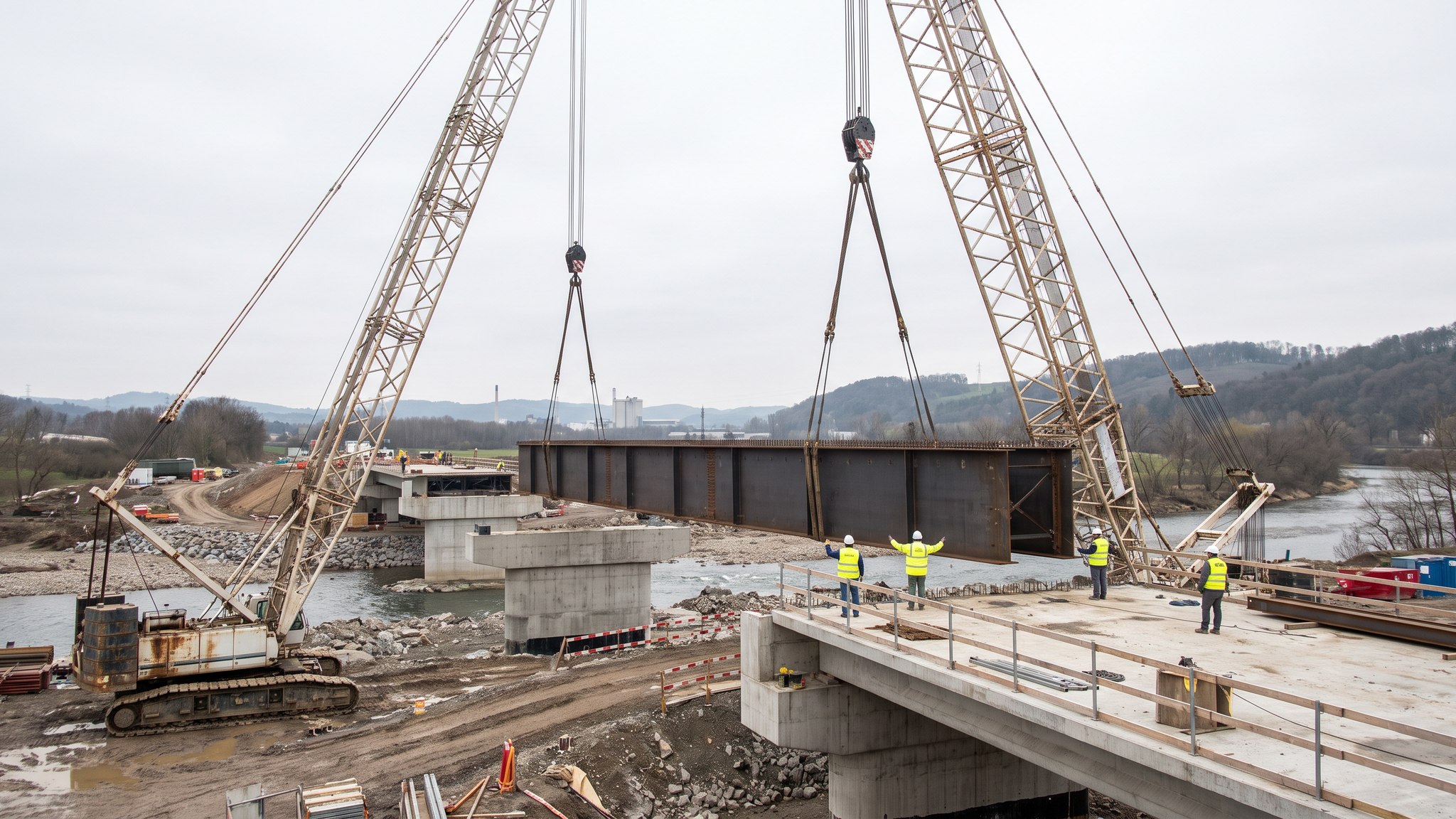
Bridge Erection Methods
How long spans actually get built when you cannot stand on the ground below - balanced cantilever, incremental launching, launching gantries and the heavy lifts.
Open process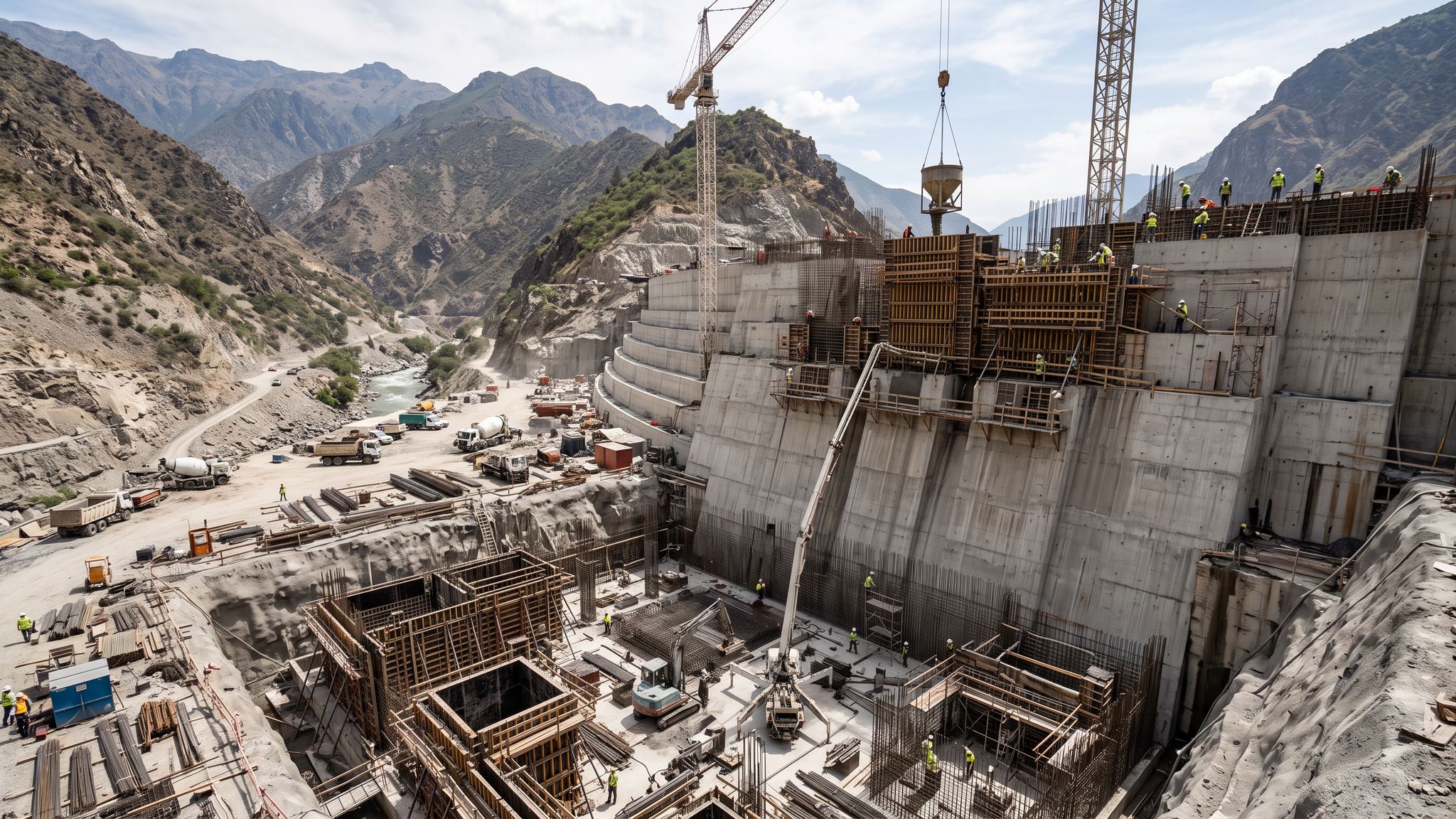
Dam & Powerhouse Civils
The concrete and compacted fill at the heart of the scheme - the dam itself, the intake, the spiral-case pits and draft tubes of the powerhouse - placed in blocks and layers over seasons.
Open process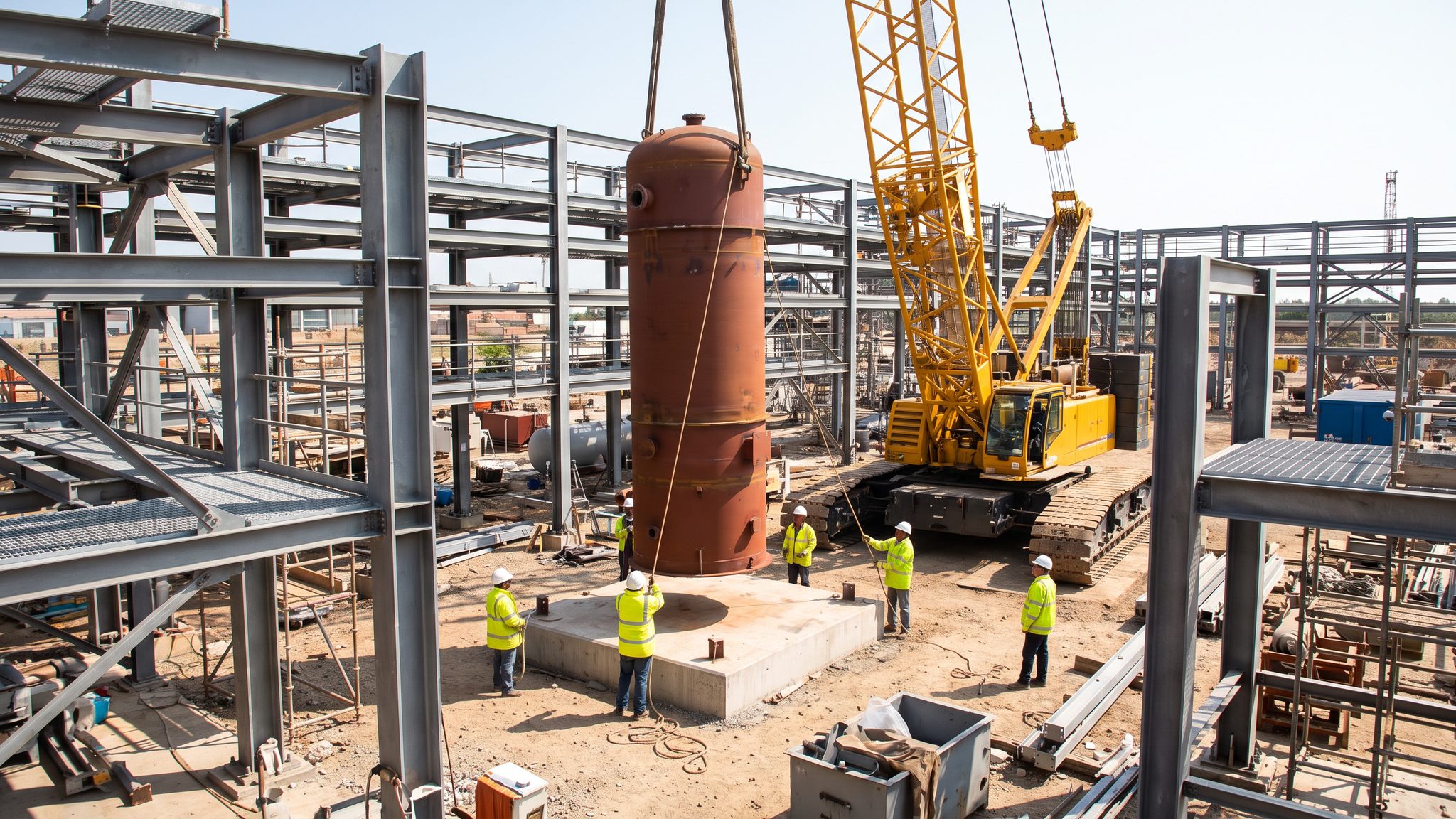
Structural Steel & Equipment Setting
Piperack steel, technological structures and the heavy lifts that land vessels, columns and compressors onto the civils - planned to BS 7121 and surveyed to the millimetre.
Open process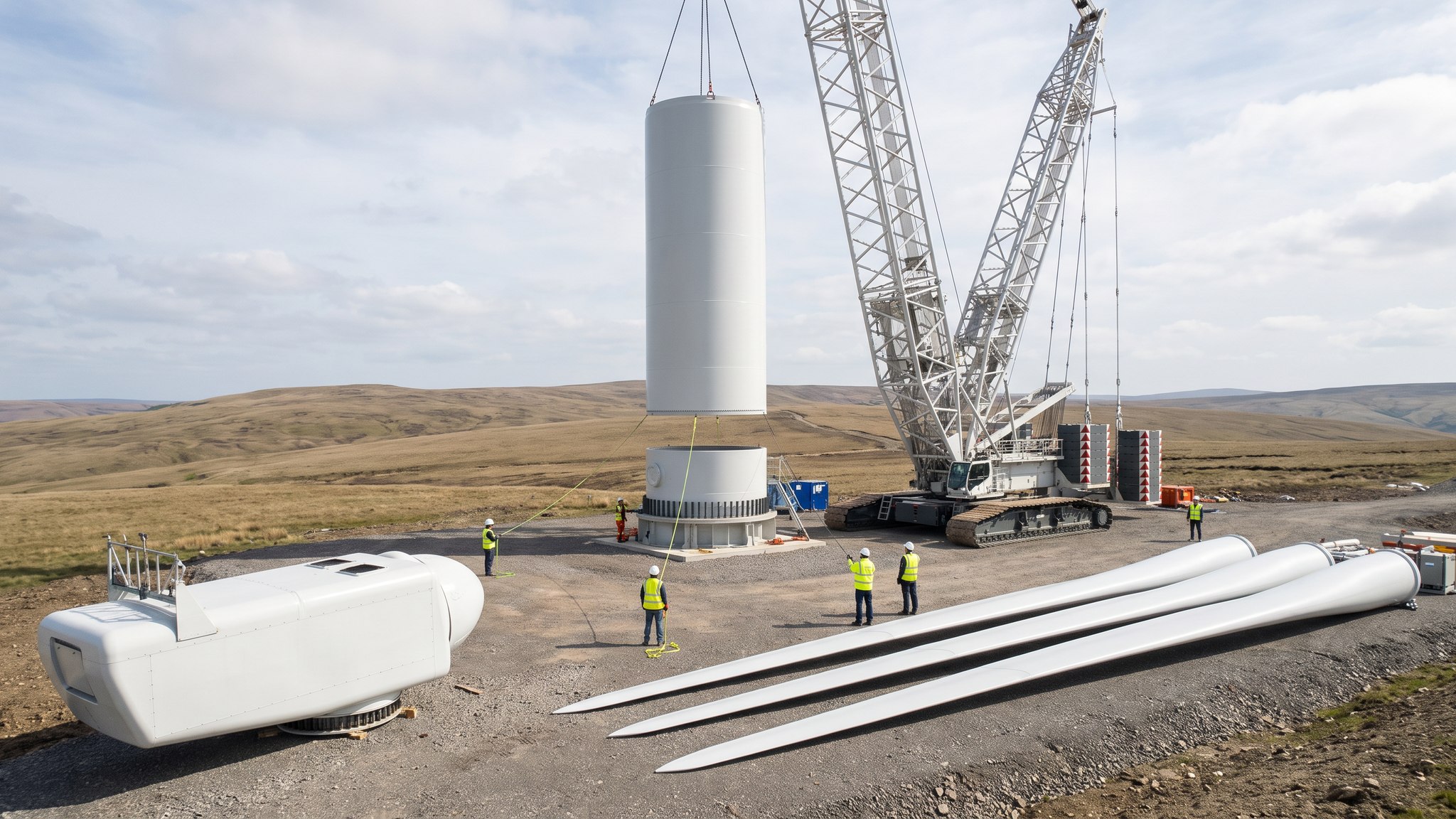
Craneage & Tower Erection
The heaviest lifts most construction professionals will ever see - a main crane the size of a small building, tower sections, a nacelle and blades as long as a football pitch, all governed by certified crane pads and wind limits.
Open process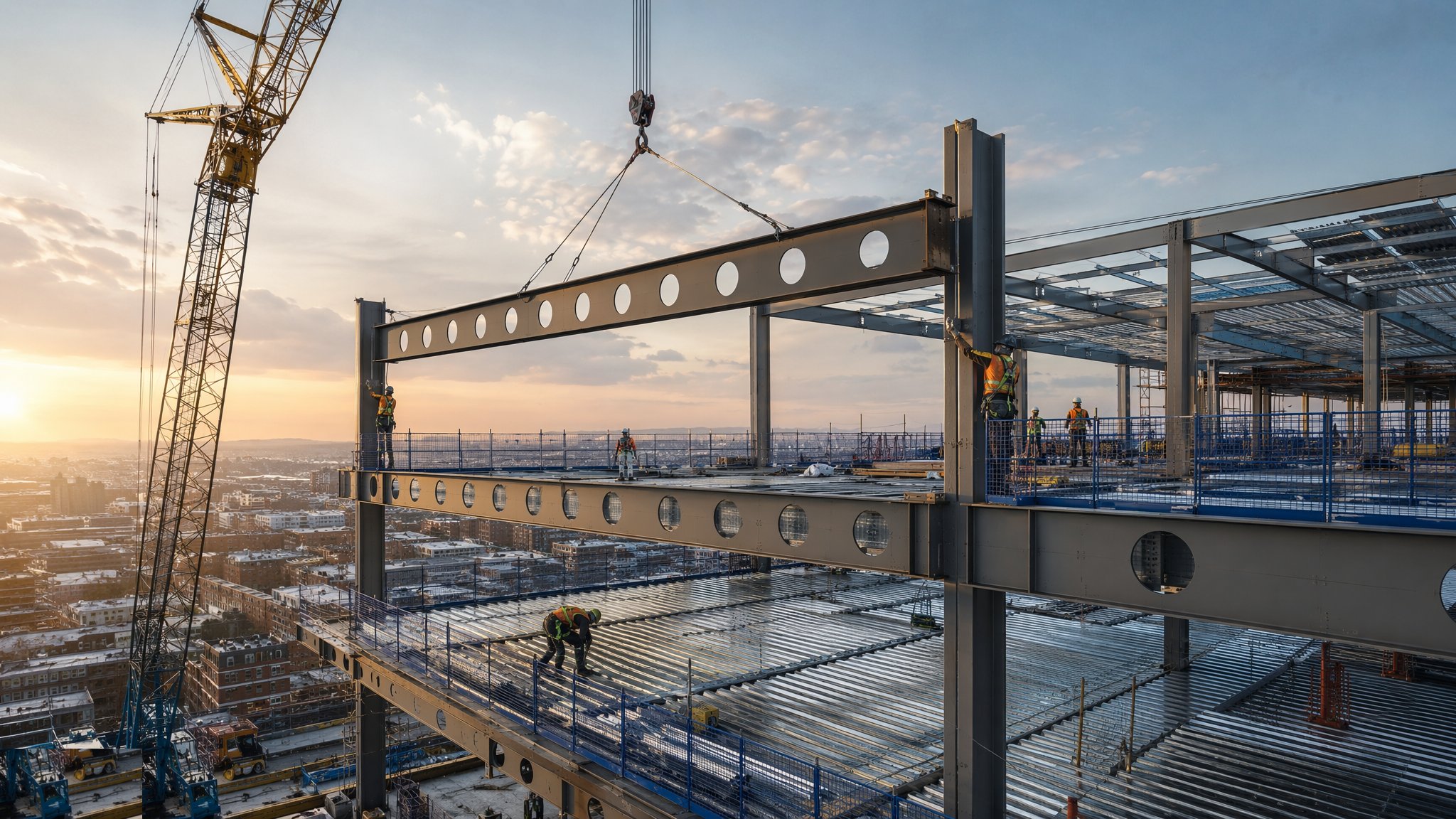
Long-Span Structural Frames
The column-and-beam skeleton that carries the floor plates - steel, concrete or composite - erected around the core and kept plumb, braced and stable as it climbs.
Open process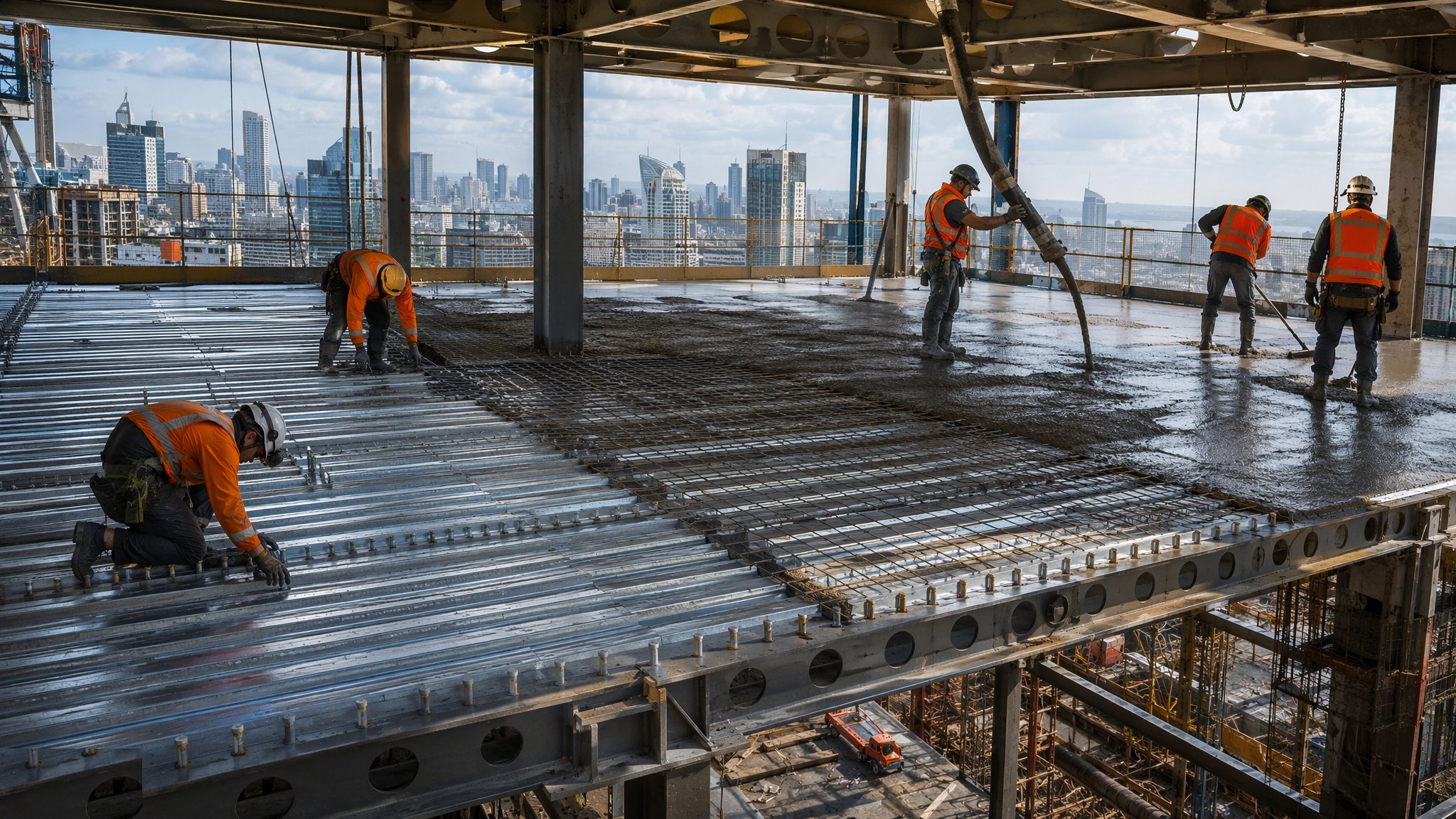
Floor Plates & Composite Decks
The working floors of the tower - composite metal decks, post-tensioned flat slabs or precast units - poured, propped and power-floated floor after floor.
Open process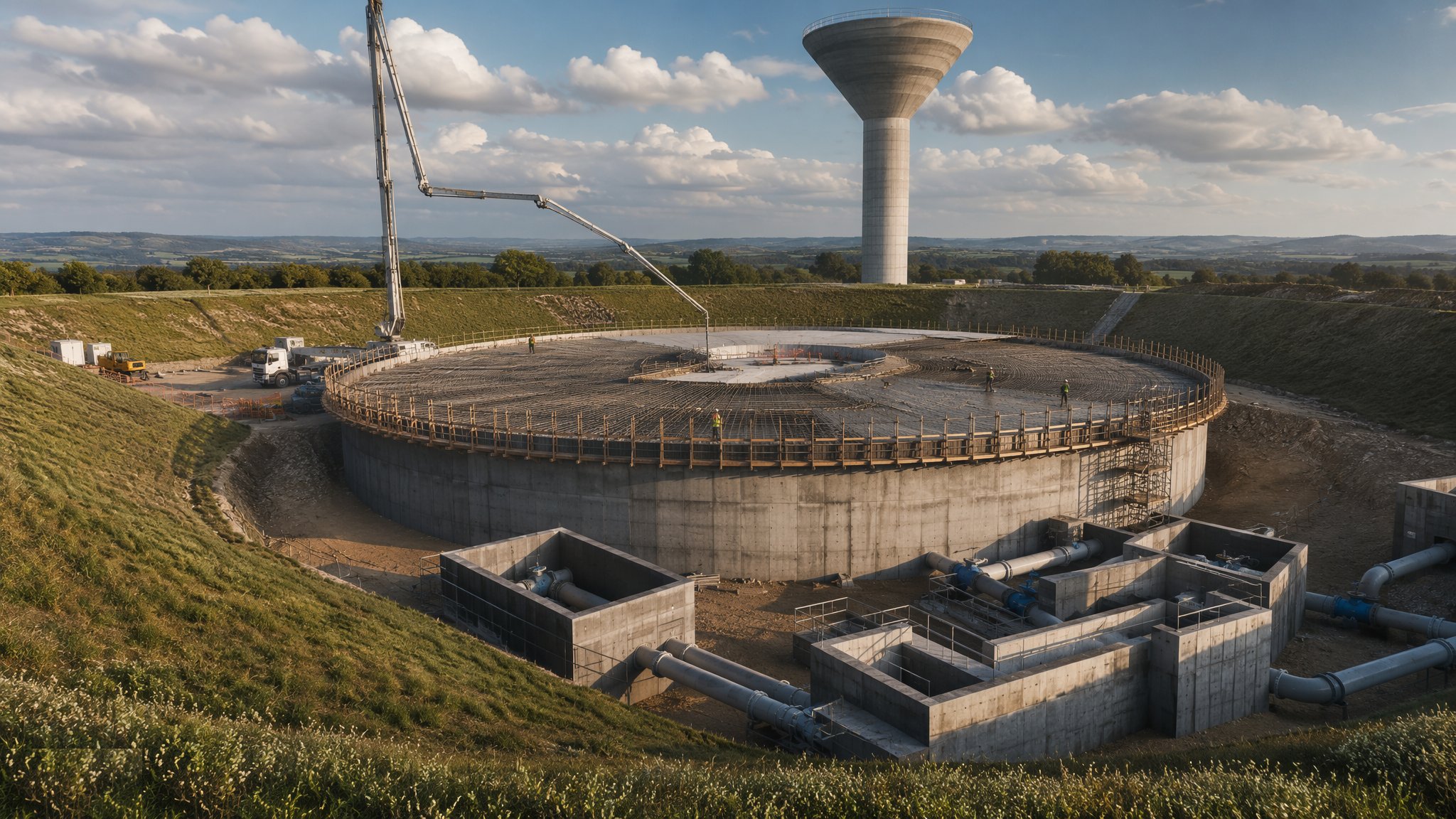
Service Reservoirs & Water Towers
Treated water stored against the day's demand - circular prestressed and rectangular reinforced concrete tanks holding millions of litres, roofs in flat slab, membrane or dome, valve houses and instrumentation at the rim, then cleaning, sterilisation and sampling before the water company lets a drop near the network.
Open process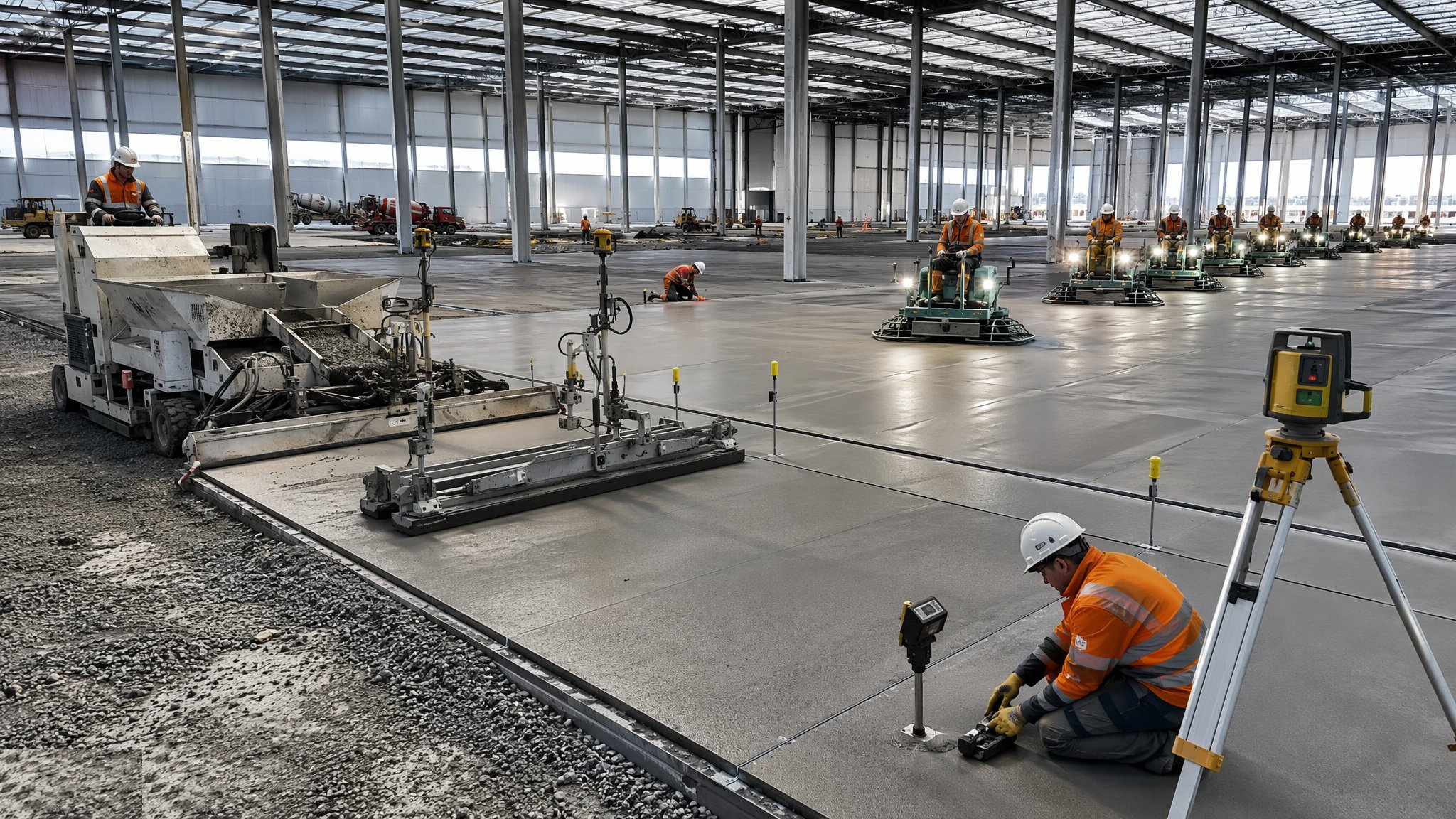
High-Tolerance Warehouse Floor Slabs
The superflat ground slab that racking, fork trucks and robots all take their geometry from - laser-screeded, jointed like an airfield, and tested to TR34 classes where millimetres are the whole job.
Open process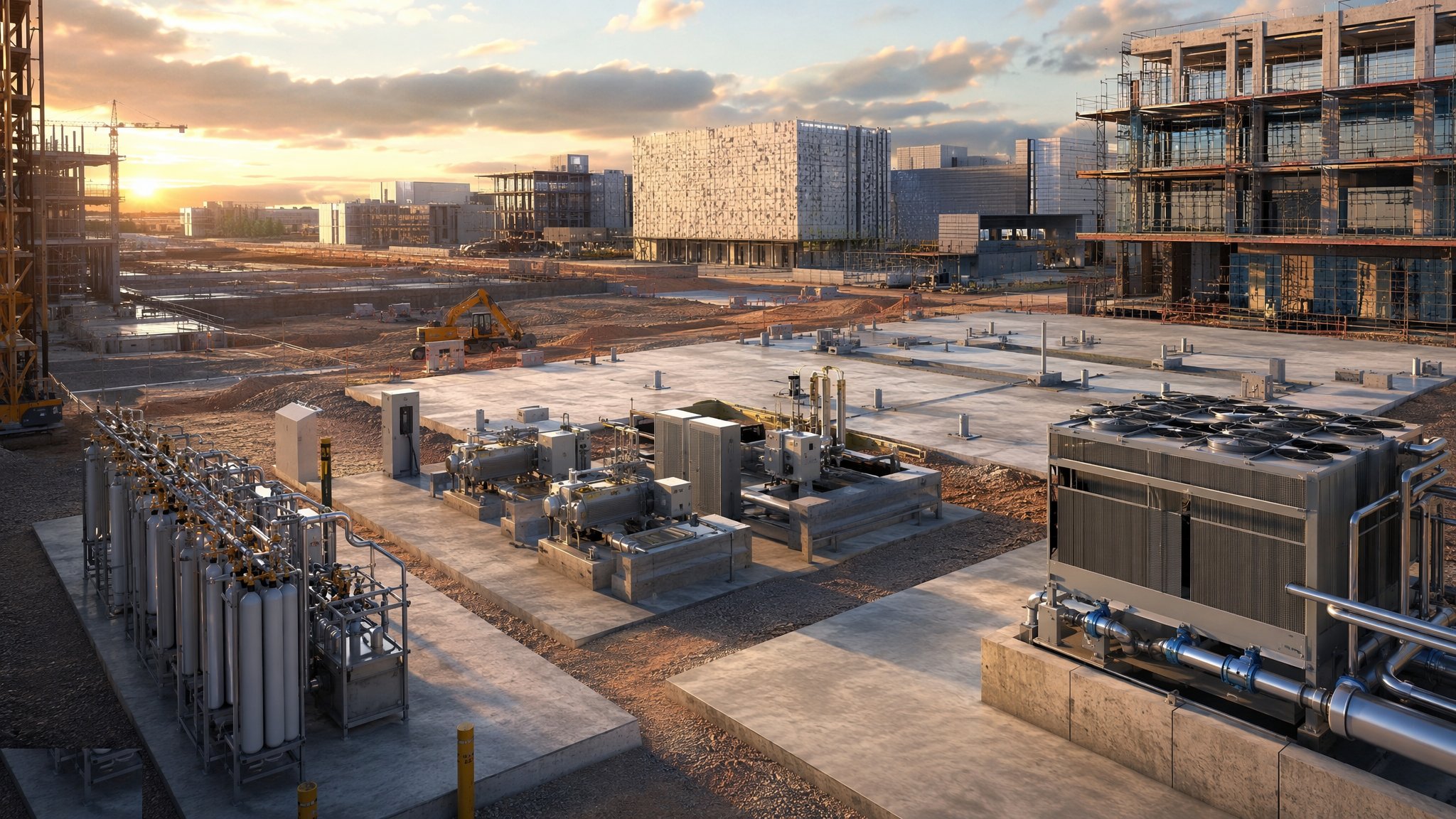
Research Campus Infrastructure
The utilities, energy and ground engineering that let a science campus run: resilient power and cooling, gas farms, vibration-isolated slabs and buildings handed over in phases while research carries on next door.
Open process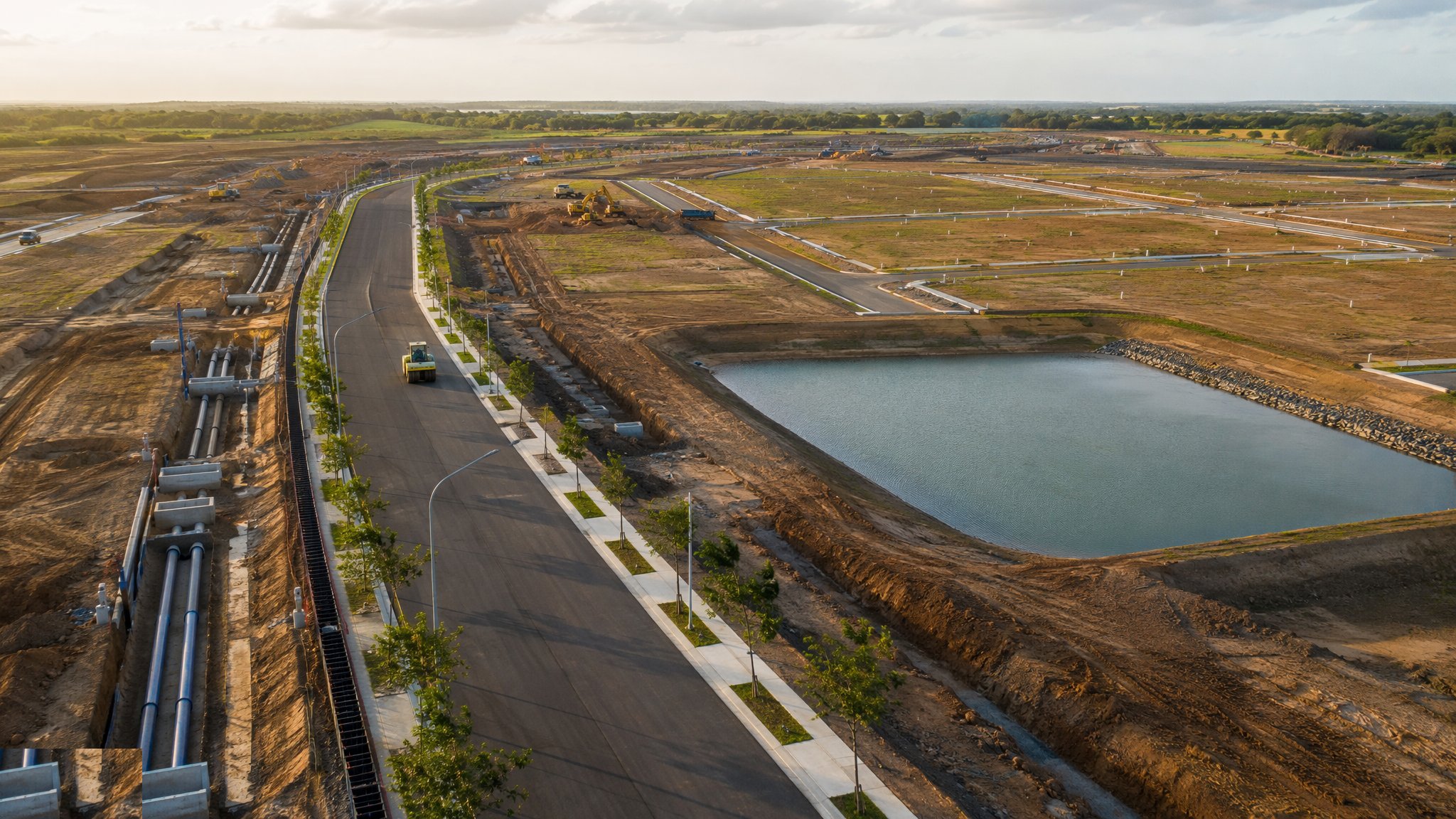
Development Infrastructure & Enabling Works
Turning a bare land parcel into serviced plots: spine roads, mains corridors, balancing ponds and the adoption agreements - S278, S38, S104 - that let the developer release land phase by phase.
Open process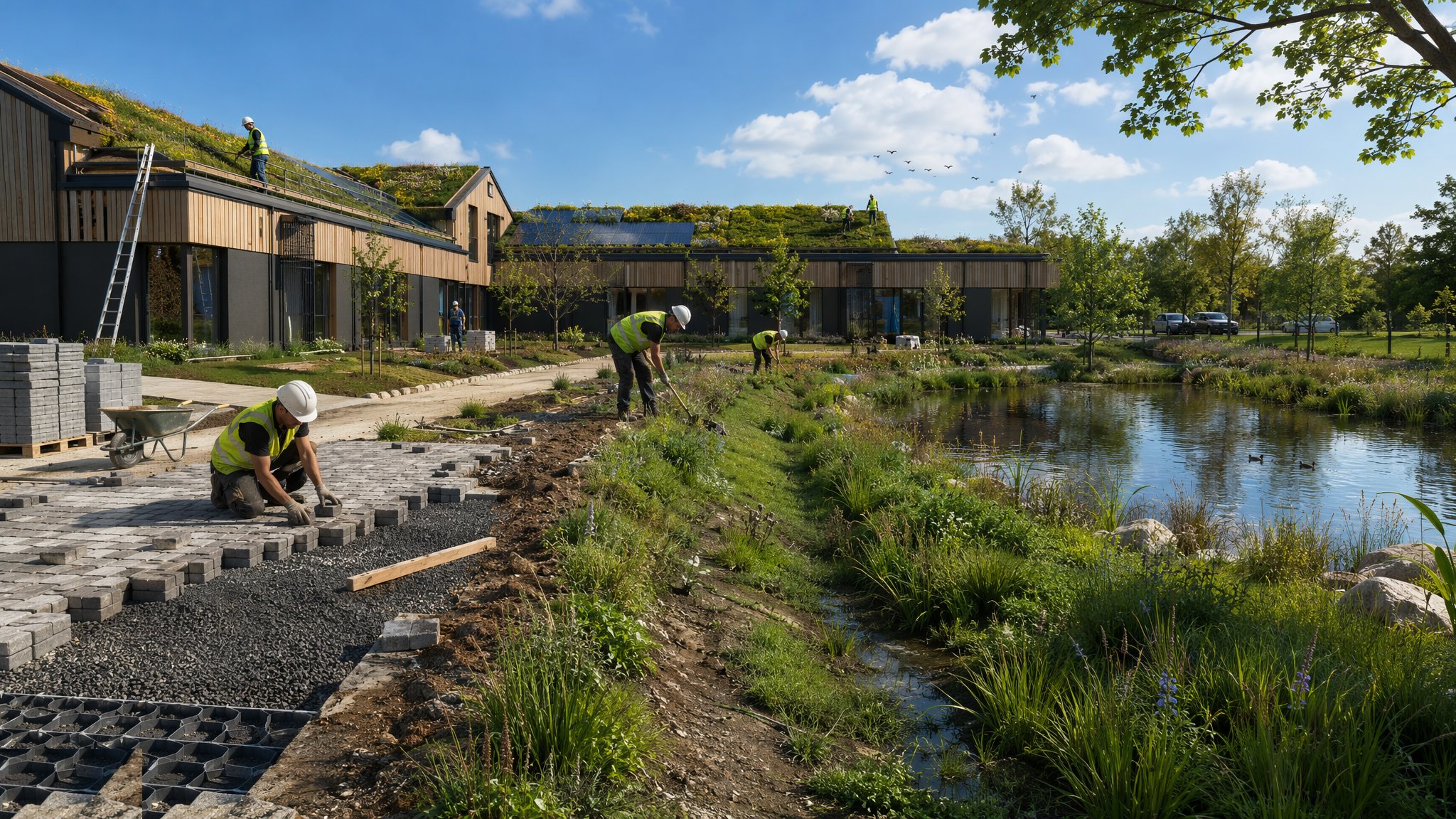
SuDS & Blue-Green Infrastructure
Drainage that behaves like the ground did before you built on it - swales, ponds, permeable paving, rain gardens and green roofs slowing, cleaning and storing runoff, then handed over with a maintenance plan someone has to honour.
Open process
Concrete Structural Walls
Cast in situ and precast concrete walls - cores, shear walls and basement walls that carry the building and hold it steady.
Open process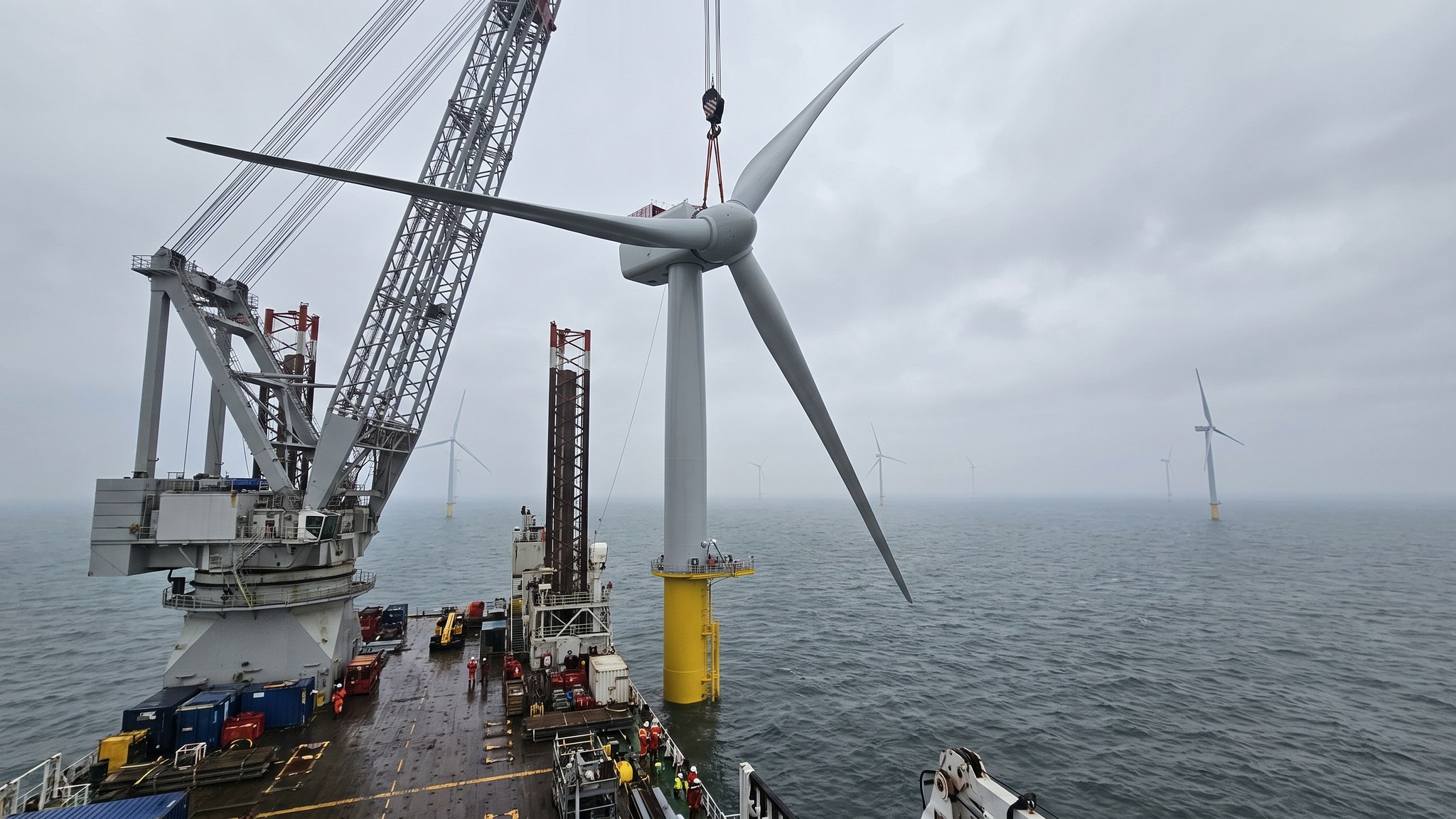
Turbine Installation
Towers, nacelles and blades pre-assembled at a marshalling port, loaded out in sets and lifted into place from a jack-up vessel. The campaign is a repeating cycle, and the weather decides how many times it turns.
Open process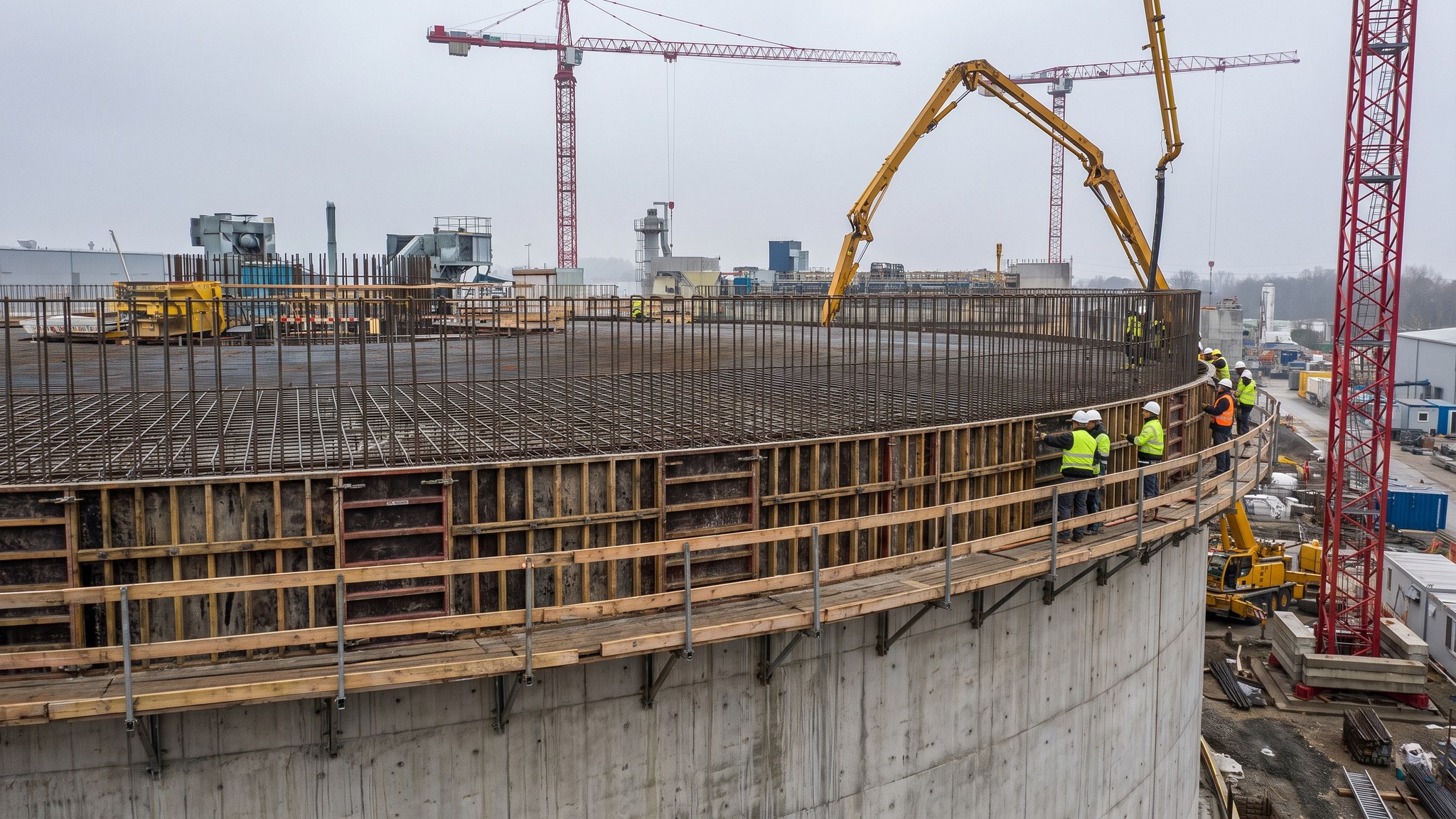
Containment & Safety-Class Concrete
Building the containment and the safety-classified structures around it - thick walls and slabs, congested reinforcement, welded liners and hundreds of embedded penetrations, all constructed under an inspection regime where the paperwork is as much of the product as the concrete.
Open process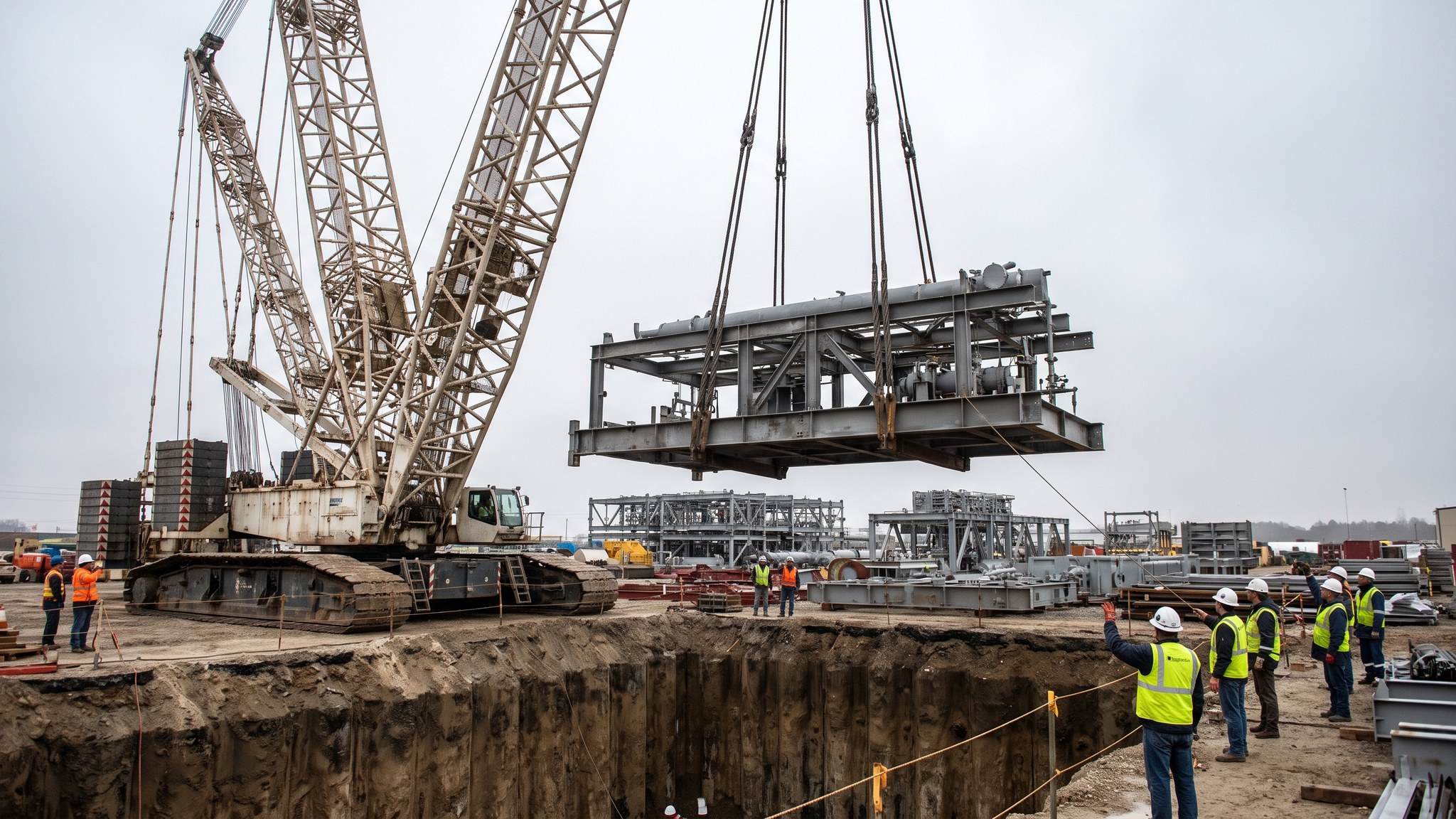
Heavy Lift & Modular Installation
Moving work off the site and into factories, then putting the results back - large prefabricated modules and single heavy components delivered by sea, rail or road, transported across site and lifted into an open structure by some of the largest cranes in use anywhere.
Open process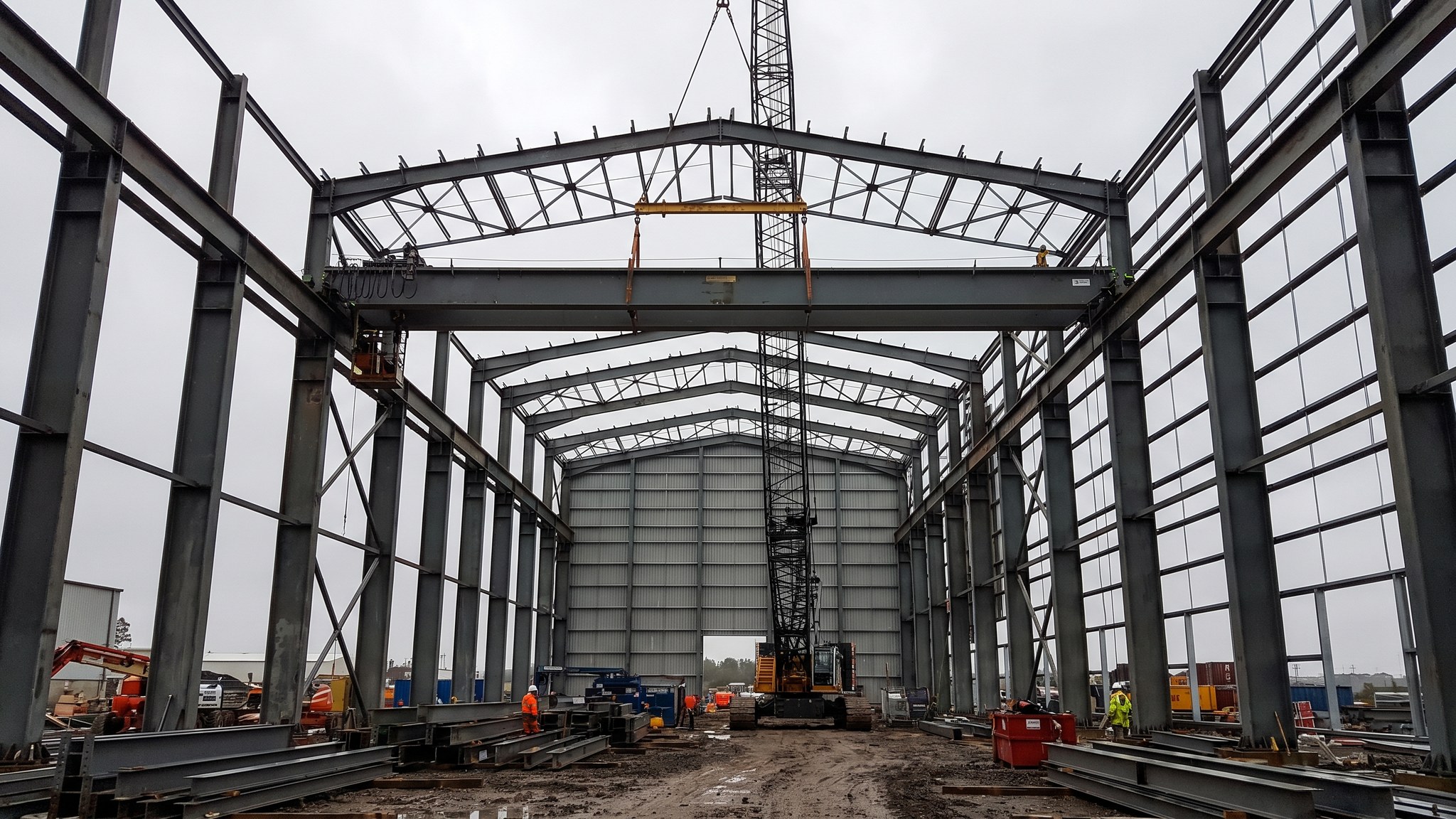
Turbine Hall & Structures
The steel-framed building over the turbine-generator - designed from the crane downwards, because the hall exists to lift, open and maintain the machine inside it for the whole of the station's life.
Open process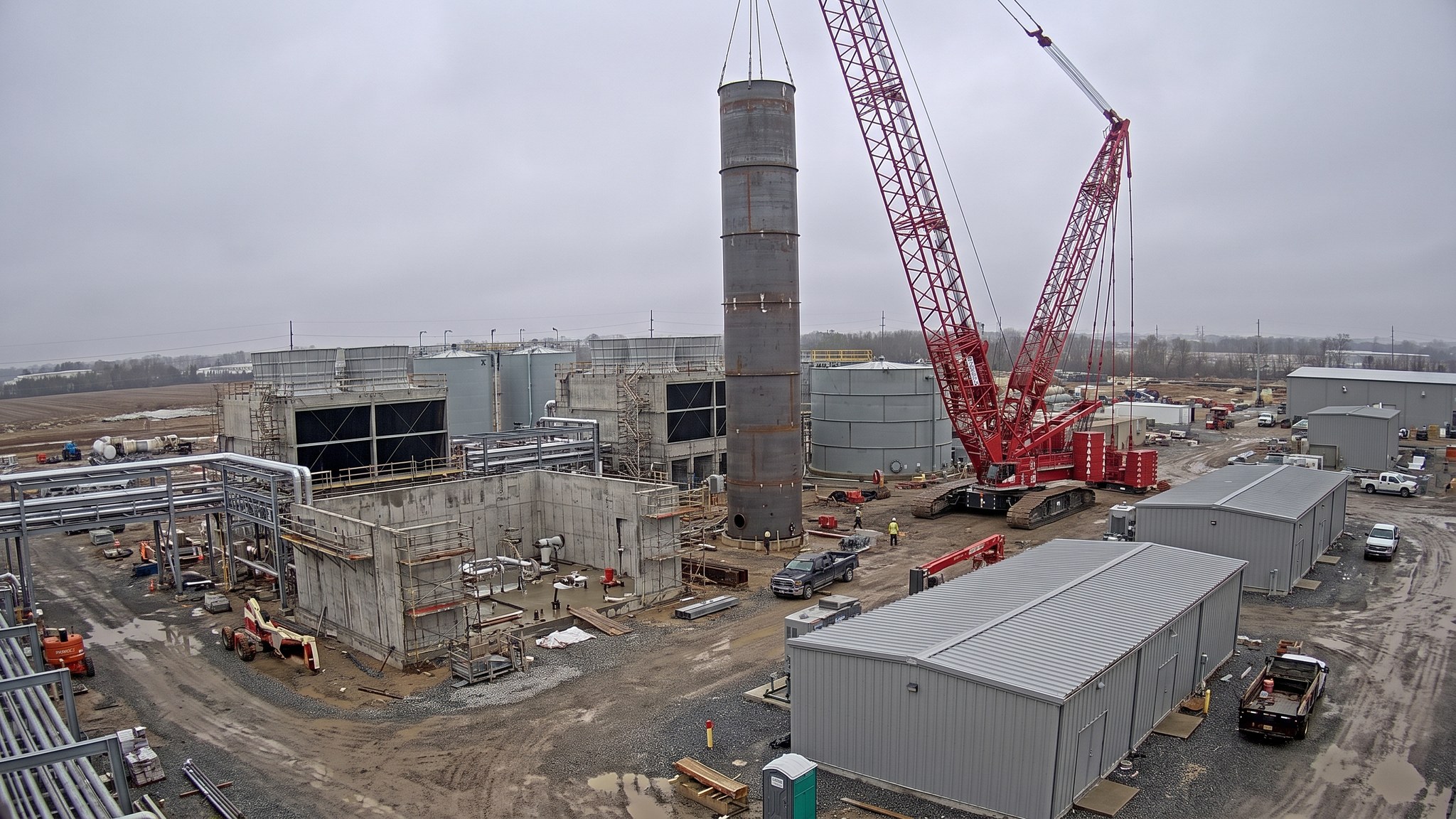
Balance of Plant & Stack
Everything that is not the turbine or the boiler - cooling, water treatment, fuel supply, compressed air, firefighting, electrical distribution and the stack. Individually ordinary, collectively most of the scope, and the part that decides whether the station can actually run.
Open processBuilding Envelope & Façades14
Roofs, cladding and glazing - keeping the weather out everywhere.
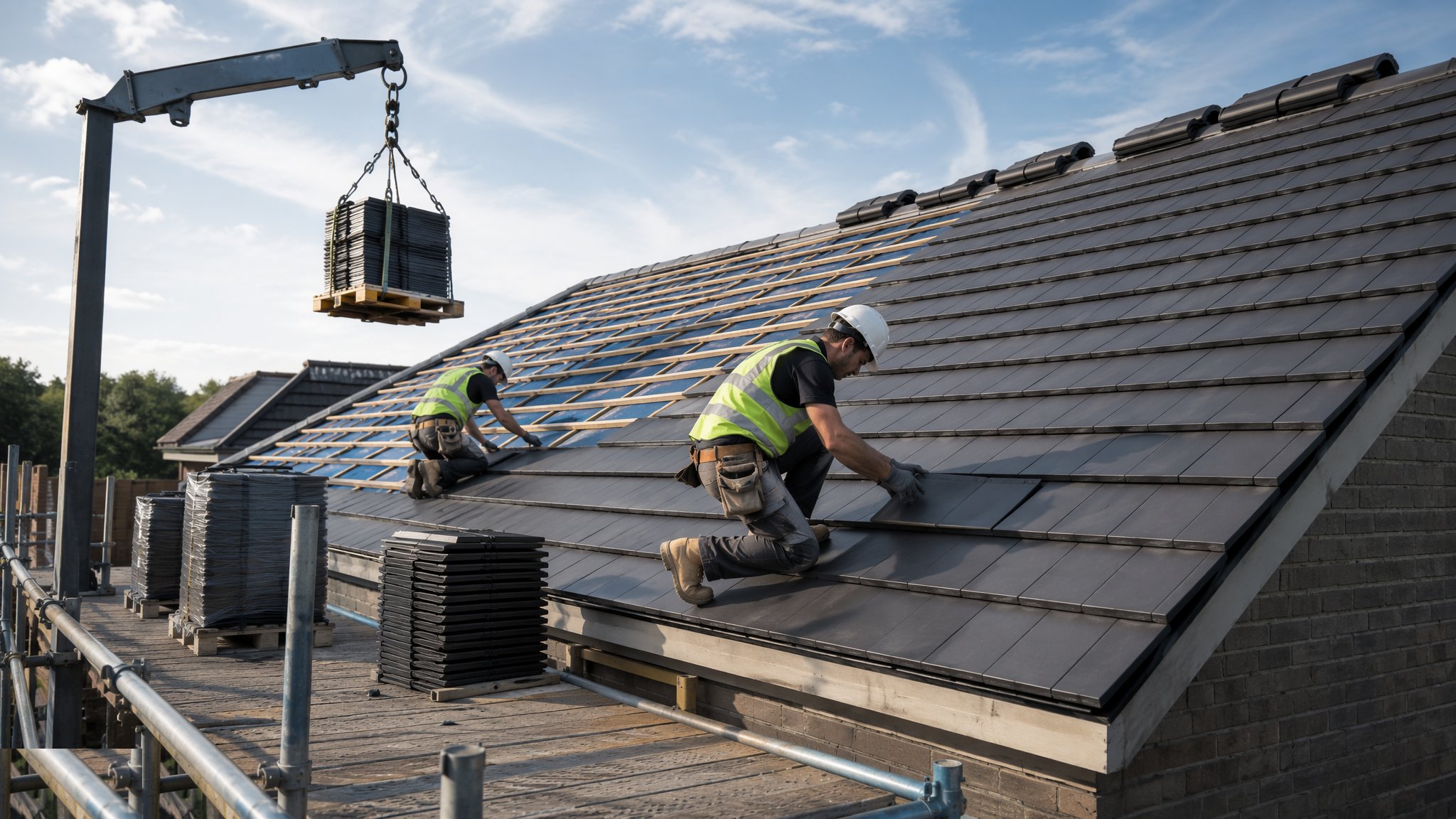
Roofing
Pitched trussed rafters and warm flat roofs - the hat that has to keep the weather out for fifty years.
Open process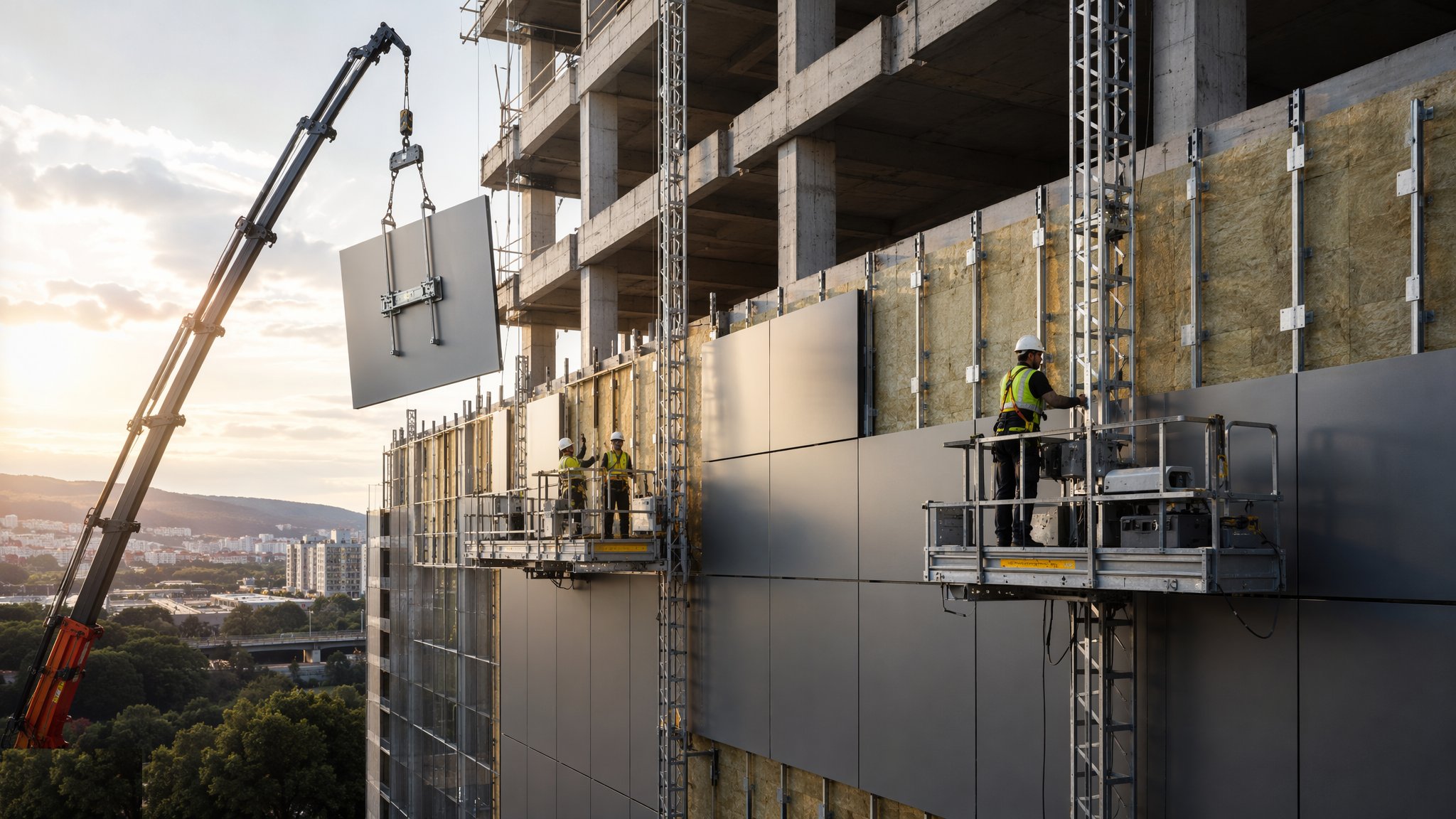
Façade & Cladding
The building's face - brick, render, rainscreen and curtain walling, and the fire details behind them.
Open process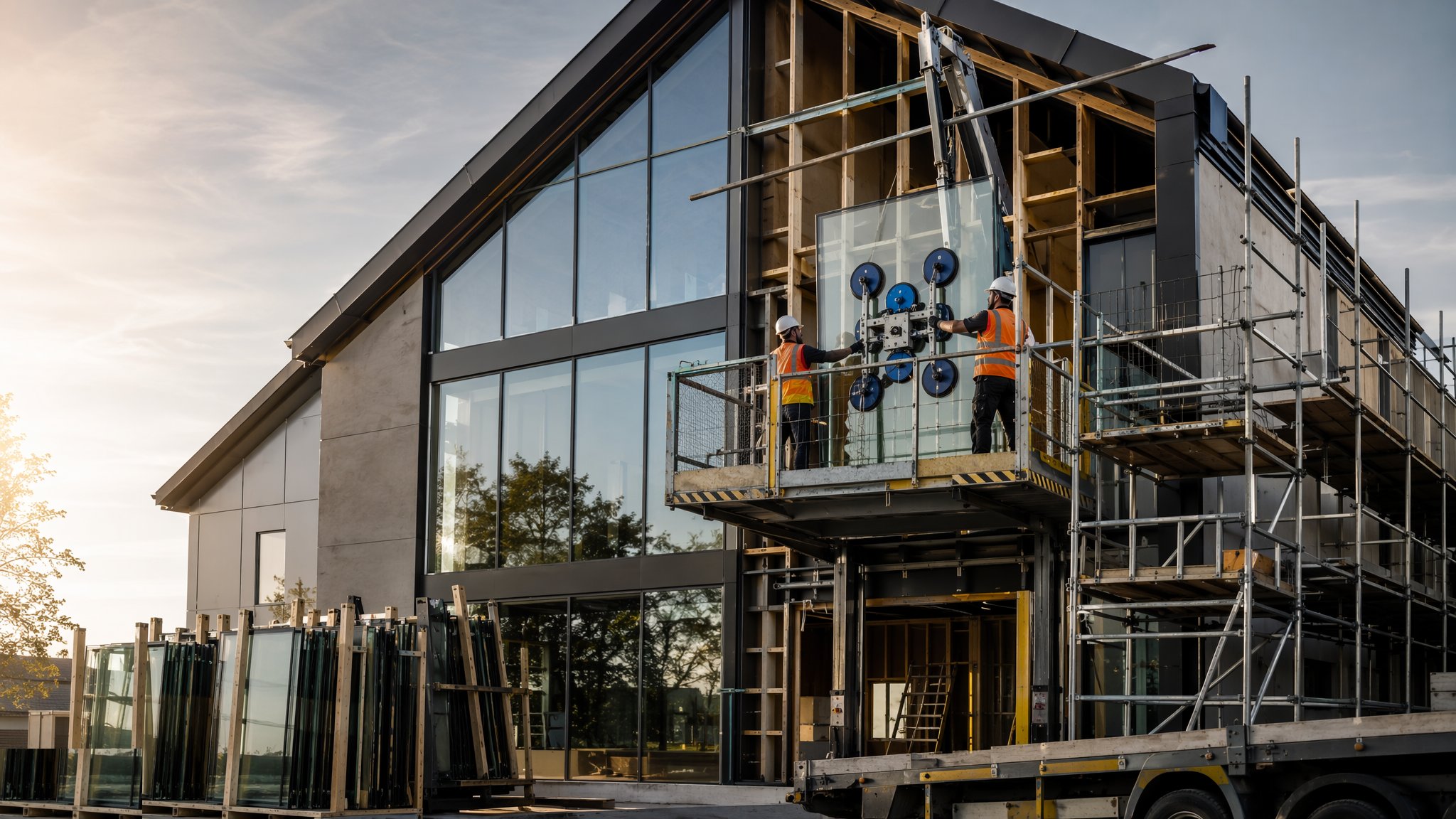
Windows, Doors & Glazing
Survey, fit and seal - the moving parts of the envelope that get used ten times a day.
Open process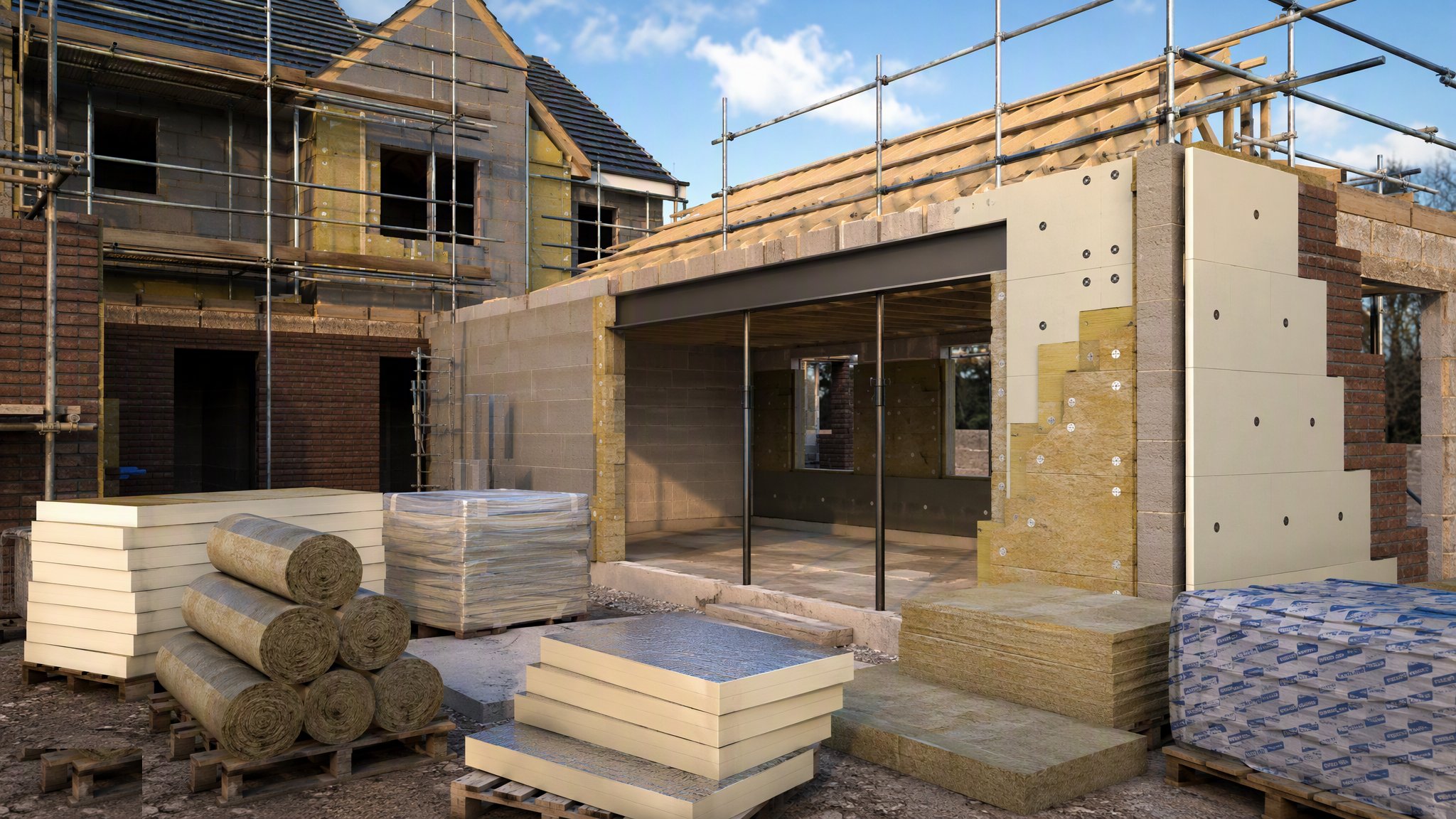
Insulation Systems
Cavity, EWI, internal wall, roof and floor insulation - continuity, cold bridging and the fire-classification decisions that decide what you are allowed to build with.
Open process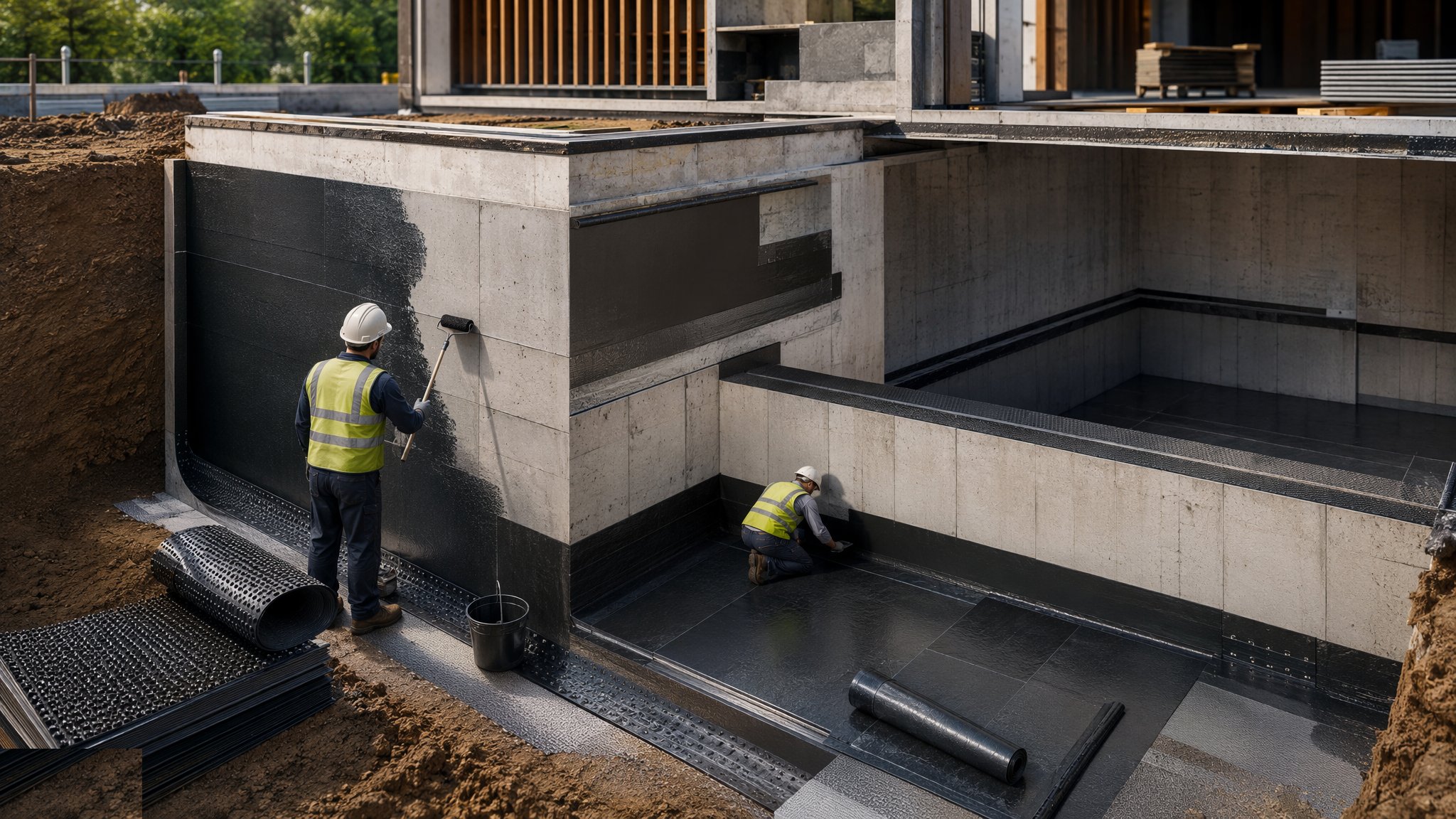
Waterproofing and Tanking
BS 8102 Types A, B and C, roof membranes and wet-area tanking - keeping water out, or accepting it and managing it, without kidding yourself about which one you are doing.
Open process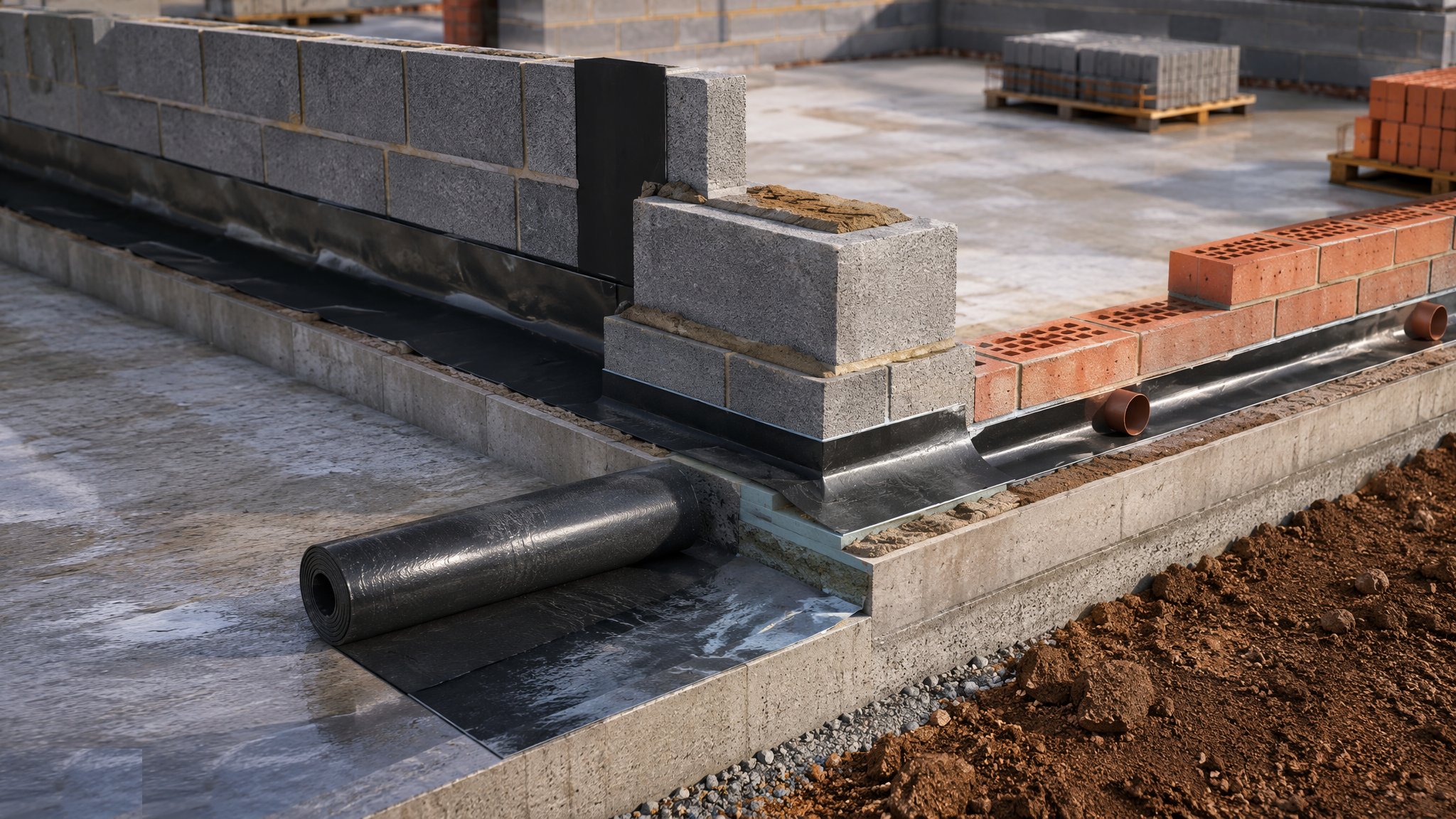
Damp Proofing - DPC, DPM and Cavity Trays
Damp-proof courses, membranes, cavity trays and weep holes - plus honest diagnosis: rising damp, penetrating damp and condensation are three different problems with three different fixes.
Open process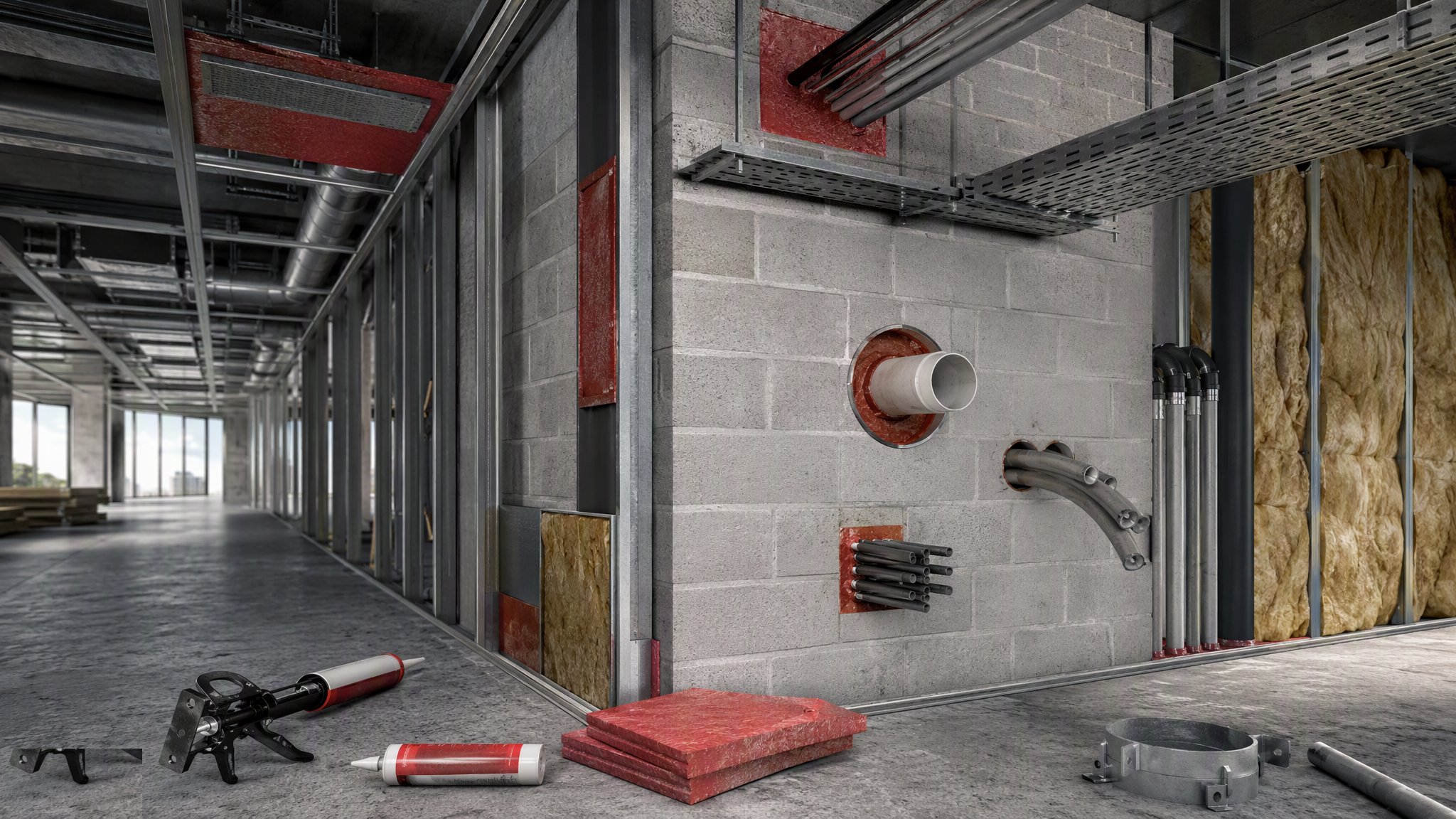
Firestopping and Passive Fire Protection
Compartmentation, penetration seals, cavity barriers and linear gap seals - the hidden work that decides whether a fire stays in one room, plus the certification and golden-thread records that prove it was done.
Open process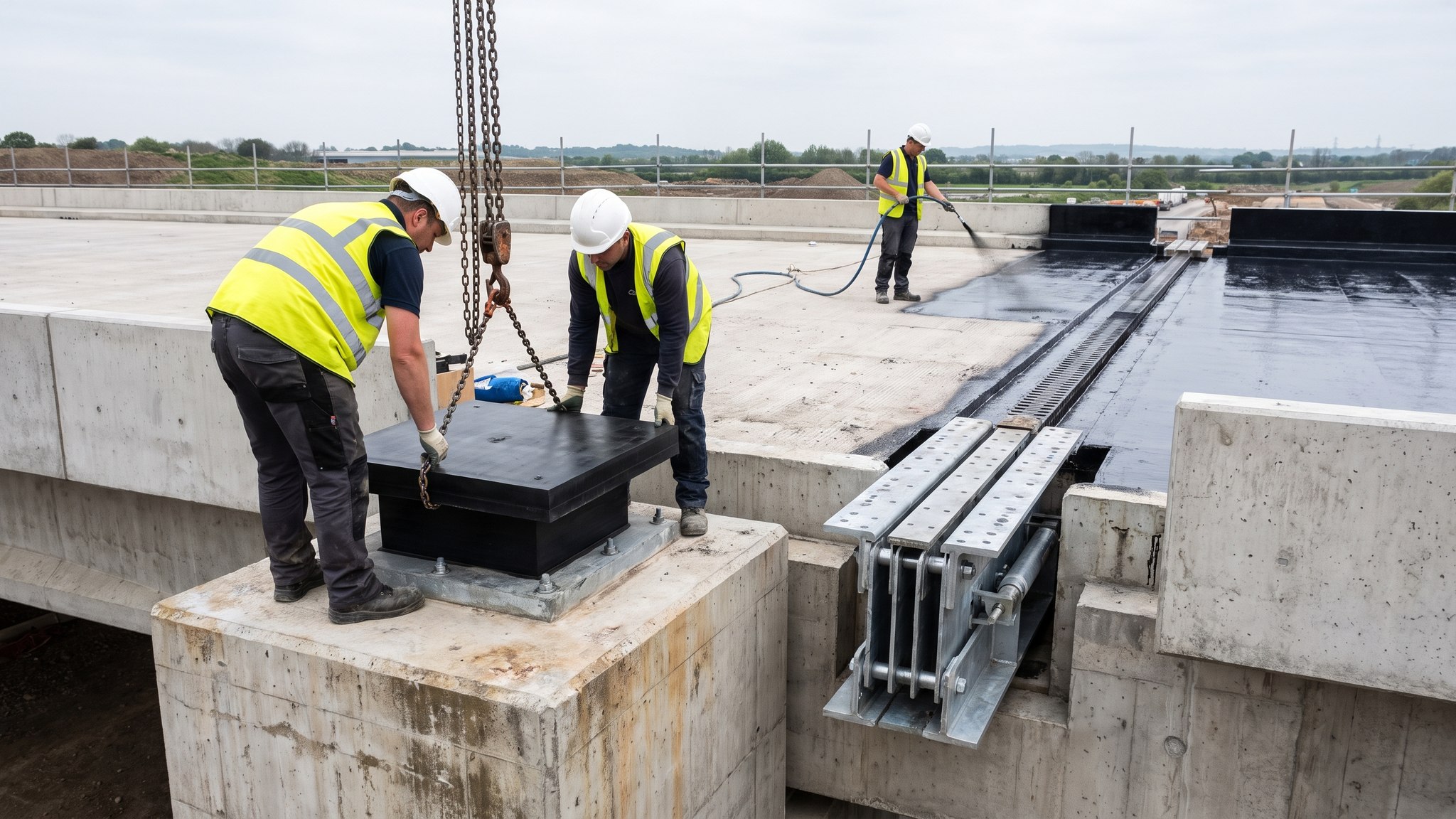
Bridge Finishes - Bearings, Joints & Waterproofing
The small components that decide whether a bridge lasts: bearings, expansion joints, deck waterproofing, drainage and parapets.
Open process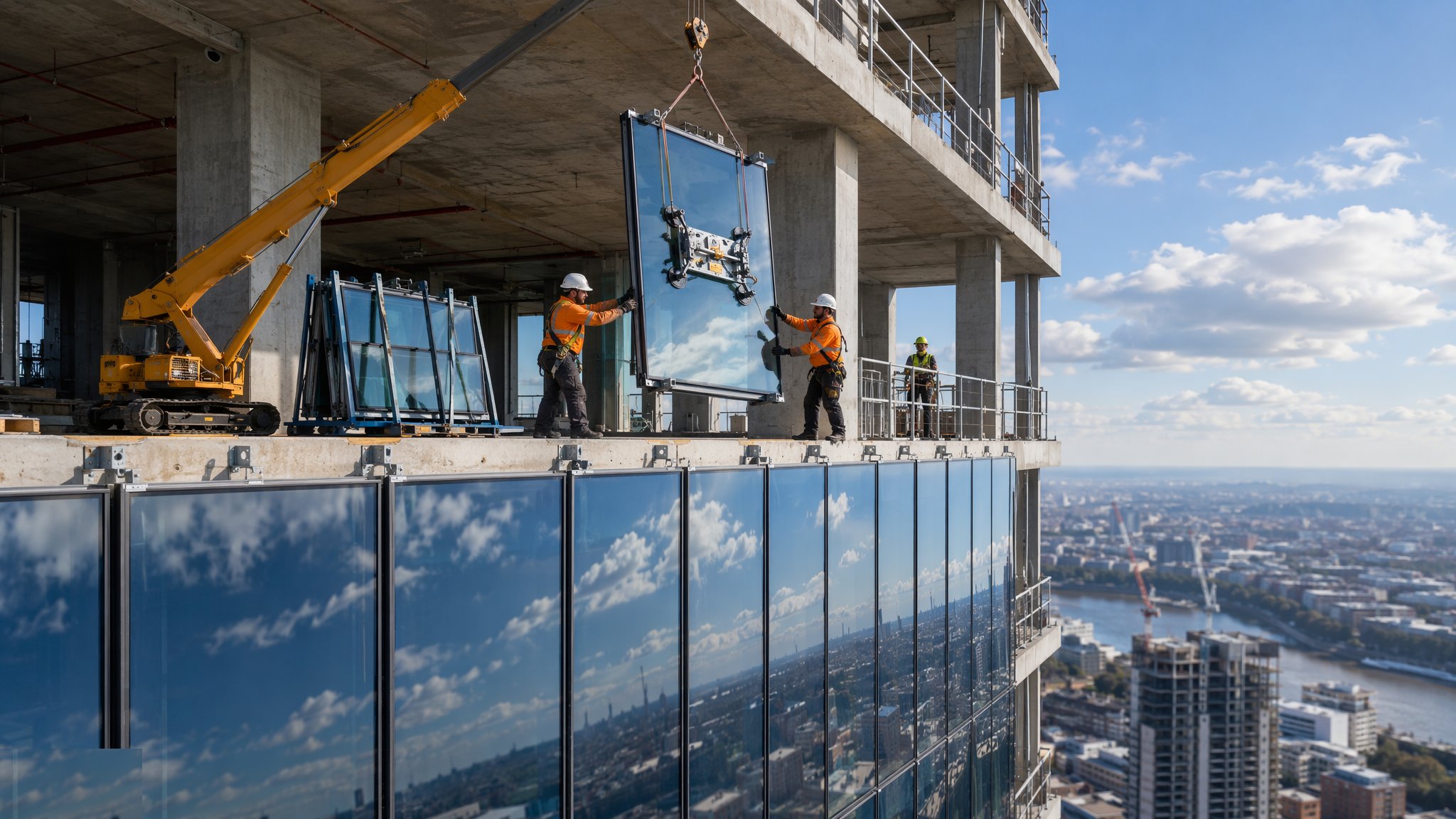
Curtain Walling & Unitised Façades
The weather skin of the tower - factory-glazed unitised panels hung off the slab edges - where bracket setting-out, logistics and testing decide whether it leaks, rattles or just works.
Open process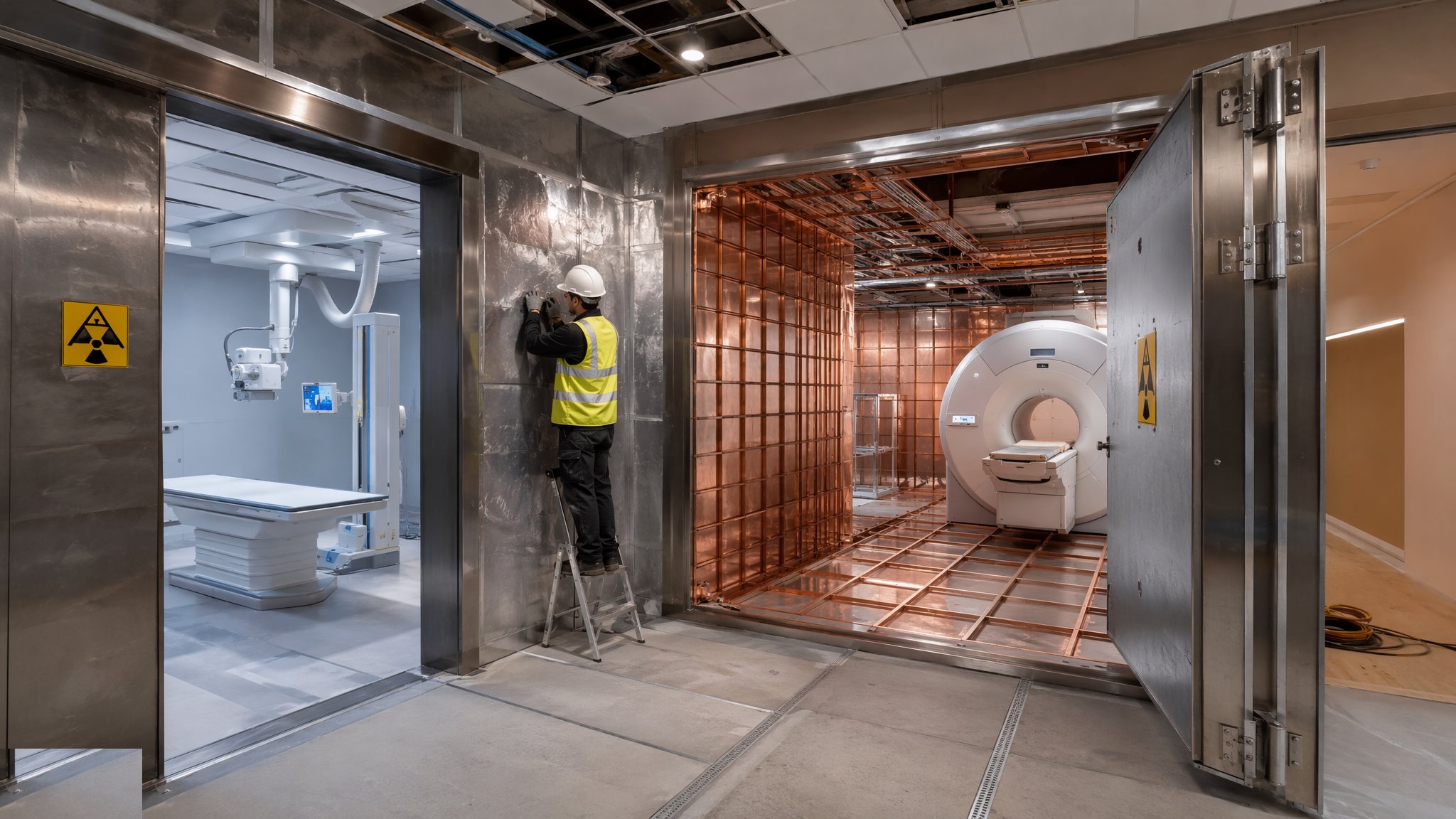
Radiation Shielding & Imaging Suites
Lead-lined walls for X-ray and CT, Faraday cages and quench pipes for MRI, and two-metre concrete bunkers for linear accelerators - the invisible engineering that keeps radiation in and interference out.
Open process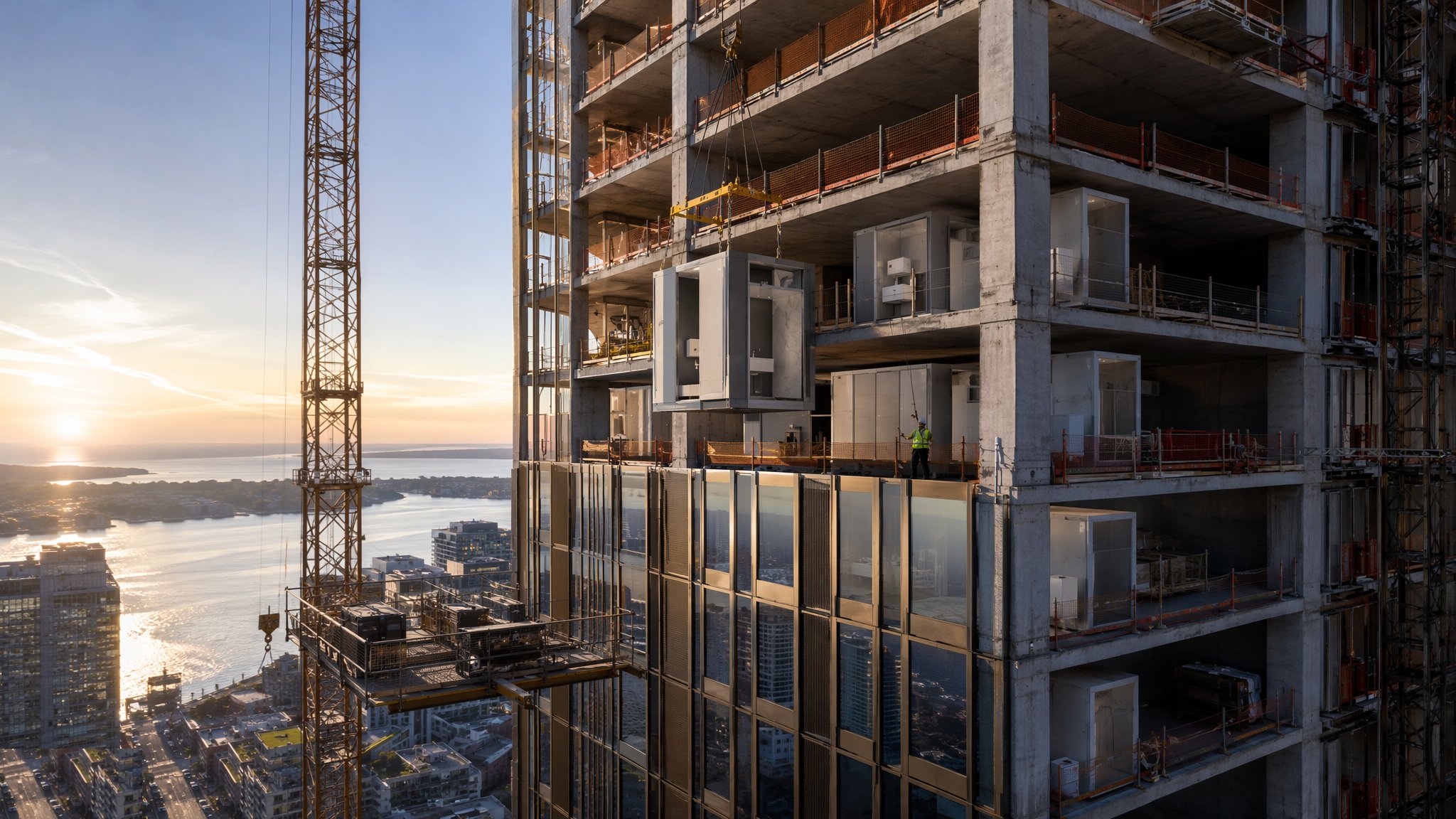
Hotel Structure & Envelope
Repetitive bedroom floors on a fixed room grid - concrete or steel frames, bathroom and room pods, a façade that repeats one window at a time, and the plant floors and back-of-house cores that make a hotel run.
Open process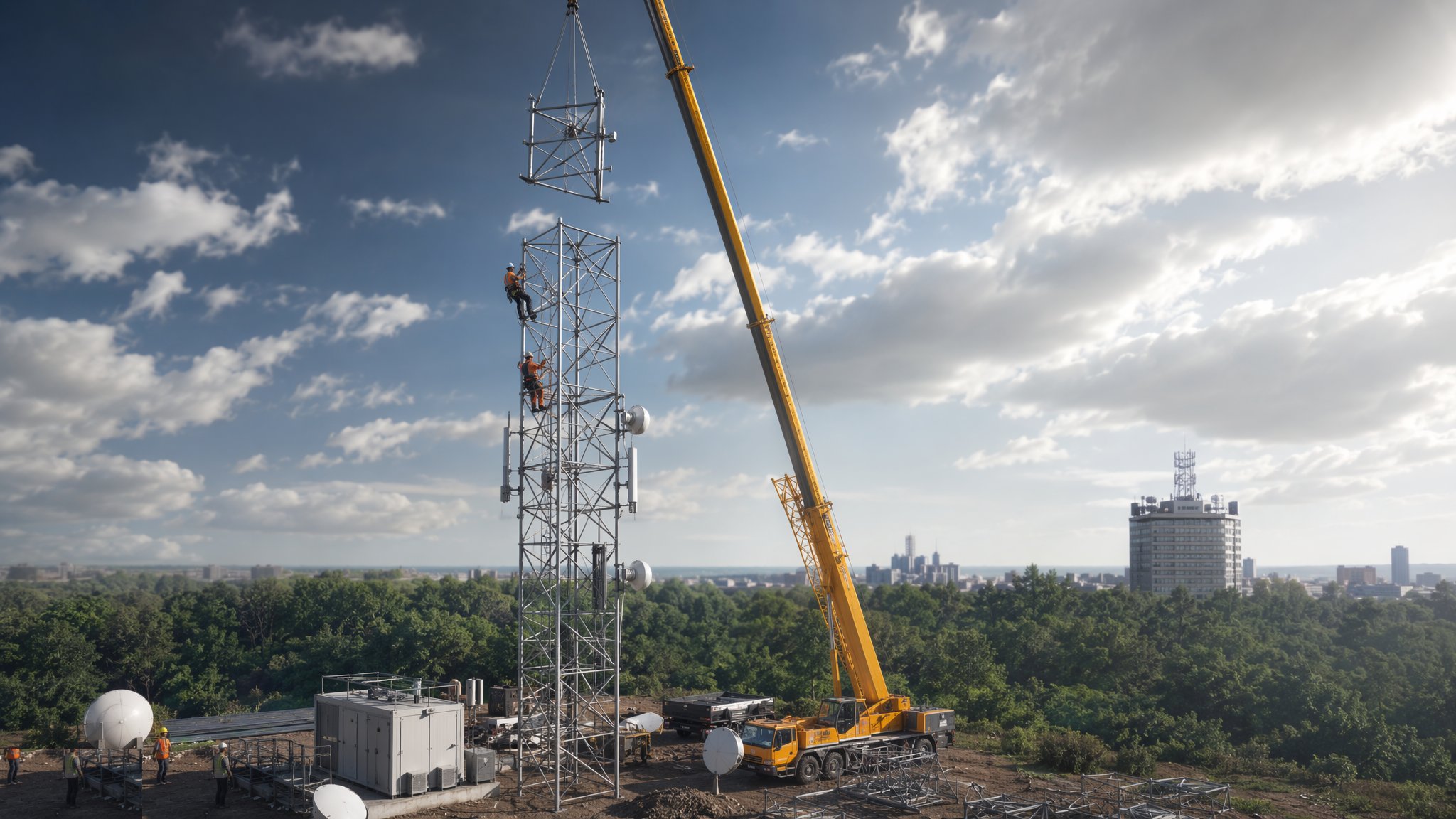
Telecom Towers, Masts & Rooftop Sites
The steel in the air - greenfield lattice towers and monopoles, rooftop stub masts and ballasted frames - founded, erected and dressed with antennas so the network has somewhere to hang its radios.
Open process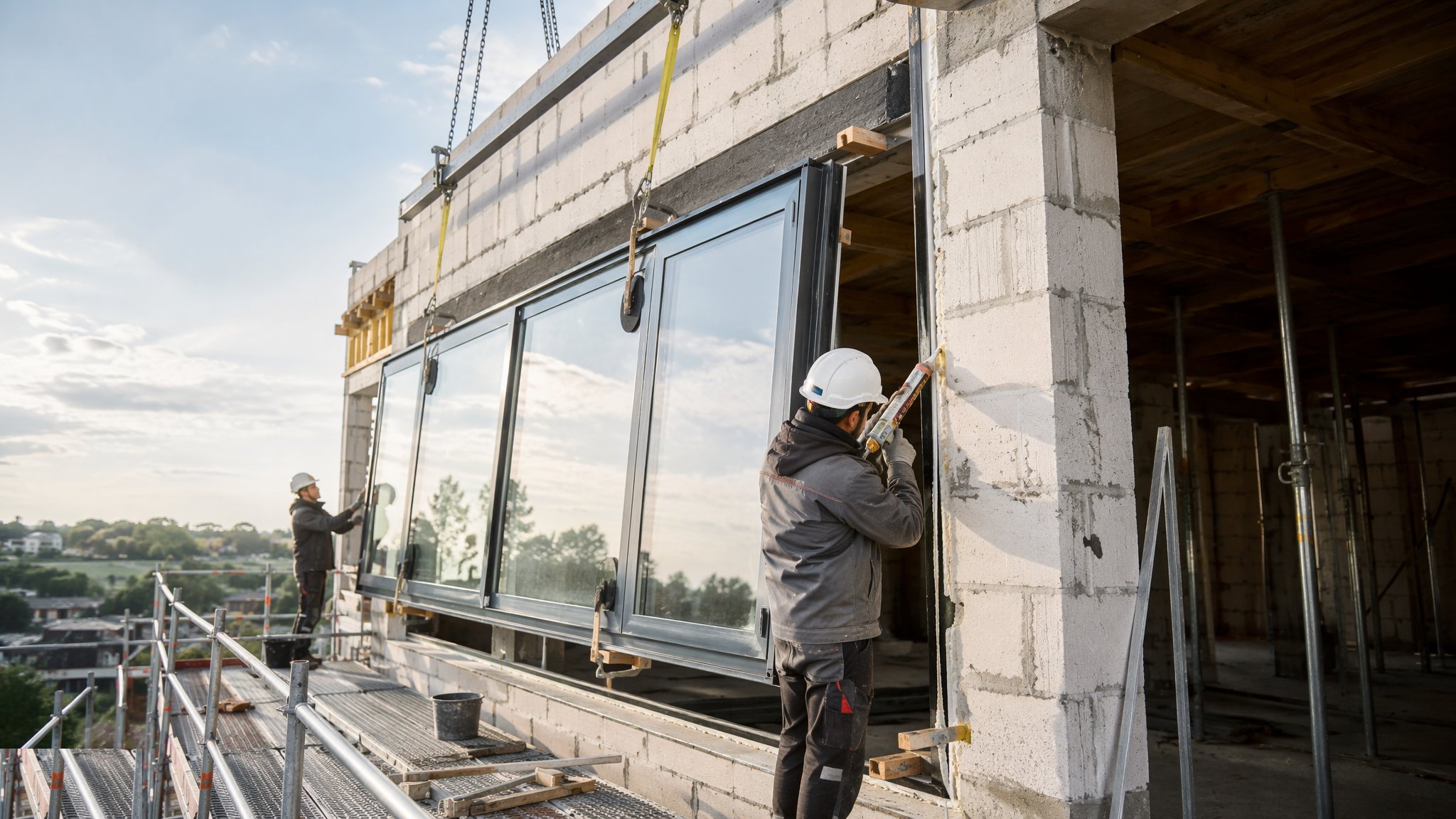
Windows & Doors Installation
Fitting windows and doors plumb, sealed and secure - from a villa front door to a tower of repeated openings.
Open process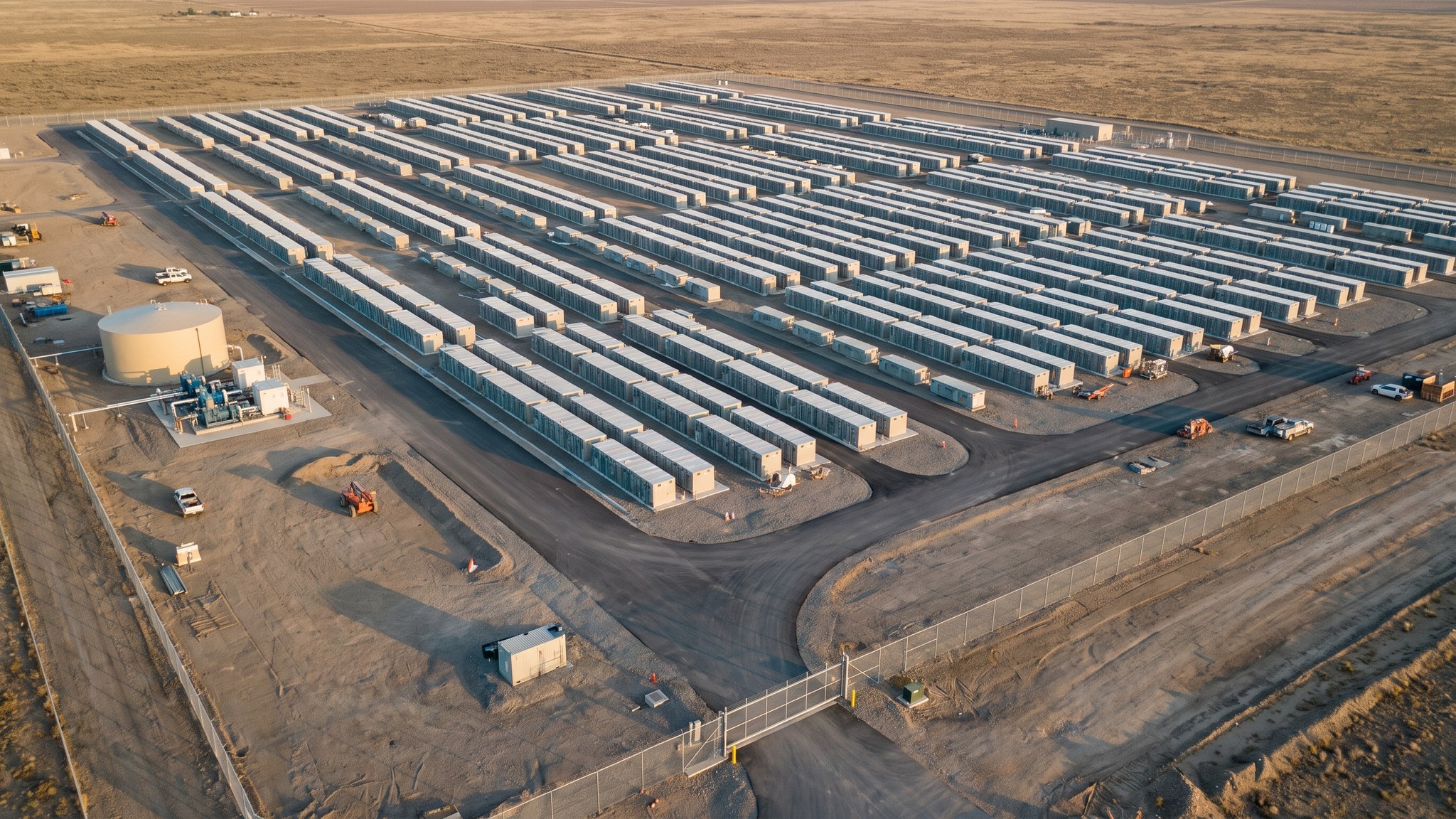
Fire Safety & Separation
Building what the project's fire strategy requires - layout separation, barriers, detection, containment, water provision and access - so that a failure inside one enclosure stays inside one enclosure.
Open processMEP & Building Services42
First fix to energisation - mechanical, electrical and process services.
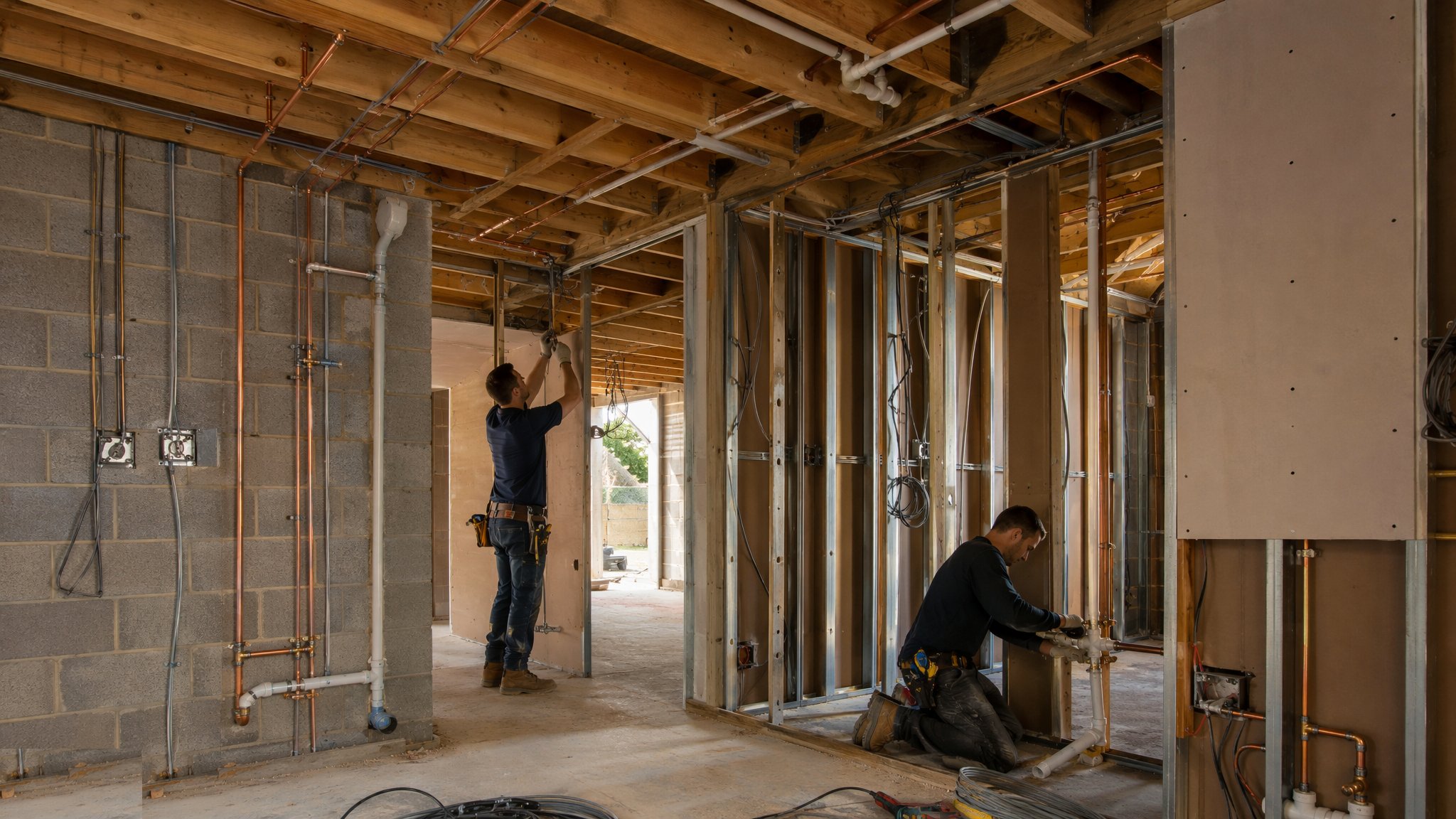
MEP First Fix
Ducts, pipes, cables and containment - the hidden nervous system, installed before the walls close.
Open process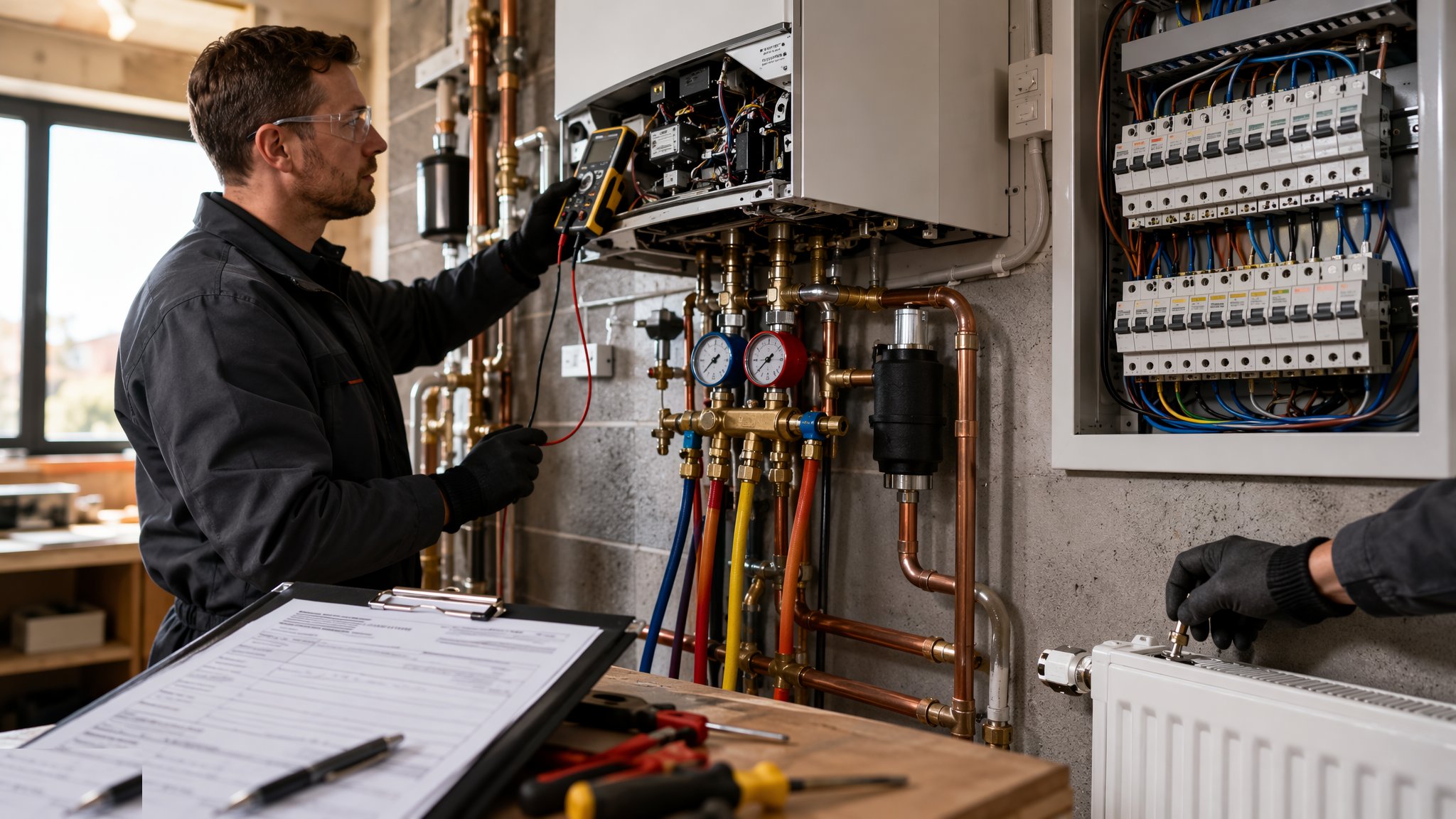
MEP Second Fix & Commissioning
Sockets, sanitaryware, lights and controls - then proving every system actually works, together.
Open process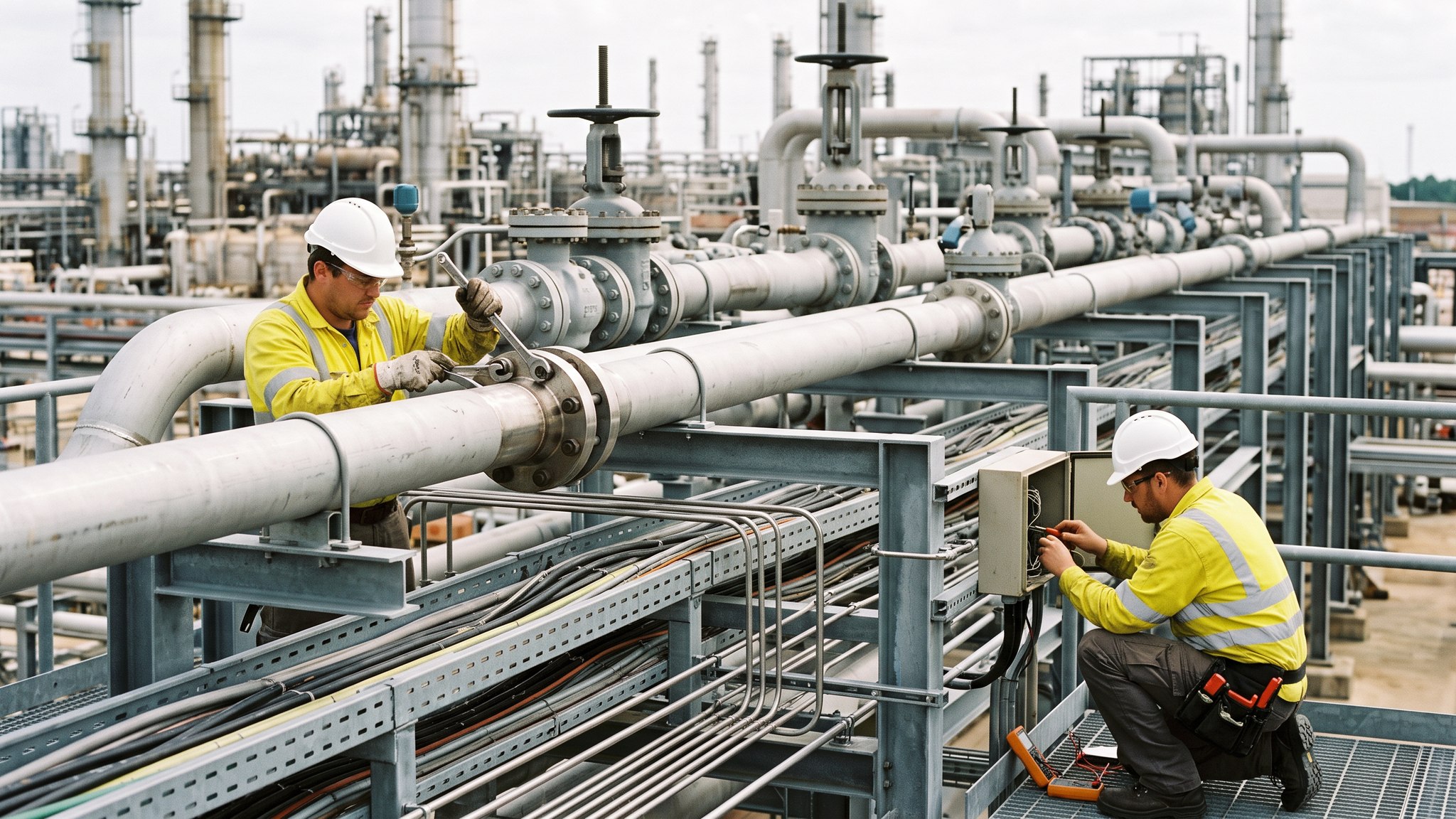
Piping & E&I Installation
Pressure piping fabricated as spools and welded to qualified procedures, plus the cable, tray and instrument installation that makes the plant controllable - the longest bulk-installation phase on the job.
Open process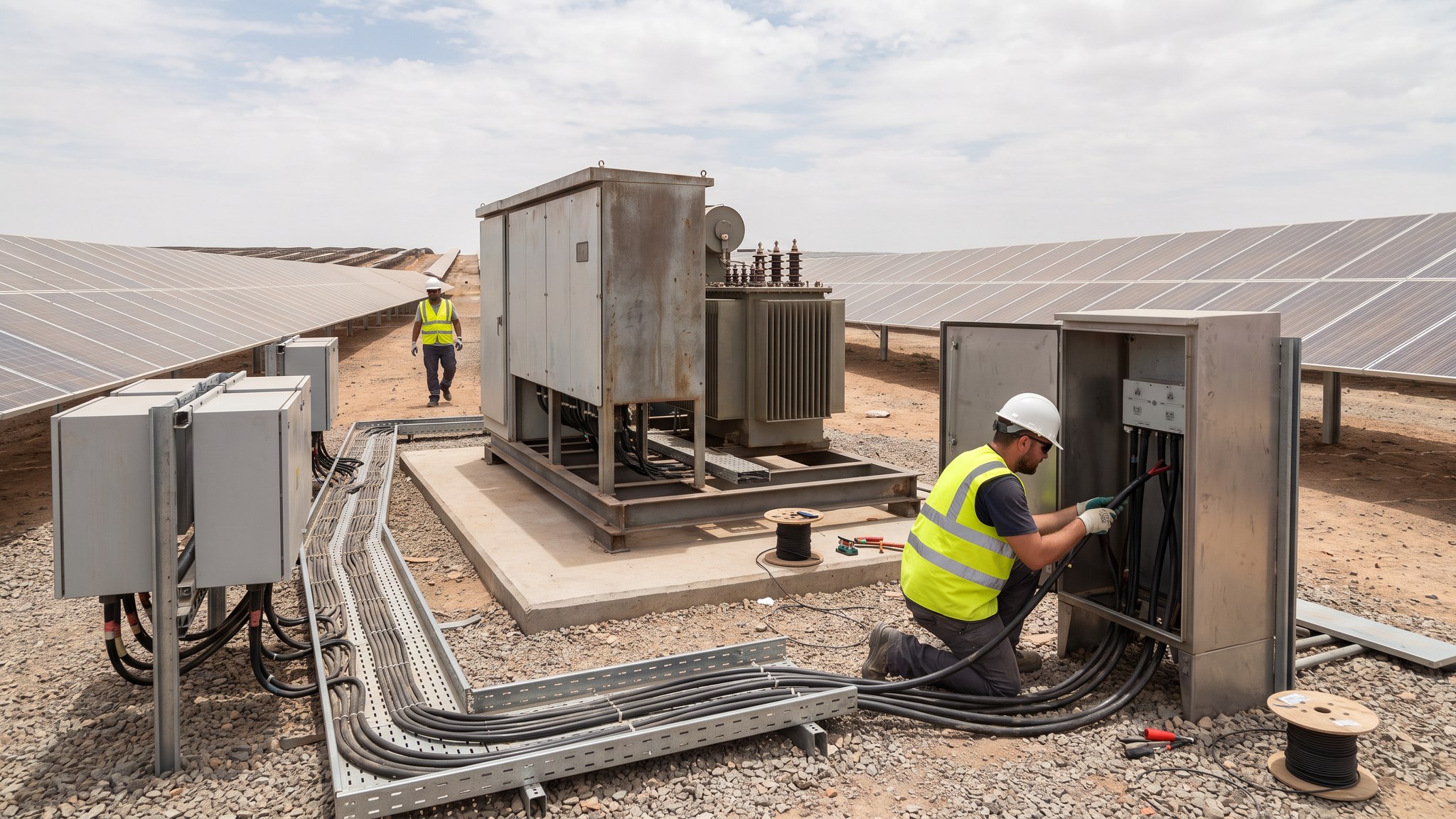
Electrical Balance of System
Strings to inverters, inverters to the substation, and the SCADA that watches it all - the trenches, cables, MV skids and switchgear that turn thousands of modules into a power station.
Open process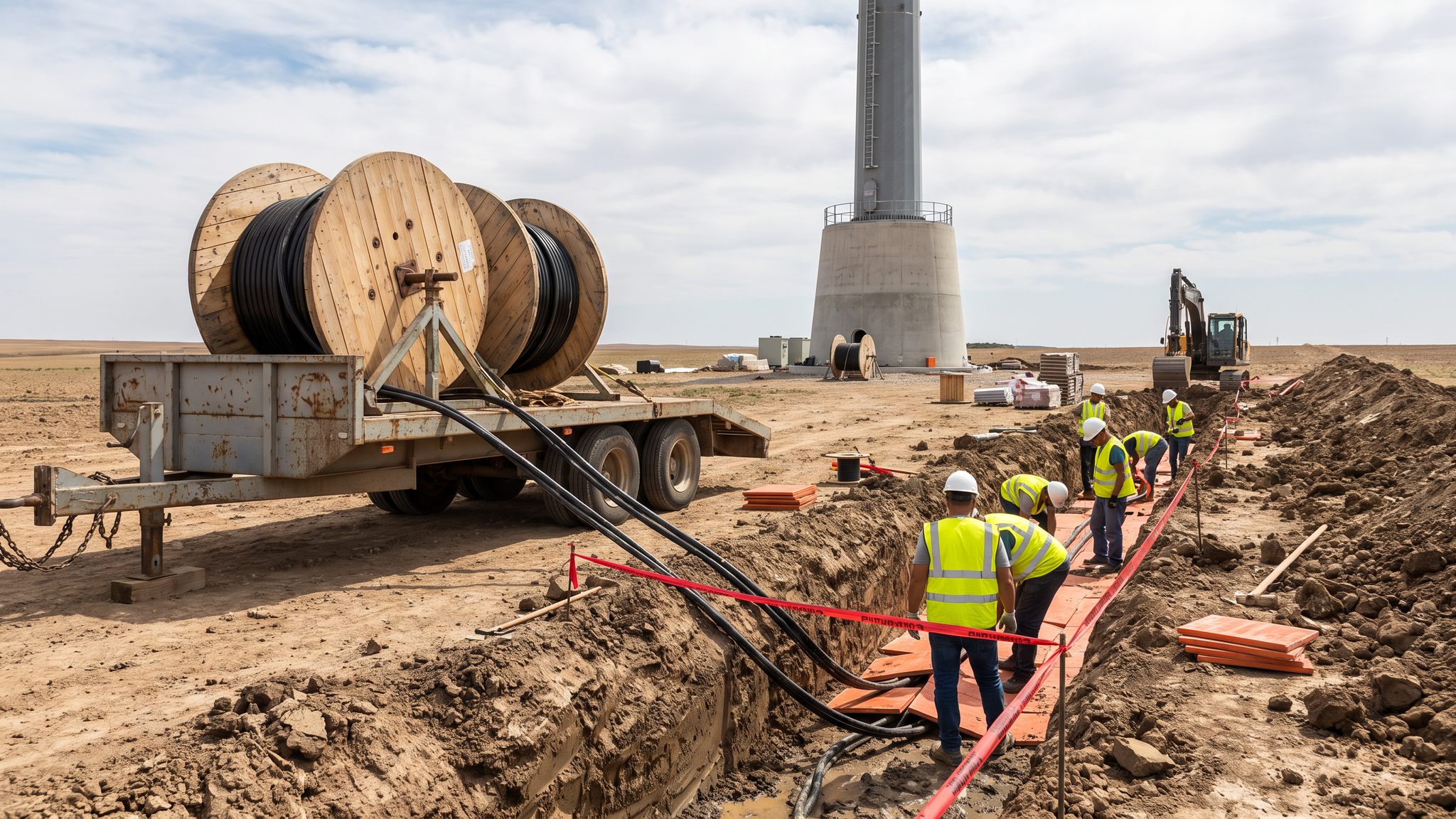
Wind Farm Electrical Infrastructure
Kilometres of buried 33 kV array cable stitched from turbine to turbine, a collector substation, and the grid compliance work that turns a field of machines into a power station.
Open process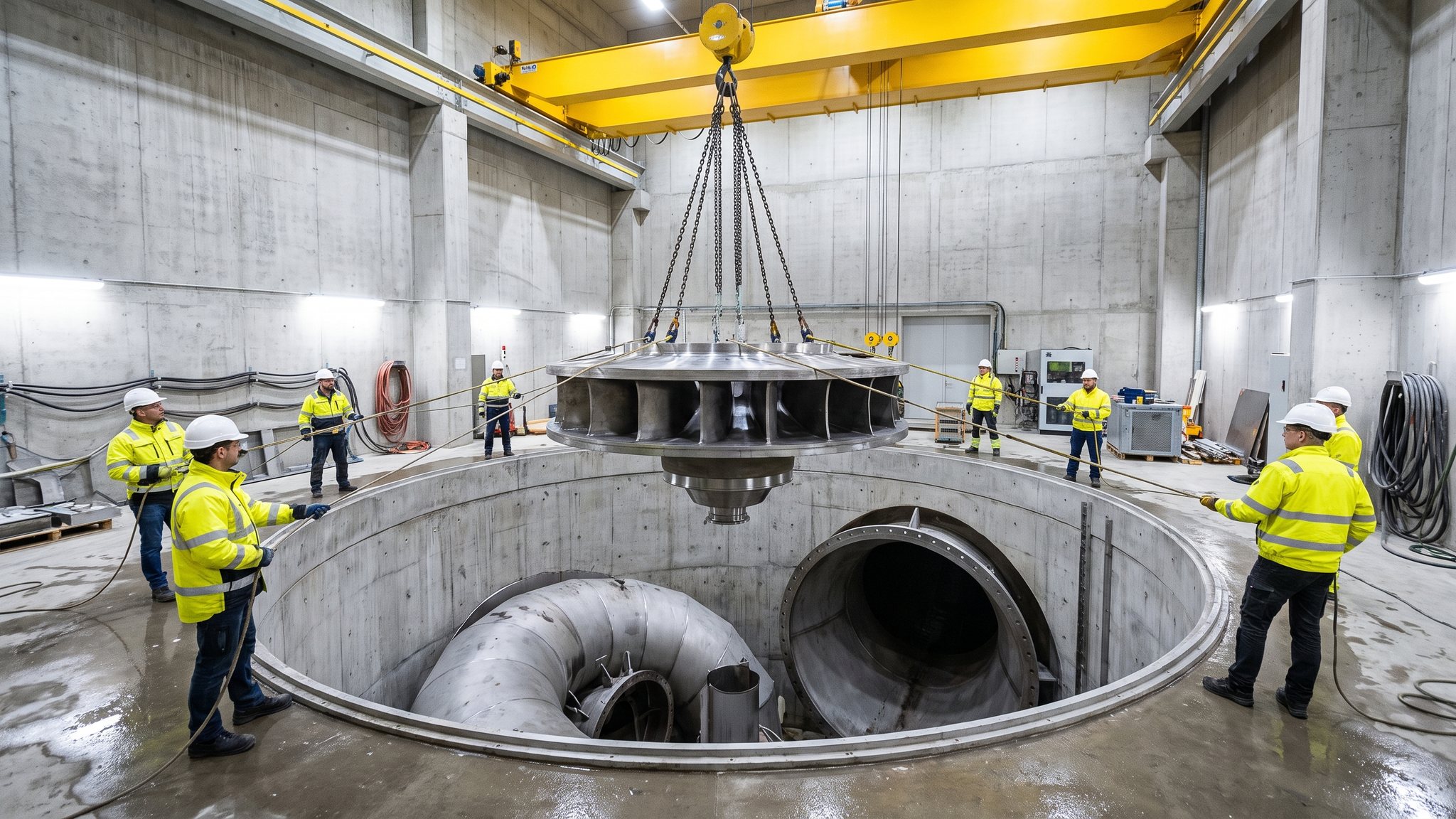
Electromechanical Installation
Turbines, generators, governors and the switchyard - the rotating heart of the scheme, assembled to machining tolerances inside the concrete shell the civils have handed over.
Open process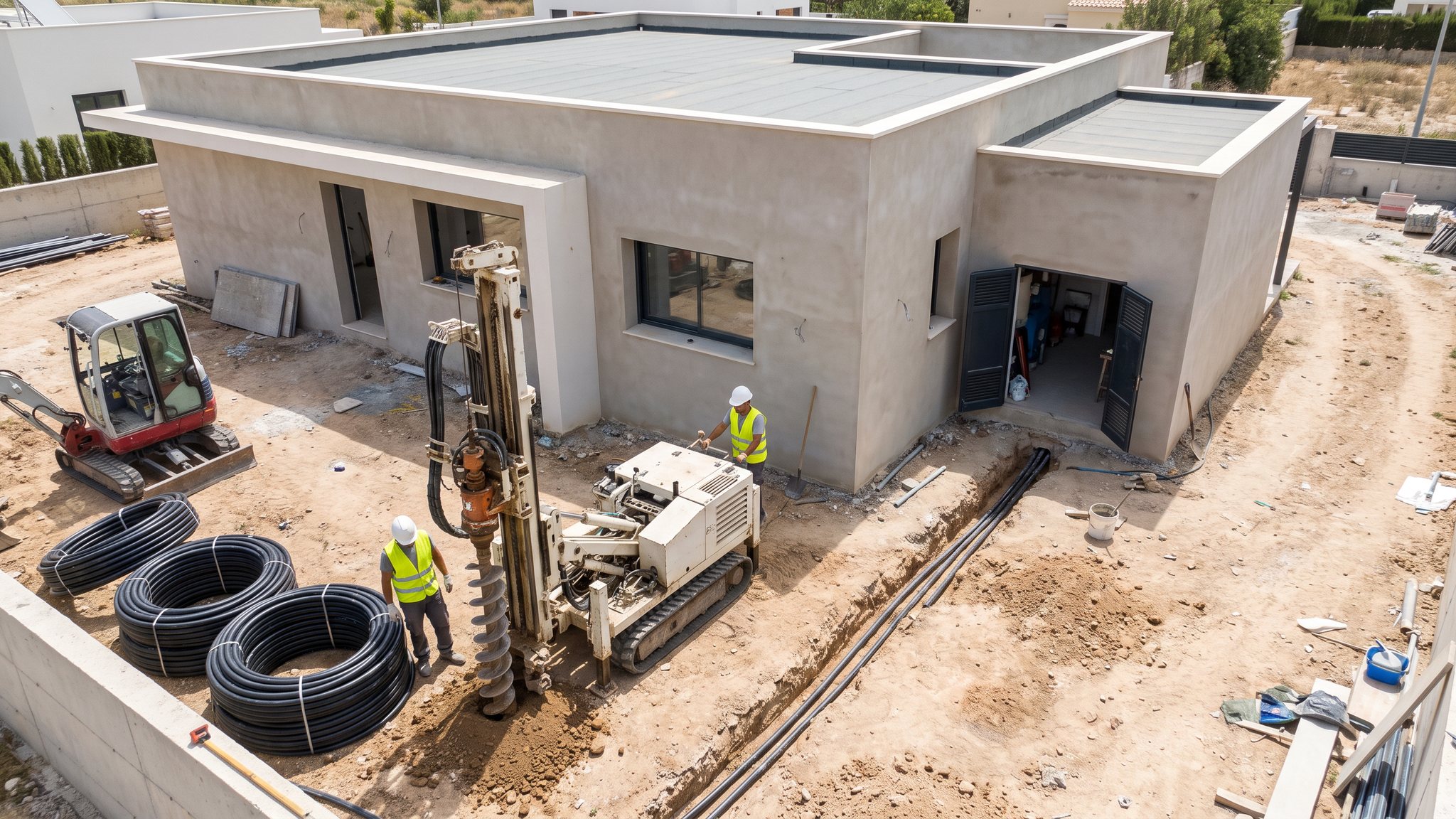
Ground-Source Heat Pumps - Homes & Villas
The small end of the geothermal stream: a buried ground loop and a heat pump serving one house or villa - the trenching, drilling, pressure testing and commissioning that decide whether it heats efficiently for decades.
Open process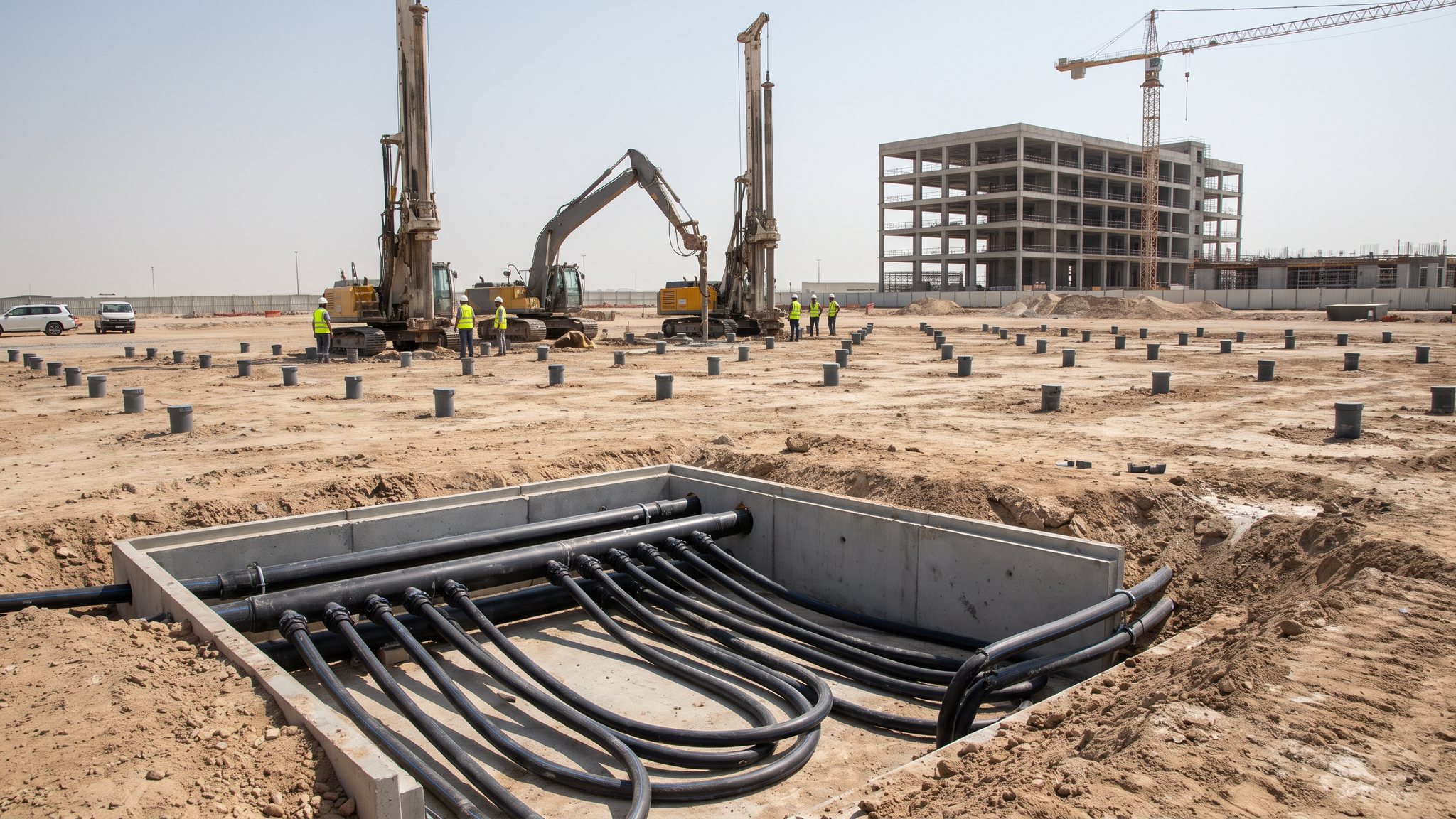
Shallow Geothermal - Commercial & District Schemes
Borehole fields under car parks, loops cast into foundation piles and shared ambient-loop networks - shallow geothermal at commercial and district scale, where thermal balance and drilling logistics rule.
Open process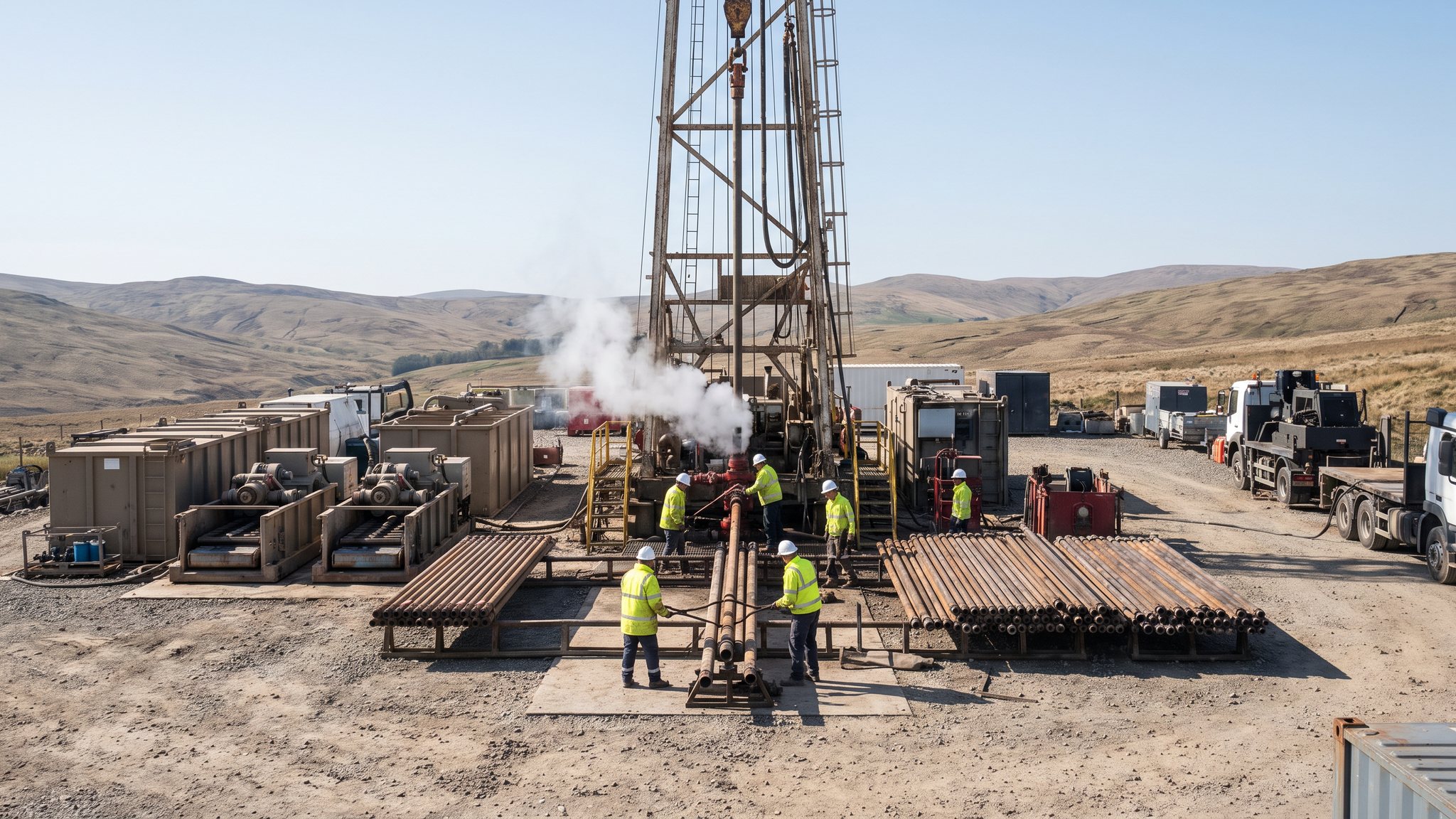
Deep Geothermal Drilling & Wells
Wells one to five kilometres deep drilled to oil-and-gas standards - casing strings, cement, mud logging and well control - the heavy end of the geothermal stream.
Open process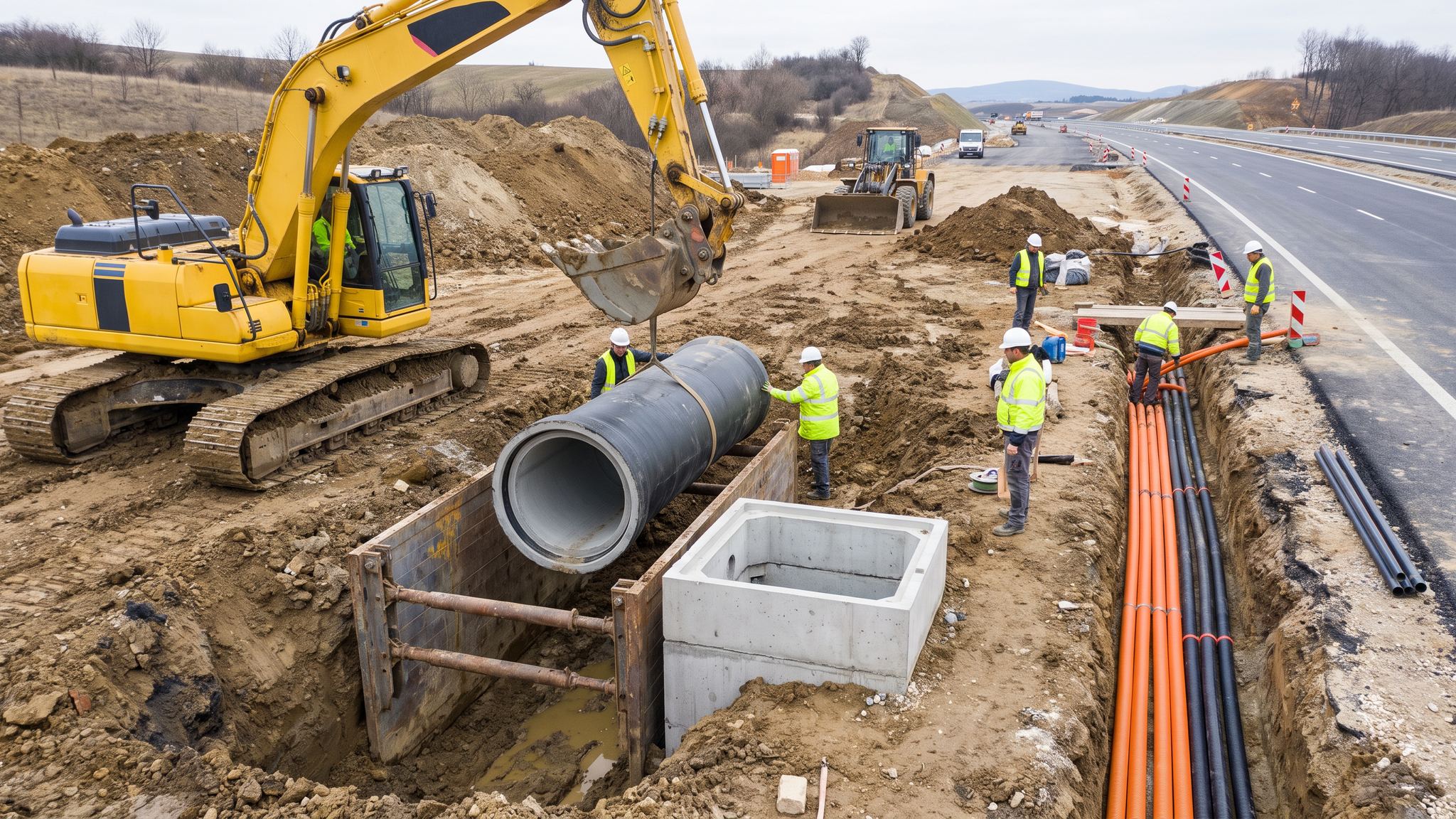
Drainage & Utility Corridors
Pipes, ducts, chambers and culverts - the buried networks installed before the pavement goes over them.
Open process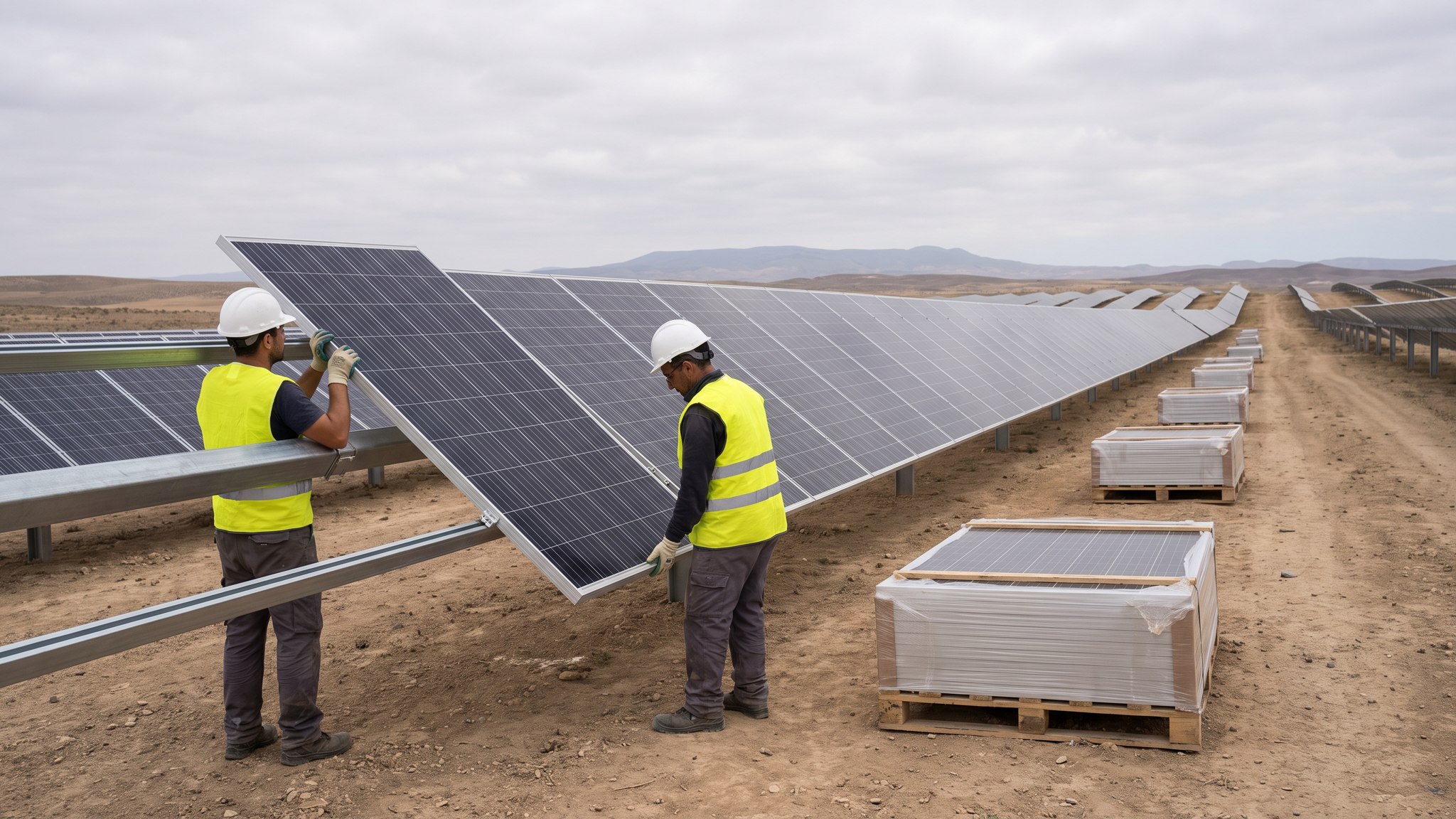
PV Module Installation
Hanging the modules, clamping them to torque and wiring the strings - high-rate repetitive work where handling damage, clamp position and connector quality decide the plant's long-term output.
Open process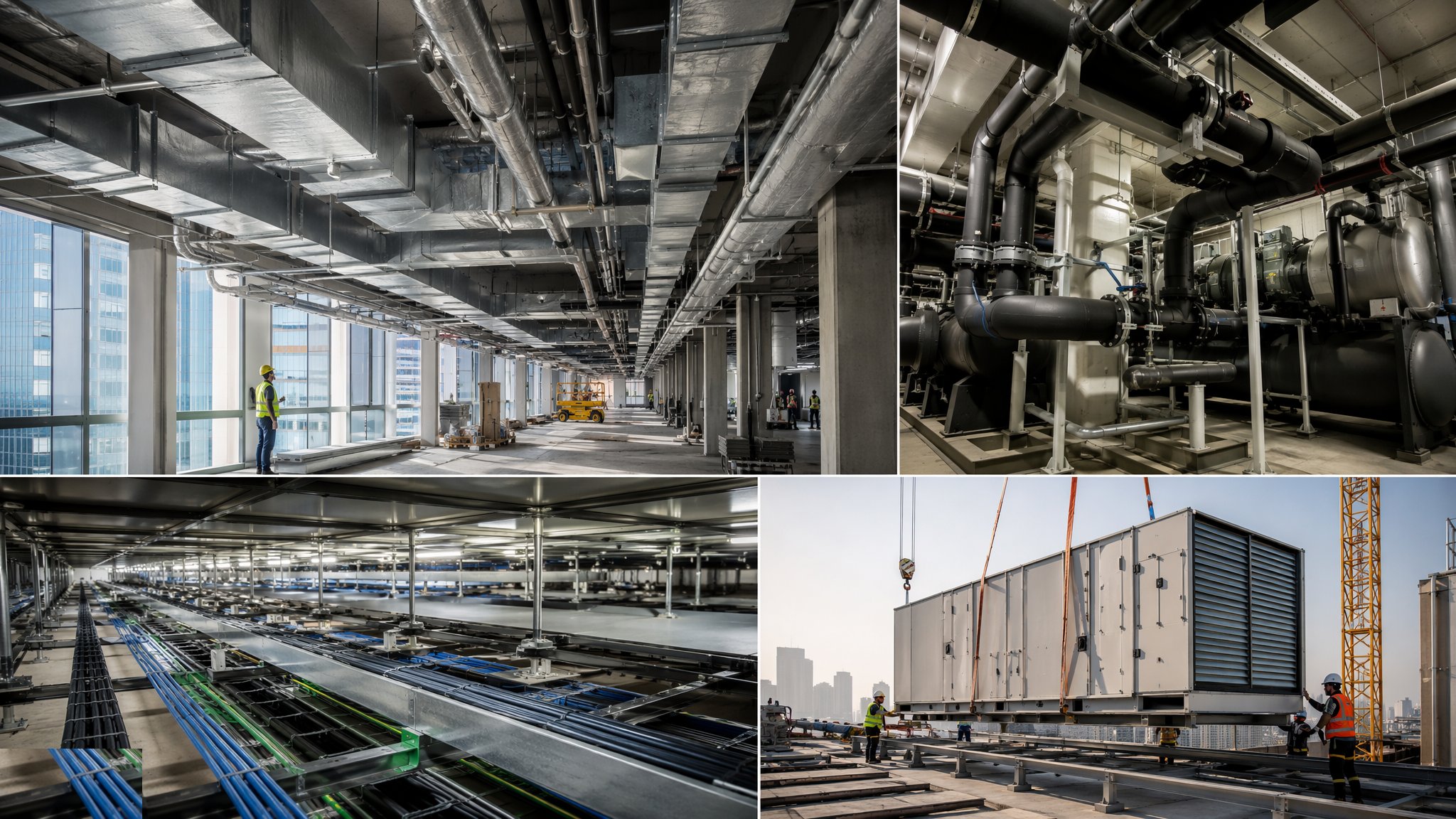
Commercial MEP & Vertical Distribution
The arteries of the tower - risers, plant floors, AHUs, rising mains and the BMS backbone - distributing air, water, power and data to every floor before the ceilings close over them.
Open process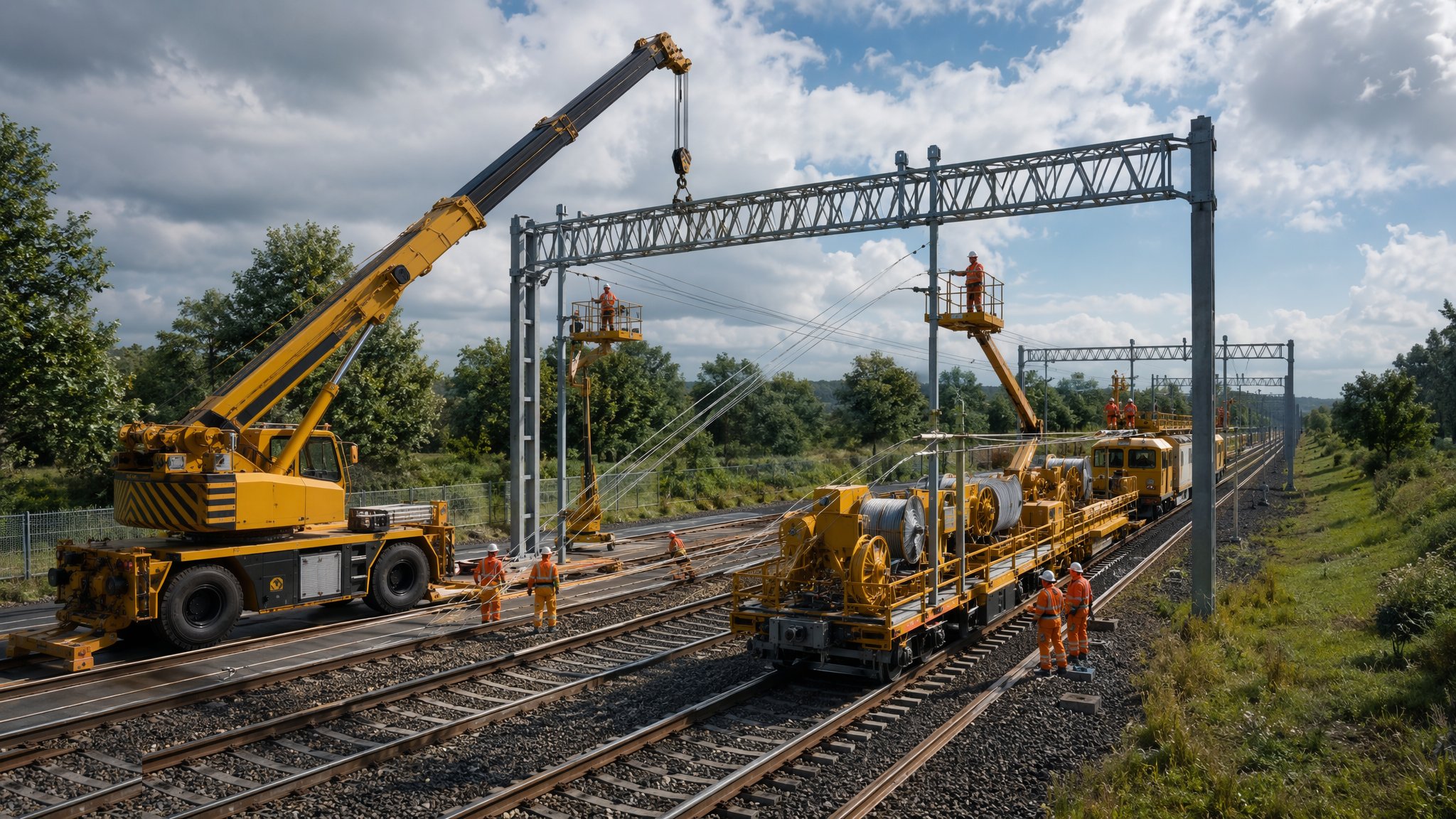
Rail Electrification - OLE & Conductor Rail
Foundations, masts and portals, contact and catenary wires run out and tensioned - or conductor rail laid and bonded - the power delivery system of an electric railway.
Open process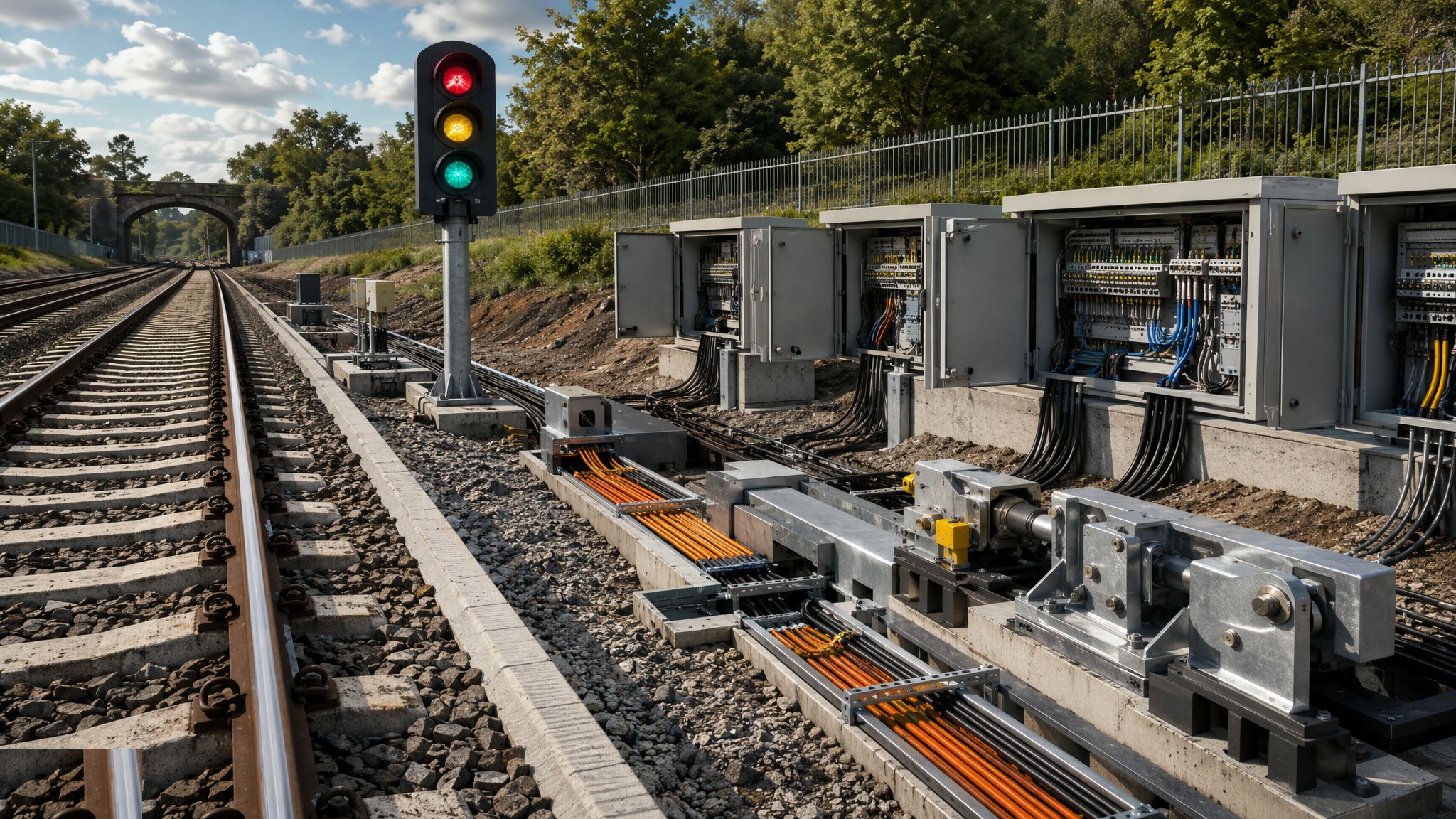
Signalling & Telecoms
Signals, point machines, train detection, interlockings and the telecoms backbone - the systems that keep trains apart and tell them where to go.
Open process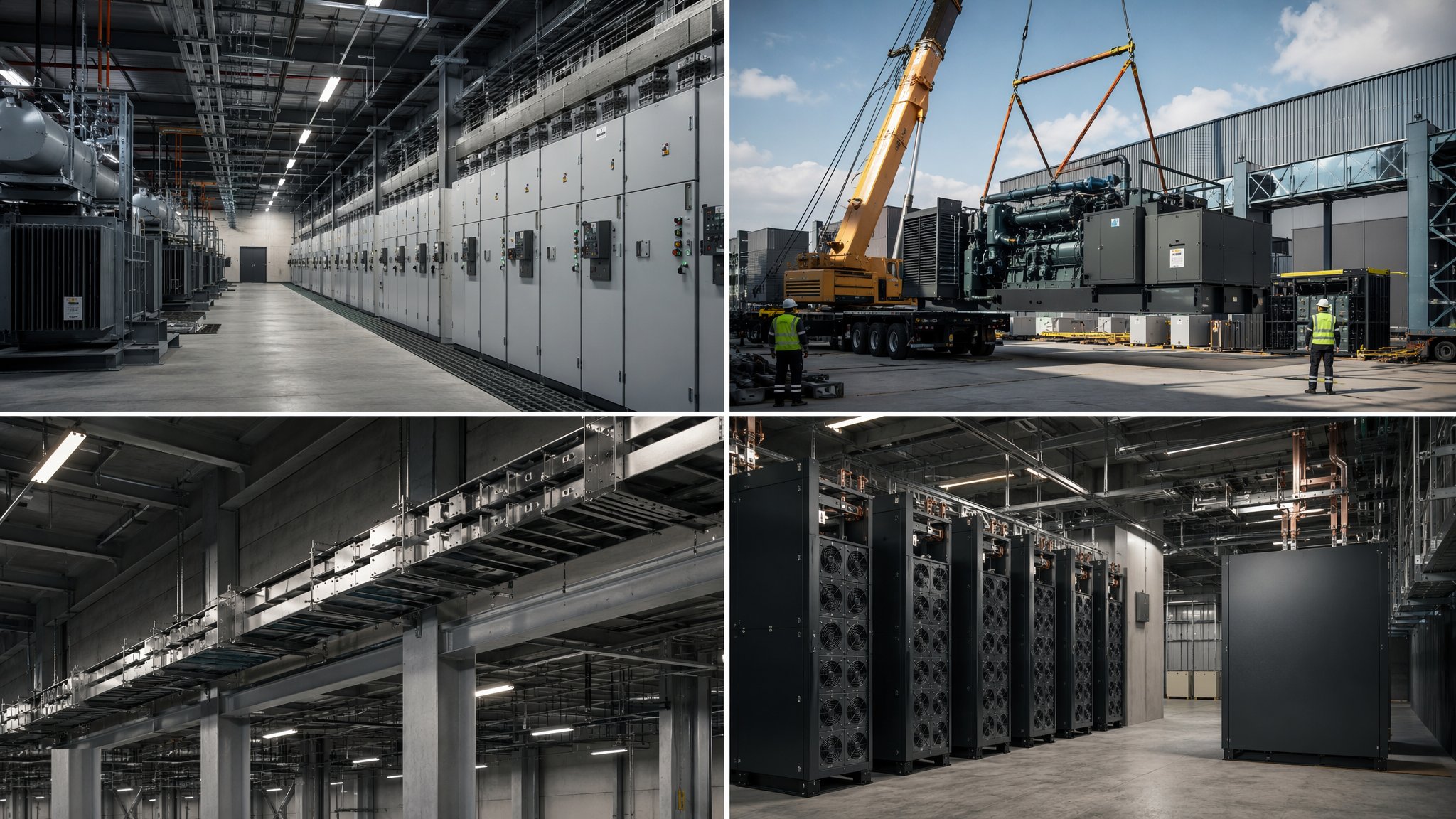
Power Infrastructure
From utility intake to the rack PDU - substations, HV/LV switchgear, UPS and batteries, standby generators and busway distribution, engineered to a redundancy philosophy that tolerates failure without dropping a single server.
Open process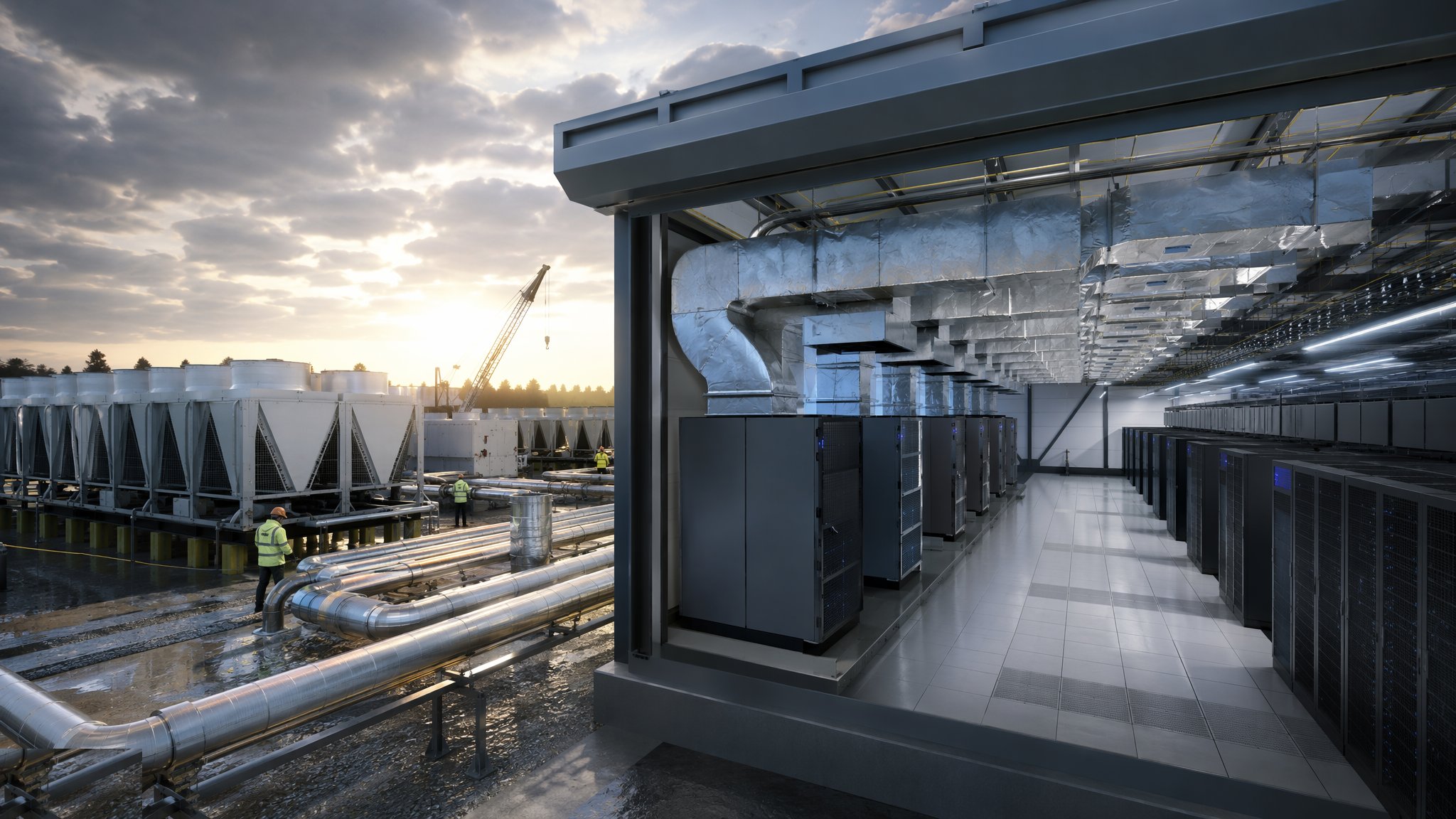
Cooling Systems
Getting the heat out - chillers and chilled-water loops, CRAH units and aisle containment, free cooling, and the direct liquid cooling that high-density AI racks now demand, all measured by one number: PUE.
Open process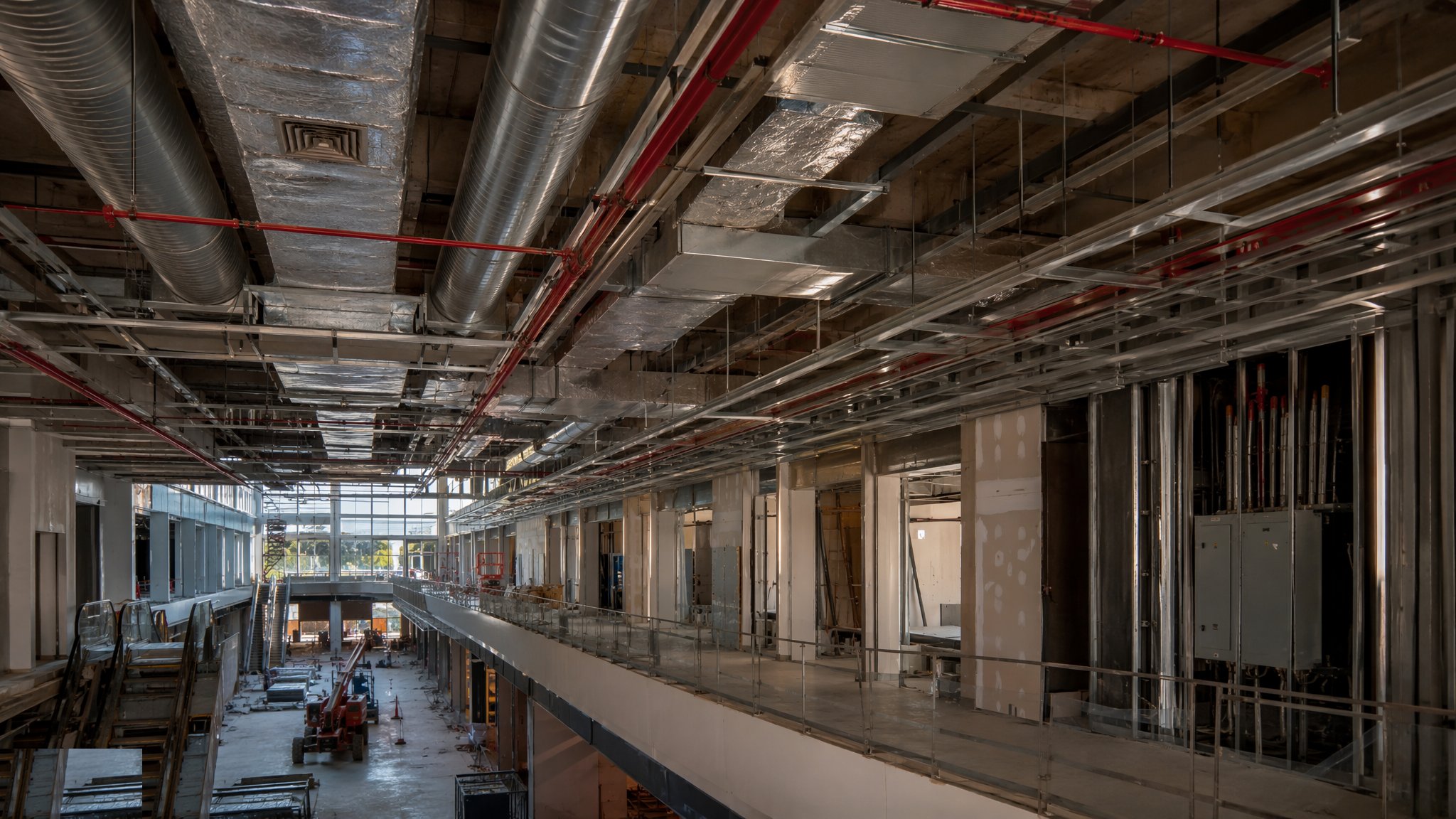
Retail MEP & Services
Landlord services, tenant connections, smoke control, food court extract and sprinklers - the engineering that keeps a mall breathing, lit and legally open, and meters every unit for what it burns.
Open process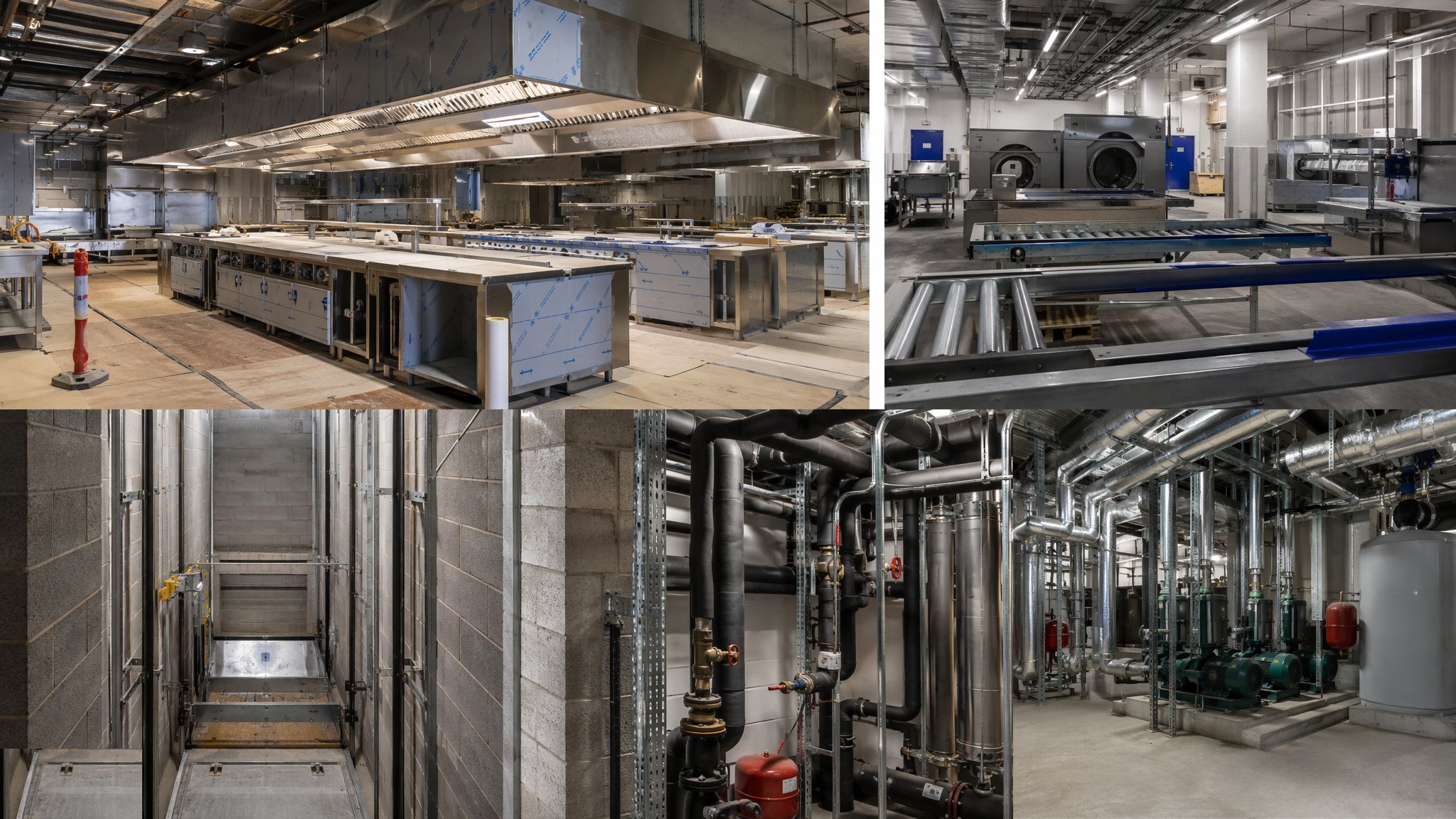
Hotel Back-of-House & Specialist Services
The engine room the guest never sees - commercial kitchens, laundries, goods lifts, plant rooms, grease management and the acoustic separation that keeps three hundred rooms asleep above it all.
Open process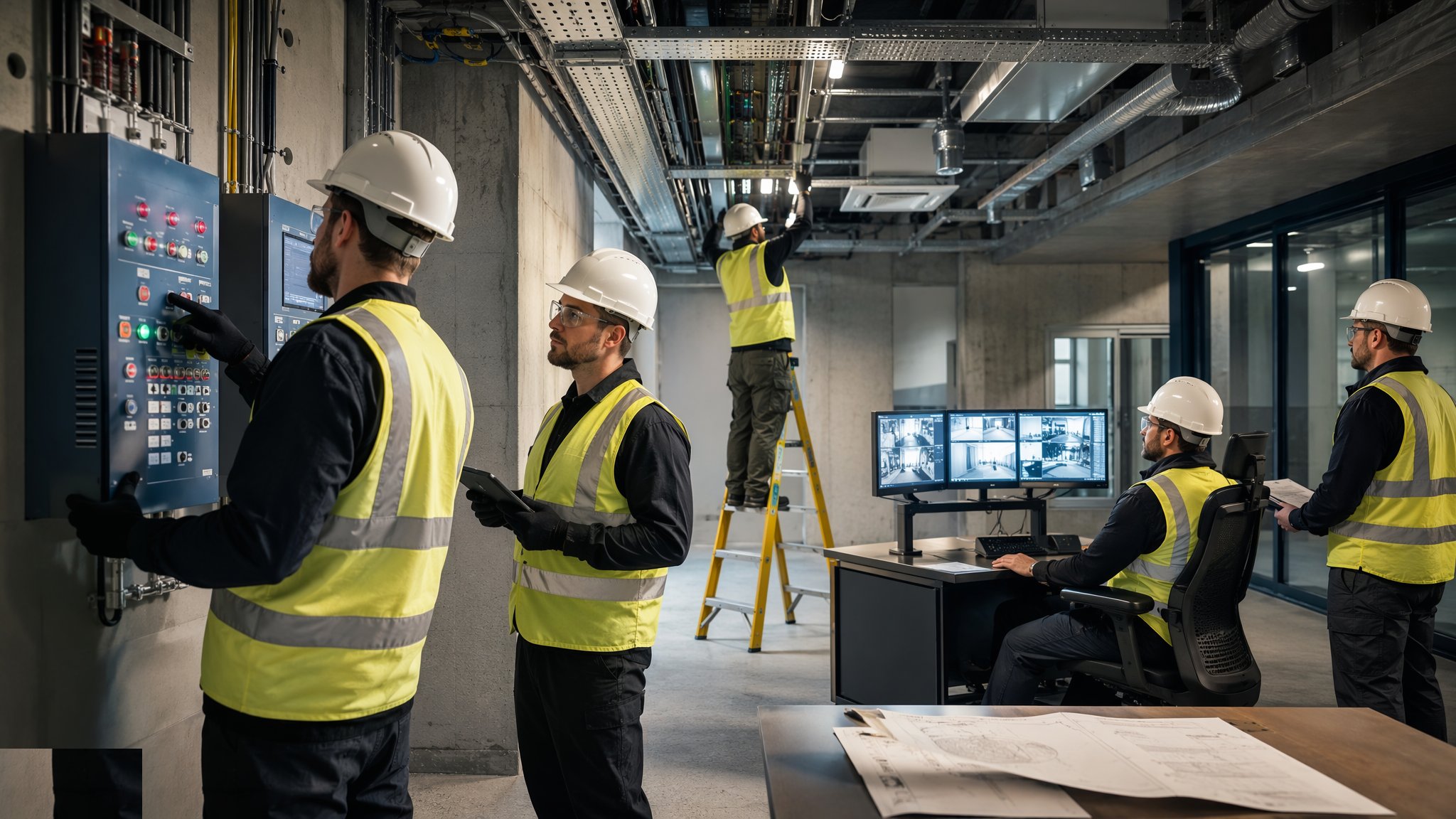
Custodial Services & Secure Commissioning
Making the engineering of a prison provable - tamper-proof MEP inside the secure envelope, water and power an operator can control, interlocked doors and integrated controls, and the witnessed testing and decant that turn a building site into an operating prison.
Open process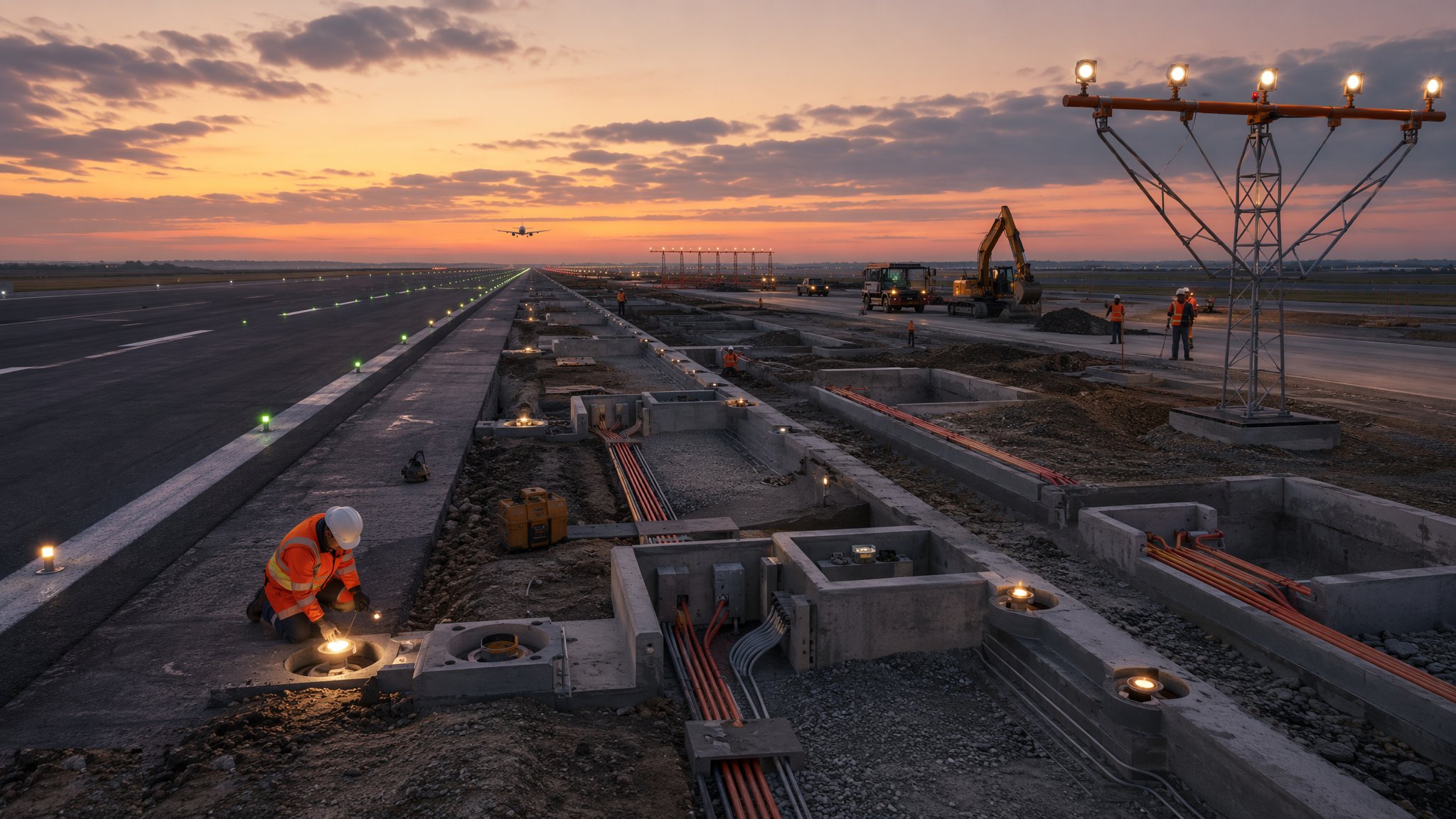
Airfield Ground Lighting & Navigational Aids
The airfield's nervous system - series circuits at constant current, inset and elevated lights, transformer pits and ducted cable, the control system in the tower, and the ILS and PAPI that only count once a calibration aircraft has flown them.
Open process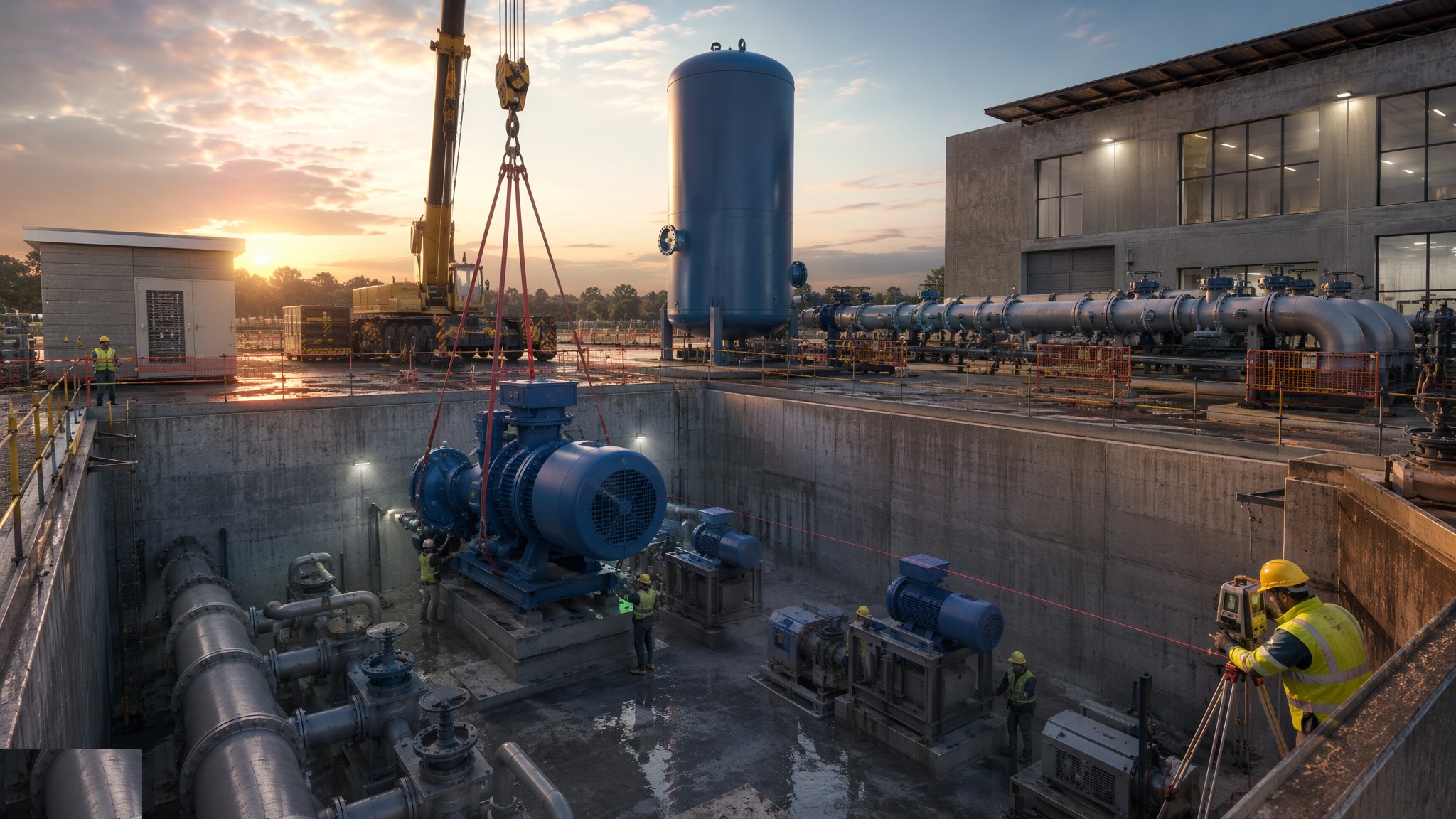
Water Pumping Stations
Civil engineering built around machines - wet wells and dry wells as the concrete, pumps lifted, set and laser-aligned on their plinths, surge vessels taming the pressure waves, the full M&E fit-out with standby power, and witnessed performance tests proving the duty before the network trusts it.
Open process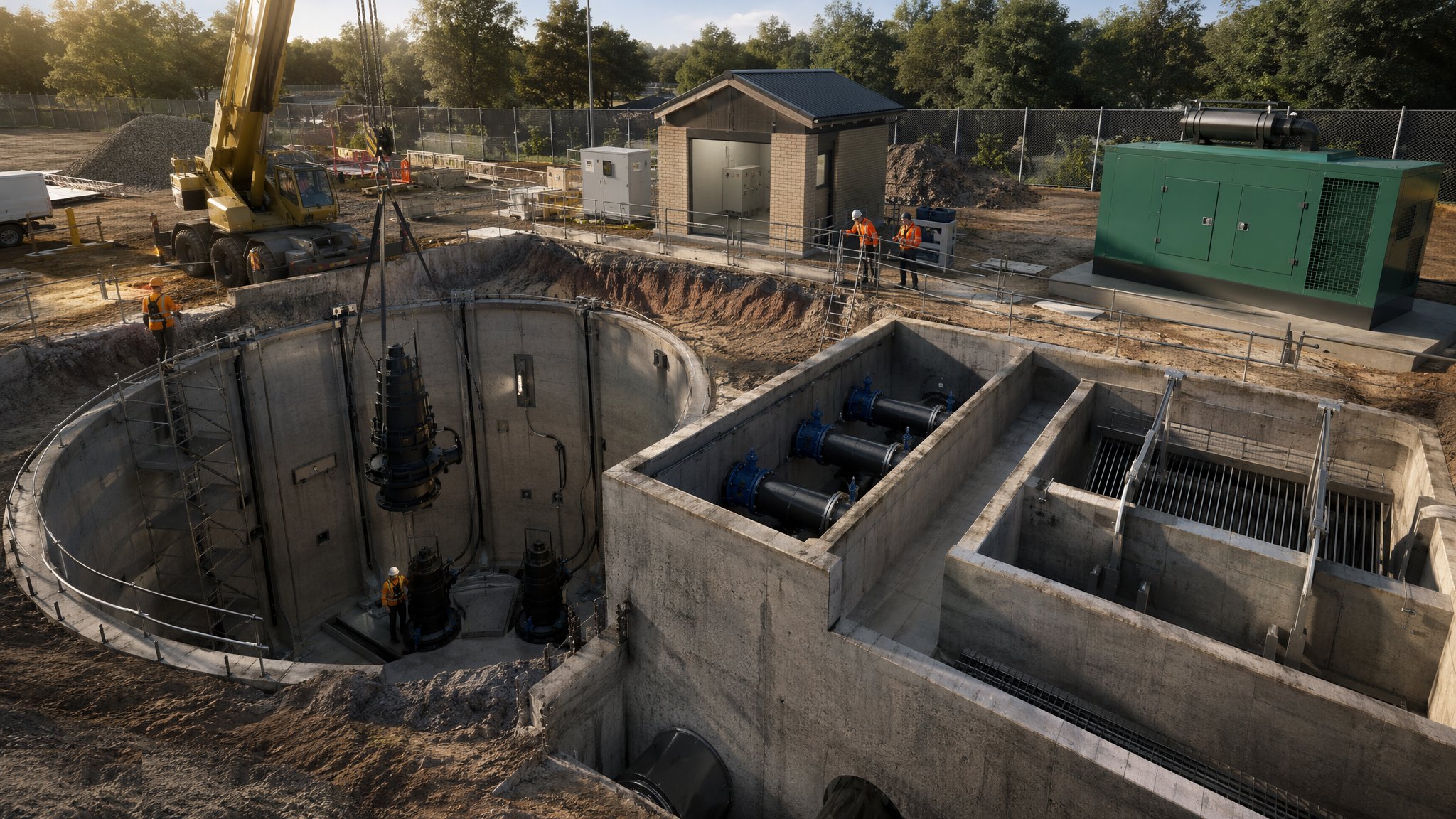
Sewage Pumping Stations & CSOs
The deep wet wells, pumps and overflow structures that keep flat networks moving - built watertight, commissioned against live flows, and expected to run unmanned for decades.
Open process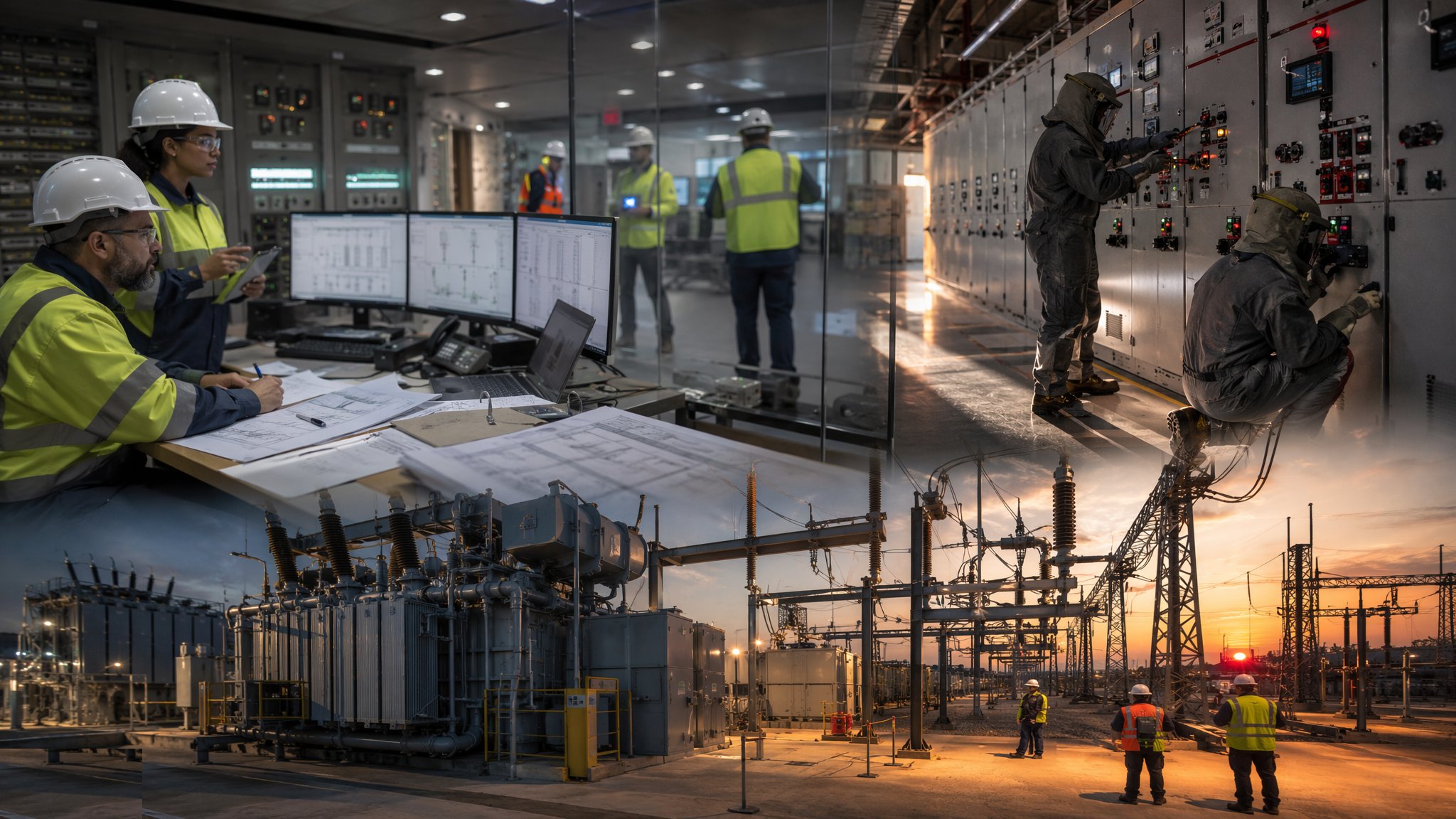
Grid Connections & Energisation
The paper-and-permit end of grid construction - connection agreements, protection witness tests, outages booked seasons ahead, and the phased switching sequence that puts a new asset on the live network.
Open process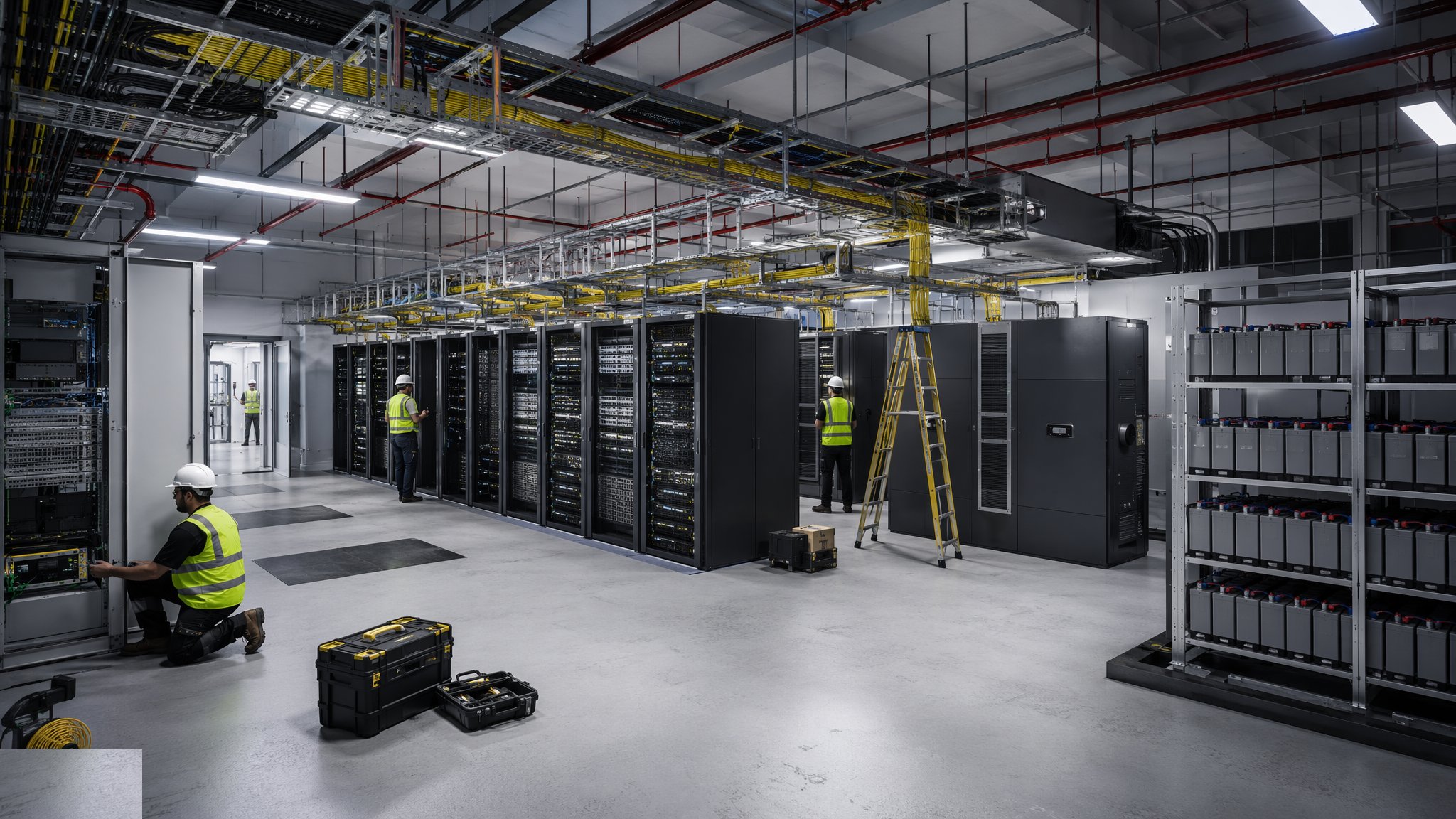
Telecom Exchanges & Equipment Rooms
The building services side of the network - racks, DC power plants and battery strings, precision cooling and clean-agent fire suppression - fitted out inside buildings that have to stay live while you work on them.
Open process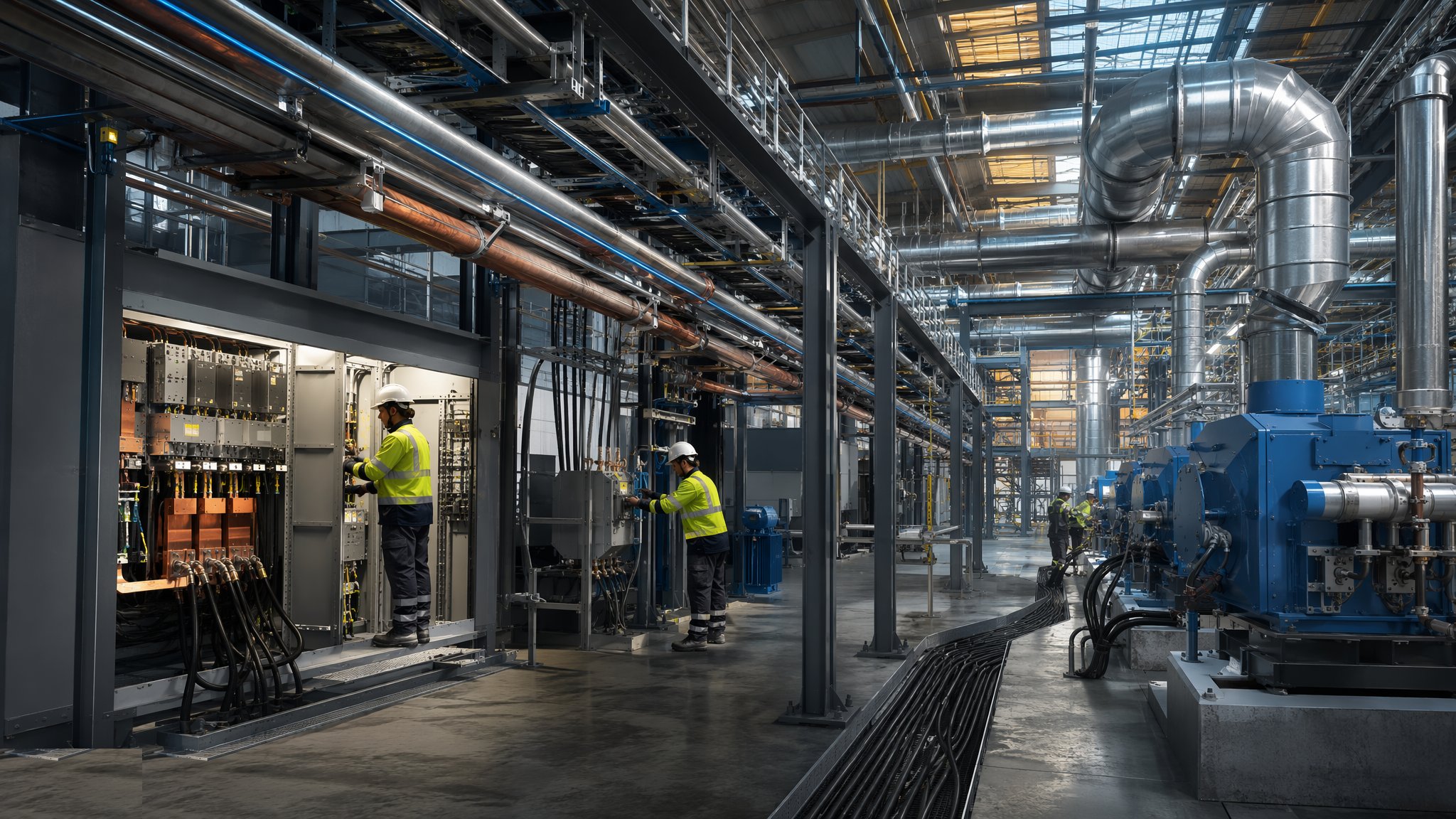
Industrial Services & Utilities
The arteries of the factory - compressed air ring mains, process water and steam, dust and fume extraction, HV/LV distribution for serious loads - built as production equipment, not building services with a bigger budget.
Open process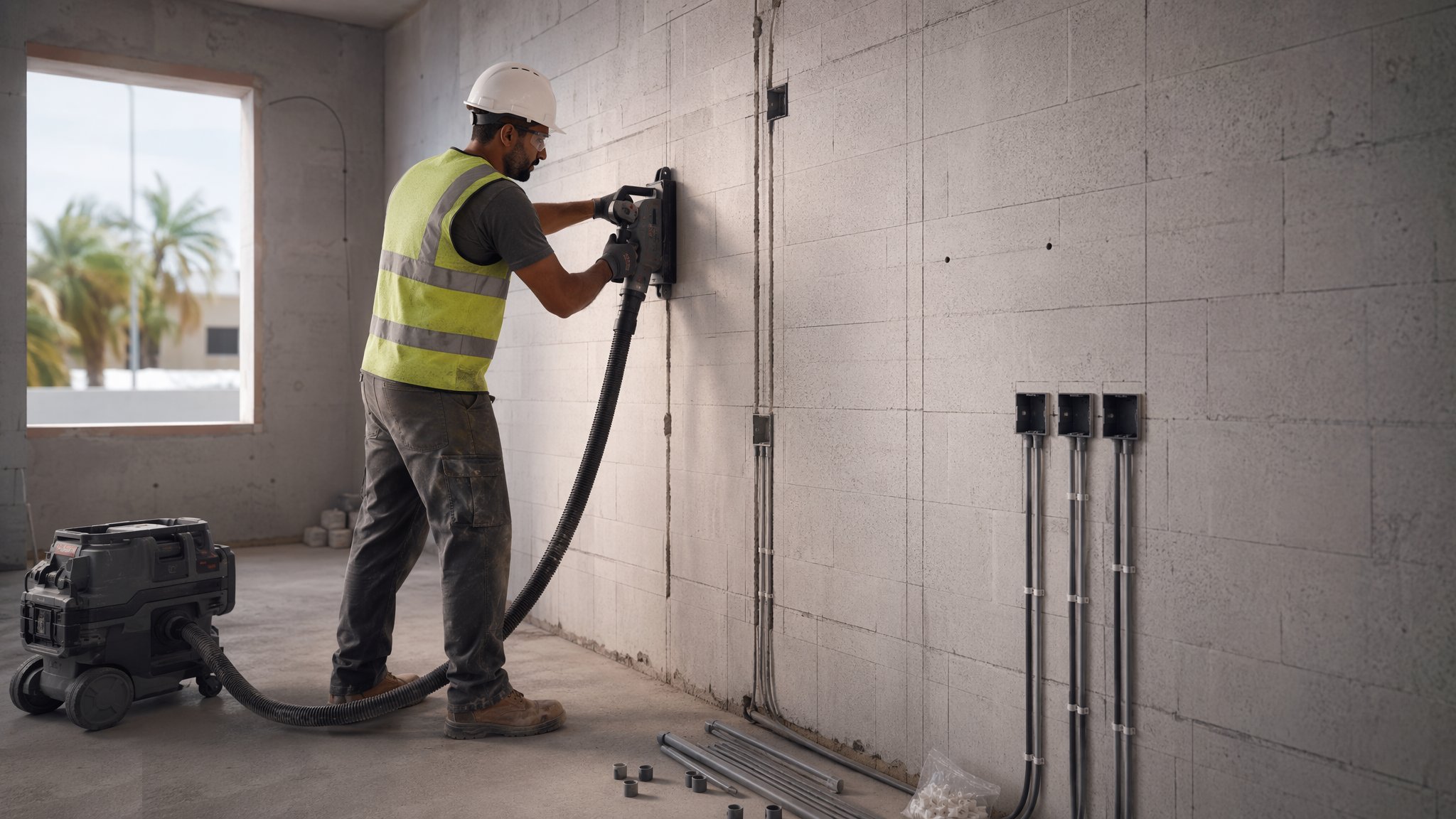
Chasing & First-Fix Cutting for Services
Cutting the channels, holes and routes that let cables and pipes disappear into blockwork and concrete - without weakening the wall.
Open process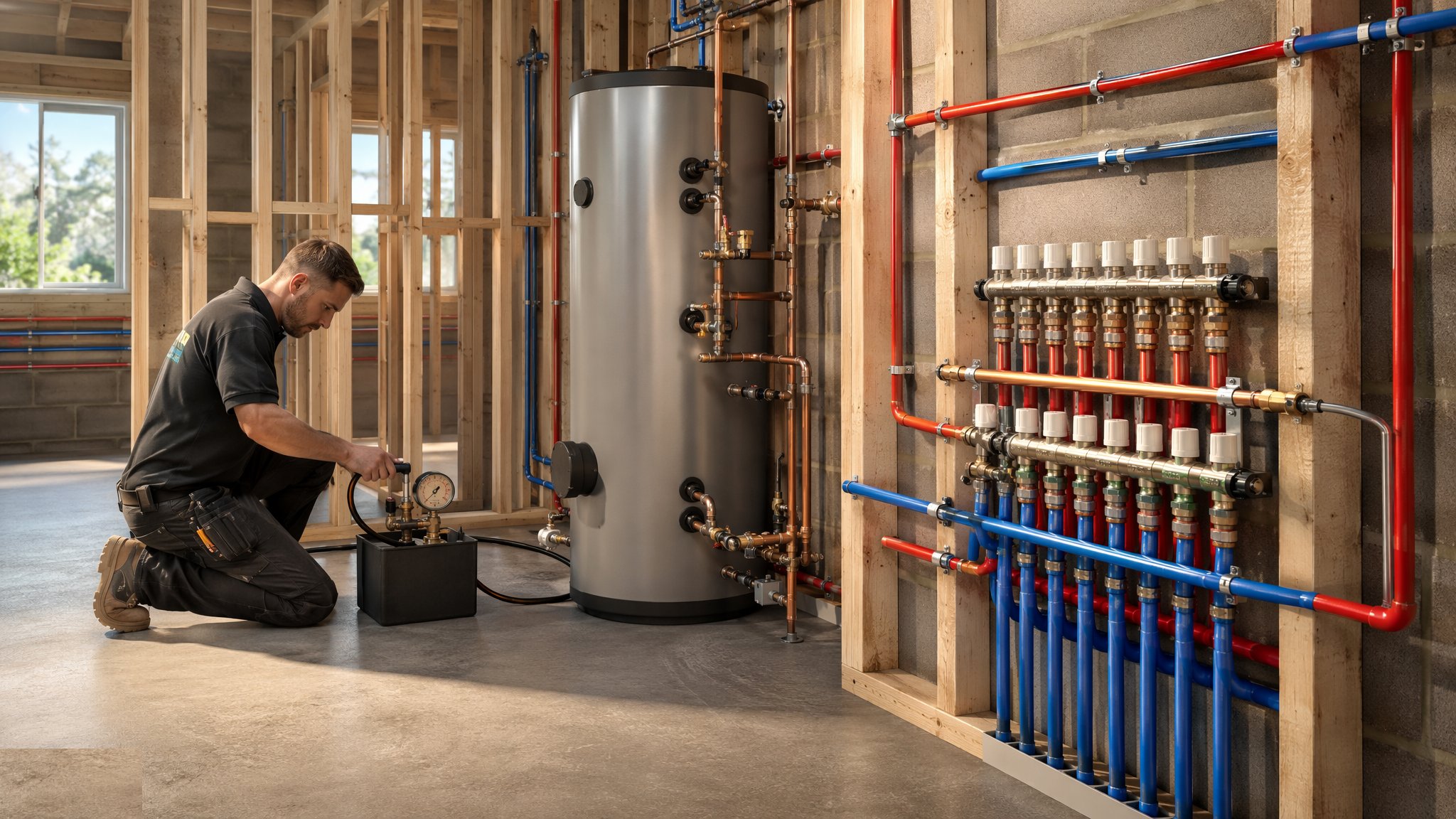
MEP - Plumbing (First & Second Fix)
Hot and cold water, heating pipework and soil connections - first fix carcassing to second fix commissioning.
Open process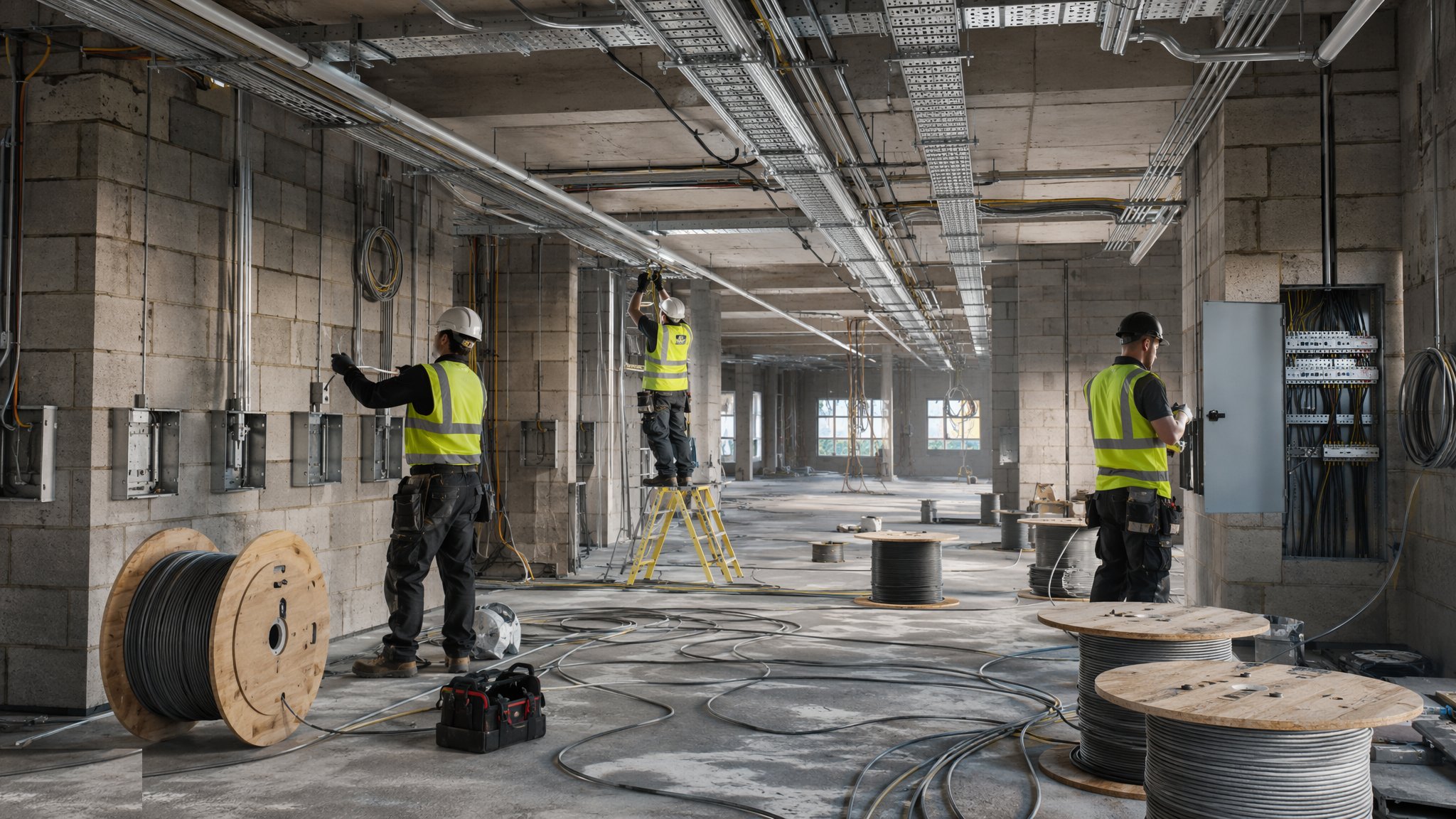
MEP - Electrical (First & Second Fix)
Containment, cabling and circuits at first fix; accessories, testing and certification at second fix.
Open process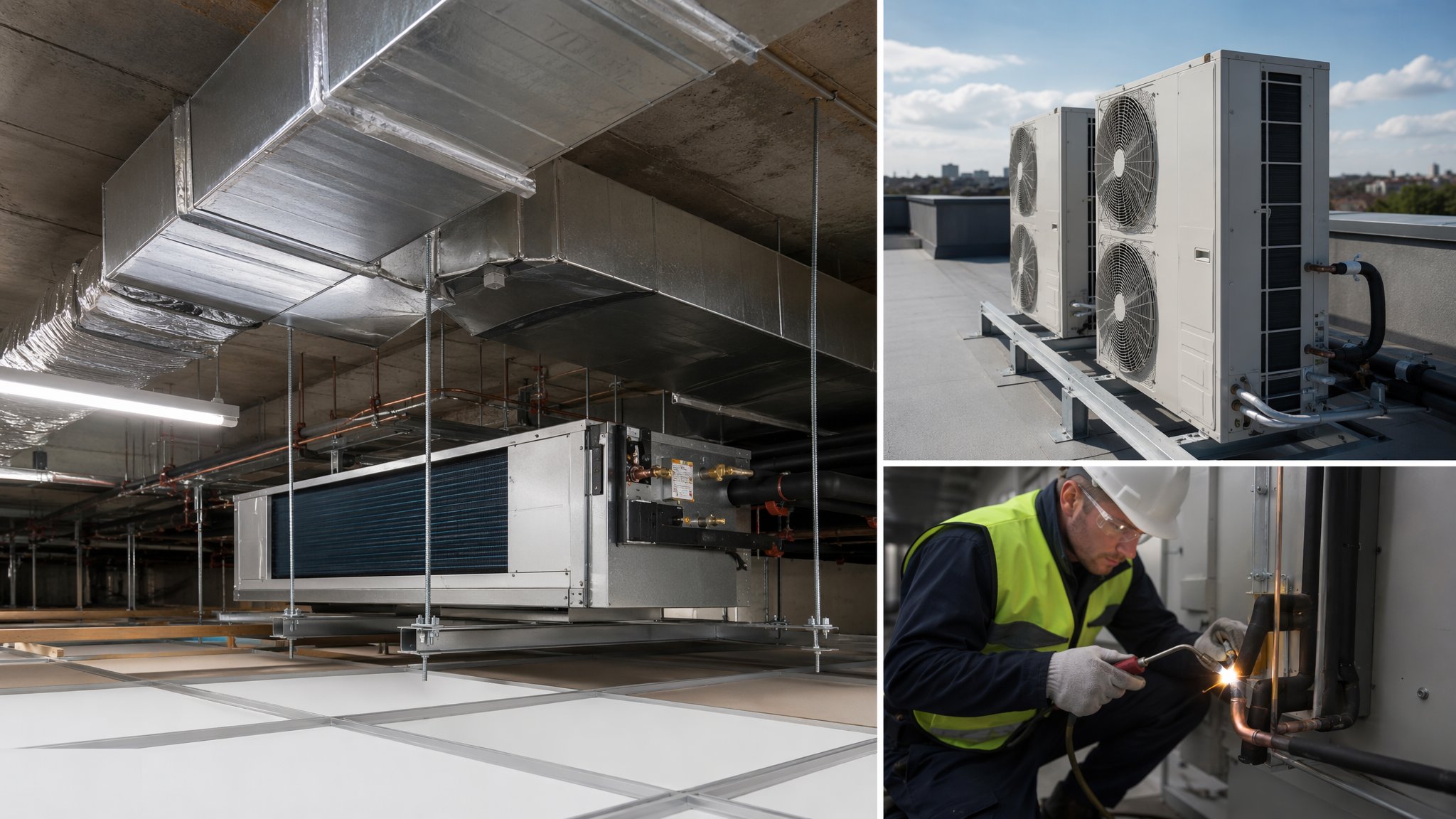
Ventilation & Air Conditioning
Split systems, VRF, ducted ventilation and district cooling interfaces - moving and conditioning air by build type and climate.
Open process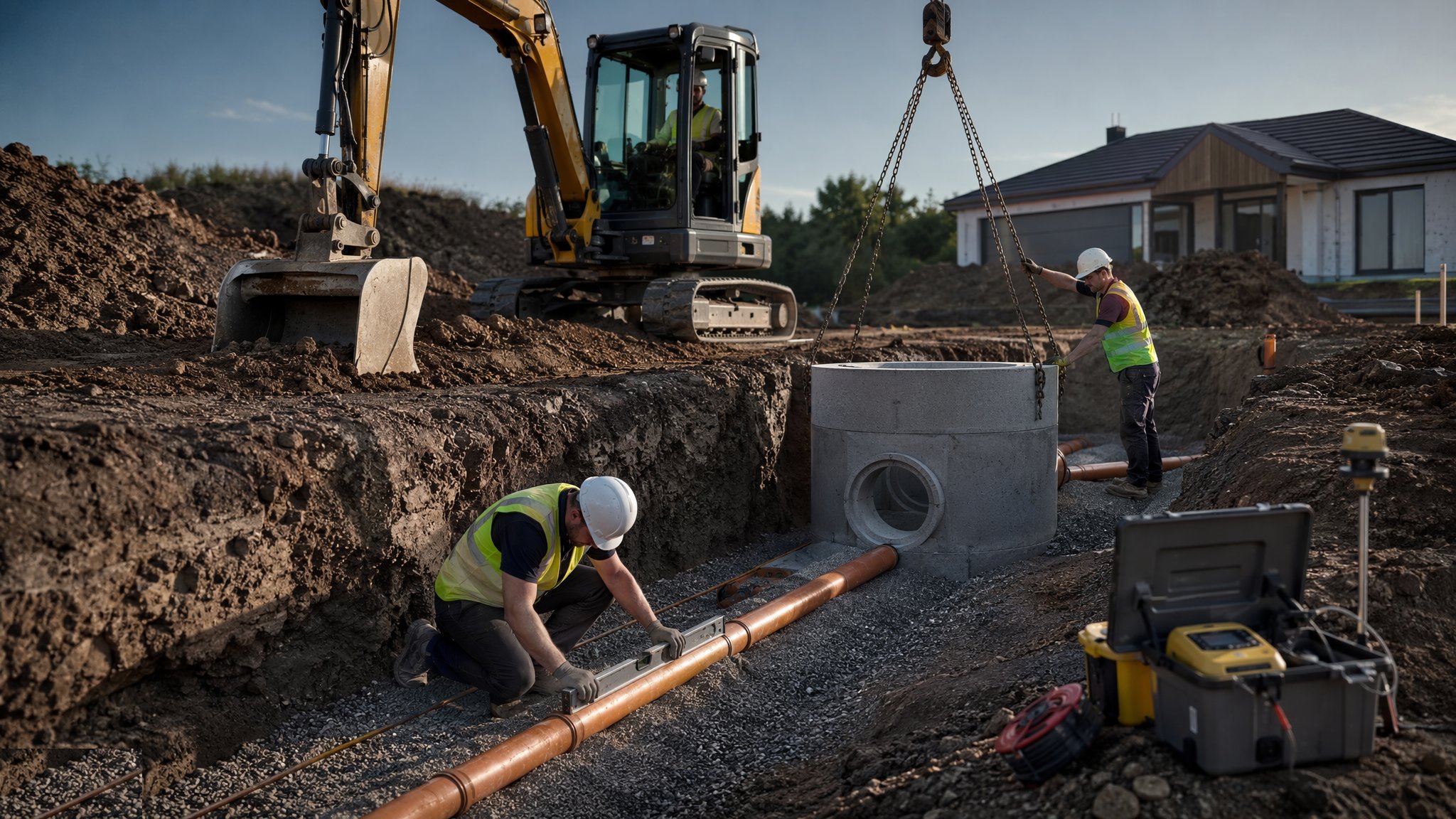
Below-Ground Drainage Installation
Foul and surface water drainage around buildings - pipes, manholes and connections laid to fall, tested, and adopted or approved.
Open process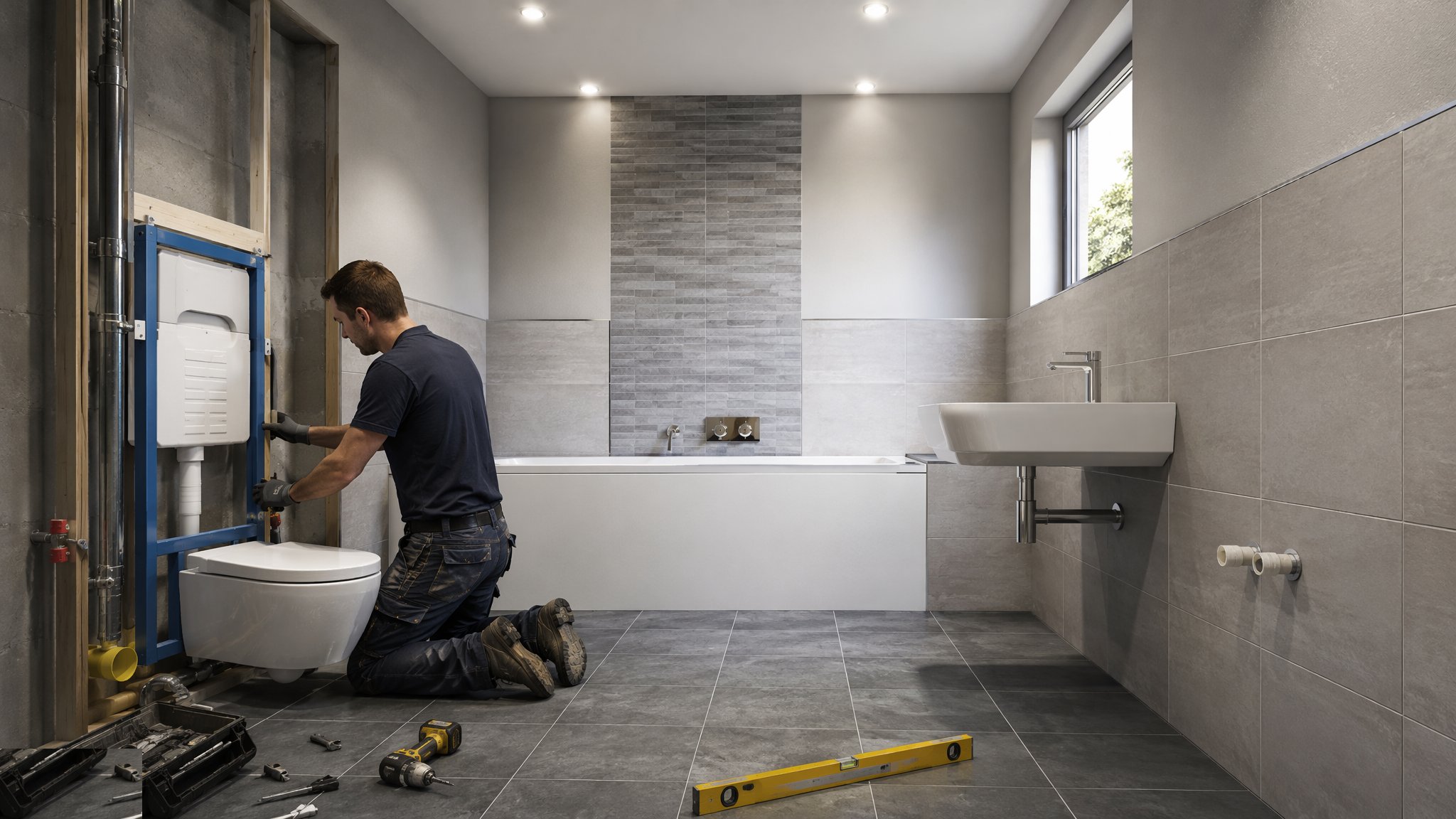
Sanitary Installation
WCs, basins, baths and showers - the second-fix trade where plumbing, tiling and sealing meet the user.
Open process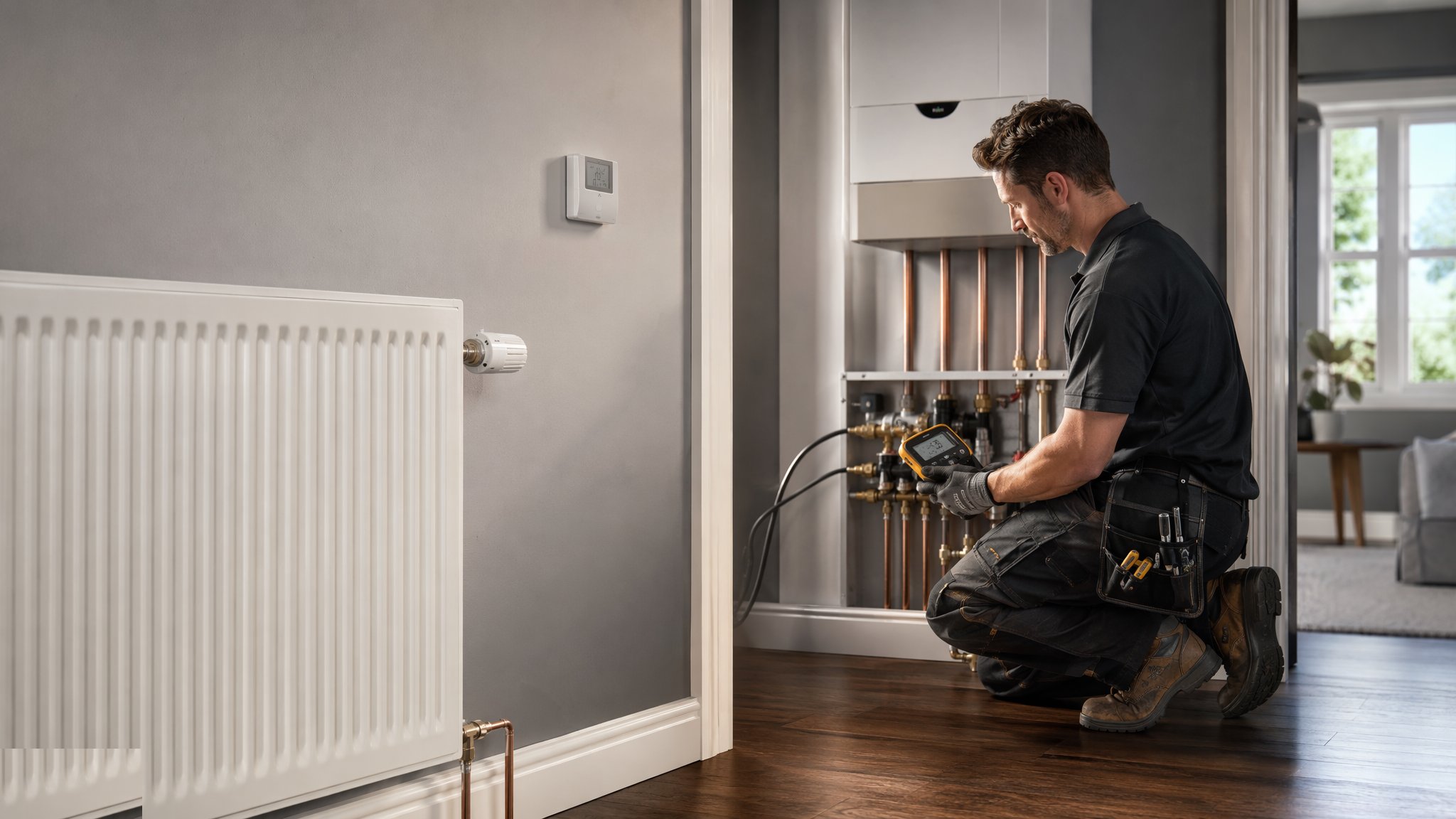
TRVs & Heating Controls
Thermostatic radiator valves, programmers and smart controls - the small fittings that decide whether a heating system actually works.
Open process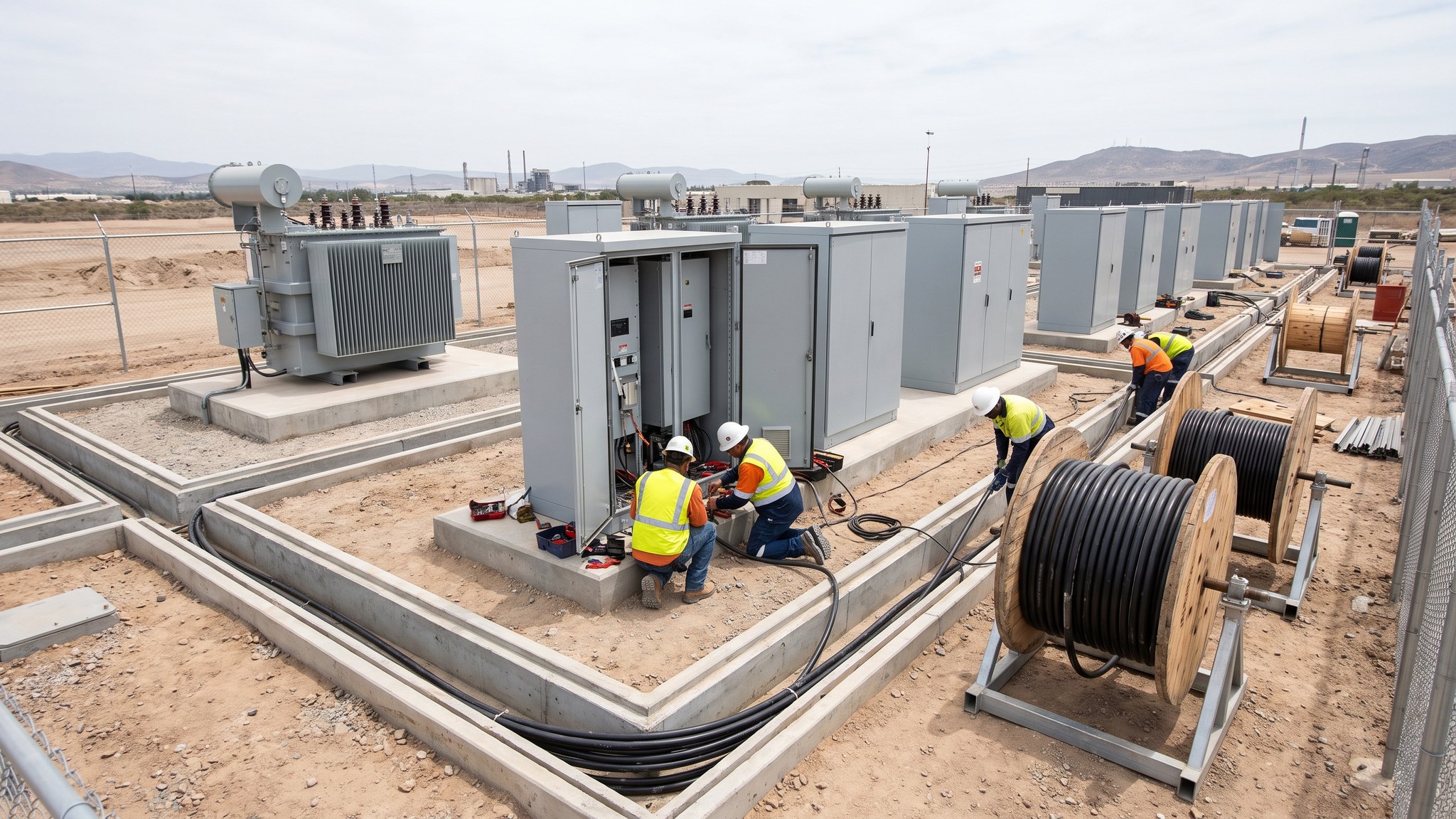
Power Conversion & HV Connection
The electrical spine of the site - conversion plant, transformers, switchgear, protection, earthing and the cable network that carries power out to the network operator's connection point.
Open process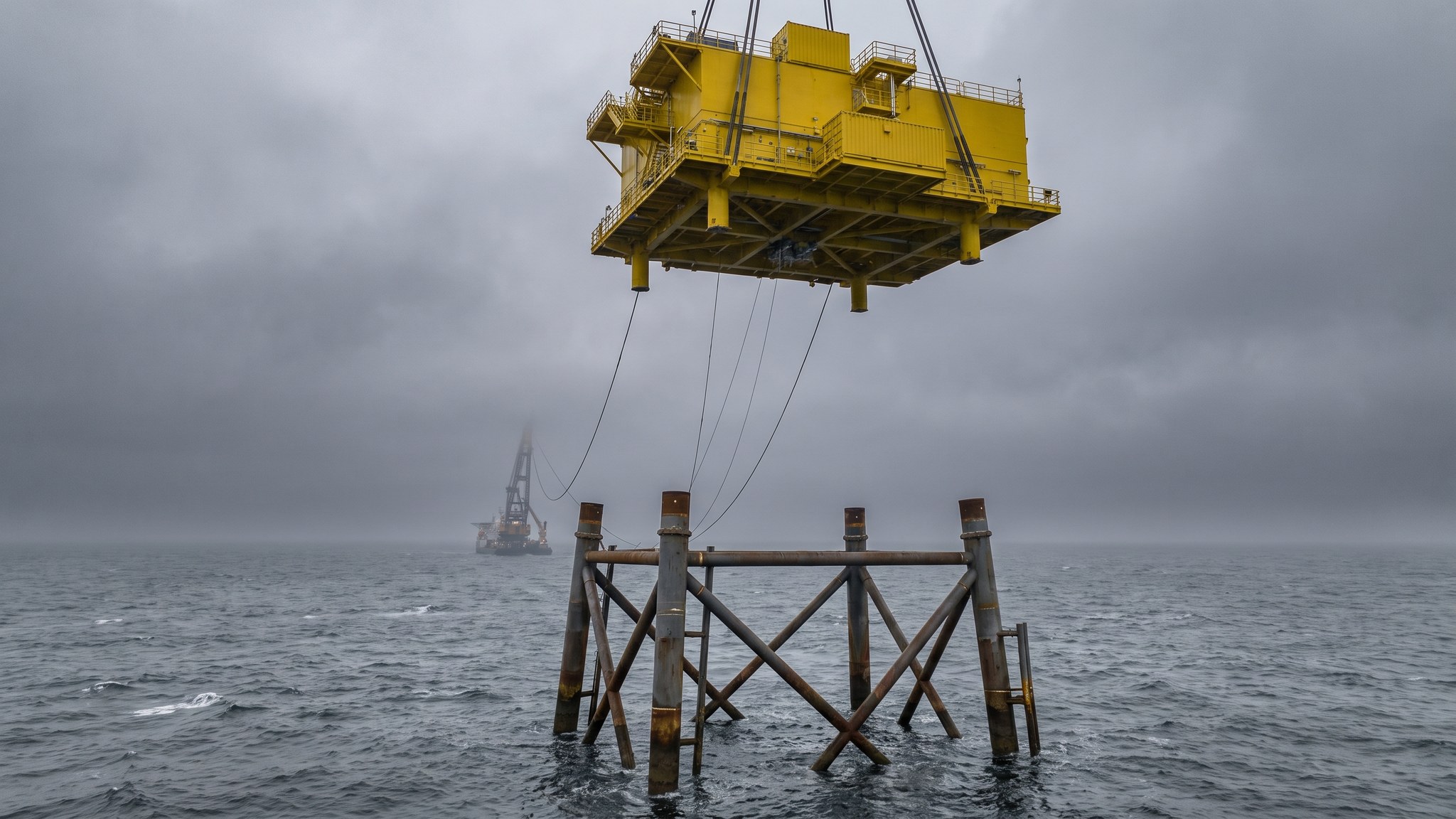
Offshore Substation
The platform that gathers every array cable, steps the voltage up and sends the power ashore down a single export route. It is built and commissioned onshore as a complete topside, then lifted onto its foundation in as few pieces as the vessel allows.
Open process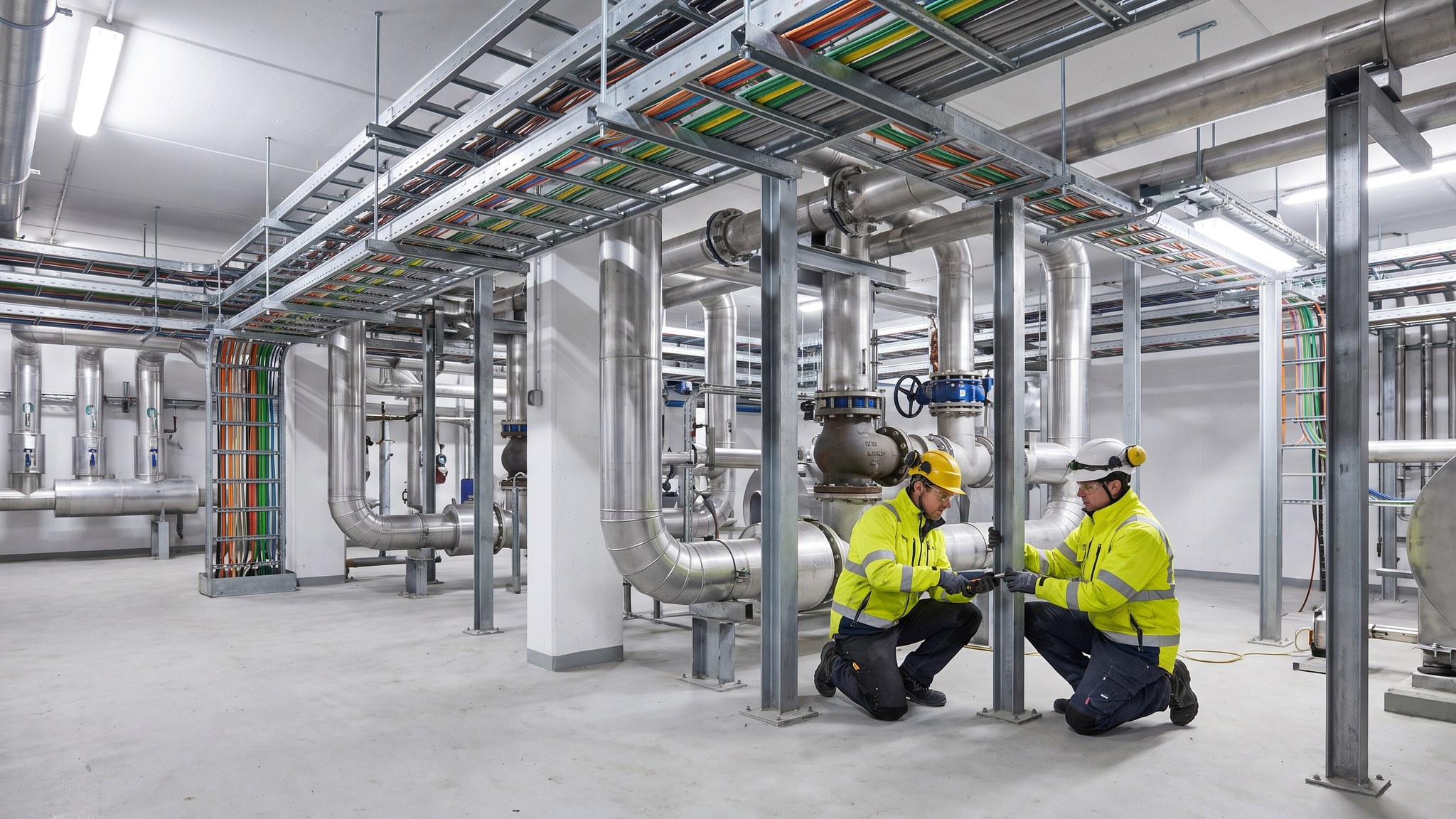
M&E Installation & Commissioning
Installing and proving the pipework, cable, supports, ventilation and control systems that turn a set of concrete structures into a working plant - a vast quantity of ordinary trades work, organised by system rather than by area, and signed off through a staged commissioning regime.
Open process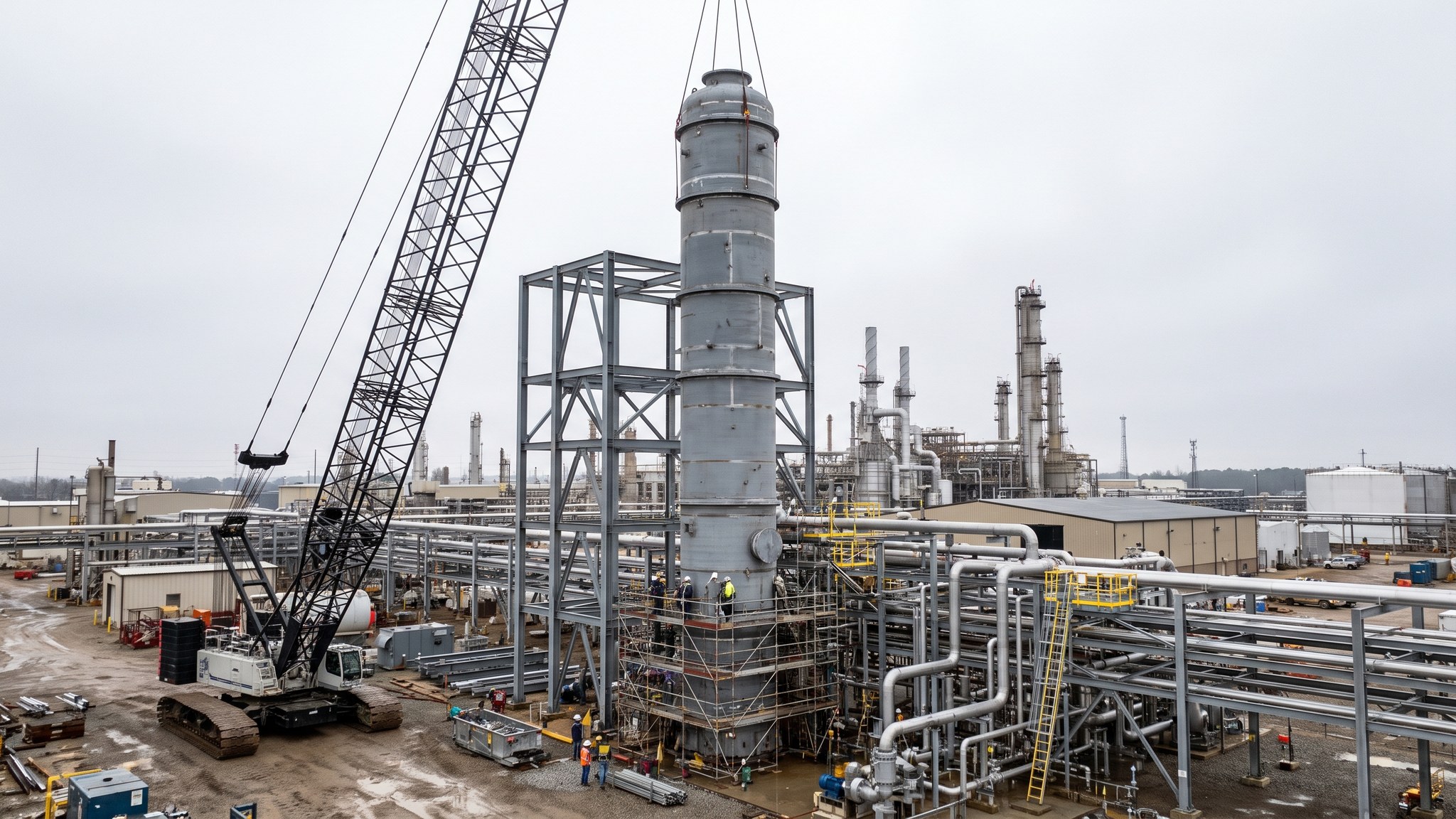
Capture Plant Installation
Erecting the capture island itself - the absorber, the vessels, the ducting and the modules - beside a working emitter, where the tallest lift on the site and the tie-in into the host plant are the two things the whole programme is arranged around.
Open process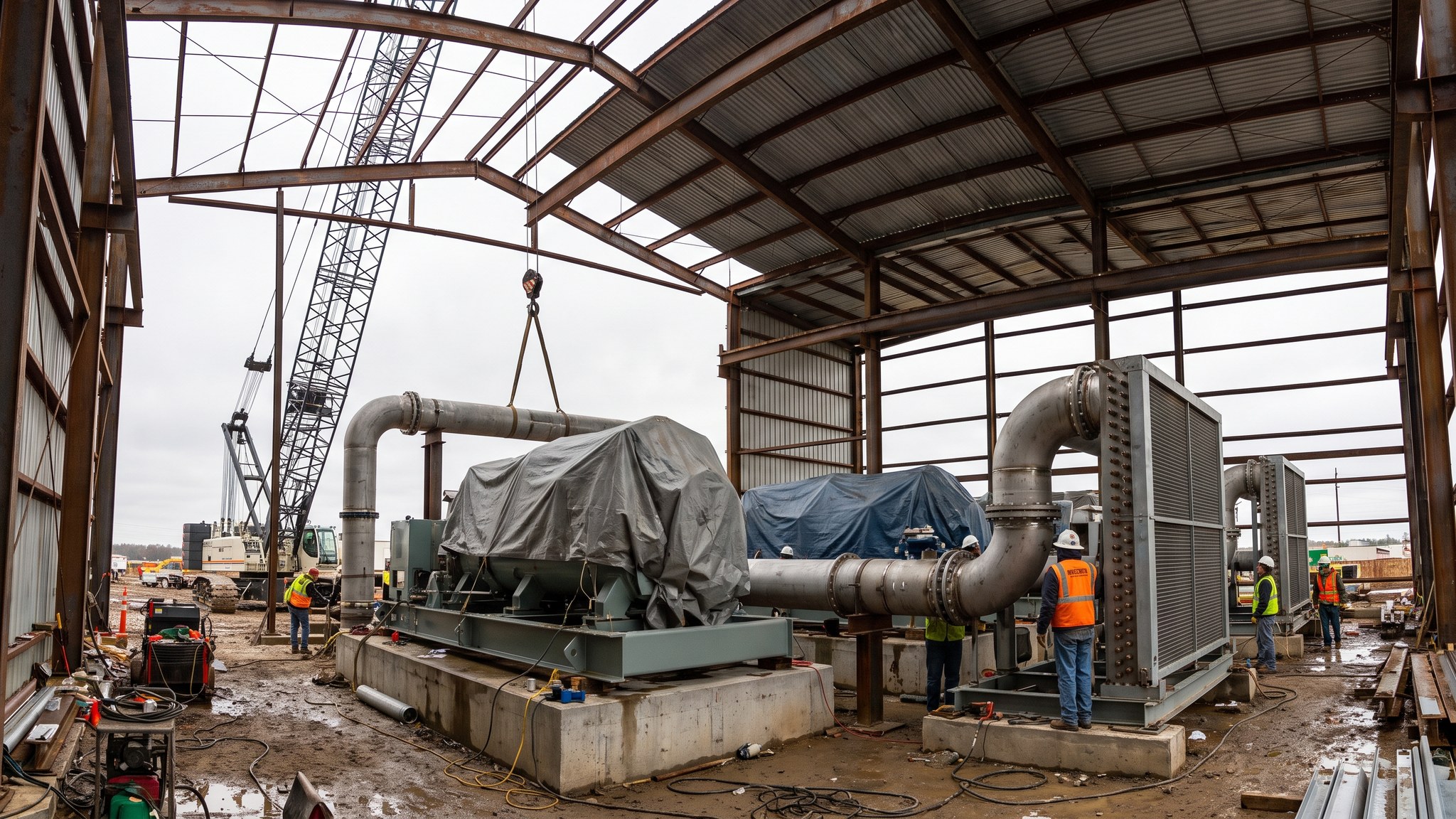
Compression & Conditioning
The machinery that turns a low-pressure gas into a dense fluid a pipeline can actually move, and the drying and clean-up that make the stream fit to put into somebody else's system.
Open process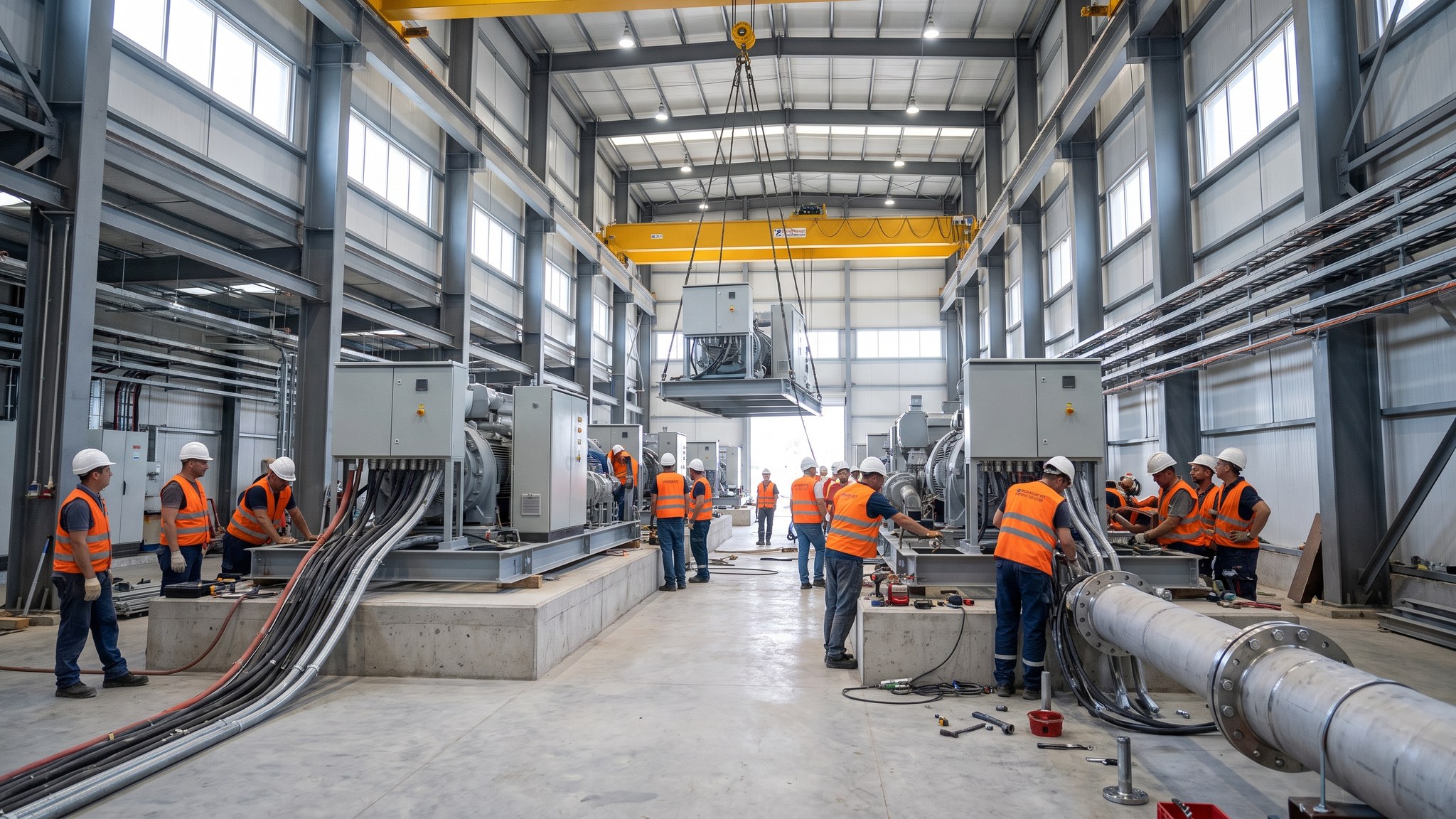
Electrolyser Hall & Installation
Installing the heart of the plant - which is, for most of its volume, a large power conversion building with a gas plant attached to the back of it, filled by packages that arrive complete and are landed, connected and proved rather than built in place.
Open process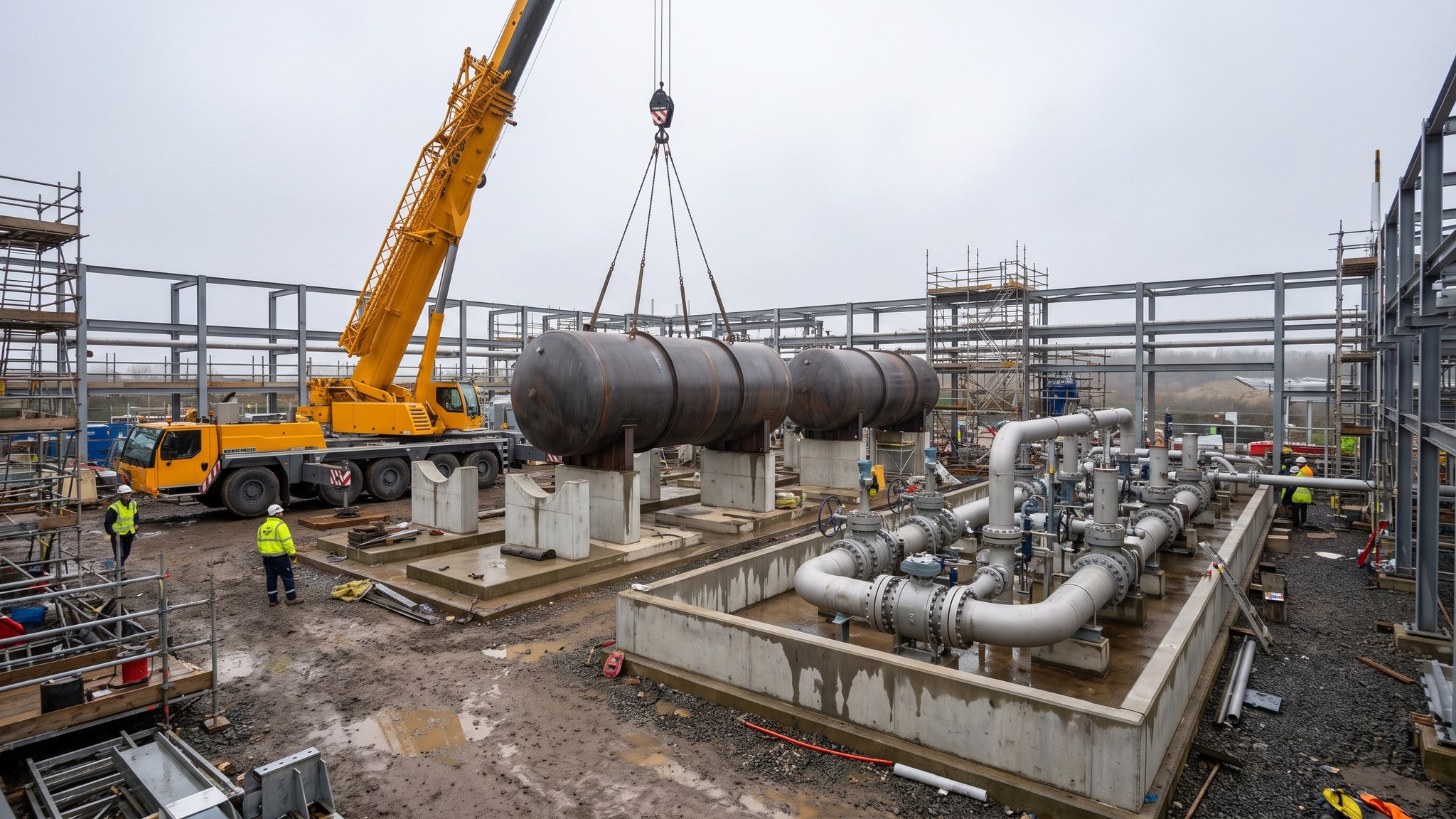
Compression & Storage
Raising the gas to the pressure the storage or the customer needs, and holding it - heavy rotating machinery on stiff bases, vessel banks in a compound that is deliberately open and deliberately half empty, because the spacing is the control measure.
Open process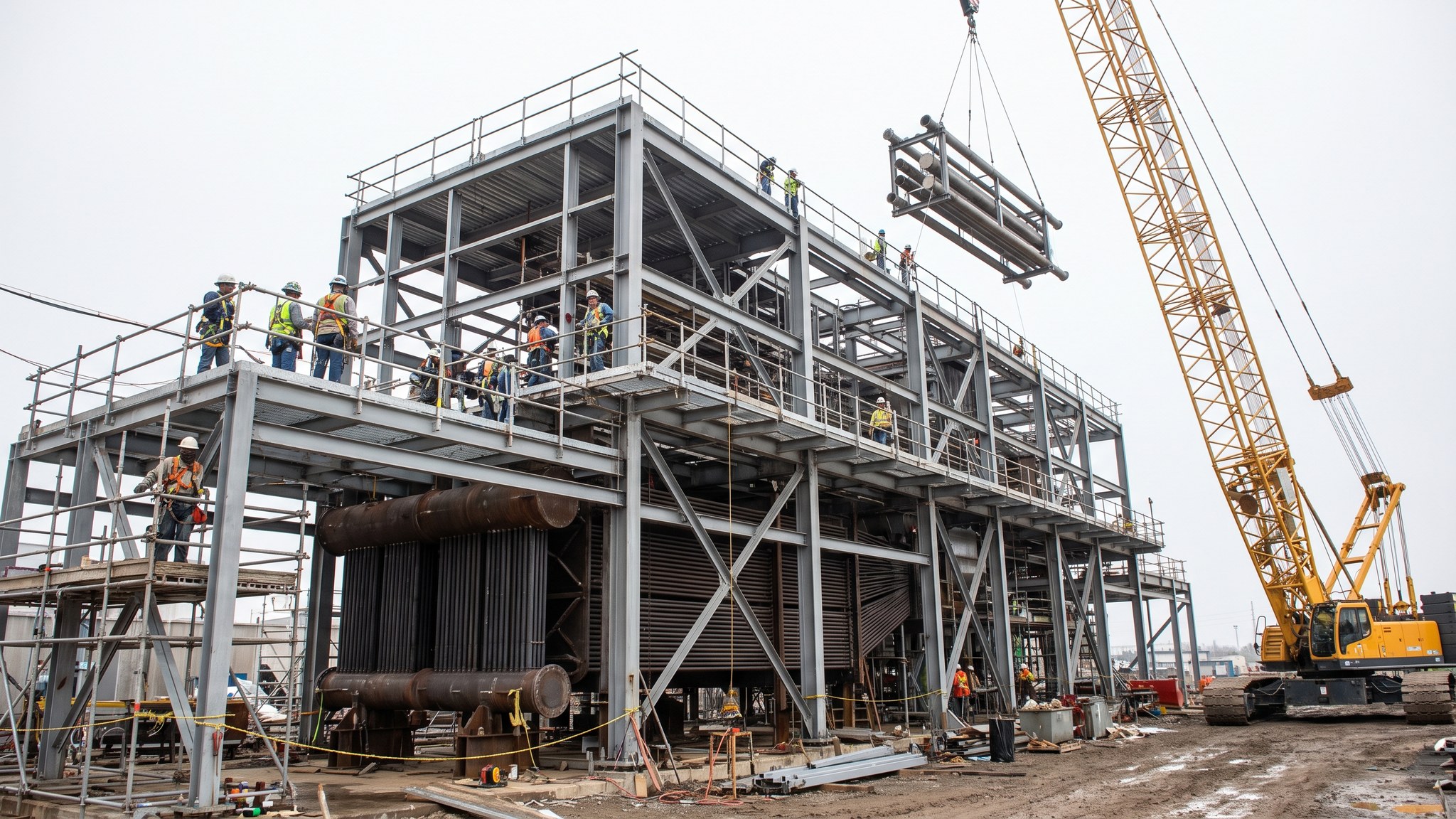
Boiler & HRSG Erection
The tallest and most weld-intensive structure on the plot - a pressure system built from thousands of tubes, assembled into modules at ground level, lifted into a support frame and joined up at height, where the welding record is the product.
Open process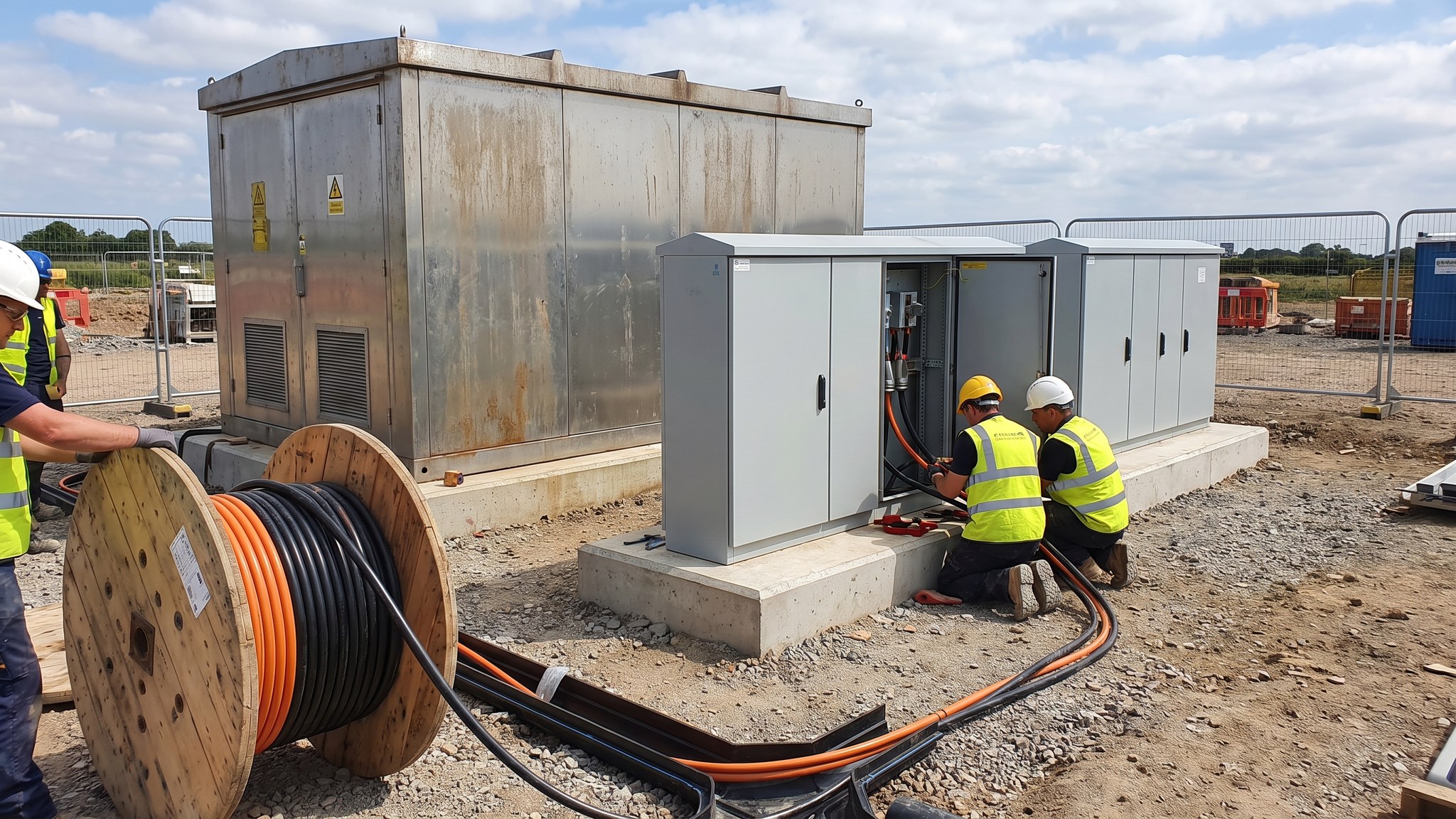
Electrical Infrastructure
Everything between the network operator's connection point and the bays - substation or supply position, switchgear, distribution, protection, metering, cable and the containment that carries it, plus the comms that make the site controllable.
Open process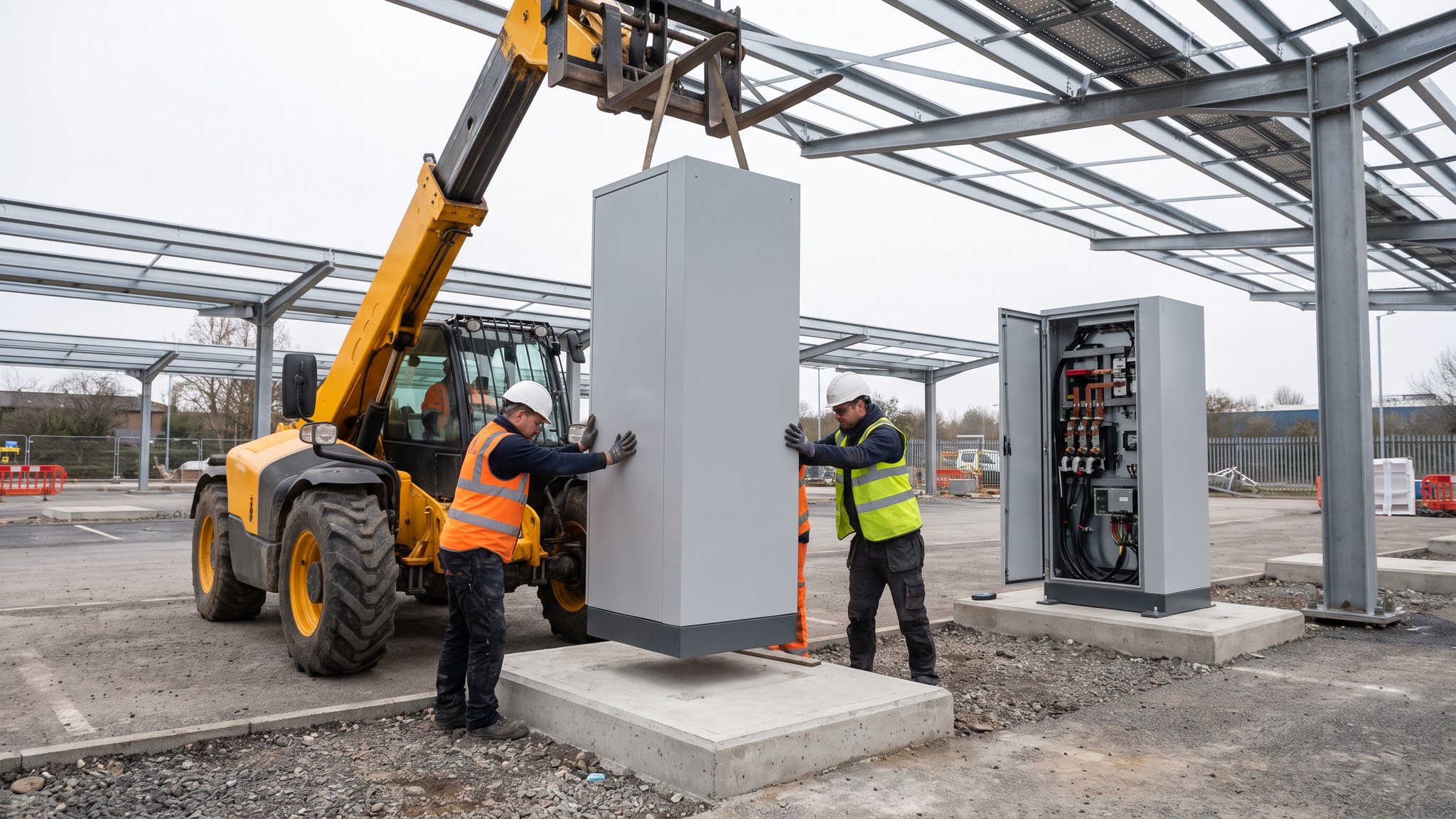
Charger Installation
Receiving, setting, fixing, connecting and protecting the units themselves - heavy, delicate, long-lead items that have to land exactly where the base says they will, because a plinth in the wrong place cannot be moved.
Open processInterior Fit-Out & Finishes2
Finishes, fit-out and the inside of a tunnel.

Internal Finishes
Boarding, plaster, joinery, tiling and paint - turning a shell into rooms people want to live in.
Open process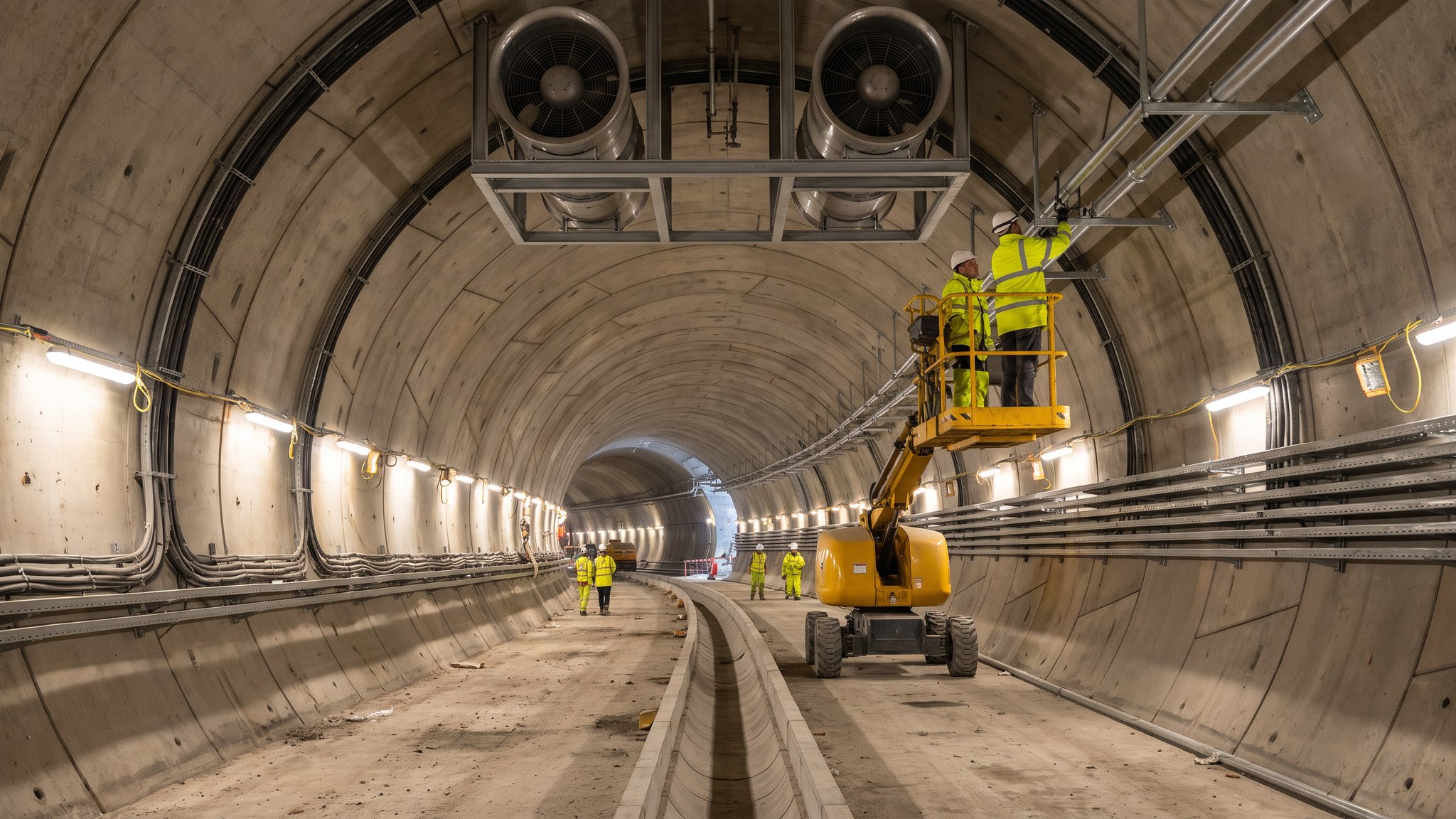
Tunnel Fit-out - Drainage, Ventilation & M&E
Turning a bare bore into a working asset - drainage, ventilation, fire life safety, power, controls and the handback that proves it all works together.
Open processEarthworks26
Cut, fill, capping and preparation - moving ground at every scale.
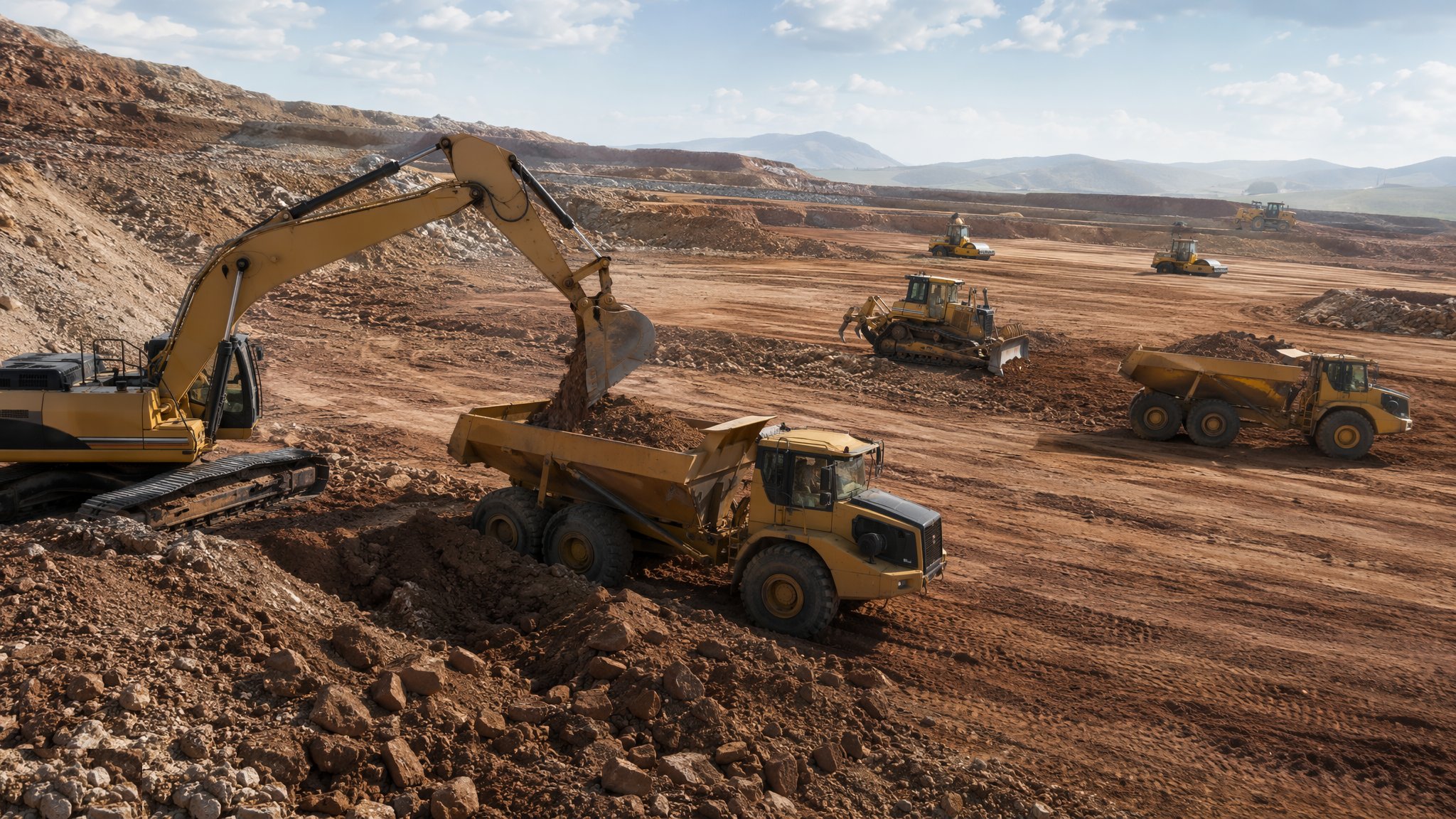
Earthworks & Excavation
Cut and fill, trenching and compaction - reshaping the ground to take the building.
Open process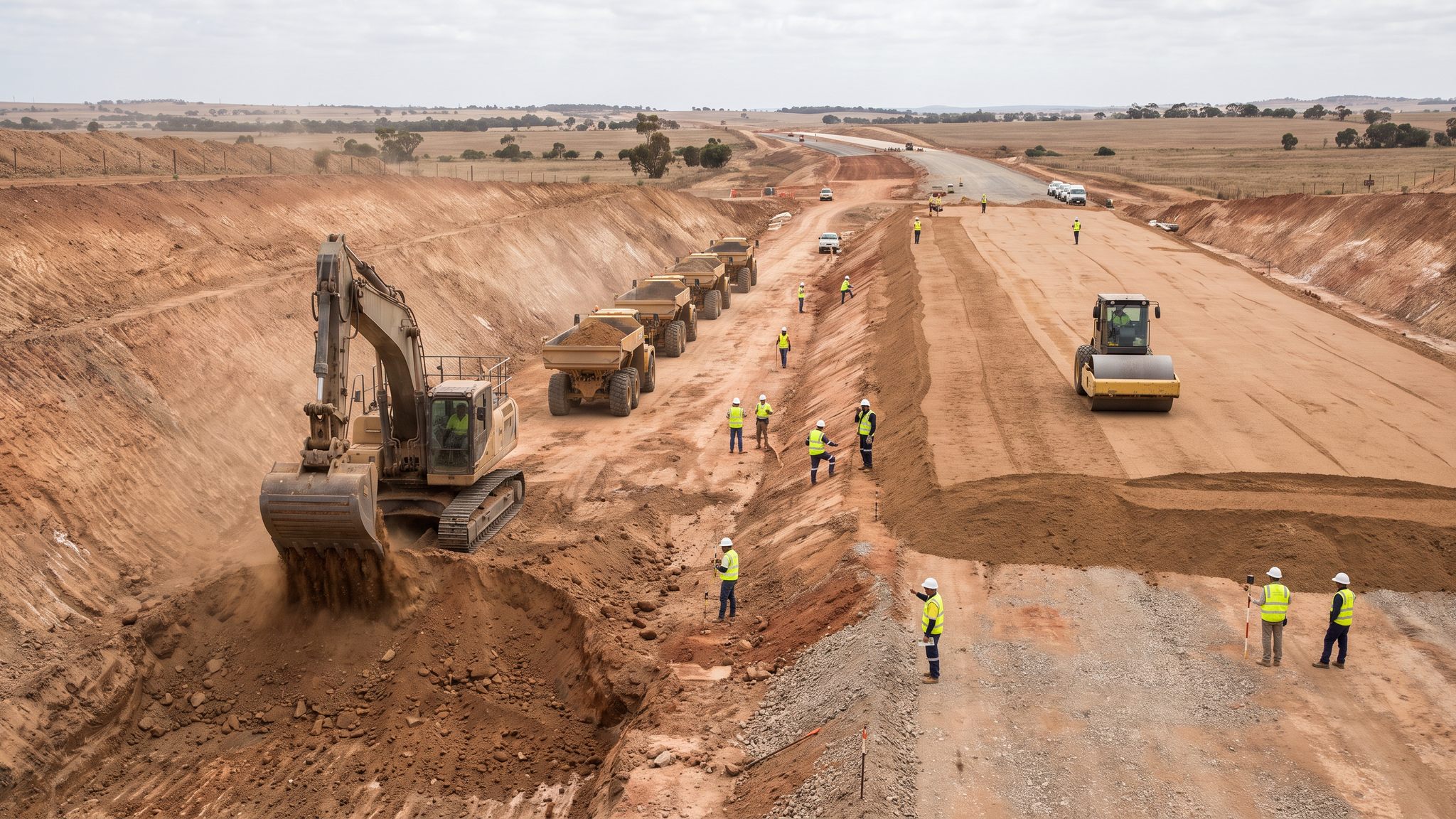
Bulk Earthworks - Cuttings & Embankments
Moving hundreds of thousands of cubic metres to build the corridor's shape - cuttings, embankments and the formation everything sits on.
Open process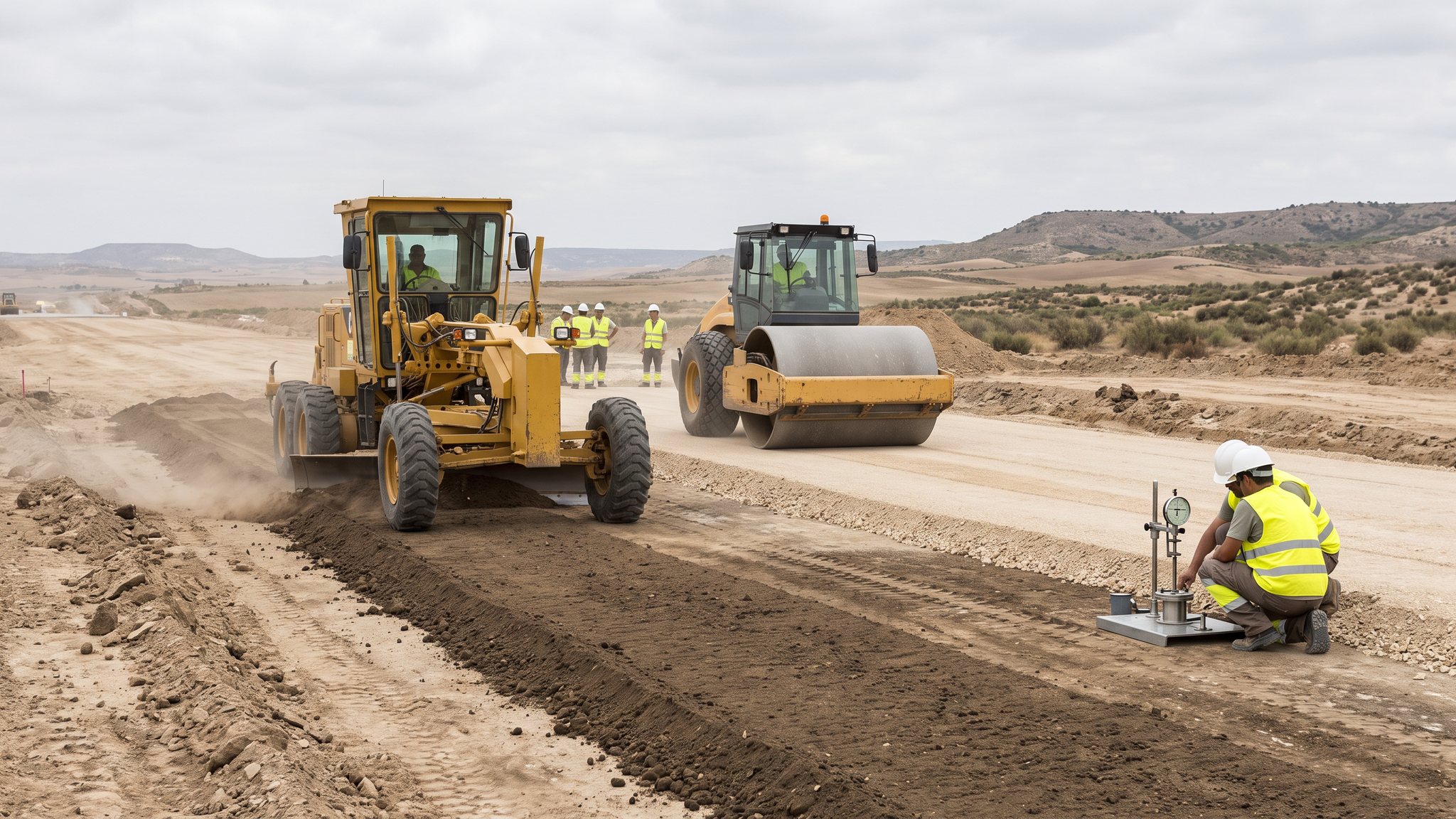
Subgrade Preparation & Capping
Proving the formation and building the capping layer - the low-cost working platform that decides whether the pavement above it lasts.
Open process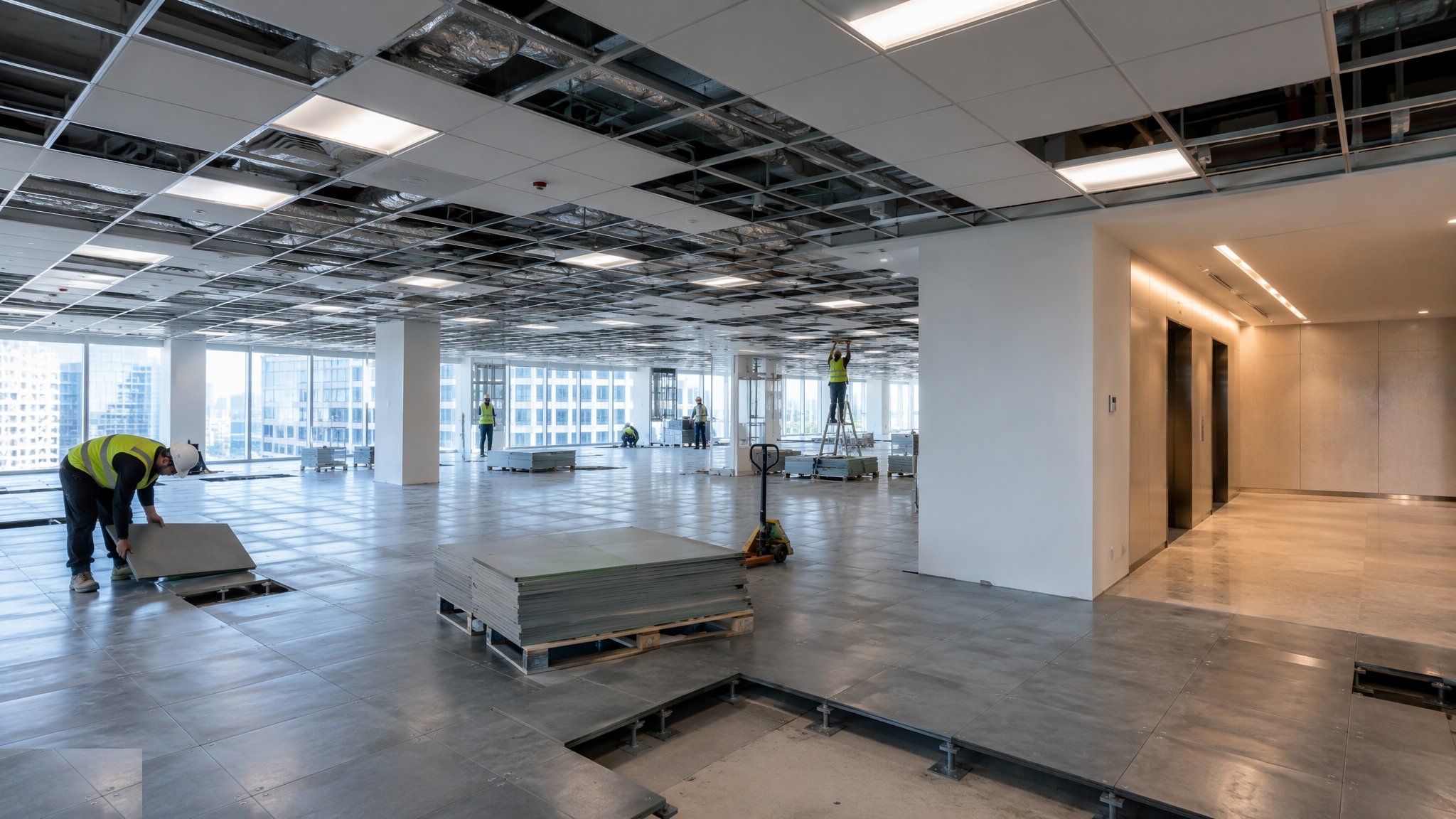
Cat A Fit-Out
The landlord's finish - raised access floors, suspended ceilings and background services to every floor, with the core, lobby and WCs fully finished - making a bare frame lettable.
Open process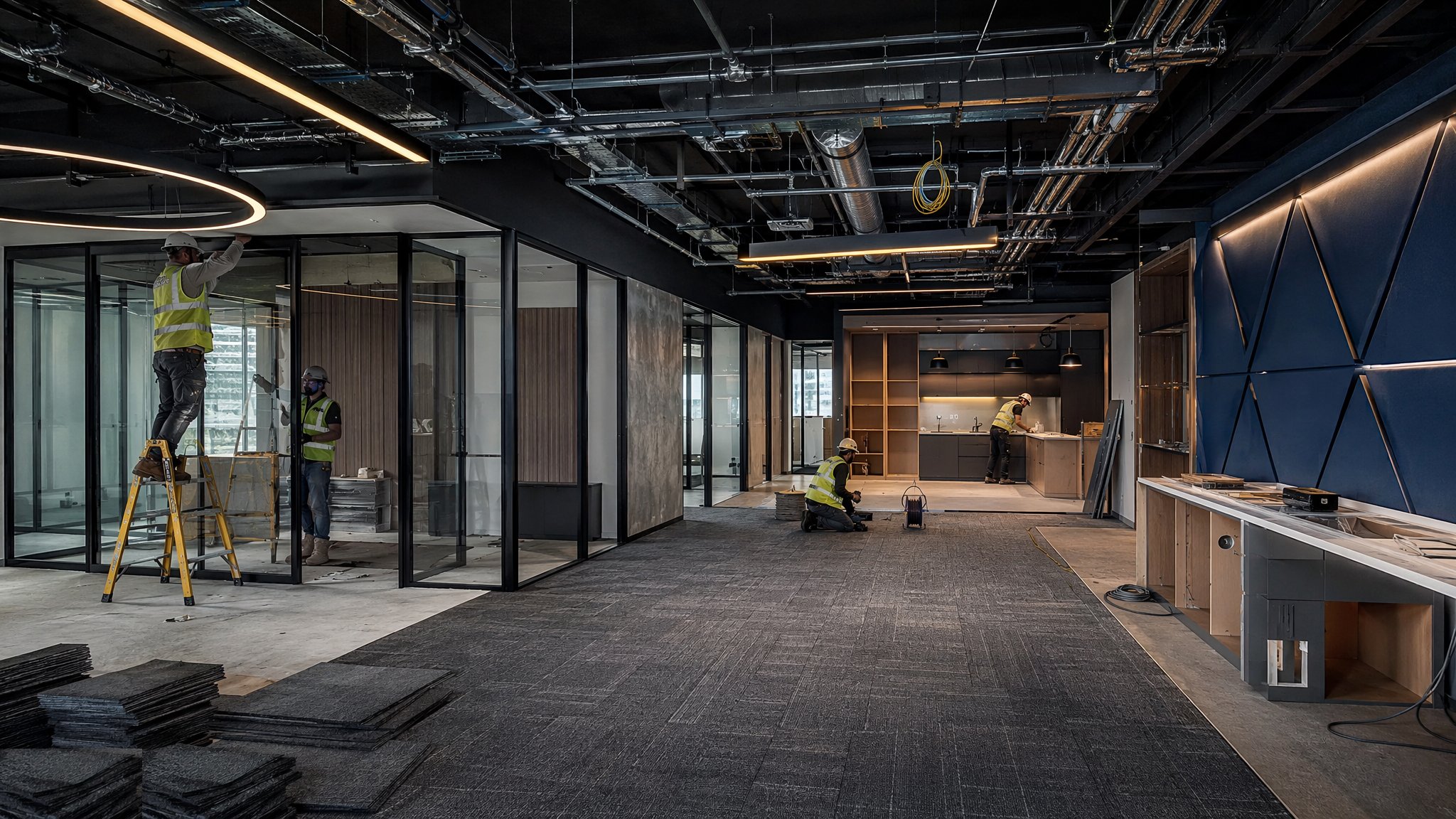
Cat B Fit-Out
The tenant's fit-out - partitioning, meeting rooms, tea points, branding, IT/AV and second-fix services - built over the landlord's finished Cat A floor without damaging it.
Open process
White-Space Fit-Out
Turning the shell into sellable white space - racks and containment aligned to the millimetre, kilometres of structured cabling overhead, VESDA and gas suppression below, and the security layers and DCIM that make the hall a product.
Open process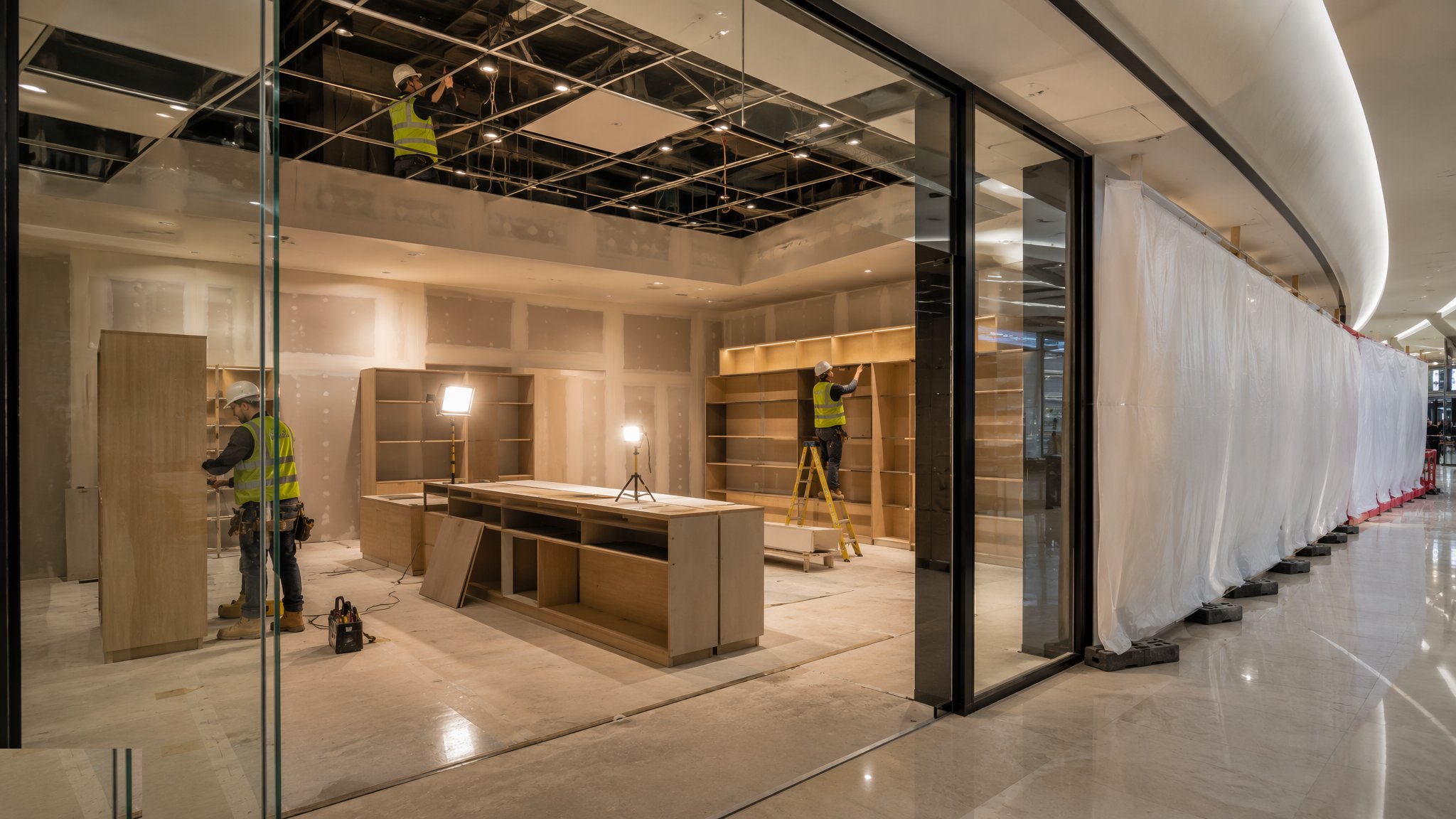
Shopfitting & Retail Fit-Out
From bare shell to open-for-trade - the tenant's fit-out: demising works, shopfronts and signage zones, back-of-house, deliveries and waste routes, all built inside the landlord's handbook rules.
Open process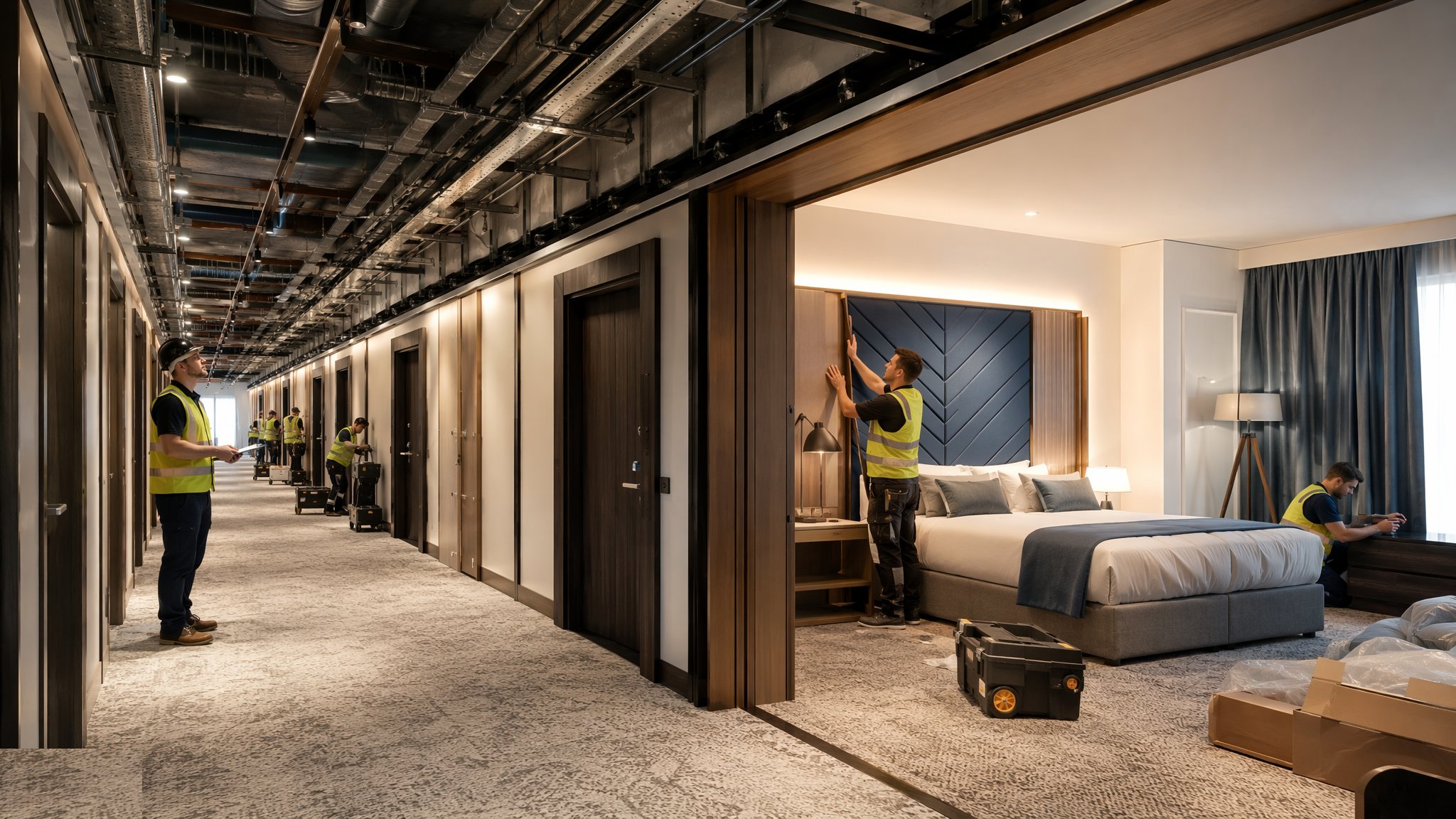
Hotel Bedroom Fit-Out & FF&E
The room production line - pods connected, rooms fitted to a signed-off mock-up, FF&E installed floor by floor, and every floor snagged and handed to the operator before the next one finishes.
Open process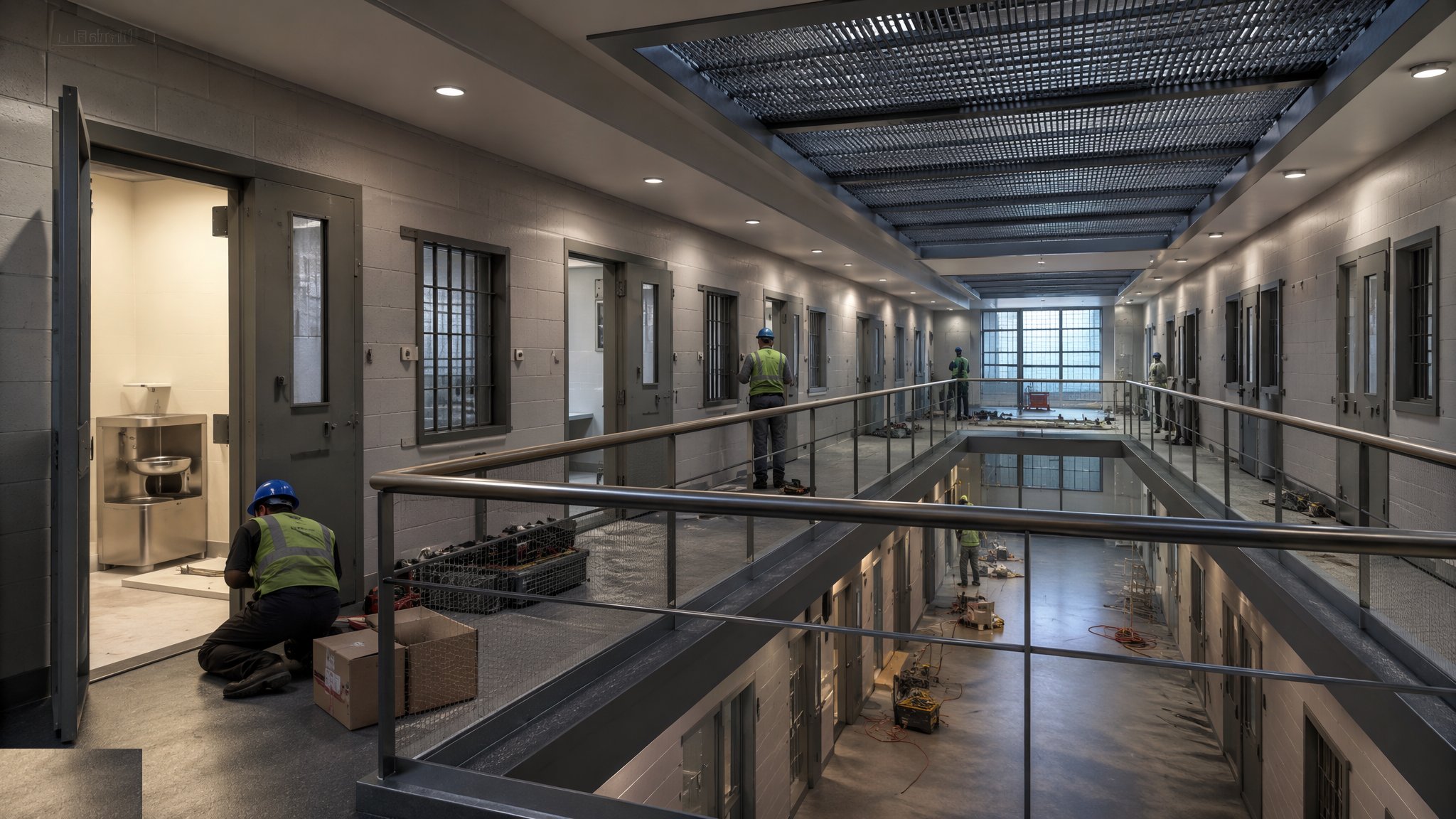
Custodial Fit-Out & Security Systems
Fitting out the inside of a secure establishment - detention-grade cell furniture and sanitaryware, doors and locks that are security equipment first and joinery second, grilles, CCTV and the control rooms that watch it all.
Open process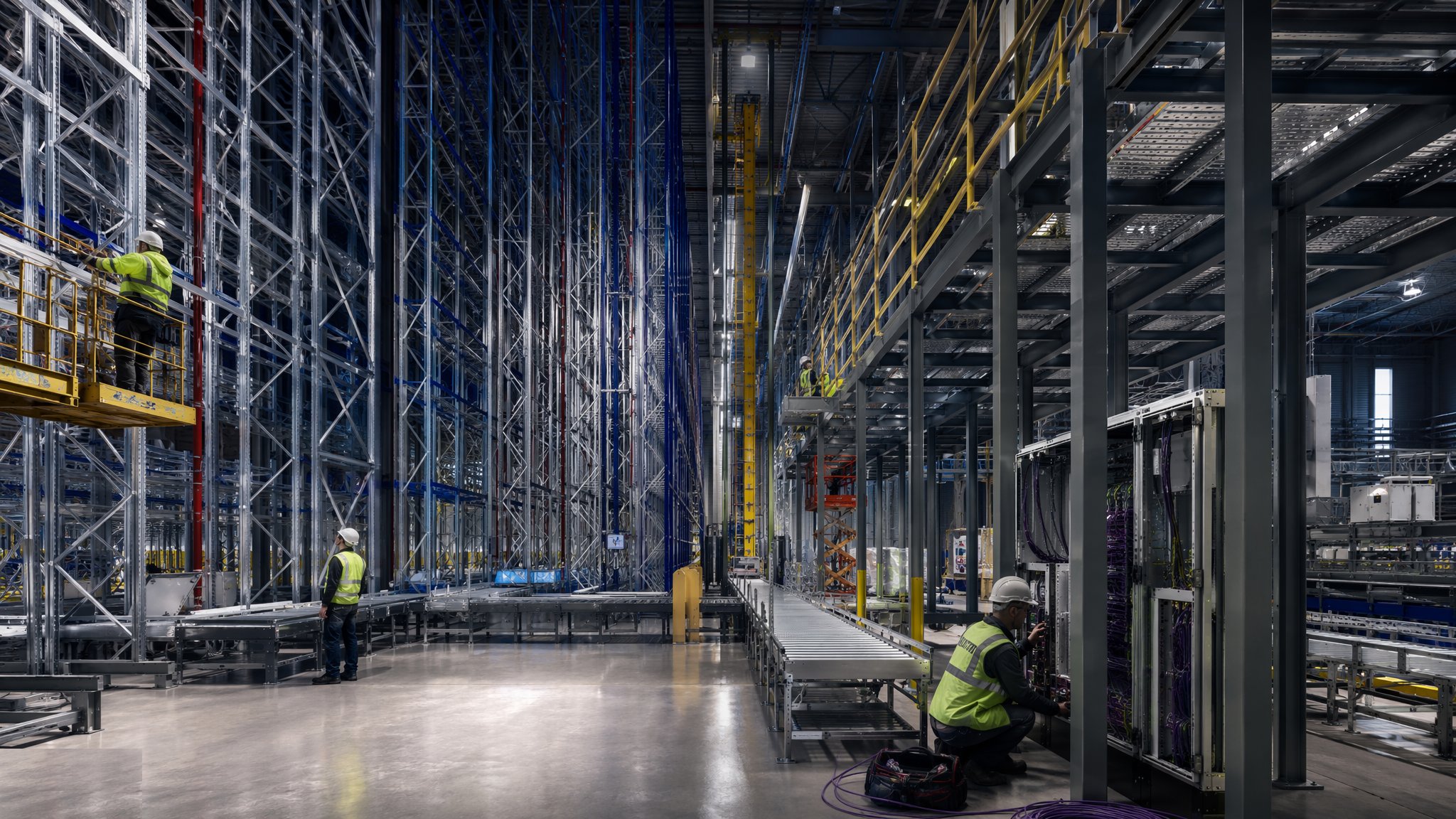
Racking & Warehouse Automation Installation
The steel forest and the machines inside it - pallet racking anchored to the millimetre, AS/RS cranes on rails, conveyors and sortation - installed as one integrated system, not a sequence of strangers.
Open process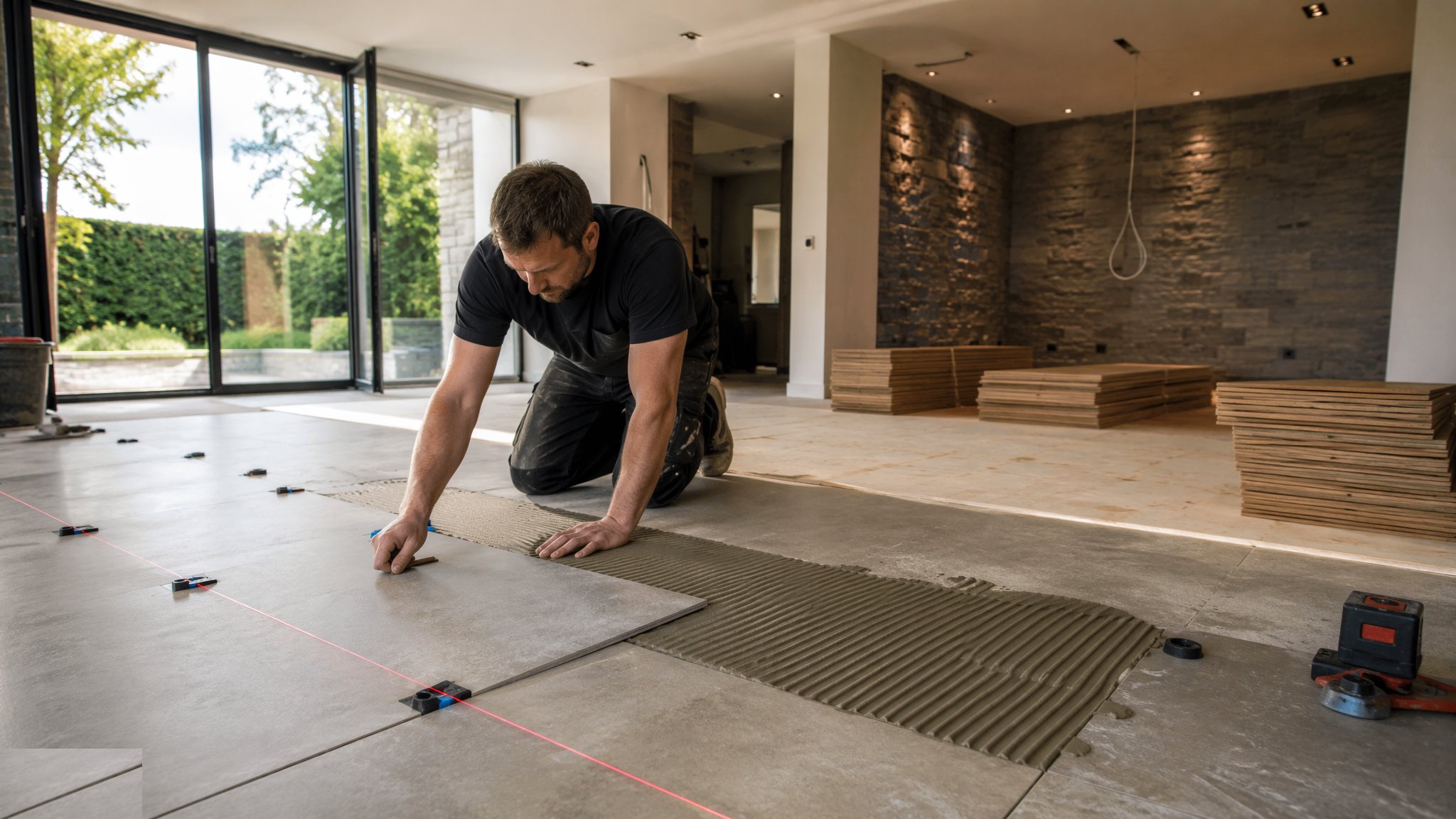
Flooring & Floor Finishes
Tiling, timber, vinyl, carpet and stone over the screed - the finish every foot and eye judges first.
Open process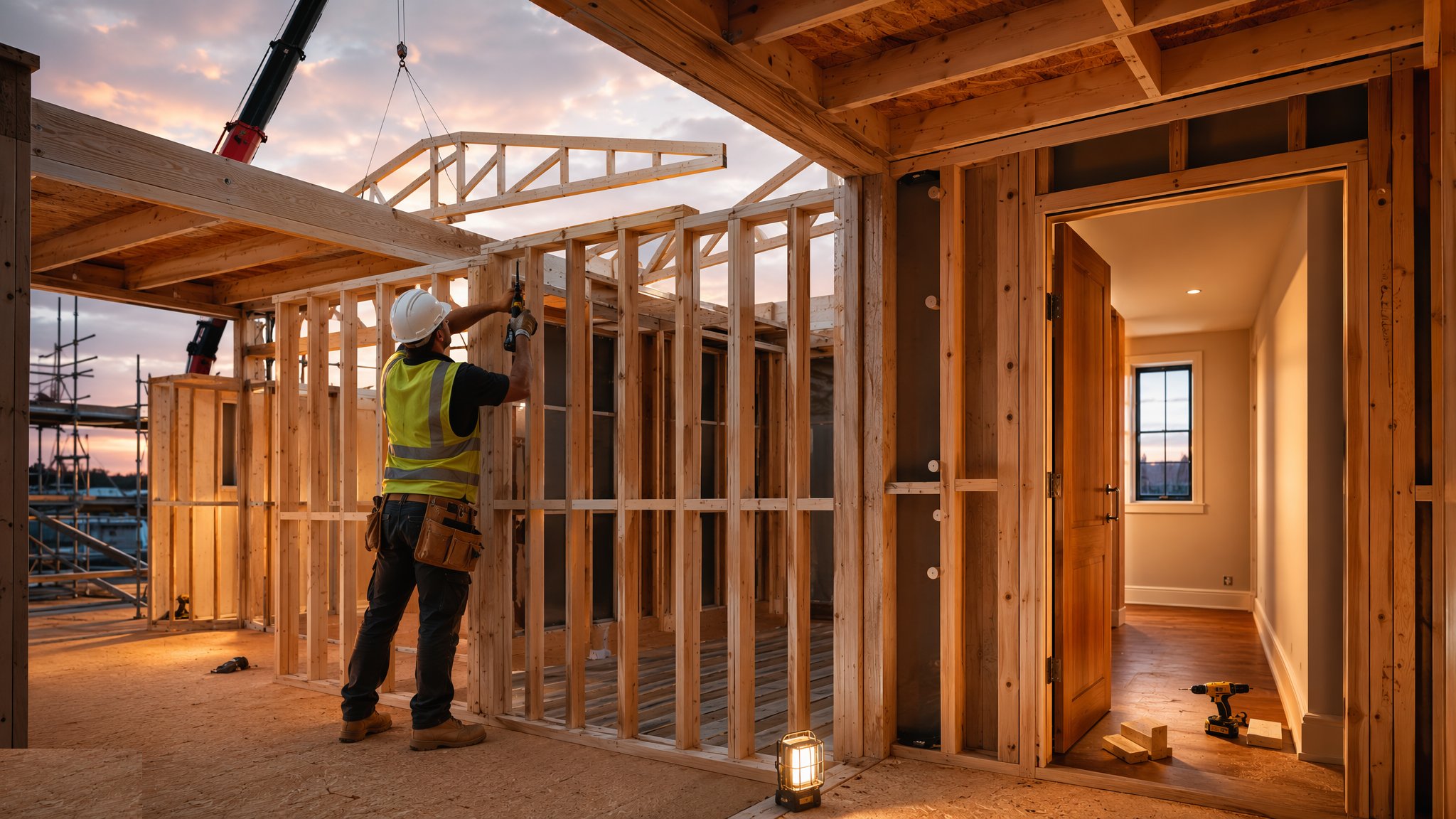
Carpentry - First & Second Fix
The carpenter's two passes through a building - structural studwork, joists, roofs and stair carcasses before the plaster; doors, skirtings, kitchens and joinery after it.
Open process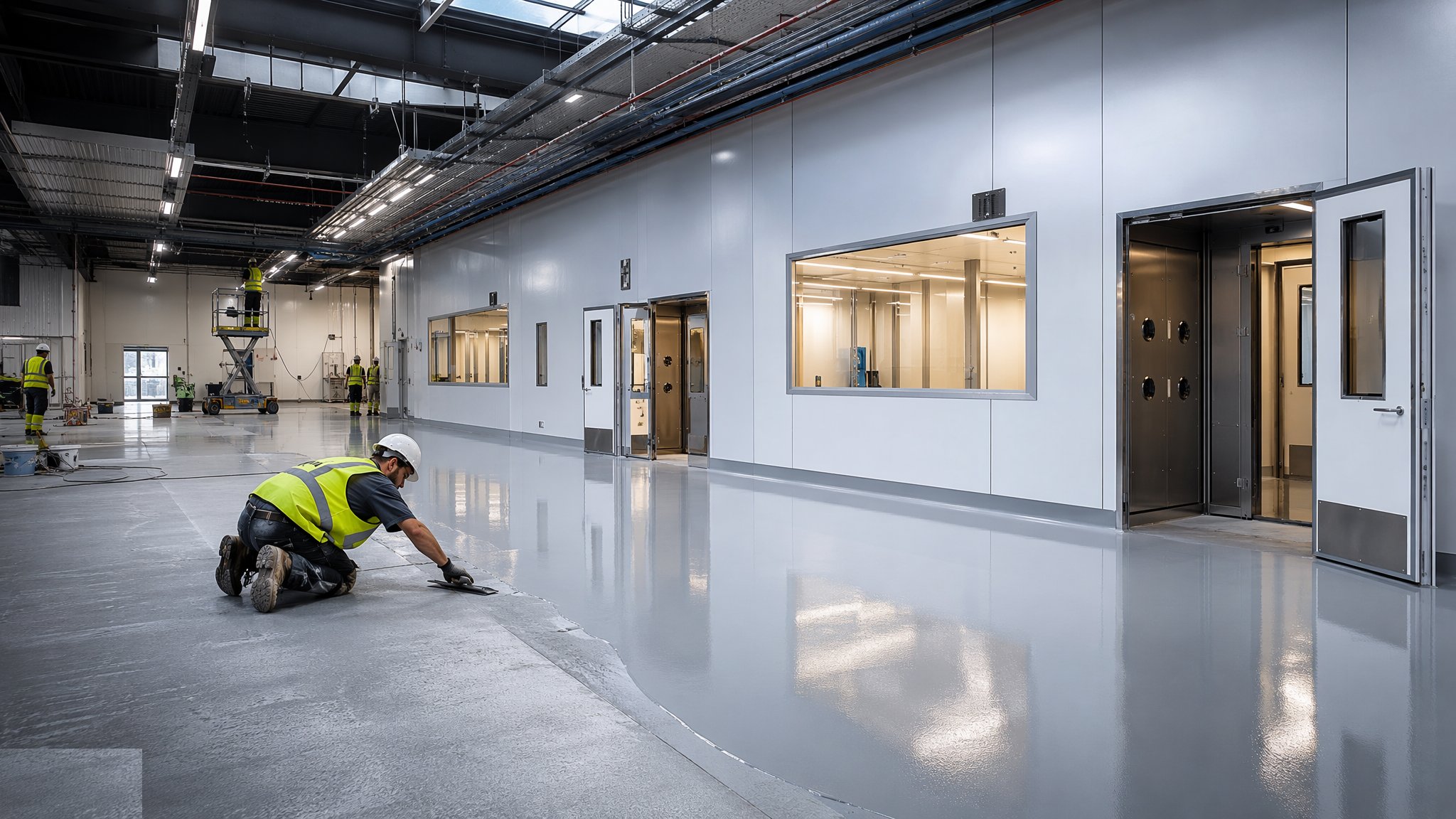
Controlled Production Environments
Factories built to be washed, chilled and audited - hygiene-zoned construction with coved joints and seamless floors, temperature and humidity control, and the clean/dirty segregation that the certifiers come to inspect.
Open process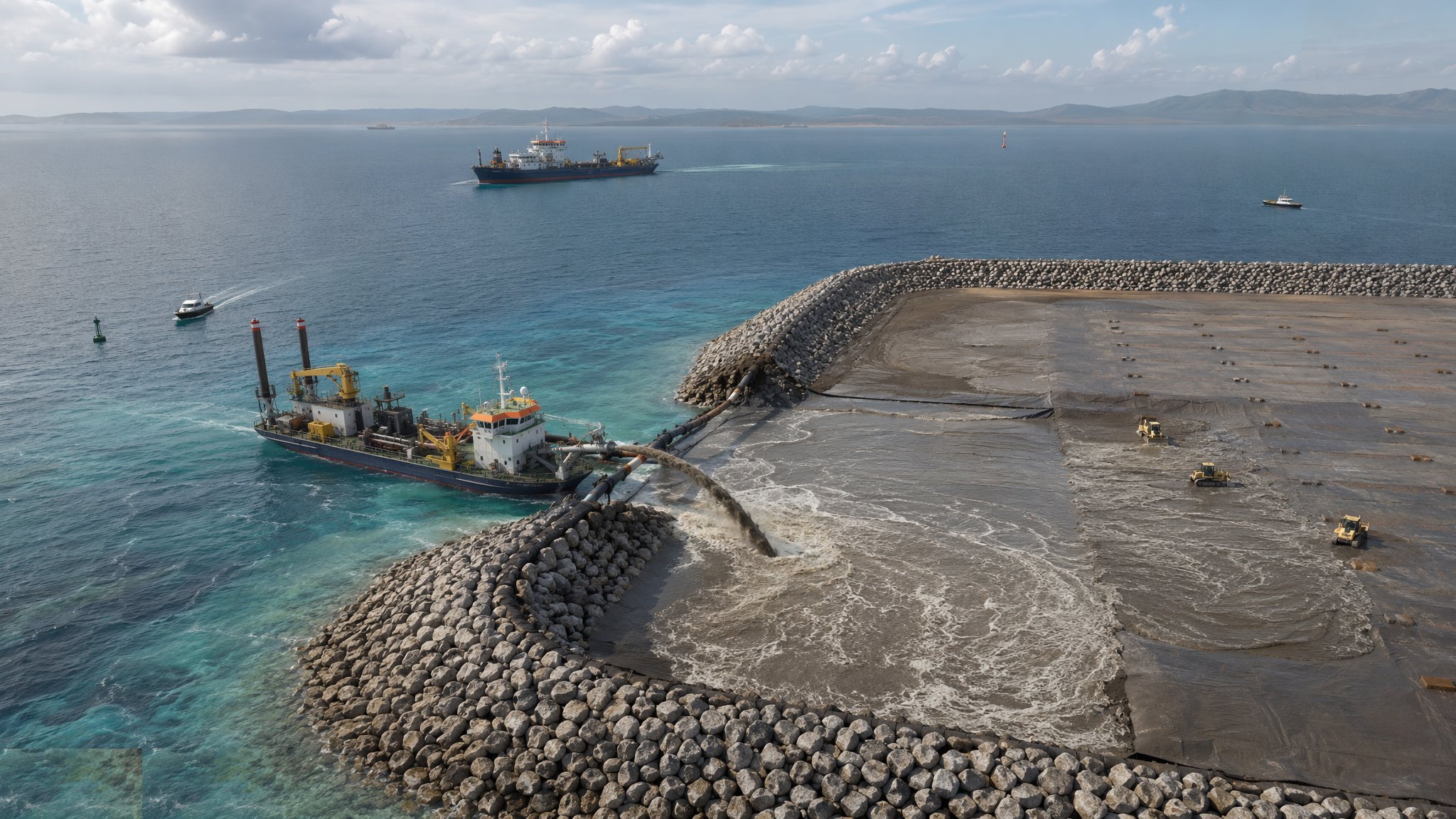
Dredging & Land Reclamation
Winning depth from the sea and winning land from it too - trailer suction hopper and cutter suction dredgers, hydraulic fill placed behind rock or geotextile bunds, then the patient business of ground treatment, surcharge and settlement monitoring before anything is built on the new ground.
Open process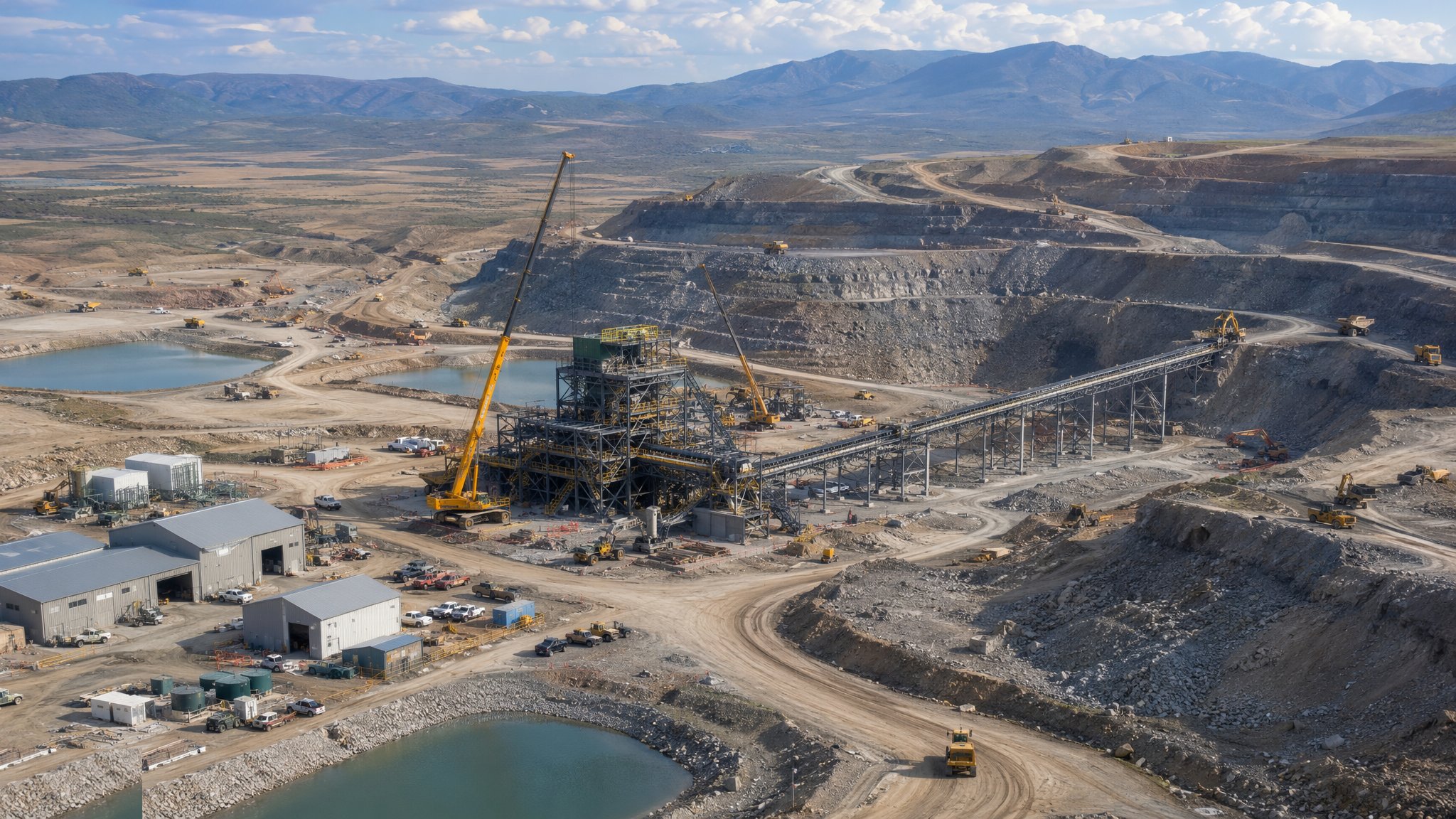
Surface Mine Infrastructure
The working surface of an open pit - haul roads engineered like assets, ROM pads and tipping points, workshops and washdowns, explosive stores behind their bunds, and water that is managed or manages you.
Open process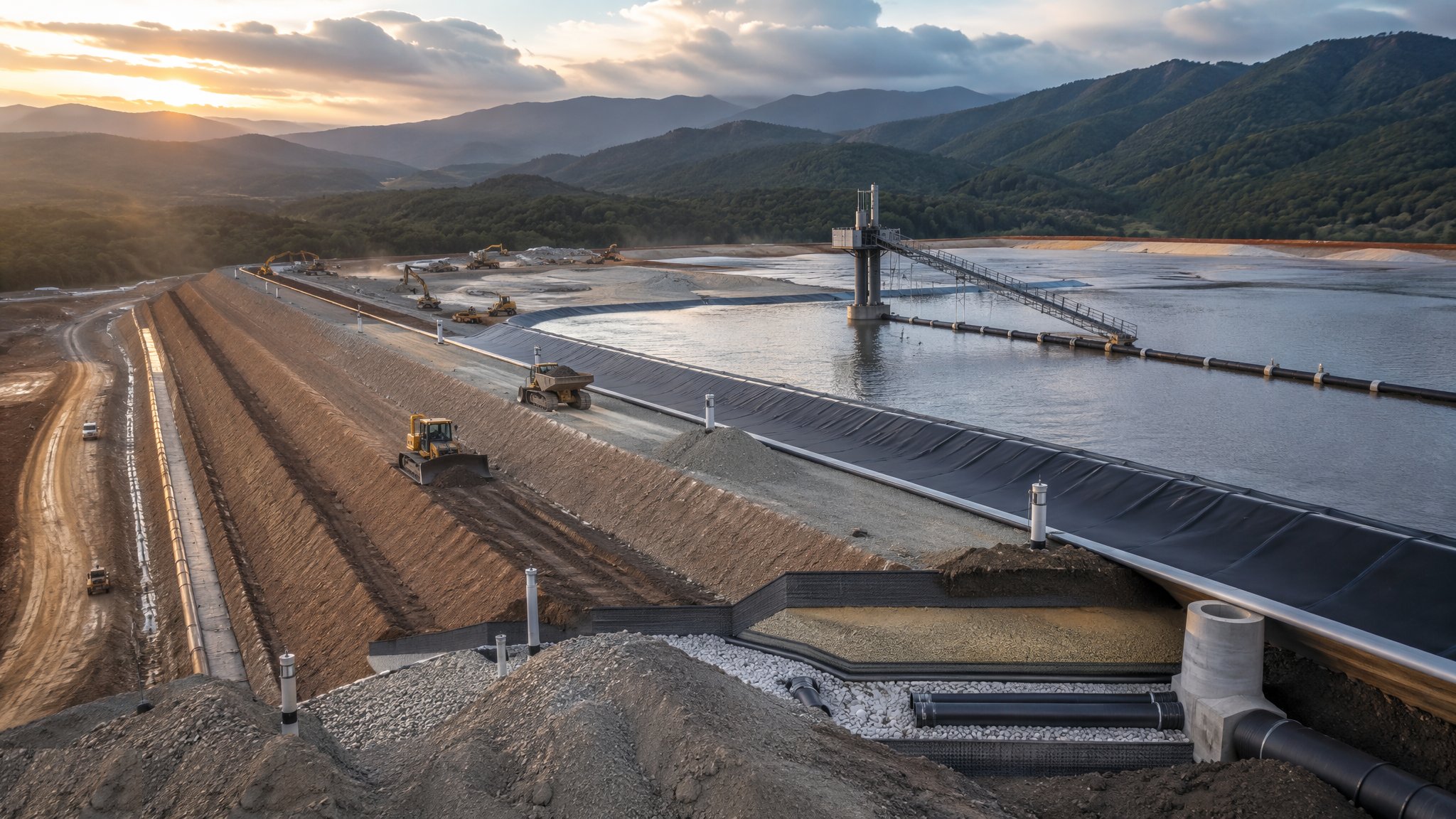
Tailings Storage & Mine Services
The structures a mine is judged by long after it closes - tailings embankments raised in stages, liners and underdrains, decants and reclaim water, pipelines and the instruments that never stop watching.
Open process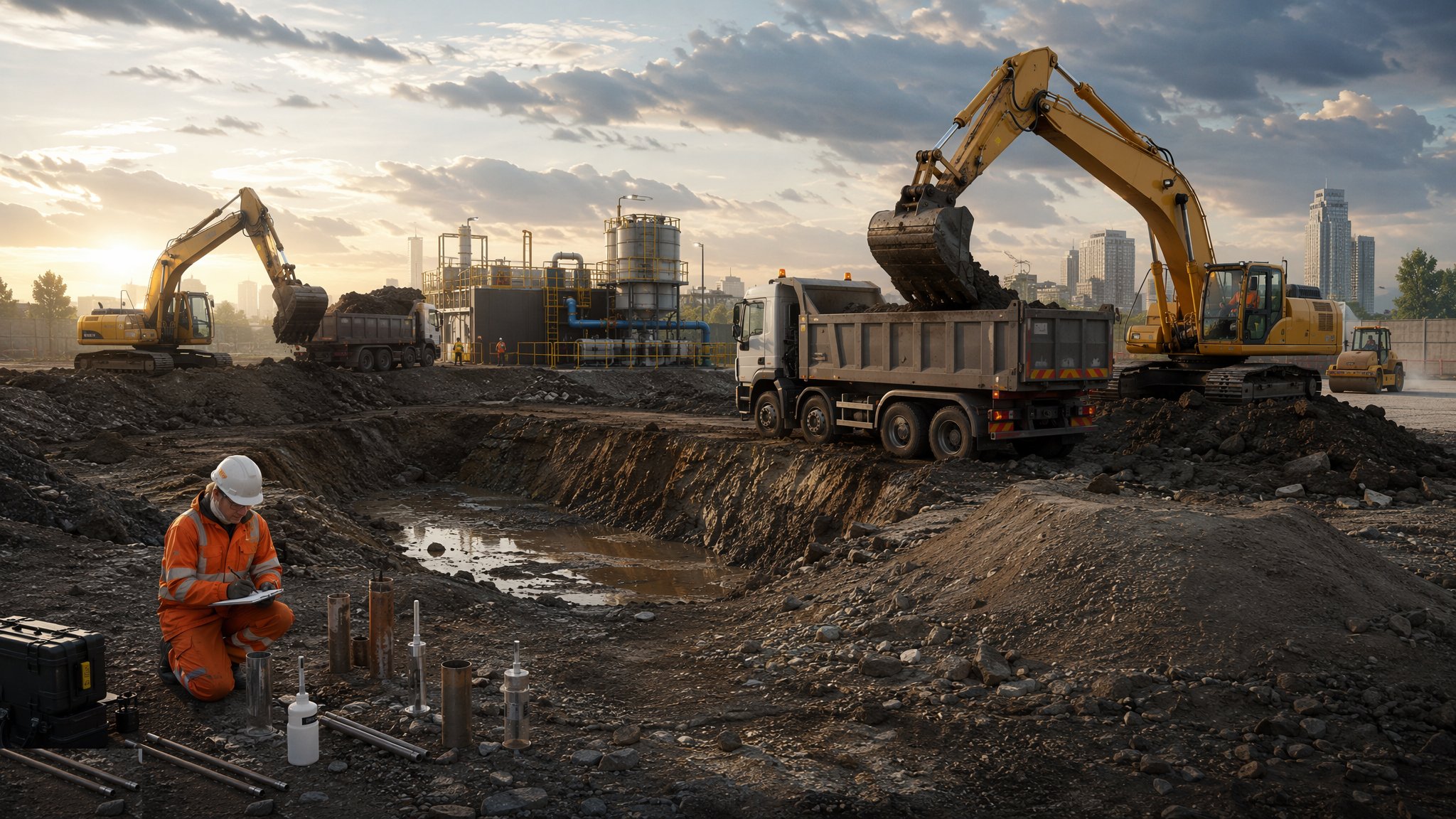
Ground Remediation
Taking contaminated brownfield ground from desk study to verified clean: investigation, strategy, dig-and-dump or in-situ treatment, and the validation file that lets houses or industry sit where the gasworks stood.
Open process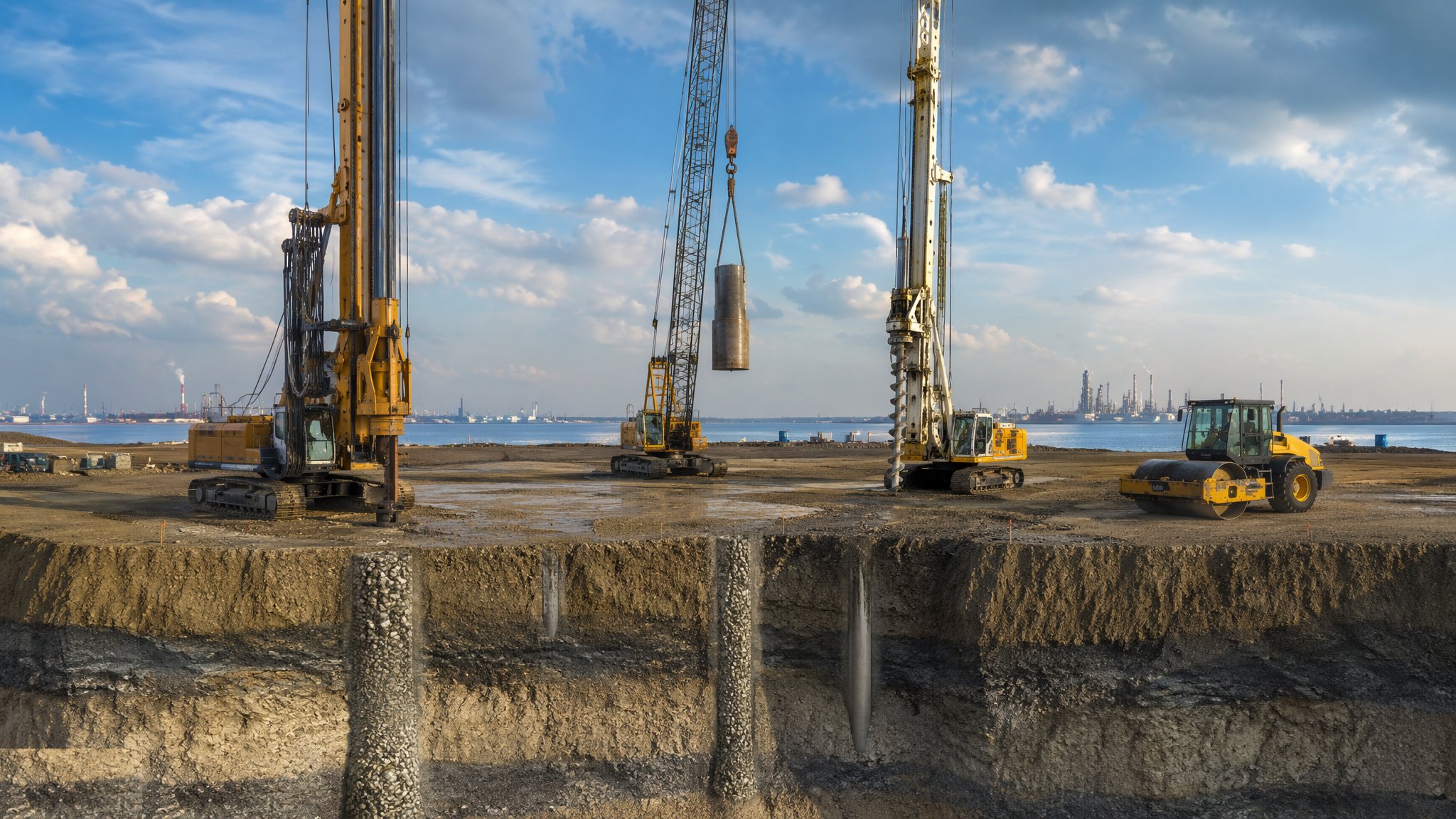
Ground Improvement Techniques
Making weak ground carry the building it could not: stone columns, dynamic compaction, rigid inclusions and soil mixing - chosen on soil and load, built on a proper working platform, and proven by testing.
Open process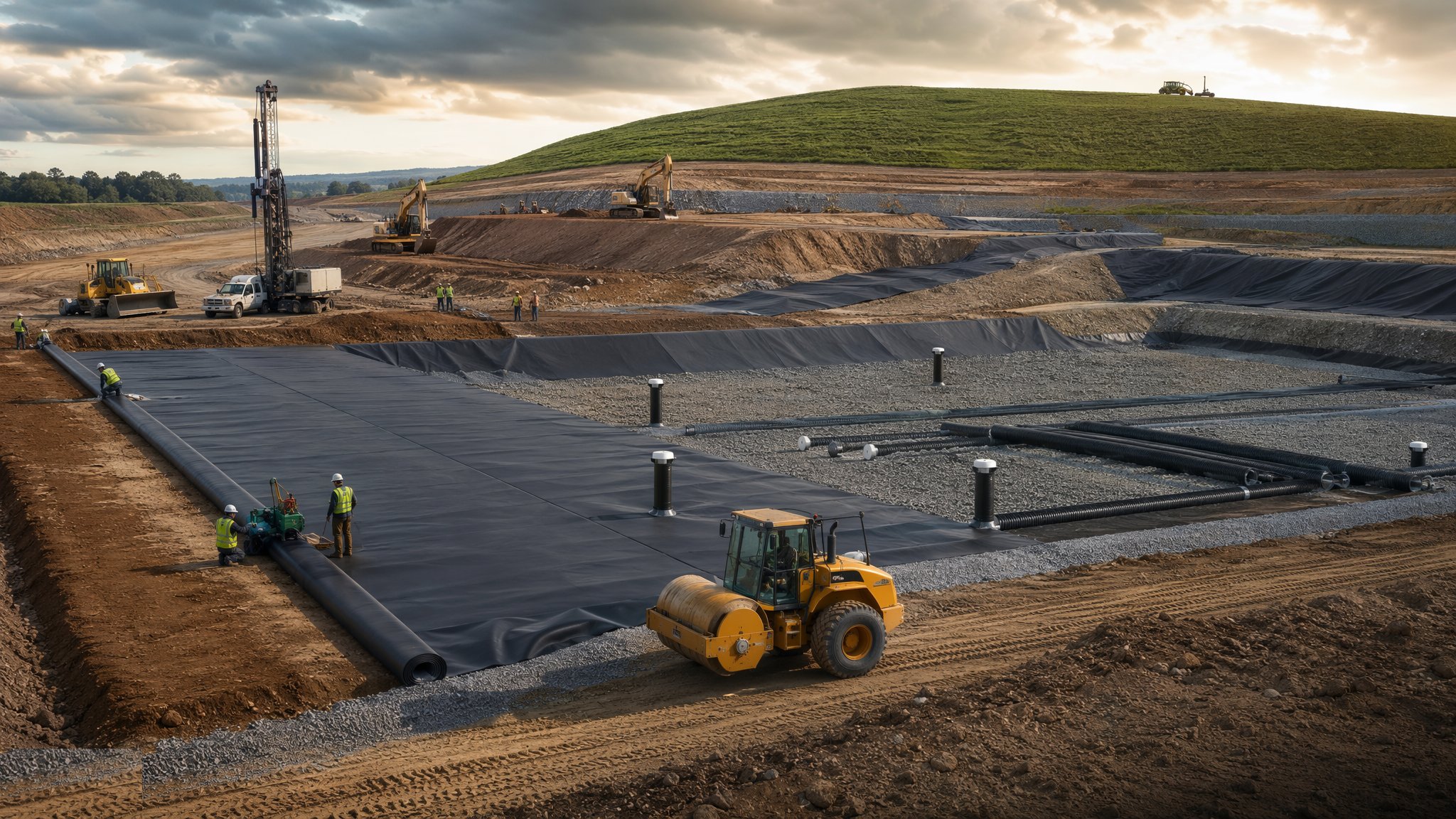
Landfill Engineering & Capping
Engineered containment that has to work for decades - cells lined with compacted clay and welded geomembranes, leachate and landfill gas collected, then capped and restored - with every layer verified by a CQA engineer before the next covers it.
Open process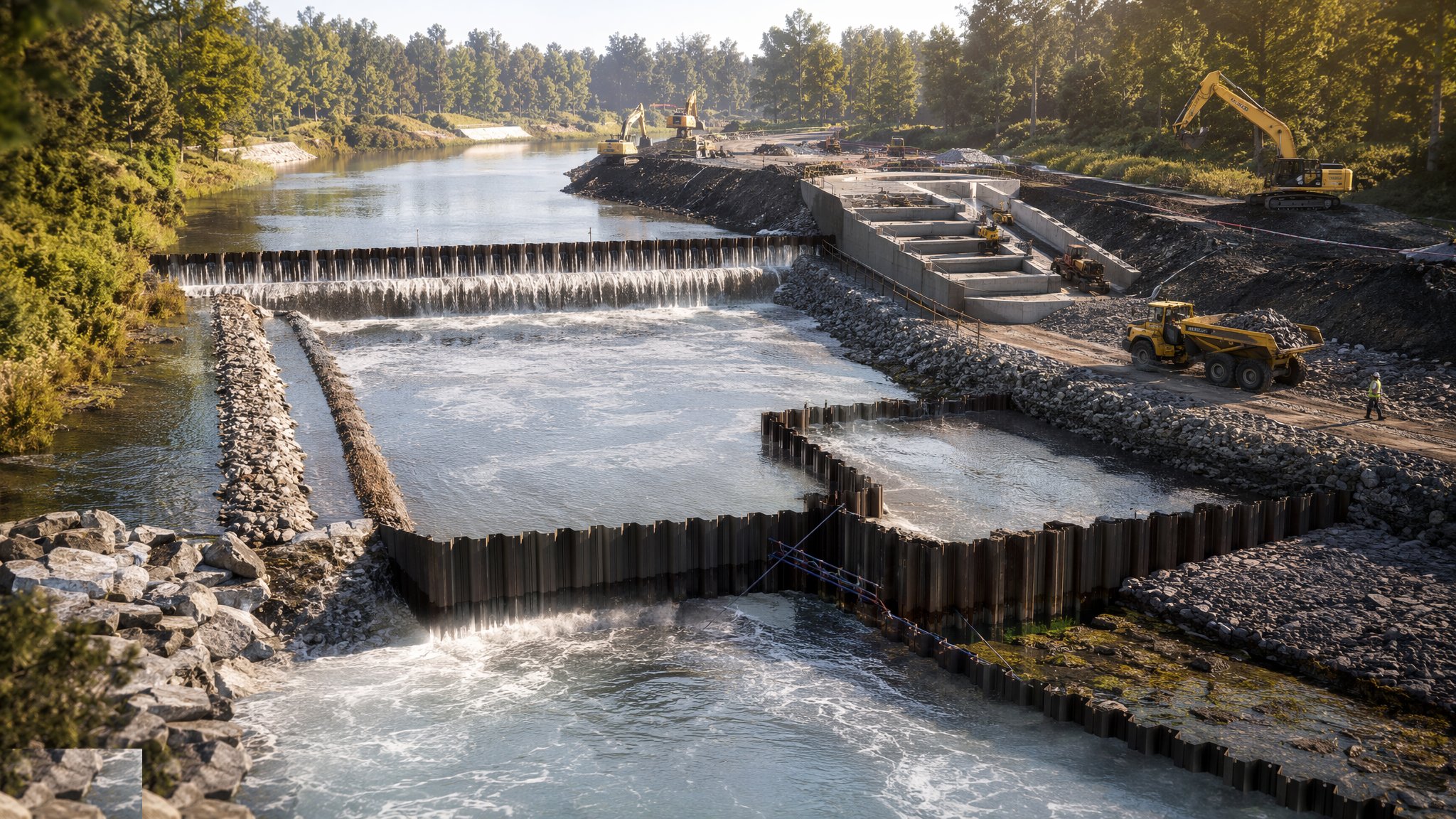
River Engineering & Watercourse Works
Reshaping and armouring watercourses - weirs and fish passes, re-sectioned channels, gabion and riprap banks - much of it built in or over live water behind temporary dams and overpumping, inside a consented season window.
Open process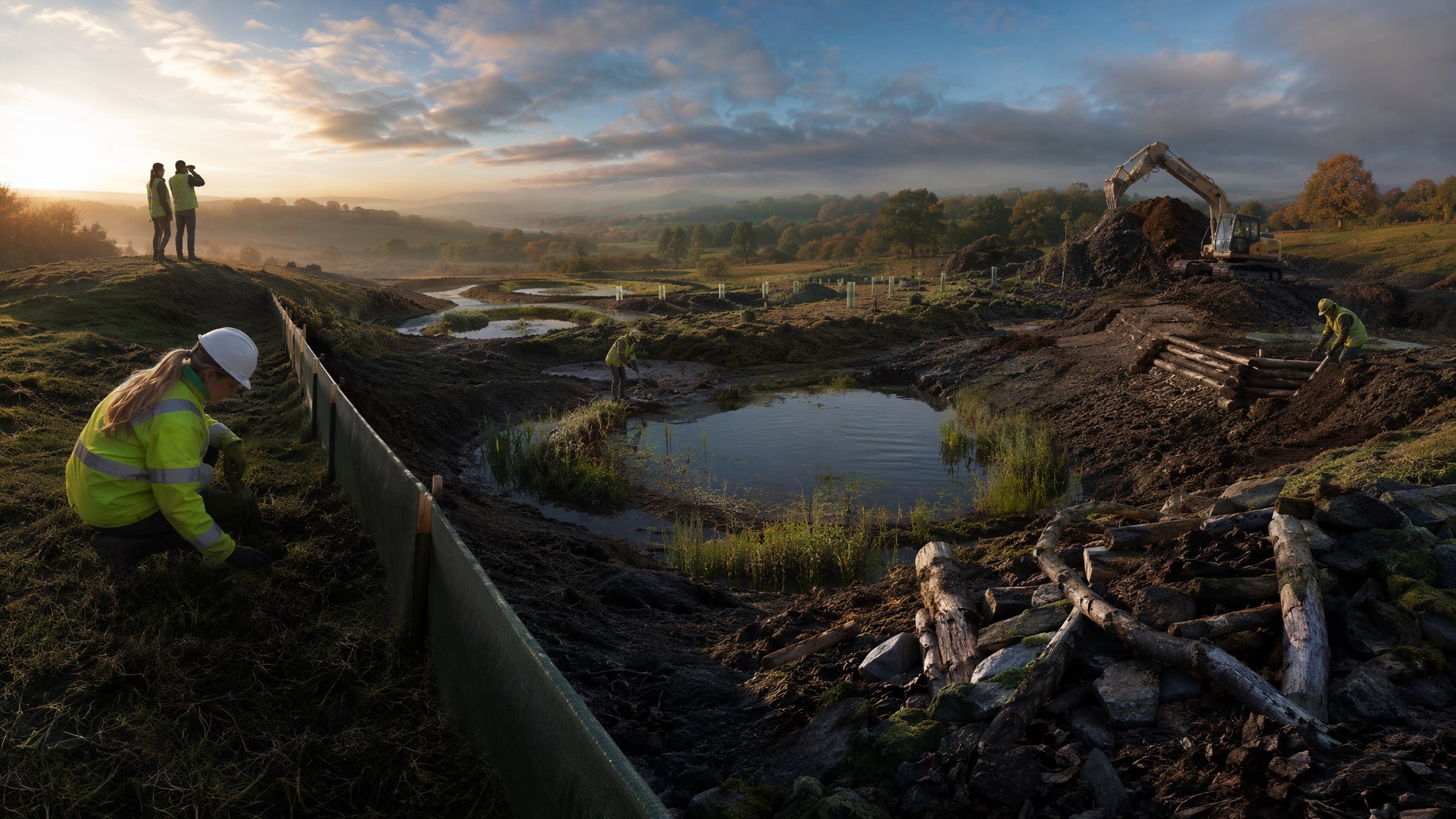
Habitat Creation & Environmental Mitigation
The licensed, season-bound work of moving protected species out of harm's way and building them somewhere better - newt fences and receptor ponds, artificial badger setts, bat lofts, translocated turf - delivered under an ecological clerk of works and thirty years of promised management.
Open process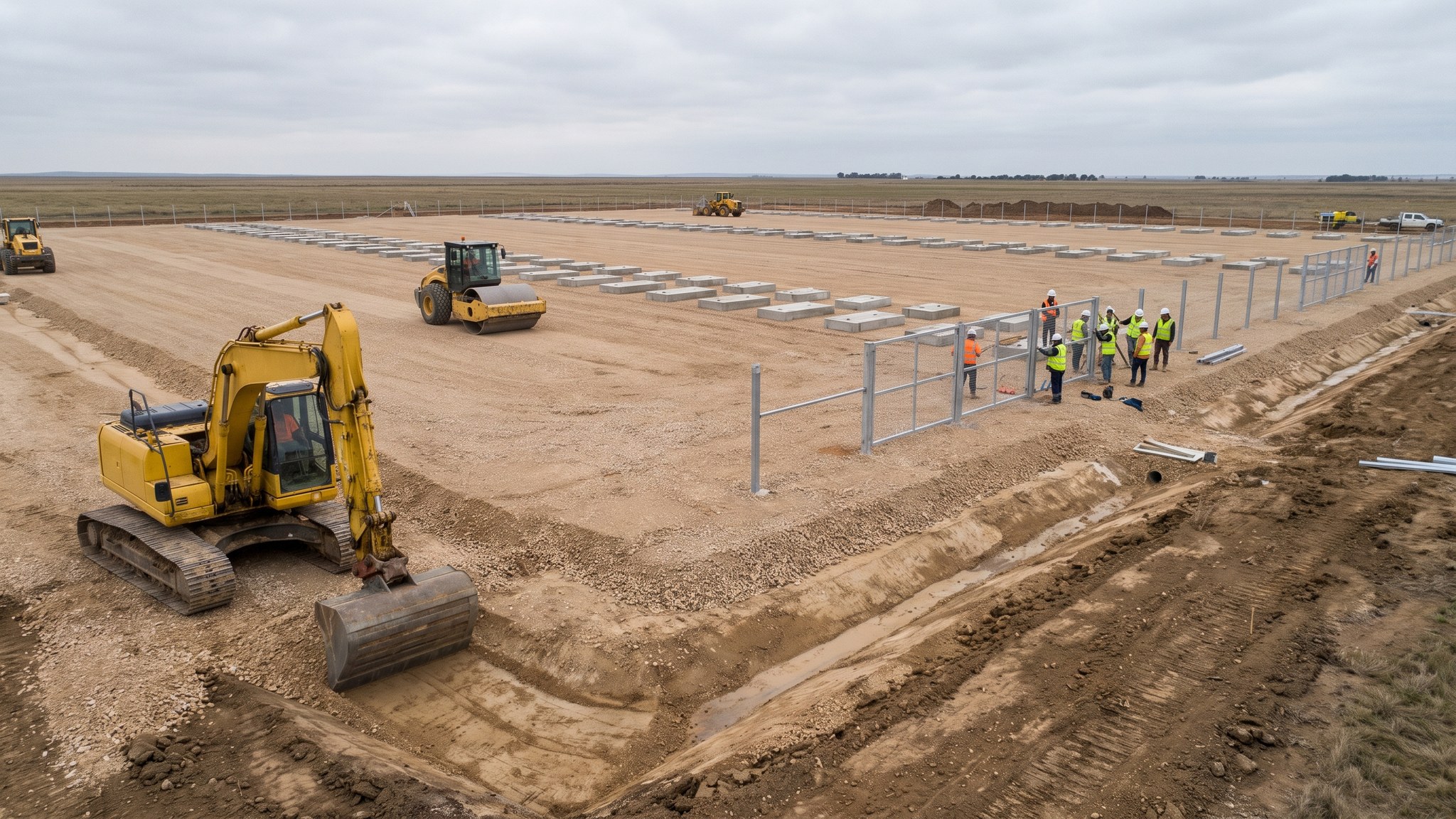
Site Preparation & Civils
The flat, drained, load-bearing platform that a grid-scale battery site is built on - earthworks, foundations, drainage, buried cable routes and the access road that has to carry a low-loader and a crane on the same afternoon.
Open process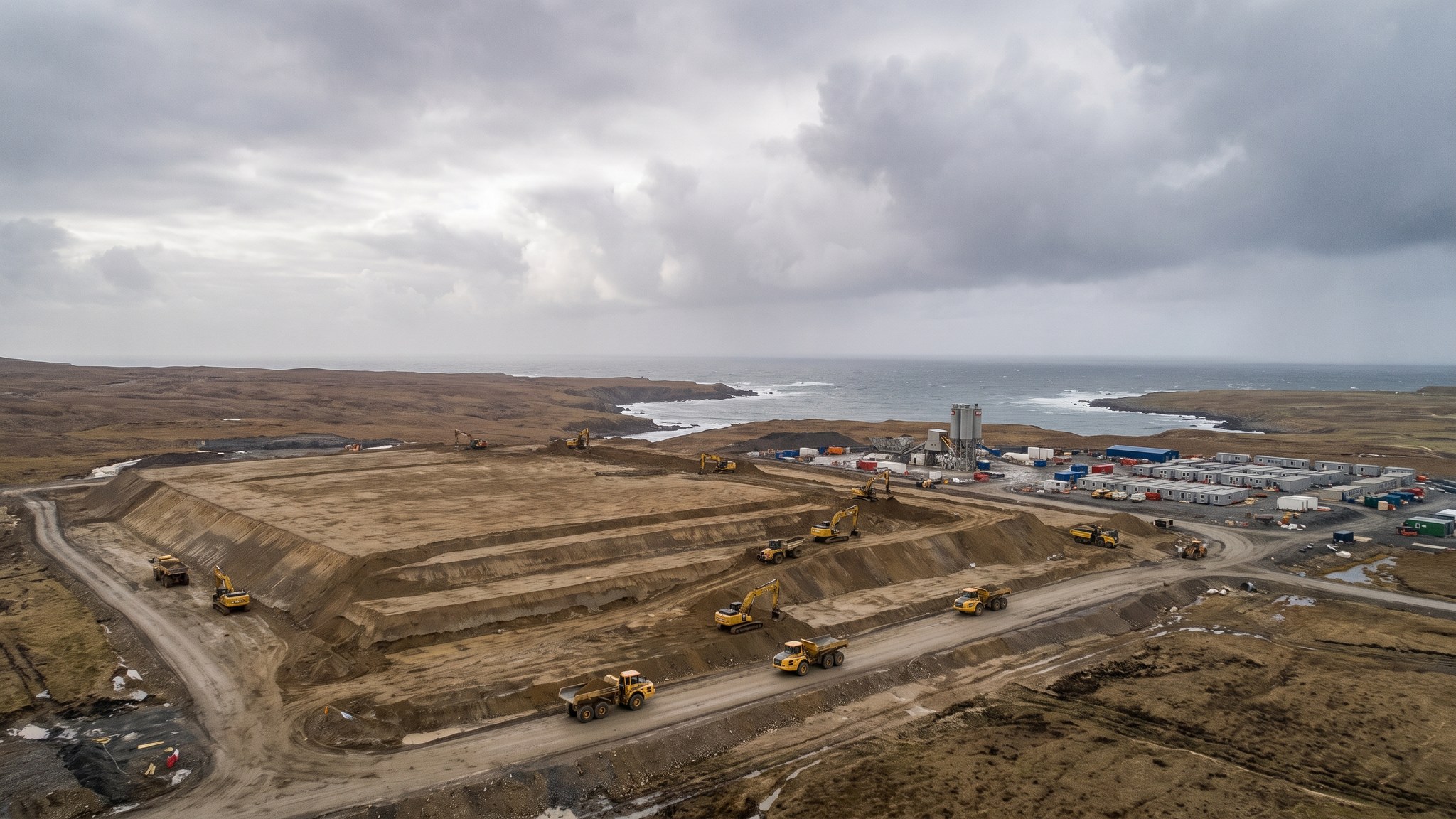
Site Preparation & Enabling Works
Turning a large plot of ground into an industrial platform that can carry a decade of heavy construction - bulk earthworks, deep excavation, transport infrastructure, drainage and the batching, laydown and welfare capacity a workforce of thousands needs before a single permanent structure begins.
Open process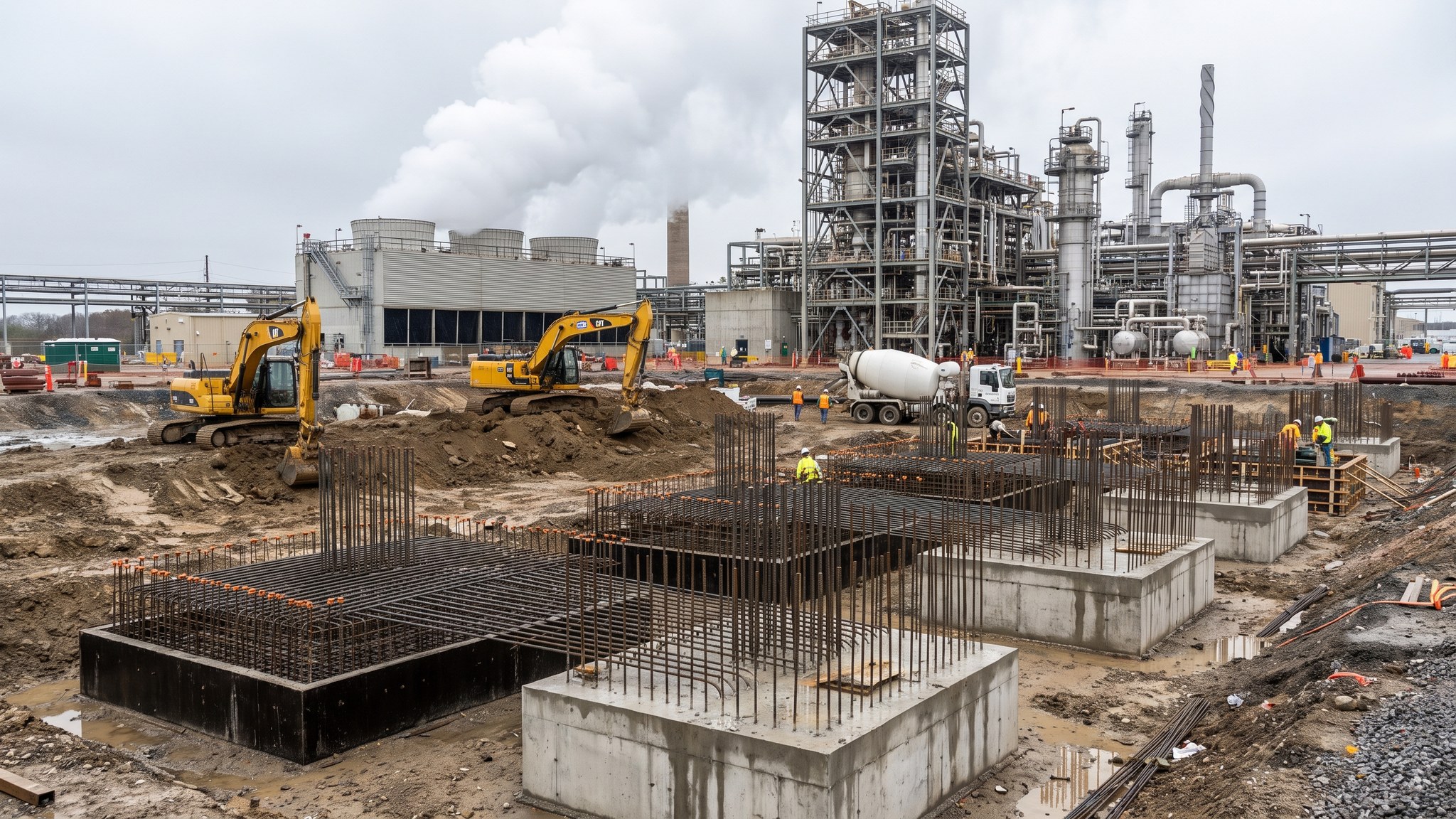
Site Civils & Heavy Foundations
The platform, piles and heavy bases a capture plant stands on - built on a congested brownfield plot beside a working emitter, where the ground is already full of somebody else's foundations and services and the host plant never stops for you.
Open process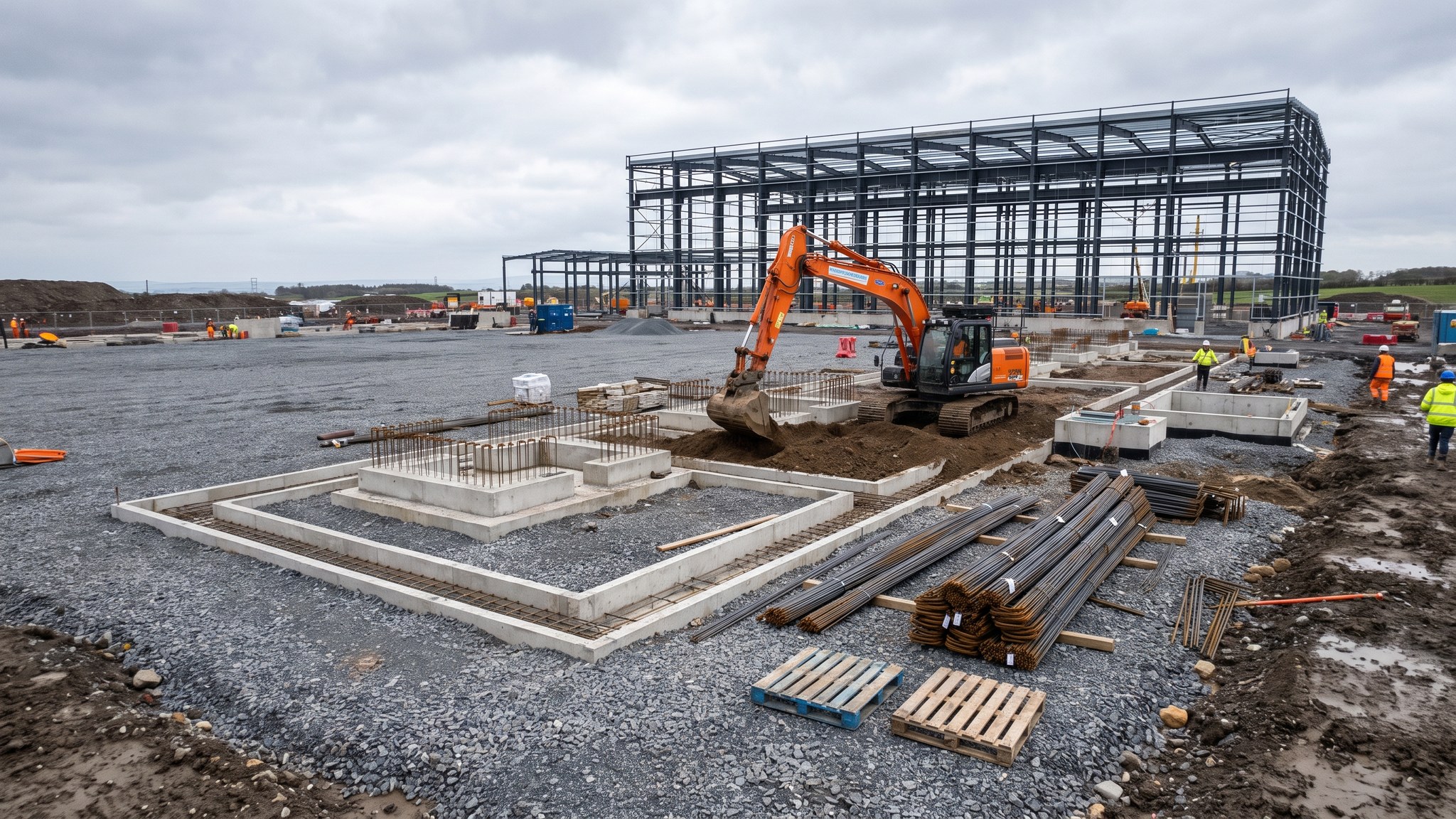
Site Civils & Foundations
The platform, piles, plinths and buried systems a hydrogen plant stands on - laid out not for the most efficient use of the plot, but to a shape the designer fixed long before, because separation and openness are safety measures rather than preferences.
Open process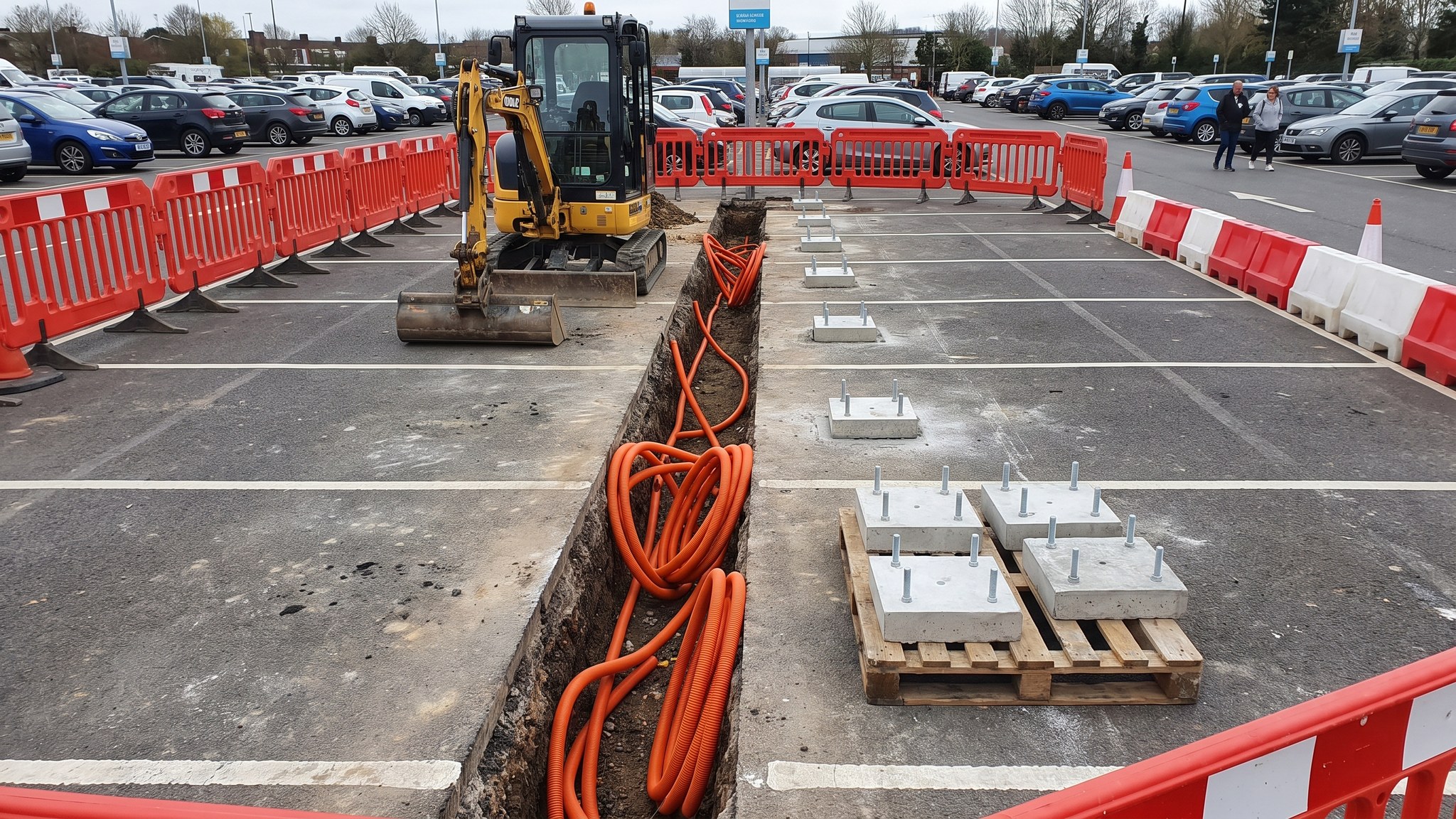
Civils & Groundworks
Trenching, ducting, chambers, bases, bollards, drainage, lighting and reinstatement - modest civils carried out in phases on a live trafficked site, where keeping customers moving matters as much as the works themselves.
Open processCommissioning & Handover18
Testing, energisation, snagging and handover - proving it works, then giving it away.
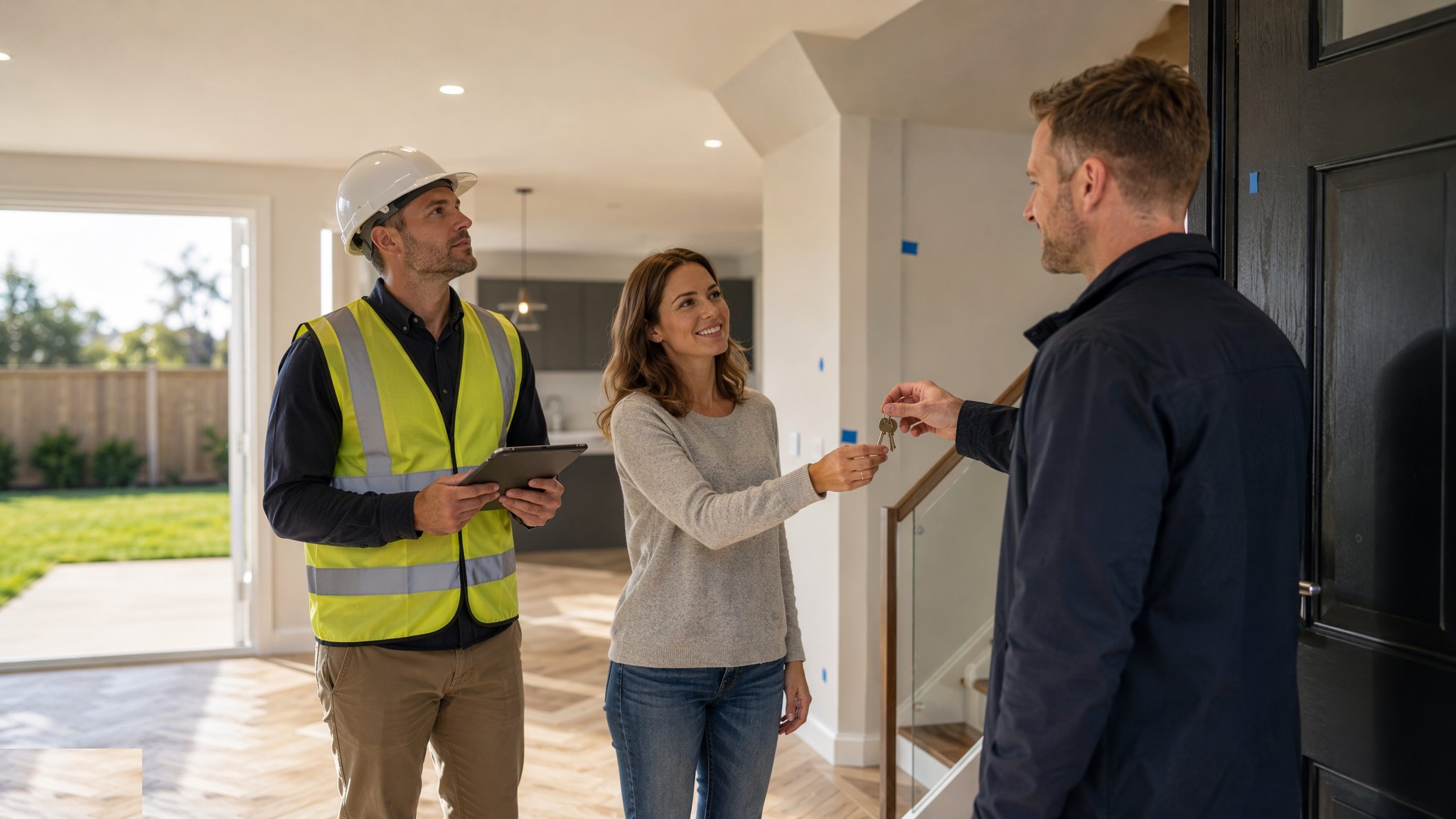
Testing, Handover & Snagging
The closing stage of a build - statutory performance tests, handover documentation and the snagging inspections that prove the building before the keys change hands.
Open process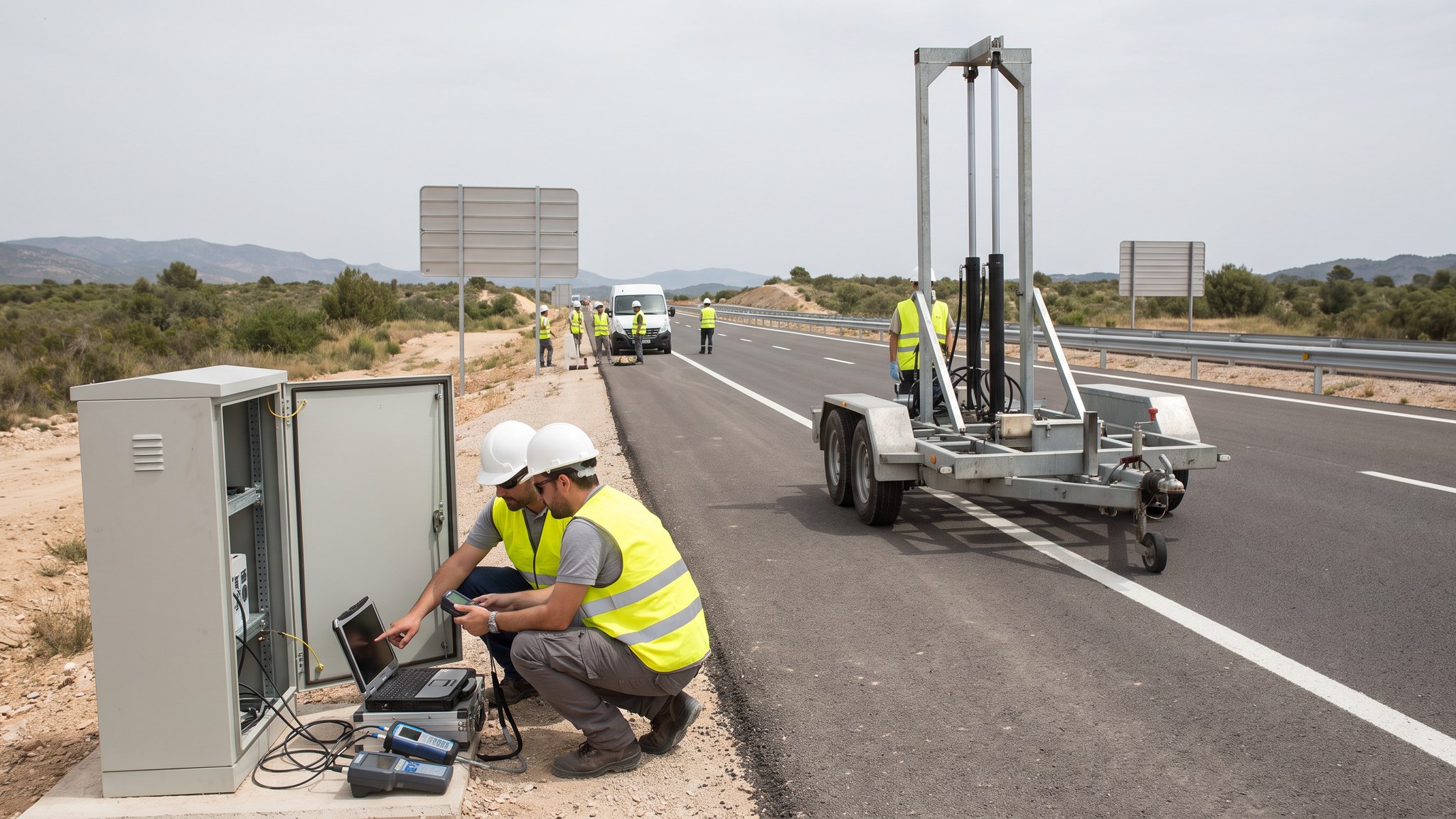
Testing, Commissioning & Asset Handover
Proving the asset works, then handing it to the authority that will maintain it for the next hundred years.
Open process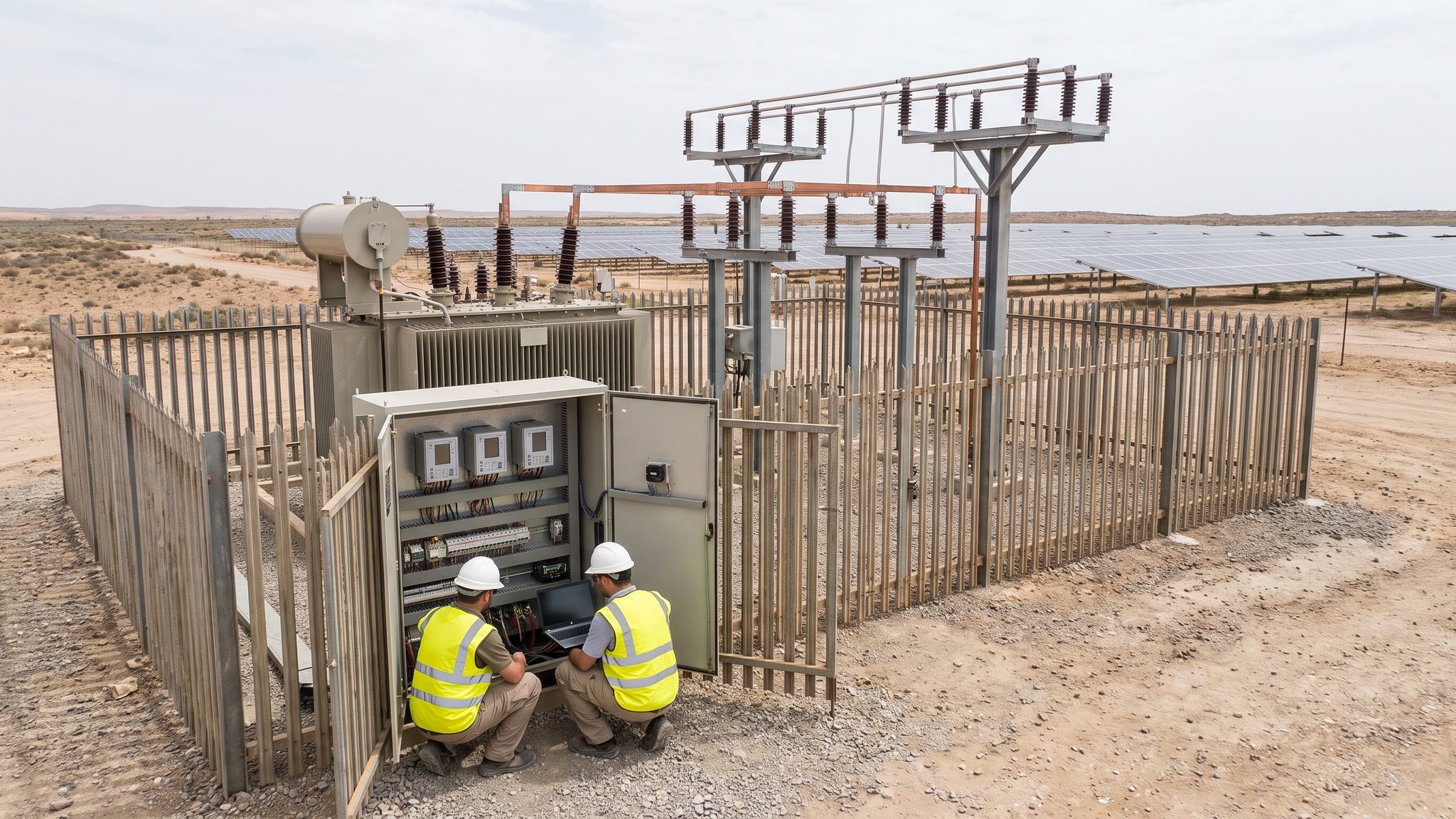
Grid Connection & Energisation
The connection agreement made physical: grid-witnessed tests, a phased energisation sequence and the compliance evidence that lets a finished solar farm finally export a single kilowatt-hour.
Open process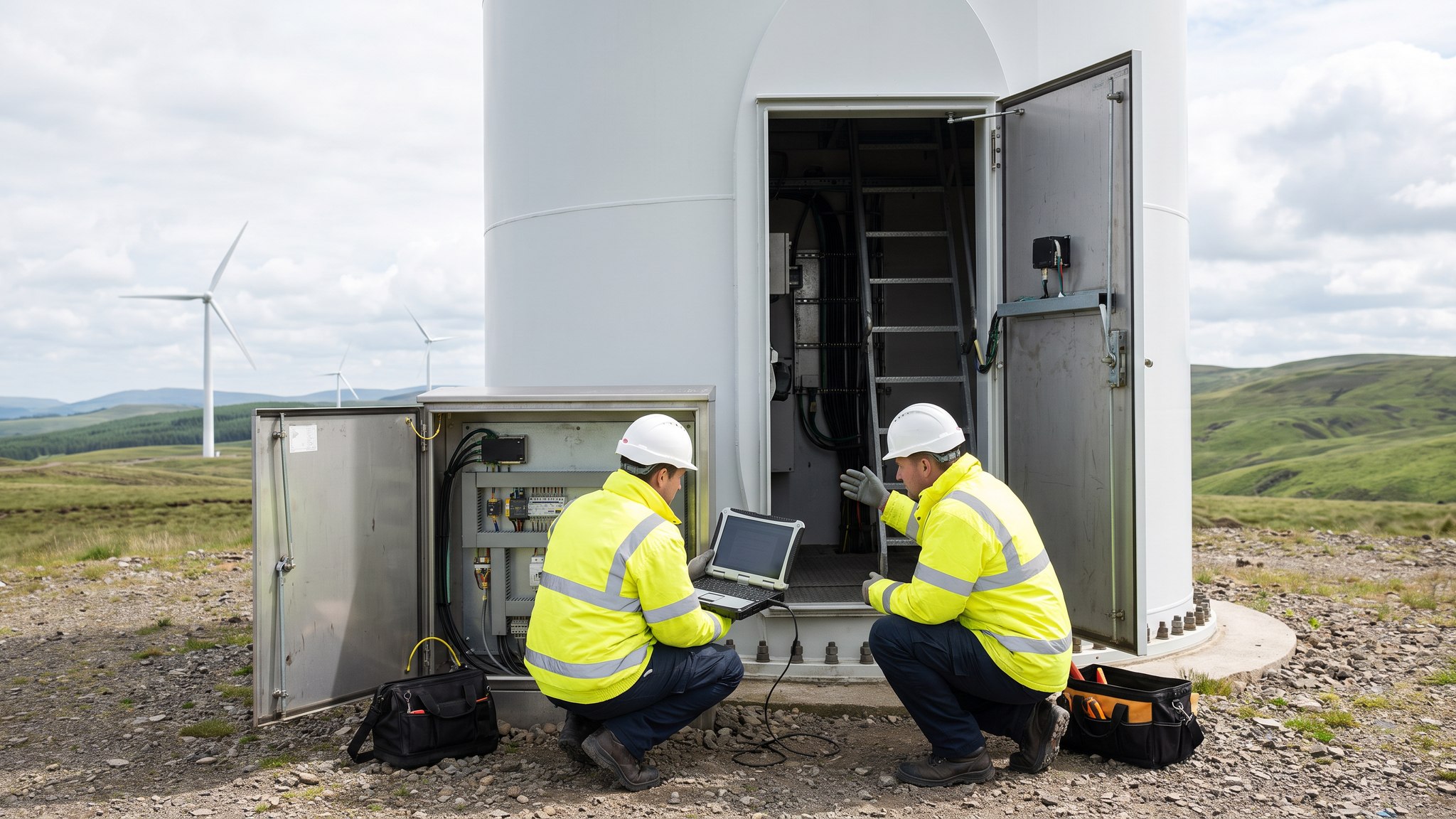
Commissioning & Energisation
The staged proof that each machine is safe to energise, safe to spin and produces what the warranty promised - from cold checks to first rotation to the power-curve test.
Open process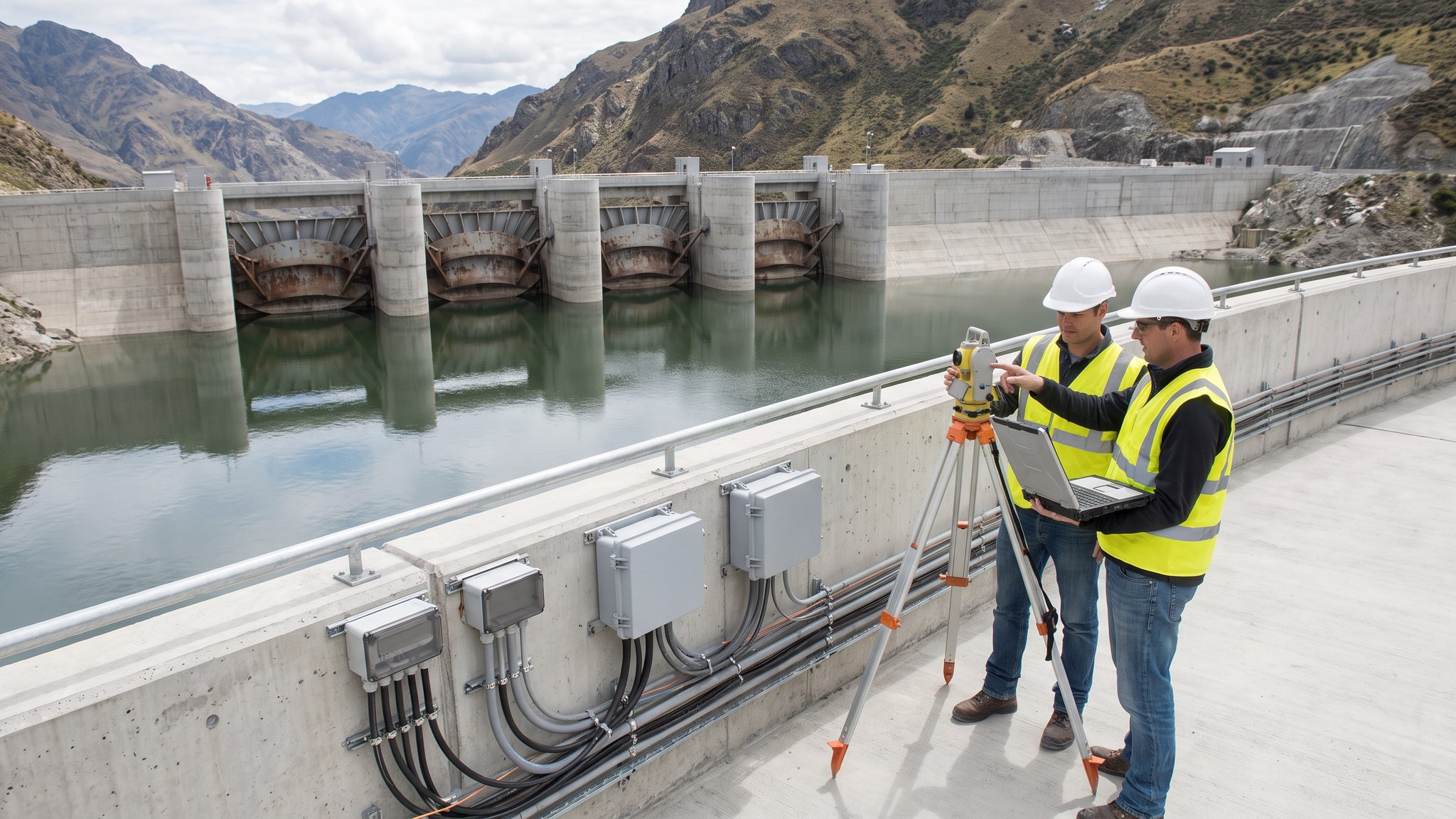
Impoundment, Commissioning & Handover
Filling the reservoir for the first time under surveillance, proving the machines dry then wet, satisfying the reservoir-safety regime - and handing over an asset built for a century.
Open process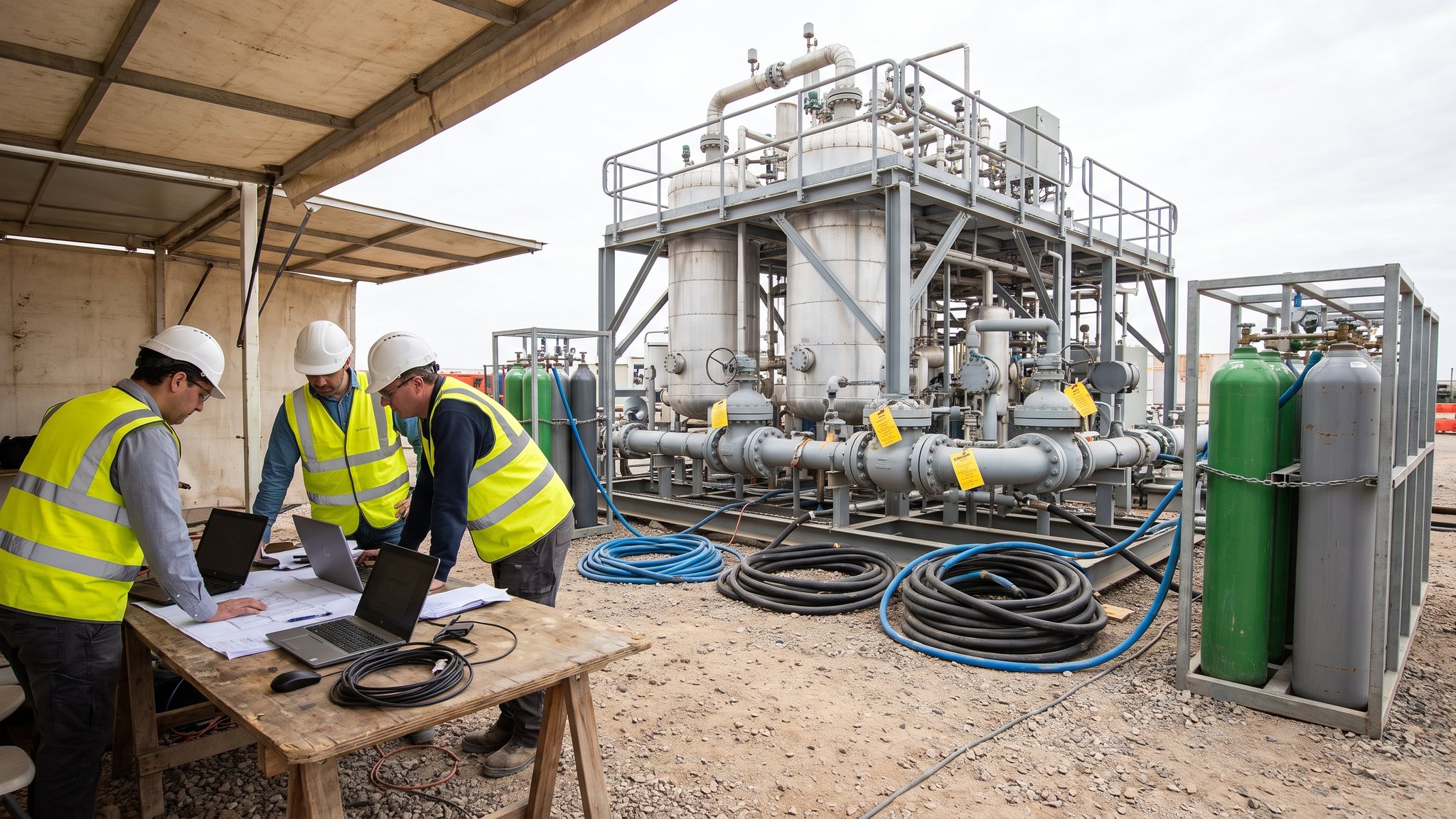
Pre-commissioning & Start-up
Proving the plant without hydrocarbons - testing, flushing, drying and inerting - then the readiness reviews and controlled first introduction of feed that turn a construction site into an operating facility.
Open process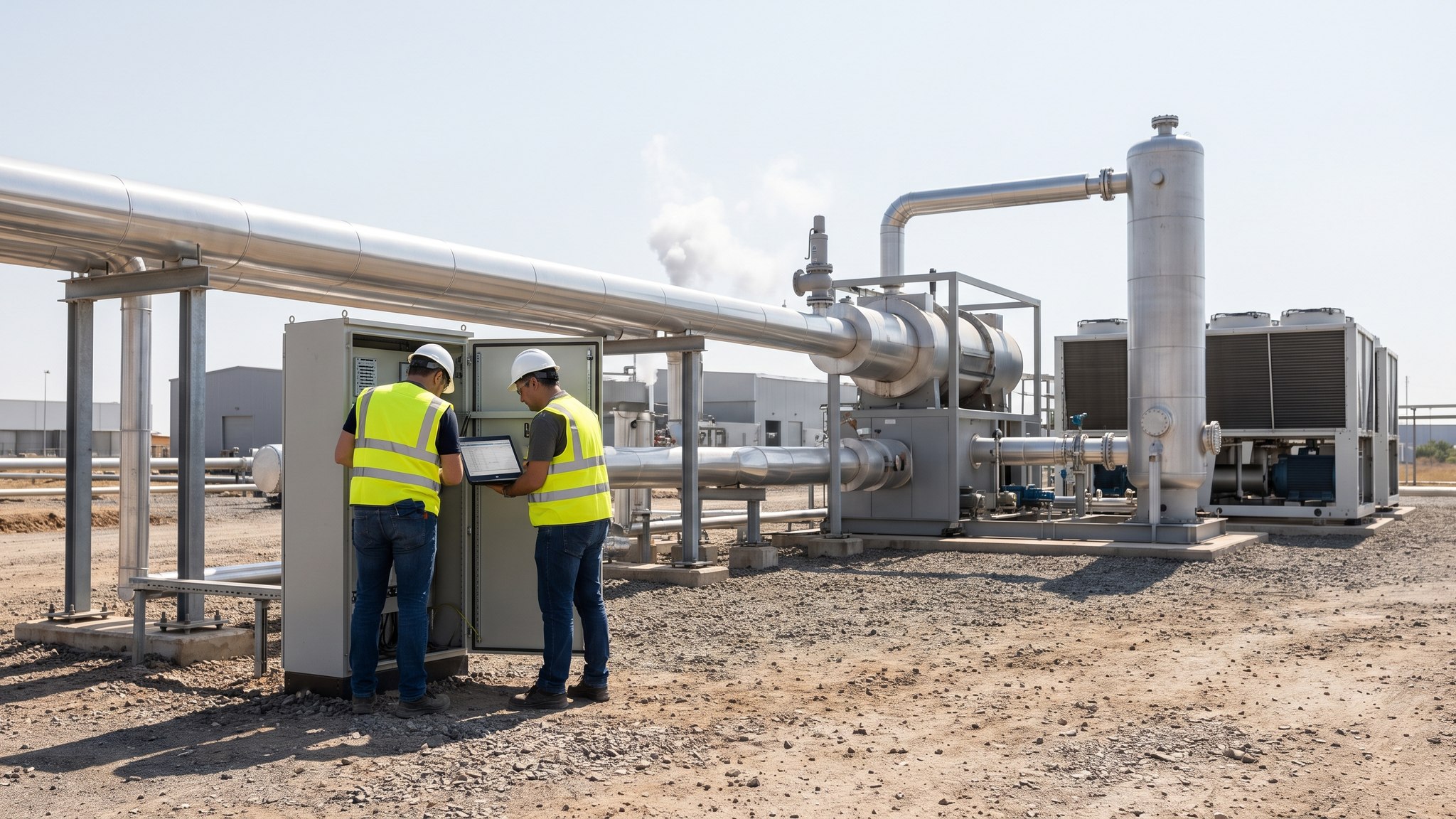
Geothermal Plant, Connection & Commissioning
The surface plant that turns hot water into heat and power - heat exchangers, ORC units and district-scale heat pumps - plus the connection, commissioning and handover disciplines that close the geothermal stream.
Open process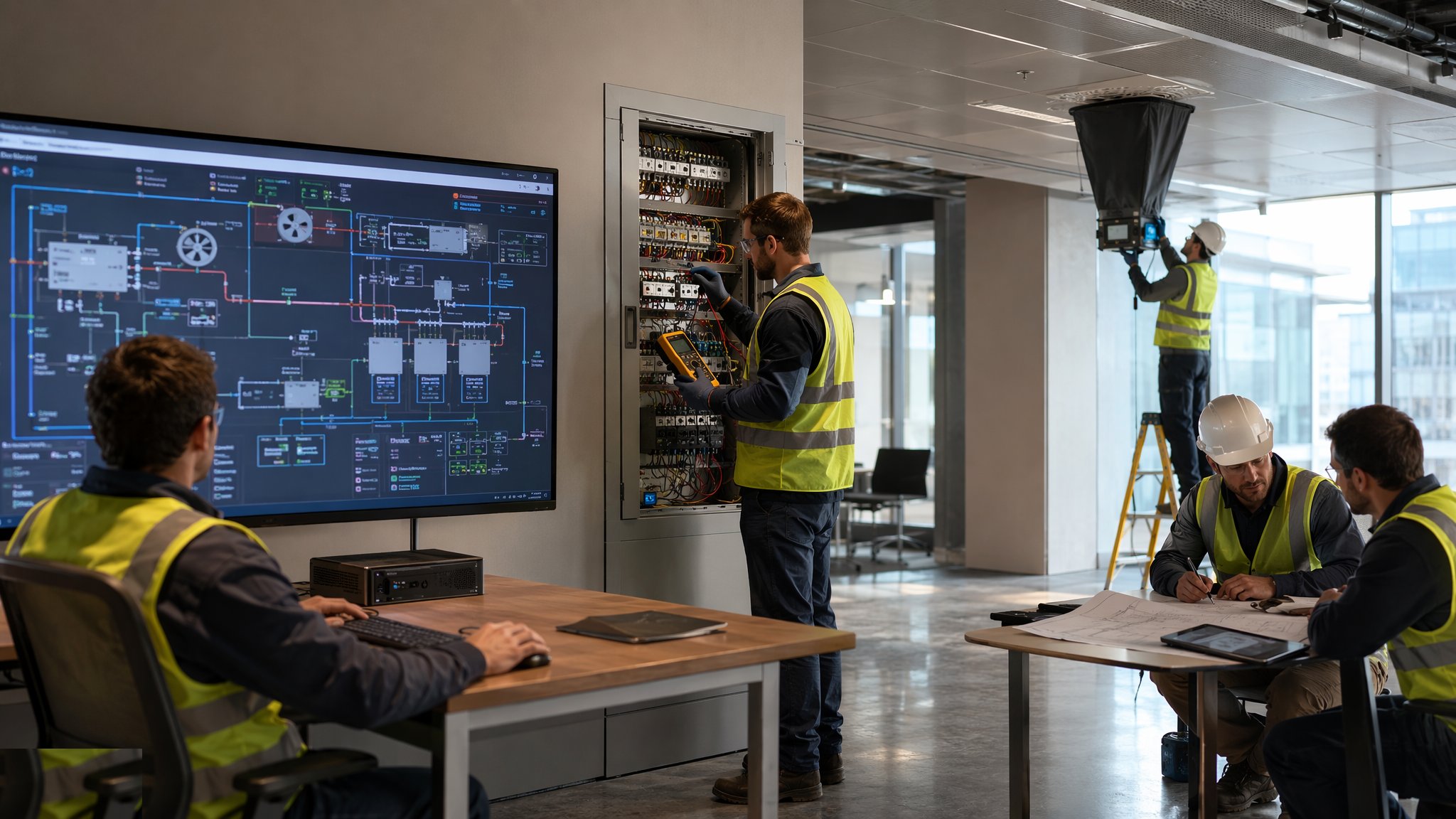
Testing, Commissioning & Handover - Commercial
Proving the building works as designed - balancing, BMS cause-and-effect, witness testing and seasonal commissioning - then handing a documented, supported asset to the facilities team.
Open process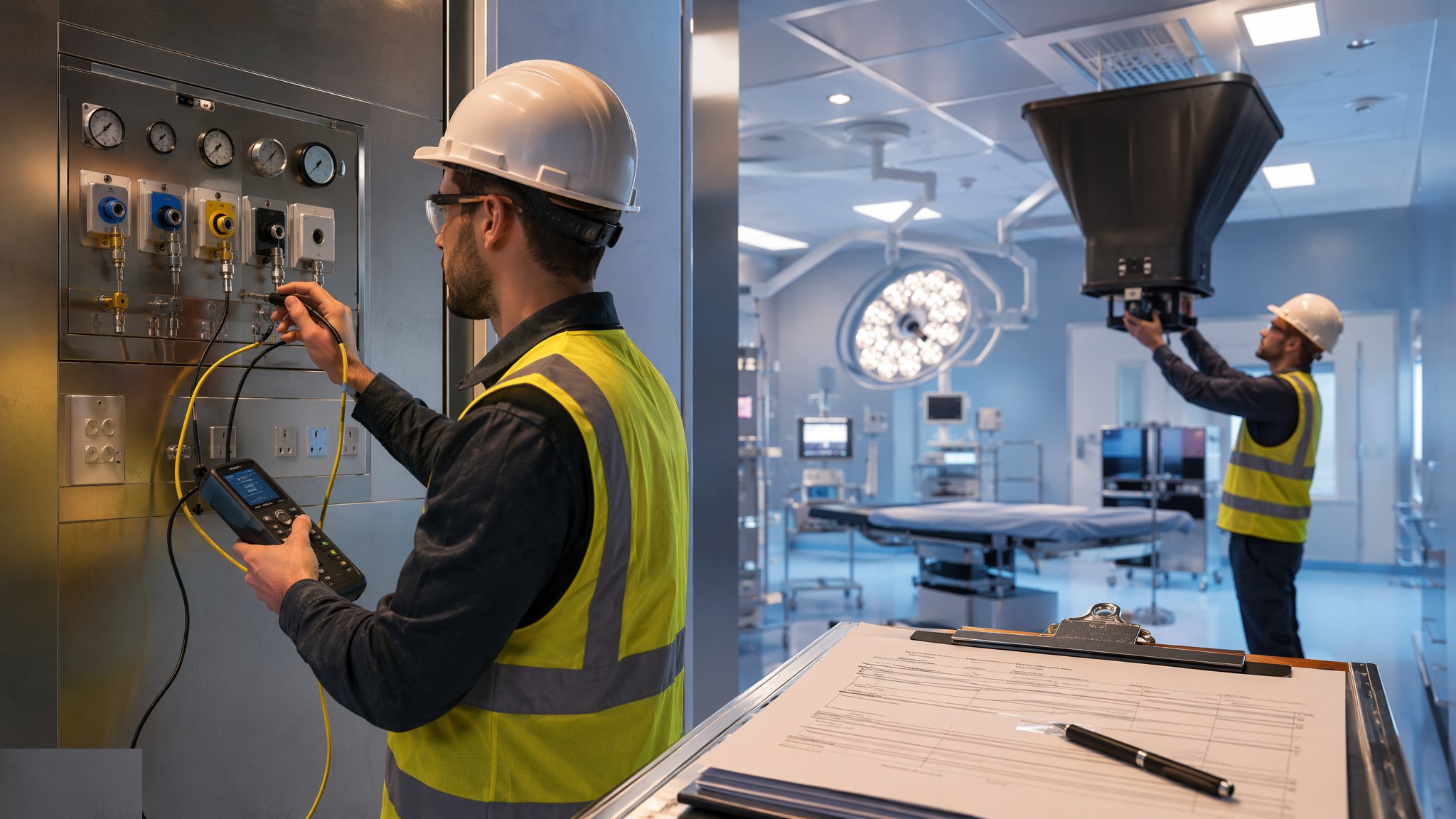
Healthcare Commissioning & Validation
Proving a hospital works before the patients arrive - HTM/HBN compliance testing, theatre and isolation-room ventilation validation, witnessed medical gas tests, derogations and the documentation mountain that hands a building to clinical teams.
Open process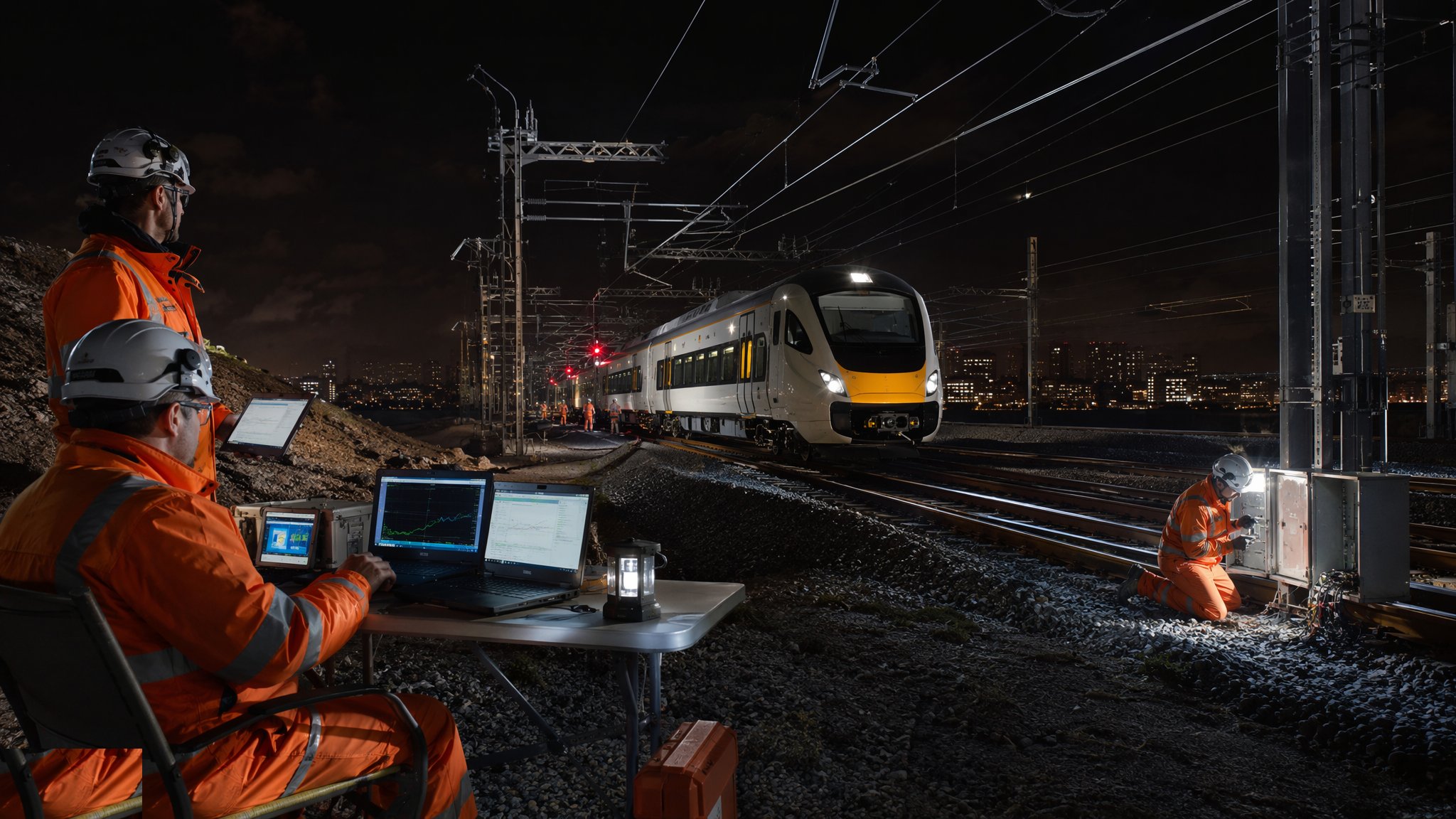
Systems Integration, Testing & Trial Running
Static tests, then dynamic tests, then trial running - the disciplined proof that the railway works as one system before a single passenger boards.
Open process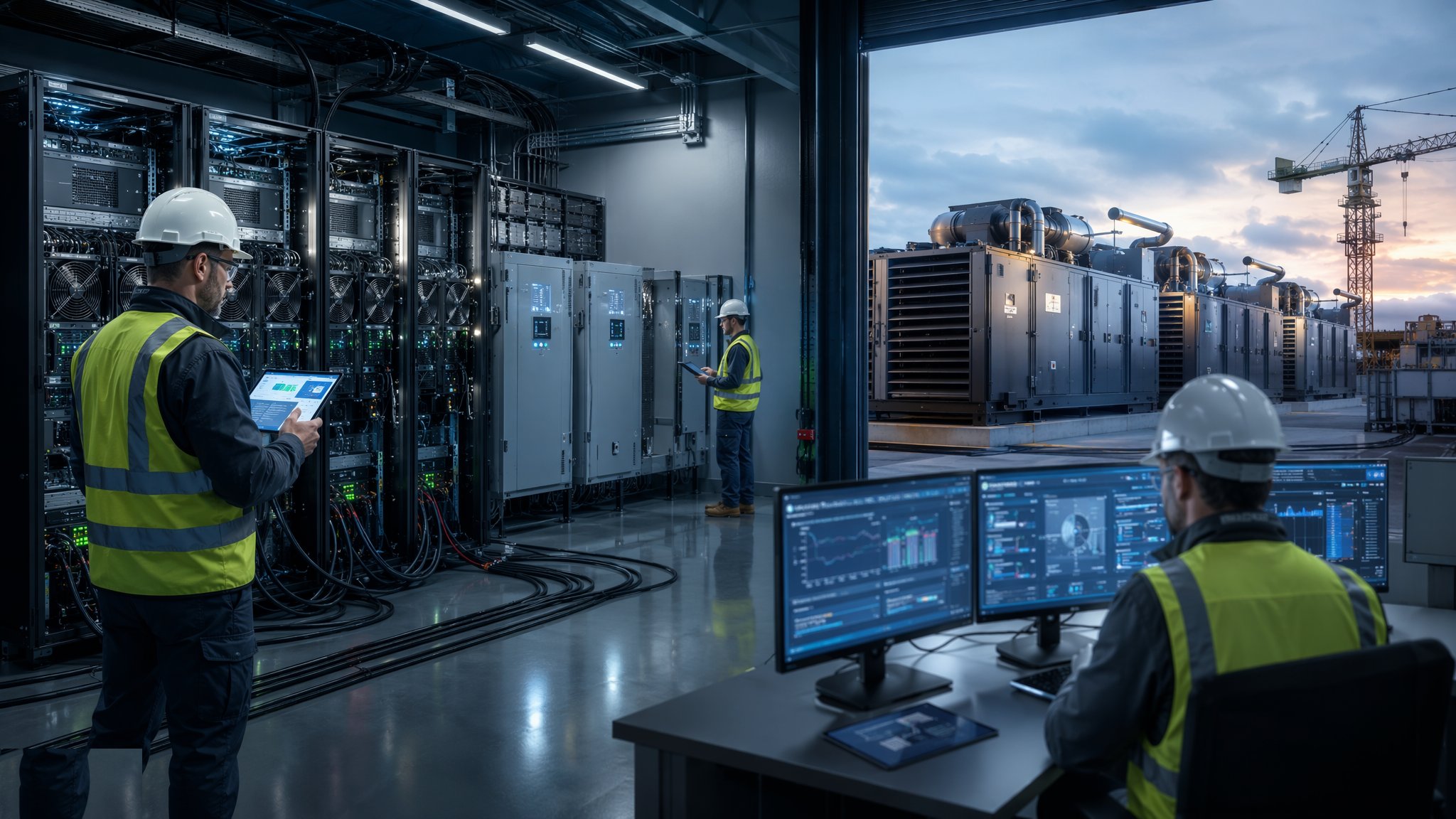
Commissioning & Integrated Systems Testing
The five-level commissioning framework that ends with pulling the plug on a live load - factory witness tests, load banks, integrated systems testing and failure drills that prove the facility behaves exactly as the redundancy philosophy promised.
Open process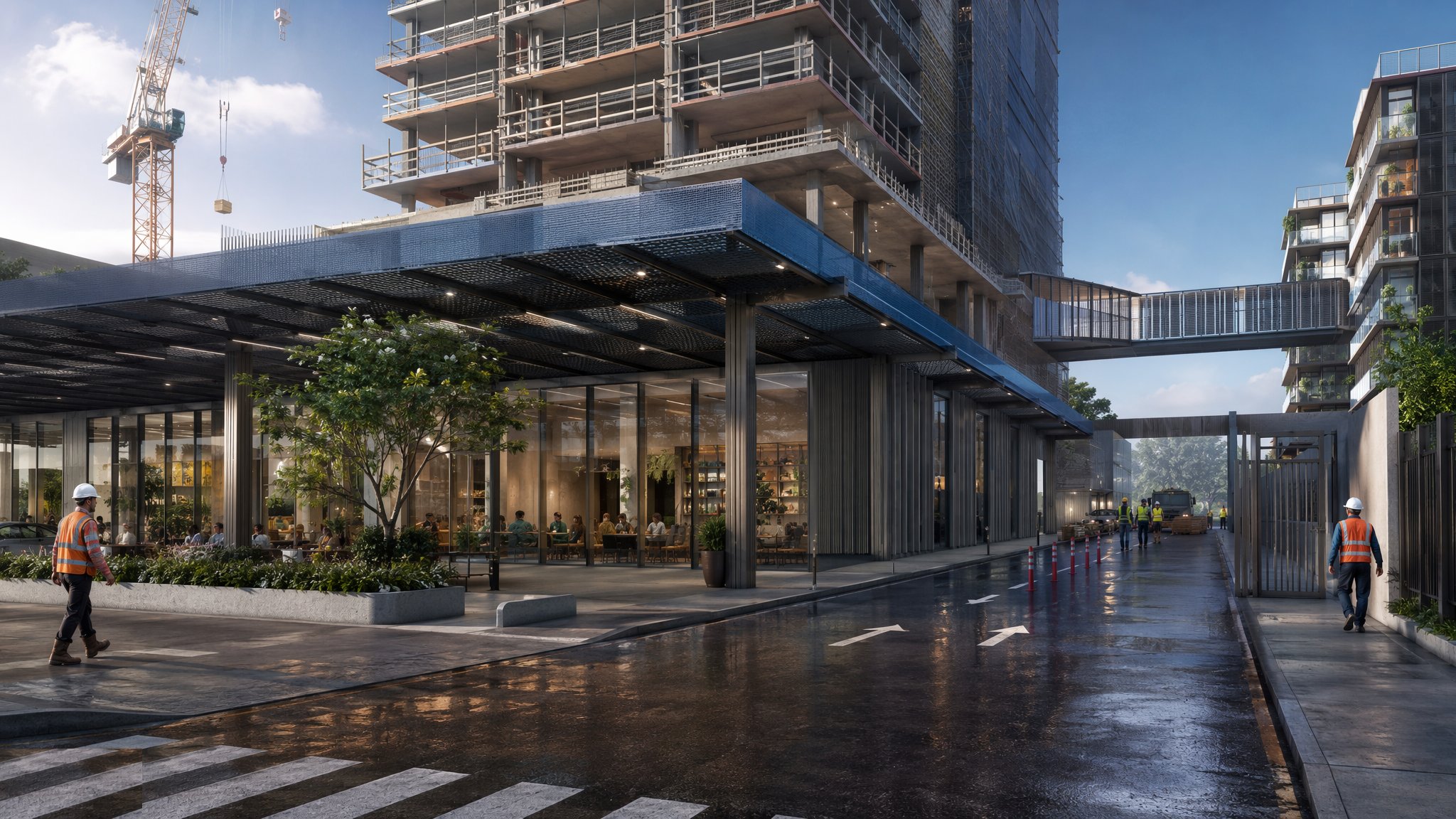
Phased Handover & Live-Site Logistics
Completing and occupying parts of the scheme while construction continues above and alongside - separating an inhabited building from a live site without compromising the safety, or the sanity, of either.
Open process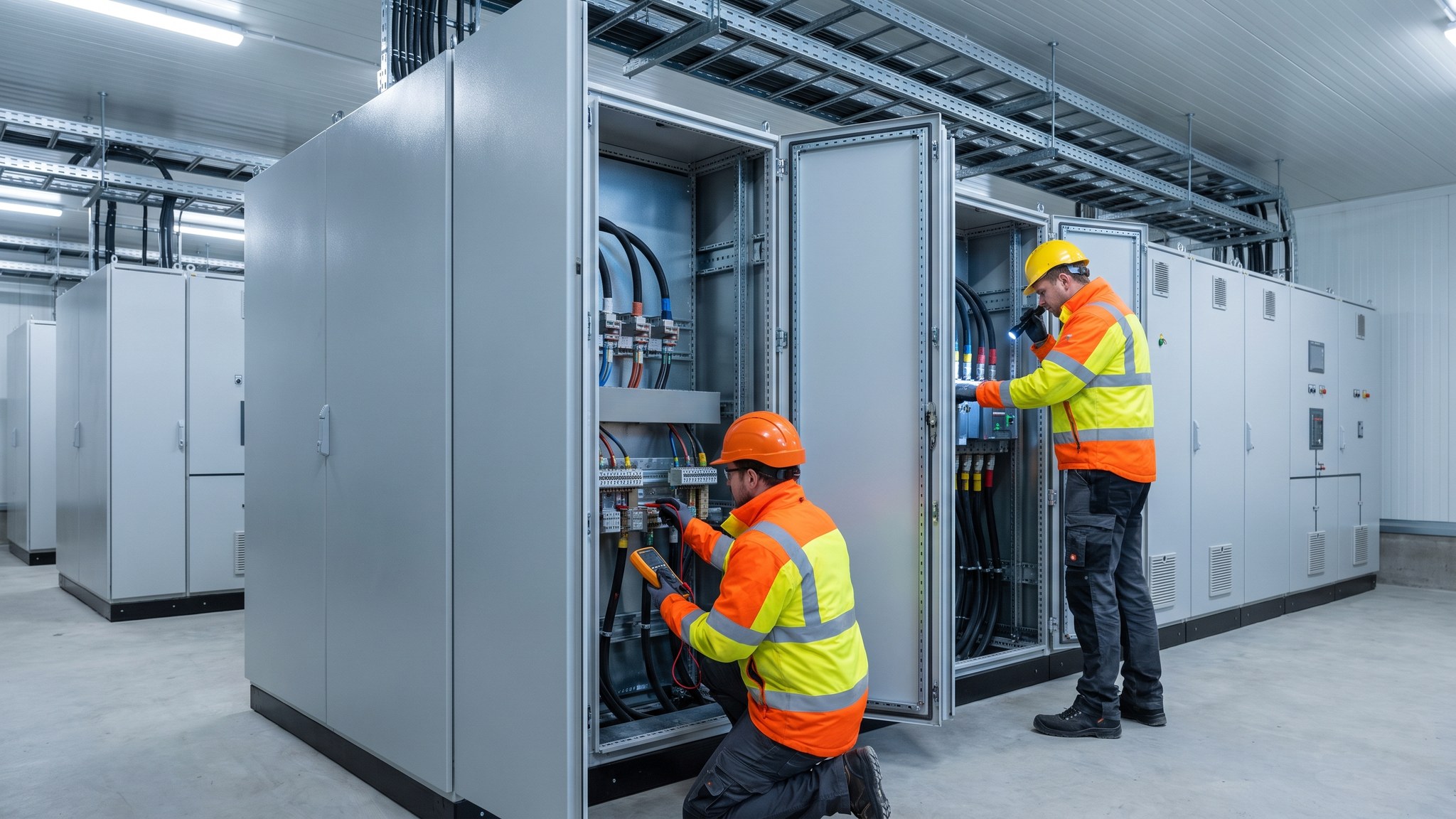
Commissioning & Energisation
Bringing the site to life in a controlled sequence - dead testing, first energisation with the network operator, functional and protection testing, grid compliance and performance testing, then the reliability run and handover to operations.
Open process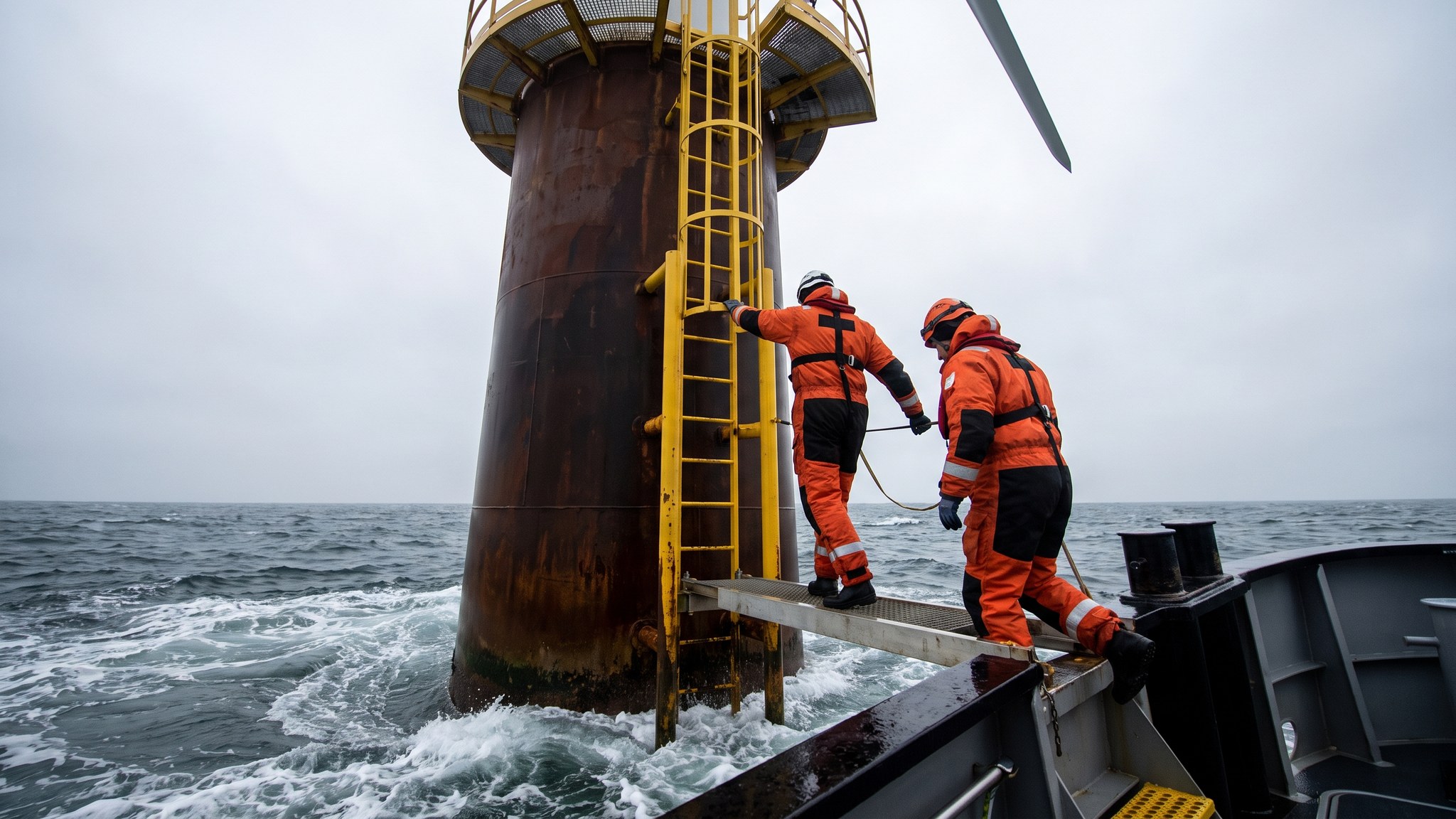
Commissioning & Handover
Turning a field of installed machinery into a generating asset - energisation, turbine commissioning, first power, performance testing and the formal handover into operations. It is the end of the project and the first day of a twenty-five year maintenance job.
Open process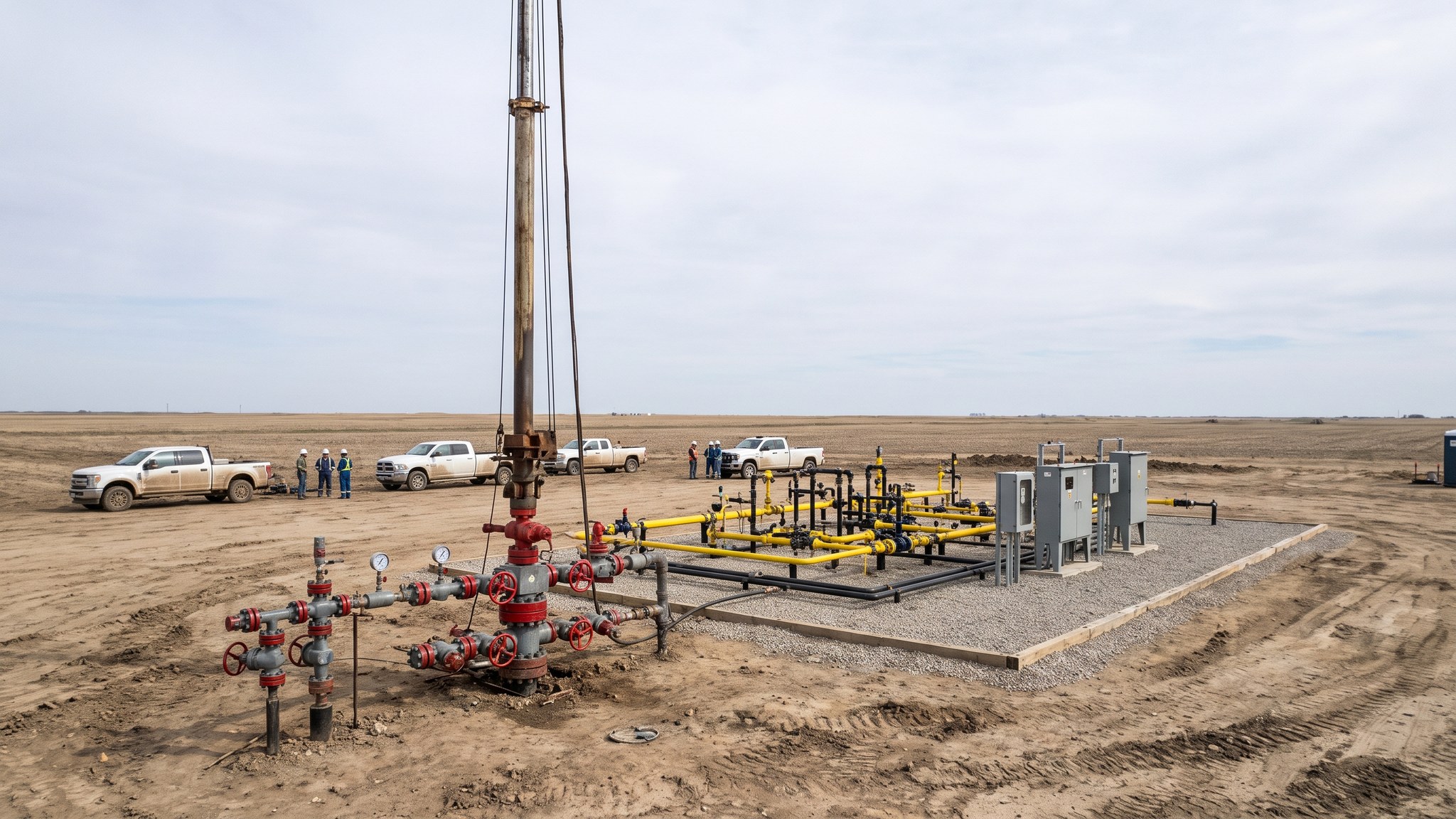
Injection Wells & Commissioning
The end of the chain - the wells that put the stream underground, the facilities around them, and the commissioning and long-term monitoring that prove the store keeps what it is given.
Open process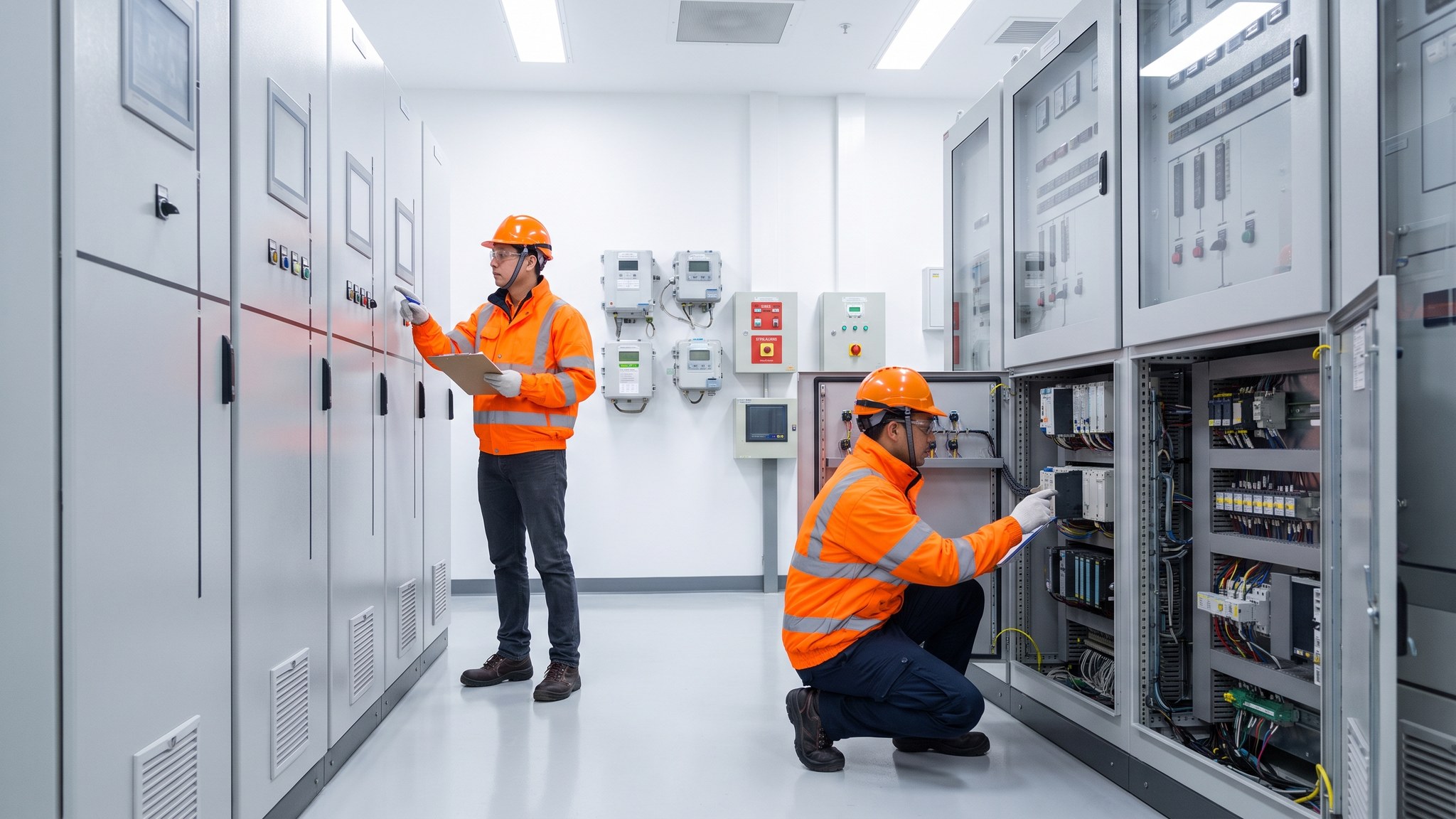
Commissioning & Safety Systems
Proving the plant works and proving the protections work, in that order and at a deliberate pace - because commissioning is the point where a construction site stops being a construction site and becomes a hazardous facility with an operator, a permit system and emergency arrangements of its own.
Open process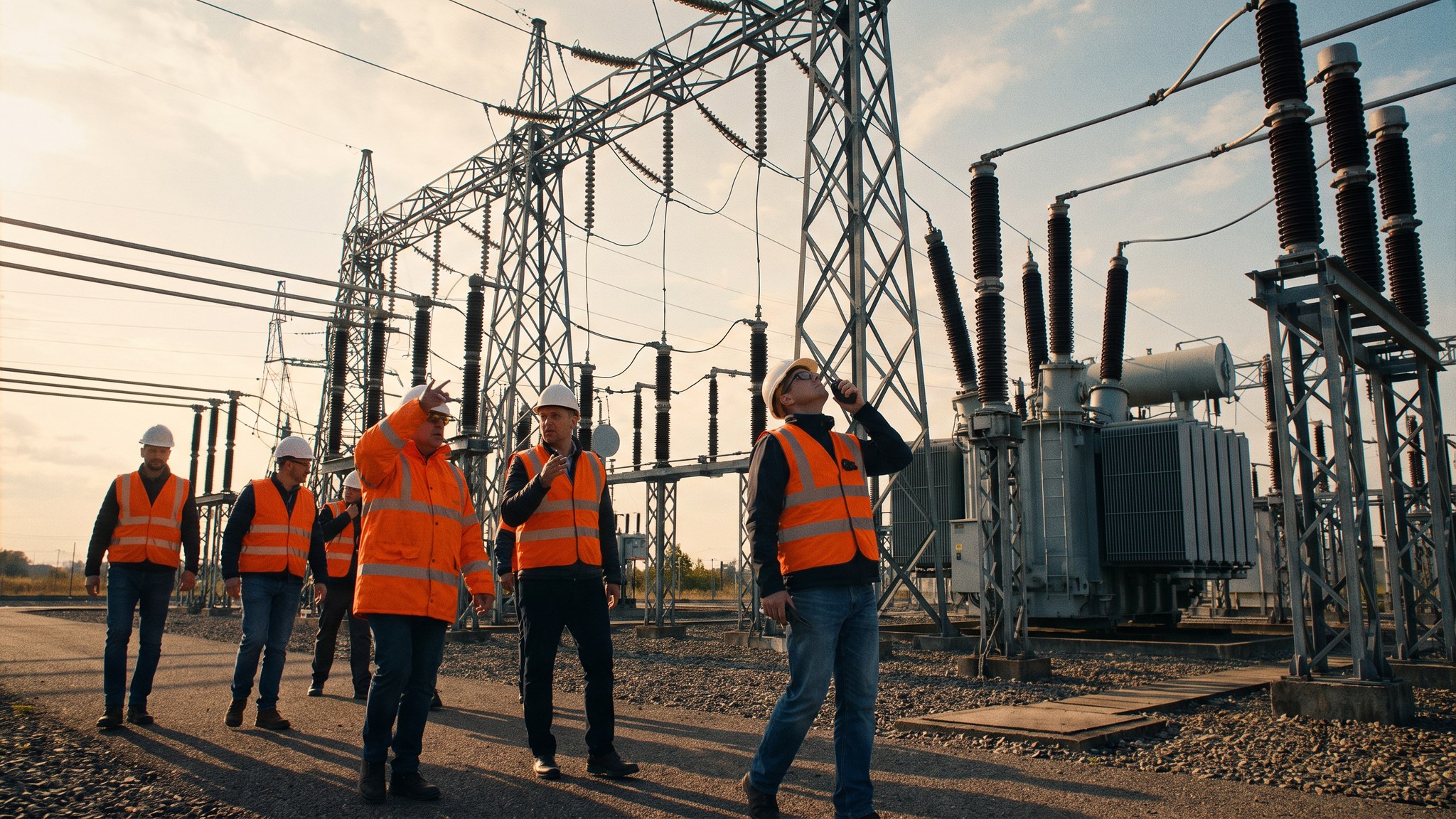
Commissioning & Grid Connection
The staged sequence that turns a finished construction site into a running power station - clean it, energise it, fire it, raise steam, then synchronise and prove it. The network operator has the final say on when it connects.
Open process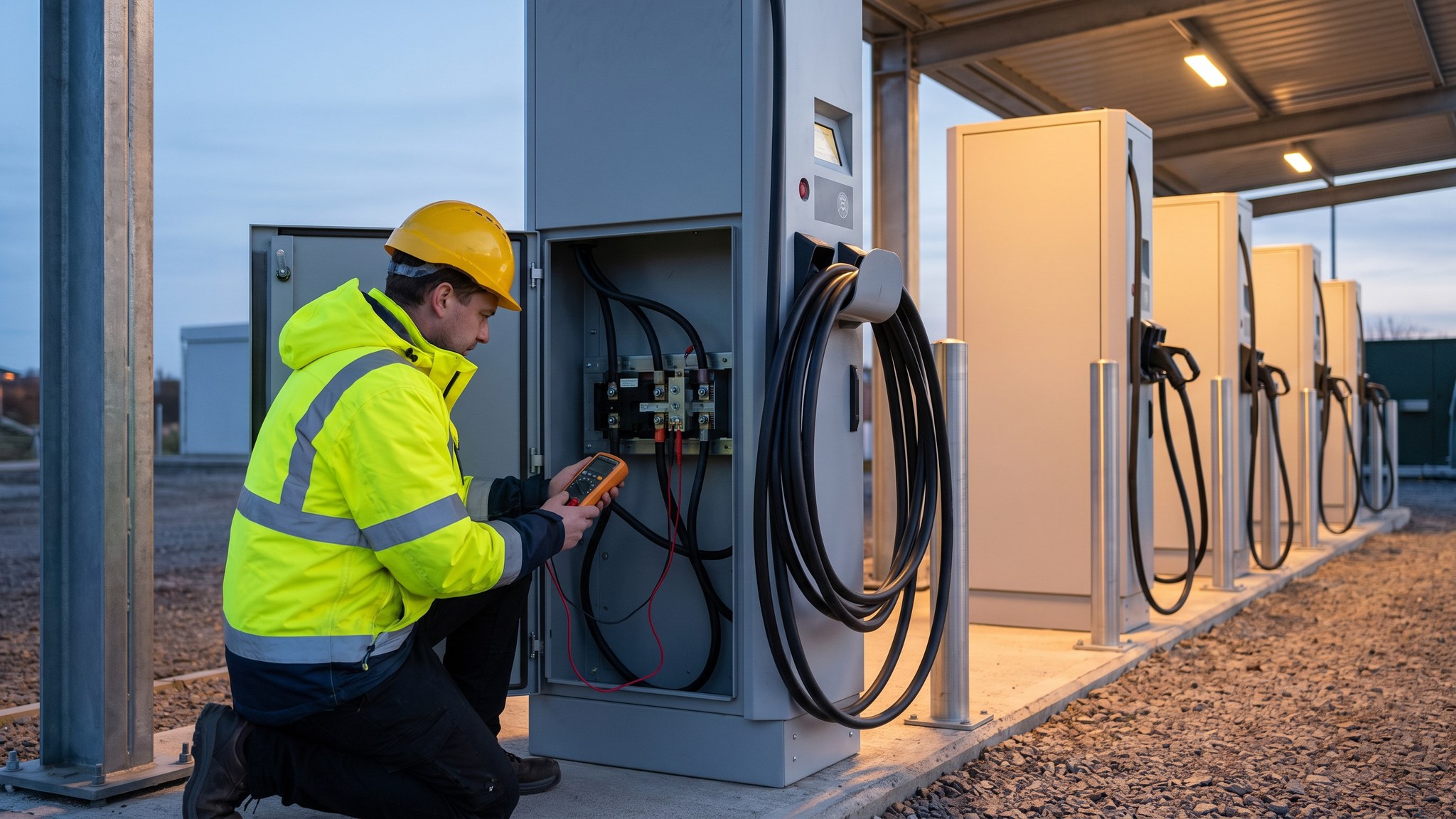
Commissioning & Energisation
Dead testing, energisation by the network operator, then proving every unit charges a real vehicle and takes a real payment - because a charger that delivers energy but cannot bill for it is not a finished charger.
Open processModular, Prefabricated & Off-Site13
Volumetric units, panels, precast, pods and DfMA - the factory end of construction.
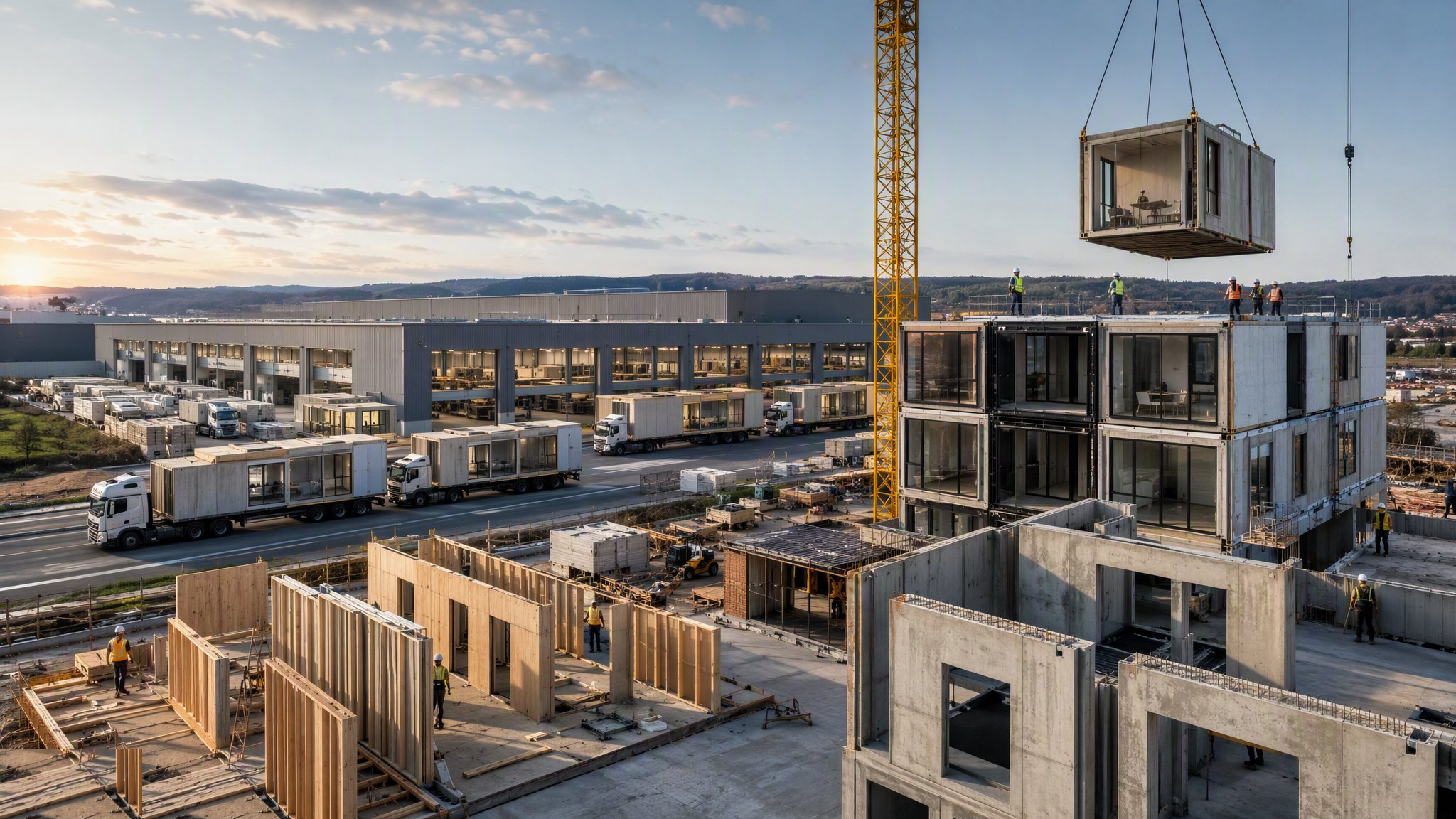
Modern Methods of Construction - What They Actually Are
The seven MMC categories in plain English, the honest cost and programme picture, and why so many UK volumetric factories went bust doing it.
Open process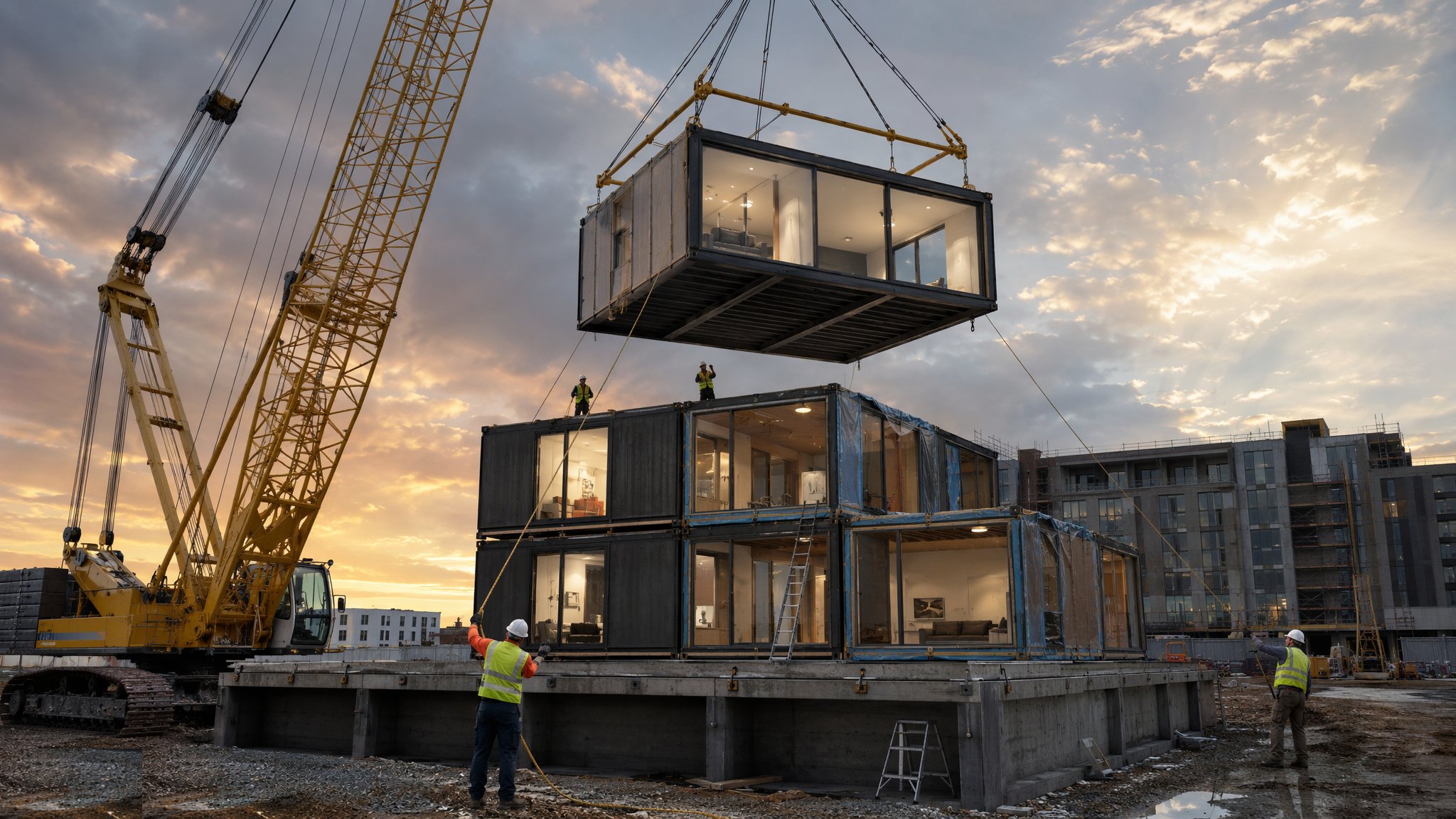
Volumetric Modular Construction
Fully finished 3D modules - factory line to lorry to crane pick - and the interface tolerances where volumetric jobs are won or lost.
Open process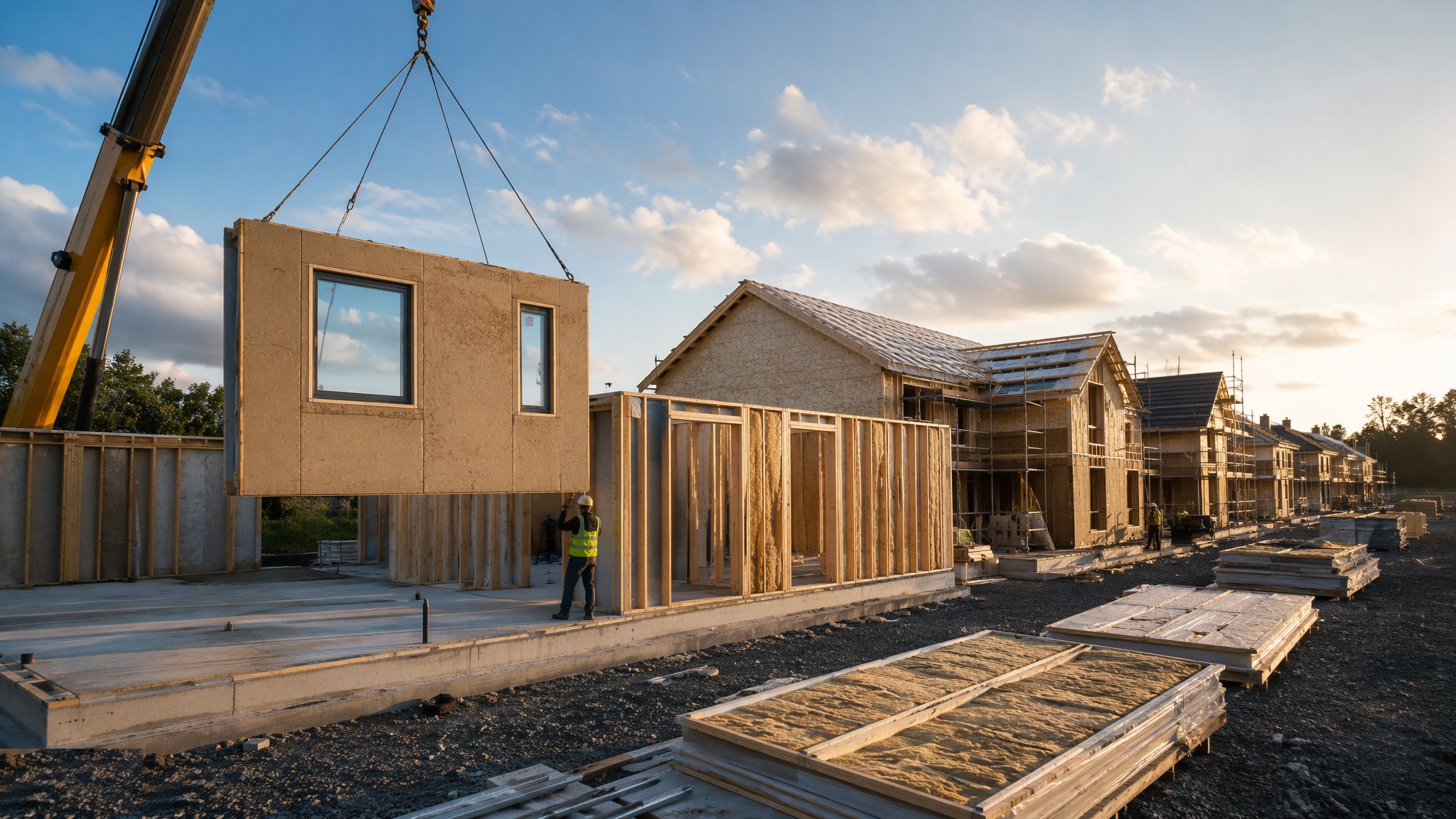
Panelised Systems - Open and Closed Panel
Flat-packed wall, floor and roof panels from the timber-frame factory - what open and closed really mean on site, and how the erection sequence actually runs.
Open process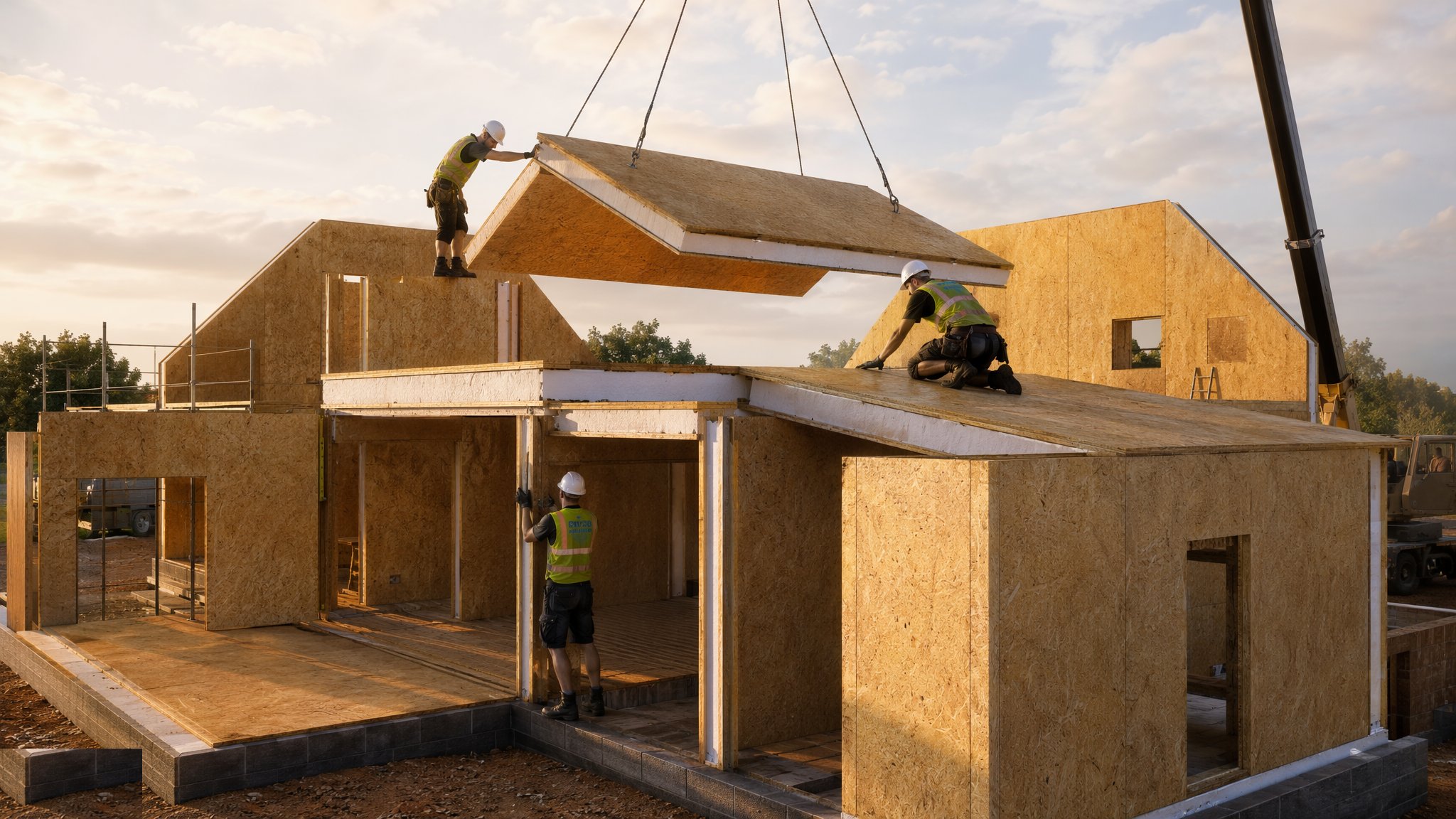
SIPs, Floor and Roof Cassettes
Structural insulated panels and prefabricated floor and roof cassettes - fast, airtight and unforgiving of sloppy junctions.
Open process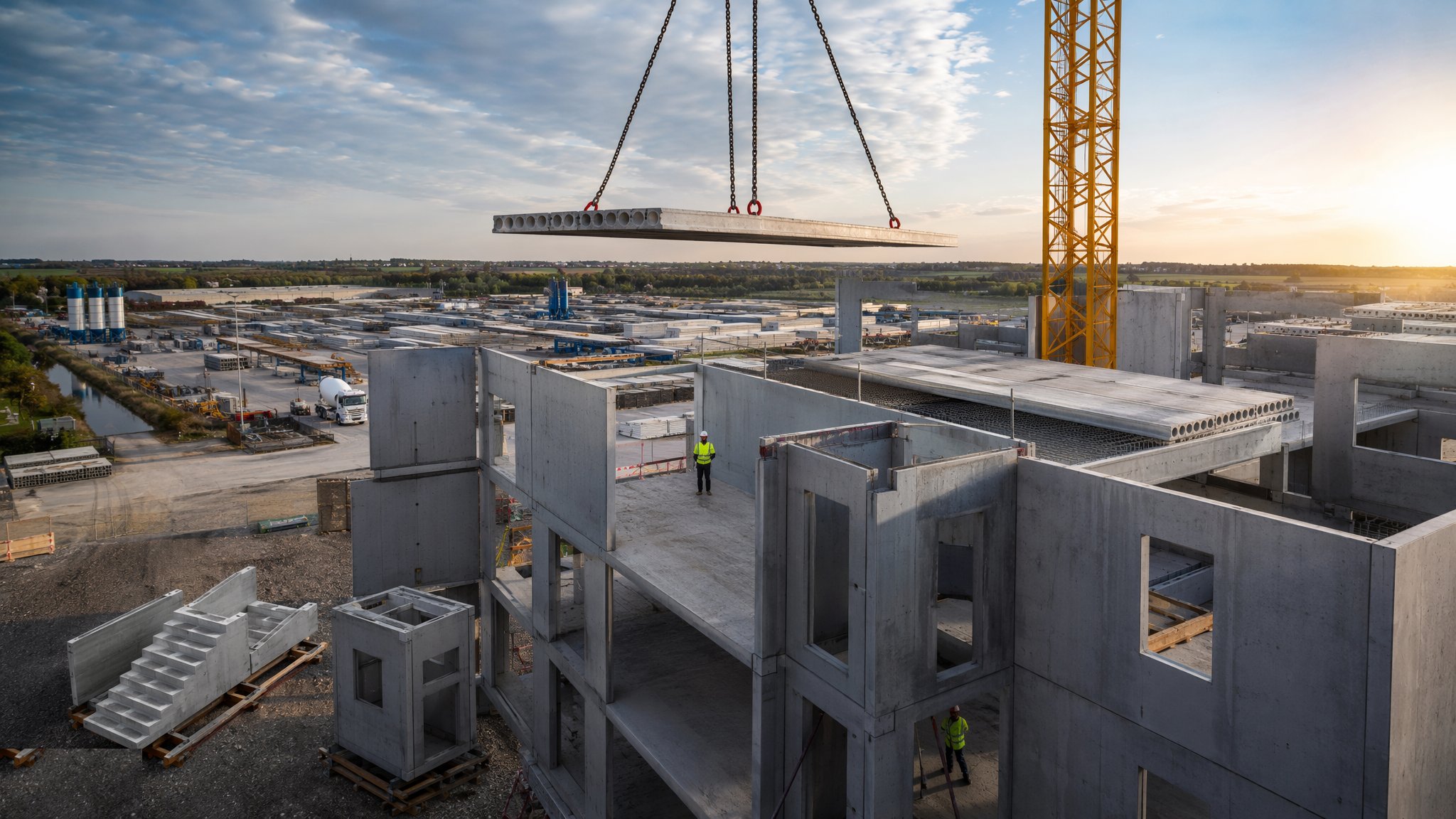
Precast Concrete Structures
Crosswall, twin-wall, hollowcore, stairs, lift shafts and sandwich panels - the factory-made concrete frame, and why the UAE builds this way by default.
Open process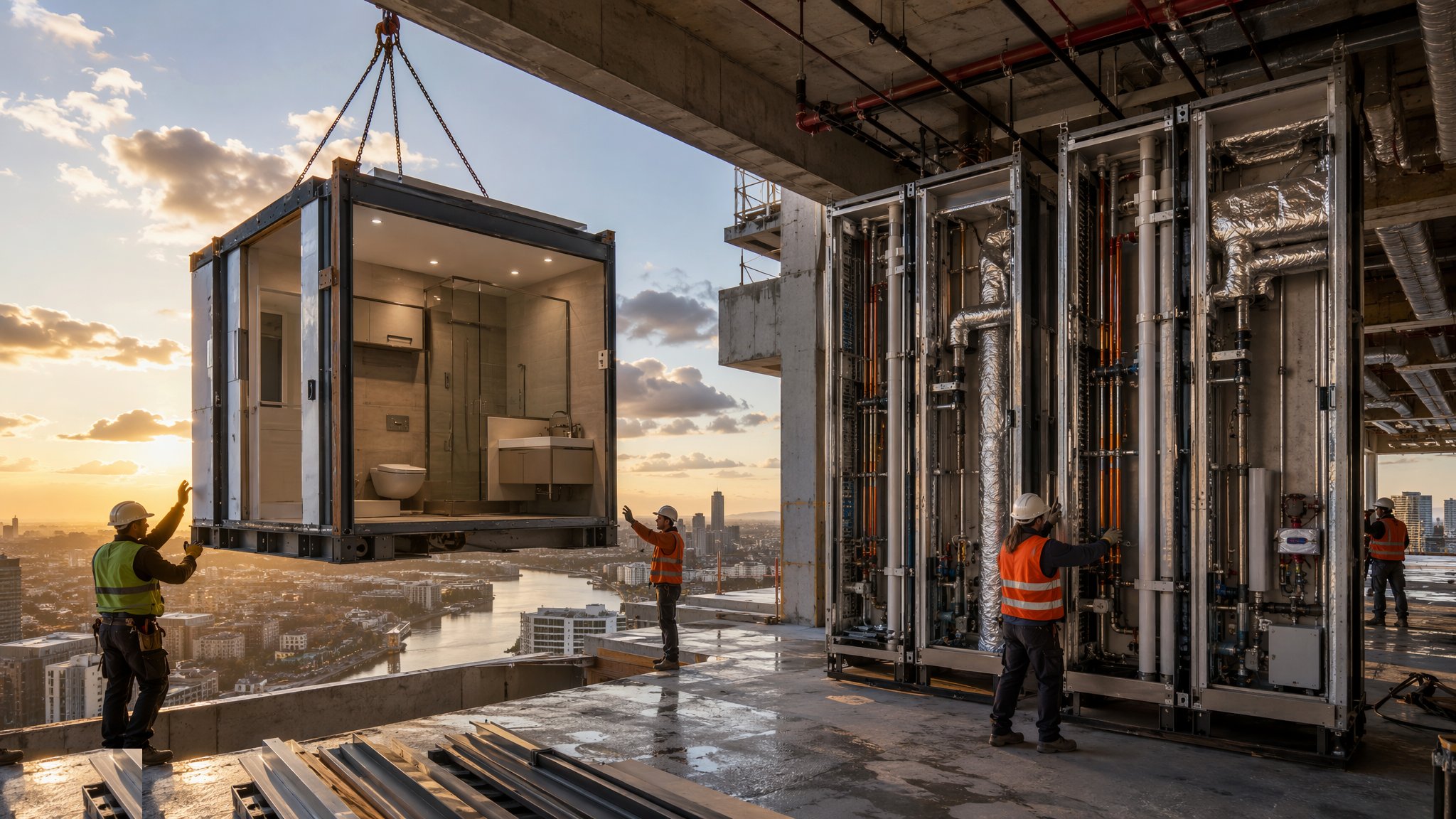
Bathroom Pods, Riser and Plant Modules
Factory-finished bathrooms, riser racks and plantroom skids craned into a frame that has to be ready for them - the set-down sequence is where these jobs are won or lost.
Open process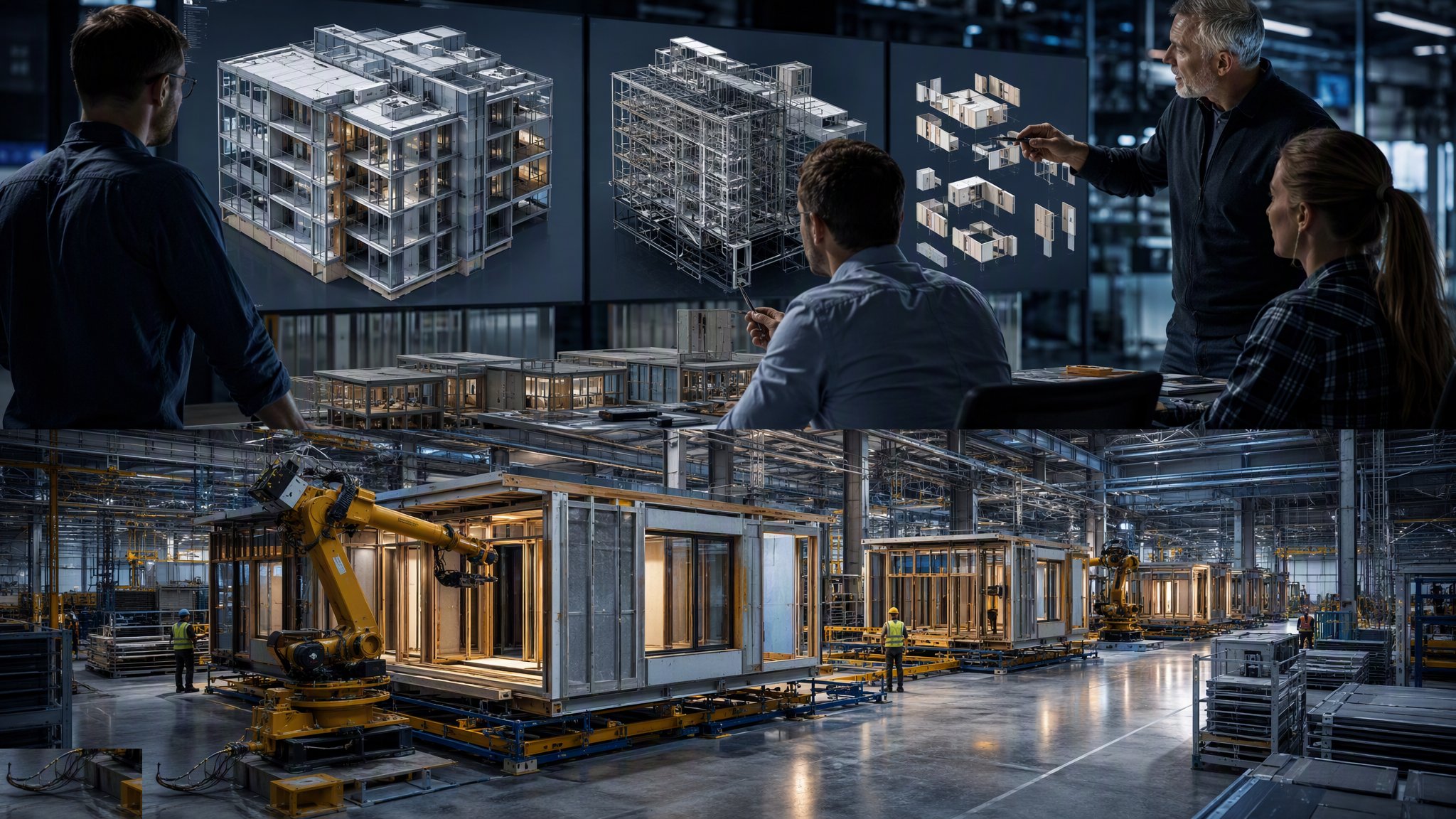
Design for Manufacture and Assembly
The discipline that makes off-site work: freezing designs, standardising parts, managing interfaces and paying for materials you cannot see - and what a late change really costs once the line is cutting.
Open process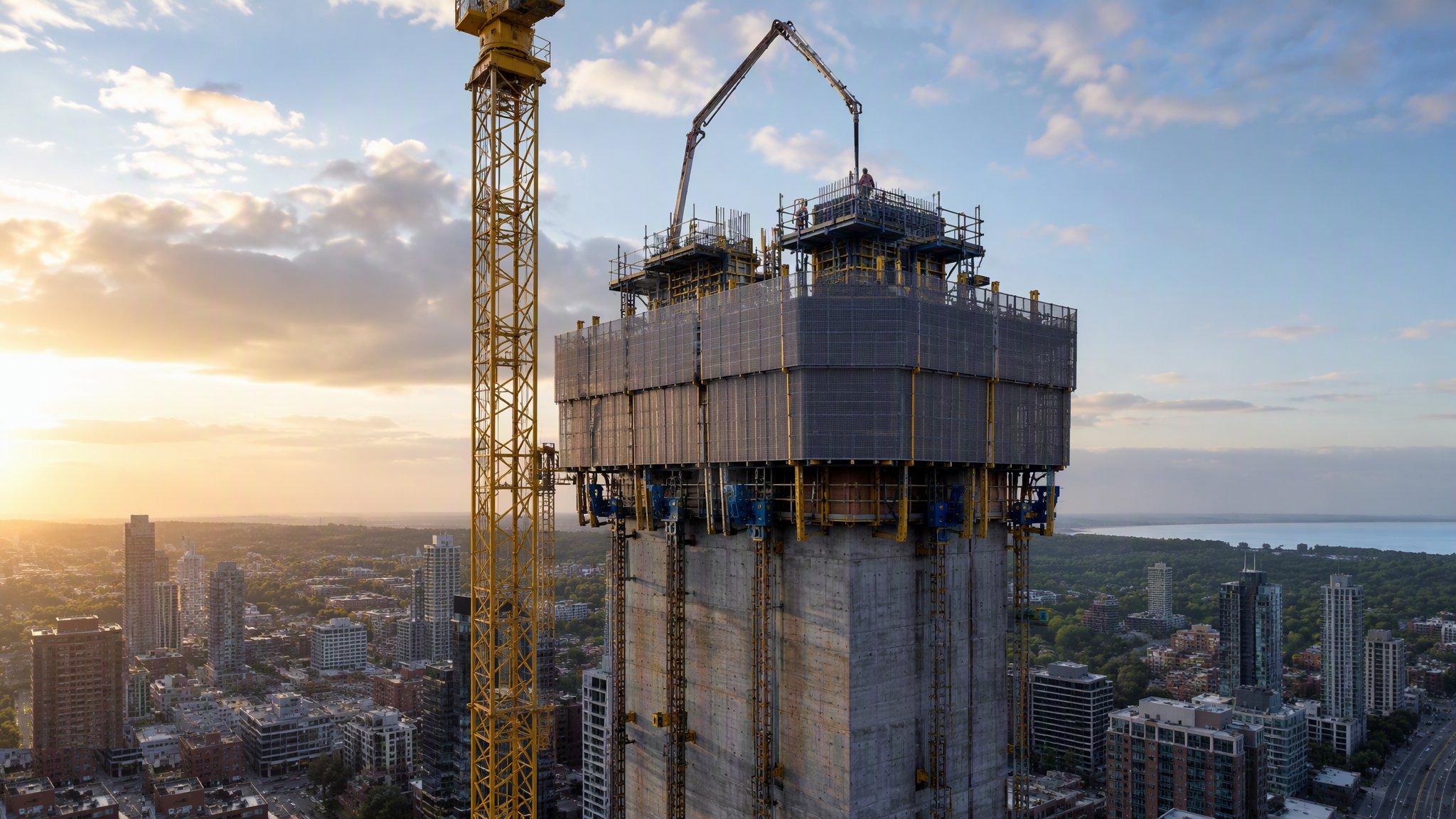
Site-Based MMC - Tunnel Form, Jump Form, Slipform, ICF
Modern methods that never leave the site: tunnel form on repetitive residential, self-climbing cores, insulating formwork and thin-joint blockwork - industrialised concrete without the factory.
Open process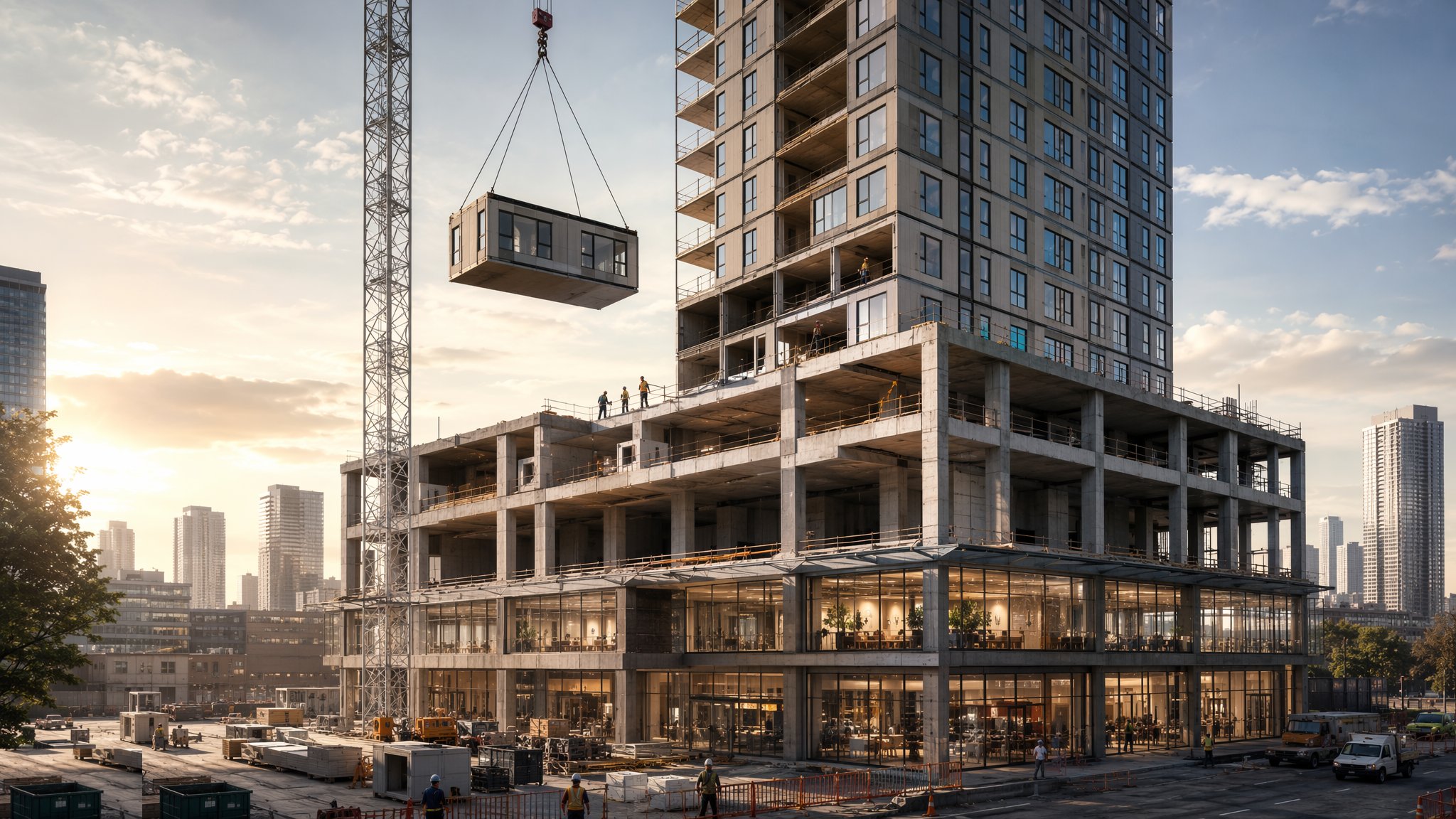
Hybrid MMC - Modules on Podiums, Precast on Cores
The realistic face of modern methods: volumetric modules sitting on an in situ podium, precast wrapping a slipformed core - and the interface where these jobs actually fail.
Open process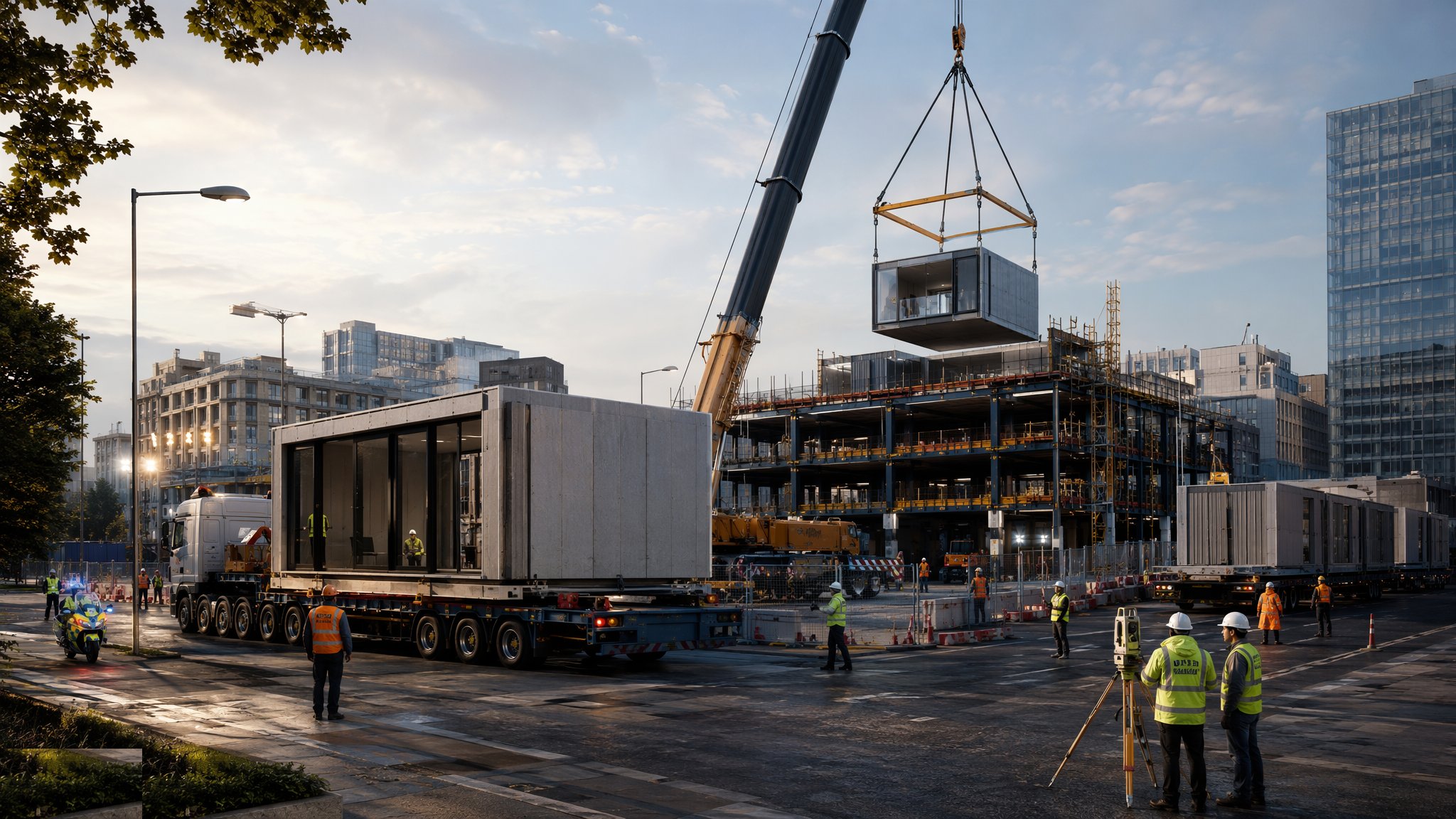
Off-Site Logistics, Craneage and Tolerance
The unglamorous truth about MMC: it is a logistics problem wearing a hard hat - delivery slots, escorted loads, crane studies and the millimetre argument between the factory and the slab.
Open process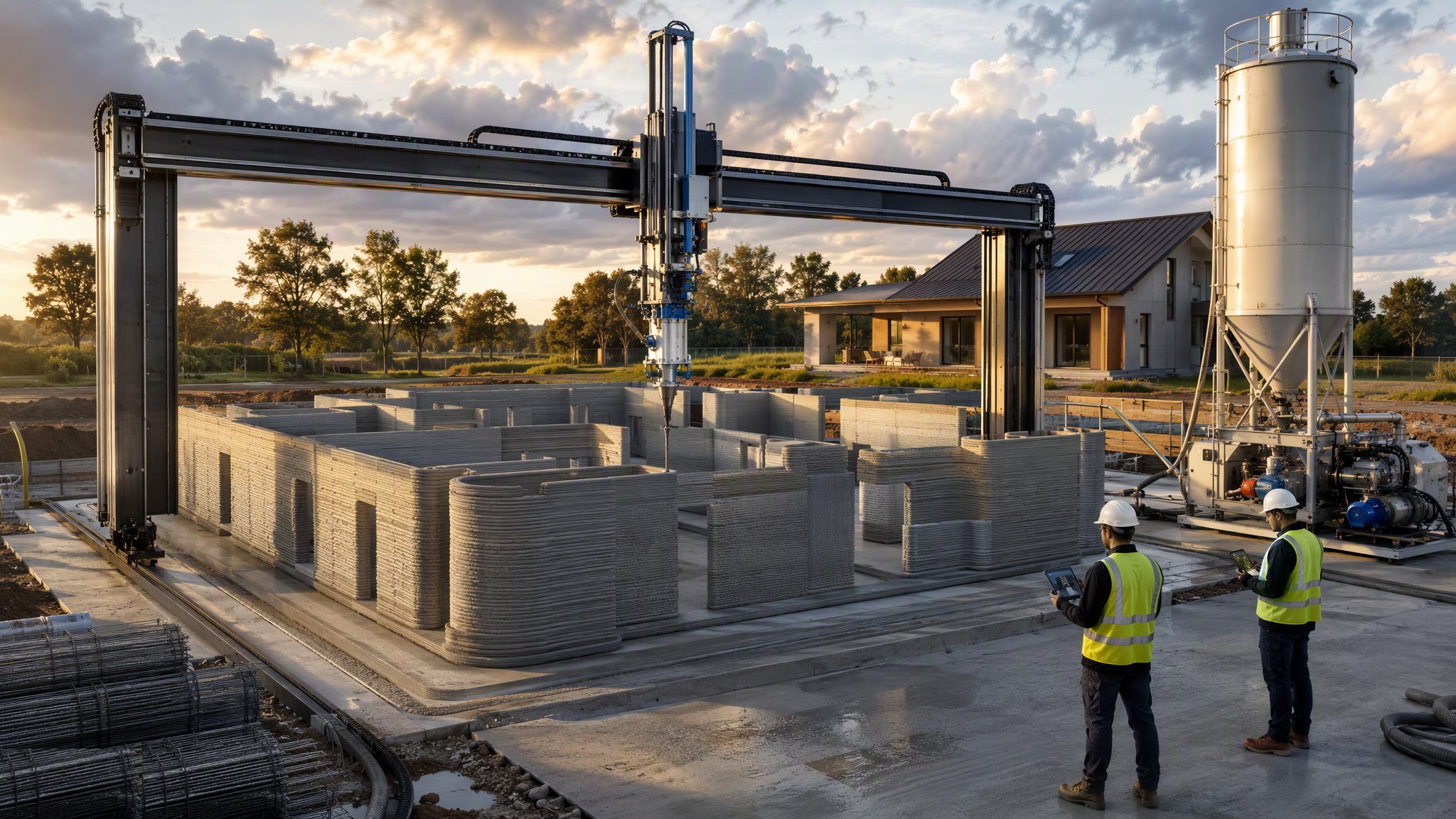
3D Printing and Additive Construction
An honest look at printed concrete in 2026: what the printers actually do well, the reinforcement problem nobody has solved, and where it has genuinely been used - including Dubai's printed-building programme.
Open process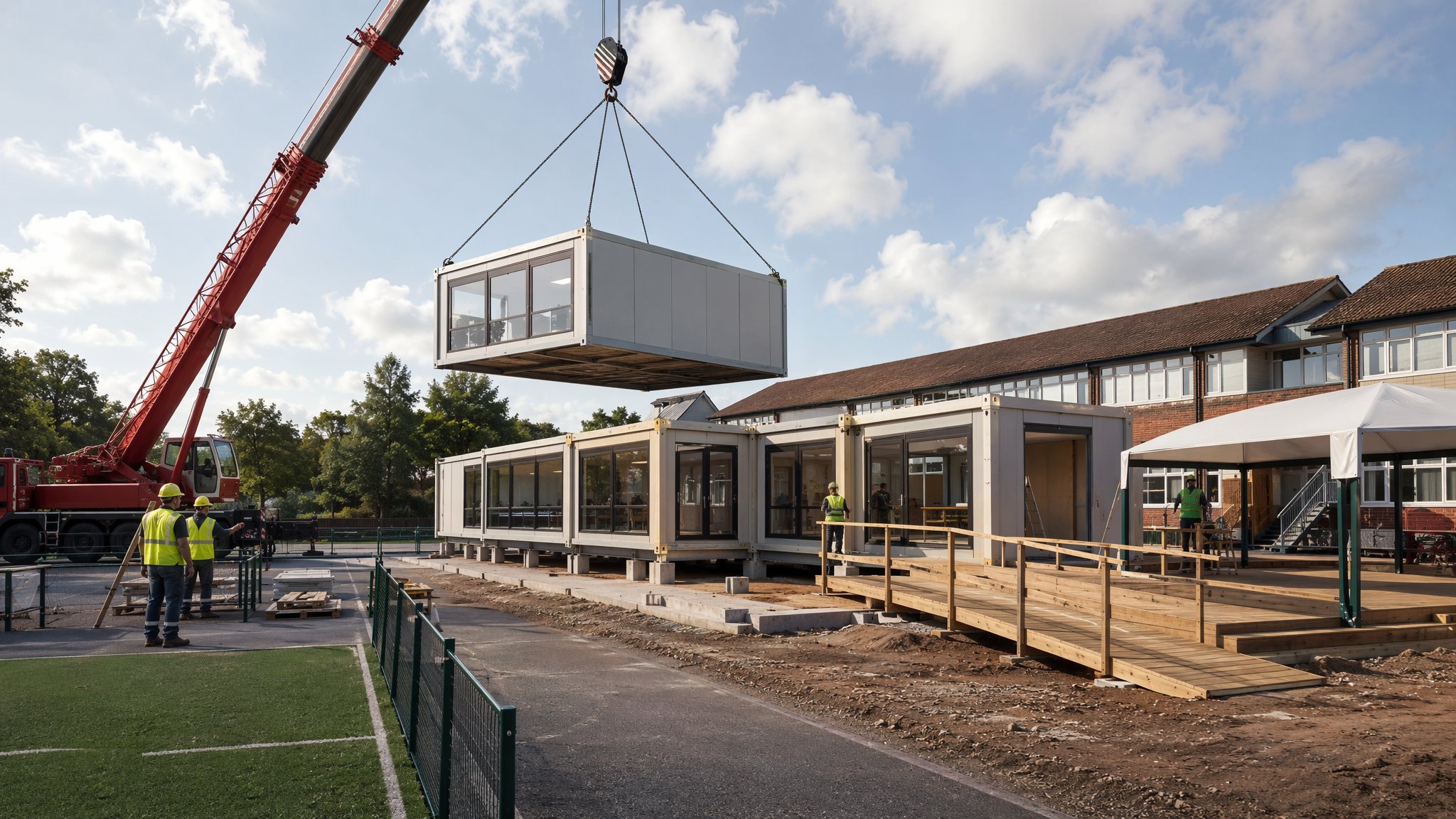
Modular Classrooms & Off-Site Solutions
Factory-built classroom modules craned onto prepared bases - the answer to bulge years, RAAC replacements and decant space, where the building leaves the factory ninety percent finished.
Open process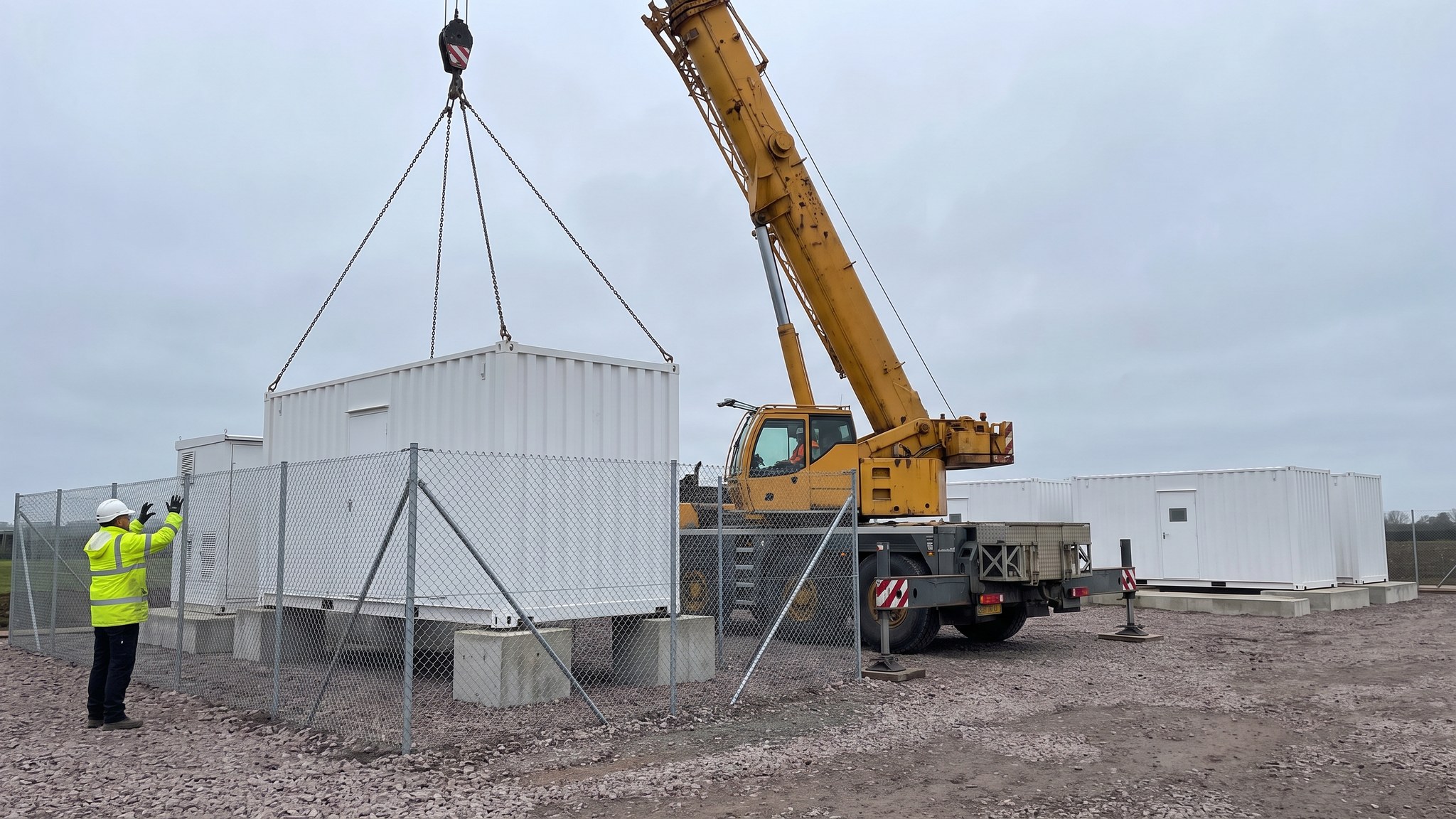
Battery Container Installation
Delivering, lifting and setting the battery enclosures onto the prepared plinths - a repetitive crane and logistics operation where the units arrive complete from the factory and already carrying stored energy.
Open processSurfacing & Pavements12
Everything that forms a running surface - roads, runways, footways, pitches and public realm.
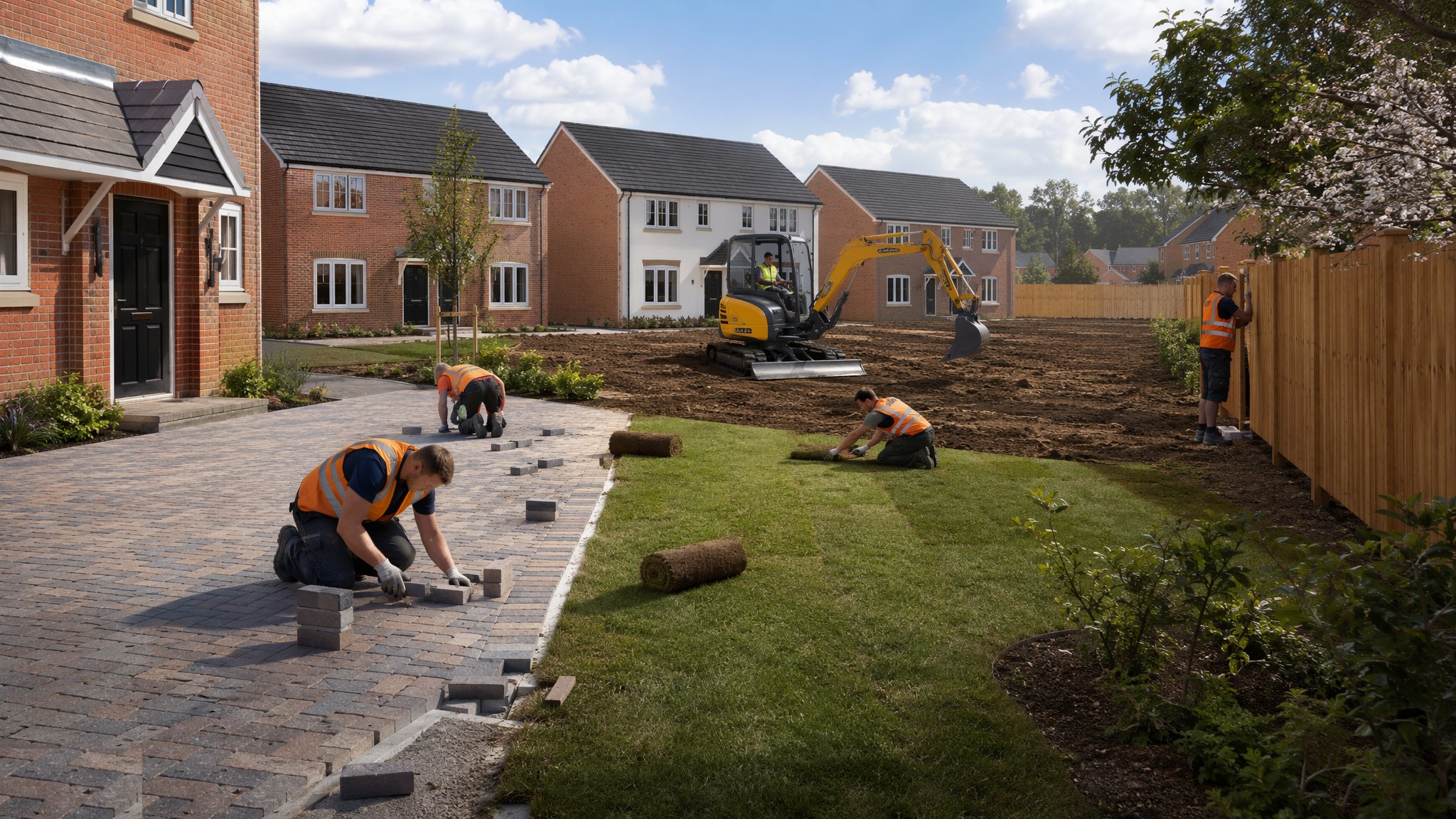
External Works & Landscaping
Drainage, roads, paving and planting - the infrastructure between the buildings that makes a place.
Open process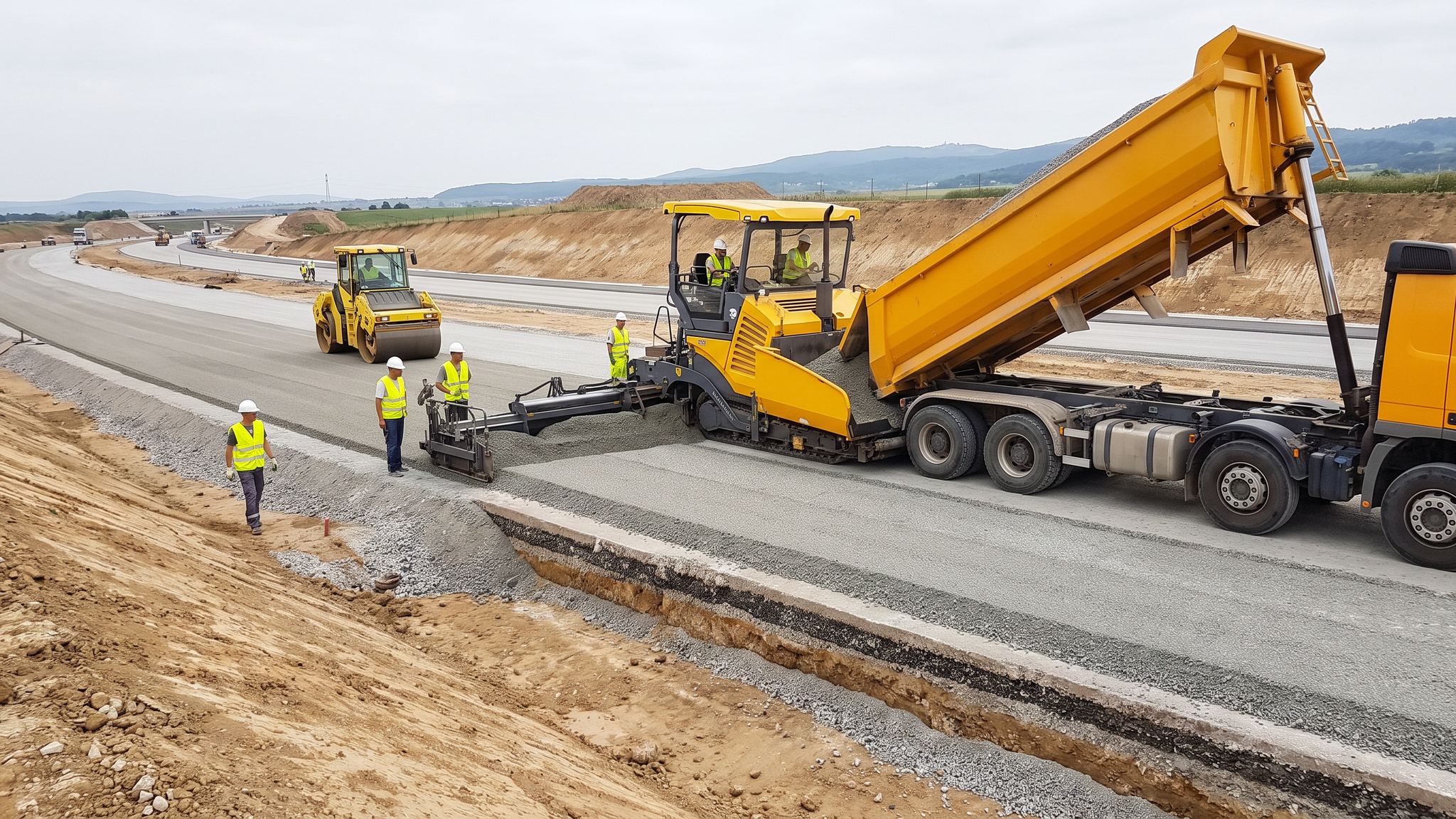
Sub-base & Base Construction
The structural platform: granular sub-base and bound base layers that spread every wheel load into the ground.
Open process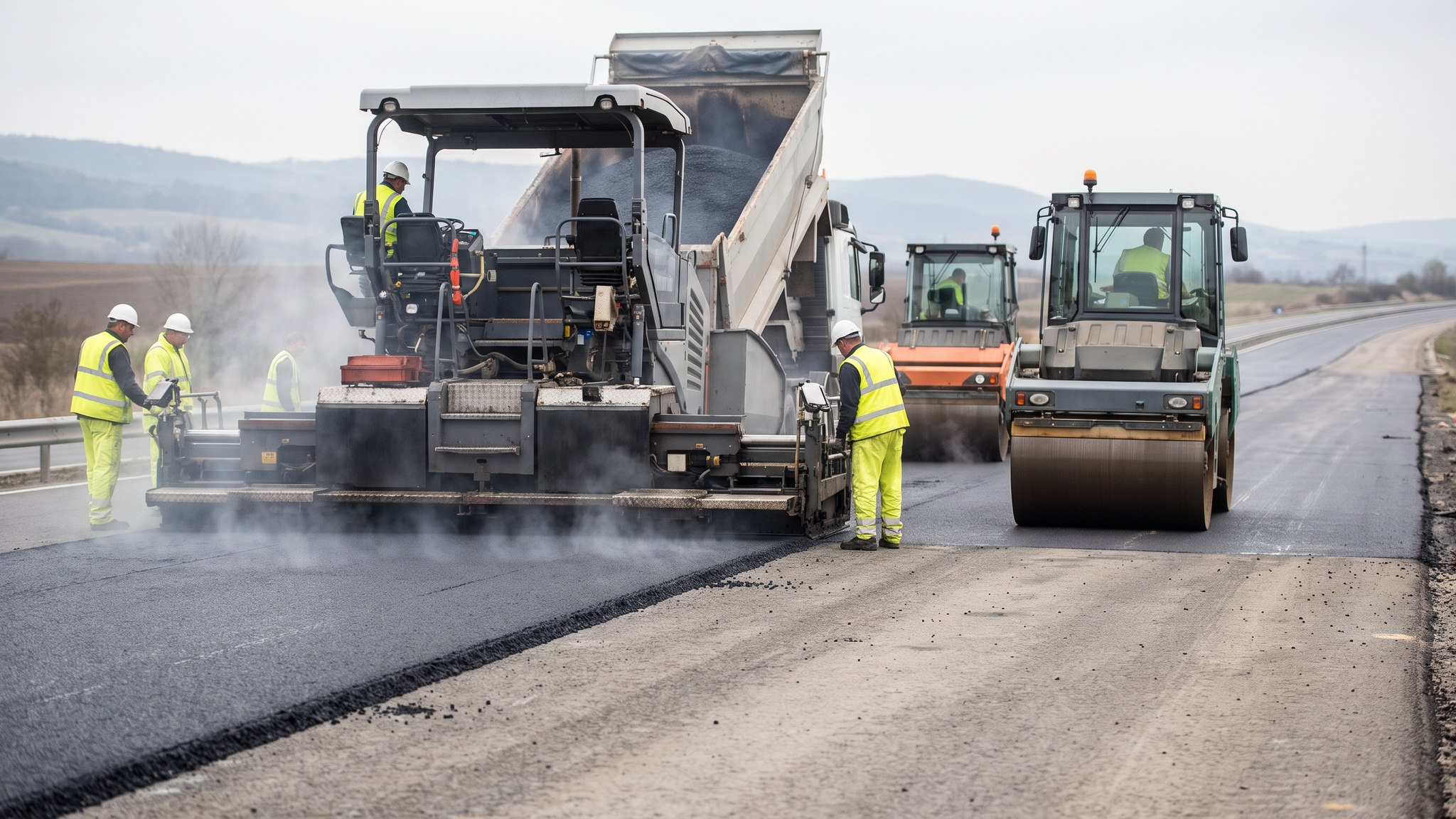
Asphalt Surfacing - Binder & Surface Course
The blacktop the public judges: binder course and surface course laid hot, compacted within the window, and tested to the millimetre.
Open process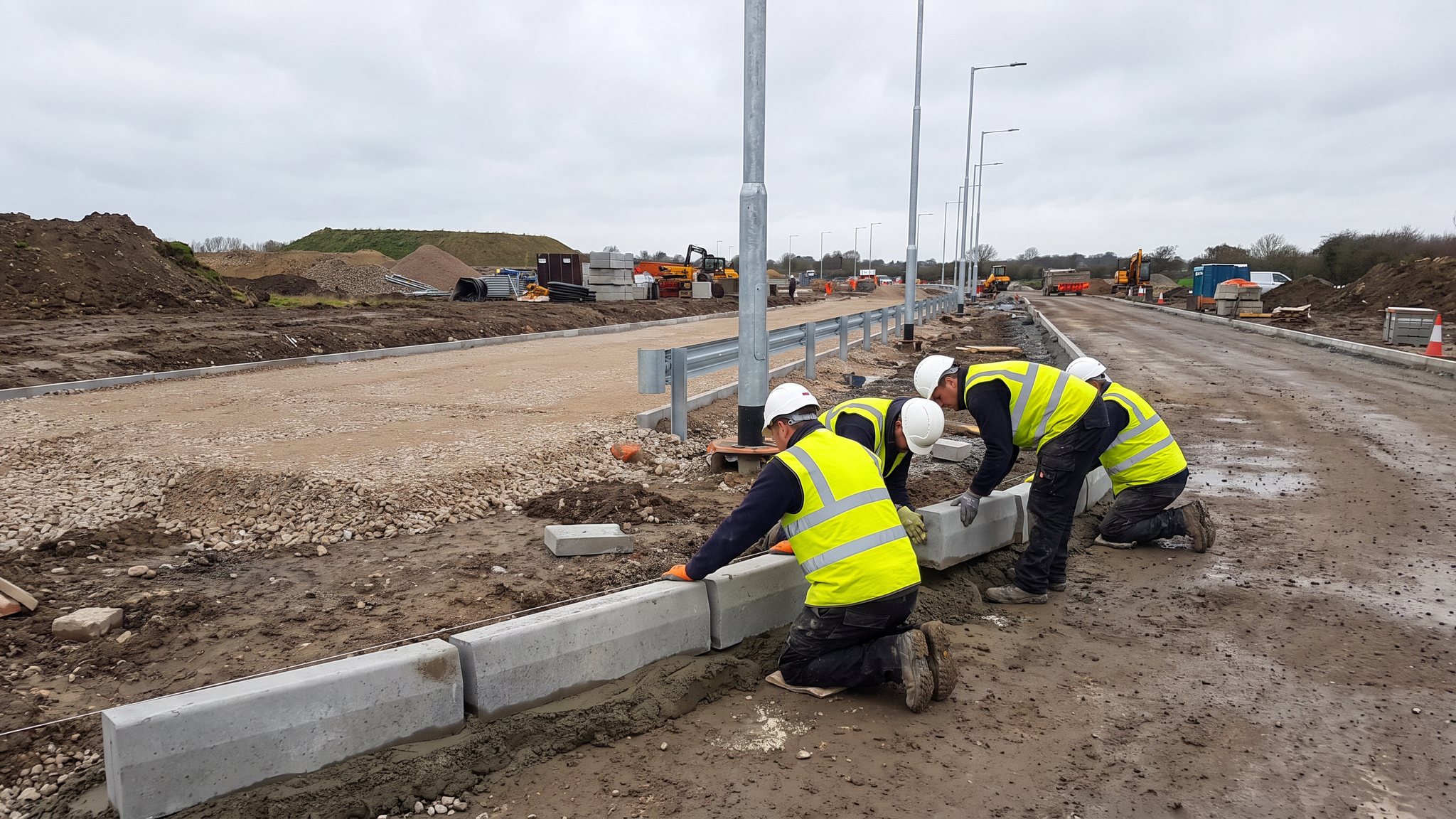
Kerbs, Footways & Road Furniture
The finishing trades that contain the carriageway, carry the pedestrian and give the road its edge - kerbs, footways and the furniture in between.
Open process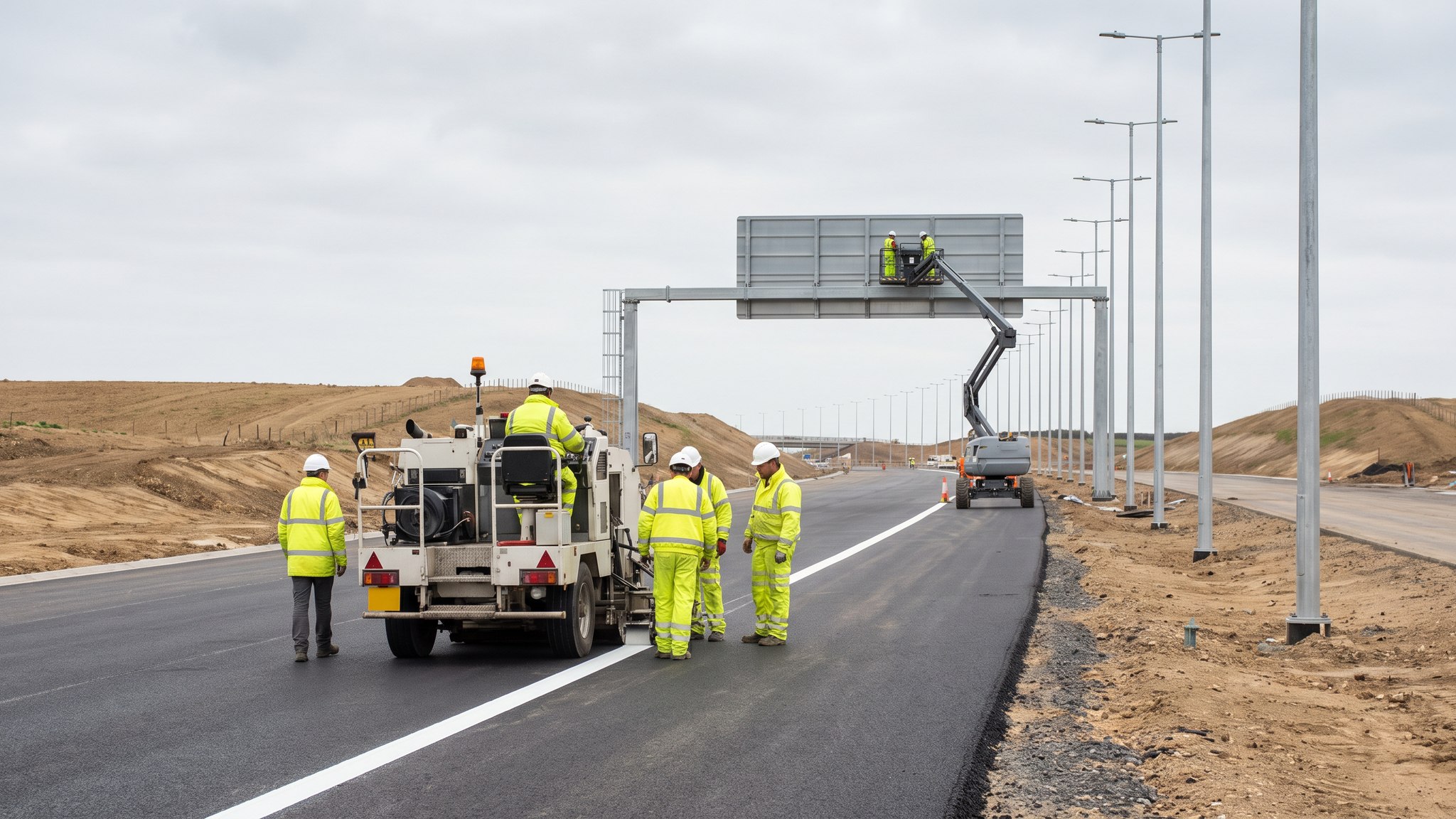
Road Markings, Signage & Lighting
The information and visibility layer - markings, signs and lighting that turn a strip of asphalt into a legal, usable road.
Open process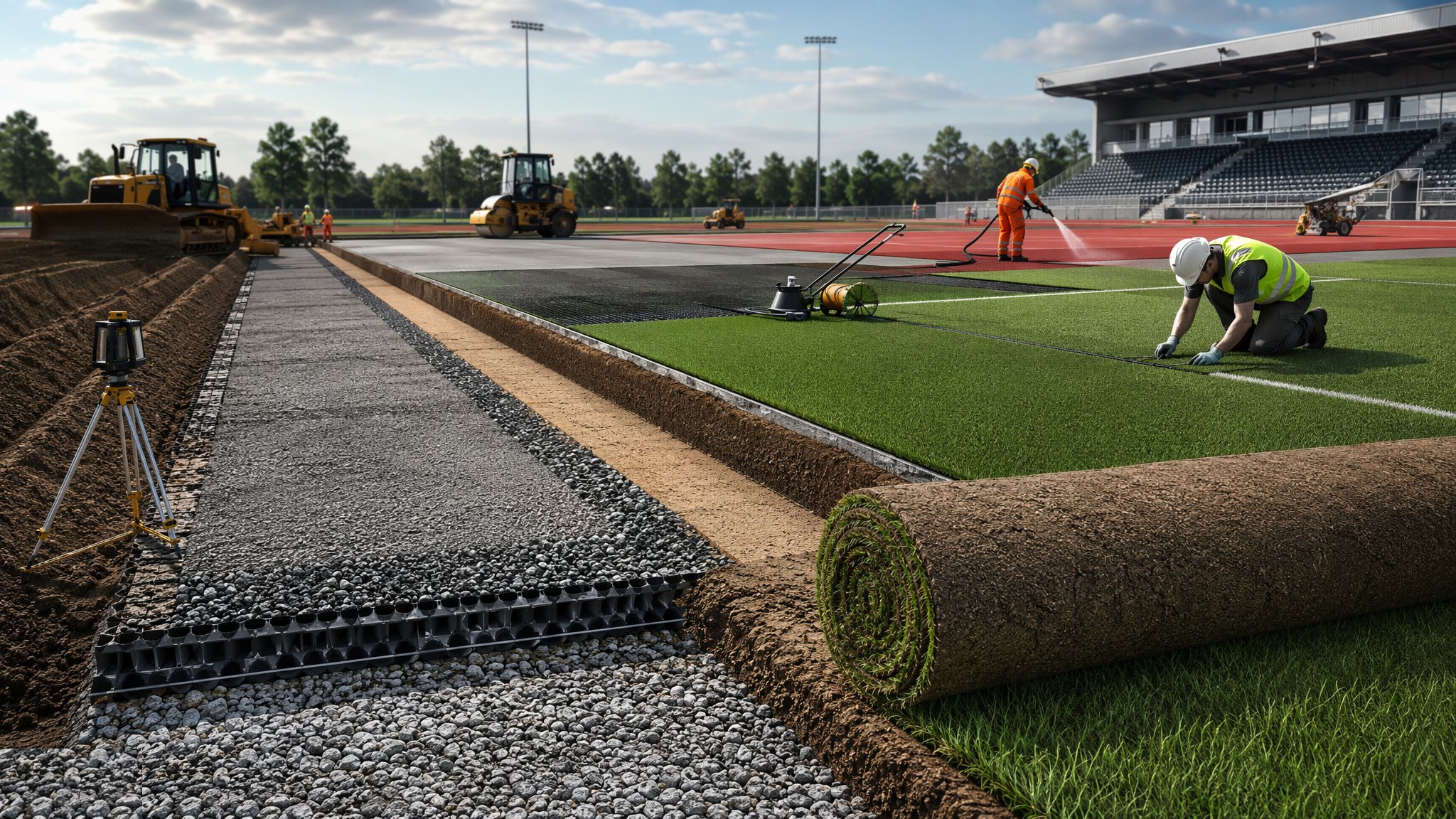
Pitches, Tracks & Playing Surfaces
Building the thing the whole venue exists for: natural turf profiles over engineered drainage, synthetic 3G carpets, polyurethane running tracks - all laid to millimetre tolerances and proven by independent certification testing.
Open process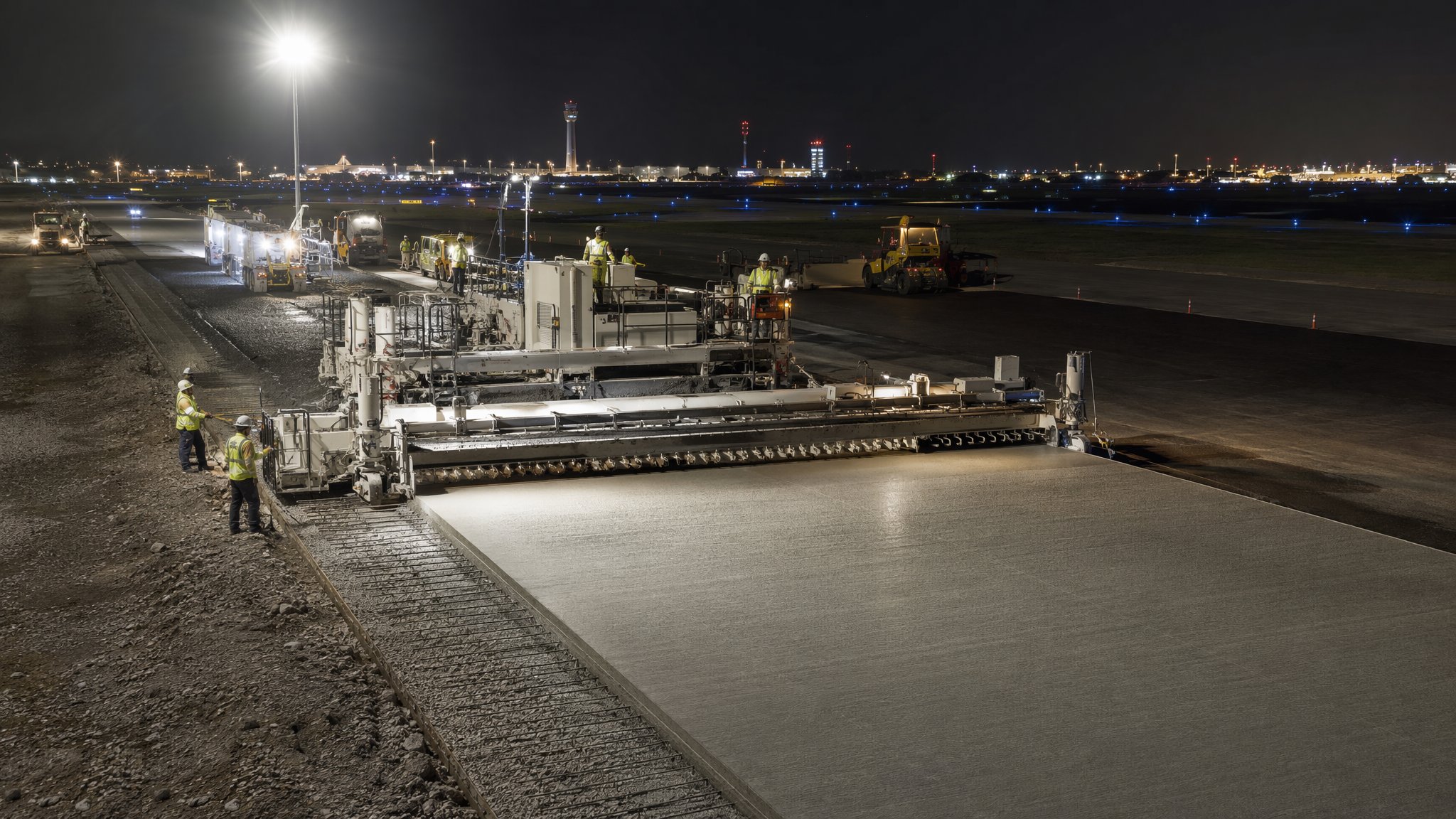
Runway & Taxiway Pavement Construction
Building the strip itself - rigid pavement-quality concrete or thick-lift asphalt over a proven subgrade, textured and grooved for wet grip, with FOD discipline throughout and acceptance that ends at a friction survey.
Open process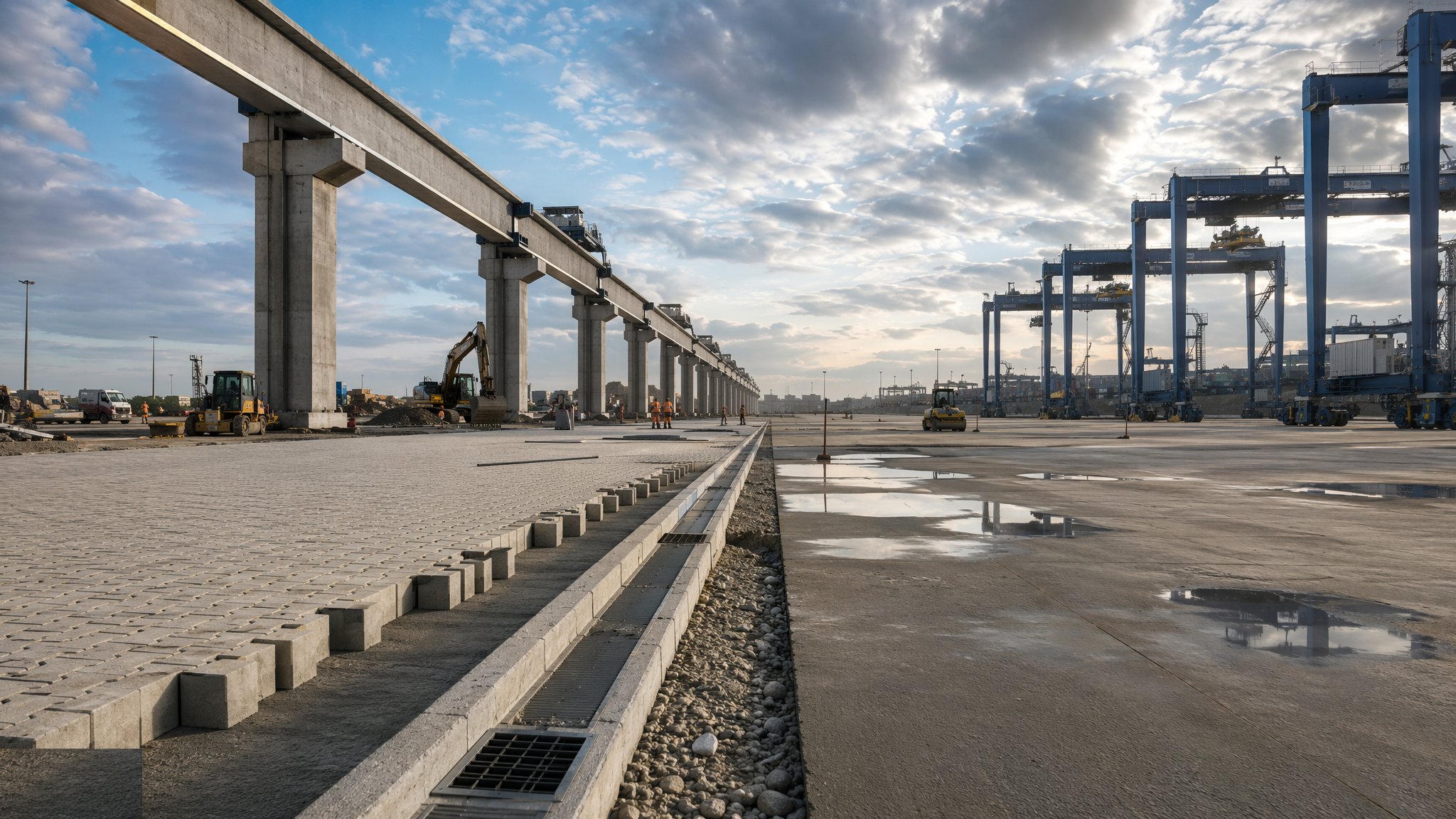
Container Terminals & Port Pavements
The hardest-working pavement in construction - heavy-duty concrete and block paving under container corner-casting loads and rubber-tyred gantries, RTG and RMG rails and beams, reefer gantries and their substations, terminal buildings and gate complexes, all phased around a terminal that wants to keep earning.
Open process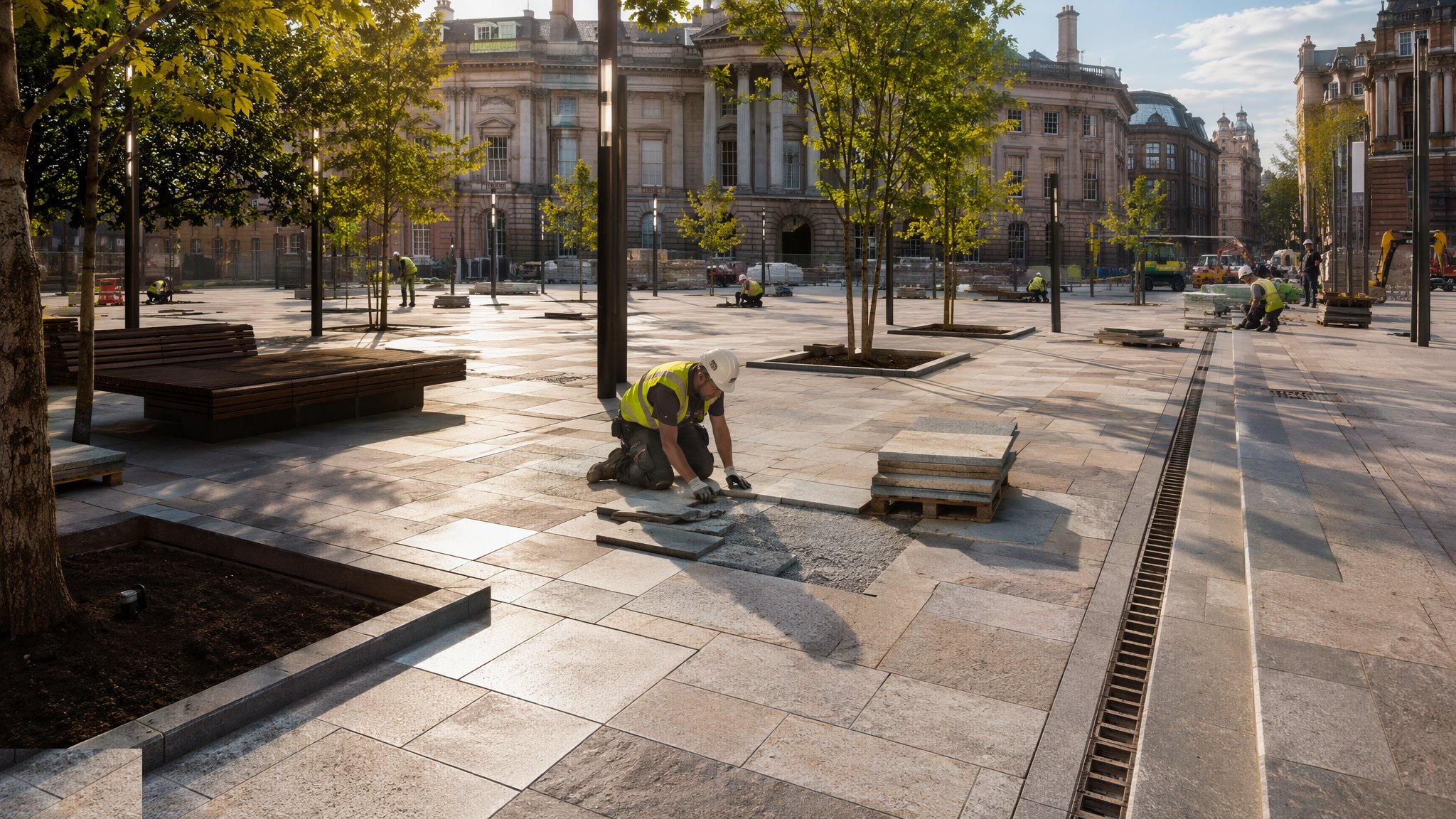
Hard Landscaping & Public Realm
The paved, kerbed and furnished surface people actually walk on - footways, plazas and streetscapes built up in engineered layers, laid to millimetre tolerances and edged, drained and detailed to stay put for decades.
Open process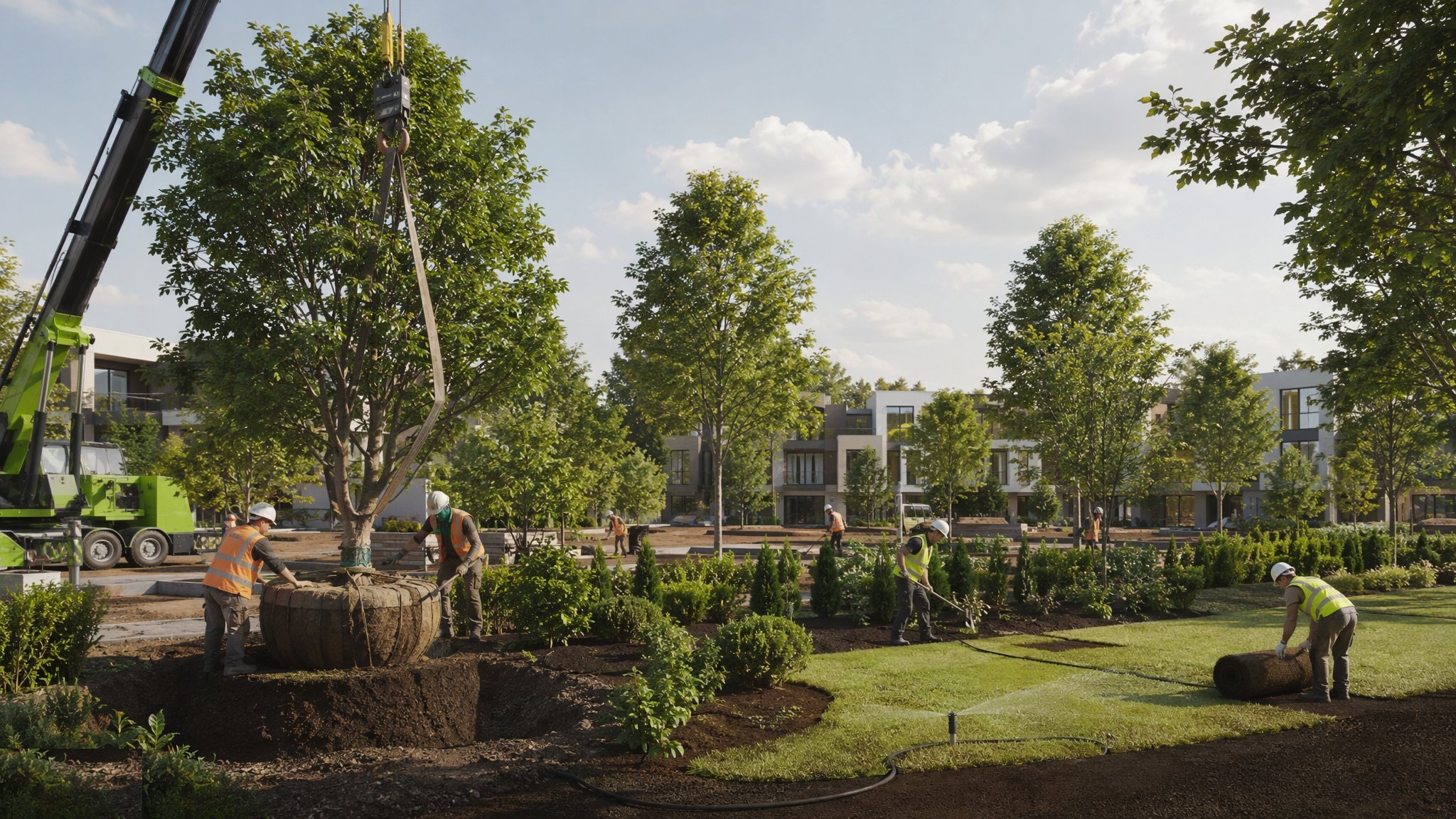
Soft Landscaping & Planting
The living half of the landscape - topsoil, trees, hedges, shrubs, turf and seed - planted to recognised nursery standards and then watered, weeded and replaced through an establishment period that decides whether it lives.
Open process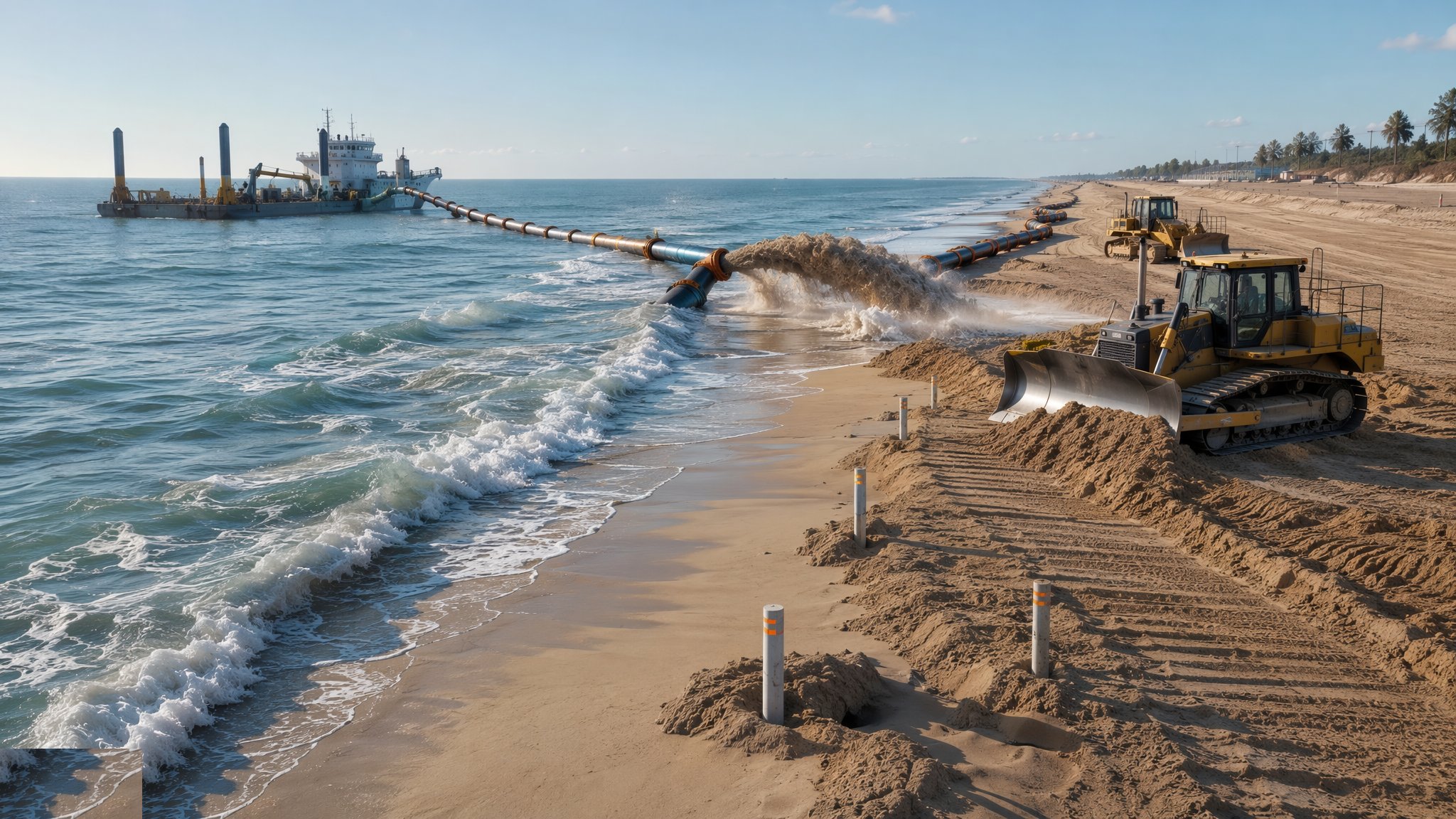
Beach Management & Nourishment
Fighting erosion with sand instead of stone - dredged fill pumped ashore, profiled to the design beach, then monitored and topped up campaign after campaign.
Open process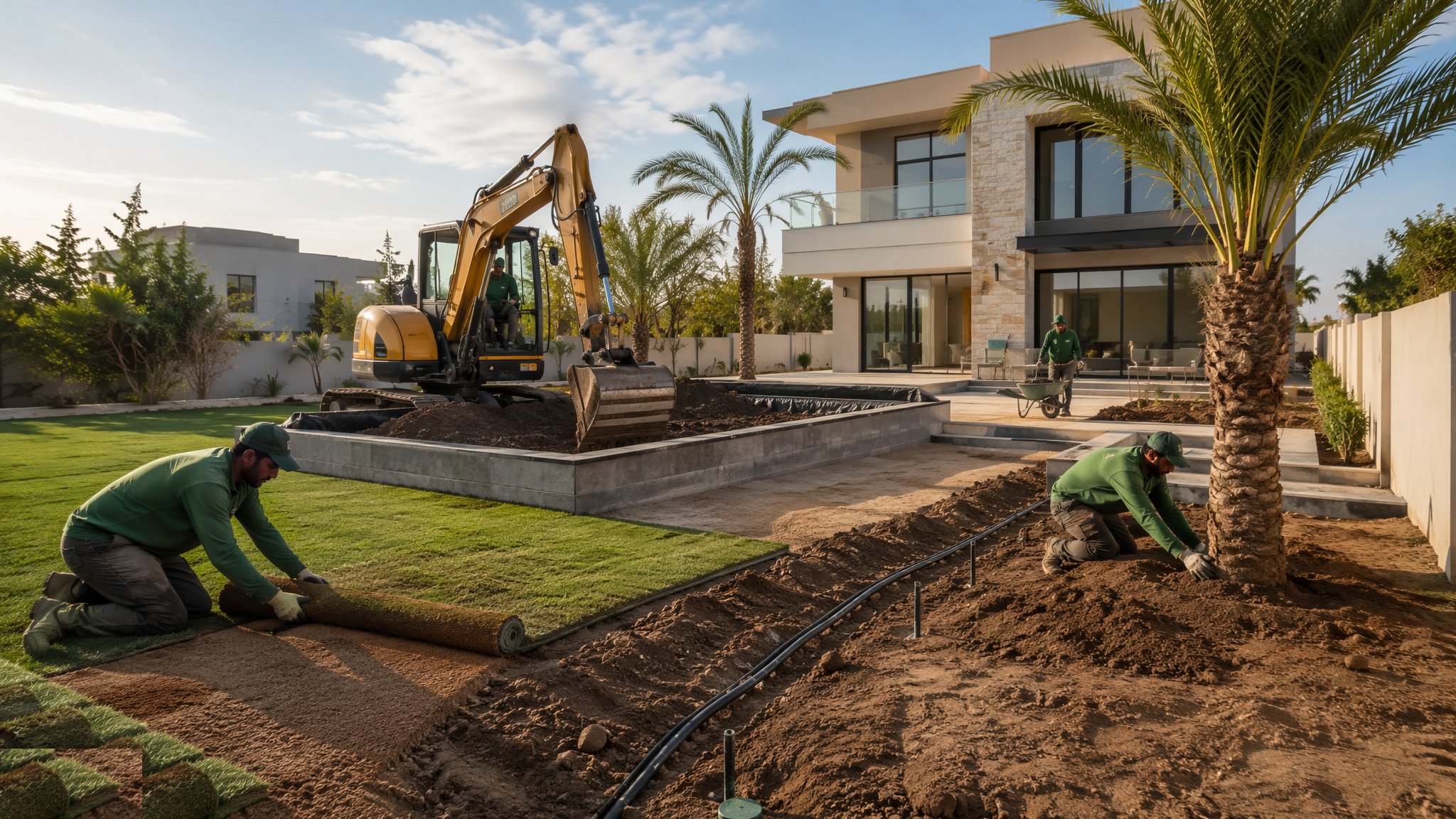
Soft Landscaping & Gardens (Homes & Villas)
Plot-level soft landscaping for homes and villas - topsoil, drainage and irrigation, turfing and planting, from a UK family garden to an irrigated UAE villa plot.
Open processLinear Utilities & Pipelines12
Buried and overhead networks: mains, sewers, cables and the corridors they run in.
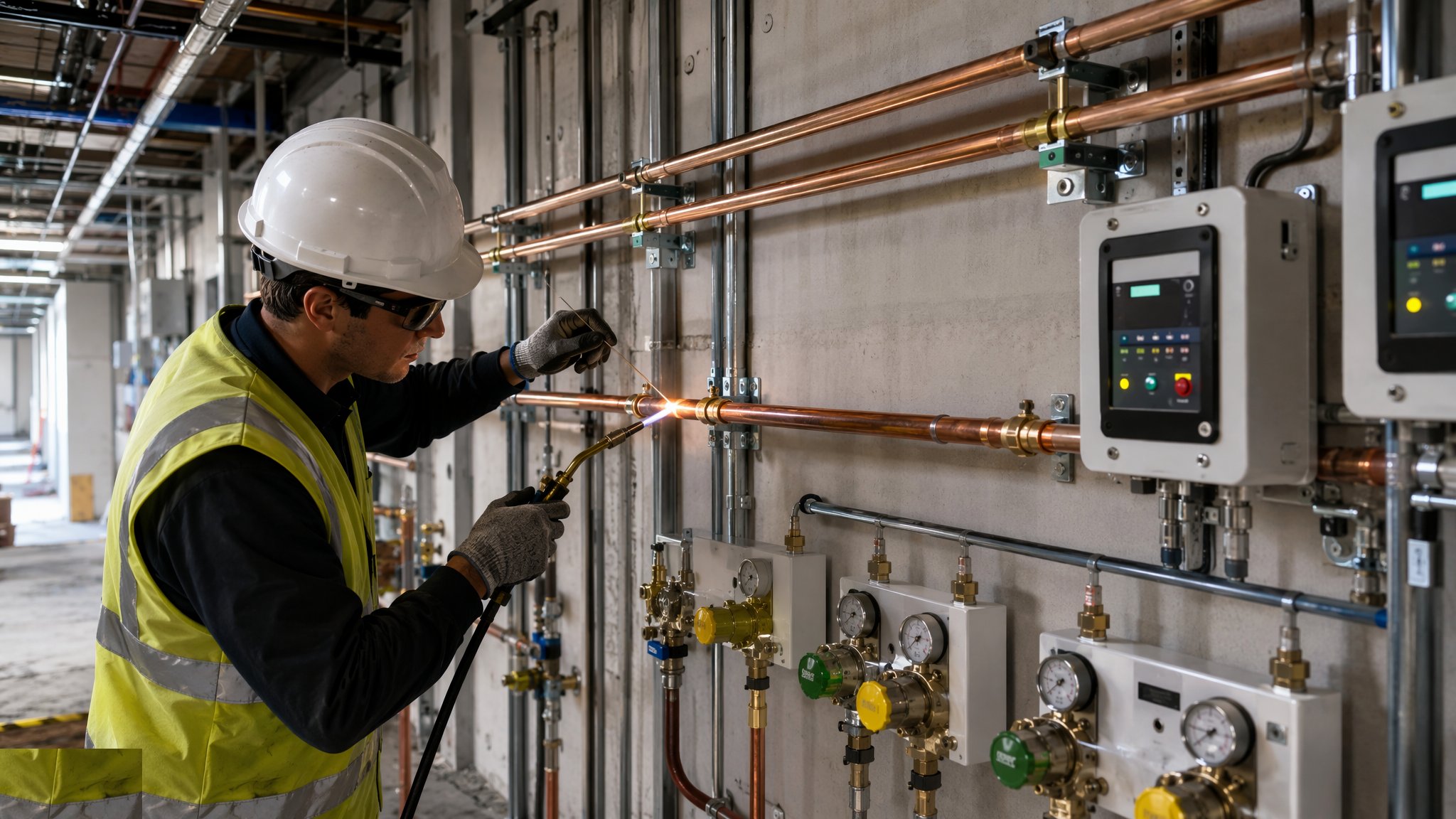
Medical Gas Pipeline Systems (MGPS)
Degreased copper pipelines carrying oxygen, medical air and vacuum to every bedside - brazed under inert-gas purge, tested to destruction-level scrutiny, and governed by HTM 02-01 from first fitting to witnessed blowdown.
Open process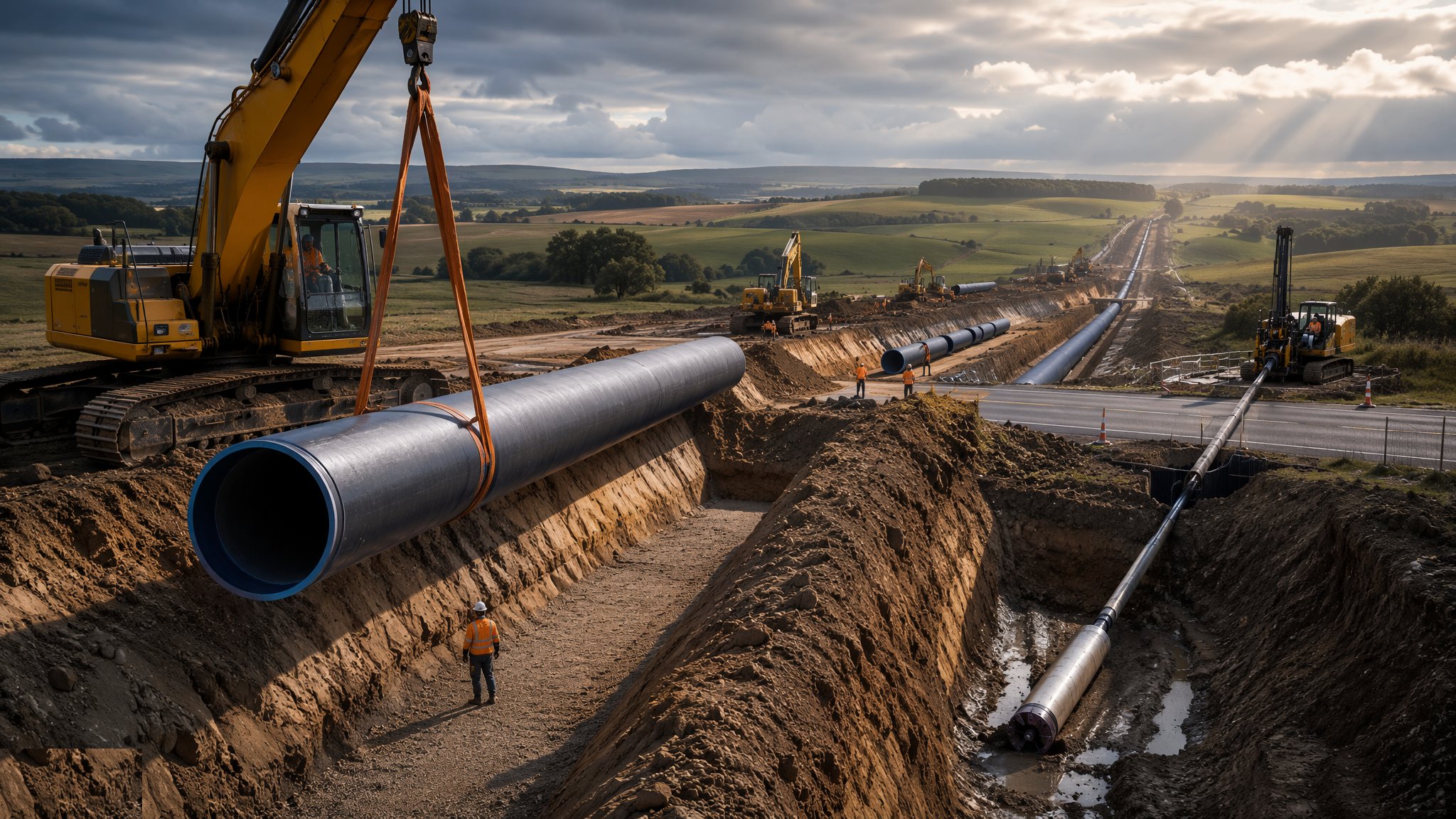
Water Pipelines & Trunk Mains
Long kilometres of buried pressure main - open-cut laying with bedding and surround, thrust boring and directional drilling under the obstacles, ductile iron, PE, steel and concrete pipe, thrust blocks at every bend, then pressure test, swab, chlorinate and connect to a live network that cannot go without water.
Open process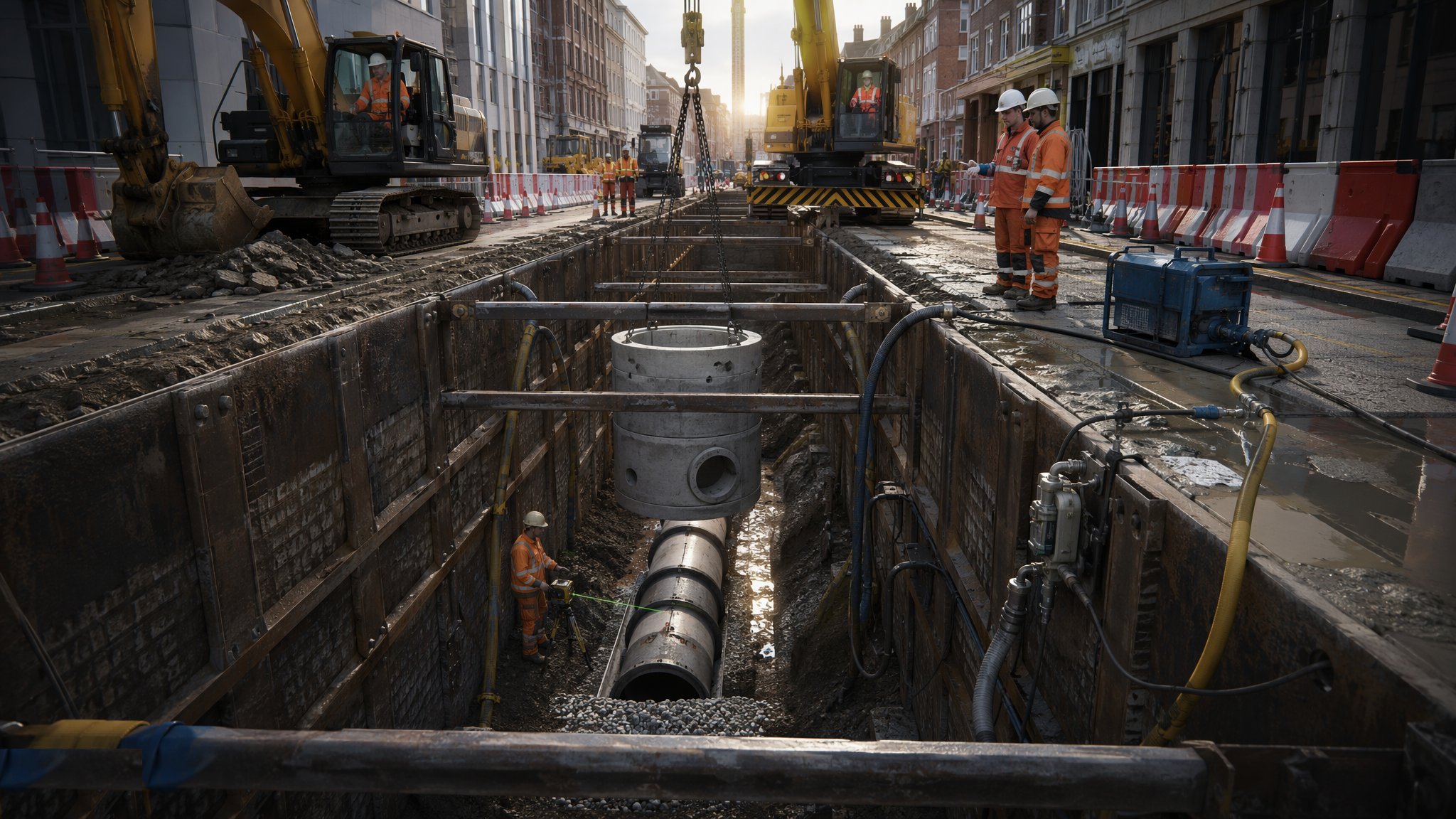
Sewer Network Construction
Gravity sewers laid in open cut to exact line and gradient, manholes at every change of direction, rising mains where the levels give up - tested, CCTV-surveyed and adopted before the first house connects.
Open process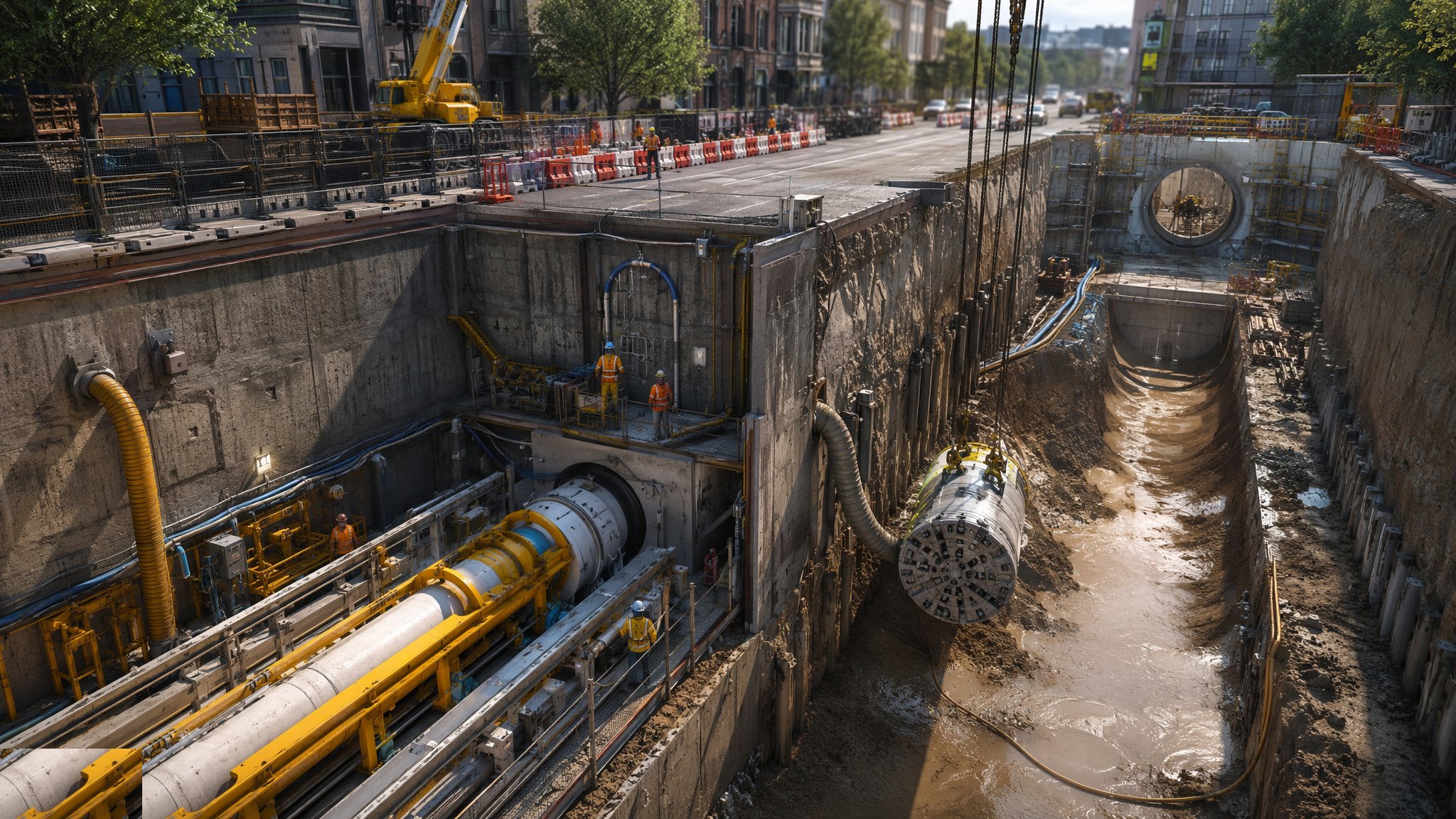
Utility Tunnels & Pipe Jacking
No-dig sewer and utility installation - microtunnels and pipe jacks driven between shafts to millimetre accuracy under roads, railways and rivers the city cannot afford to open.
Open process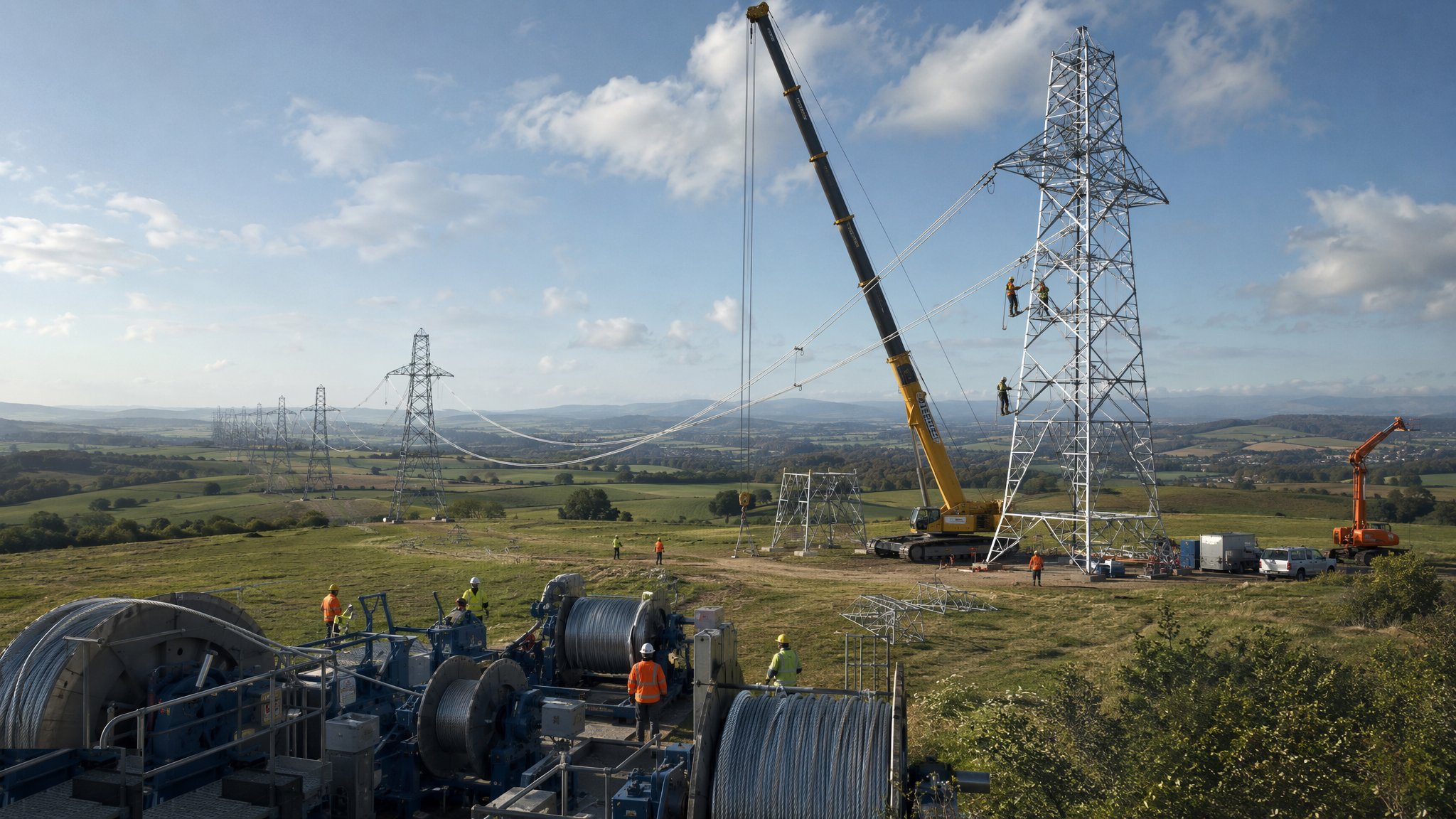
Overhead Line Construction
Lattice towers and steel poles marching across country - four foundations per tower, steel stacked in sections, and conductors strung under tonnes of tension and sagged to the millimetre.
Open process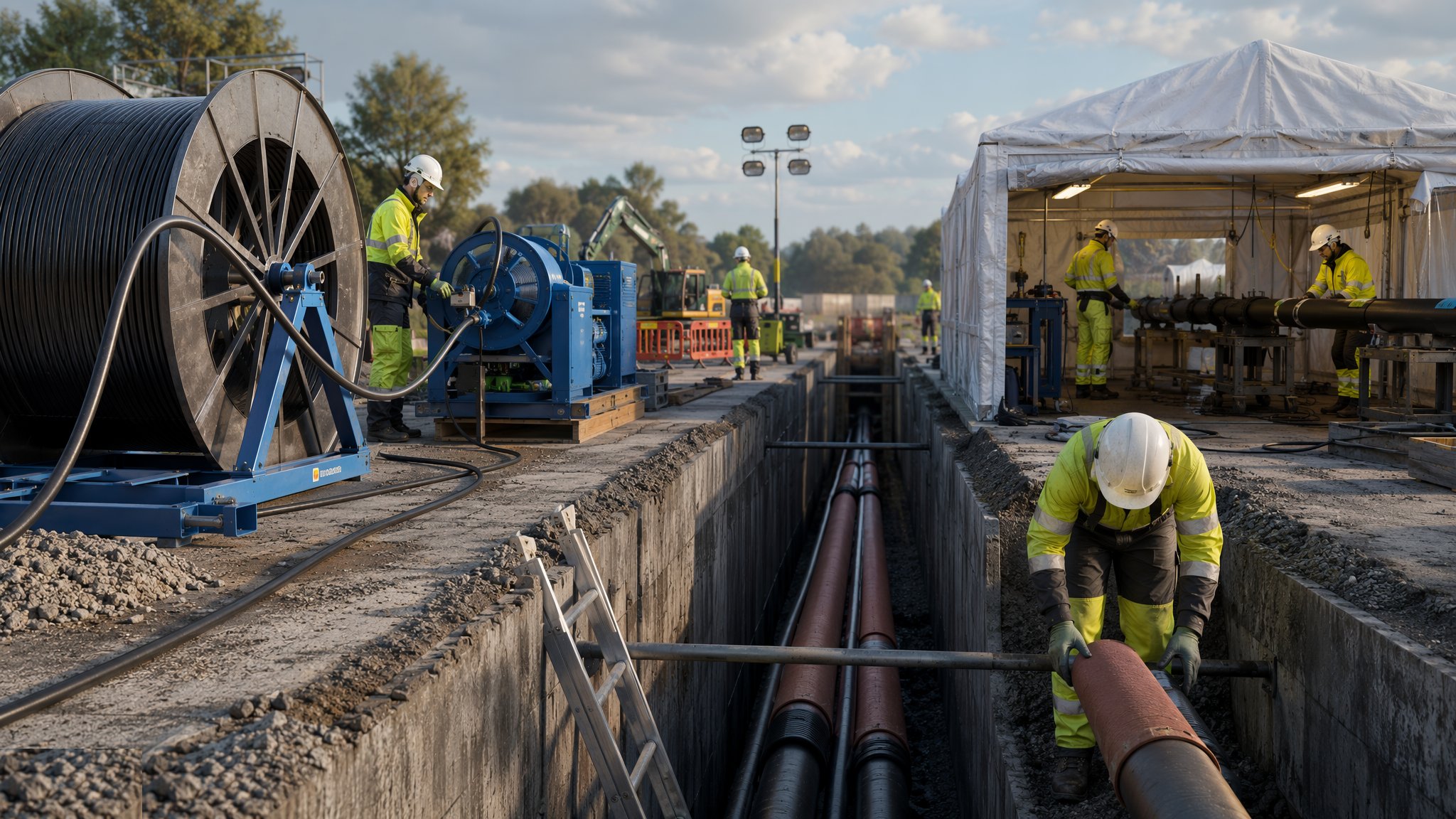
Underground Cable Installation
High-voltage circuits buried in trenches and duct banks - kilometres of XLPE cable pulled between joint bays, bedded in thermal surround, jointed by certified jointers, and proven by the sheath test.
Open process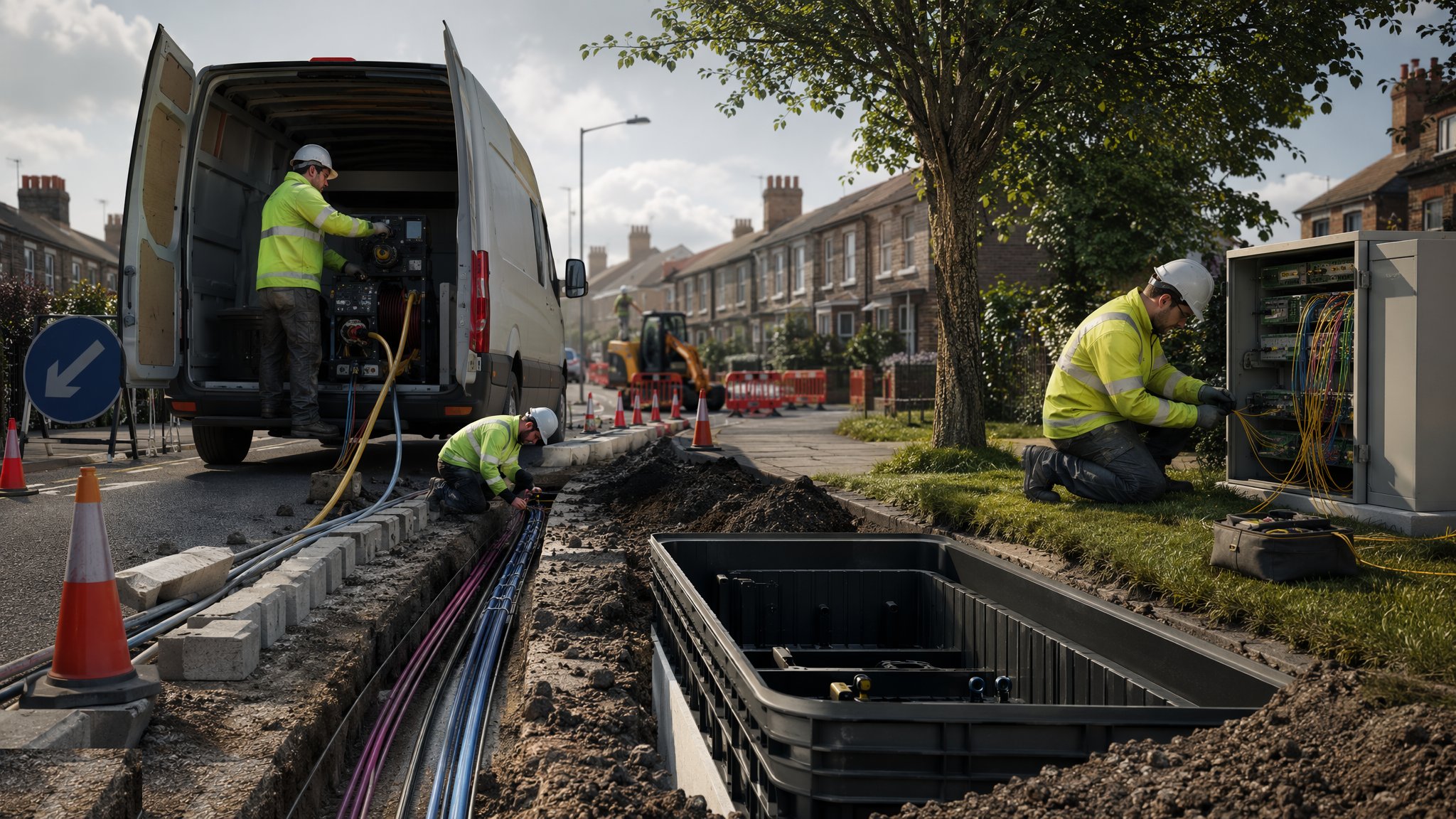
Fibre Network Installation
Ducts in the ground, chambers at the corners and hair-thin glass blown between them - the buried network that carries everything, built in live streets and tested to the decibel.
Open process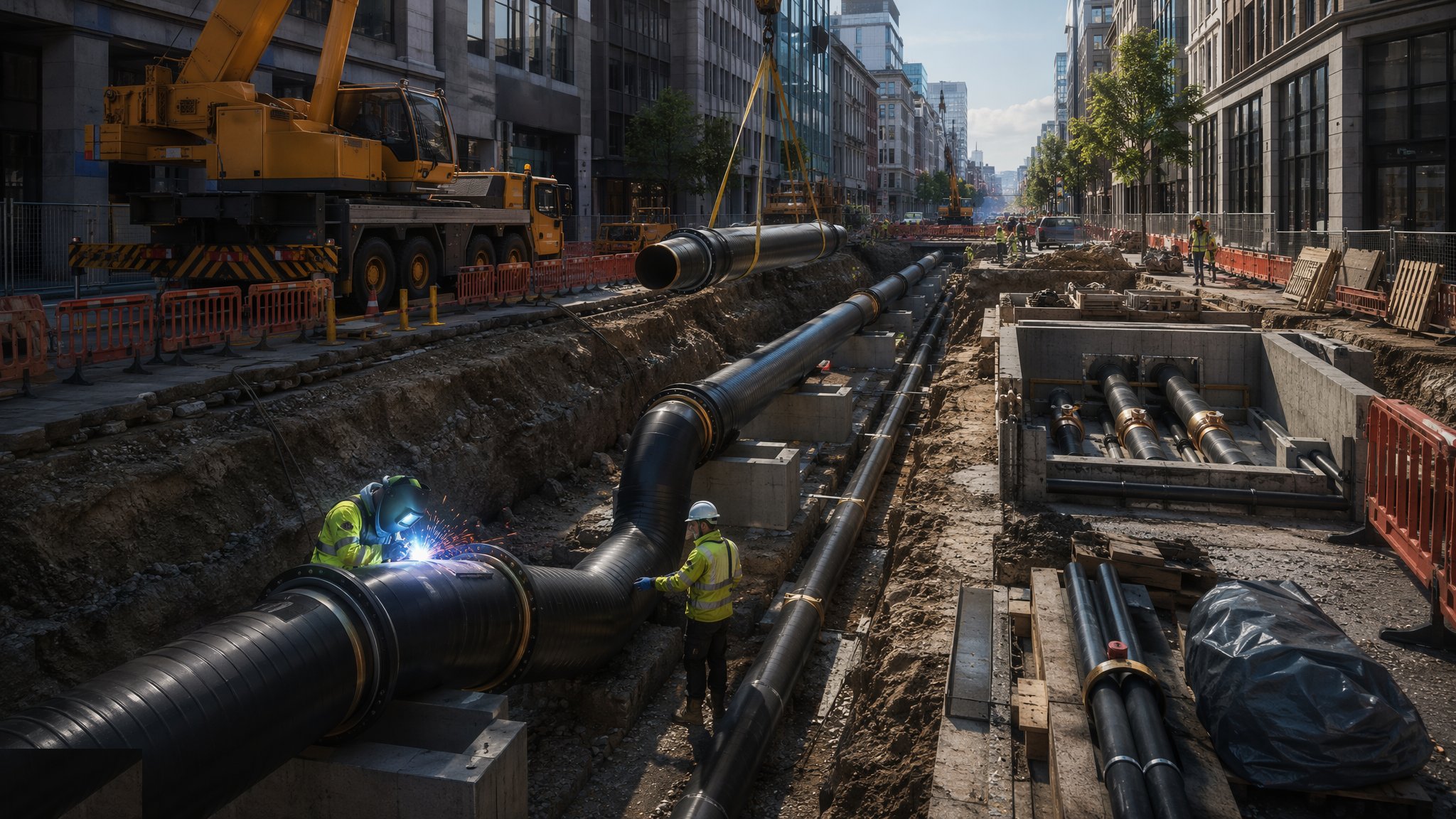
District Heating & Cooling Networks
Mains of pre-insulated bonded pipe welded end to end through live streets, carrying hot or chilled water under the city - a heat network that only works if every joint, anchor and expansion loop is exactly where the design put it.
Open process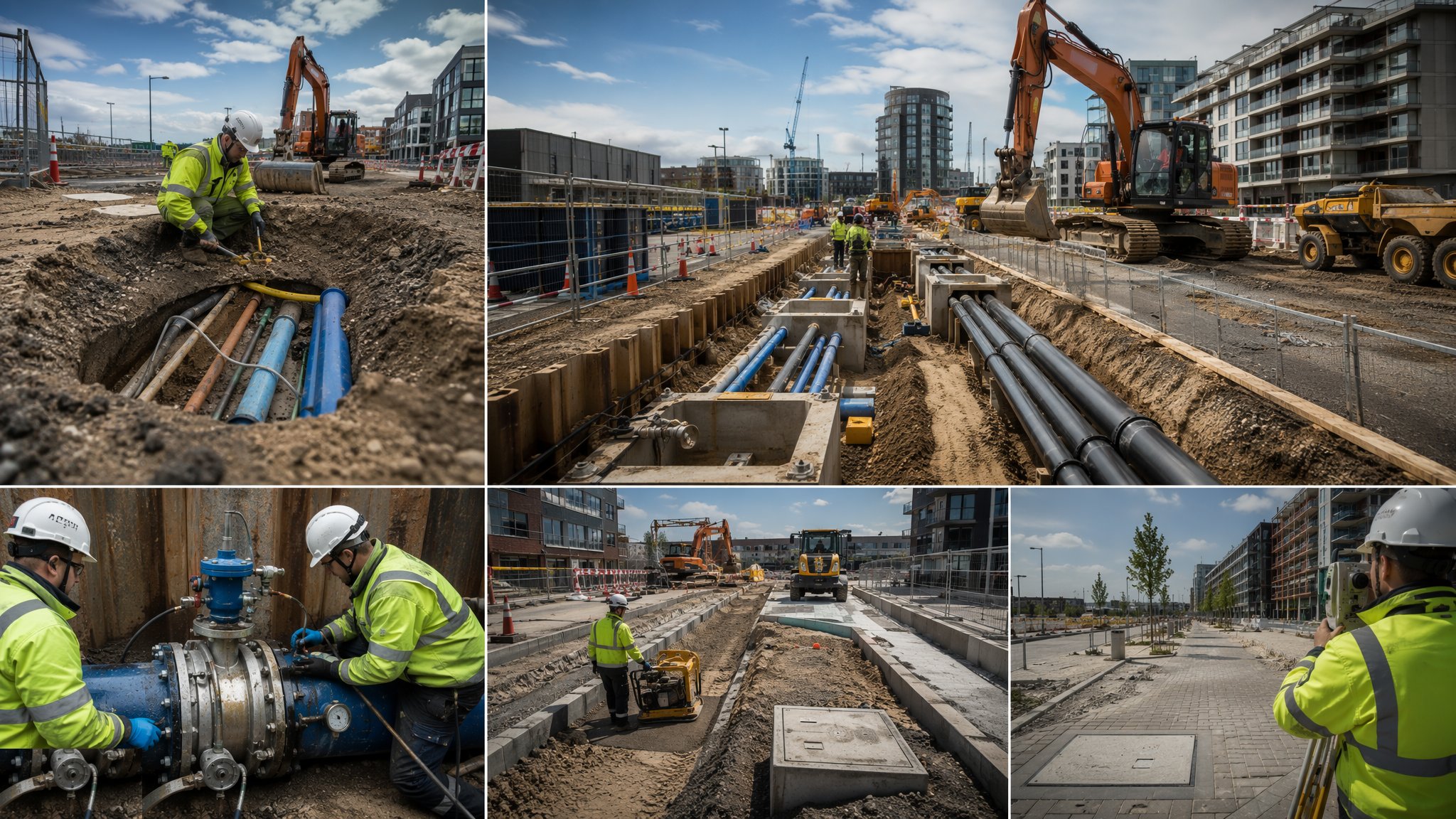
Utility Diversions & Connections
Moving other people's live services out of the way of the development - trial holes, statutory notices, diversion trenches and live-to-live connections - the unglamorous enabling works that decide when everything else can start.
Open process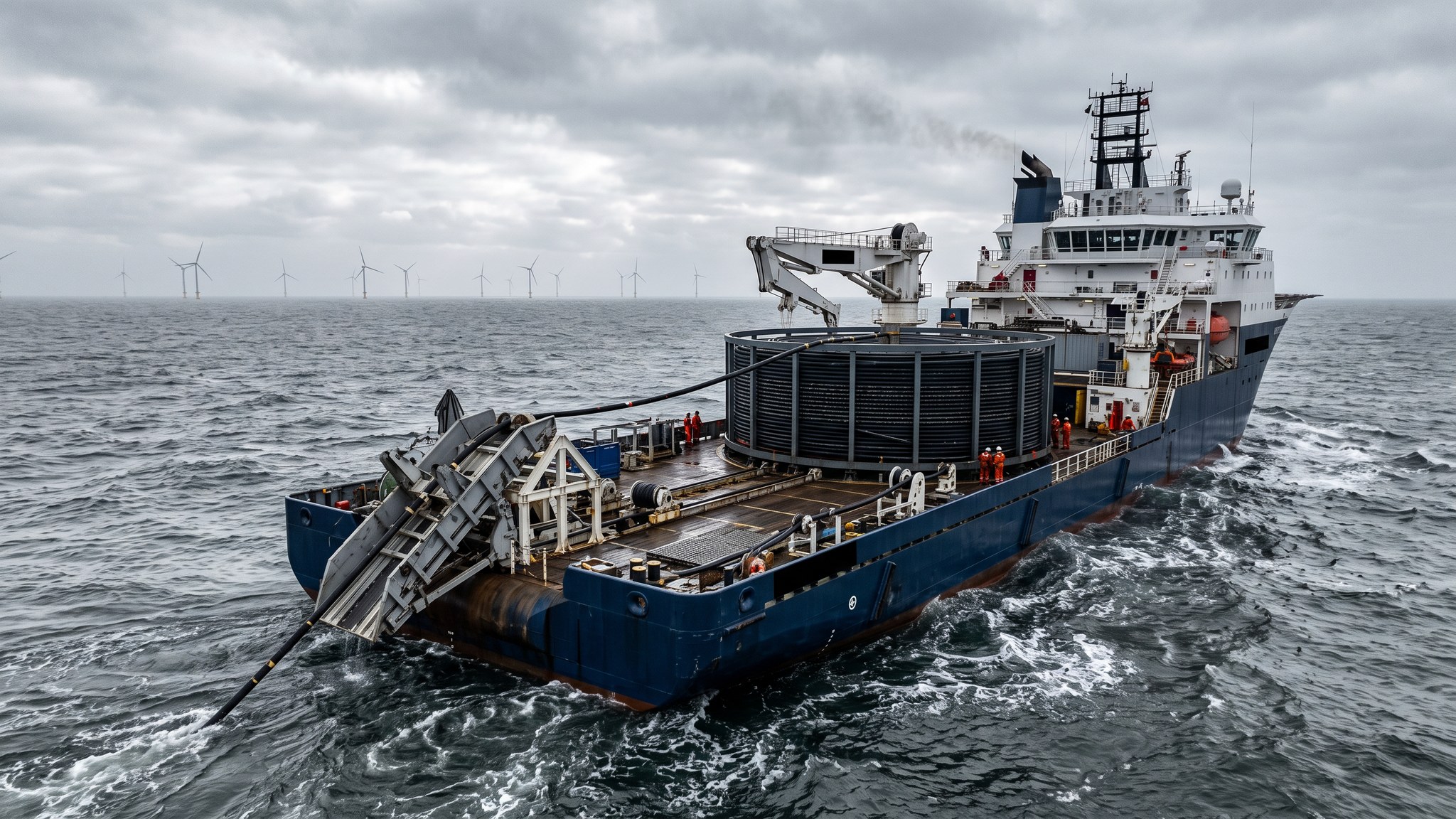
Array & Export Cables
The array cables that string the turbines together and the export cables that carry the power ashore, laid on the seabed and buried into it. Cables are a small share of the capital cost and by far the largest share of the sector's failures.
Open process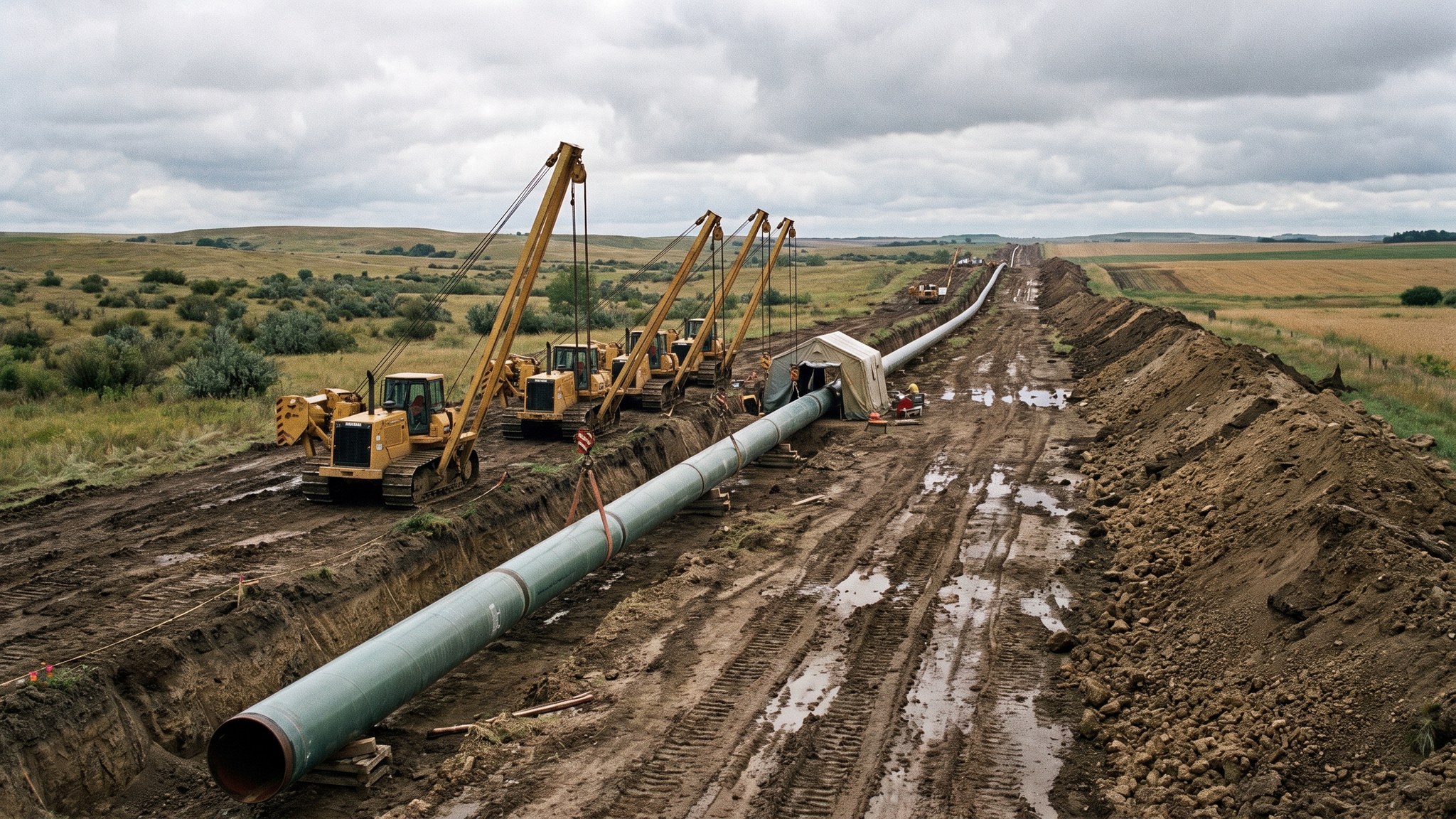
CO2 Transport Pipelines
Getting the stream from the emitter to the storage site - a linear construction project that crosses farmland, roads, rivers, towns and usually a stretch of seabed, built by a spread that moves every day.
Open process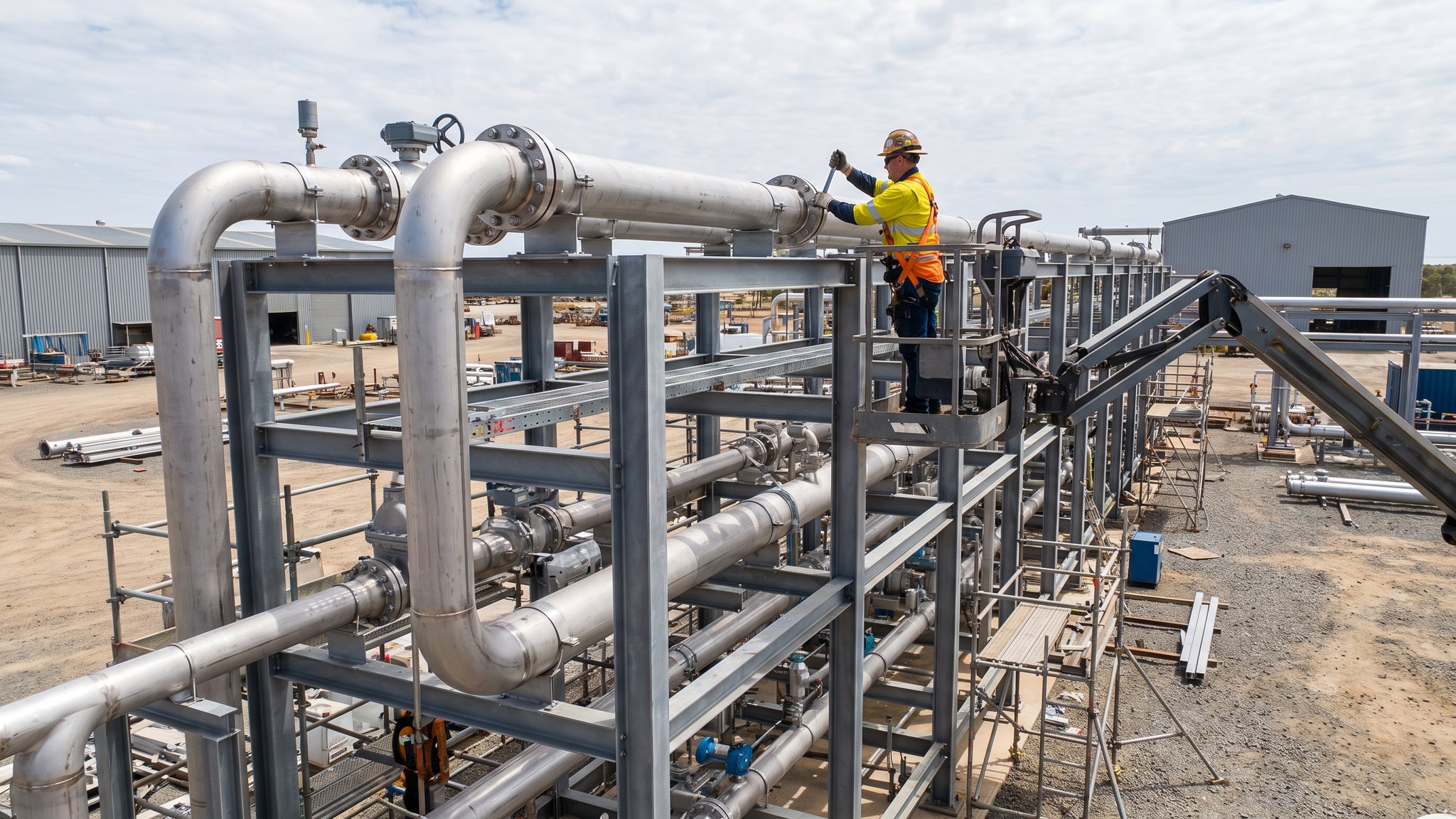
Pipework & Distribution
The connecting tissue of the plant, and the discipline that decides whether it is a good one - because a small gas finds every joint that was made carelessly, and the whole trade is organised around making fewer joints and making them properly.
Open processWhole-Building Delivery47
Delivering a complete building of a given type, from structure through to handover.
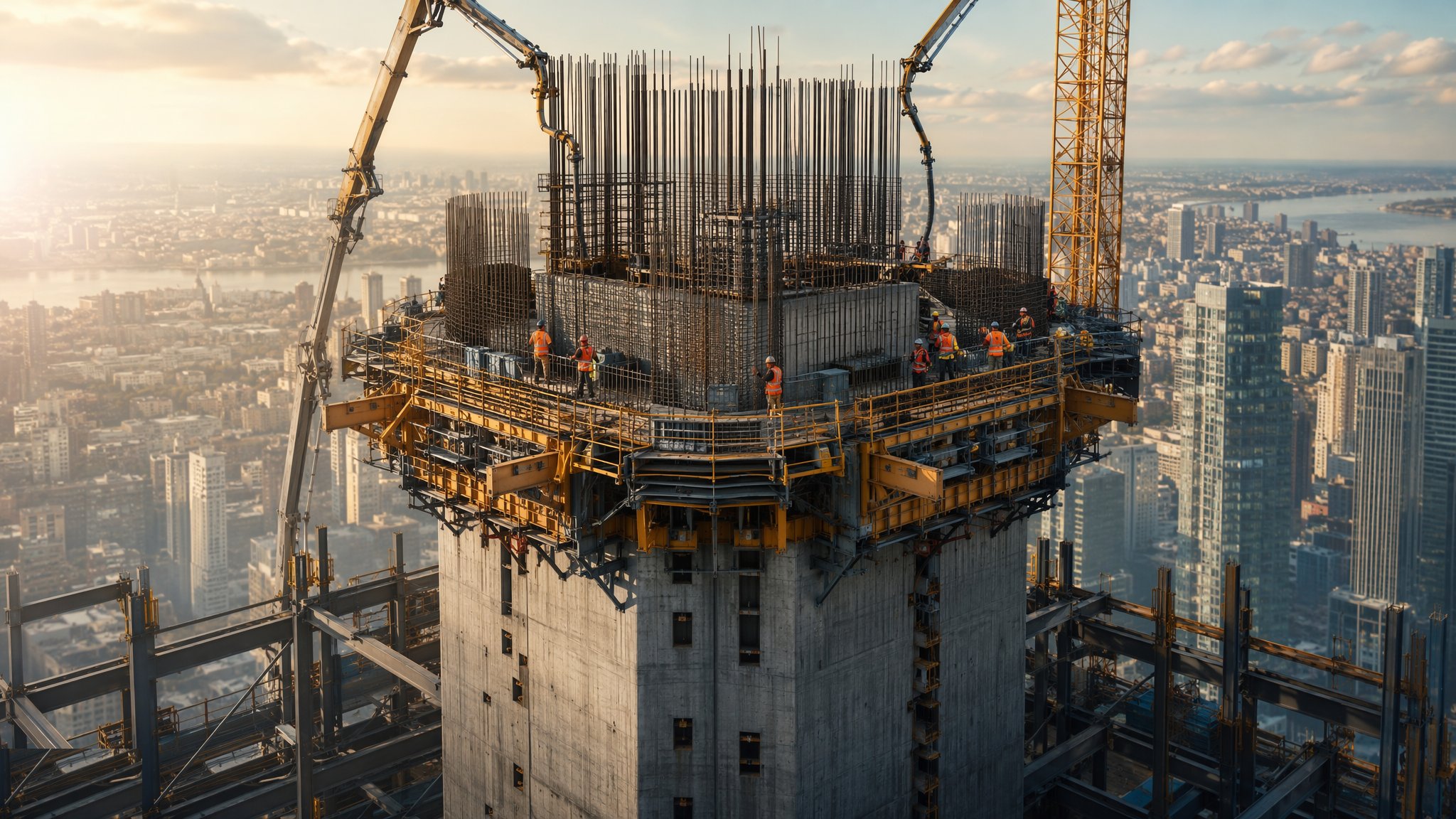
Core Construction - Slipform & Jumpform
The reinforced concrete core - lifts, stairs and riser shafts inside one stiff walled box - climbing ahead of the frame and holding the whole tower up against the wind.
Open process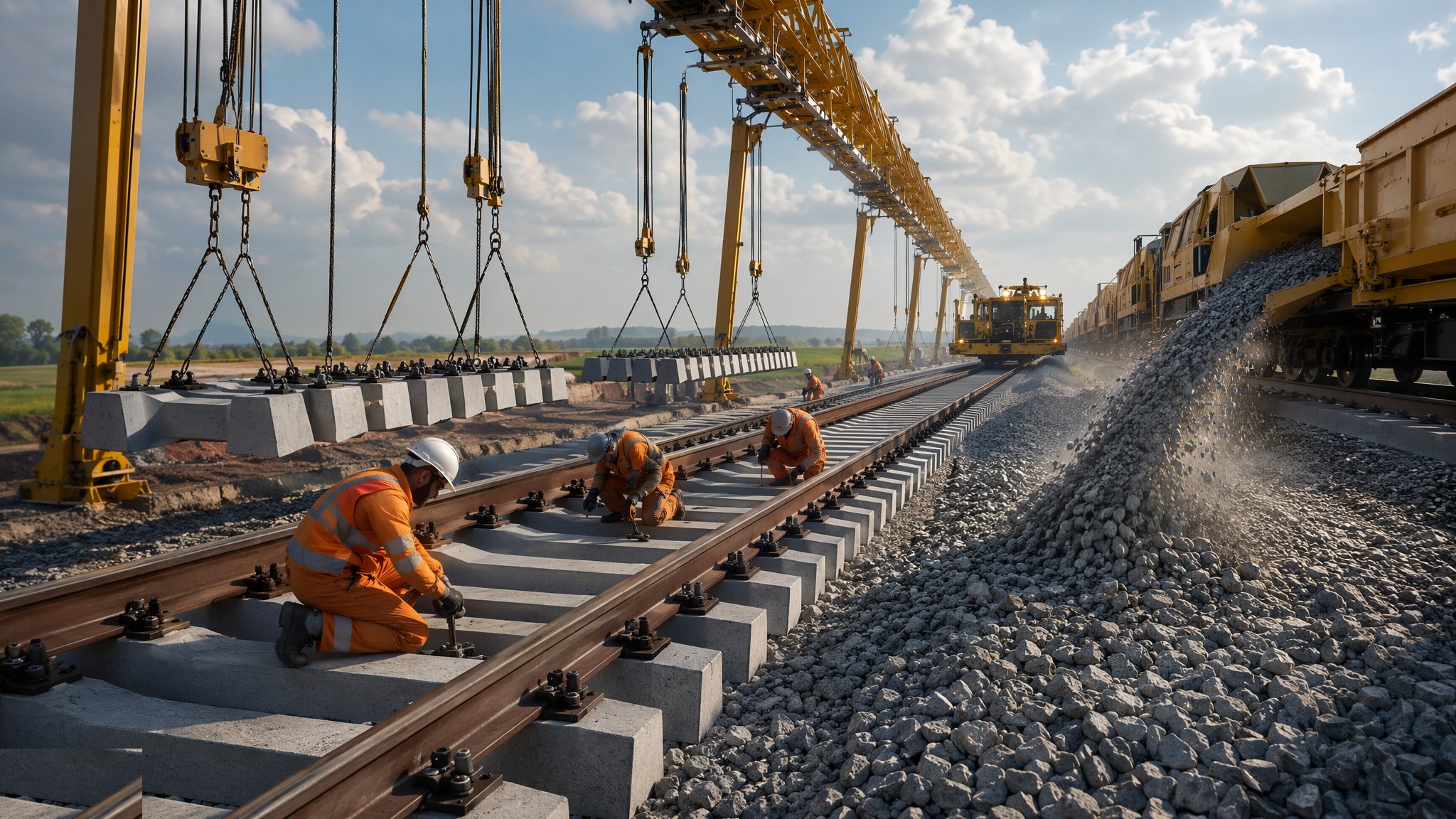
Track Construction
From sleeper or slab to stressed, welded continuous rail - the process that turns a prepared trackbed into a railway you can run a train on.
Open process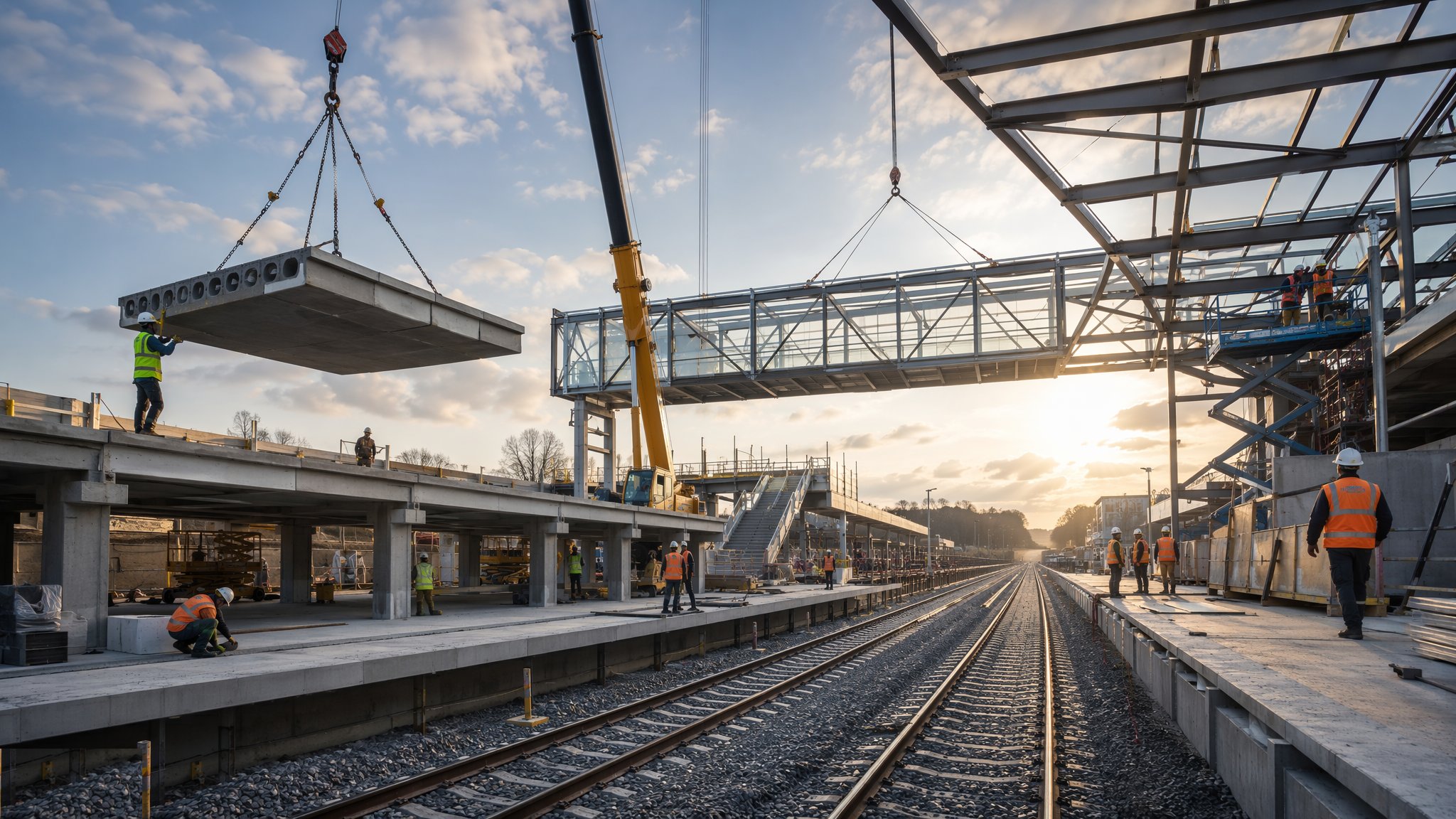
Station Construction
Station boxes and platform structures, canopies and footbridges, lifts and escalators, and the fit-out that turns civil engineering into a place passengers use.
Open process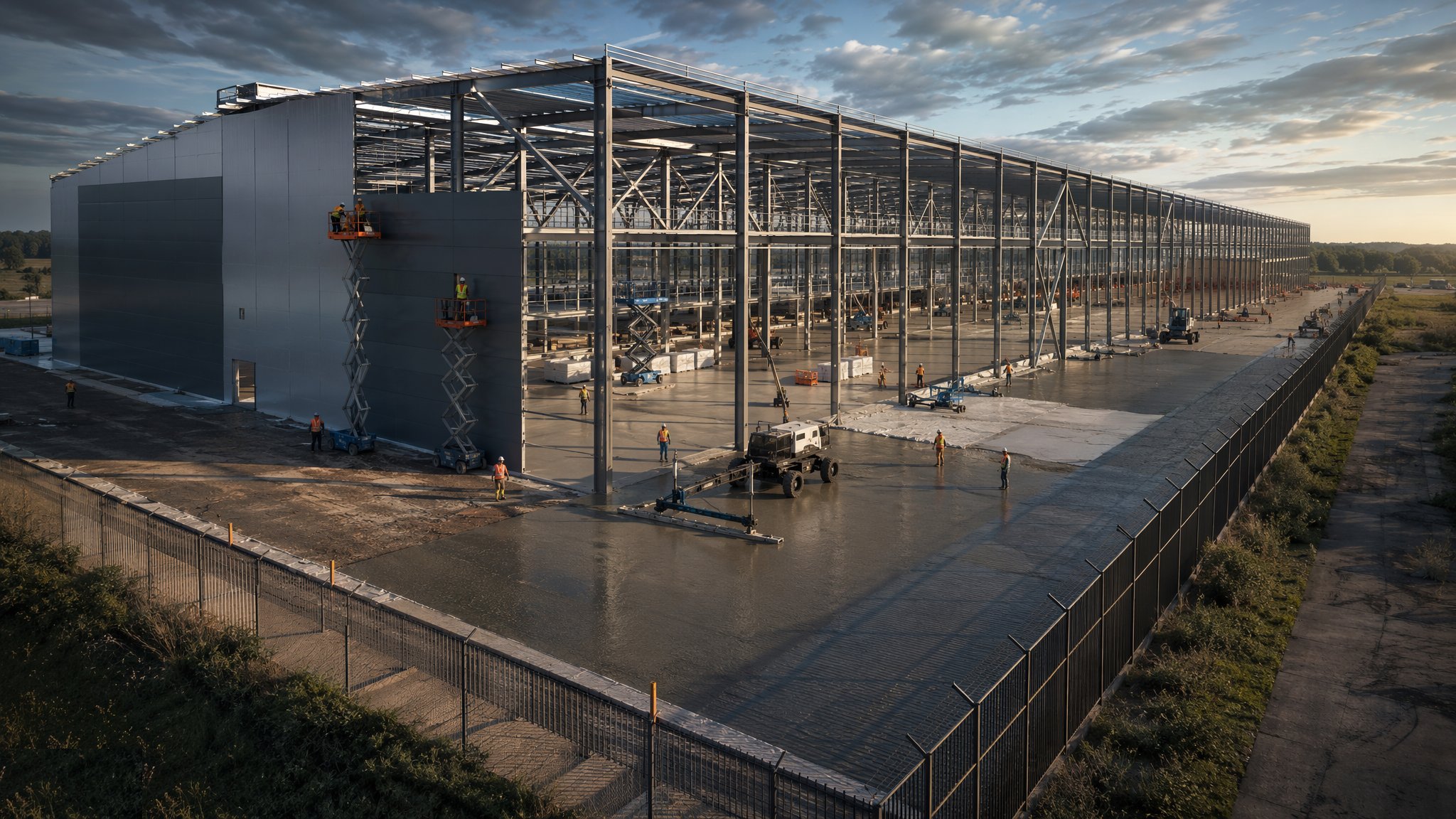
Data Hall Shell & Structure
Long-span steel, high-load slabs and a secure, weather-tight envelope - the warehouse-scale structure engineered for rack loads, not roof lights, where weather-tightness is a hold point the whole fit-out depends on.
Open process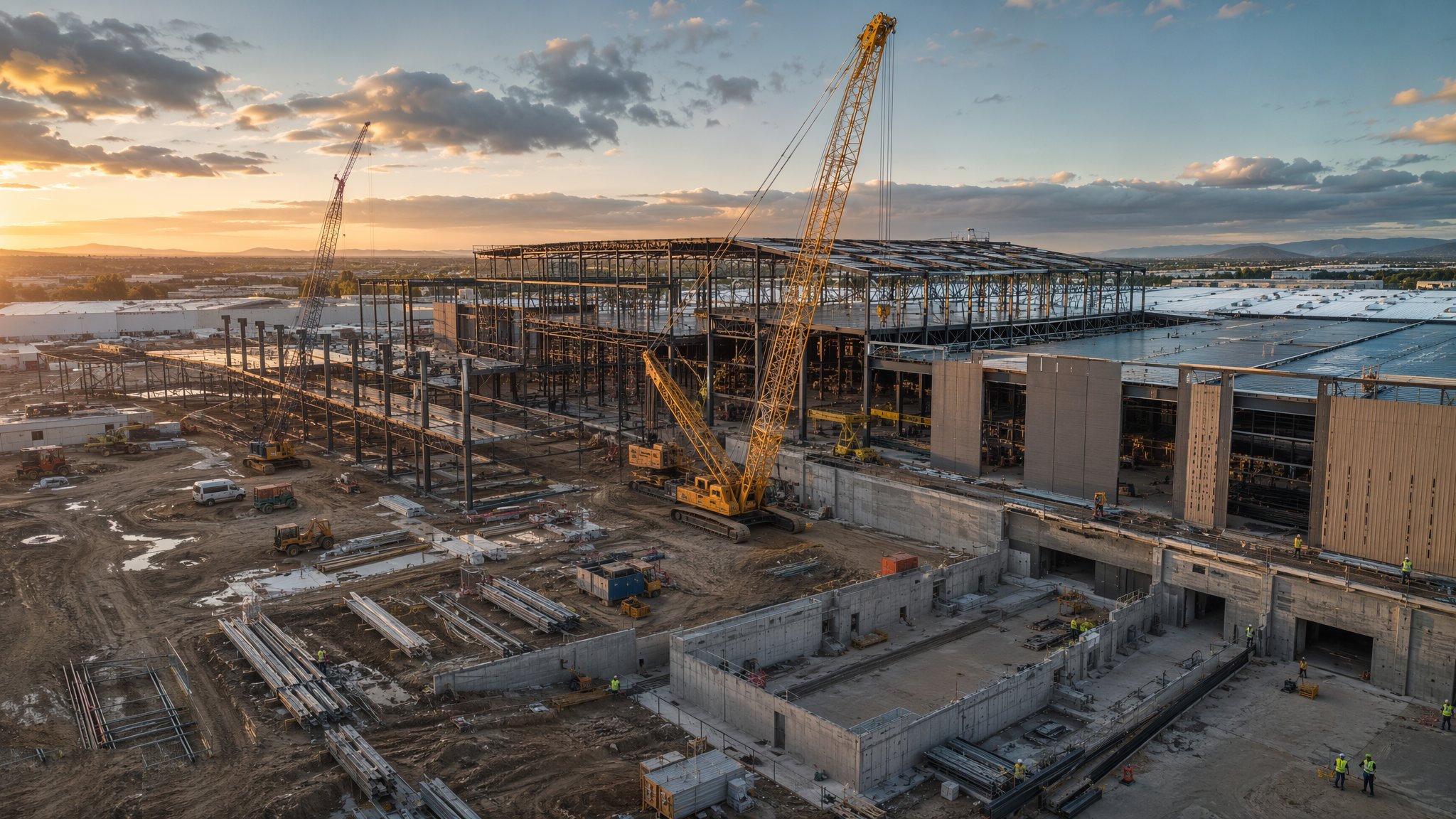
Retail Shells & Shopping Centre Structures
Big-box portal frames and covered-mall steelwork - the landlord's shell, with docks, service yards and atria, built to a line the tenant's fit-out will be measured against.
Open process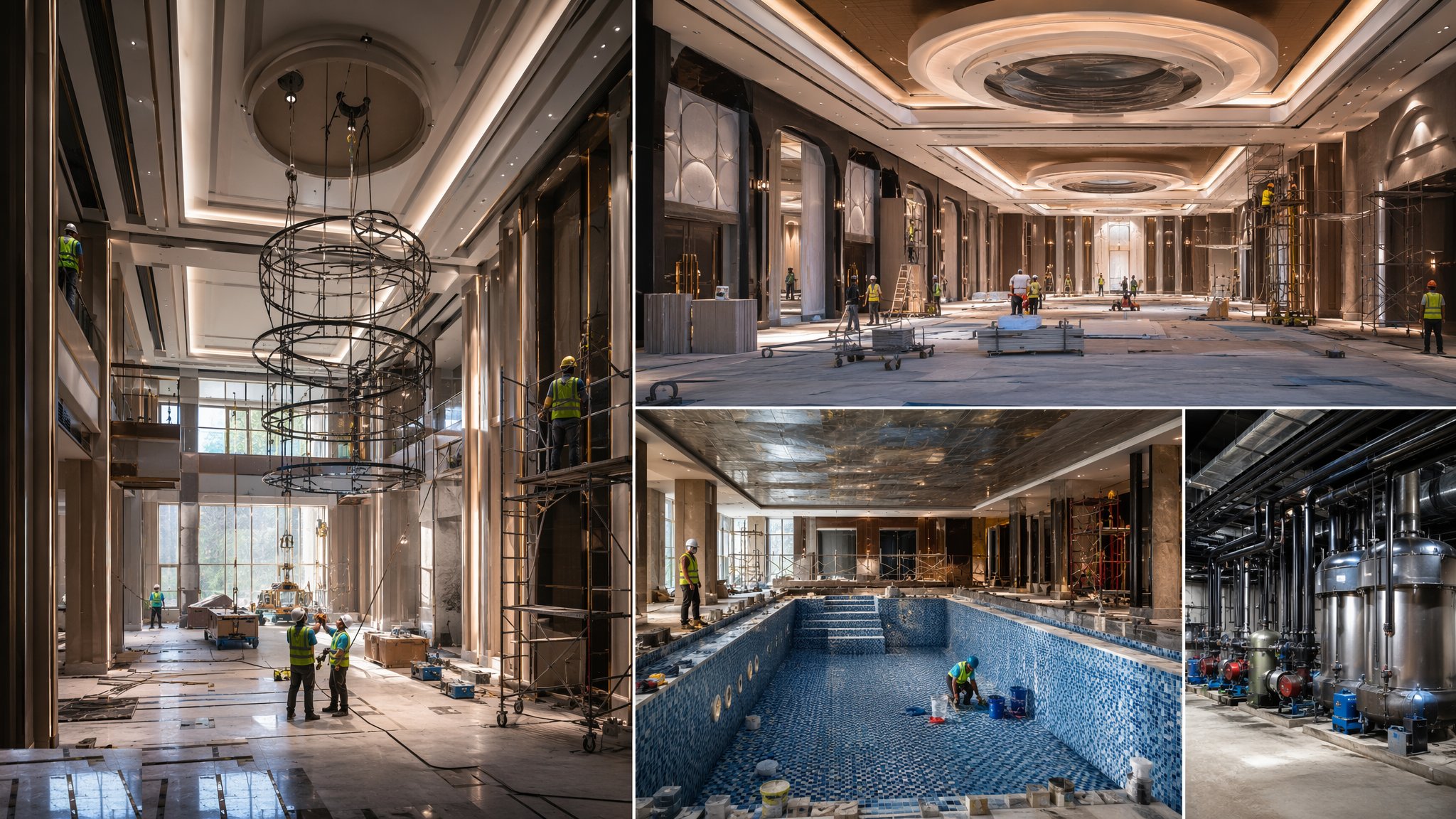
Hotel Public Areas & Leisure Facilities
Lobbies, ballrooms, restaurants and pools - the high-finish, high-scrutiny spaces: feature elements hung from structure, finishes to millimetre tolerances, and pool tanks, water treatment and humidity control that either work forever or fail expensively.
Open process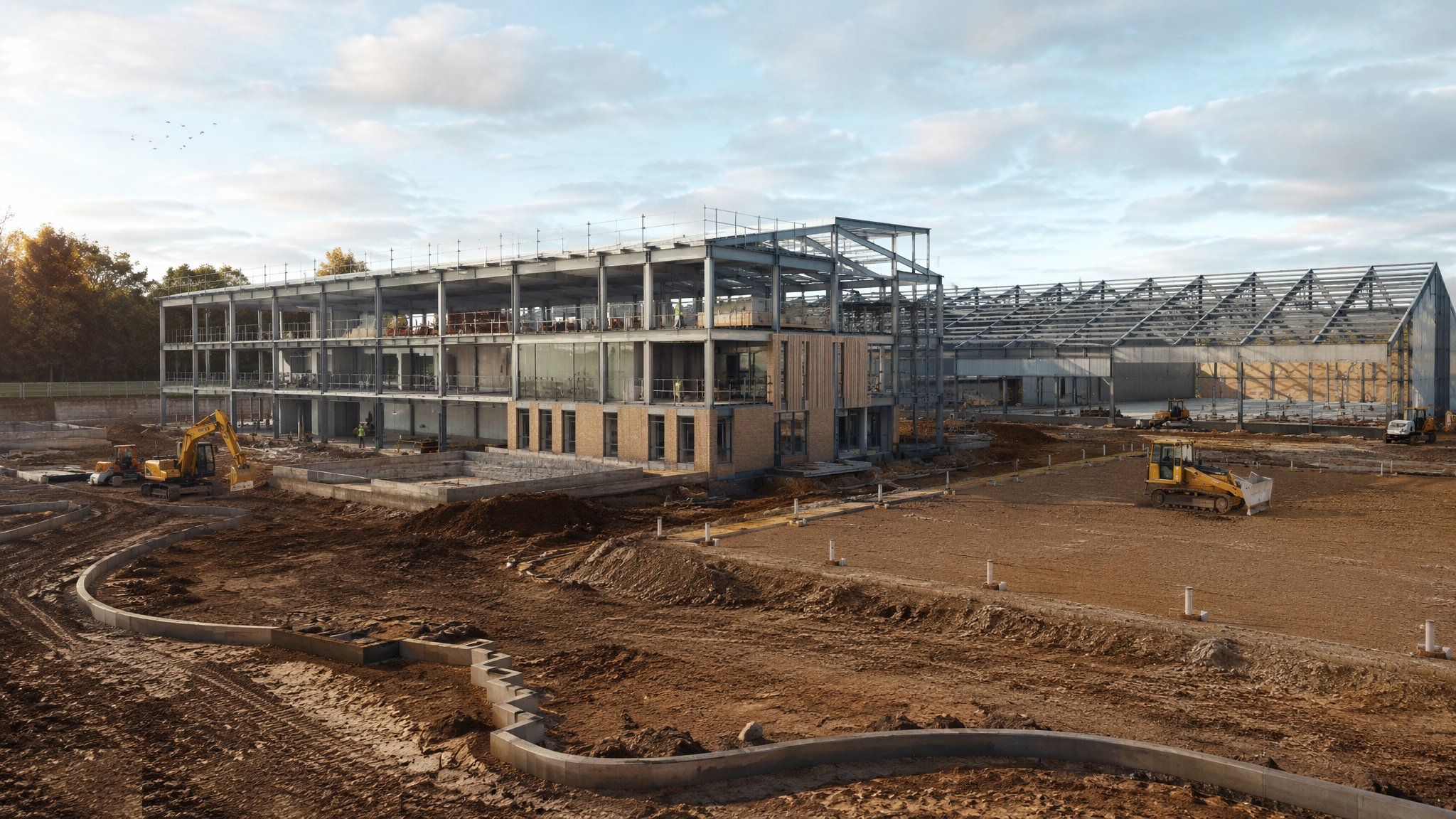
School Construction
Teaching blocks, halls and play spaces built to the Department for Education's output specification - where classroom acoustics, daylight, robustness and safe external areas matter as much as the frame that carries them.
Open process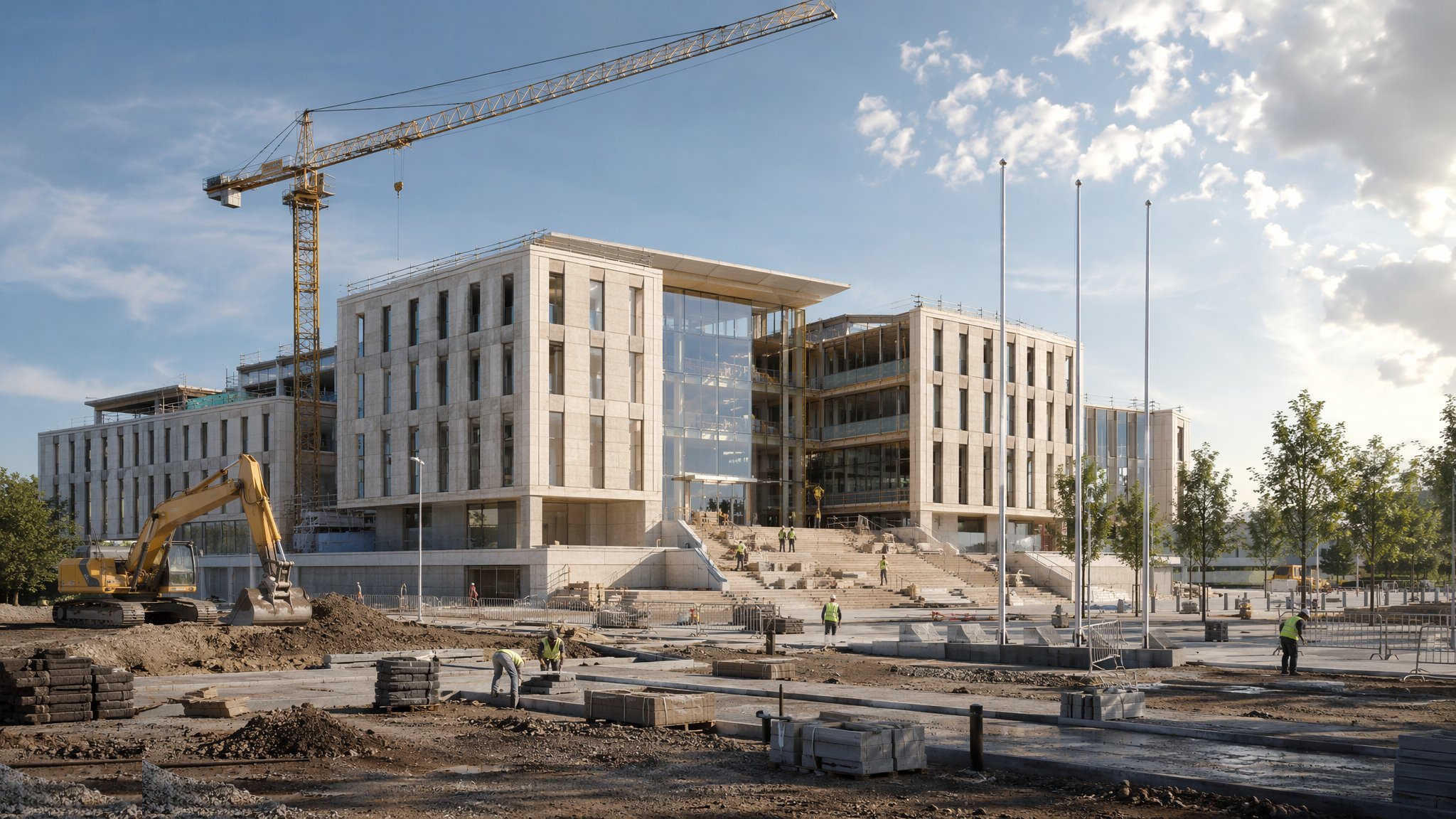
Civic & Government Building Construction
Council offices, courts and civic halls - public buildings built for a sixty-year life under public procurement, where durability, accessibility and maintainability outrank speed and gloss.
Open process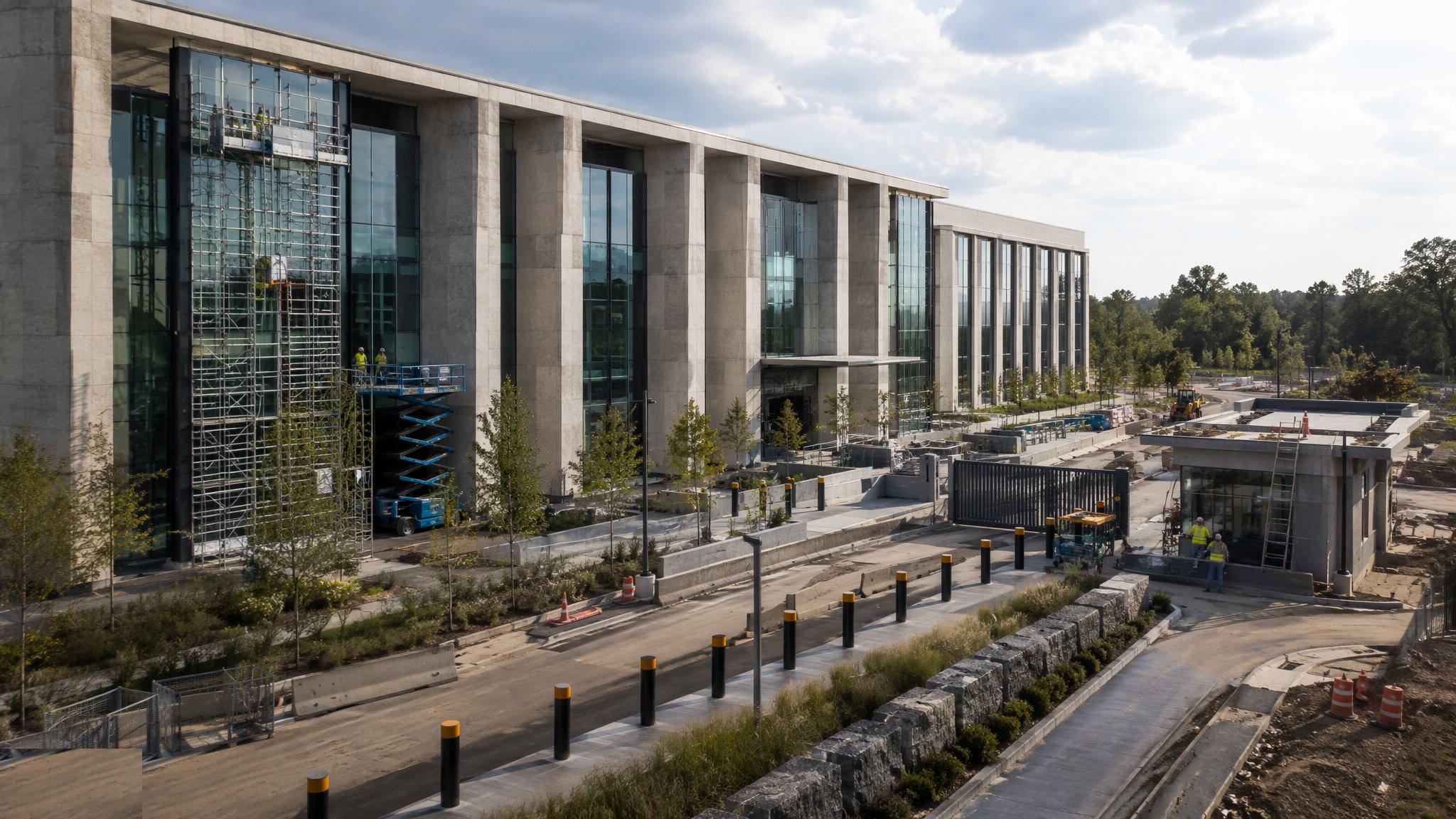
Security Measures in Government Buildings
The protective shell around public buildings - PAS 68-rated bollards, blast glazing, secure lobbies and stand-off - engineered so the security deters the threat without imprisoning the public.
Open process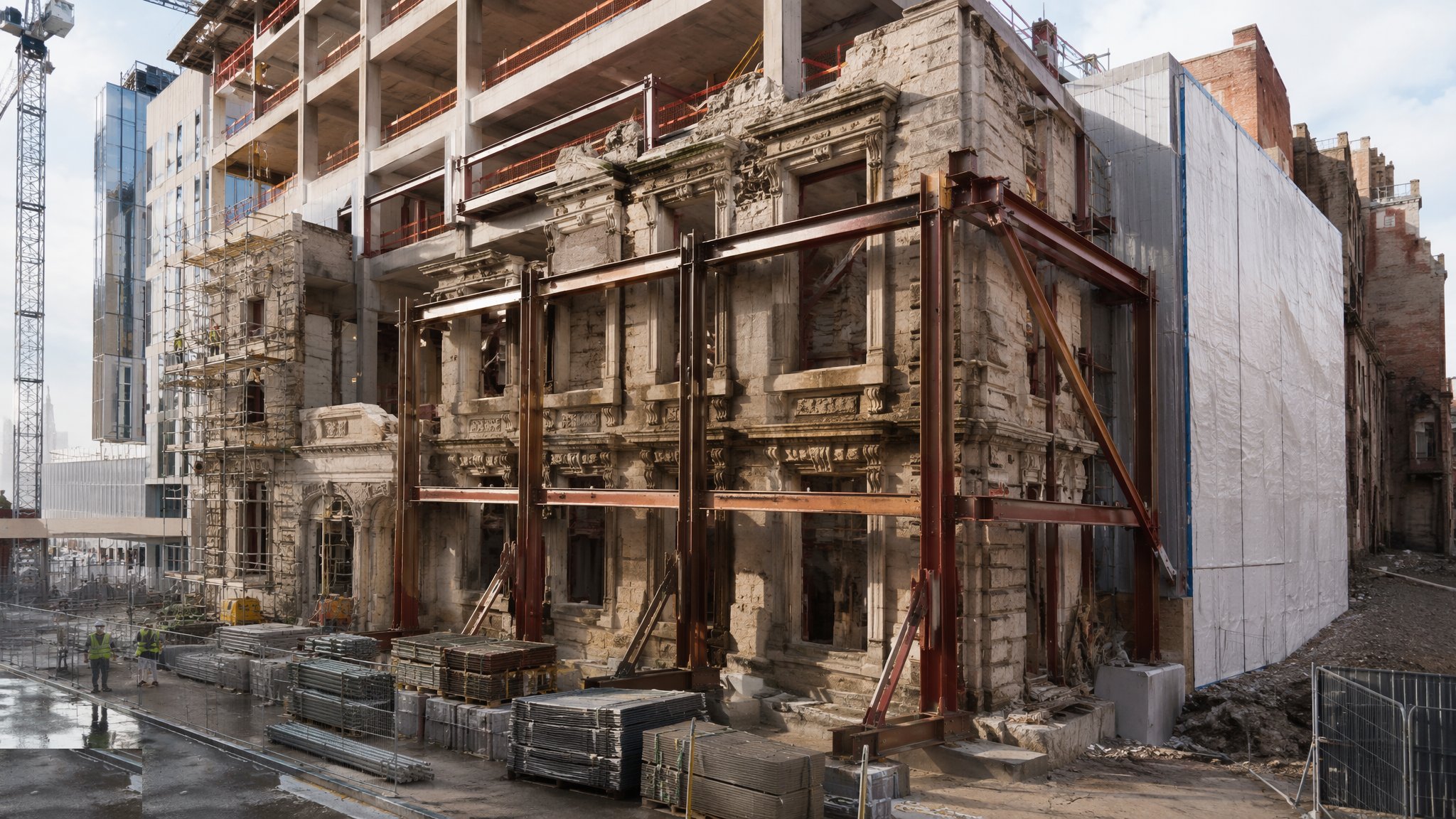
Working on Listed & Heritage Civic Buildings
Construction on listed civic buildings - consent first, like-for-like materials, and the historic fabric protected, recorded and respected at every stage of the works.
Open process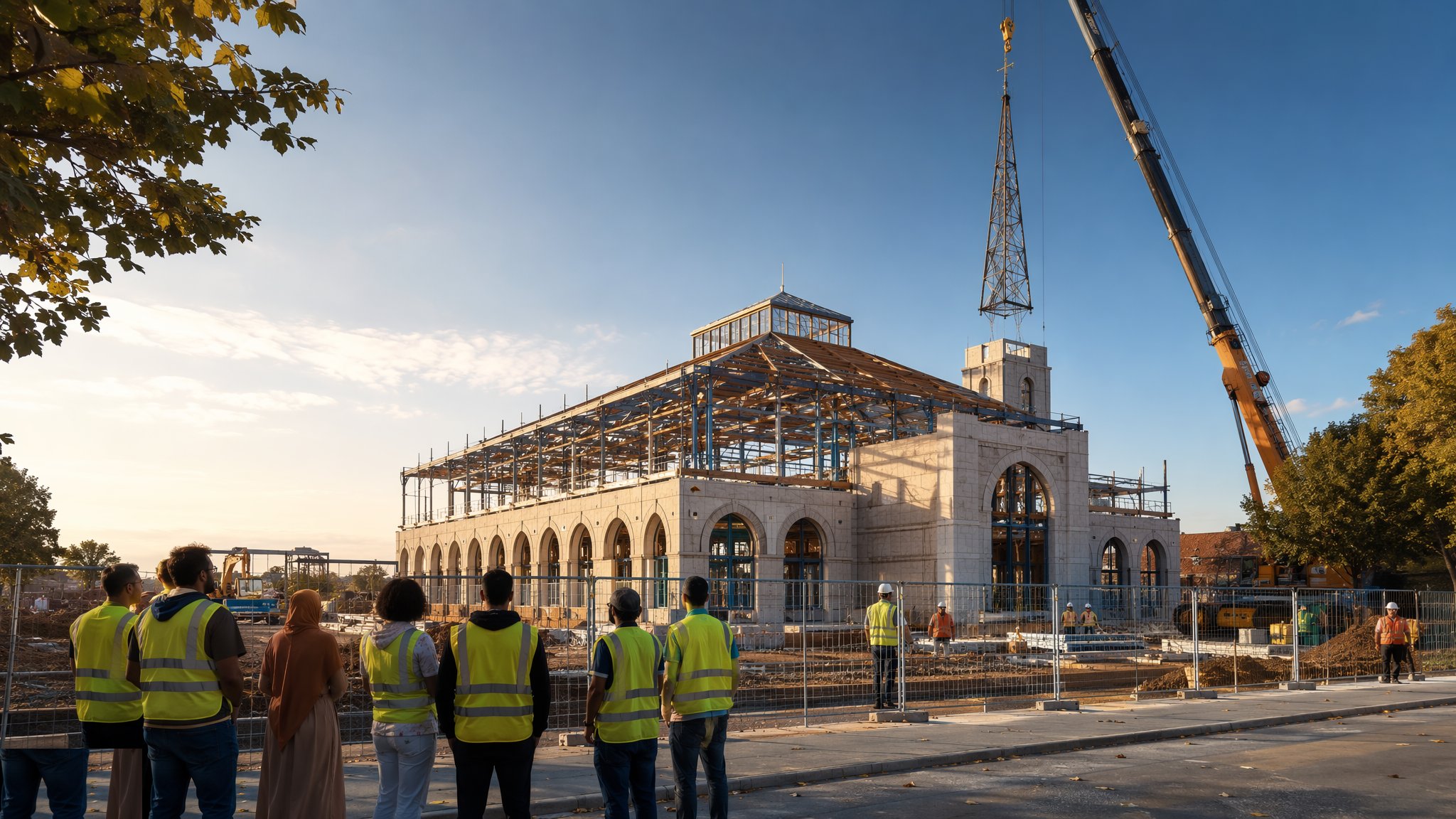
Places of Worship Construction
Mosques, churches, mandirs and gurdwaras - buildings where orientation, ritual and symbolism shape the structure as much as spans and services, and where the congregation is often the client, the funder and the opening-day workforce.
Open process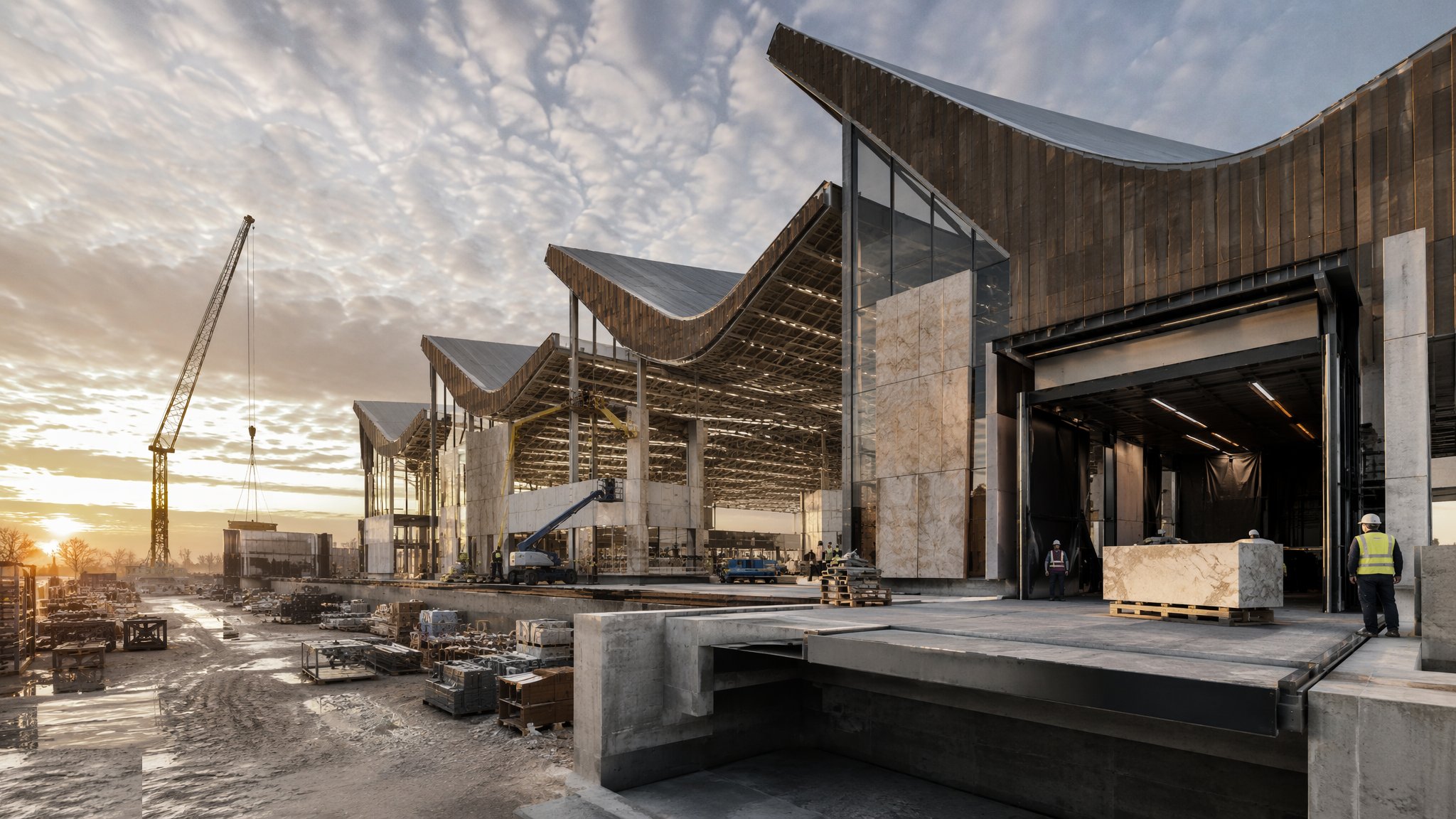
Museums & Galleries Construction
Gallery construction is conservation engineering - airtight, climate-stable boxes with heavy floors and big doors, built so the collection never finds out the weather changed.
Open process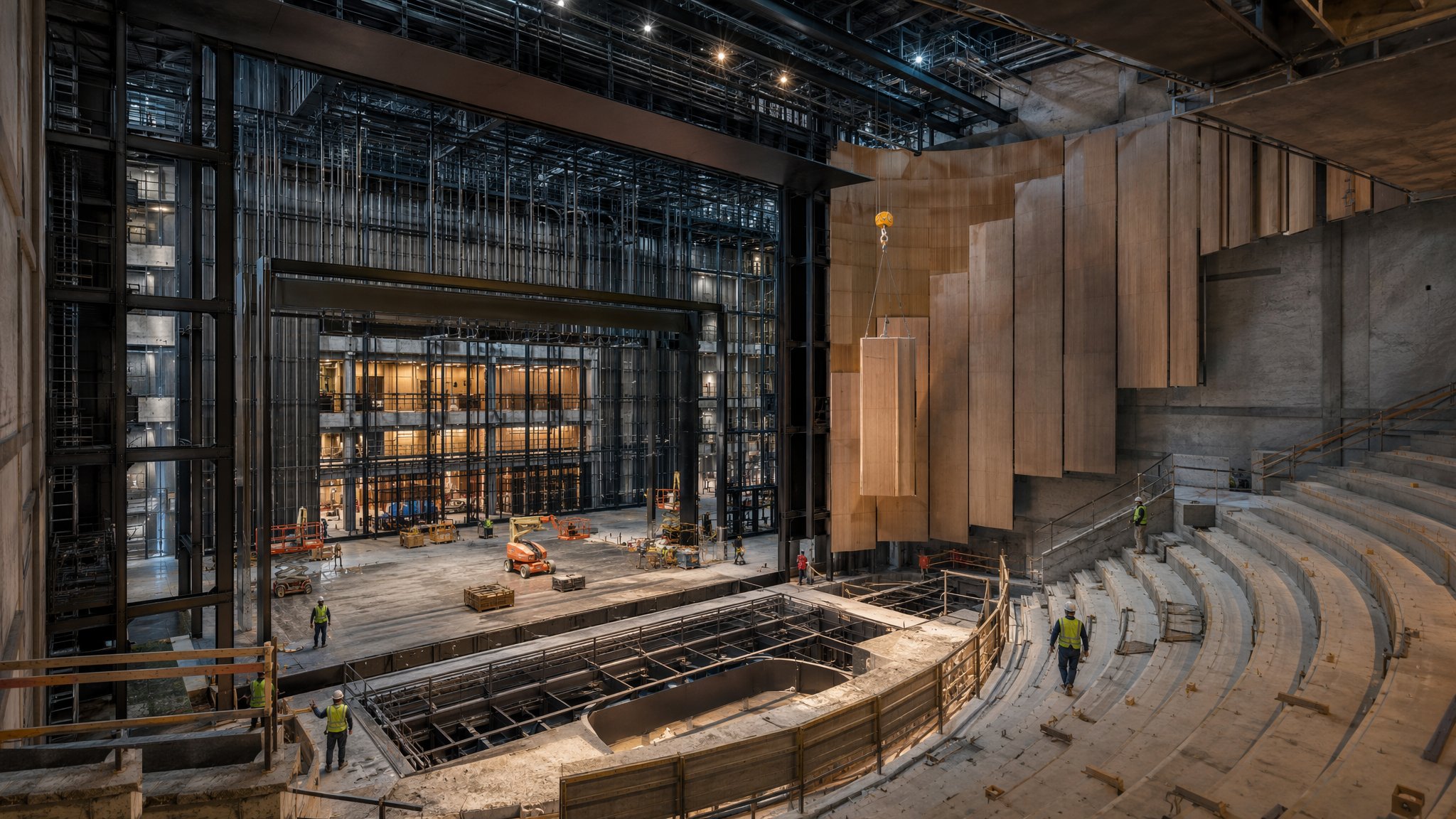
Theatres & Performance Space Construction
Auditoria are acoustic instruments with buildings wrapped around them - box-in-box isolation, fly towers, raked seating and stage engineering, where millimetres and decibels both decide success.
Open process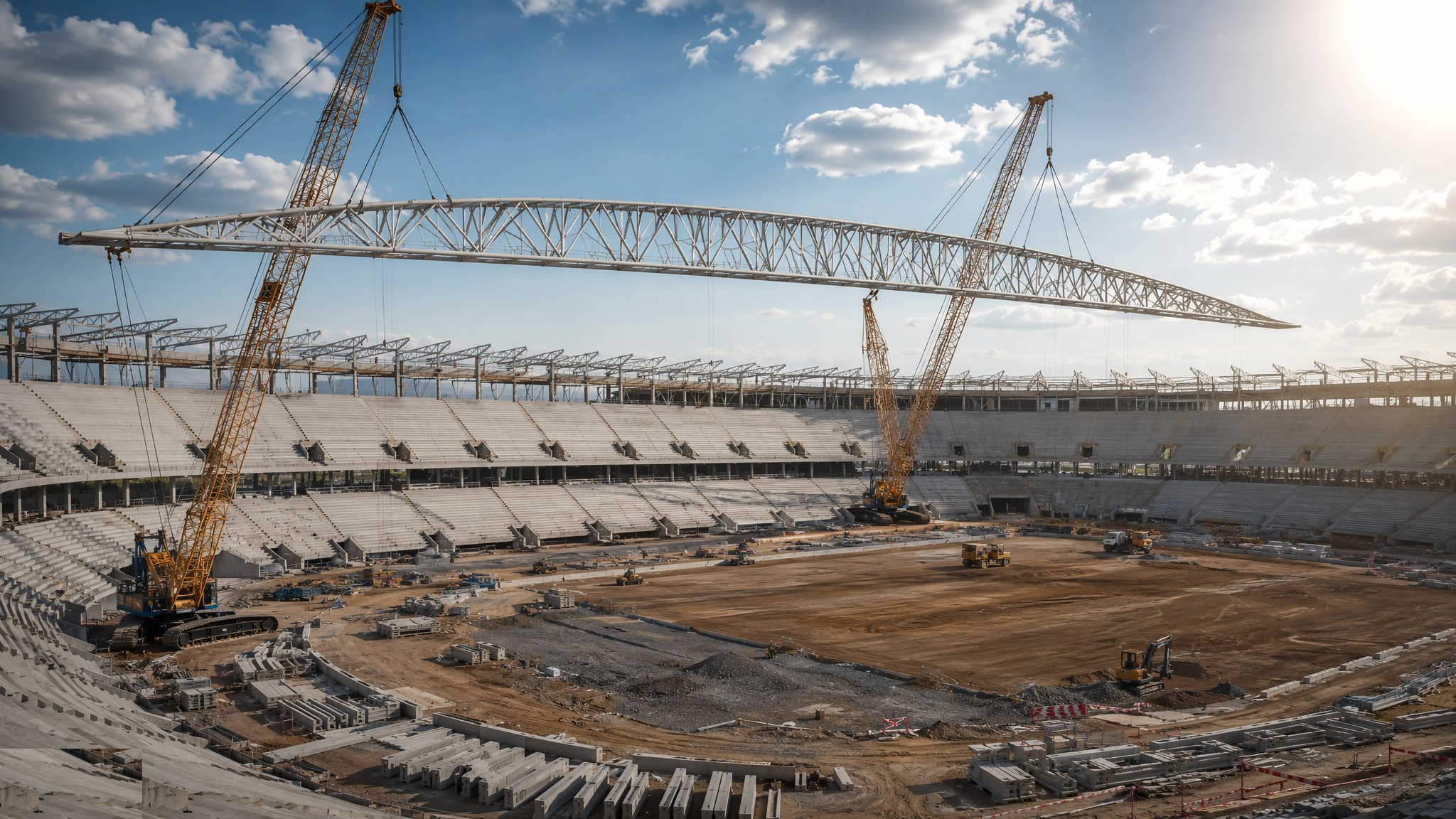
Stadium Construction
The specialist anatomy of a stadium: a raked bowl of precast terracing threaded with vomitories, capped by a long-span roof assembled on the ground and lifted in pieces too heavy for ordinary cranes.
Open process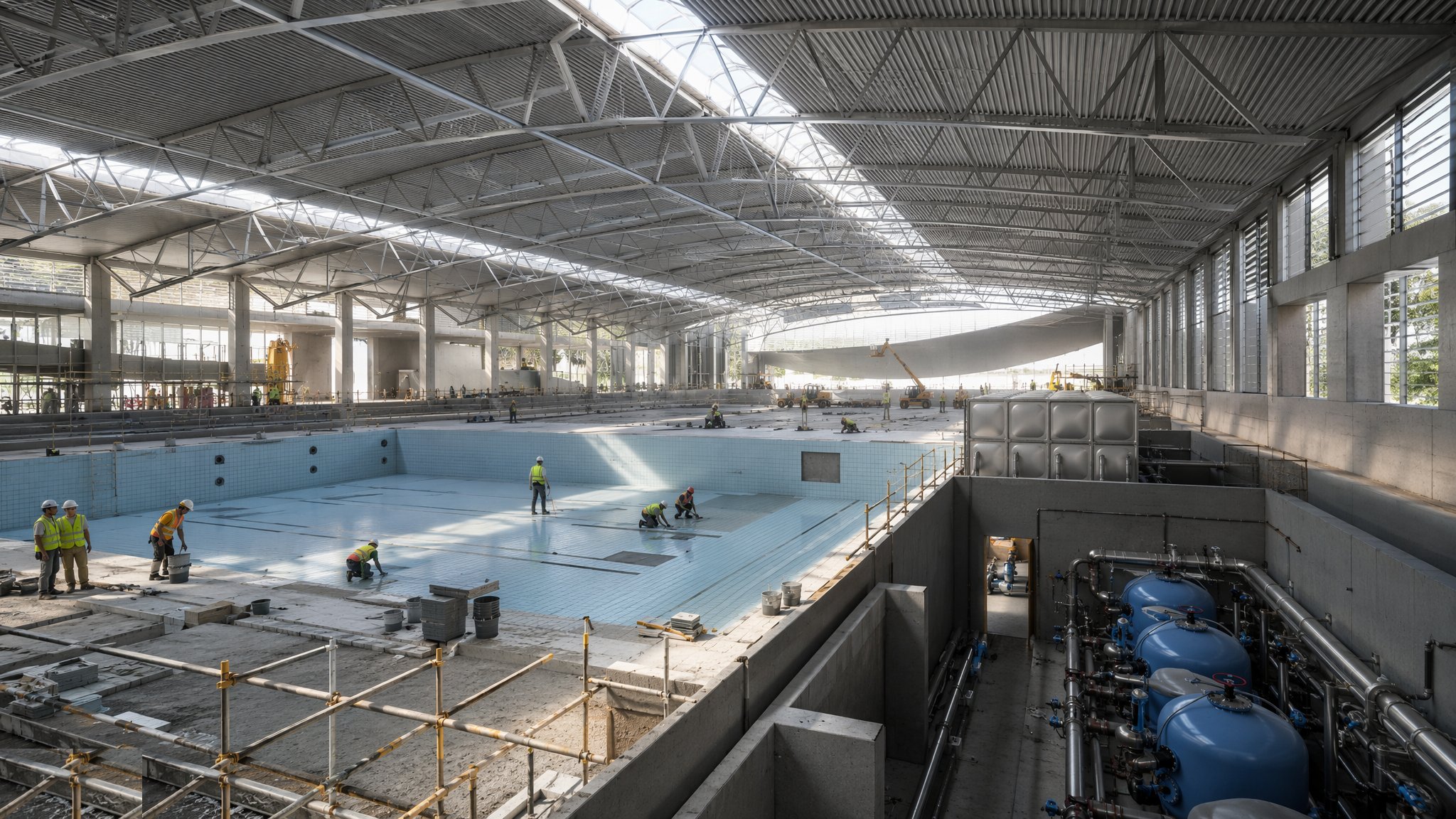
Leisure Centres & Swimming Pools
The wet heart of a leisure centre: water-retaining concrete pool tanks that must not leak, plant rooms that keep thousands of bathers' water clear, and a building envelope in a permanent war against warm, chlorinated air.
Open process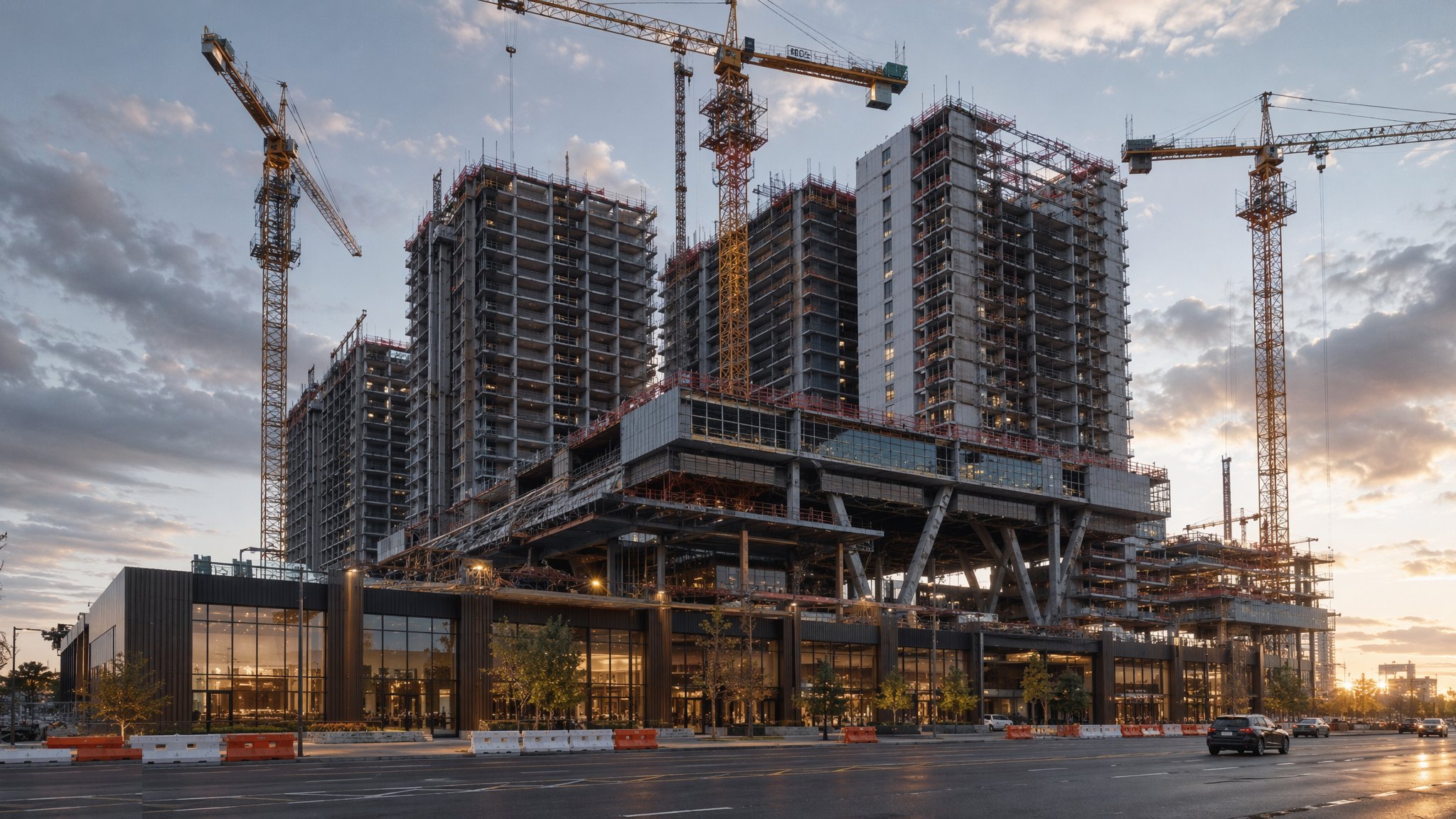
Podium & Tower Construction
The mixed-use form: shops, parking and lobbies in a podium below, homes or hotel rooms in towers above - with two incompatible structural grids reconciled at one heavily engineered transfer level.
Open process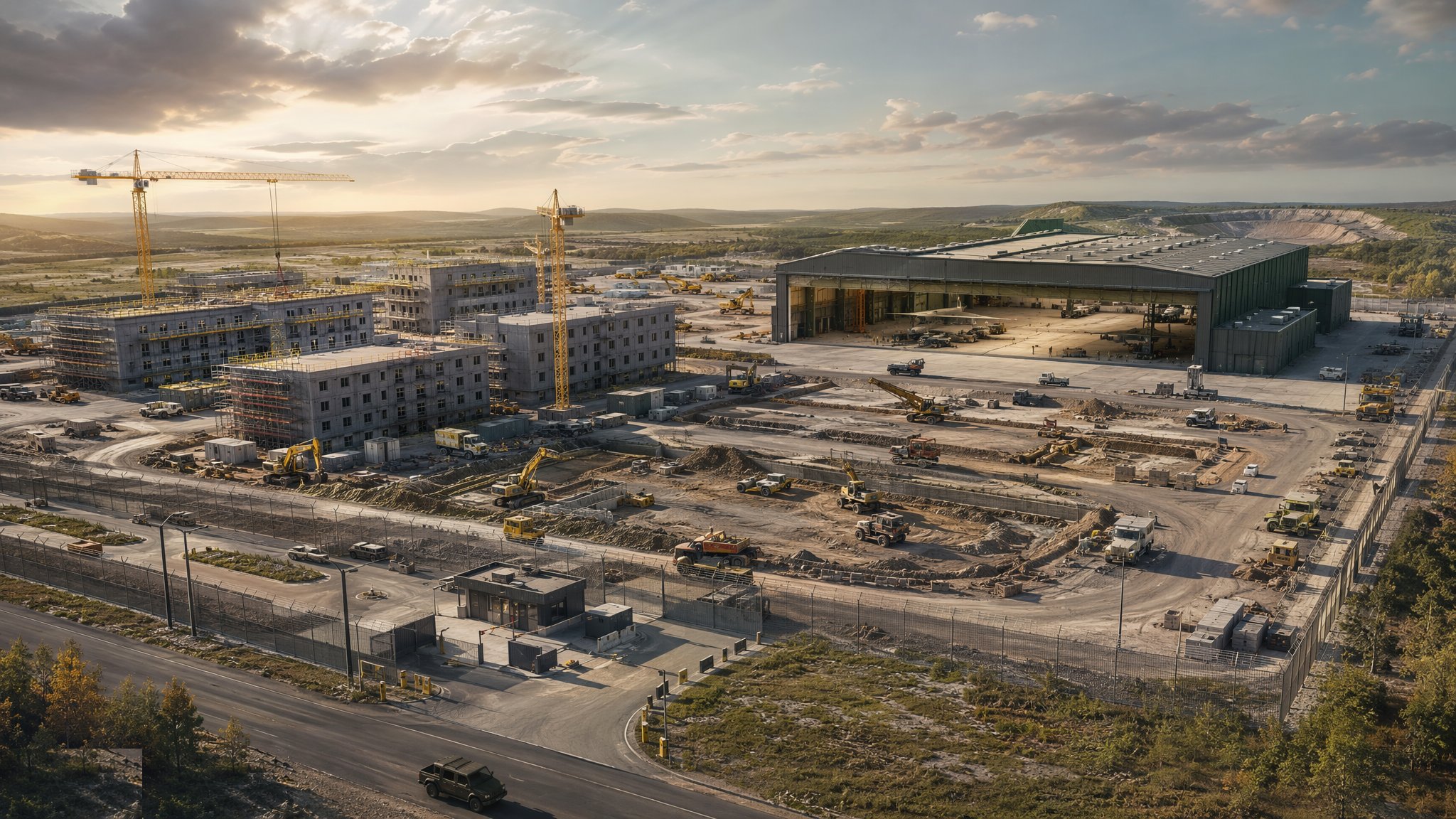
Defence Estate Construction
Building the places the armed forces live, work and train: accommodation blocks, hangars, workshops and ranges - delivered to MOD standards where robustness is specified, tested and expected to survive its users.
Open process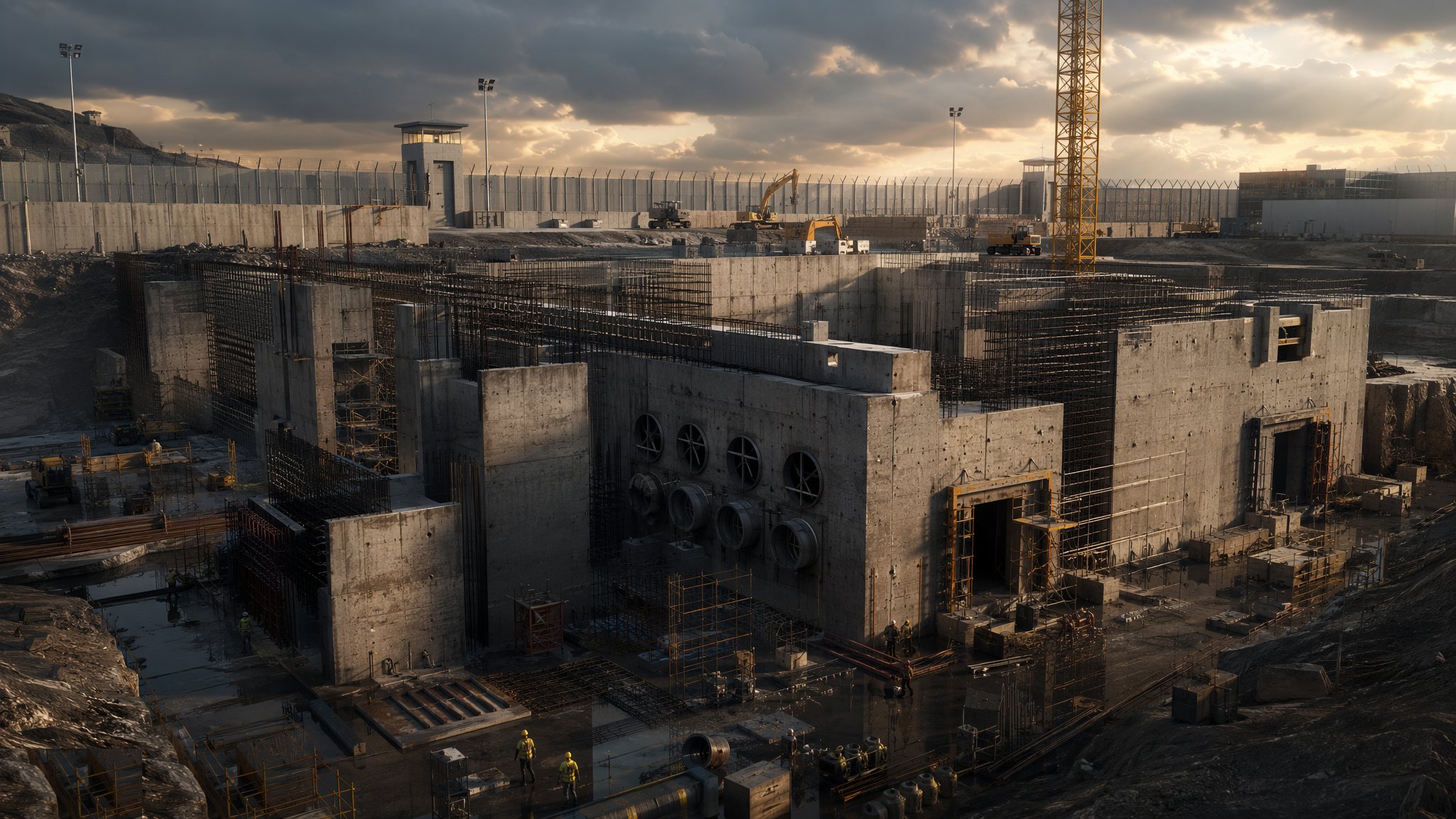
Hardened & Secure Facility Construction
Facilities built to keep blasts out, signals in and the wrong people at a distance: heavy concrete structures, engineered penetrations, shielded spaces and protective hardware - all tested and accredited before use.
Open process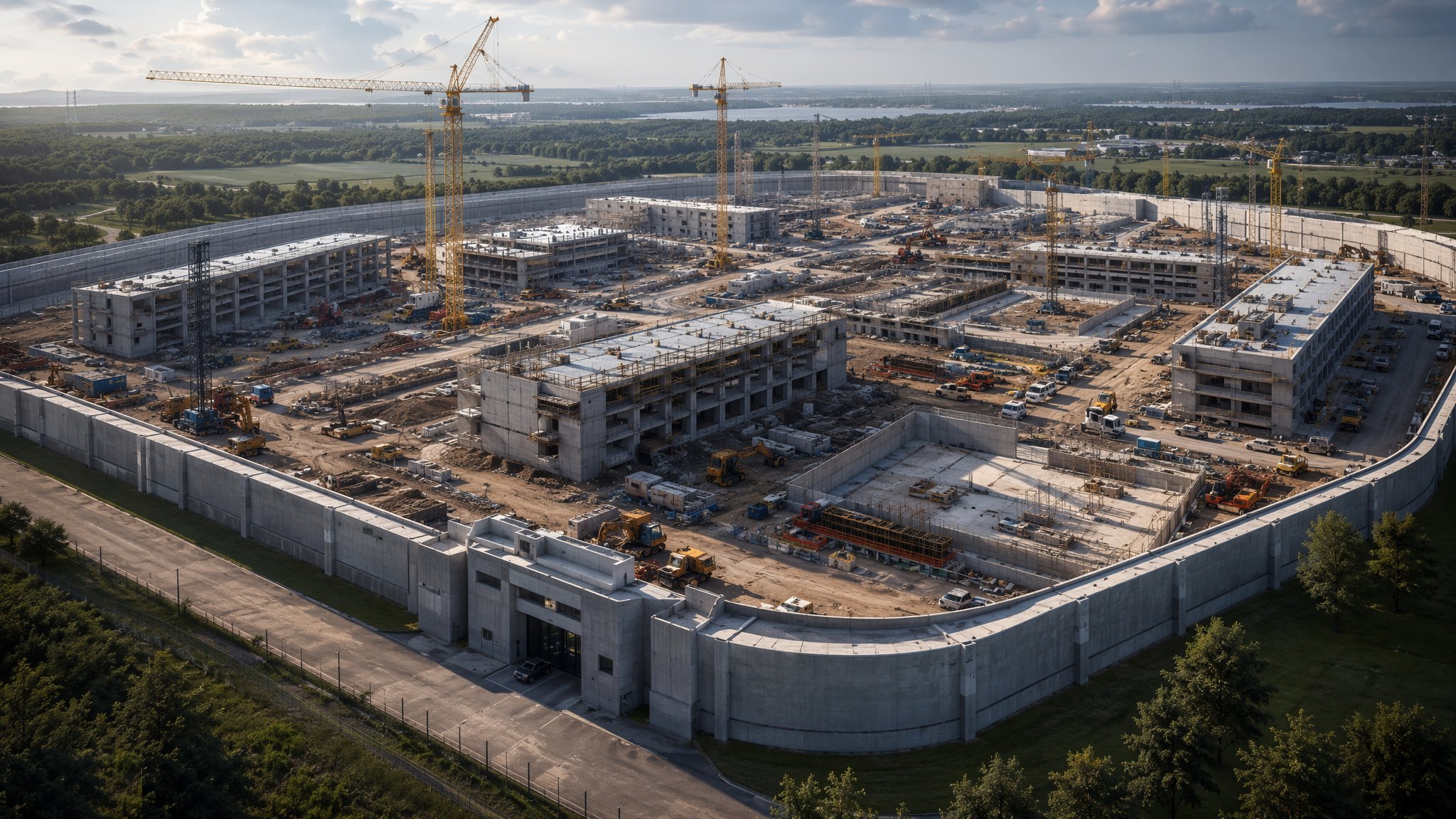
Prison Construction
The custodial estate from the ground up - galleried houseblocks of repetitive cell floors, precast cell options, a perimeter that is the first and last line of security, gatehouses, vehicle locks and exercise yards, all to Ministry of Justice specifications.
Open process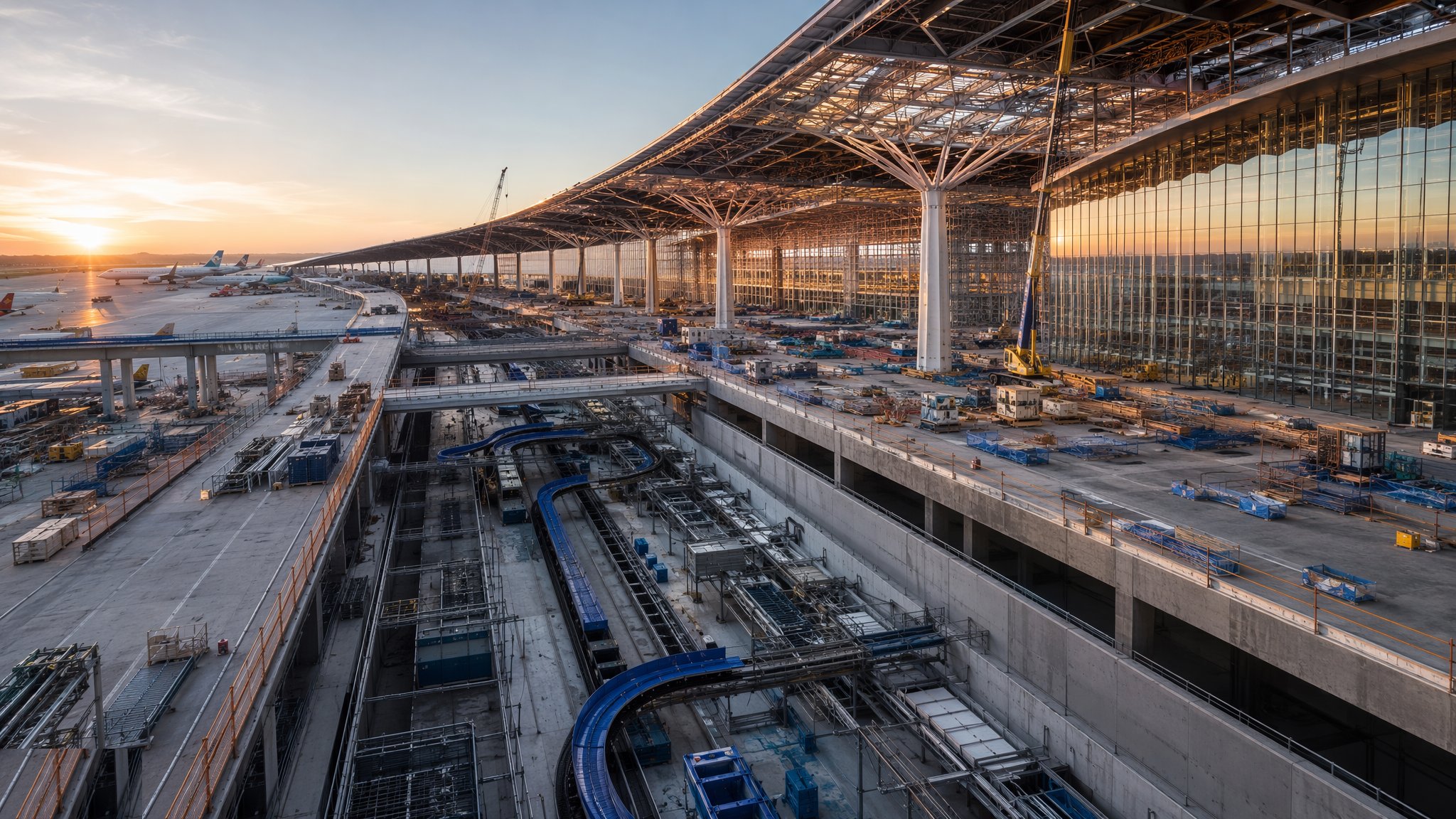
Airport Terminal Construction
The terminal: a long-span roof over a column-free hall, piers or satellites reaching for the stands, a baggage system threaded through the basement, and a building raised in two halves - airside and landside - that meet at the security line.
Open process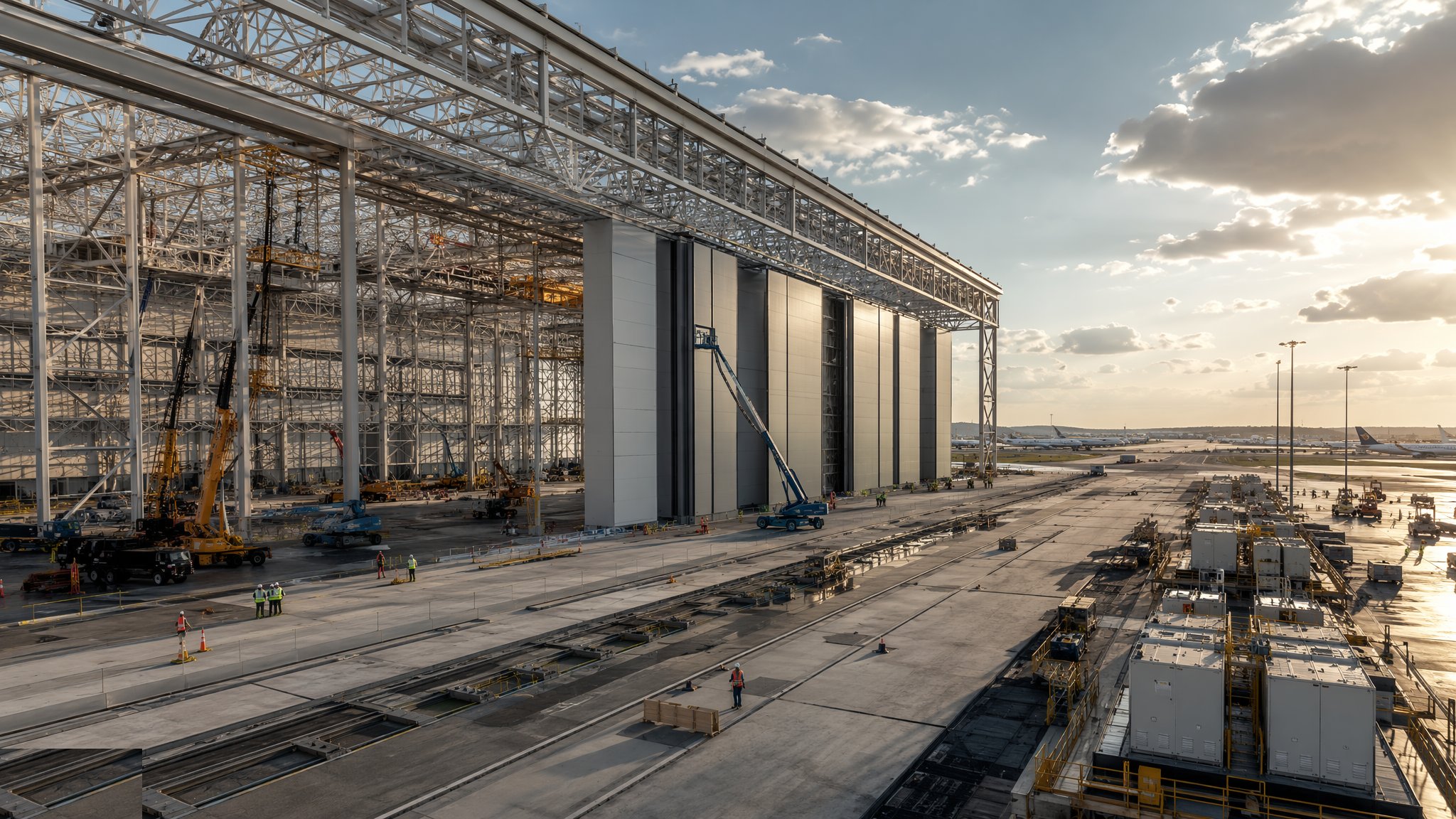
Hangars & Cargo Facility Construction
The airfield's industrial estate - wide-bodied hangar spans with doors the size of a house, floors with pits and services for the jets inside, cargo terminals built around ULD systems and the cool chain, and the aprons and airside roads that feed them.
Open process
Quay Walls & Berth Construction
The wall the ship berths against - blockwork or caisson gravity walls, anchored sheet-pile and combi-walls, cast in situ capping beams carrying fenders, bollards and crane rails, with the dredged depth alongside proven by survey before the first vessel is invited in.
Open process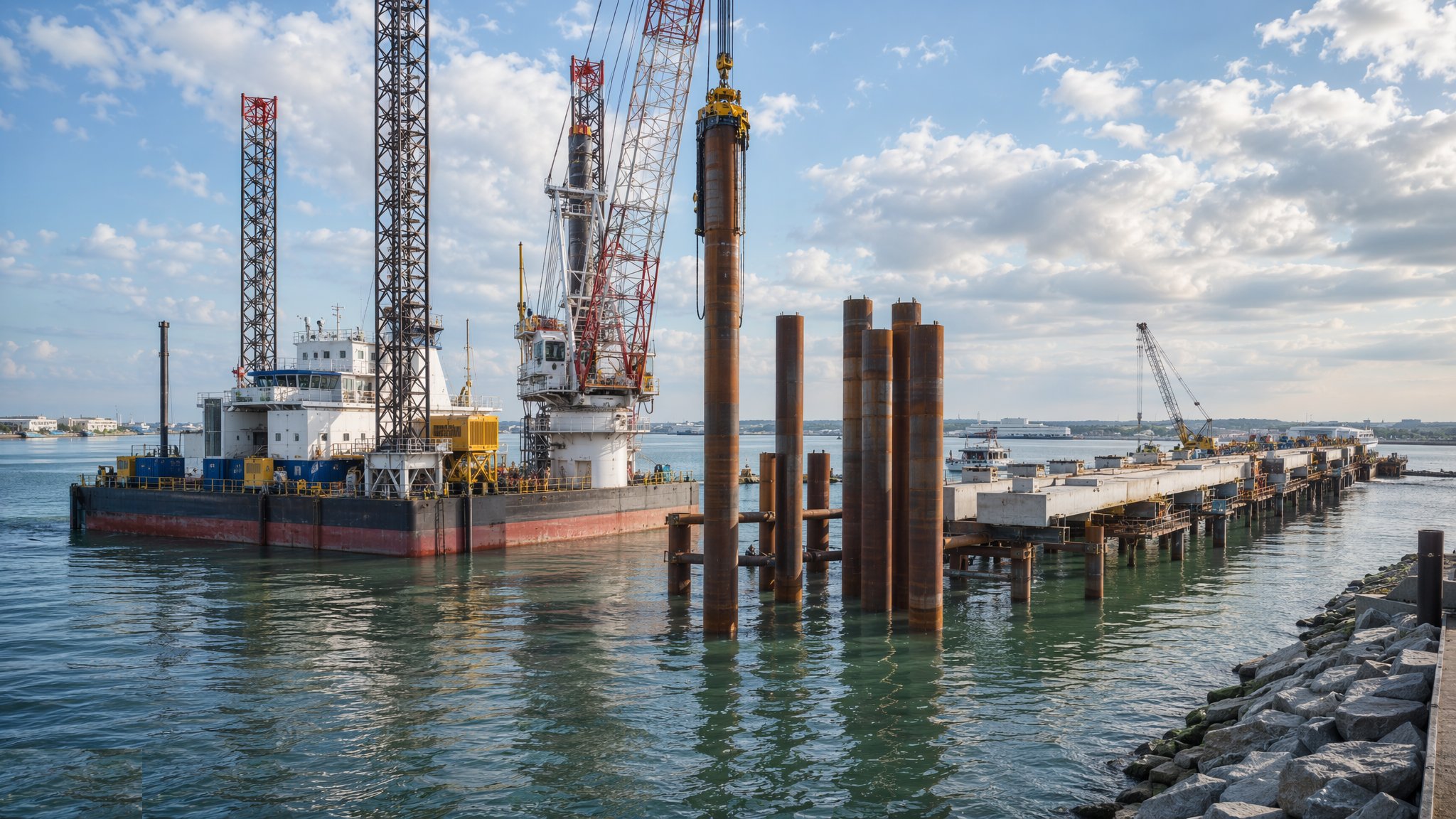
Marine Piling & Jetty Construction
Structures standing in the sea on driven steel - tubular piles pitched and driven from barges and jack-ups, berthing and mooring dolphins, linkspans and access trestles, precast deck units stitched with in situ concrete, cathodic protection fitted, and the whole job danced to the tide tables.
Open process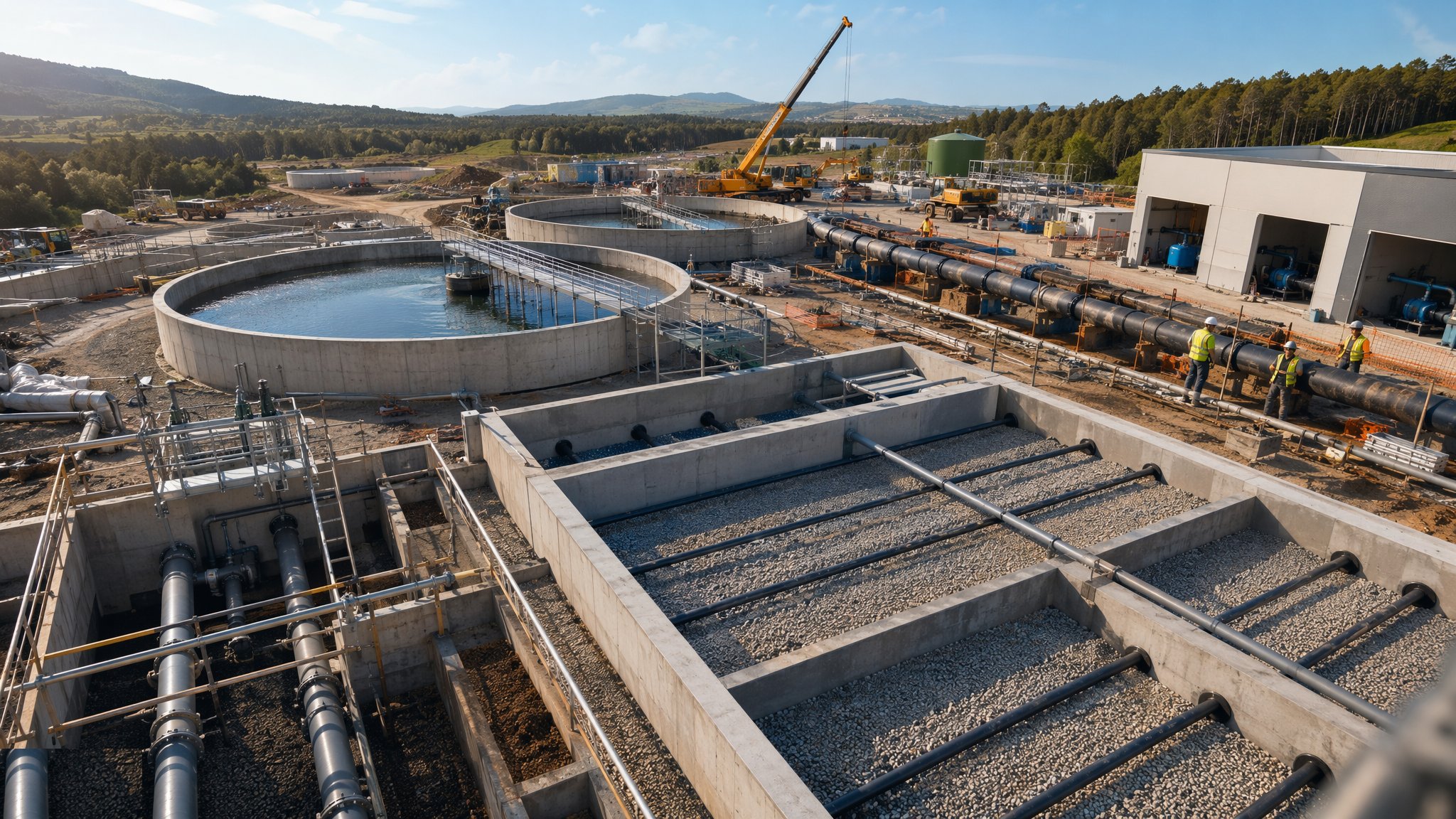
Water Treatment Works Construction
Concrete boxes that must hold water and clean it - water-retaining tanks to BS 8007 and EN 1992-3, filters and clarifiers with their underdrains and nozzles, process pipework and valves threaded between them, washwater recovery, and a tightness test that decides whether the tank exists at all.
Open process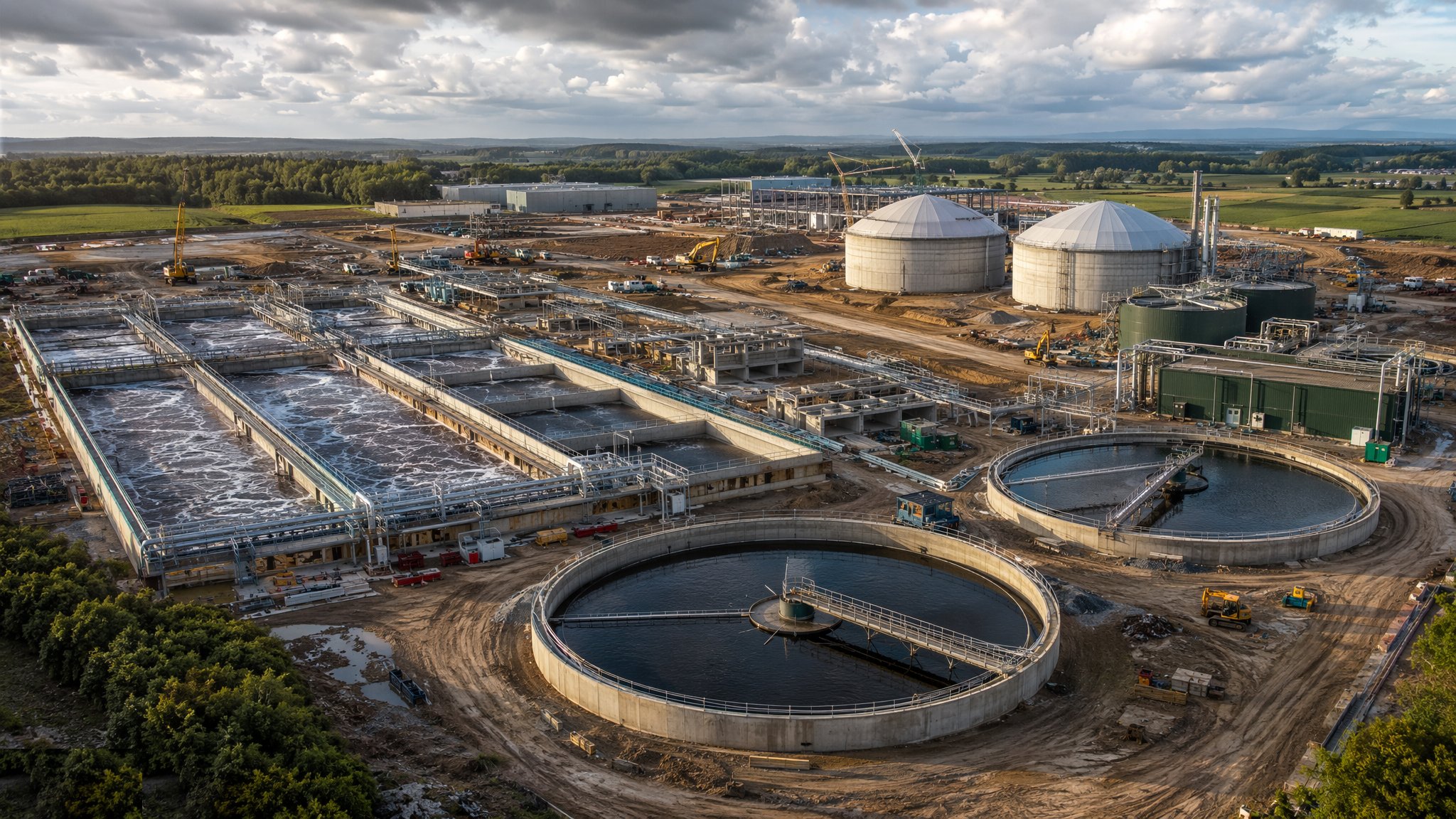
Wastewater Treatment Works Construction
The process civils that turn sewage into clean water - water-retaining concrete tanks, aeration lanes, settlement scrapers, digesters and odour plant - built to hold water before they ever treat it.
Open process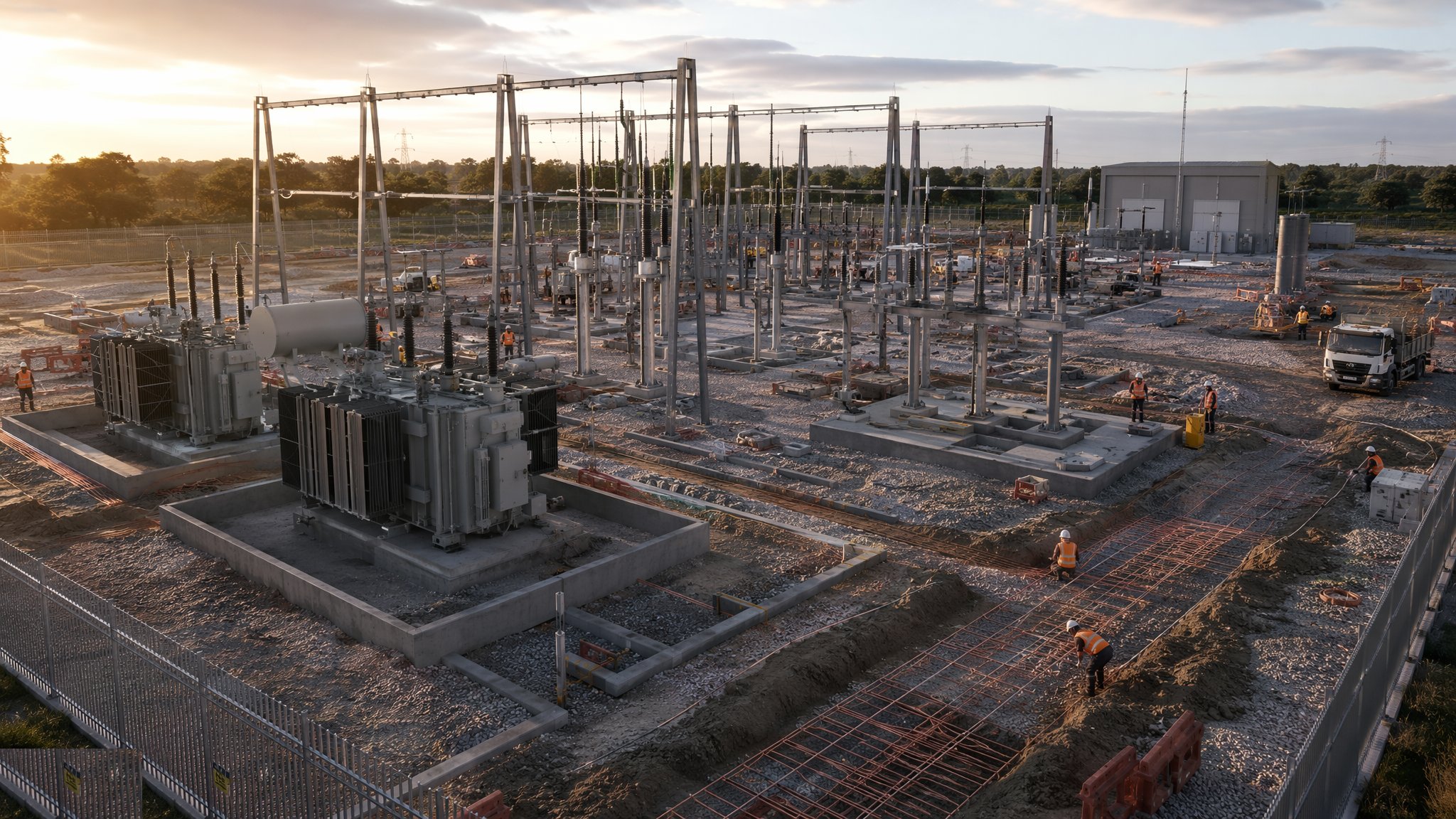
Substation Construction
The fenced compounds where voltage changes hands - air-insulated or gas-insulated switchgear, transformers the size of houses, and a buried copper earth grid that has to be right before anything else is built.
Open process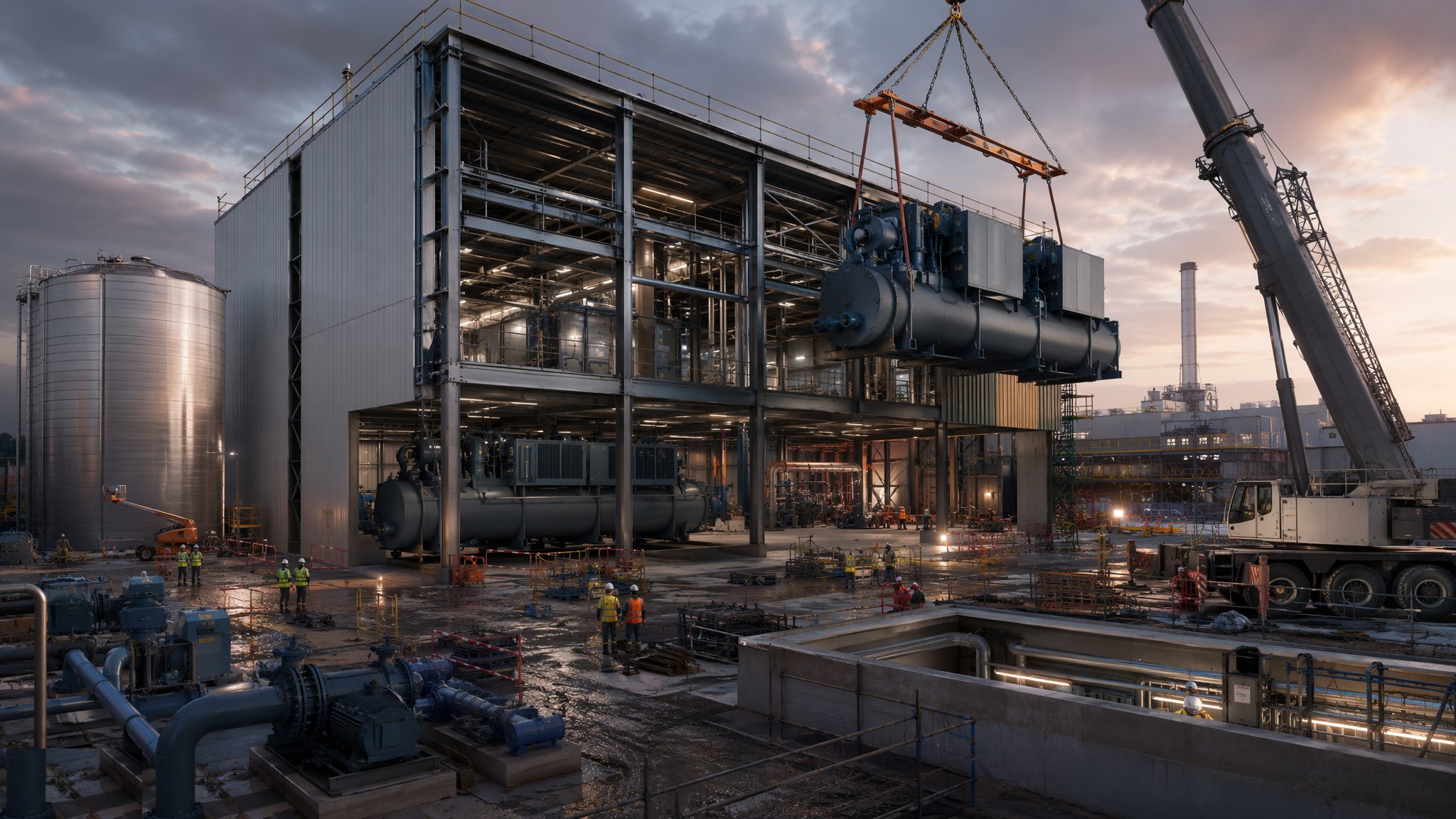
Energy Centre Construction
The plant room that heats or cools a district - boilers or chillers the size of buses, thermal stores, flues, pumps and a BMS to conduct them - installed, connected and brought online one customer at a time.
Open process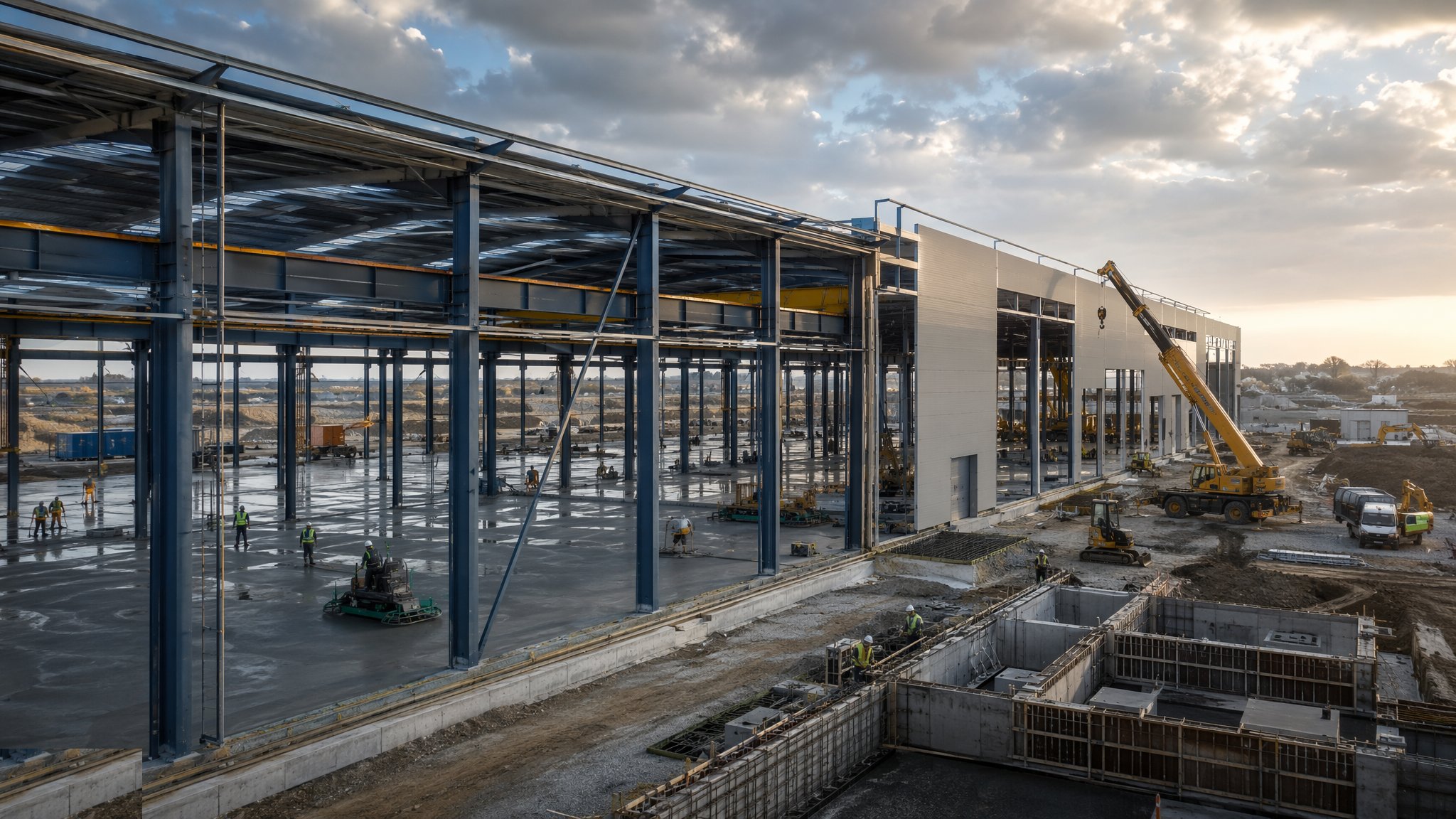
Factories & Production Buildings
Portal frames, high-bay halls and superflat floors built around a process that has not always finished being designed - industrial buildings where the steel, the cranes and the pits all answer to the production line.
Open process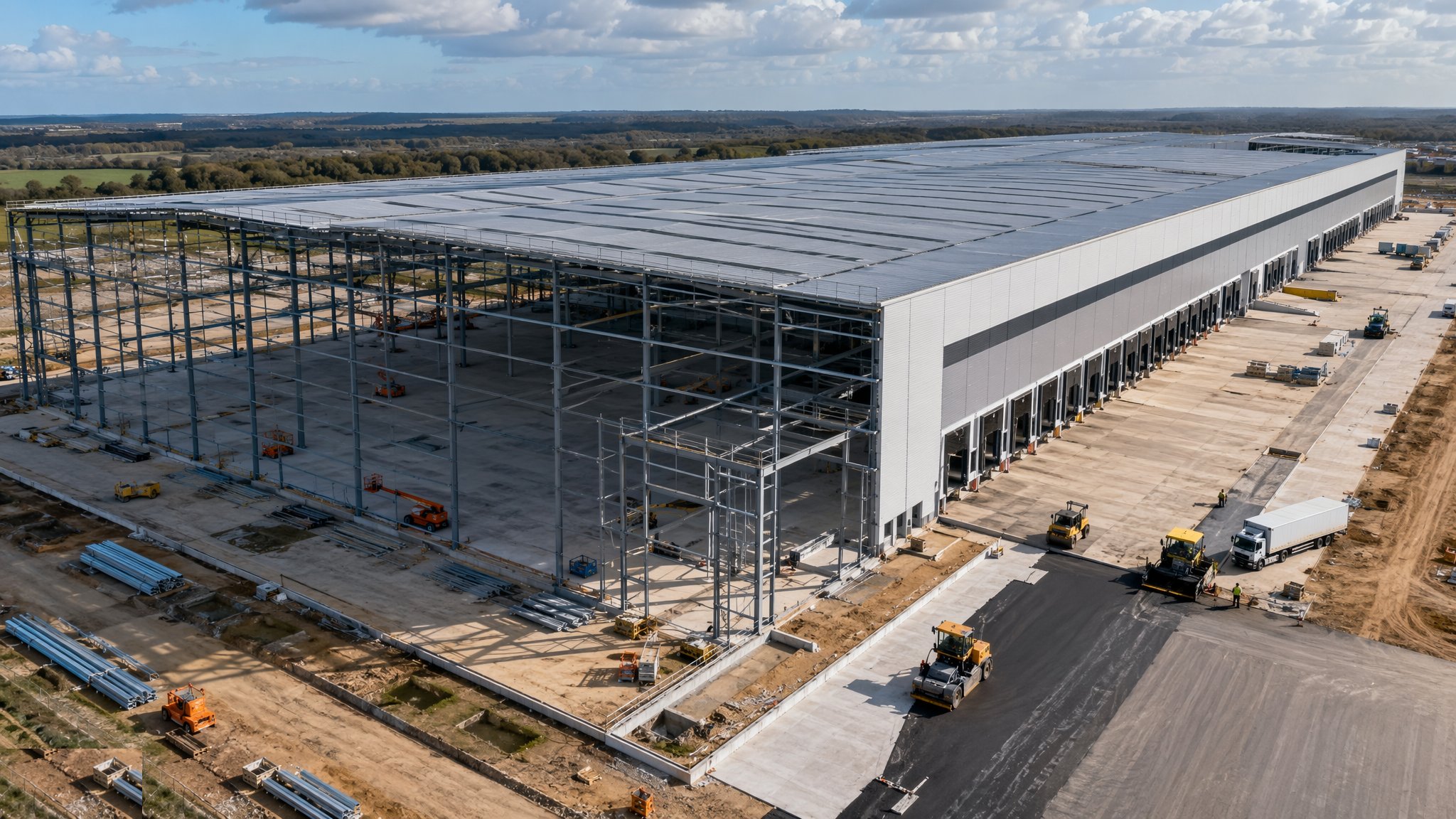
Big-Box Logistics Shed Construction
The modern distribution shed - clear-span portals, acres of cladding, forty docks and a hard-standing yard - built as a machine for throughput where every week of programme is rent the tenant is not paying.
Open process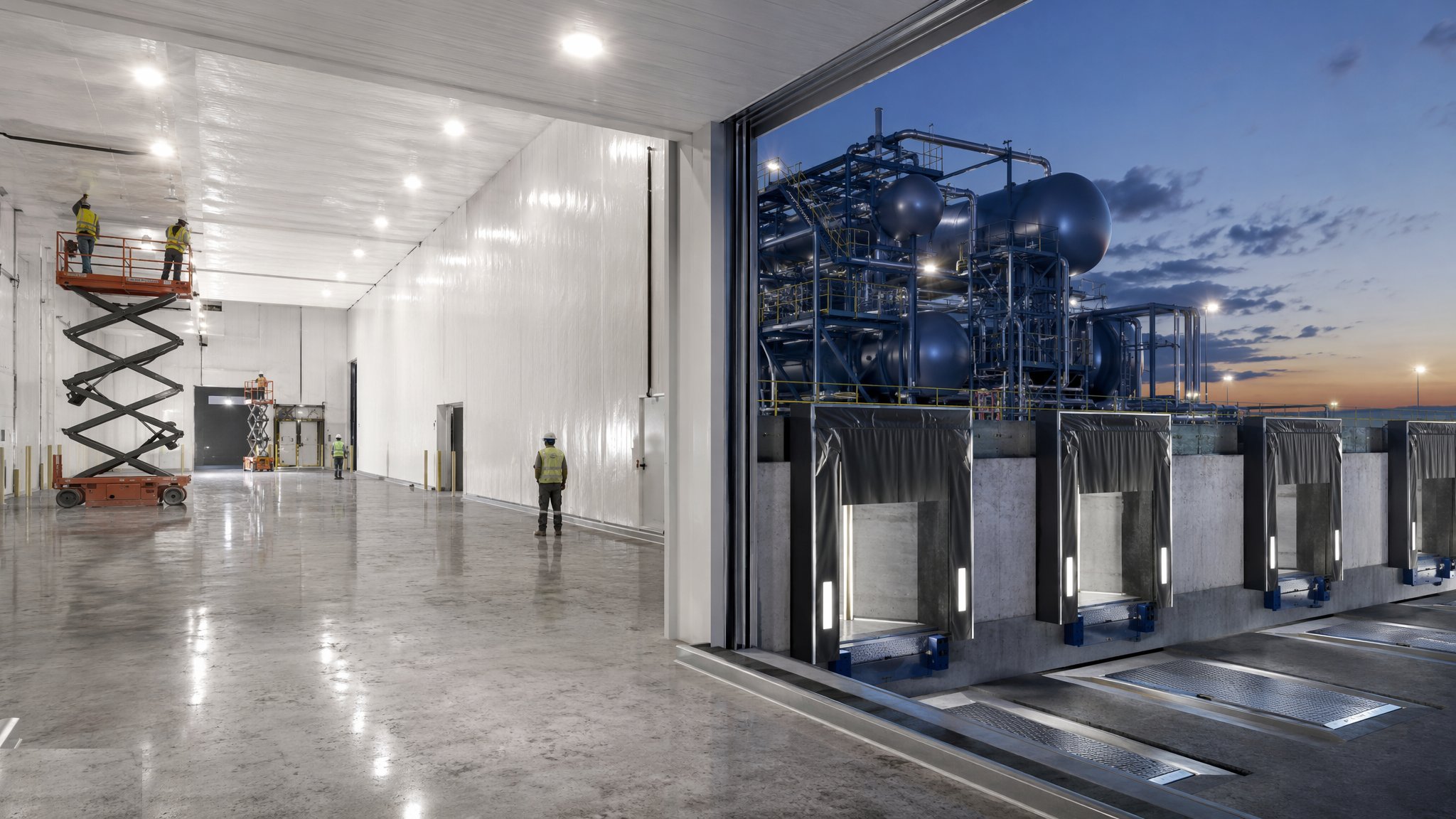
Cold Store Construction
A freezer the size of a football pitch - insulated panels sealed against the weather and the vapour drive, a floor that must not freeze the ground beneath it, and refrigeration plant commissioned by pulling the box down to temperature.
Open process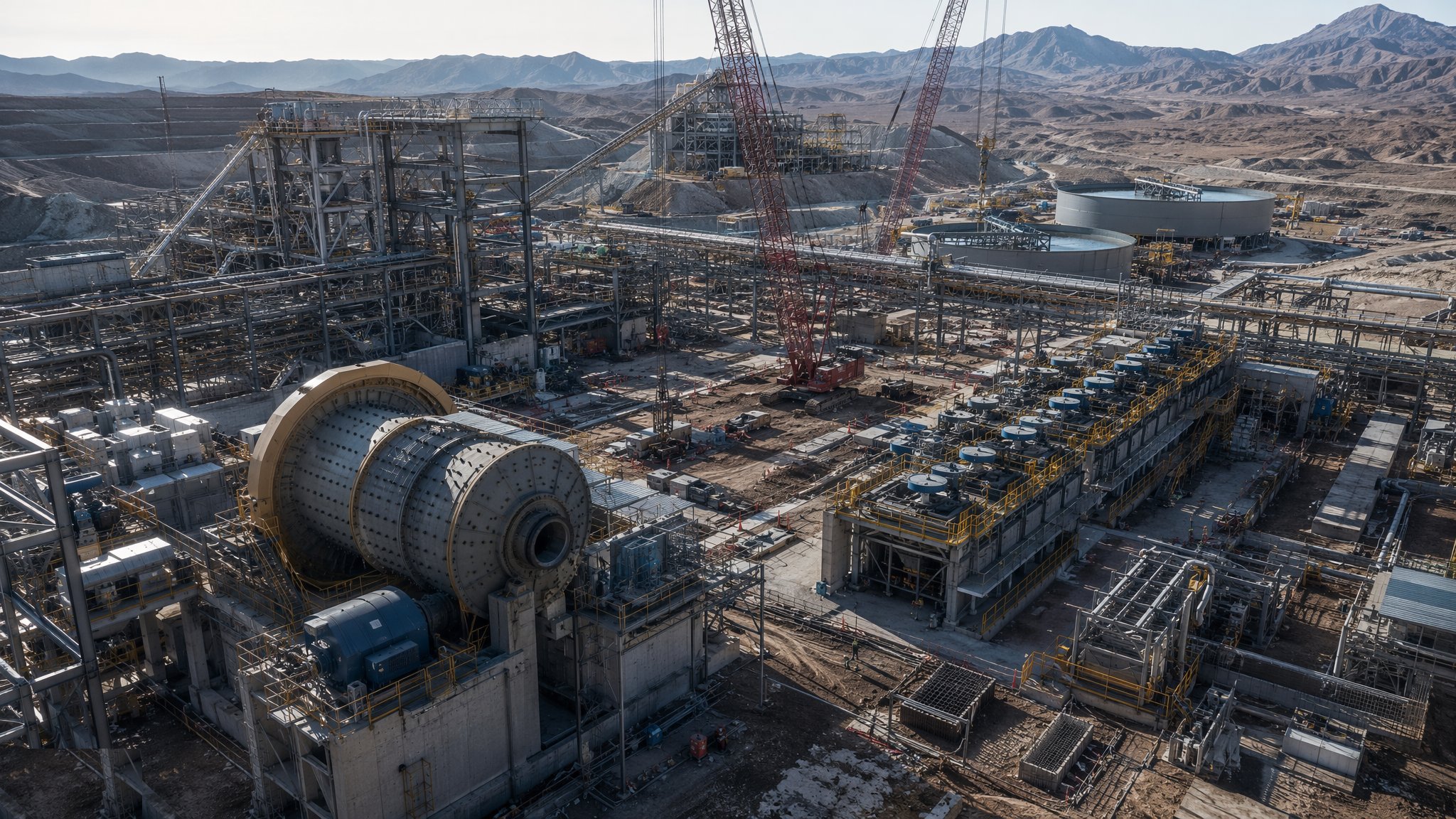
Mineral Processing Plant Construction
Crushers, mills, flotation and thickeners - a factory built of heavy concrete and vibrating steel, where the civils are machine foundations and alignment is measured to the millimetre on equipment that weighs hundreds of tonnes.
Open process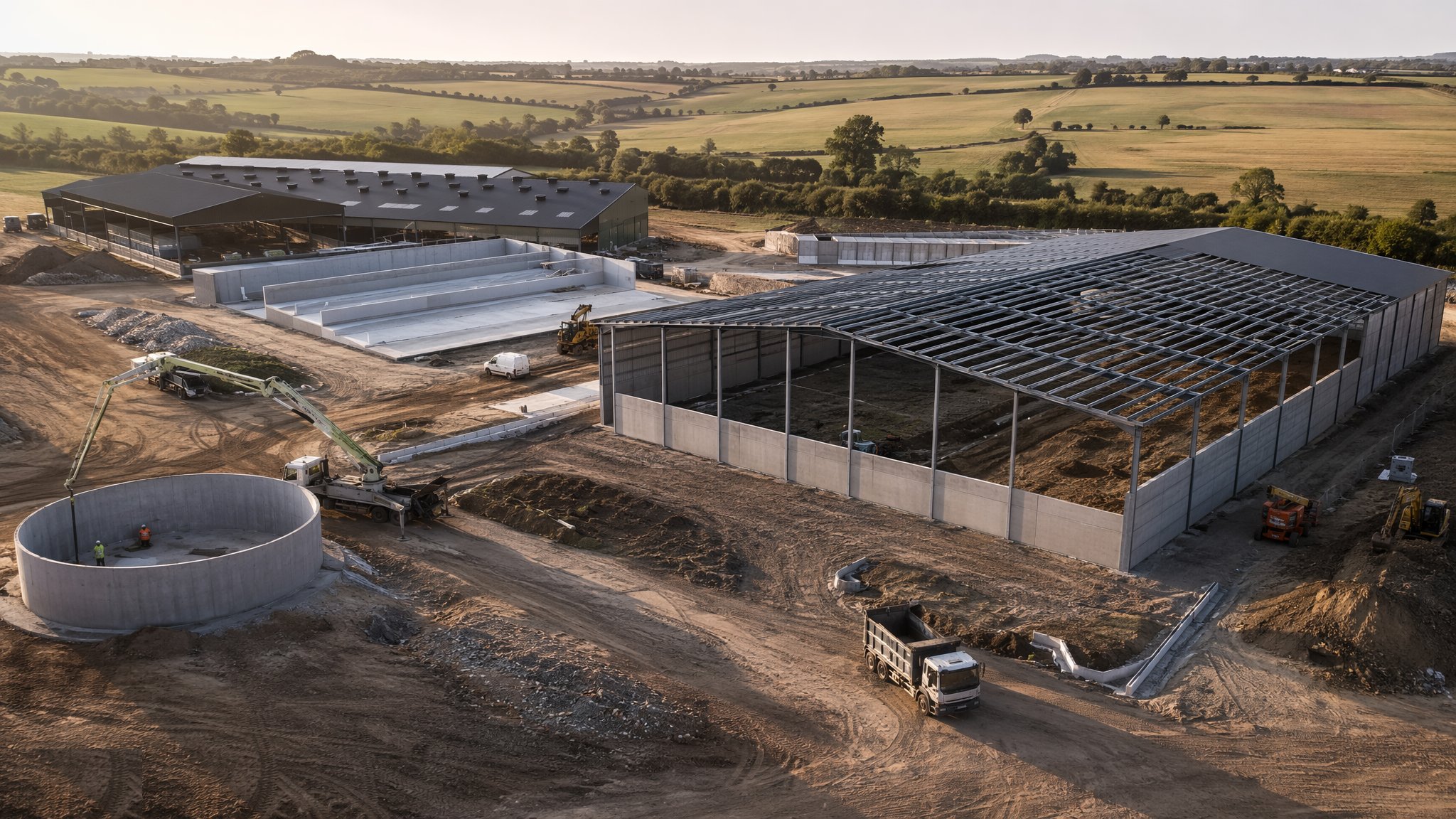
Agricultural Buildings
Livestock sheds that breathe, grain stores that hold back tonnes of wheat like a dam holds water, slurry stores that must never leak, and yards that carry a loaded combine in the rain - the working buildings of a farm.
Open process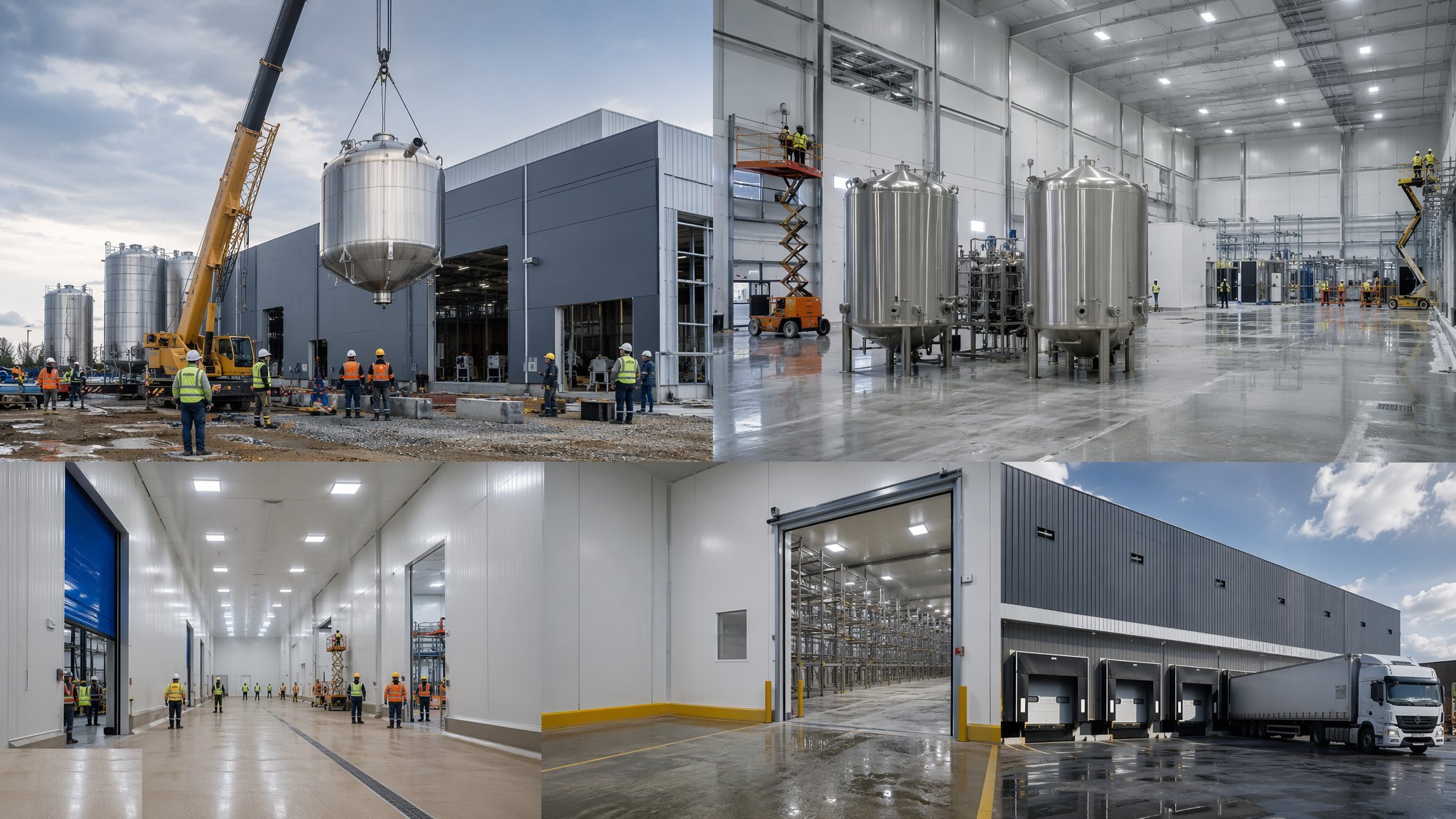
Food & Beverage Processing Facilities
Factories where the building is part of the hygiene system - washable everything, drainage that actually drains, high-care sealed from low-care, and enough services density to run a small town's worth of steam, water and refrigeration.
Open process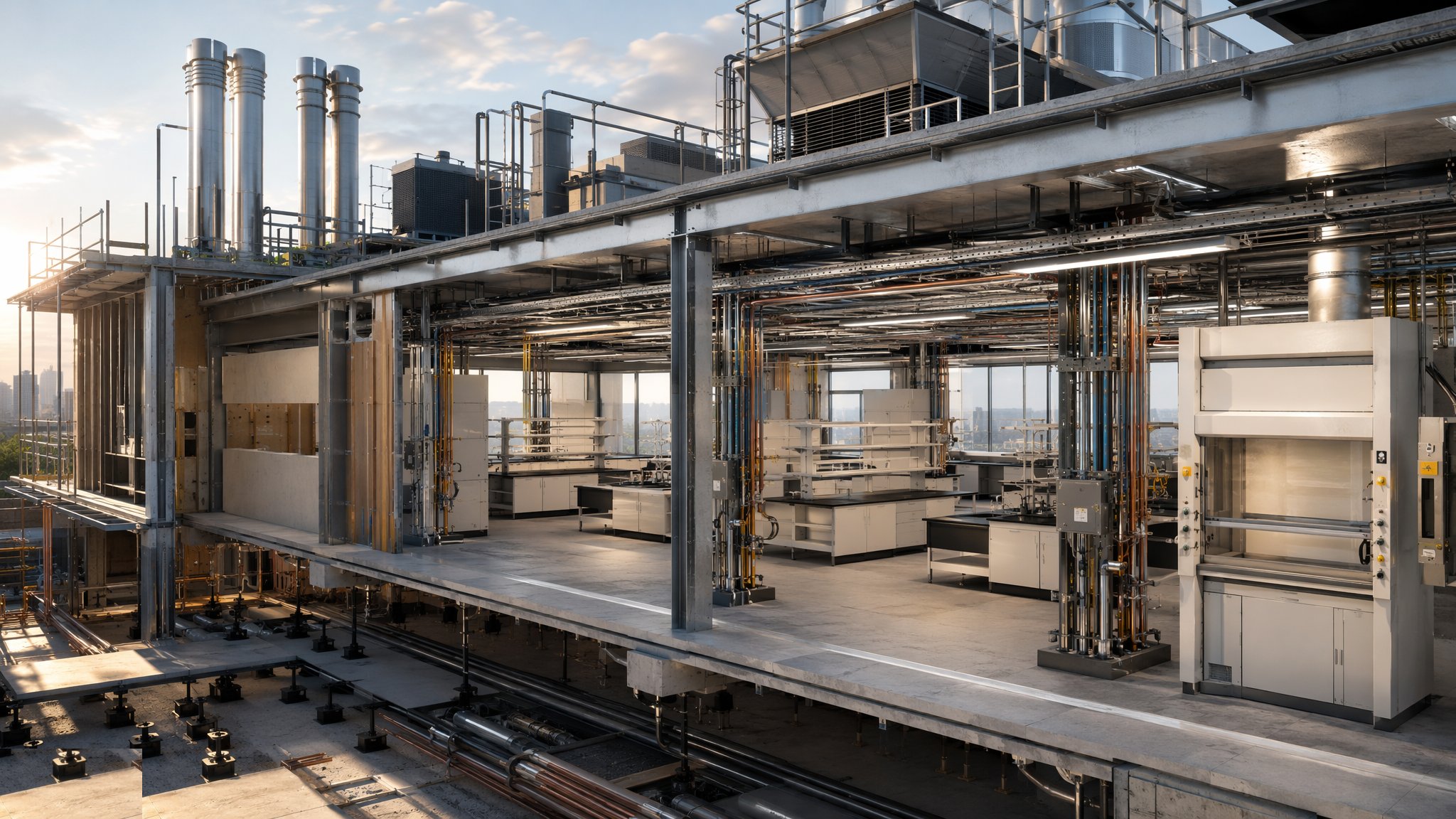
Laboratory Construction
A laboratory is a services installation with a building wrapped round it - benching, spines, gases, pure water and extract fitted into a shell that has to stay quiet, still and clean for decades.
Open process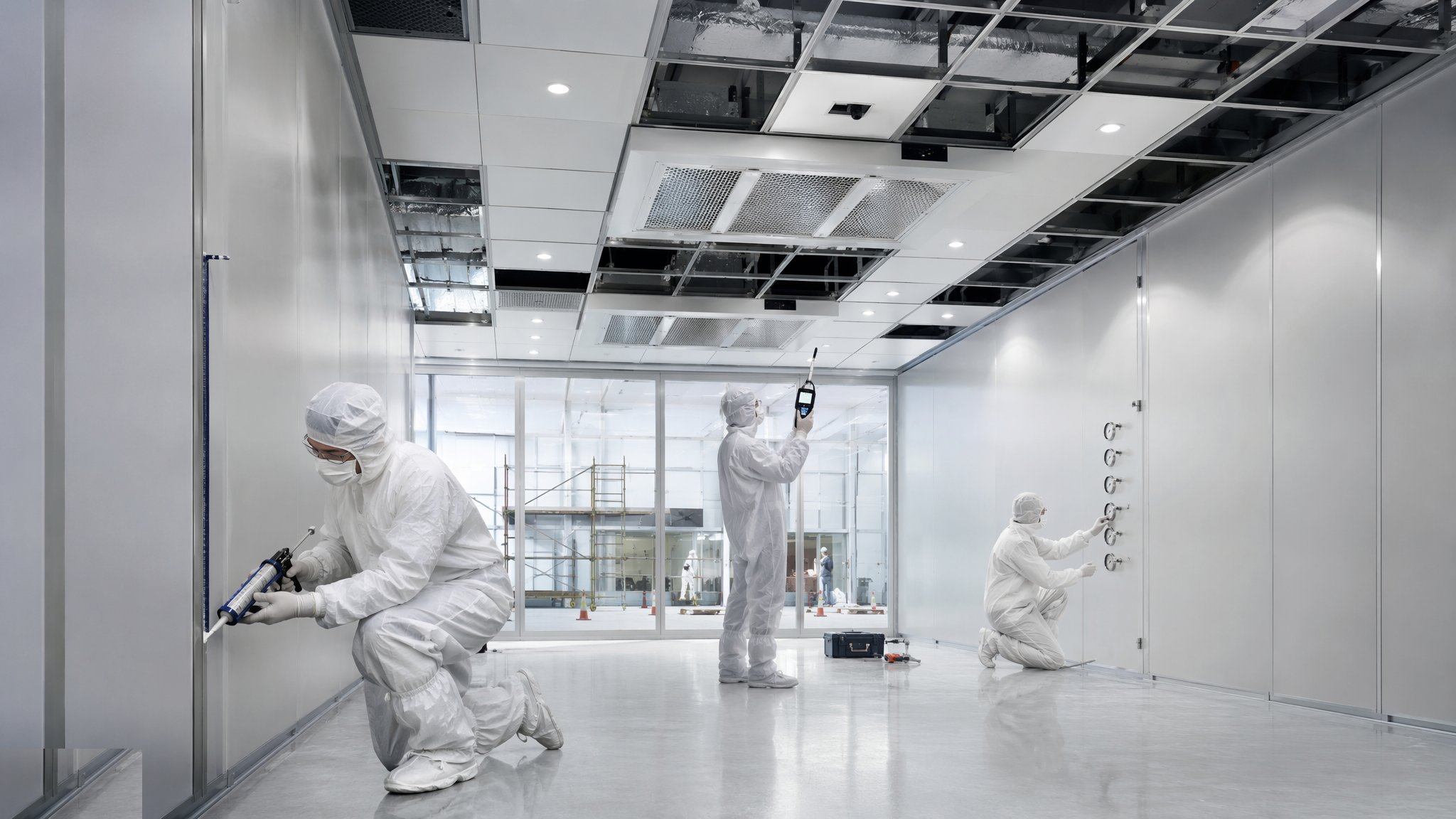
Cleanroom Construction
Rooms where the enemy is dust: ISO 14644 classification, airtight panel envelopes, HEPA-filtered air and pressure cascades, proven by particle counting before the process tools ever arrive.
Open process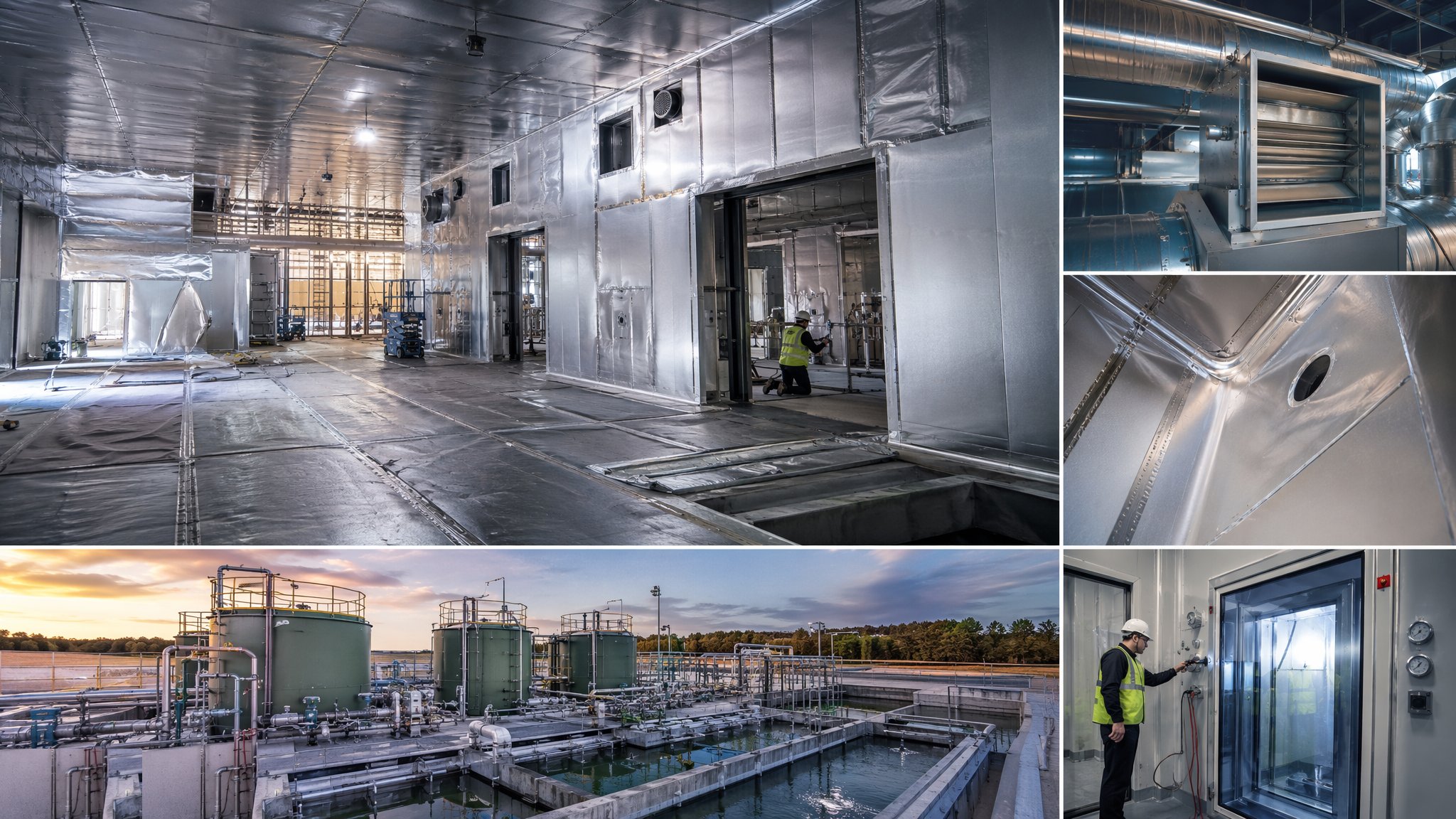
Containment Facilities (BSL Construction)
Laboratories built to keep things in - sealed envelopes, directional airflow, dampers, effluent treatment and witnessed testing, certified before a single pathogen crosses the door.
Open process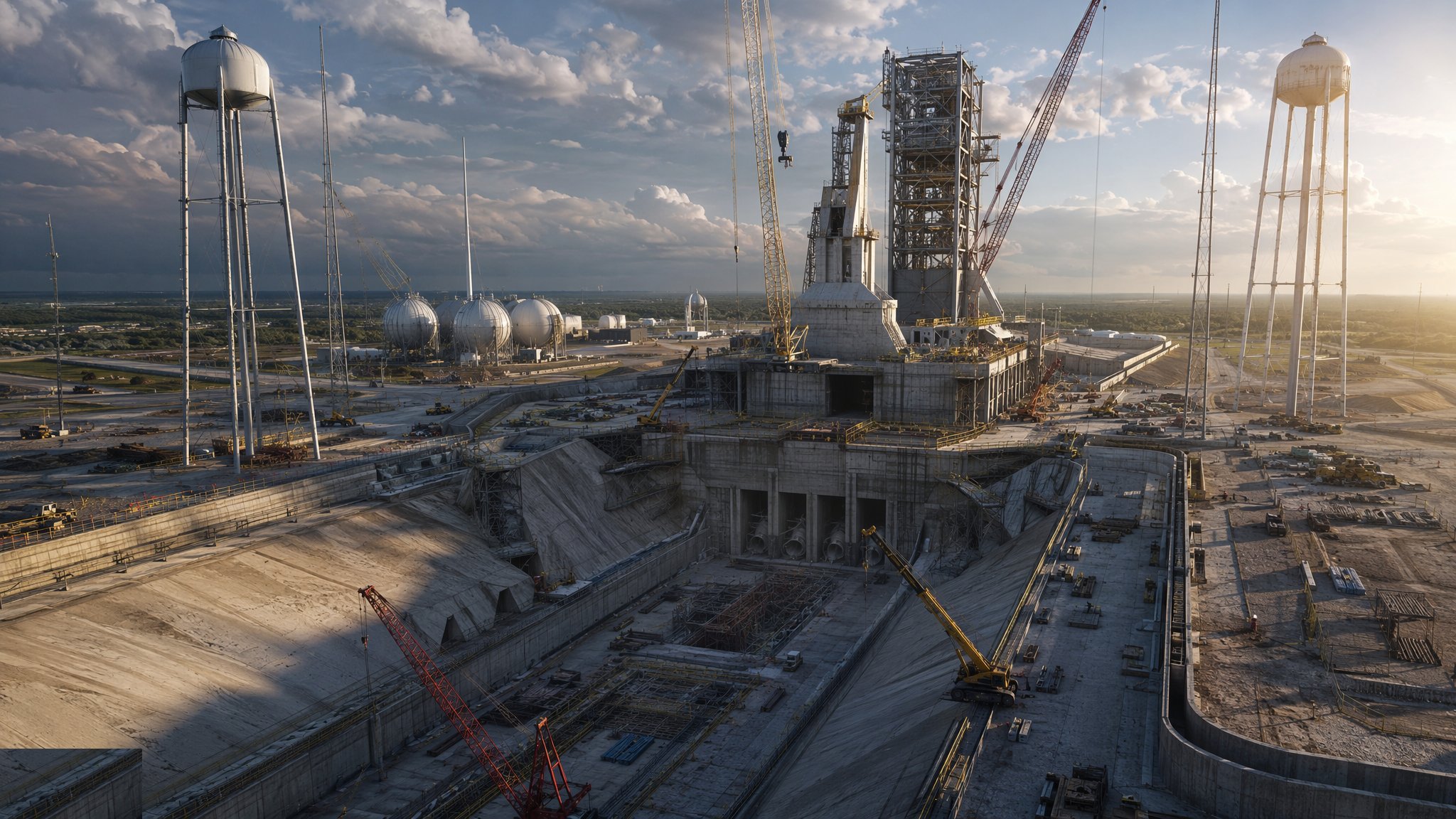
Launch Facility & Pad Construction
Concrete, steel and water engineered to survive a rocket motor at arm's length - flame trenches, deluge systems, cryogenic farms and lightning masts, built for the ten most violent seconds in construction.
Open process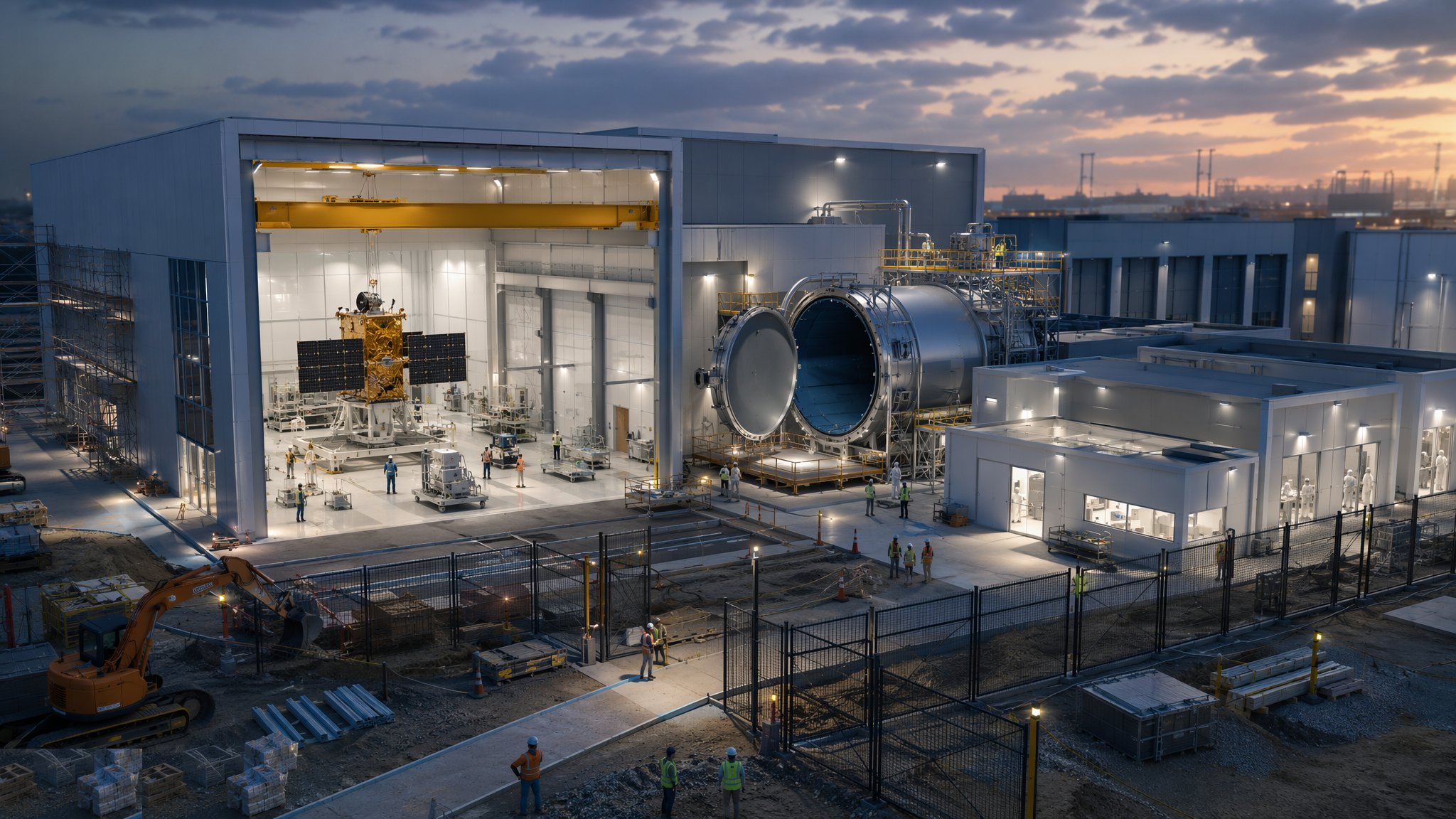
Satellite Assembly & Integration Facilities
High-bay cleanrooms with cranes, test chambers that simulate orbit, and a security regime written by export-control lawyers - buildings where the product is worth more than the building.
Open process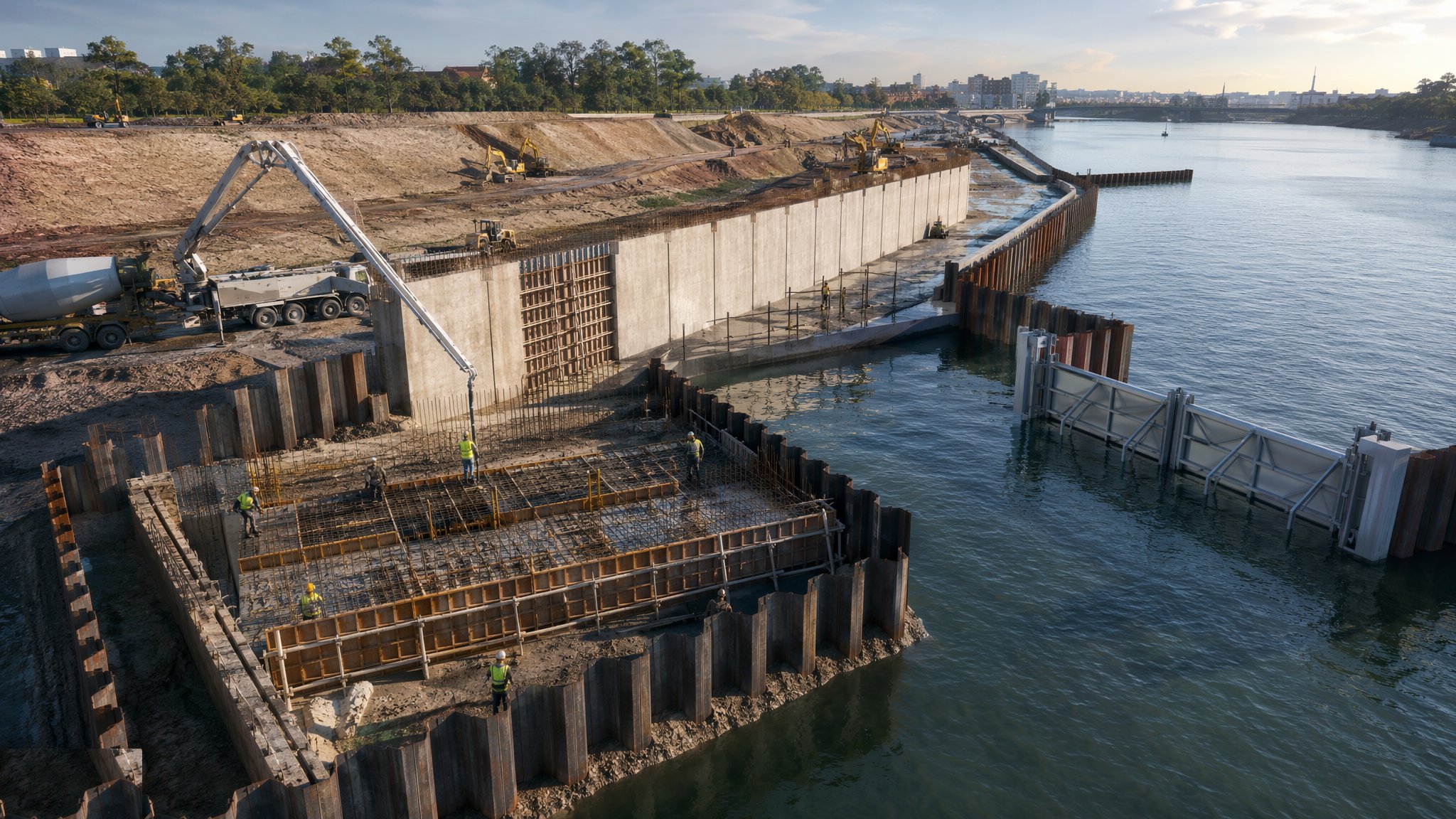
Flood Defence Construction
Walls, embankments, gates and pumping stations that keep the water on the right side of the line - built beside live watercourses under consent from the Environment Agency or the lead local flood authority, with a flood plan in your back pocket.
Open process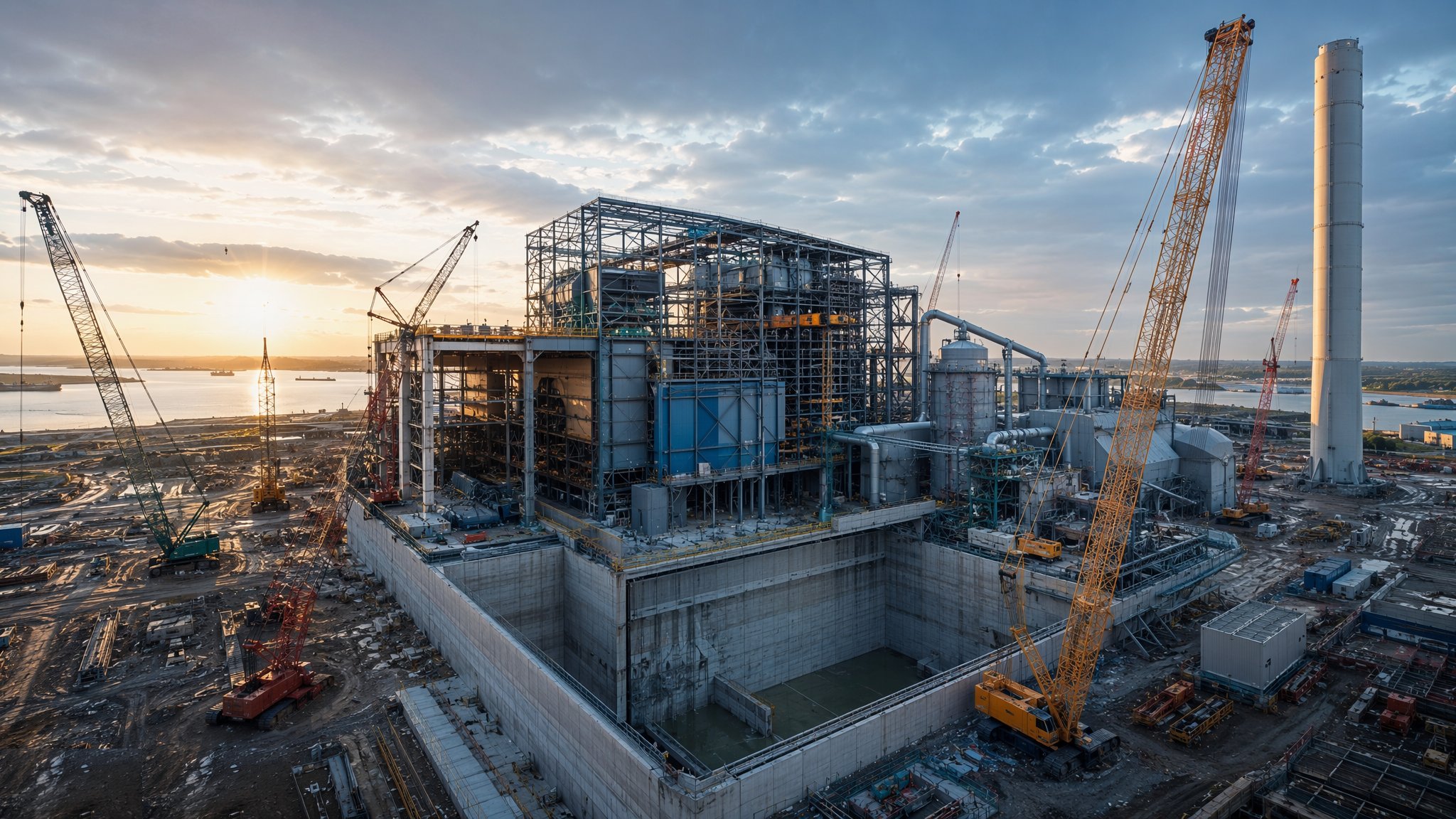
Energy-from-Waste Plant Construction
Power stations fuelled by rubbish - deep water-retaining refuse bunkers, boiler and turbine halls, flue gas treatment and a stack - built to process-plant tolerances on some of the heaviest civils in the industrial sector.
Open process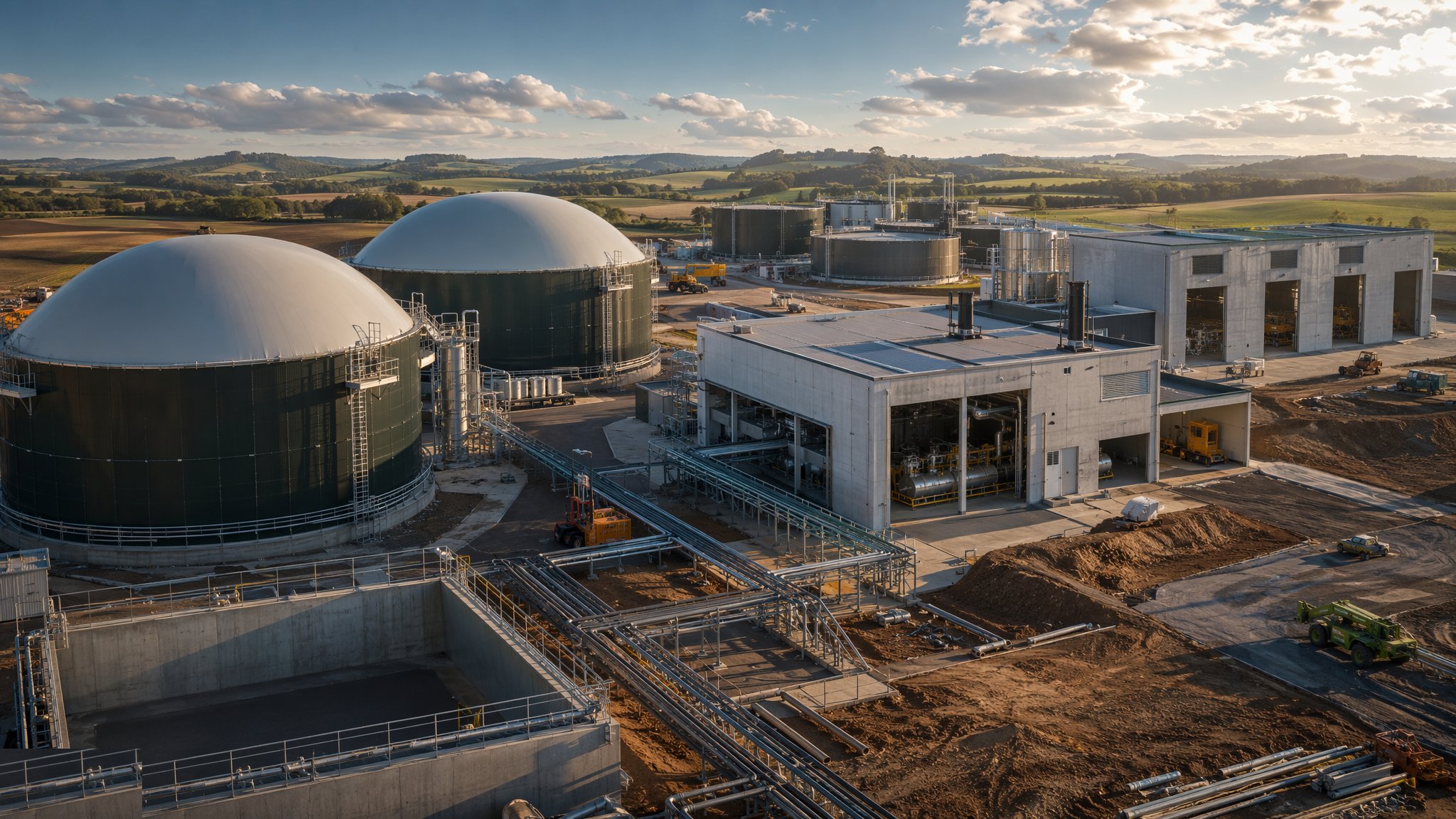
Anaerobic Digestion & Composting Facilities
Sealed tanks that turn food waste and slurry into biogas - gas-tight digesters, double-membrane gas holders, CHP engines, odour-locked reception halls and composting tunnels - process plants where the biology, not the builder, sets the final pace.
Open process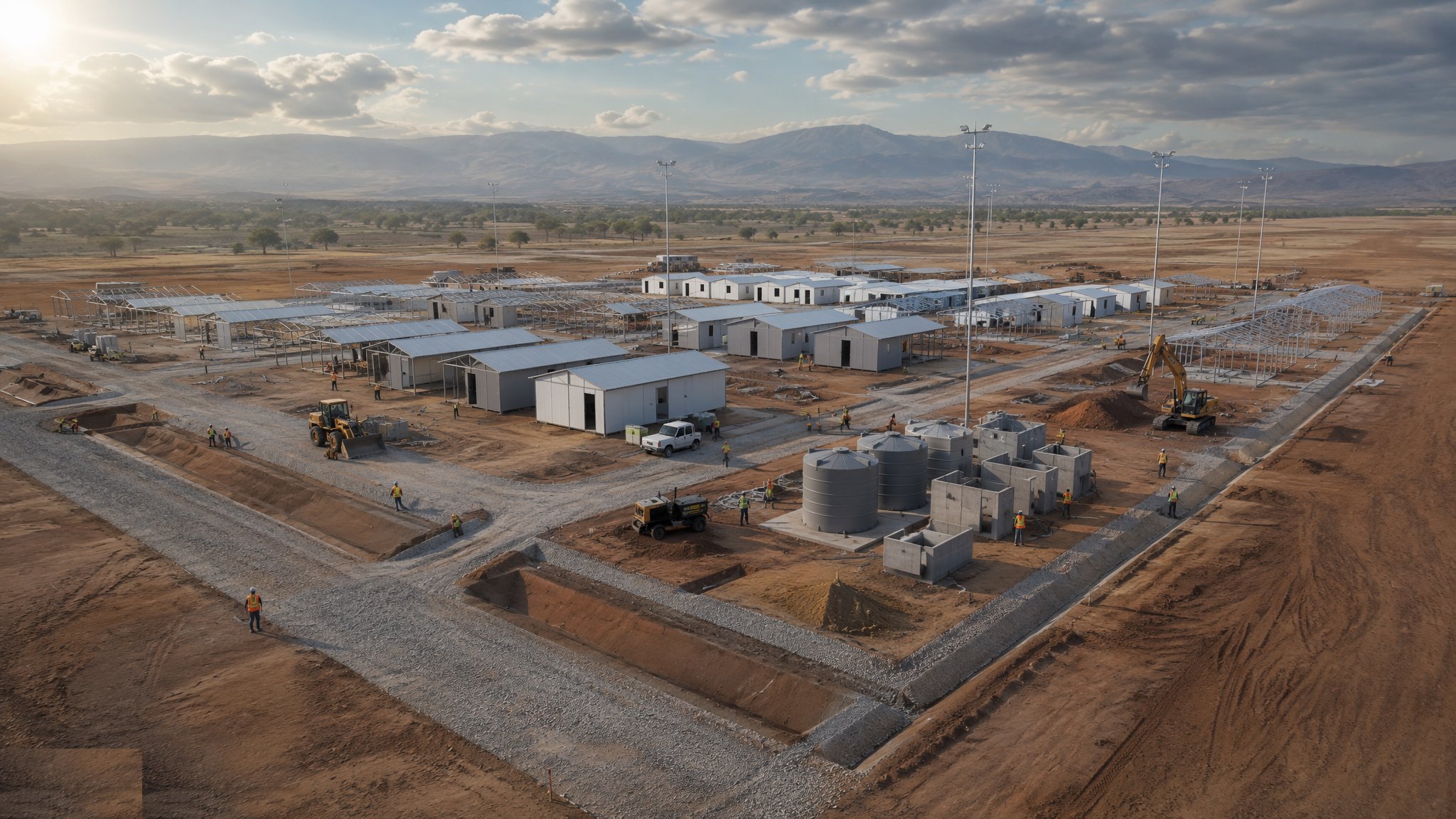
Temporary Shelter & Settlement Construction
Building a functioning settlement from bare ground - camp layouts to Sphere and UNHCR standards, water and sanitation at speed, roads and drainage on unprepared ground - with logistics that start continents away.
Open process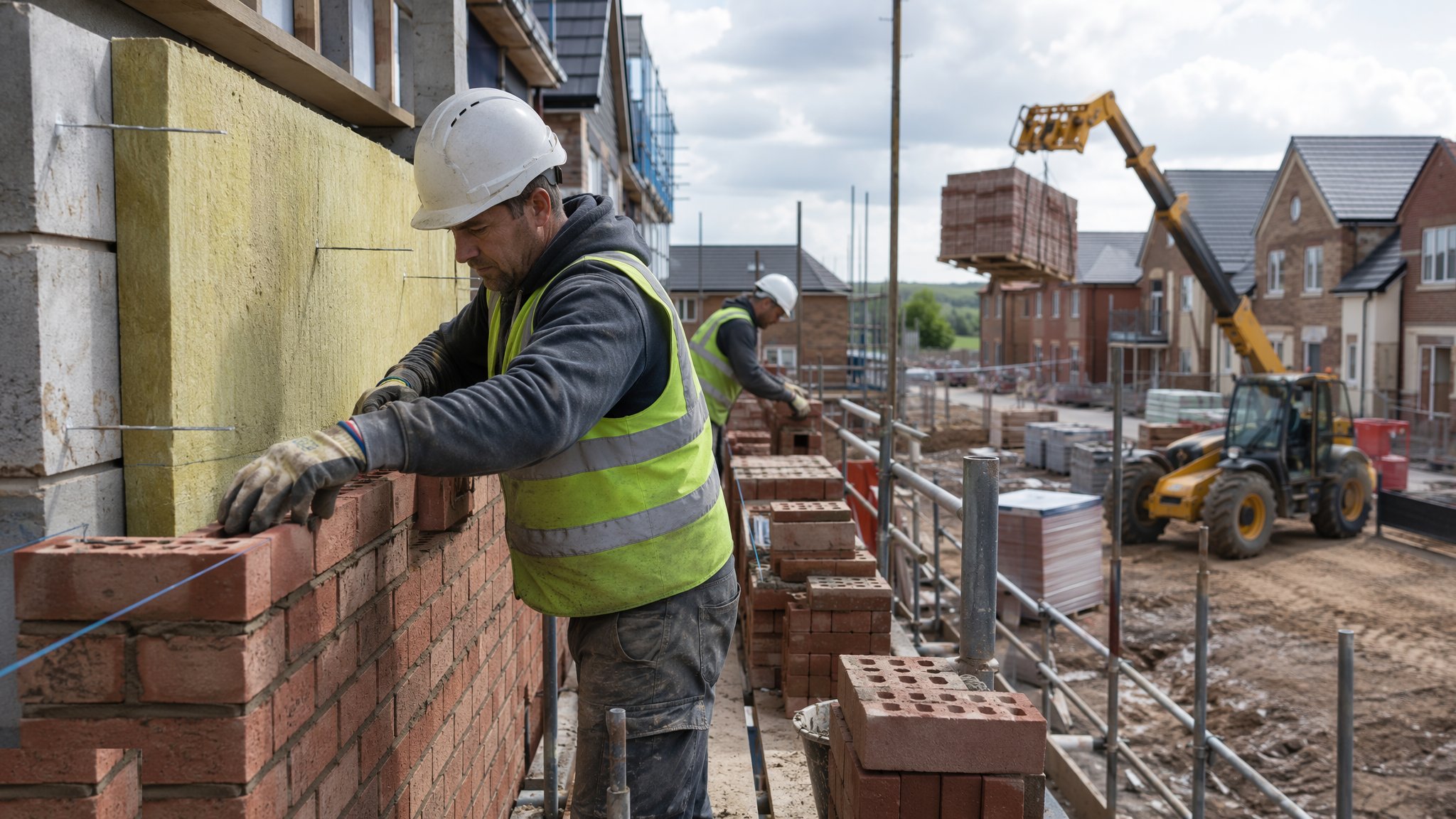
Brick Wall Construction
Laying brickwork that stays plumb, bonded and weather-tight - from a garden wall to a full cavity envelope.
Open process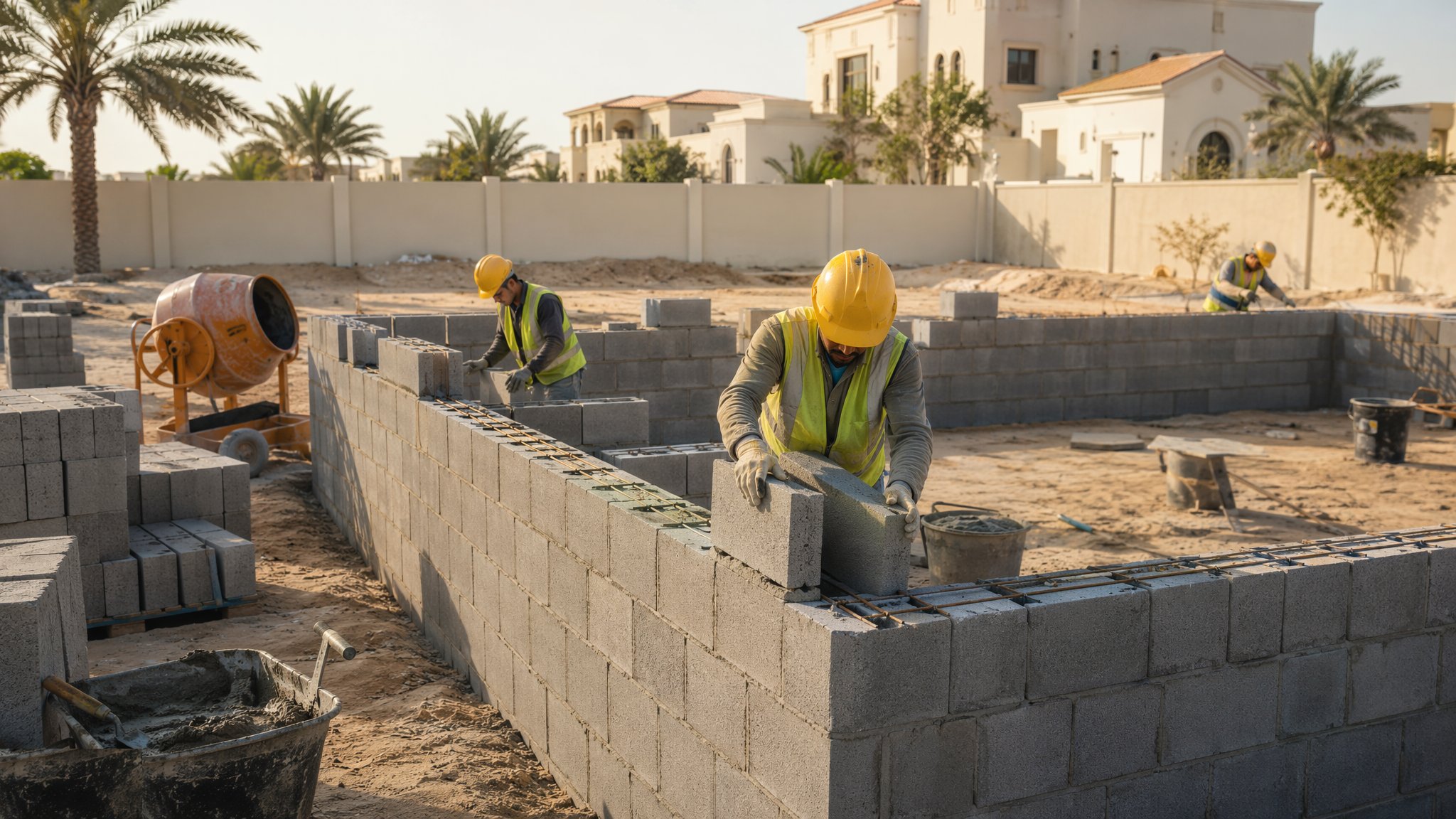
Block Wall Construction
Dense and lightweight blockwork - the structural and partition walling behind most buildings in the UK and nearly all of them in the UAE.
Open process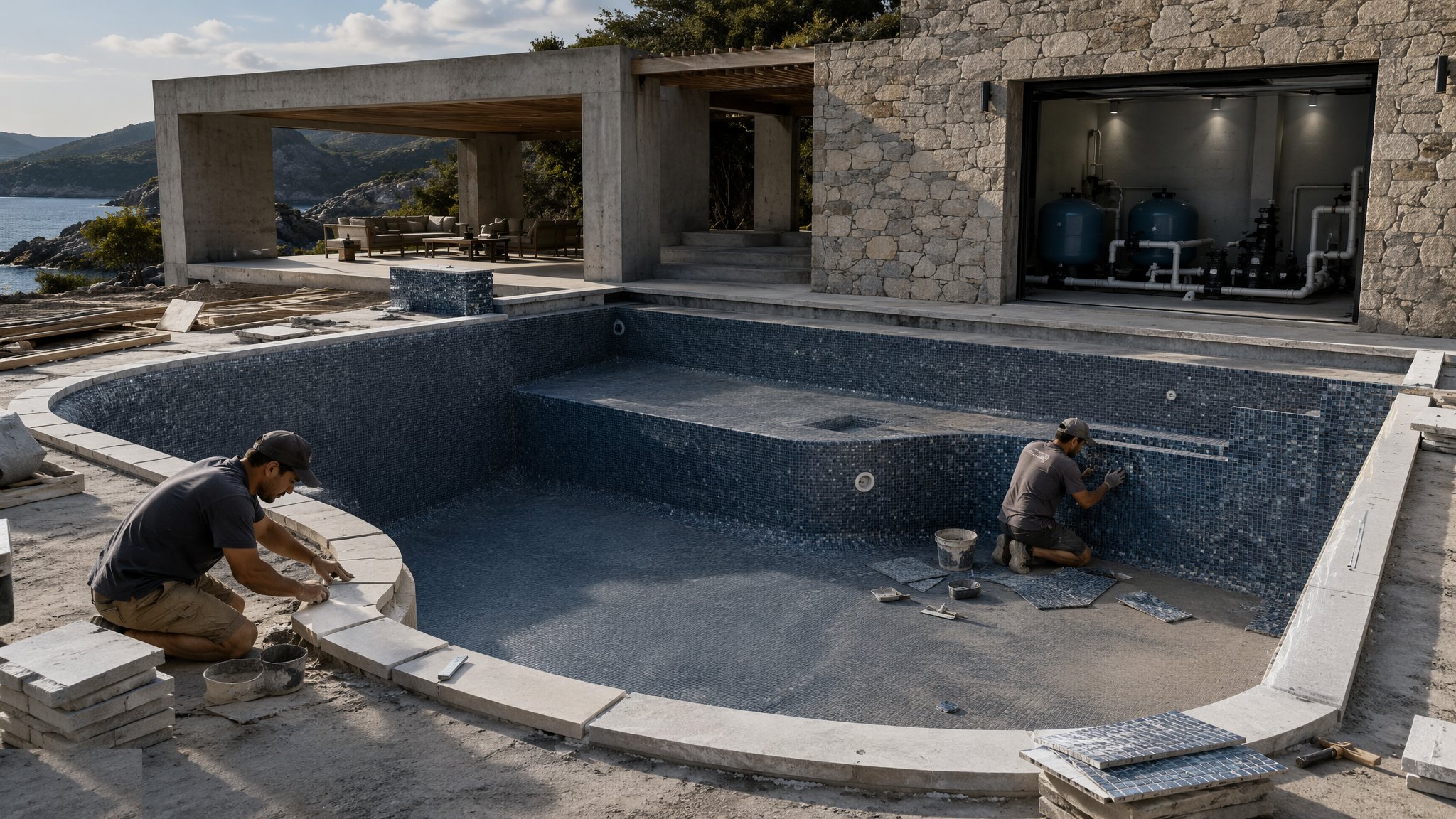
Private Swimming Pool Construction
Villa and residential pools - excavation, shell, waterproofing, filtration and the wet-side finishes.
Open process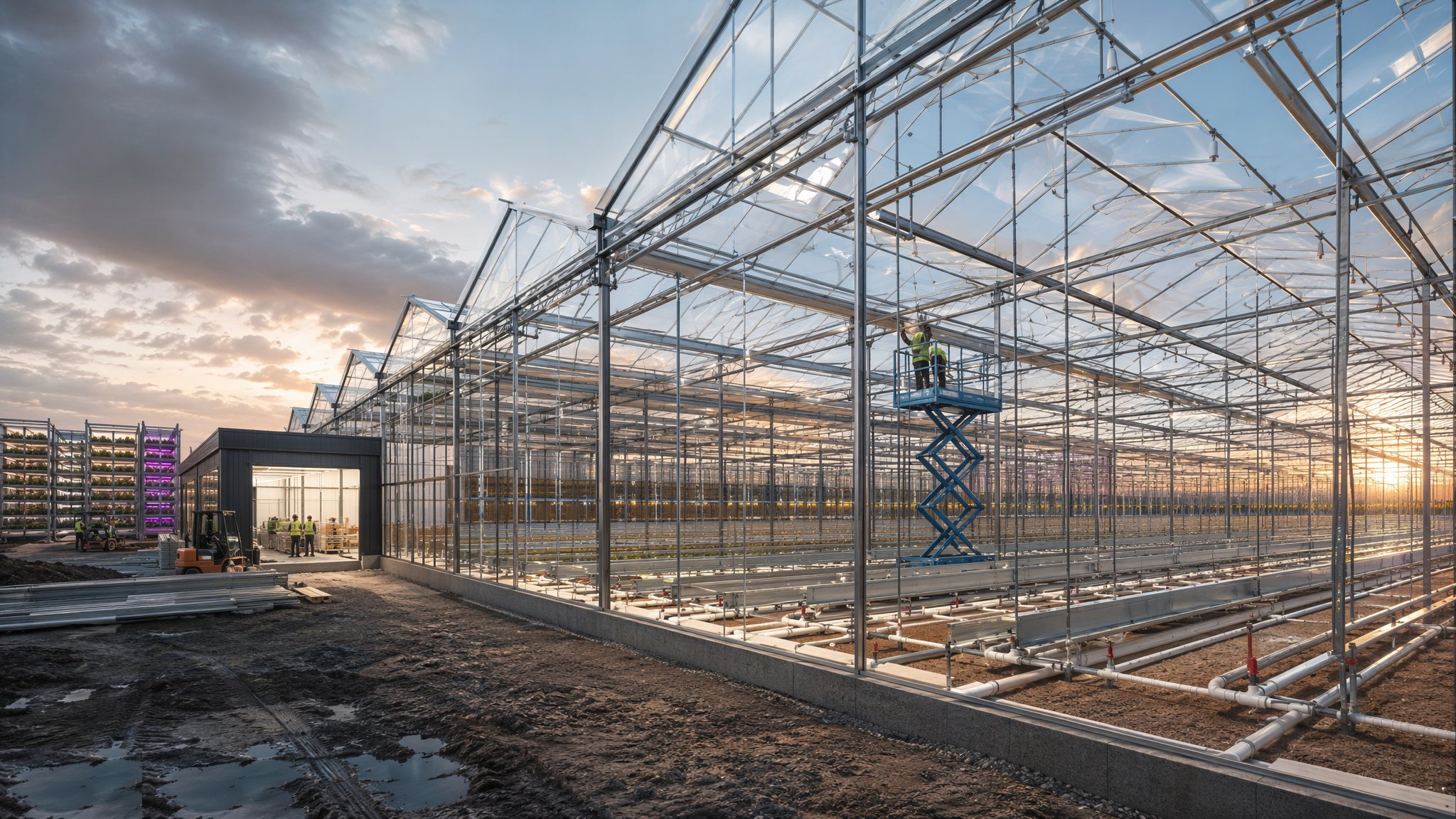
Glasshouses & Vertical Farms
Acres of glass and steel tuned like an instrument - climate screens, fog and fertigation, CO2 from the CHP, gutters that drink the rain - plus the stacked, LED-lit rooms where farming went indoors entirely.
Open process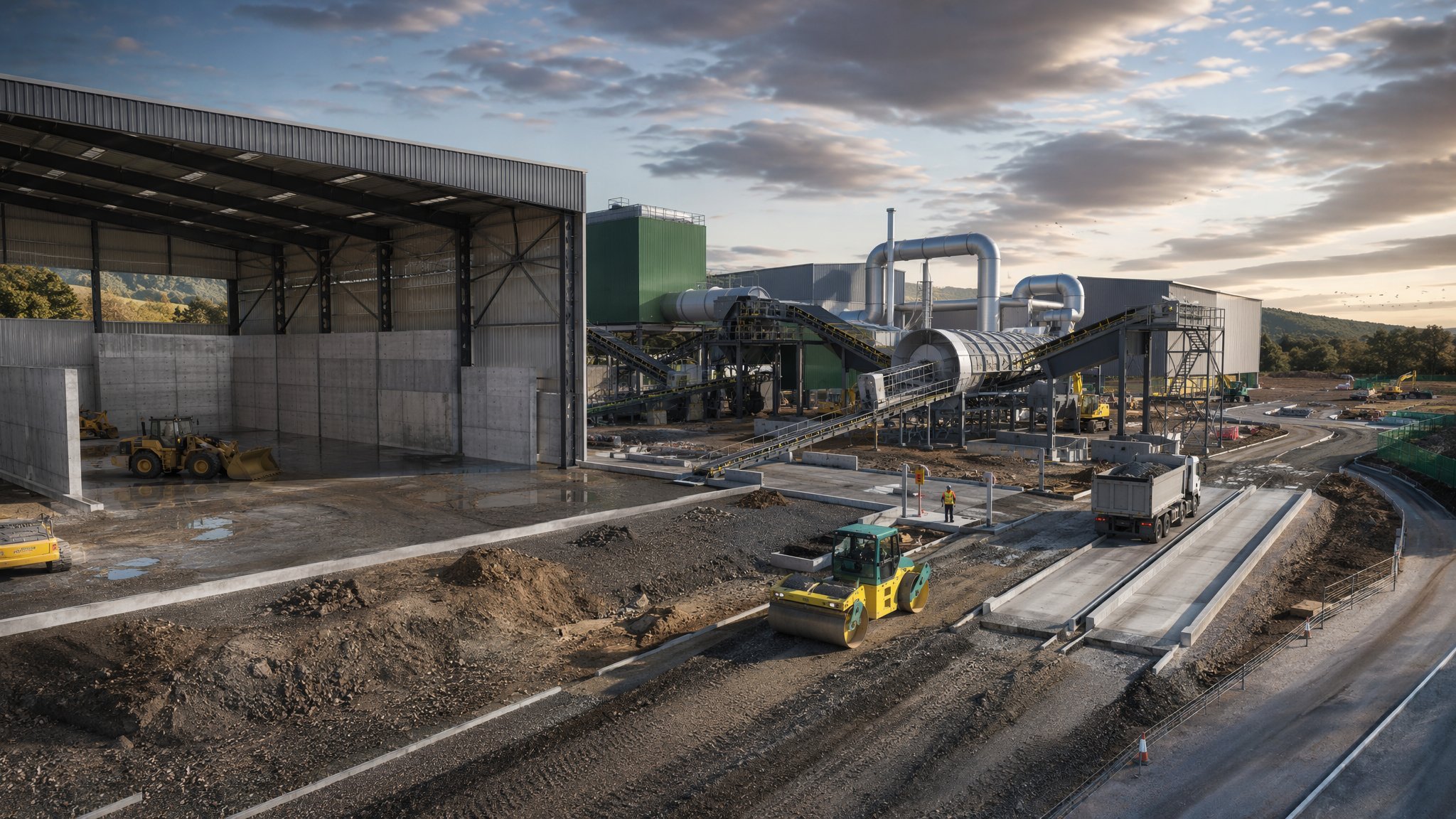
Waste Transfer Stations & MRFs
The sheds that sort society's rubbish - tipping halls with push walls, picking lines and trommels, and heavy-duty floors that take a daily beating - wrapped in odour, dust and fire controls under an environmental permit.
Open processConstruction Methods in depth
One library, every sector
This group is organised differently from the others: it is a methods library, not a sector. Piling does not care whether it is founding a house, a bridge or a wind turbine; MEP first fix is the same discipline in a hospital as in an office; formwork and falsework serve a water tank, a viaduct pier and a basement wall with equal indifference. The ten method categories reorganise the same process knowledge by discipline, so that you can follow a trade across sector boundaries instead of learning it fifteen times in fifteen dialects.
The logic of the library mirrors the logic of a site: enabling works and ground engineering first, then substructure and superstructure, then envelope, then services, then finishes, with temporary works running underneath everything. That sequence is not arbitrary - it is the order in which work becomes physically possible. You cannot hang the curtain wall before the frame, and you cannot pour the frame before the foundations, whatever the sector or the country.
What the methods view reveals is how small the actual vocabulary of construction is. Perhaps a few dozen fundamental processes - excavation, piling, concreting, reinforcement, formwork, structural steel, masonry, roofing, cladding, services installation, finishes - account for the overwhelming majority of everything built. The sectors differ in emphasis, specification and regulation, but the trades themselves are shared, and the men and women who do the work move between sectors carrying the same skills.
That portability is the commercial engine of the whole industry. Subcontractors survive by following their method wherever the work is: a piling specialist prices housing on Monday, a substation on Tuesday and a quay wall on Friday. When you understand the methods, sector boundaries stop looking like walls and start looking like specification changes - different testing, different tolerances, different paperwork - laid over the same physical acts. This is why the methods library sits alongside the five sector groups rather than beneath them: it is the layer they all share.
Who actually uses methods knowledge
Methods knowledge is the common currency of everyone on a project, but it is held by different people in different forms. Subcontractors hold it deepest - the piling foreman, the formwork joiner, the MEP supervisor carry the real detail of how work is done - while main contractors hold it as coordination: the sequence, the interfaces, the temporary works that let one trade follow another. Designers hold it as buildability, and the quality of a design is often just the quality of its respect for method.
Commercially, methods are where money is made and lost. An estimator prices methods, not drawings - the same cubic metre of concrete is a different price in a ground-bearing slab, a suspended frame and a marine pour, because the method differs. A planner programmes methods, not activities: 'RC frame, level 4' means a specific cycle of formwork, reinforcement, pour and strike, and getting the cycle time right is the difference between a programme that works and wallpaper. What a method is worth in money, though, depends entirely on the commercial machinery wrapped around it, and that machinery is not the same in every market.
This is also where innovation actually enters the industry. Off-site manufacture, robotics, new materials and digital setting-out all arrive as changes of method, and they succeed or fail on whether the site can absorb them. The methods library is therefore the best place to watch the industry change: not in press releases, but in the slow migration of pods, modules, precast and machine control from novelty to standard practice.
It is worth saying plainly what the library is not: it is not a substitute for specification or regulation. The method for a reinforced concrete wall is stable; the cover, the concrete class, the testing regime and the approval route change with every sector and every client. Use the library to understand the physical act and its sequence, then go to the sector pages for the rules wrapped around it. The two views are designed to be read together - discipline first, context second - and together they are a fair map of how construction actually works.
Who actually uses methods knowledge: UK and Europe
In the UK, NEC target-cost work puts the same methods under cost scrutiny week by week. That is the sharp end of a wider pattern: the British main contractor is a management organisation that owns very little plant and directly employs few operatives, so almost all real method knowledge sits in the specialist subcontract supply chain and is bought in package by package. The estimator's rate is the subcontractor's method plus preliminaries plus risk, and the main contractor's genuine skill is sequencing methods it does not itself perform. That is precisely why interface management and temporary works coordination are the disciplines which decide whether a UK job runs or unravels, and why a contractor who loses its favoured groundworks or frame subcontractor loses capability rather than just a price.
Method is a legal duty here as well as a commercial one. Under the CDM regulations the principal contractor plans, manages and monitors the construction phase, and the construction phase plan is the document that says how it will be done; BS 5975 sets out the temporary works procedure, the designated individual and the temporary works coordinator, and clients and insurers ask for that structure by name. Certification schemes decide who is permitted to perform a method at all - welder qualifications, piling and lifting standards, scaffold design checks, permit systems, competence cards. Continental Europe differs in one important respect: contractors in Germany, Austria, the Netherlands and the Nordics still directly employ far more of their workforce and own far more of their plant, so method knowledge lives inside the contracting organisation rather than out in a subcontract chain, and the tender is built from the inside out. A British contractor bidding in those markets discovers it is competing against companies that can actually do the work themselves.
Money reaches the method through a small number of routes, and the route determines who benefits from improving it. Two-stage tendering and pre-construction services agreements buy the contractor's method advice before the price is fixed. Target-cost and cost-reimbursable work exposes the method to open-book scrutiny, so an inefficient sequence is visible and its cost is shared. Lump-sum design-and-build conceals it entirely, which is exactly why a design-and-build contractor with a better method keeps the whole of the benefit. Framework and alliance clients increasingly buy method improvement directly, funding trials of off-site elements, digital setting-out or new plant across a programme of work rather than a single project, because only a programme is long enough to repay the learning curve. What newcomers get wrong is treating the method statement as a document produced for the file after the sequence has already been settled by whoever arrived on site first, and then finding that the price, the programme and the safety case were all built on a sequence nobody actually agreed.
Who actually uses methods knowledge: Middle East and North Africa
In the UAE, where FIDIC contracts price measured work, the BOQ item is a method with a rate attached. Across the region that measured tradition remains far stronger than it now is in Britain: quantities are taken off, remeasured and certified monthly, and the method sits behind the rate rather than inside a target cost. Where the work is EPC turnkey - process plant, power, desalination, industrial facilities - the contractor owns the method absolutely, including the design that made it possible, and the client buys a performance outcome instead of a sequence. Both routes put a heavier premium on the contractor's own method knowledge than the British management model does, because in neither case is there a subcontract chain waiting to supply the thinking.
The contracting model differs in a way that changes who holds the knowledge. Large regional contractors in the UAE, Saudi Arabia, Qatar and Egypt directly employ their workforce, run their own accommodation and transport, and own their own formwork, cranes, batching plants and piling rigs, so method capability is an in-house asset built up over decades rather than something rebought on every project. Method statements are formal submittals rather than internal paperwork: the engineer approves them under the contract, and Civil Defence, the municipality, the free-zone authority or the roads authority approve specific methods - hot works, lifting over public areas, road and lane closures, temporary structures, tunnelling, dewatering and discharge - before the work may physically begin. Approval lead time is therefore a programme activity with a duration, and a team that treats a method statement as a formality will lose weeks finding out otherwise.
Climate, labour and law all bear directly on method choice, and all three are different here. Midday summer working bans across the Gulf, heat-stress rules and the plain physics of hot-weather concreting mean the method is planned around the calendar and the clock as much as around the sequence - night pours, chilled water, ice, immediate curing, and a programme that concedes what June actually does to productivity. Payment culture pushes contractors towards methods that front-load measurable progress, because a certified quantity is cash while an unmeasured preparatory activity is a loan to the employer. Local content and registration rules govern which specialist subcontractors and which materials may be used, and nationalisation targets shape the workforce mix. And the civil codes impose decennial liability on the contractor and the supervising engineer for ten years from handover for collapse and for defects threatening stability, which puts structural methods - concrete placement and curing, reinforcement cover, temporary works, ground improvement, waterproofing - under a statutory spotlight that no contract term can switch off. The physics of a method does not change between markets; the machinery around it does, and pricing one market's methods with the other's machinery is a reliable way to lose money.
How to use this library
Read the methods library in site order the first time: ground and foundations, then frame, then envelope, then services, then finishes. That gives you the spine that every sector hangs off, and it makes the sector pages elsewhere on this site far easier to absorb, because you will recognise the processes as they appear in each context. After that first pass, use the library laterally - look up the method when you meet it on a scheme, whatever sector you happen to be working in.
The most valuable habit is to trace a method across sectors deliberately. Take piling: read it here as a discipline, then see it appear in housing foundations, bridge abutments, substation bases and coastal works, and notice what changes - the specification, the tolerances, the testing regime - and what does not: the rig, the spoil, the concrete, the integrity tests. Do the same with reinforcement, with waterproofing, with first fix. That exercise, repeated a few times, converts the library from reference material into judgement.
Remember that methods are where the UK and UAE genuinely meet. The trades are the same trades; the differences are specification regimes, authority approvals, climate adjustments and contract framing, not physics. A fixer who can tie a cage in Birmingham can tie one in Dubai, and a planner who understands an RC frame cycle understands it in both markets. Learn the methods properly and the two markets this site serves become one trade conversation with two sets of paperwork.