Utilities & Energy
Power, water, sewers, grids and data - the networks everything else plugs into.
Utilities and energy construction is where building work meets process engineering. A solar farm is mostly civil and electrical work at scale; a wind turbine is a foundation, a crane lift and a commissioning exercise; water and wastewater assets are concrete, pipework and process kit held to drinking-water standards. Every scheme closes the same way: testing, energisation and handover to the operator.
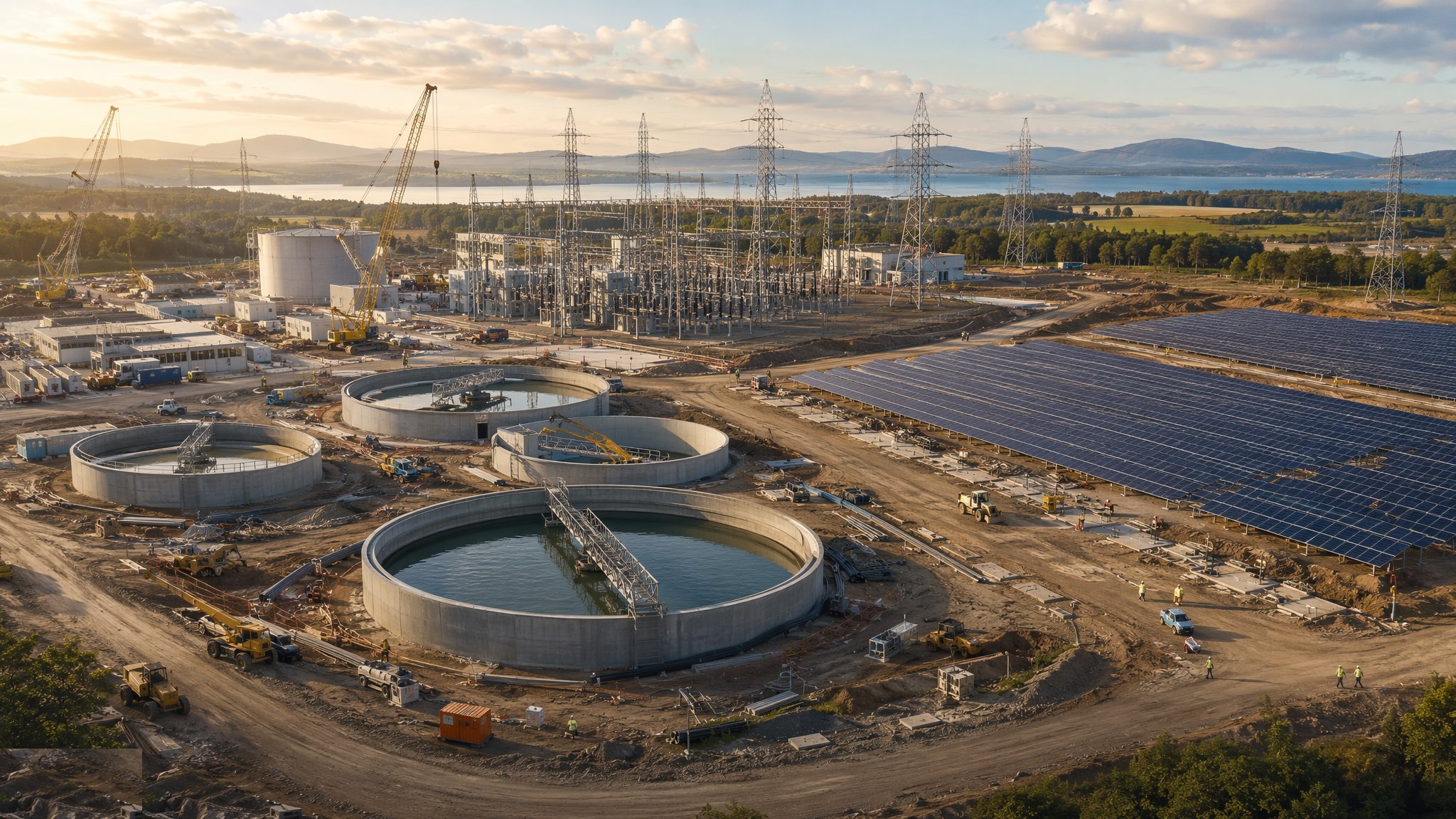
15 sectors in this group
Live sectors carry the full step-by-step guides. The rest are scoped and scheduled - their pages slot straight in when the next build phase lands.
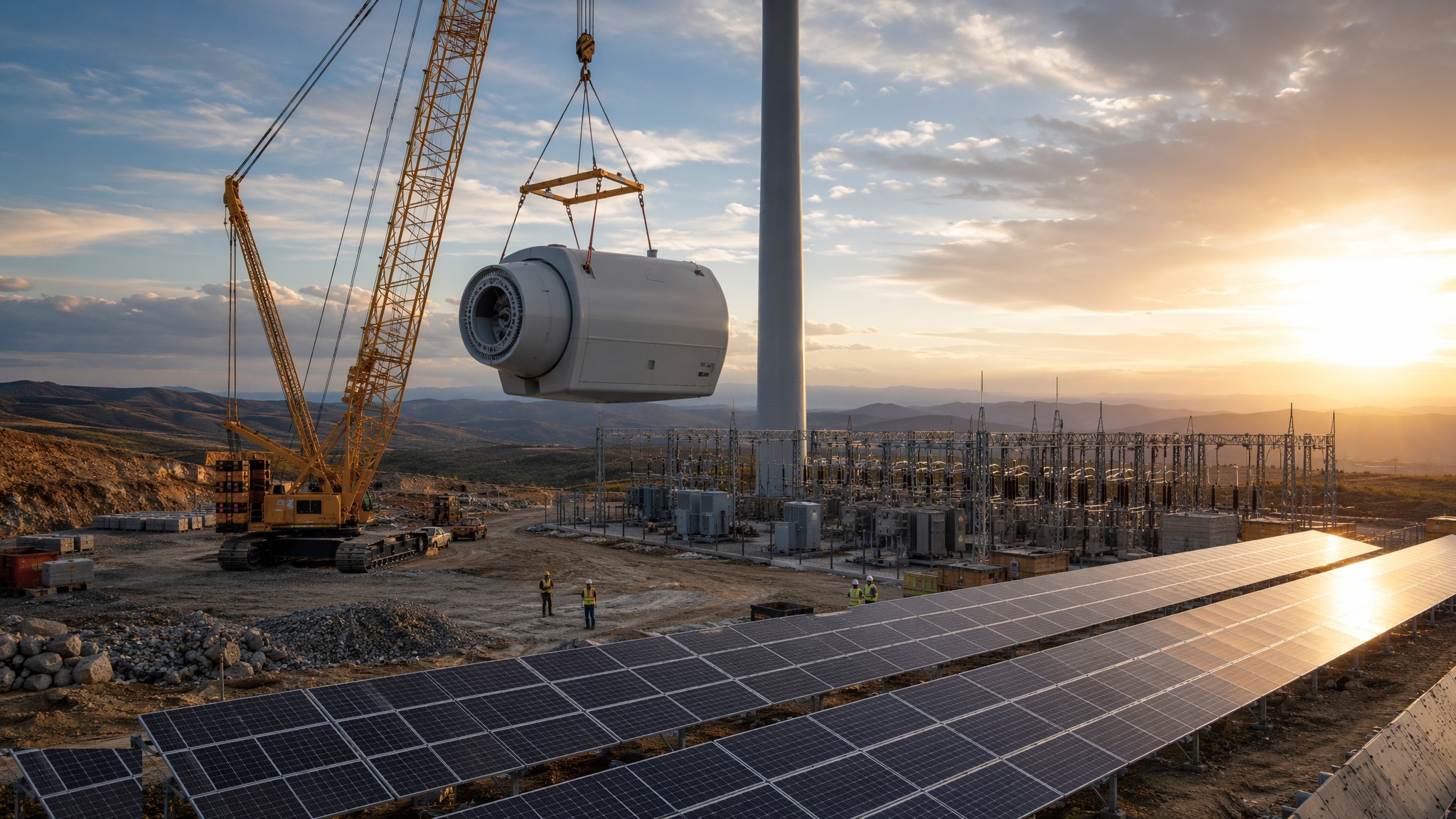
Solar farms, wind farms, hydro and geothermal - power assets built to industrial standards.
Explore the sector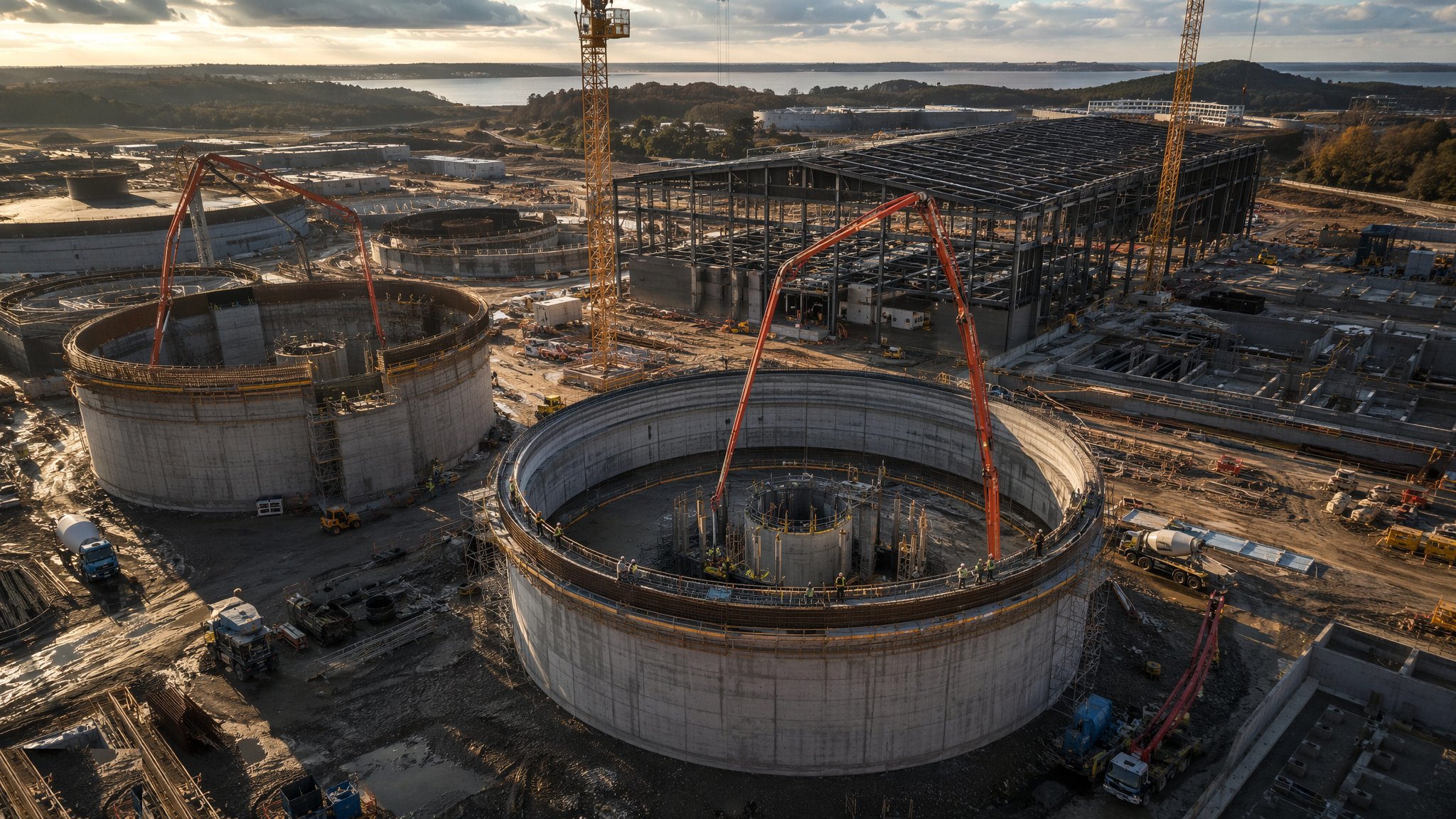
Reservoirs, treatment works and trunk mains - clean water, heavy concrete.
Explore the sector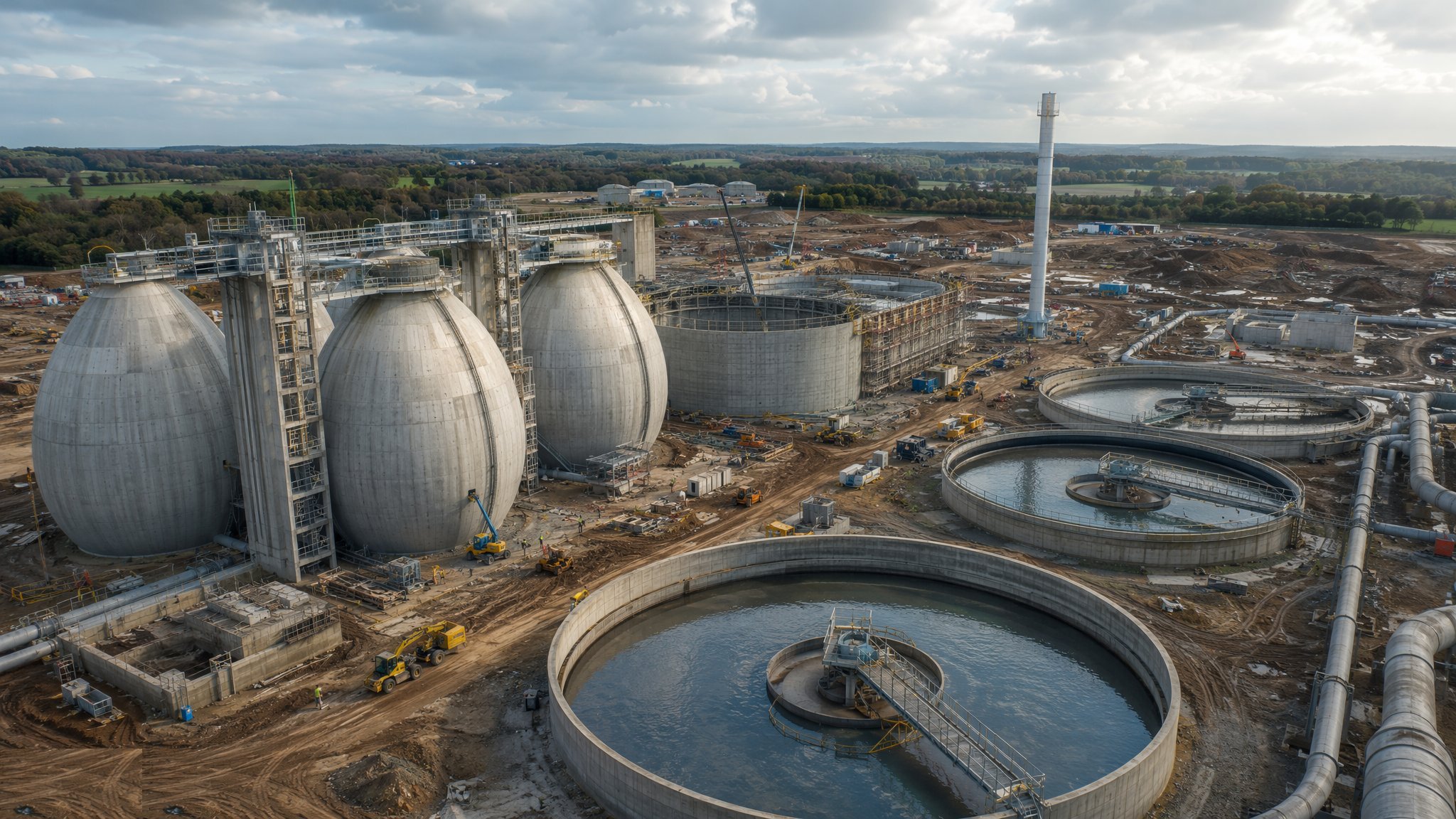
Sewers, treatment plants and pumping stations - the infrastructure nobody visits.
Explore the sector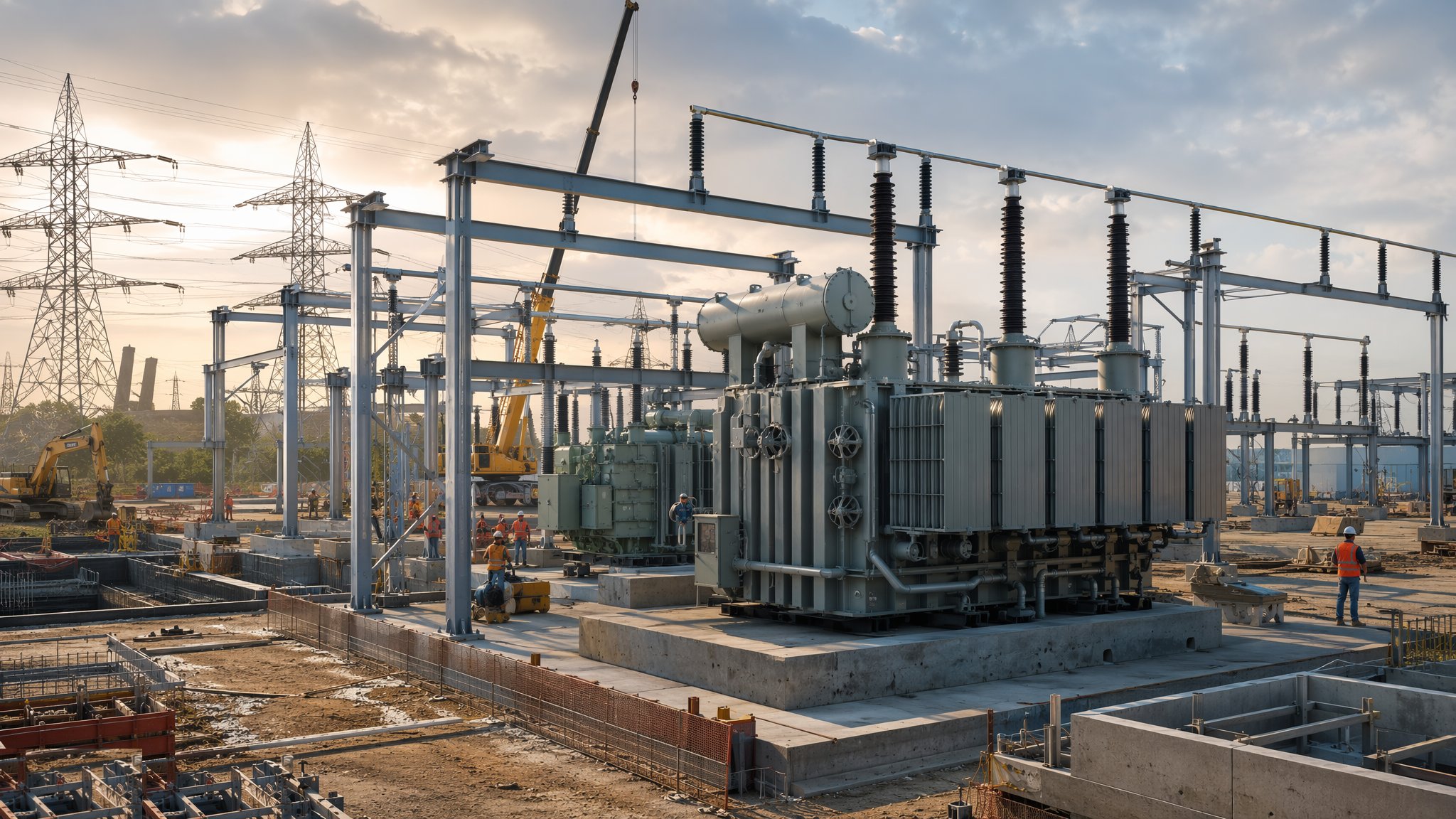
Substations, pylons and cable corridors - the grid between the generator and the meter.
Explore the sector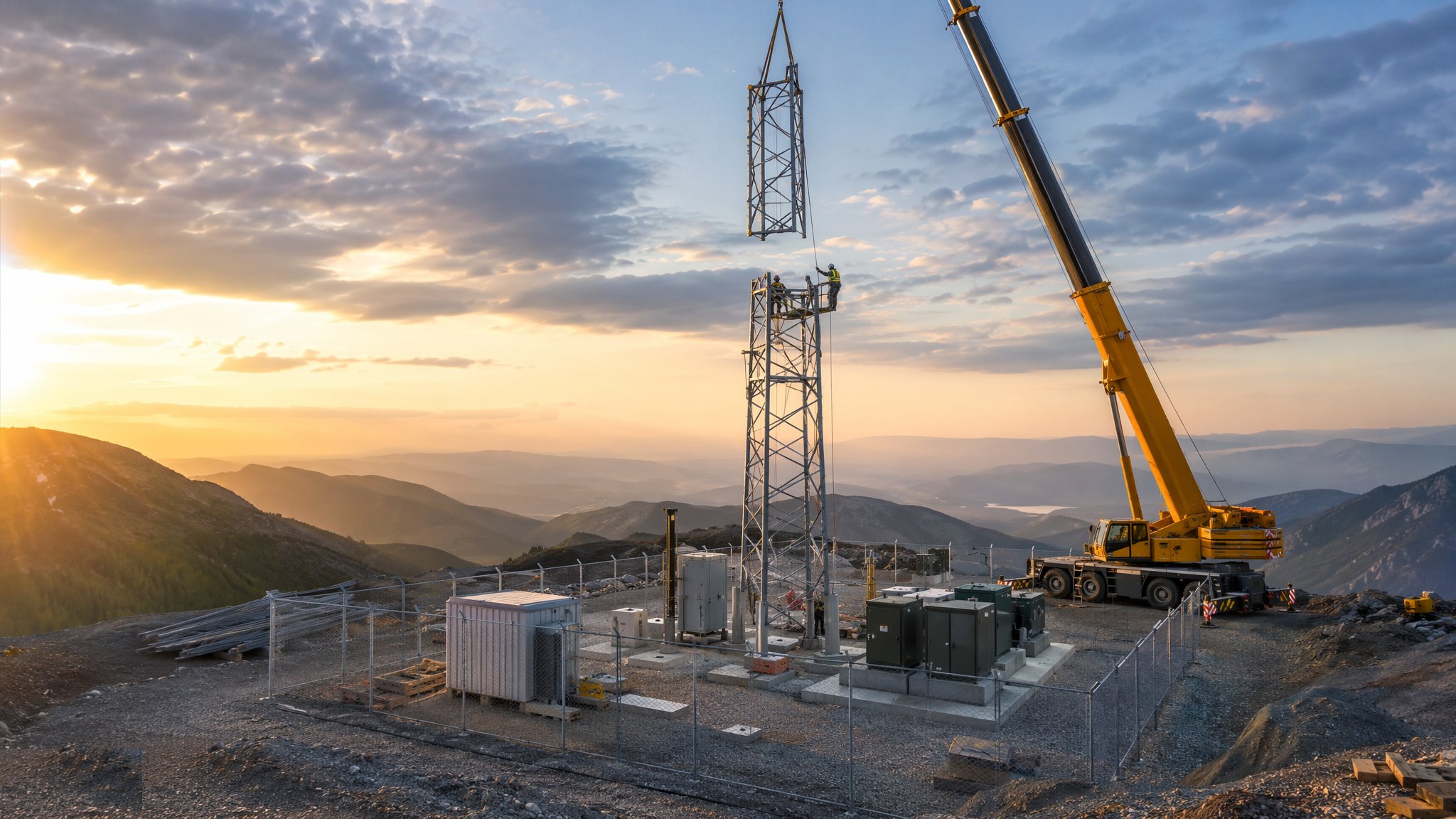
Masts, fibre routes and exchanges - light structures, heavy logistics.
Explore the sector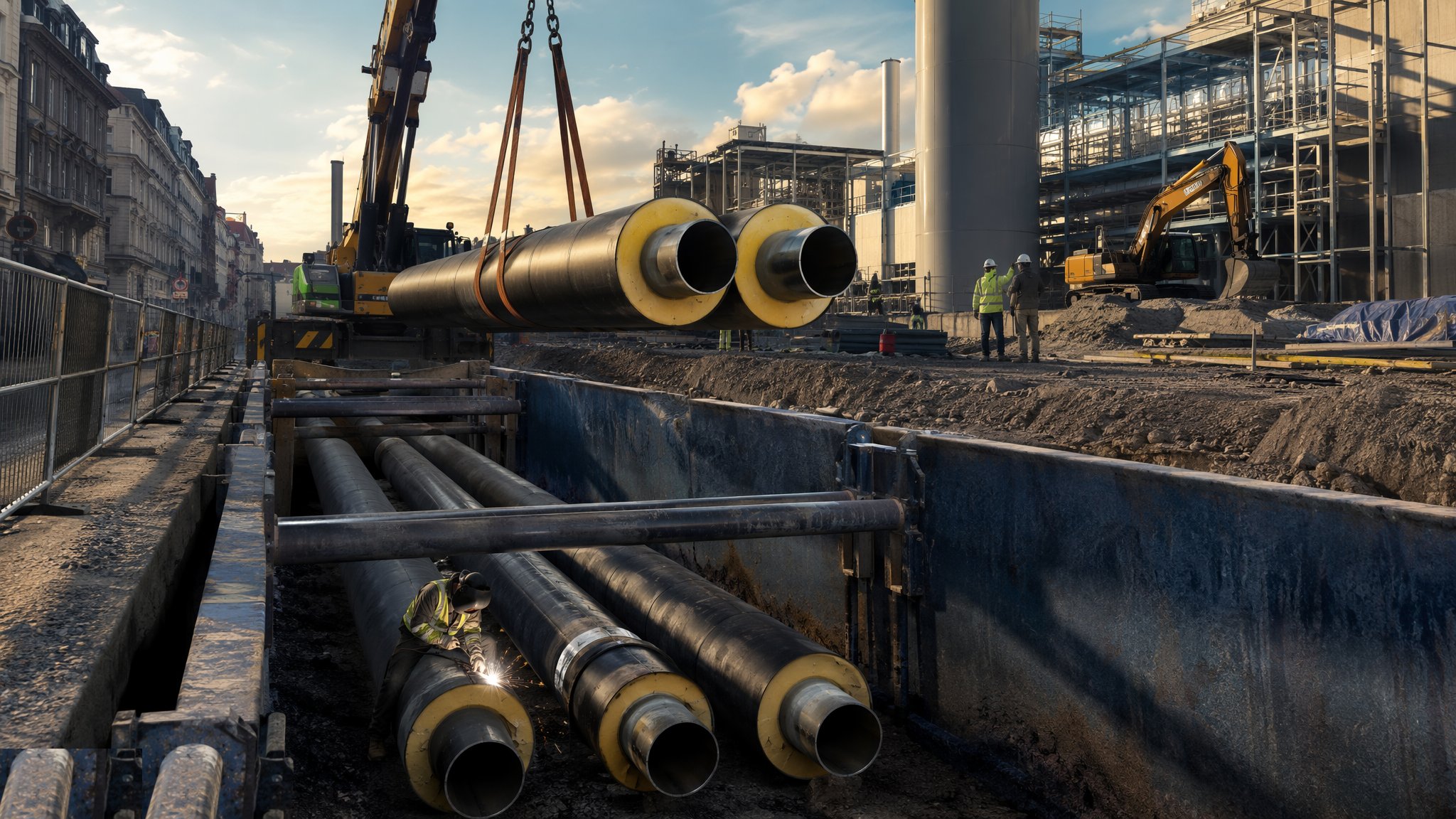
Heat networks, cooling plants and multi-utility corridors - shared infrastructure for whole districts.
Explore the sector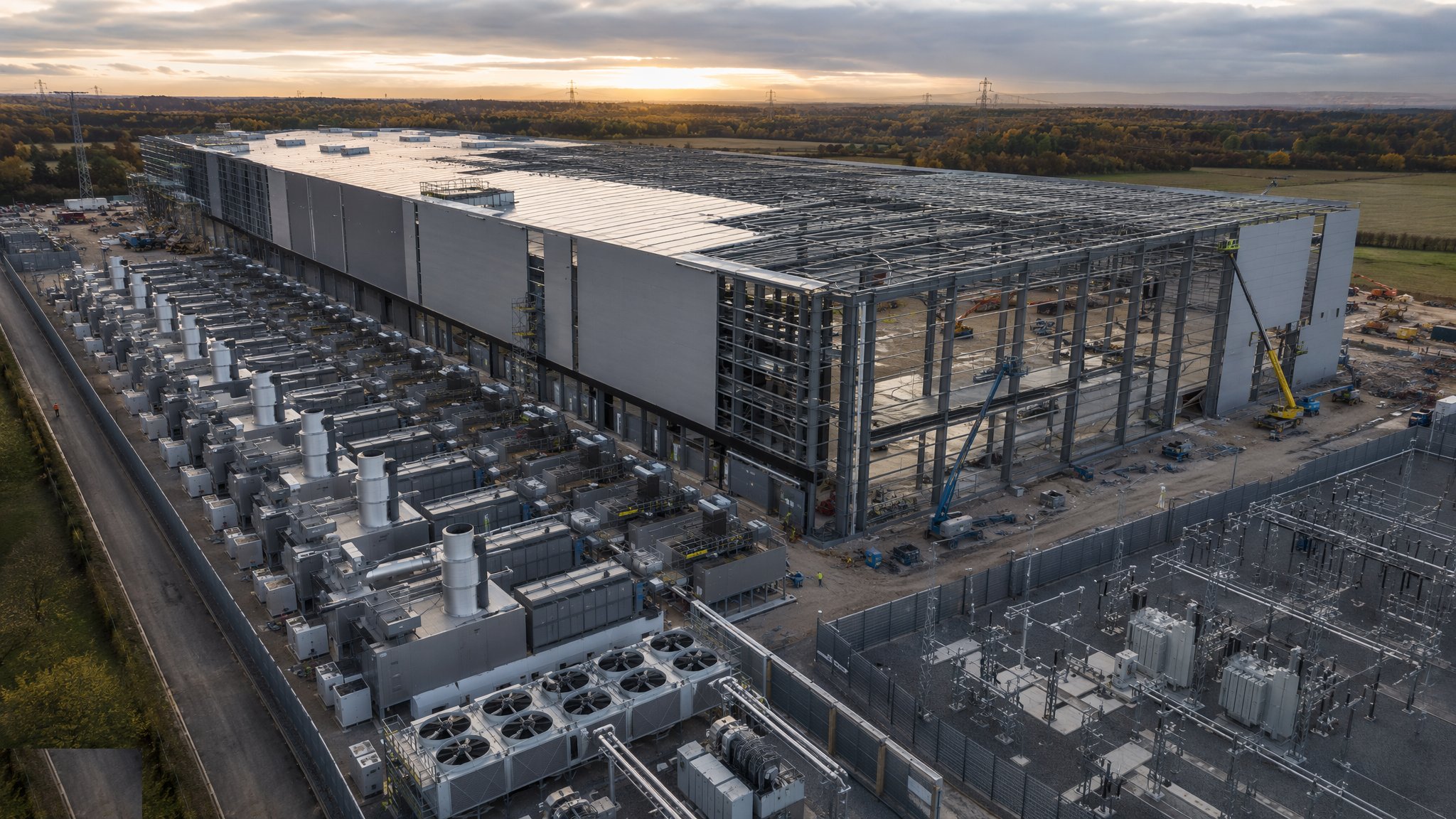
Data centres - warehouses of power and cooling, built like fortresses.
Explore the sector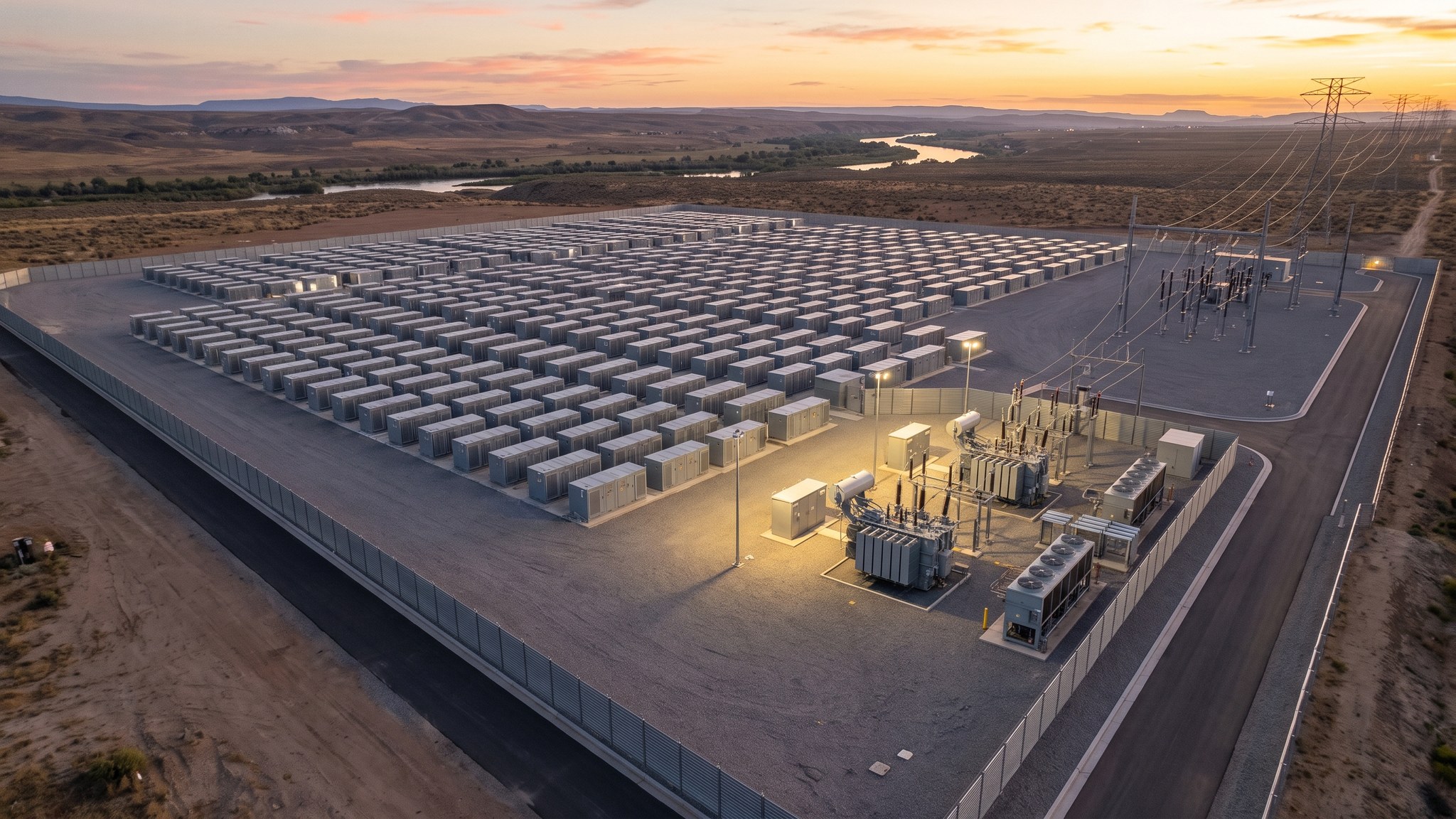
Grid-scale batteries - a civils and electrical project racing a connection date.
Explore the sector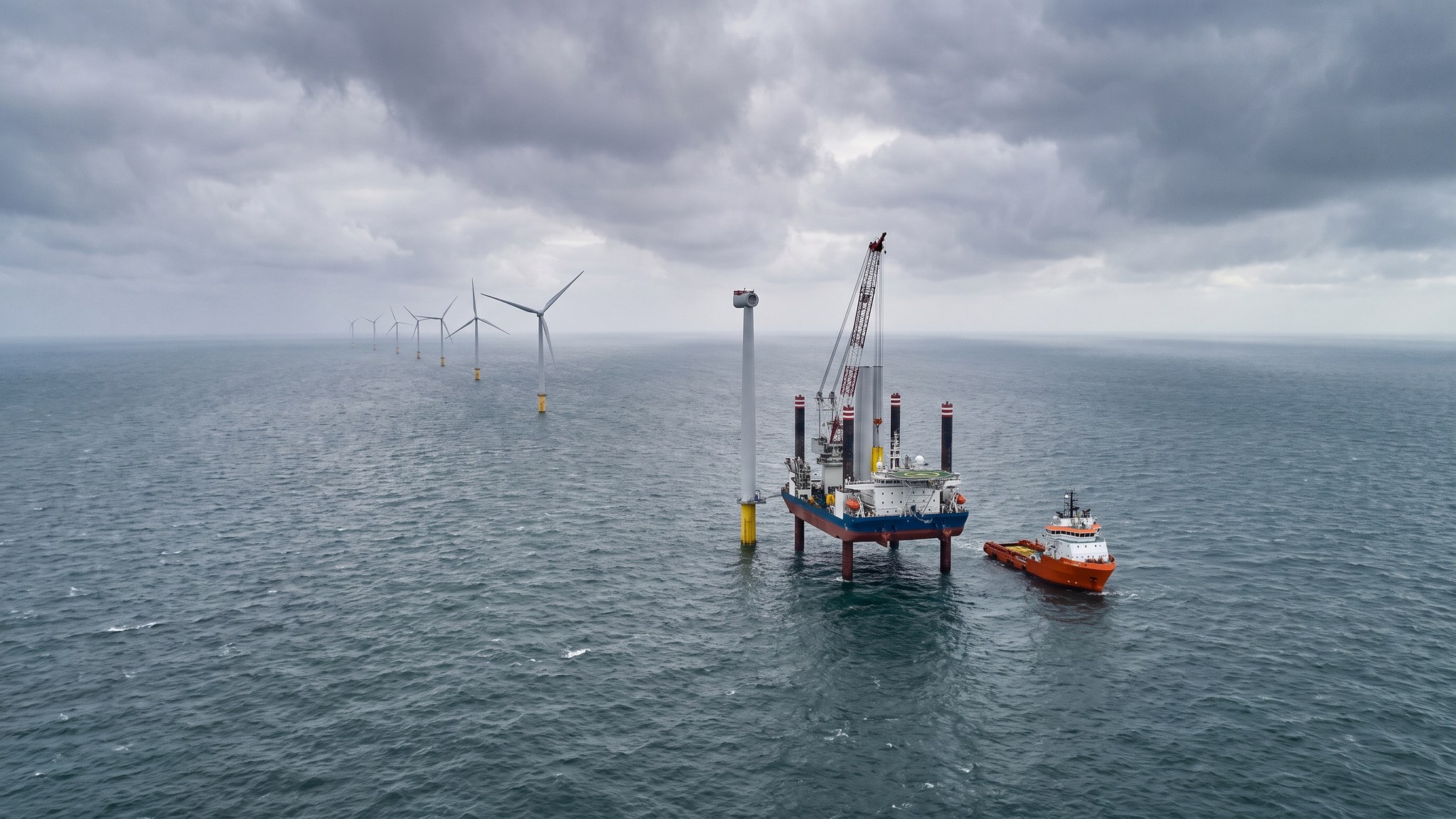
Construction by vessel - where the weather sets the programme and the sea sets the rules.
Explore the sector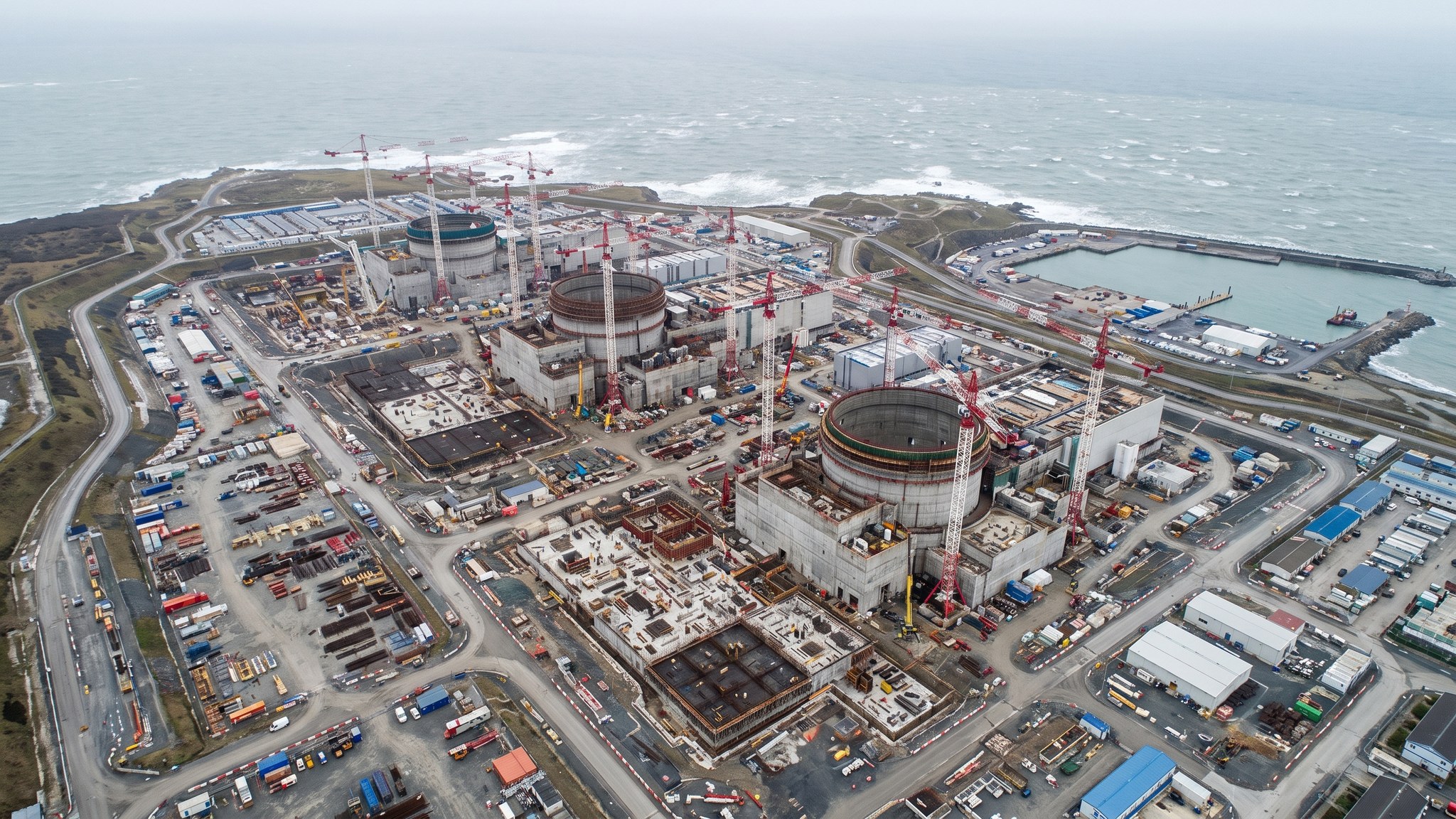
Ordinary civil engineering held to an extraordinary standard of evidence.
Explore the sector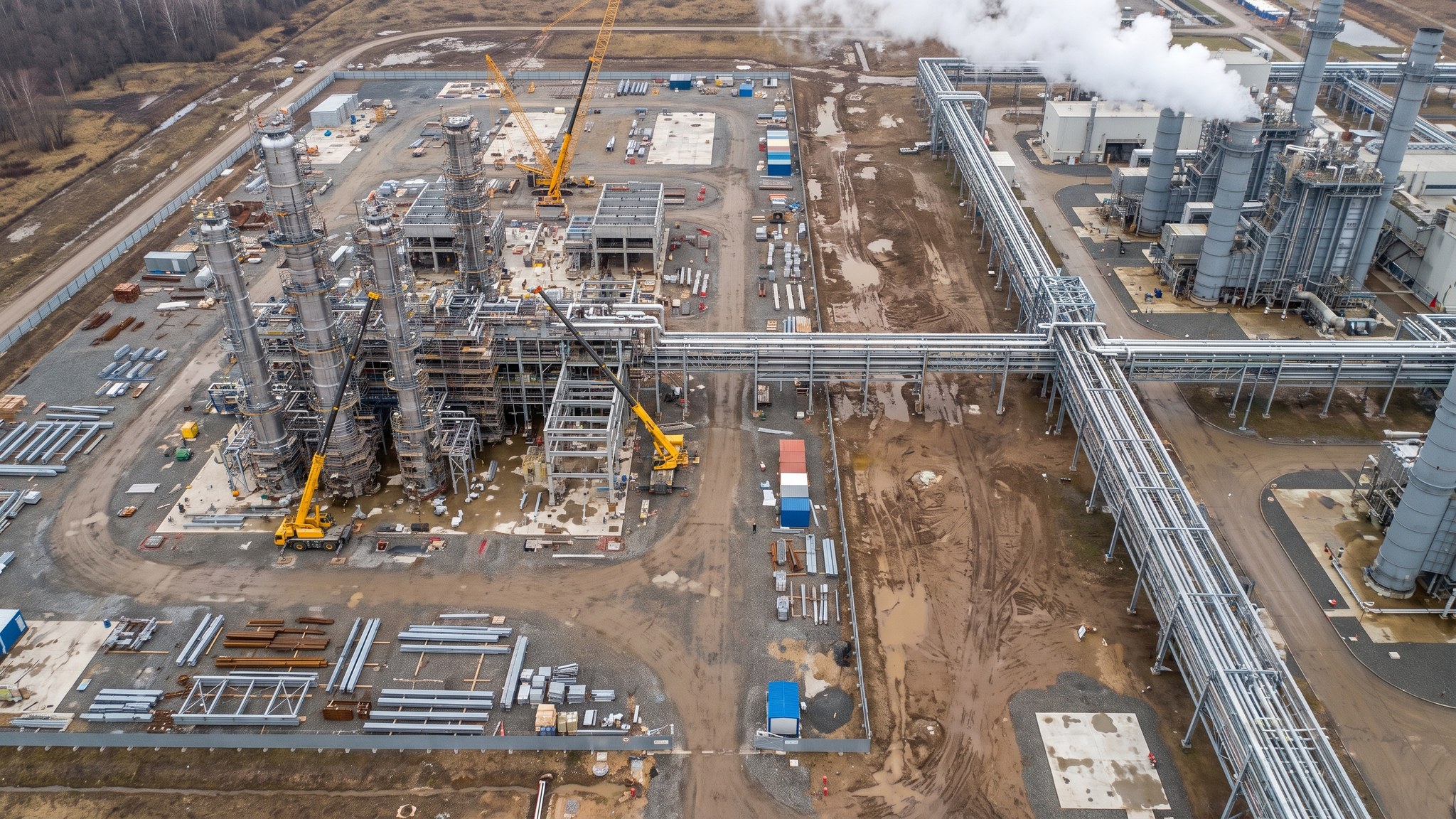
Process plant bolted onto a live emitter, a pipeline, and a well that has to hold.
Explore the sector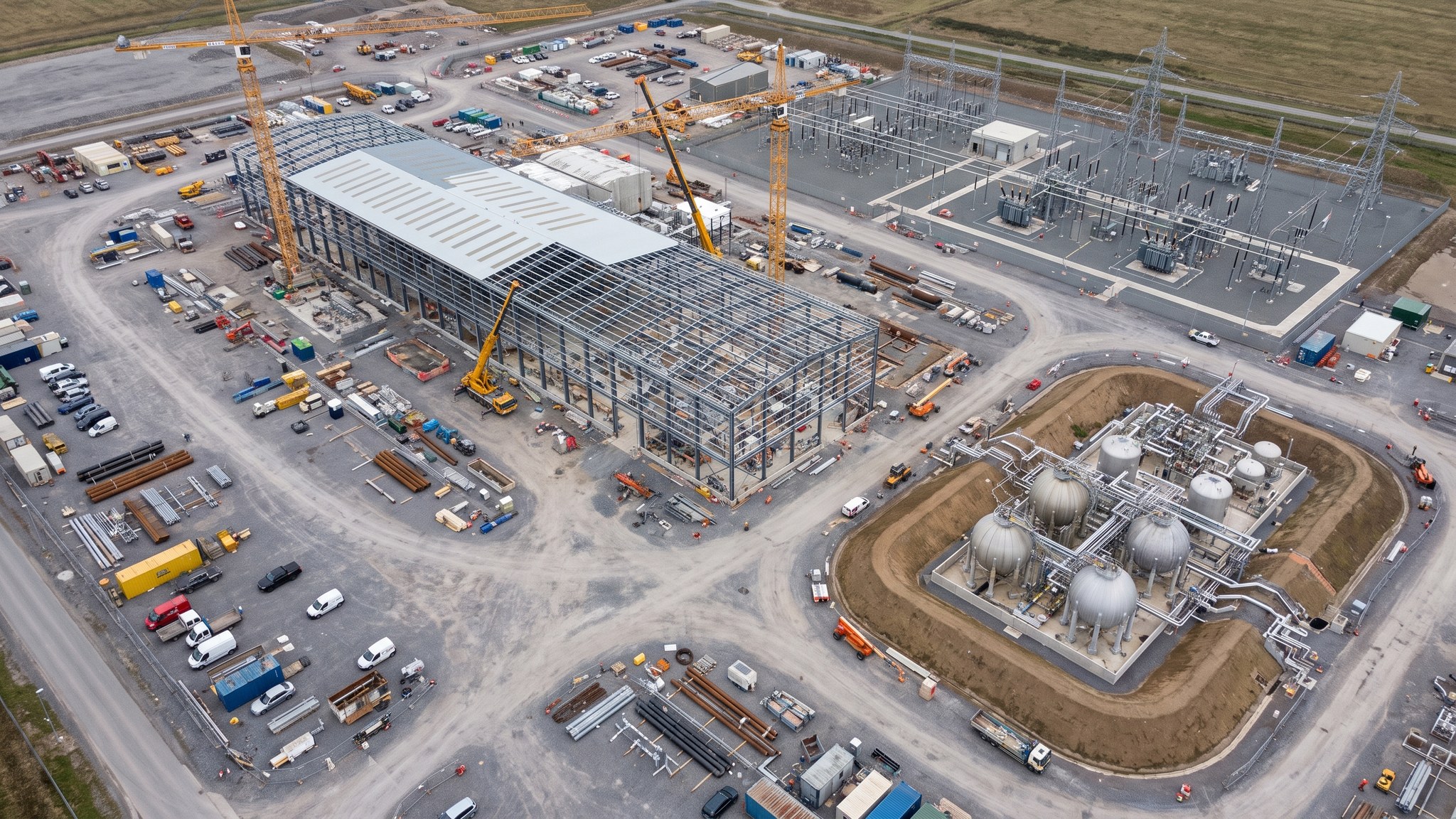
An electrical project and a process plant in the same fence line.
Explore the sector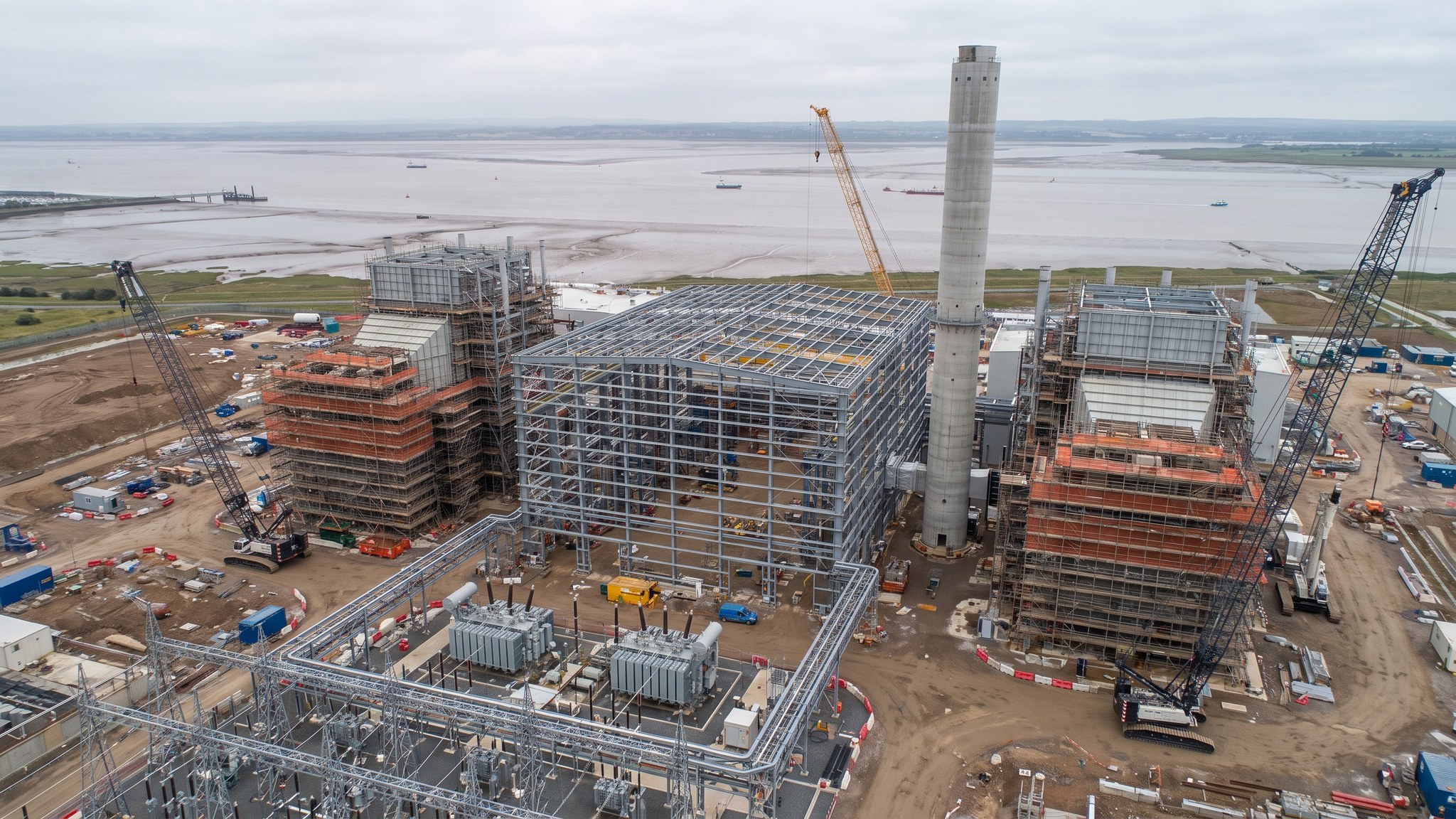
Heavy mechanical construction organised around one enormous machine.
Explore the sector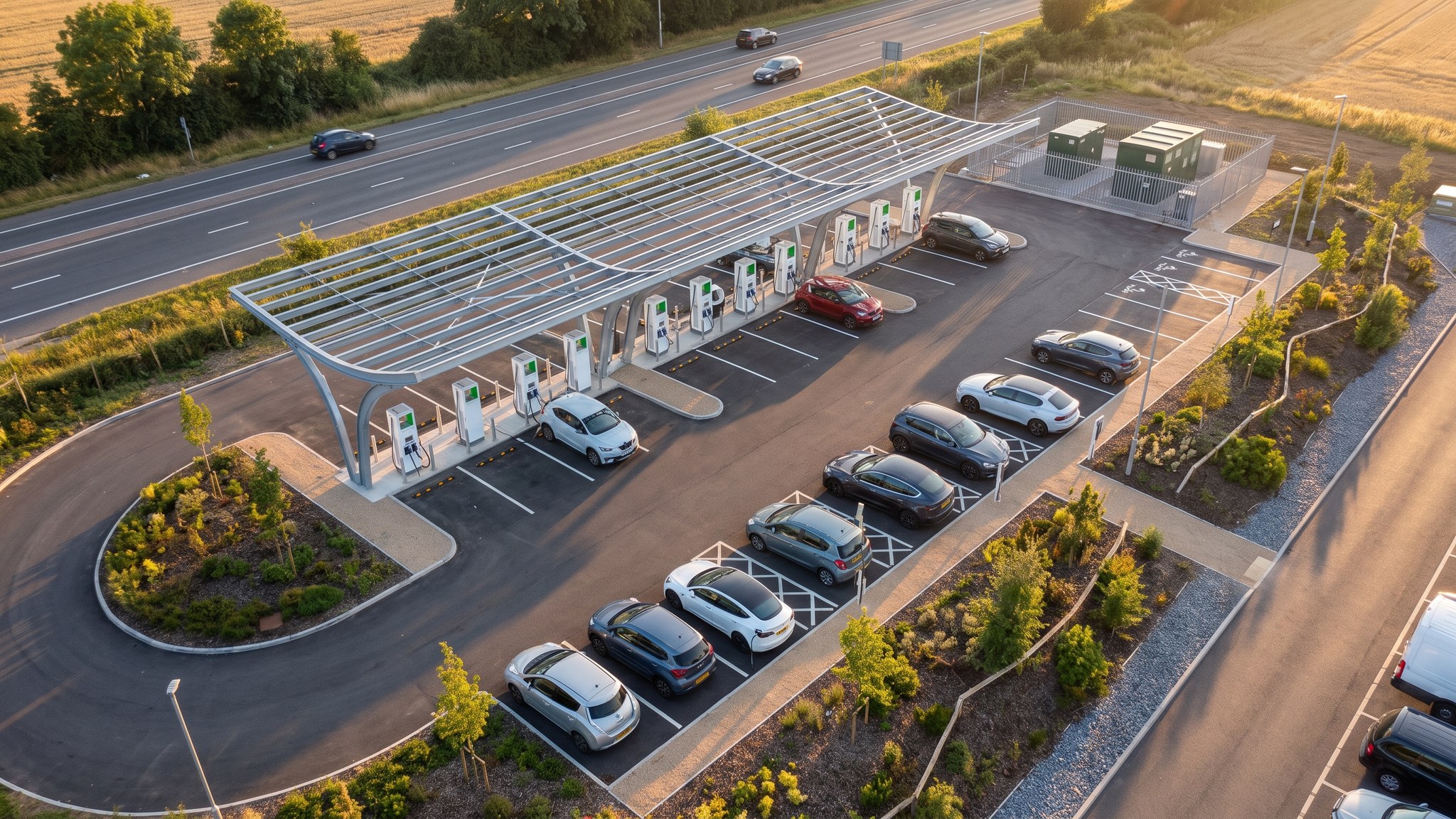
Modest civils on a live site, governed entirely by the grid connection.
Explore the sector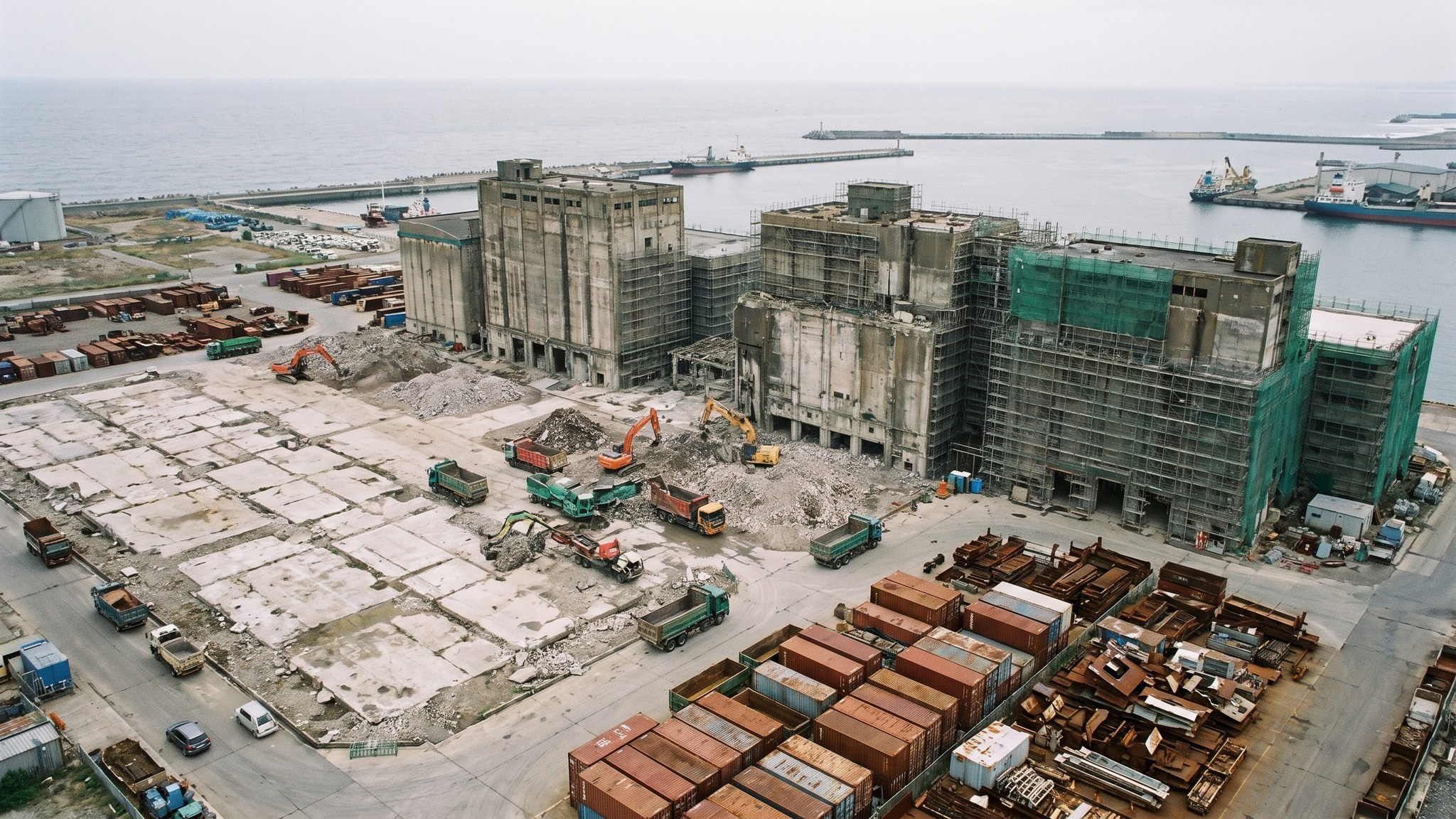
Demolition run backwards through a paperwork machine, measured in decades.
Explore the sectorUtilities & Energy in depth
Where building work meets process engineering
This group is defined by what the asset does rather than what it looks like. A water treatment works is concrete tanks, pipework and process kit; a substation is civils, steel and electrical plant; a solar farm is piles, frames, panels and inverters; a data centre is a warehouse shell wrapped around an enormous electrical and cooling installation. The common spine is not a frame-and-envelope sequence but a build-test-commission sequence: the job is not finished when it is built, it is finished when it is energised, disinfected, pressurised or load-tested and the operator has signed for it.
The sectors divide into networks and nodes. Power transmission, telecoms, district energy and water distribution are linear network work - trenches, ducts, cables and pipes across someone else's land, with wayleaves, reinstatement and traffic management as the daily battle. Power generation, water and wastewater treatment, and data centres are node work - concentrated sites with heavy process content. The skills overlap but the site cultures differ: network gangs think in metres per day, node teams think in systems and commissioning packages.
What genuinely differs is the tolerance for failure. A leaking joint in a building is a defect; a leaking chlorine line or a failing transformer is a major incident. That is why the group carries heavier testing, inspection and documentation regimes than buildings work - pressure tests, chlorination certificates, HV commissioning, factory acceptance tests - and why the client's operator is embedded in the project long before handover.
The group is also where the two markets on this site differ most visibly. UK utilities work is dominated by renewal - ageing water mains, Victorian sewers, grid reinforcement for electrification - so a great deal of it is brownfield, constrained and tangled with live services. UAE utility work is still substantially growth: new networks for new districts, desalination capacity, district cooling plants the size of small power stations. The methods are shared, but the daily reality differs: the UK engineer fights congestion and legacy assets, the Gulf engineer fights heat, logistics and the pace of the programme.
Clients and procurement: regulated money
The clients are utilities, and utilities are regulated businesses. Procurement follows the regulation. That is the one rule which travels intact between markets: whoever sets the tariff, the price control or the offtake price ultimately sets the shape of the contract, the length of the framework and the client's appetite for risk, and a contractor who has not understood how the client earns its revenue will misread every commercial decision that client makes. Where the regulation differs, everything downstream of it differs too, which is why the UK and European picture and the Middle East and North African picture are set out separately below.
The commercial signature of the group is the weight of testing and commissioning in the price. A buildings job spends its last ten percent on finishes; a utilities job spends it on commissioning - loop checks, pressure tests, energisation sequences, proving runs - with specialist subcontractors and vendor engineers whose availability is a programme risk in its own right. Bids that under-price commissioning or treat it as an afterthought lose money predictably.
Finally, notice how much of the group's value is invisible when complete. Buried cables, ducts, mains and rising mains disappear under reinstatement; the visible parts - a substation fence, a pumping station kiosk, a cooling plant on an industrial estate - are a fraction of the asset. That invisibility changes the culture: the proof of quality is in the test certificates and the records, not in what a passer-by can see. Teams that internalise that stop treating documentation as an overhead and start treating it as the product's evidence.
Clients and procurement: regulated money: UK and Europe
In the UK, water companies buy through five-year AMP cycles with delivery partners appointed on long frameworks; National Grid and the distribution network operators buy transmission and connection work against regulated investment plans; the data centre market is the exception - hyperscalers and colocation developers buying at commercial speed with enormous sums. Behind each of those buyers stands a regulator - Ofwat, Ofgem, Ofcom - determining what the company may spend and what return it may earn, which means the client's capital programme is less a business decision than a settlement, negotiated years in advance and very hard to change mid-period. Continental Europe runs the same logic through a more municipal structure: city-owned Stadtwerke in Germany, mixed public and private water companies in France and Spain, state transmission system operators everywhere, all buying against national regulatory frameworks and the EU utilities procurement rules.
Long-term frameworks with painshare-gainshare commercial models dominate UK water and energy work, because the regulator expects collaboration and cost transparency, not lowest-price tendering. Data centres invert this: the client wants speed and certainty, pays for early contractor involvement and long-lead procurement of switchgear and chillers, and will move the scheme to another contractor or another country if the programme slips. Between those two poles sit connection agreements, minor works frameworks and the enormous renewables and grid reinforcement pipeline, where offshore wind and transmission are bought as multi-contract packages with the developer or the transmission owner holding the interfaces rather than passing them to a single contractor. NEC target-cost and alliance forms carry most of the regulated work, IChemE and bespoke EPC terms appear wherever process performance is guaranteed, and JCT survives on the buildings-shaped parts such as operational depots and data halls.
The money here is the most predictable in construction and the most rigidly bounded. Regulated capital arrives against an agreed five-year allowance, so a scheme that is not in the settlement is simply not funded, and overspend lands on the shareholder rather than the customer - which is exactly why the client cares so much about cost transparency and so little about your margin. Contracts for Difference and their European equivalents underwrite renewable generation revenue and are what makes the lending possible in the first place. Grant and subsidy money for hydrogen, carbon capture, heat networks and fibre rollout arrives with conditions and deadlines attached, and is genuinely forfeited when a milestone slips. Newcomers get a predictable set of things wrong: they bid a framework on headline rates and discover the value is decided in mini-competitions and gainshare; they under-resource the client's assurance and design-approval machinery; they treat outage, possession and connection dates as movable; and they price commissioning as a percentage rather than building it up from a schedule of systems and a list of vendor engineers who are booked months ahead.
Clients and procurement: regulated money: Middle East and North Africa
In the UAE, the buyers are authorities and their arms-length companies: DEWA, ADDC, SEWA and FEWA for power and water, district cooling providers like Empower and Tabreed, and telecoms operators for digital networks. The model repeats across the region under local names - the Saudi water and electricity companies with a single national offtaker sitting between generator and grid, Kahramaa in Qatar, the Ministry of Electricity and Water in Kuwait, Nama and the state water and power procurer in Oman, and the Egyptian electricity holding company alongside the water and wastewater holding companies. These are state utilities rather than privatised businesses answering to an independent economic regulator, so their capital programmes follow national development plans and their technical gatekeeping is exercised directly, through their own engineering departments, their own standards and their own approved-materials lists.
The structure that defines the region is the independent producer. Instead of the utility building and owning generation and desalination itself, a project company is formed - typically with the state utility or a sovereign fund holding a minority stake and an international developer holding the rest - which finances, builds and operates the plant and sells its entire output to a single offtaker under a power or water purchase agreement running twenty to thirty-five years. Saudi Arabia, the UAE, Oman, Qatar and Egypt have built the bulk of their recent capacity this way, and the same structure now carries record-cheap solar, sea-water reverse osmosis and, increasingly, transmission and storage. For the contractor this changes everything: the client is a special purpose vehicle with no balance sheet of its own, the contract is a lump-sum turnkey EPC whose terms were fixed to satisfy the lenders before financial close, delay damages are sized against lost offtake revenue rather than against the value of the works, and the lenders' technical adviser holds an effective veto over changes that a UK contractor would settle with the project manager in a week.
FIDIC forms carry most UAE utility work, with the authority's engineer certifying progress and the TOC and Defects Liability Period framing closeout. On networks and civils packages that usually means a Red or Yellow Book heavily reworked by particular conditions; on process work - desalination, sewage treatment, power blocks, district cooling plant - it means EPC turnkey under a Silver Book or a bespoke equivalent, where the contractor owns the design, the process guarantees and the performance risk from end to end. Performance testing is contractual rather than ceremonial: output, efficiency, auxiliary consumption, emissions and availability are demonstrated against guaranteed figures with damages attached to each shortfall, and a plant that reaches provisional acceptance two percent below its guaranteed output has cost its builder real money.
Cashflow behaves as it does everywhere in the region, with one useful distinction. On project-financed work the payment discipline is tight because the lenders enforce it; on directly procured authority work it is looser, and advance payment against guarantee, hard-held retention and slow end-of-job certification are the norm. Registration with the utility comes first - each authority maintains its own approved contractor and approved vendor lists, and getting a cable, pipe, valve or transformer onto the approved materials list is itself a procurement exercise with a lead time that belongs on the programme. Local content is scored: in-country value in the UAE, the Saudi local content regime and IKTVA on the hydrocarbon side, Omanisation targets, and national manufacturing requirements for cable, pipe and switchgear that determine where you are permitted to buy. And as with every other kind of construction in the region, the civil codes impose decennial liability on the contractor and the supervising engineer for ten years from handover, which no limitation clause can displace and which bears directly on reservoirs, tanks, pumping stations, chambers and any structure whose failure would be a public safety event.
How to read this group of sectors as a newcomer
Start with Water Infrastructure or Wastewater & Sewerage, because they display the group's logic most clearly: civil structures, mechanical process plant, electrical and control systems, then testing and commissioning against a quality standard - potable water or discharge consent - that an external regulator enforces. That build-test-handover spine then reappears in every other sector, from a sewage pumping station to a hyperscale data hall.
Next, read Power Transmission & Distribution alongside Telecommunications to understand the network mindset: linear work, statutory undertakers' rules, street-works permits, reinstatement obligations and the discipline of working around live services that belong to someone else. Then Data Centres & Digital, which is where the group meets the buildings world - the shell is mainstream construction, but the electrical and cooling fit-out follows utilities rules, and the commissioning burden exceeds anything in commercial property.
Notice what borrows from what. Trenchless techniques moved from gas and water into telecoms duct installation. The prefabricated plant-room and skid logic of process engineering now drives data centre and district cooling construction. Hot-weather concreting and dewatering practice from Gulf utility schemes informs any coastal or high-water-table work. And the commissioning philosophy of this group - systems-based turnover packages rather than trade-based completion - is slowly colonising hospitals and laboratories too. Learn it here and you will recognise it everywhere.
The UK and Gulf markets side by side
The UK utility market is regulated renewal: water companies working through five-year asset management periods, a grid being rewired for electrification, and fibre rolled out street by street - all under the watch of OFWAT, Ofgem and Ofcom, with performance penalties that reach the boardroom. The Gulf market is capacity building: desalination-fed water networks, district cooling at city scale, and transmission built ahead of demand, procured by state utilities - DEWA, ADDC, SEWA, Empower, Tabreed - whose technical gatekeeping is rigorous and whose approval milestones must be programmed like physical work.
The physical differences follow the climate. UK networks fight water ingress, frost and ageing joints; Gulf networks fight heat, salinity and ground movement in sabkha soils. Buried services in the Gulf need deeper bedding care in saline ground and protection against aggressive groundwater; in the UK the same plant fights saturated clay and traffic loading. Cable ratings, pipe materials and backfill specifications all shift with the environment - the physics is shared, the design answer is local, and the contractor who prices one market with the other's assumptions loses money on day one.