Grid-scale batteries - a civils and electrical project racing a connection date.
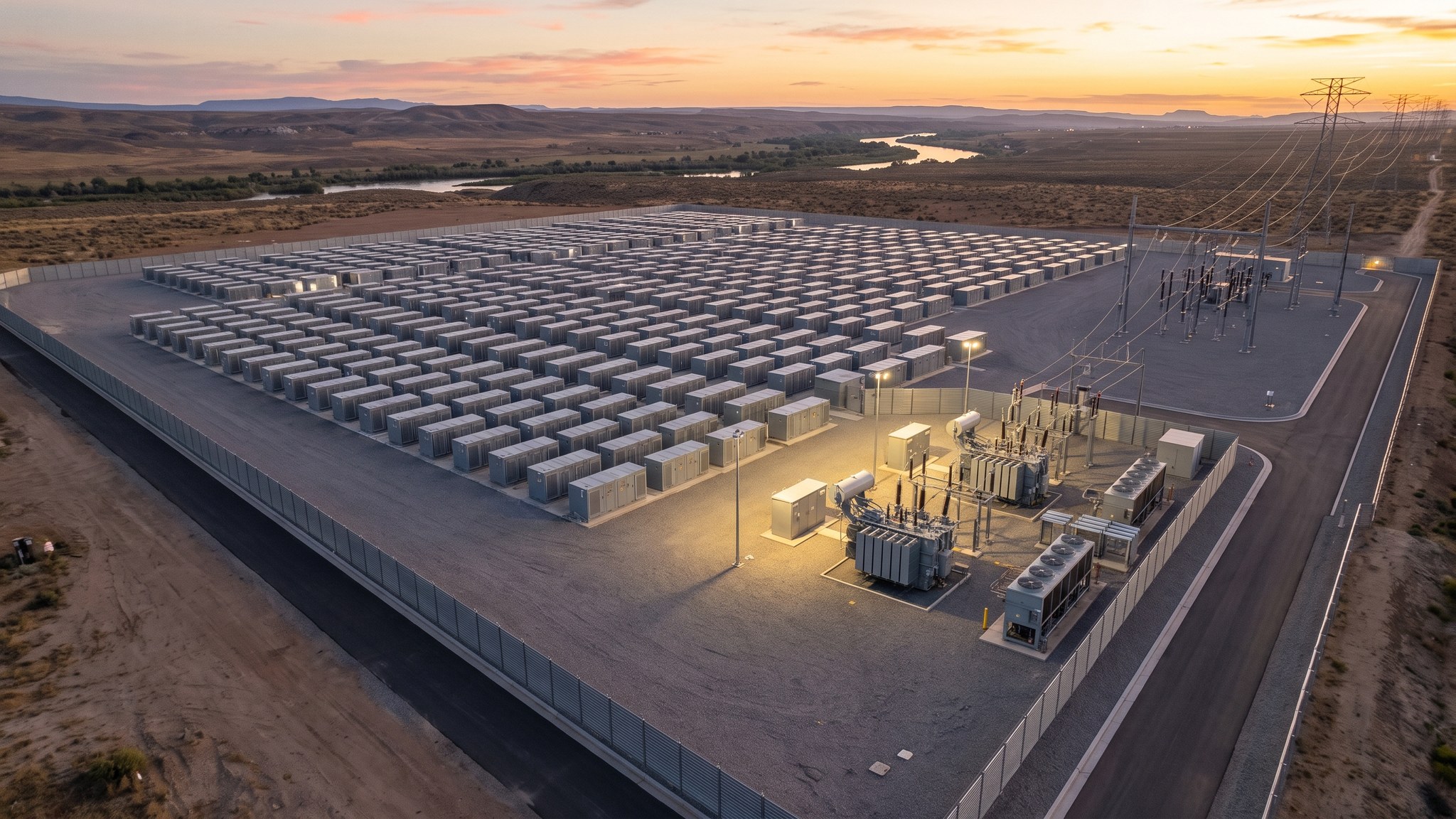
A grid-scale battery site looks deceptively simple: a fenced compound of containers on a stone hardstanding, wired back to a substation. There is no building to speak of, no frame, no envelope. What there is instead is a dense electrical installation sitting on civils that have to be right first time, delivered against a grid connection date that was fixed years before anyone broke ground.
The process map - 5 guides
Each one is a full guide: overview, variants, numbered steps, plant, testing, safety and defects.
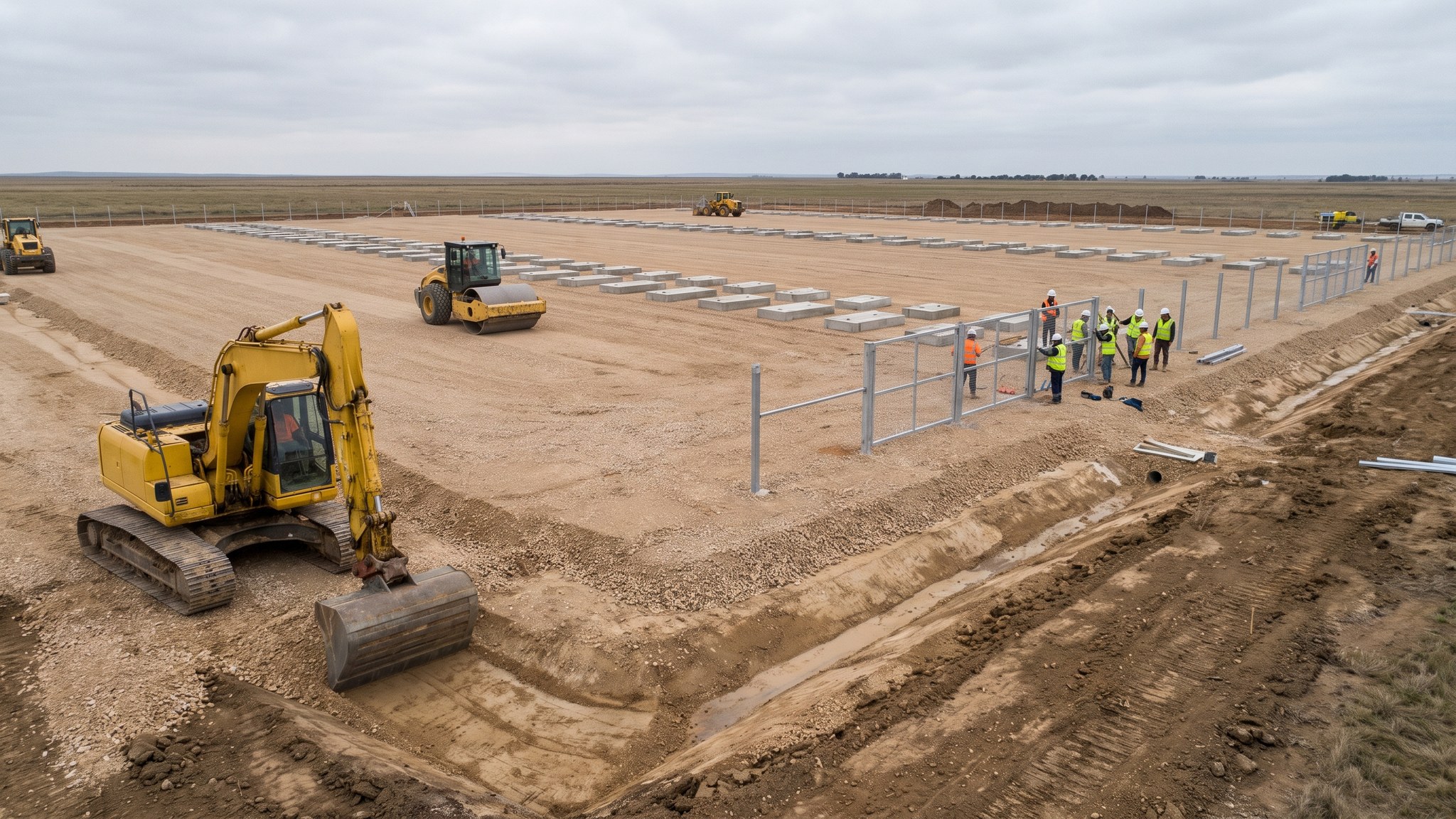
Site Preparation & Civils
The flat, drained, load-bearing platform that a grid-scale battery site is built on - earthworks, foundations, drainage, buried cable routes and the access road that has to carry a low-loader and a crane on the same afternoon.
Open process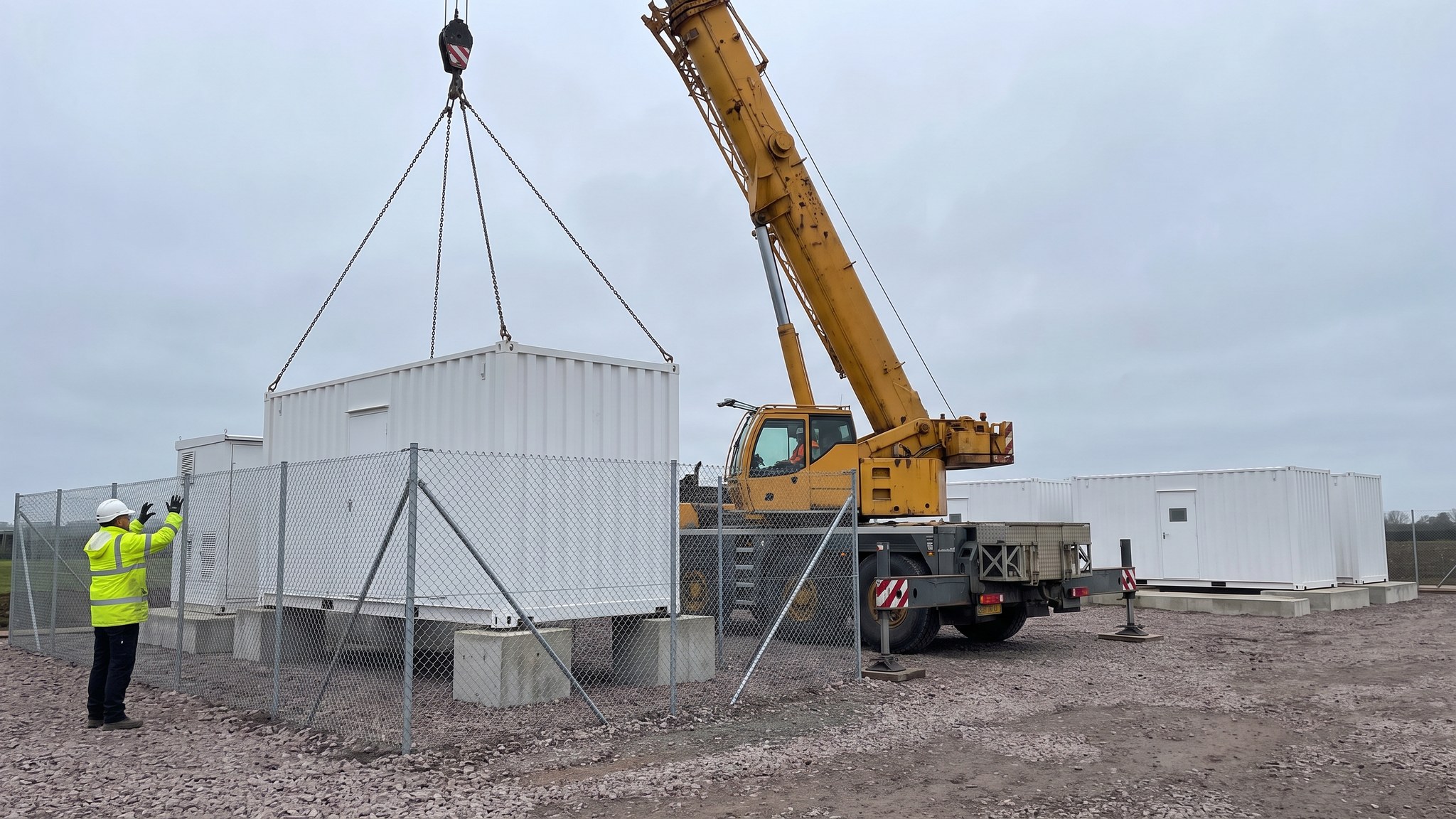
Battery Container Installation
Delivering, lifting and setting the battery enclosures onto the prepared plinths - a repetitive crane and logistics operation where the units arrive complete from the factory and already carrying stored energy.
Open process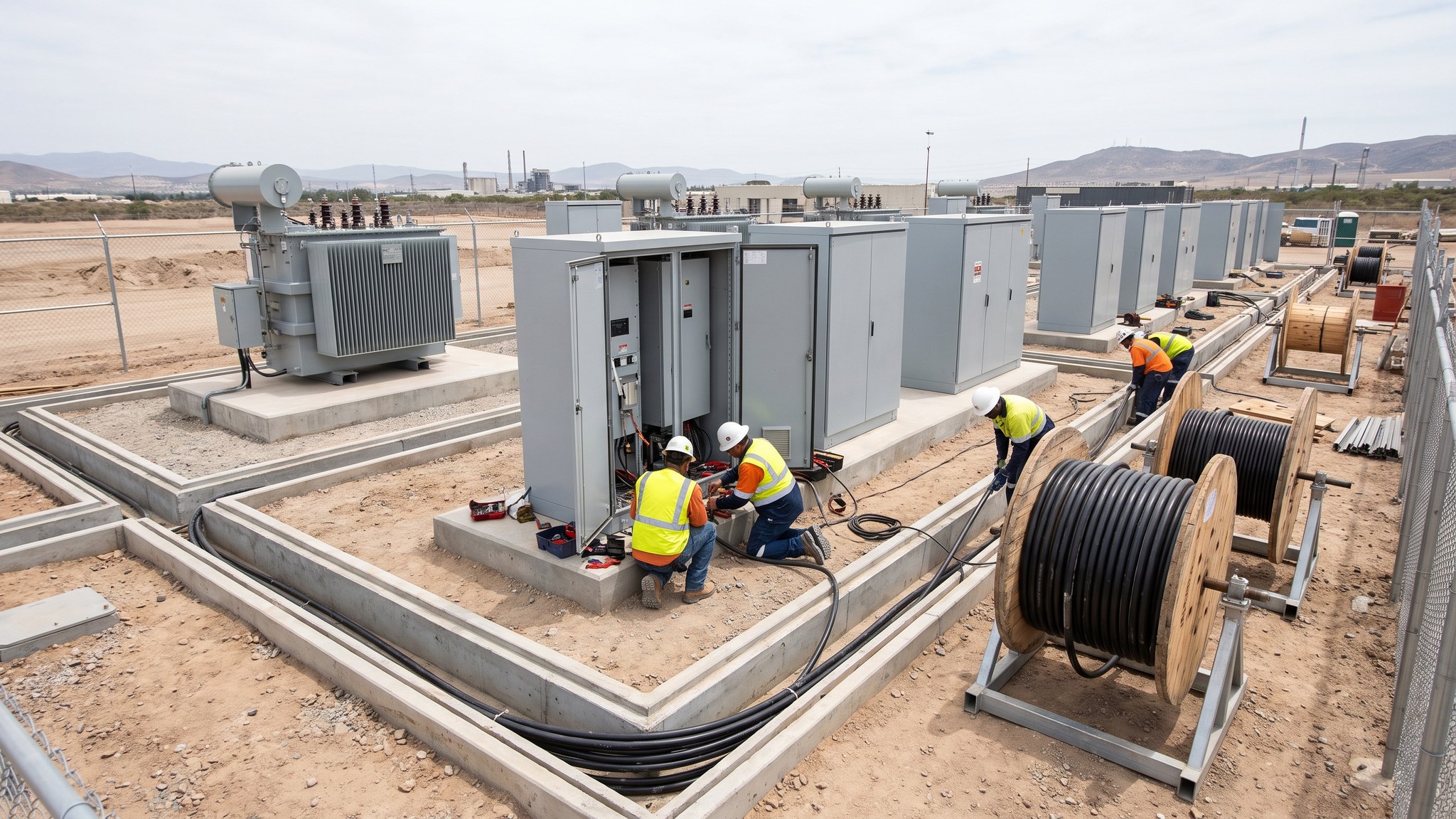
Power Conversion & HV Connection
The electrical spine of the site - conversion plant, transformers, switchgear, protection, earthing and the cable network that carries power out to the network operator's connection point.
Open process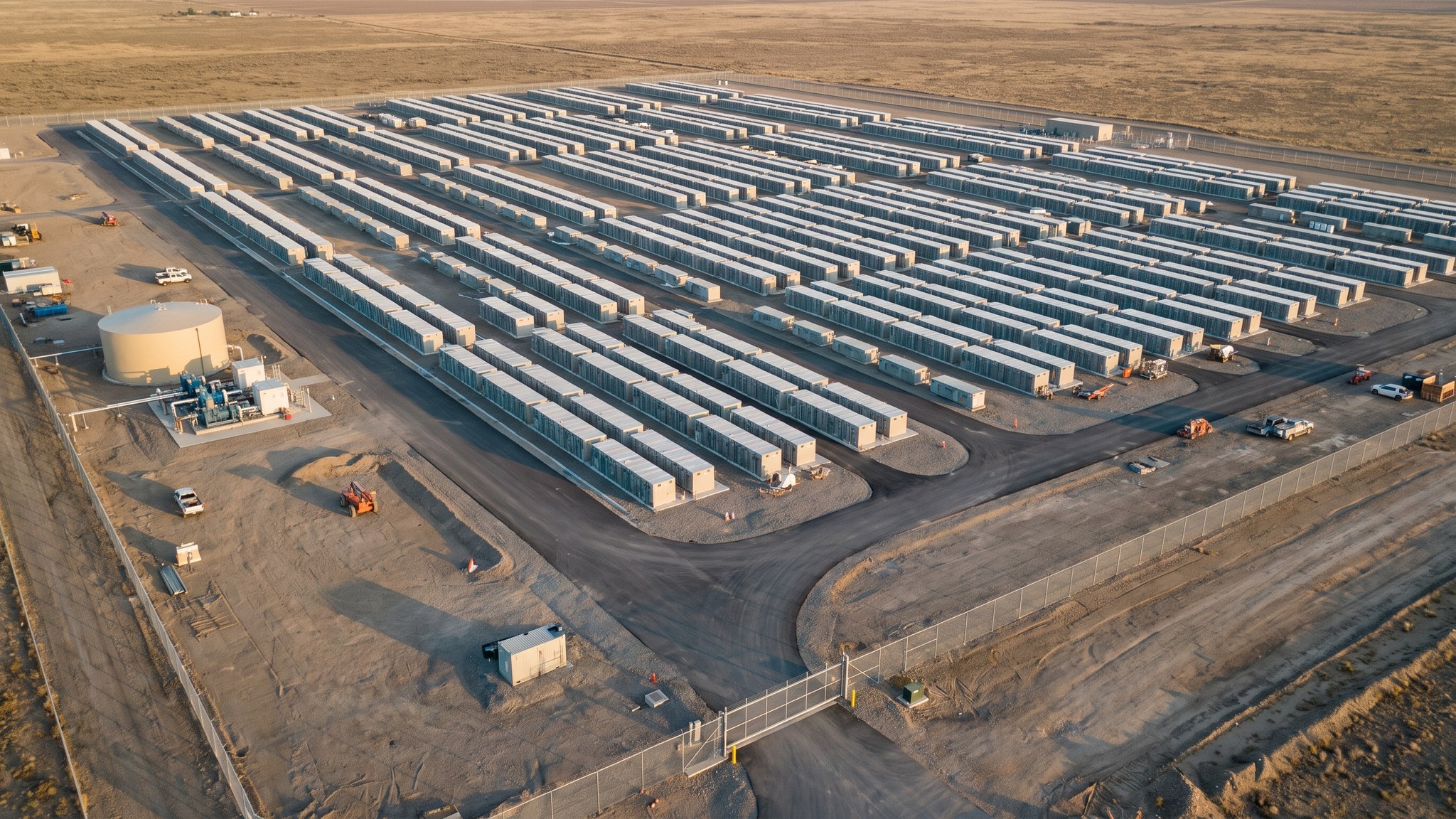
Fire Safety & Separation
Building what the project's fire strategy requires - layout separation, barriers, detection, containment, water provision and access - so that a failure inside one enclosure stays inside one enclosure.
Open process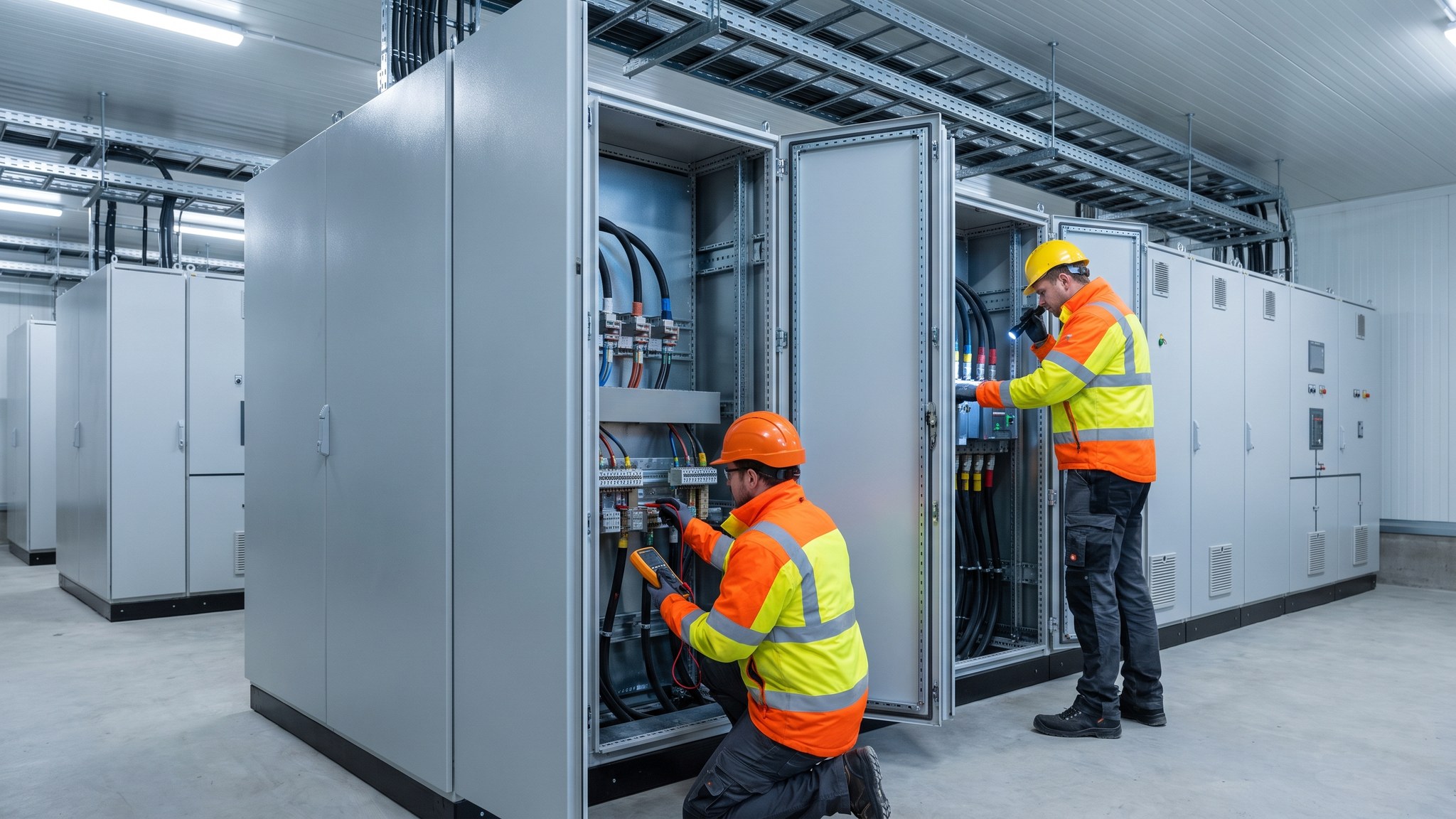
Commissioning & Energisation
Bringing the site to life in a controlled sequence - dead testing, first energisation with the network operator, functional and protection testing, grid compliance and performance testing, then the reliability run and handover to operations.
Open processShared methods used in this sector
These guides are owned by other sectors - the canonical page lives there - but the method is the same here. Cards open the guide at its home sector.
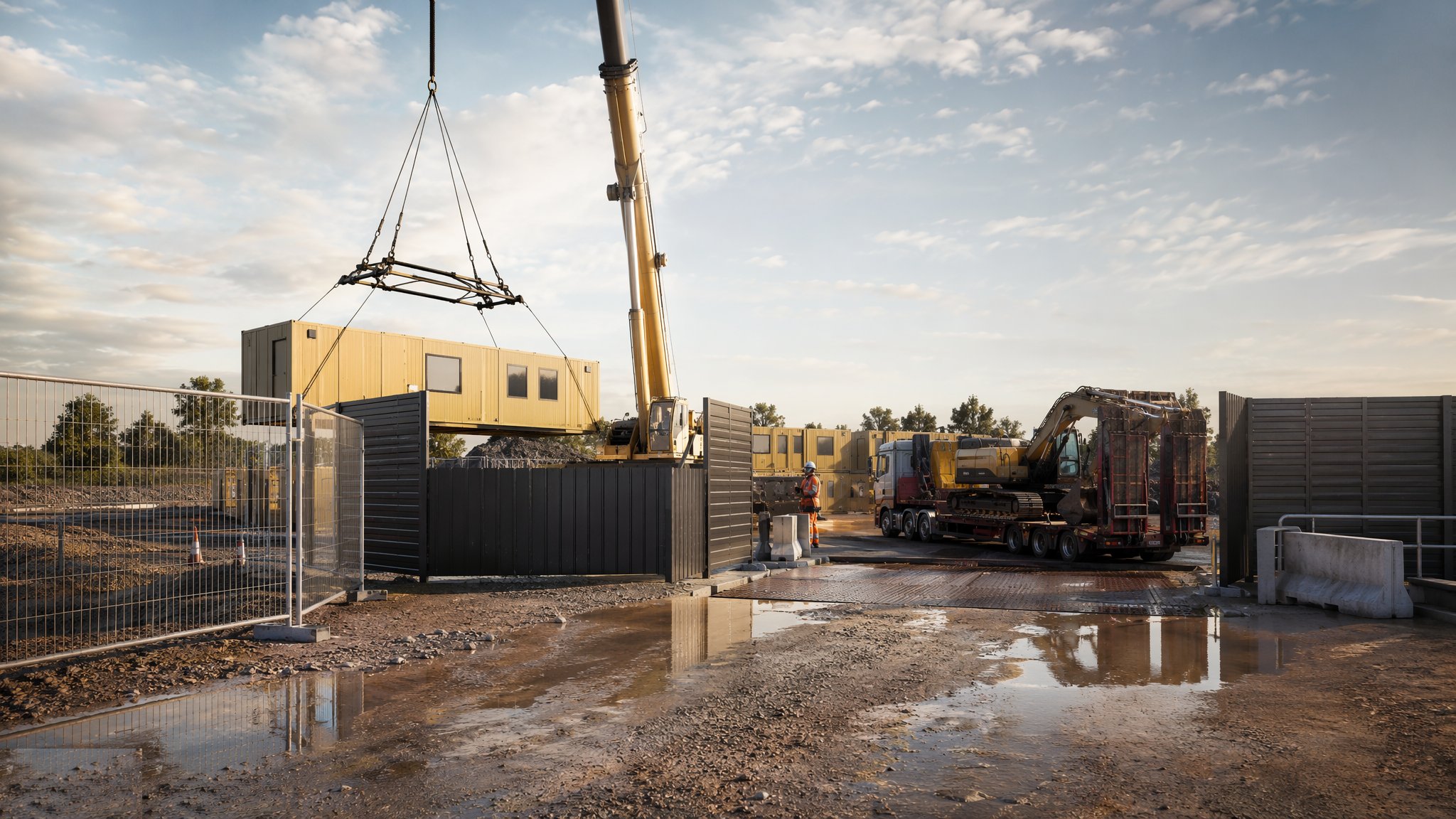
Site Access & Enabling Works
Turning a piece of land into a controlled, serviced, legal construction site.
Open processCanonical guide: Residential & Housing

Earthworks & Excavation
Cut and fill, trenching and compaction - reshaping the ground to take the building.
Open processCanonical guide: Residential & Housing
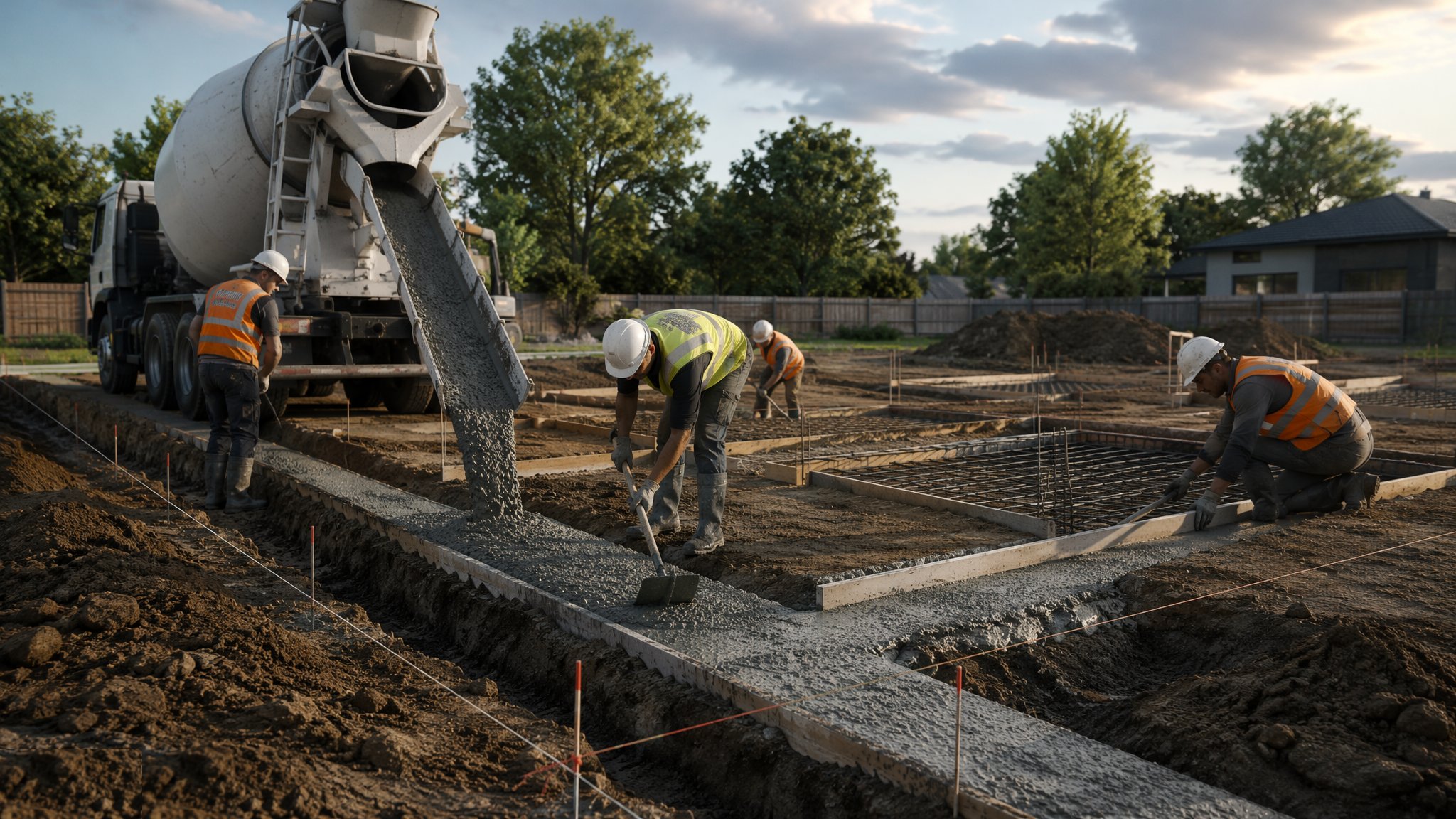
Shallow Foundations
Strips, pads and rafts - spreading the building's weight onto good ground near the surface.
Open processCanonical guide: Residential & Housing
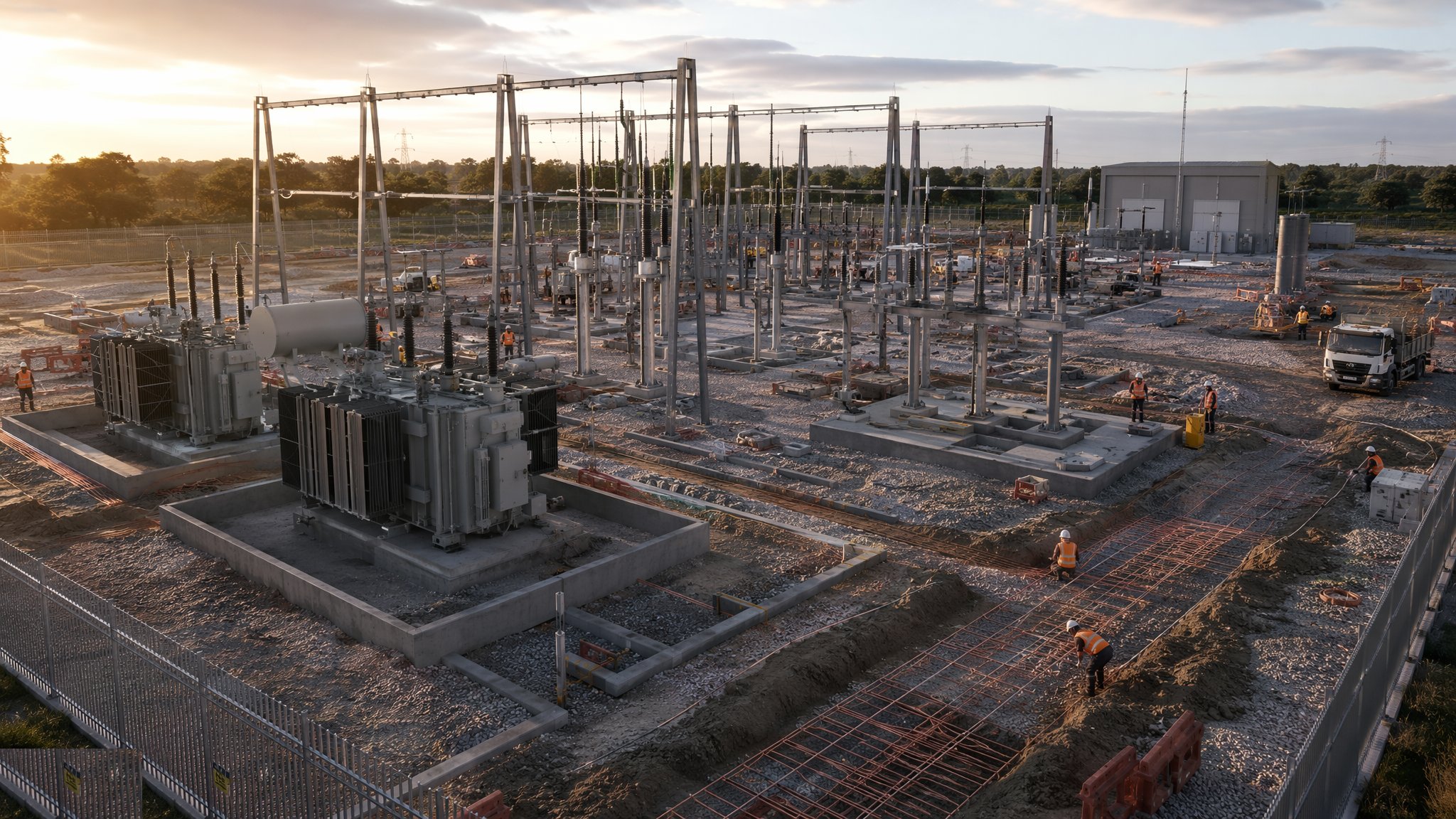
Substation Construction
The fenced compounds where voltage changes hands - air-insulated or gas-insulated switchgear, transformers the size of houses, and a buried copper earth grid that has to be right before anything else is built.
Open processCanonical guide: Power Transmission & Distribution
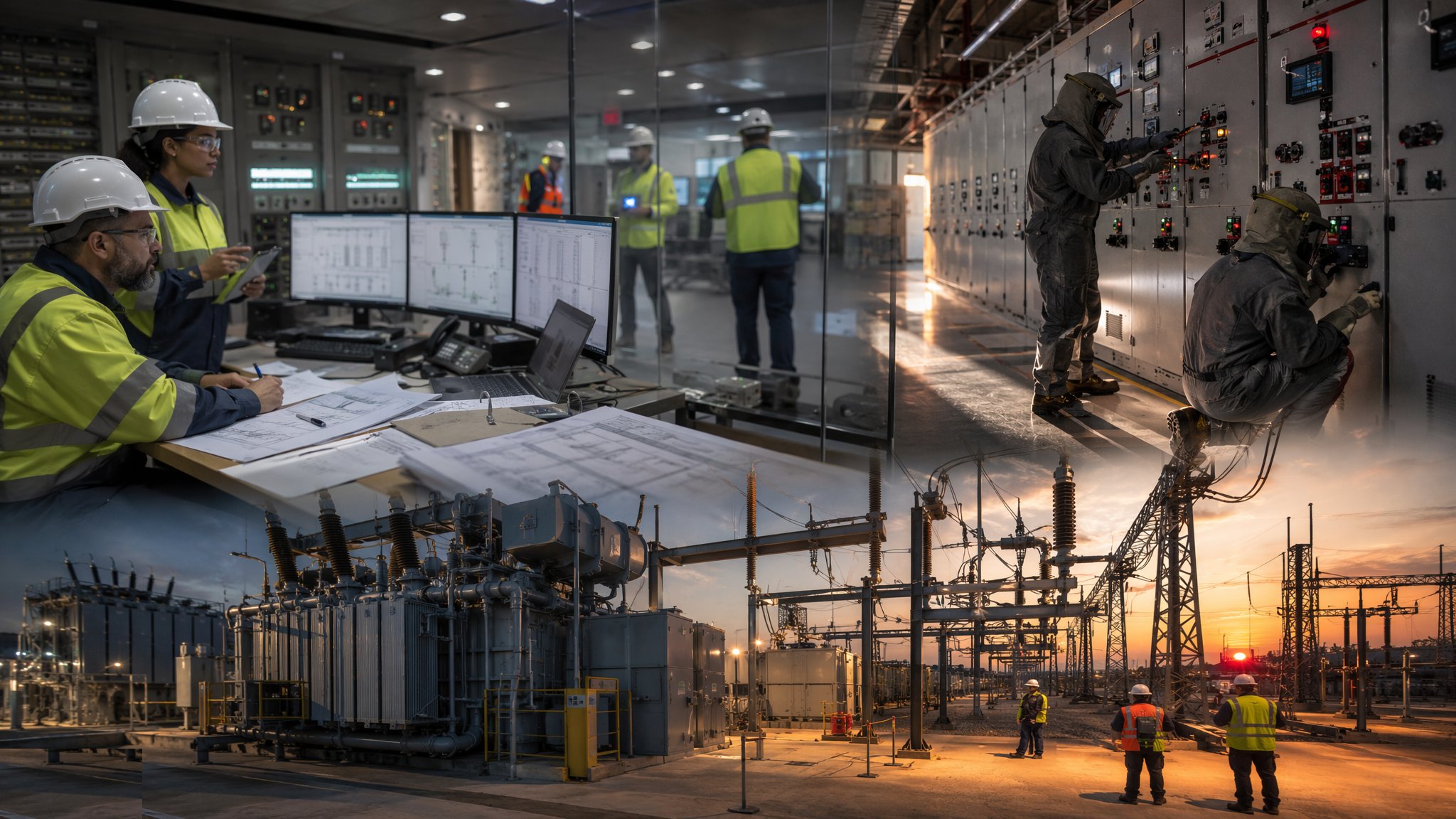
Grid Connections & Energisation
The paper-and-permit end of grid construction - connection agreements, protection witness tests, outages booked seasons ahead, and the phased switching sequence that puts a new asset on the live network.
Open processCanonical guide: Power Transmission & Distribution

Battery Energy Storage (BESS) in depth
About Battery Energy Storage (BESS)
The work splits cleanly. Civils come first - access, drainage, hardstanding and the bases the enclosures land on. Then the units arrive, craned into position and set to tight alignment because the electrical connections between them assume it. Power conversion and transformation follow, then the high-voltage connection that ties the site into the network on the operator's terms. Running through all of it is the fire strategy, which on a battery site is not a chapter of the specification but the thing that shapes the layout, the spacing and the emergency access.
Then it is proved. Commissioning on a storage site is a sequence of tests that ends with the network operator satisfied the plant will behave itself on their system, because a battery that cannot demonstrate compliance cannot earn.