Ordinary civil engineering held to an extraordinary standard of evidence.
A nuclear station is built from the same materials as any other heavy project - earth, concrete, steel, cable and pipe. What separates it is the burden of proof. Every pour, every weld and every cable termination carries a documented pedigree, and the record is as much a deliverable as the structure it describes.
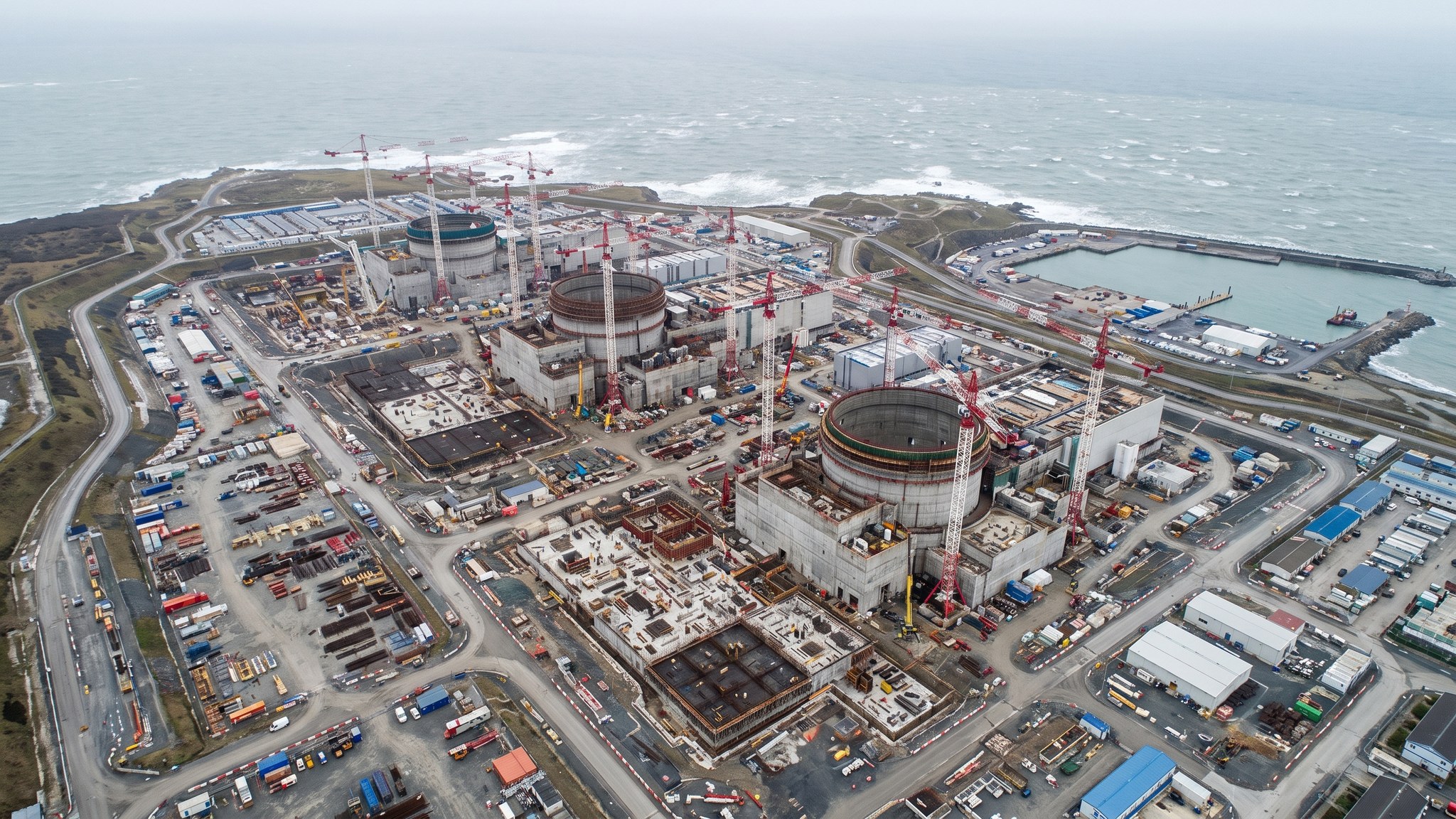
The process map - 5 guides
Each one is a full guide: overview, variants, numbered steps, plant, testing, safety and defects.
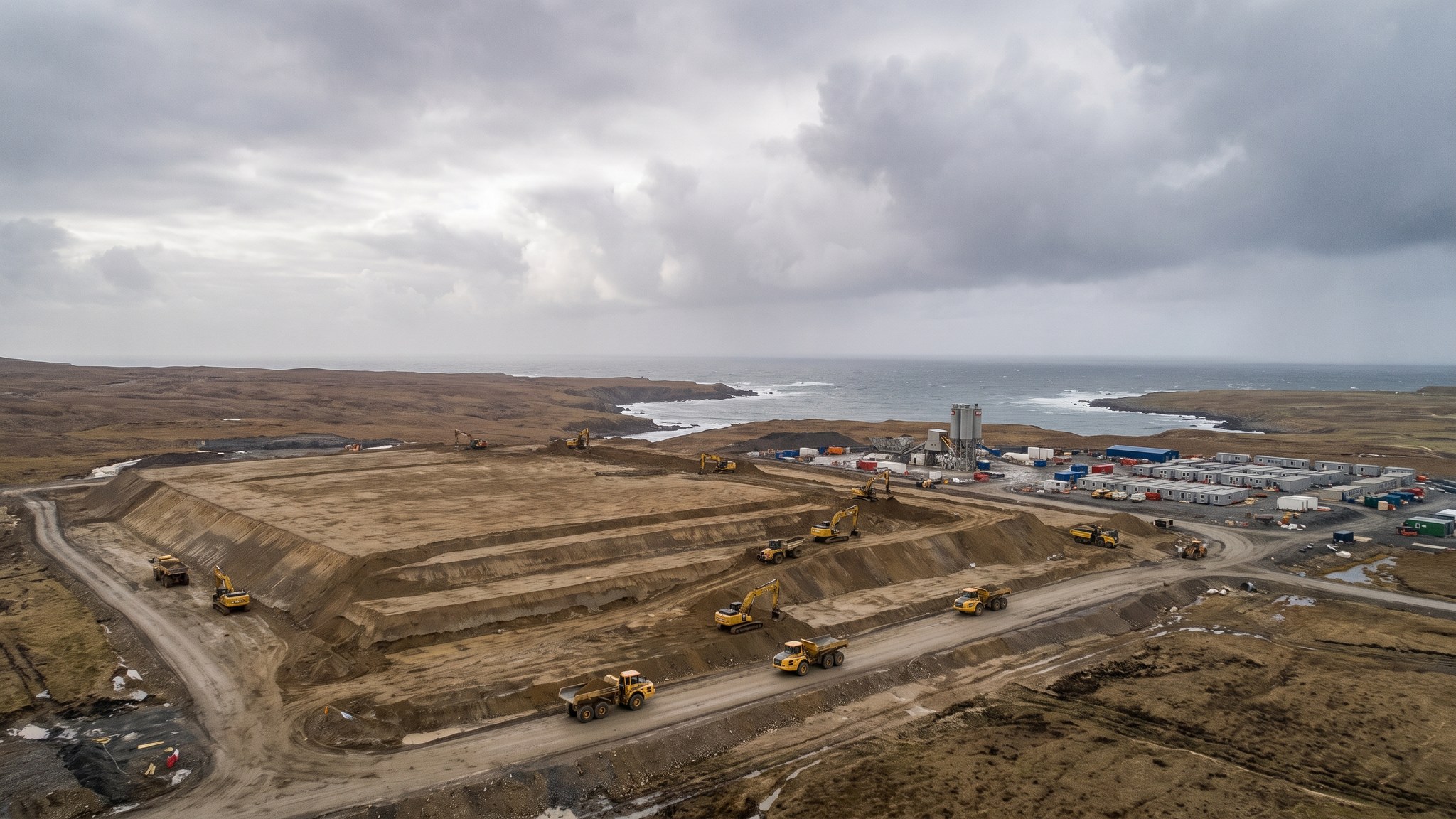
Site Preparation & Enabling Works
Turning a large plot of ground into an industrial platform that can carry a decade of heavy construction - bulk earthworks, deep excavation, transport infrastructure, drainage and the batching, laydown and welfare capacity a workforce of thousands needs before a single permanent structure begins.
Open process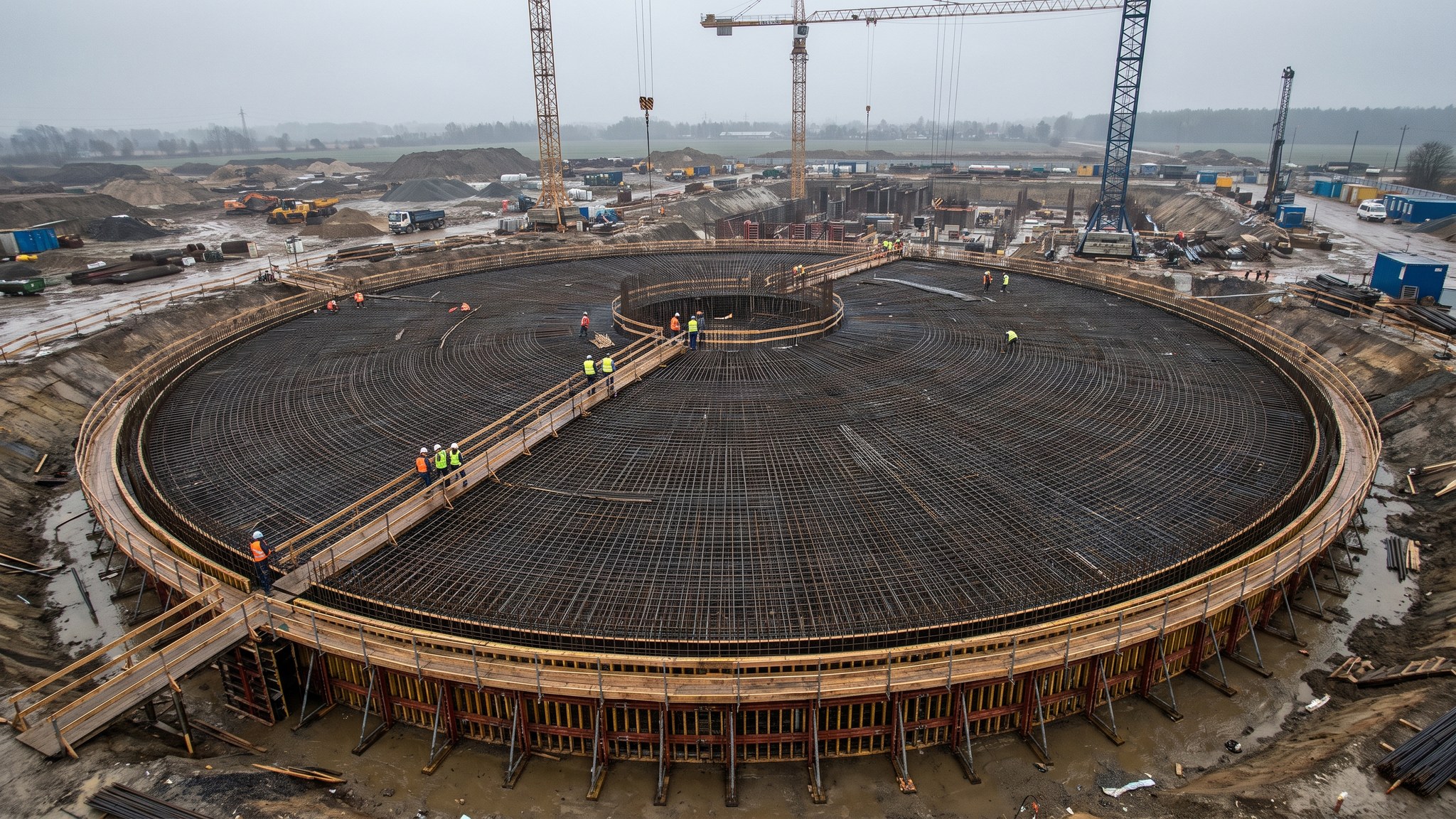
Nuclear Island Foundations
The common raft that the reactor building and its surrounding safety-classified structures sit on - a very large, very heavily reinforced base cast in a small number of enormous pours, and the datum that every level, wall and embedded plate above it is measured from.
Open process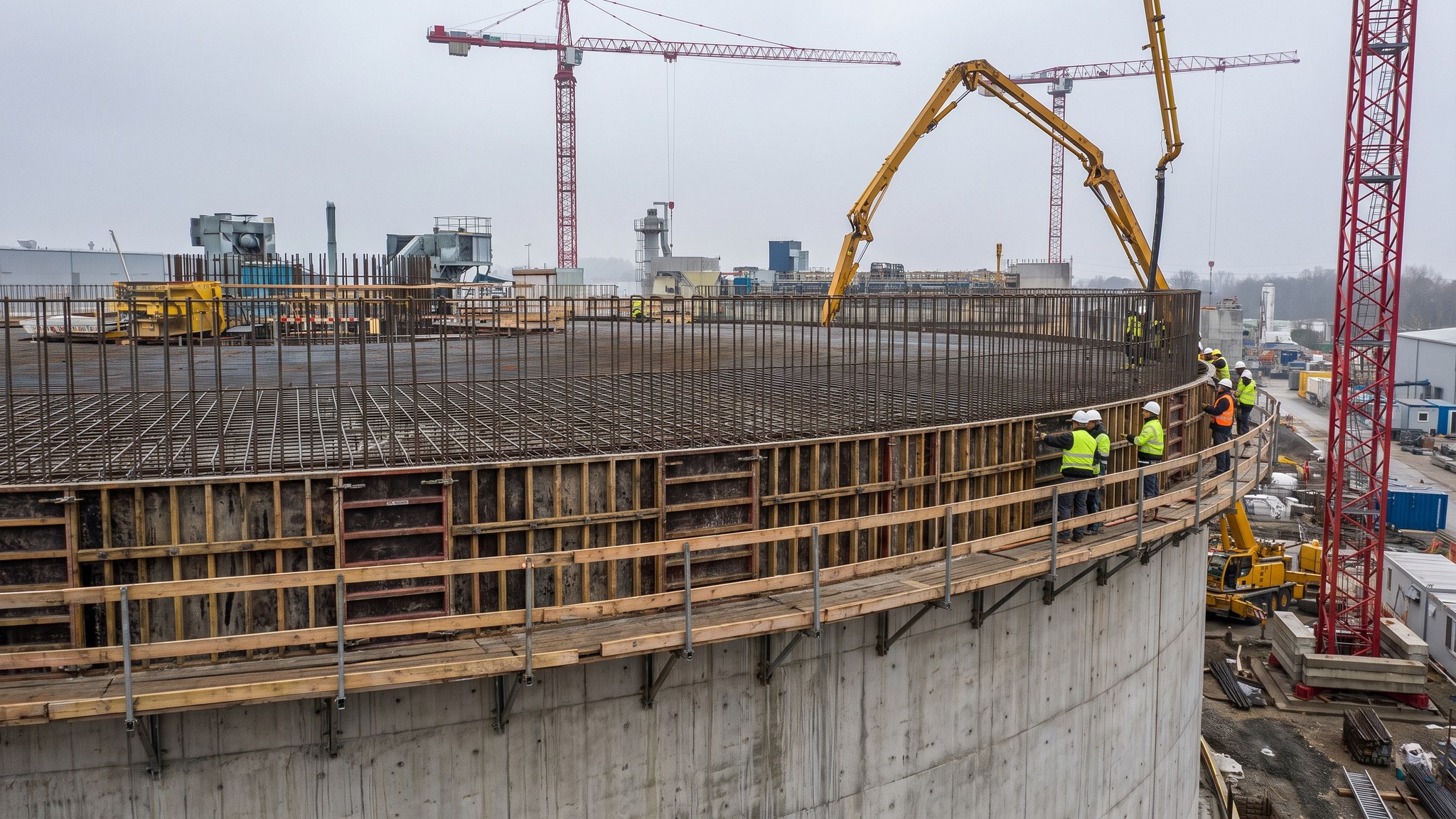
Containment & Safety-Class Concrete
Building the containment and the safety-classified structures around it - thick walls and slabs, congested reinforcement, welded liners and hundreds of embedded penetrations, all constructed under an inspection regime where the paperwork is as much of the product as the concrete.
Open process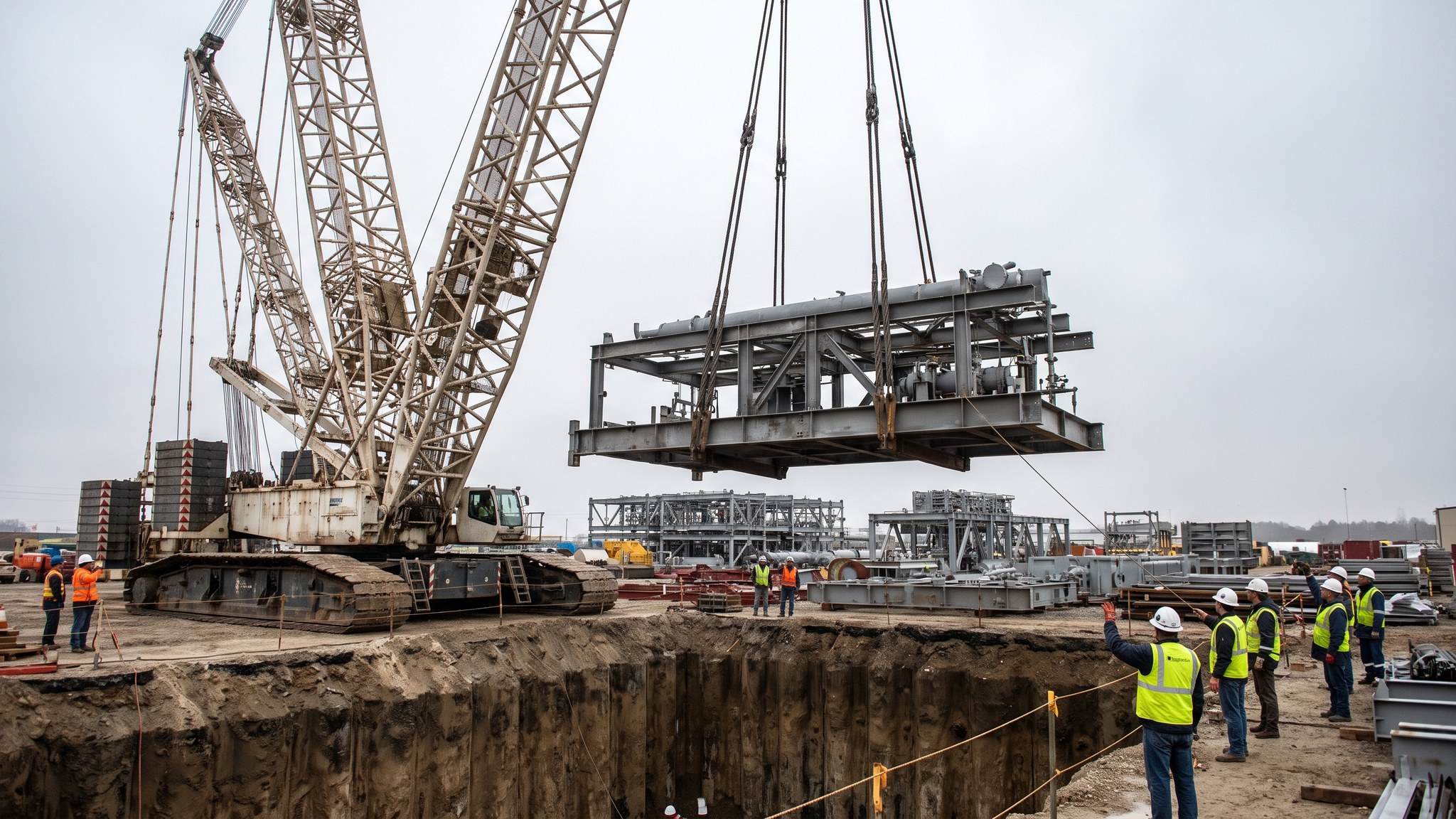
Heavy Lift & Modular Installation
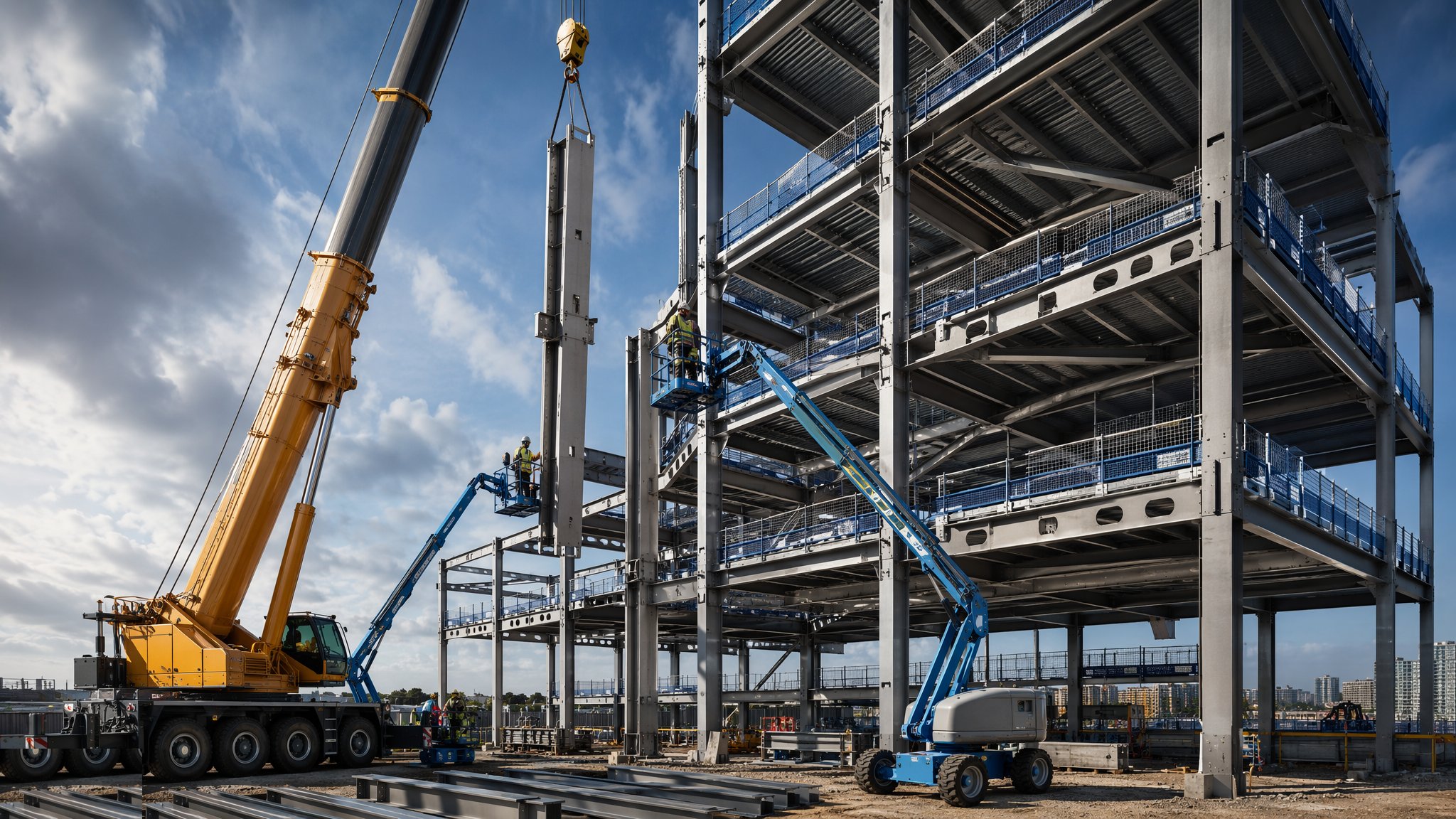
Moving work off the site and into factories, then putting the results back - large prefabricated modules and single heavy components delivered by sea, rail or road, transported across site and lifted into an open structure by some of the largest cranes in use anywhere.
Open process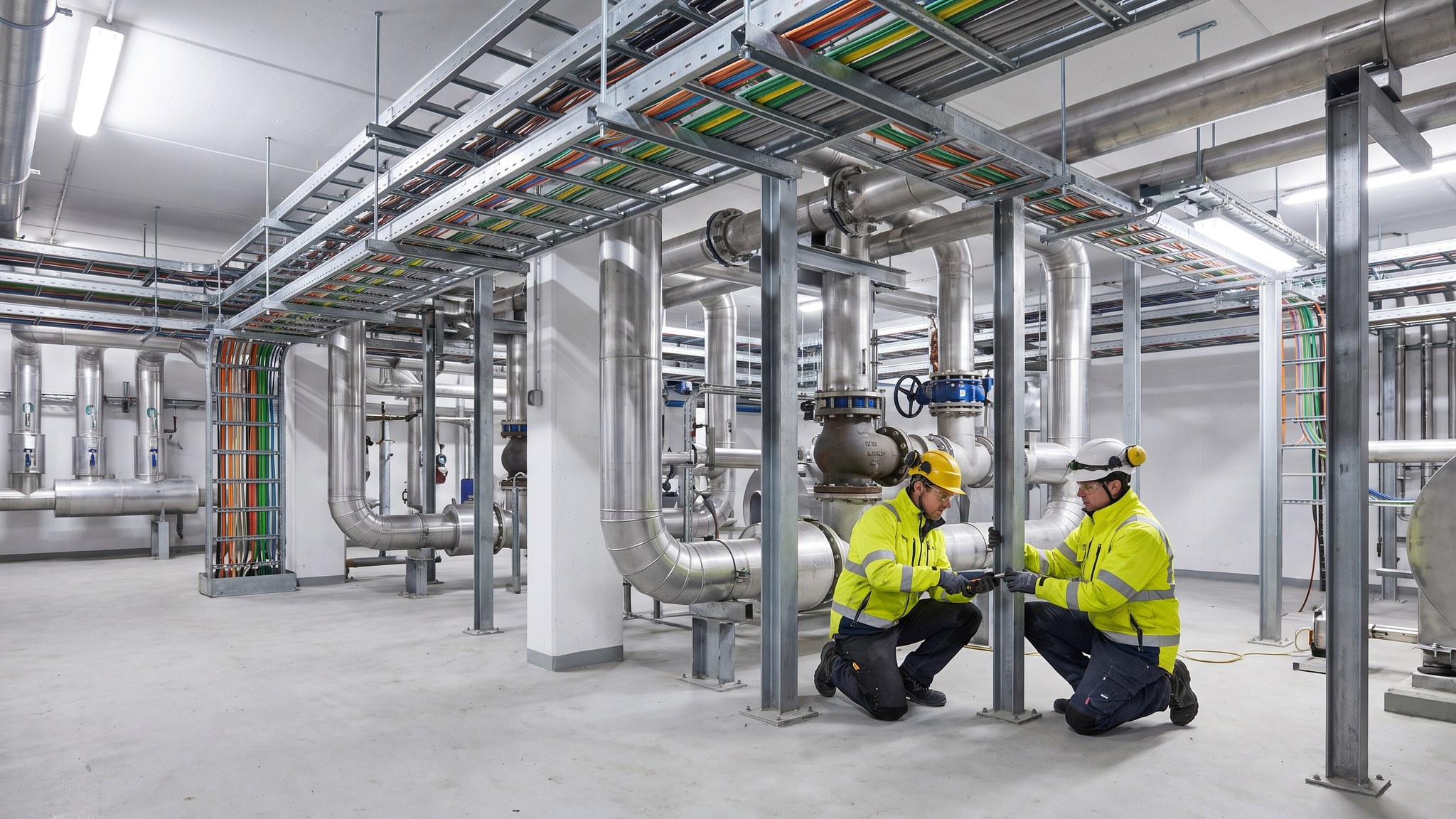
M&E Installation & Commissioning
Installing and proving the pipework, cable, supports, ventilation and control systems that turn a set of concrete structures into a working plant - a vast quantity of ordinary trades work, organised by system rather than by area, and signed off through a staged commissioning regime.
Open processShared methods used in this sector
These guides are owned by other sectors - the canonical page lives there - but the method is the same here. Cards open the guide at its home sector.
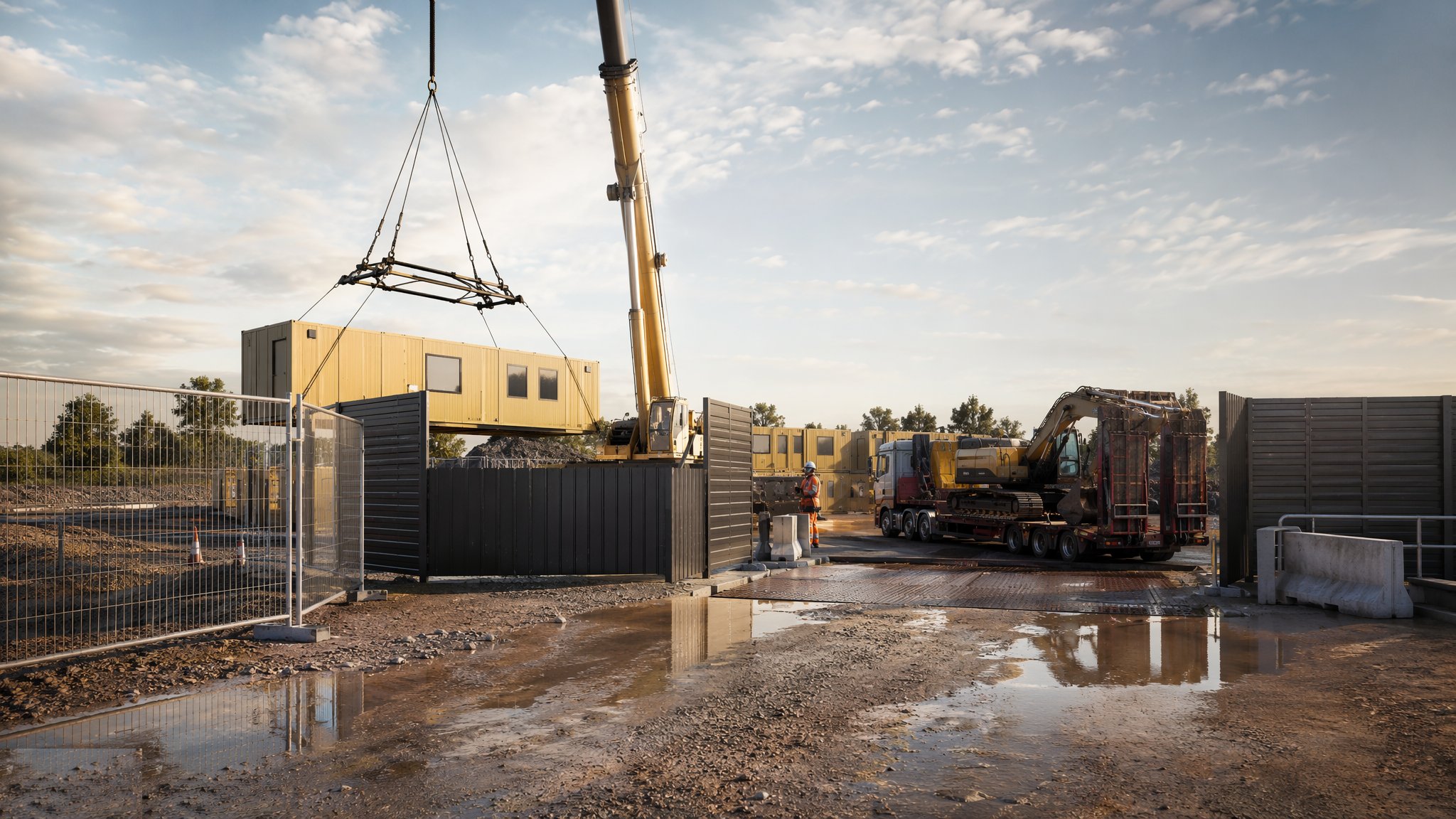
Site Access & Enabling Works
Turning a piece of land into a controlled, serviced, legal construction site.
Open processCanonical guide: Residential & Housing
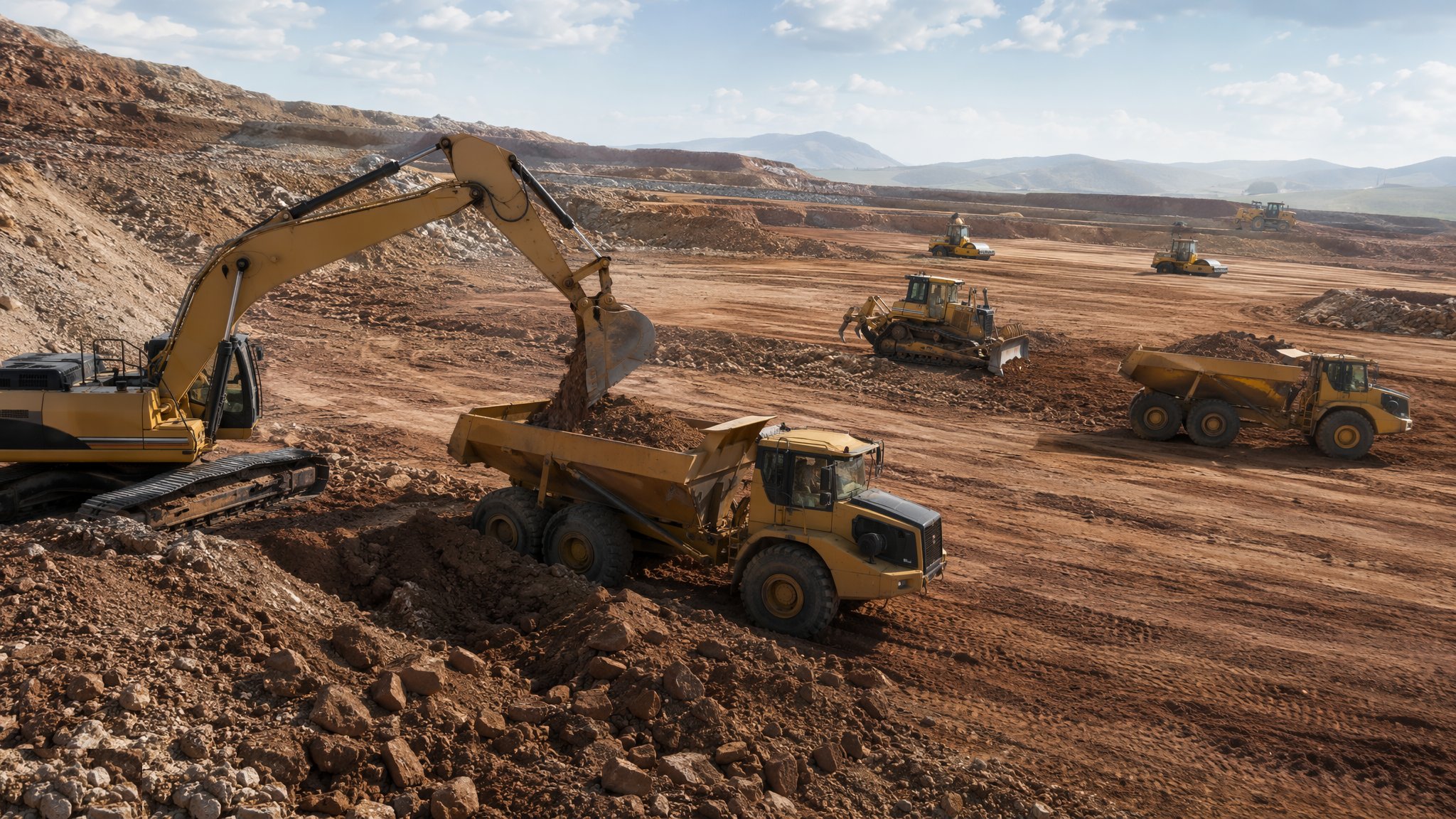
Earthworks & Excavation
Cut and fill, trenching and compaction - reshaping the ground to take the building.
Open processCanonical guide: Residential & Housing
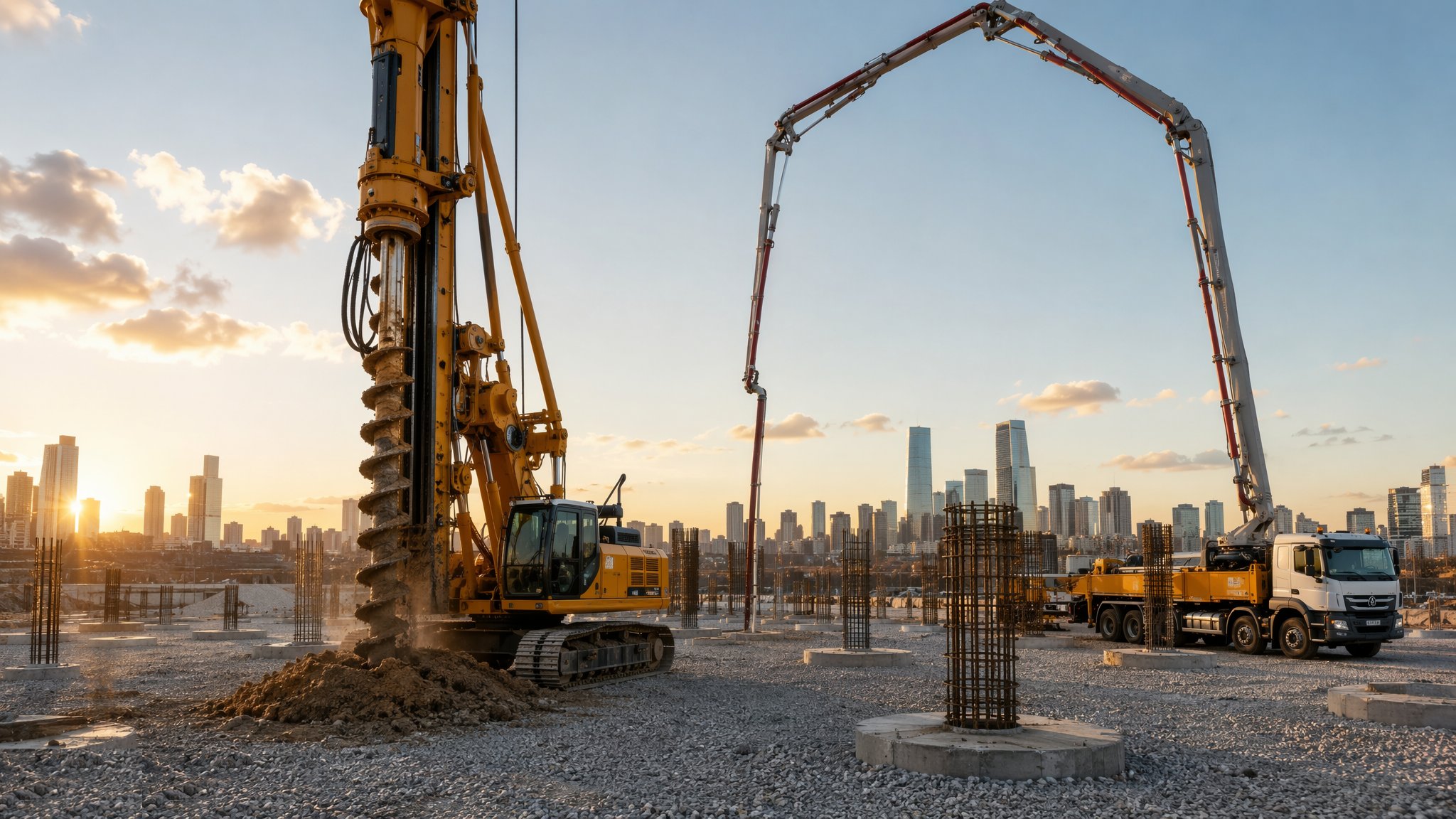
Piling & Deep Foundations
Driven, bored and CFA piles - carrying the building down to ground that can actually take it.
Open processCanonical guide: Residential & Housing
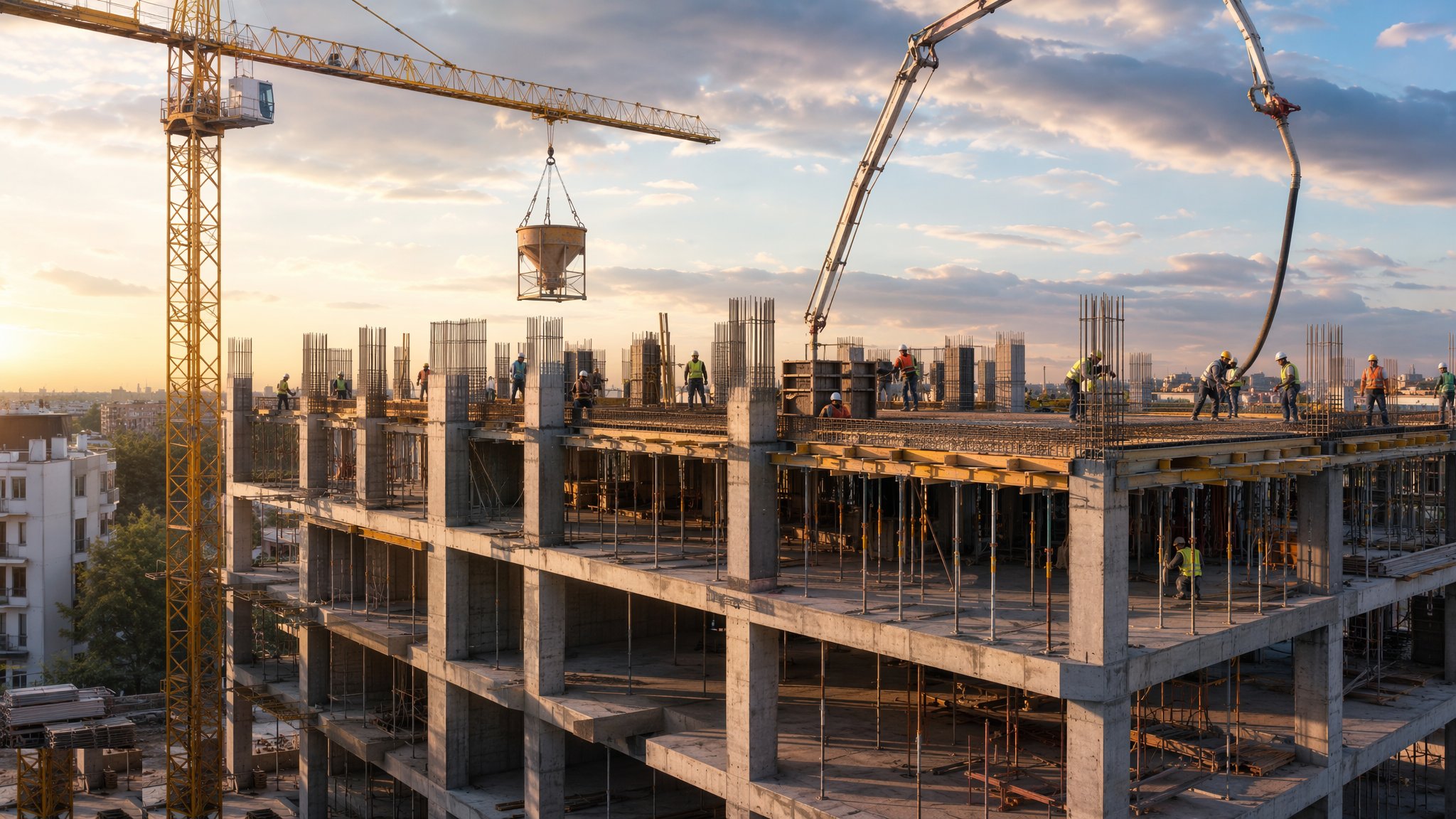
Concrete Frame Construction
Columns, walls and slabs cast in situ - the ribcage of a residential tower.
Open processCanonical guide: Residential & Housing
Nuclear New Build in depth
About Nuclear New Build
The physical work runs in a familiar order: prepare an enormous site, build foundations that will not move, raise the safety-class concrete structures, land the heavy mechanical modules, then fit out and commission. Modularisation has changed the middle of that sequence - as much as possible is now assembled in factories and lifted in, because congestion on a nuclear site is the enemy of both programme and quality.
The programme is governed less by the physical build than by the licensing and assurance regime around it. Hold points are real, inspection is continuous, and rework is expensive in a way few other sectors experience. The guides here cover the construction story only - the licensee and the regulator own everything beyond it.