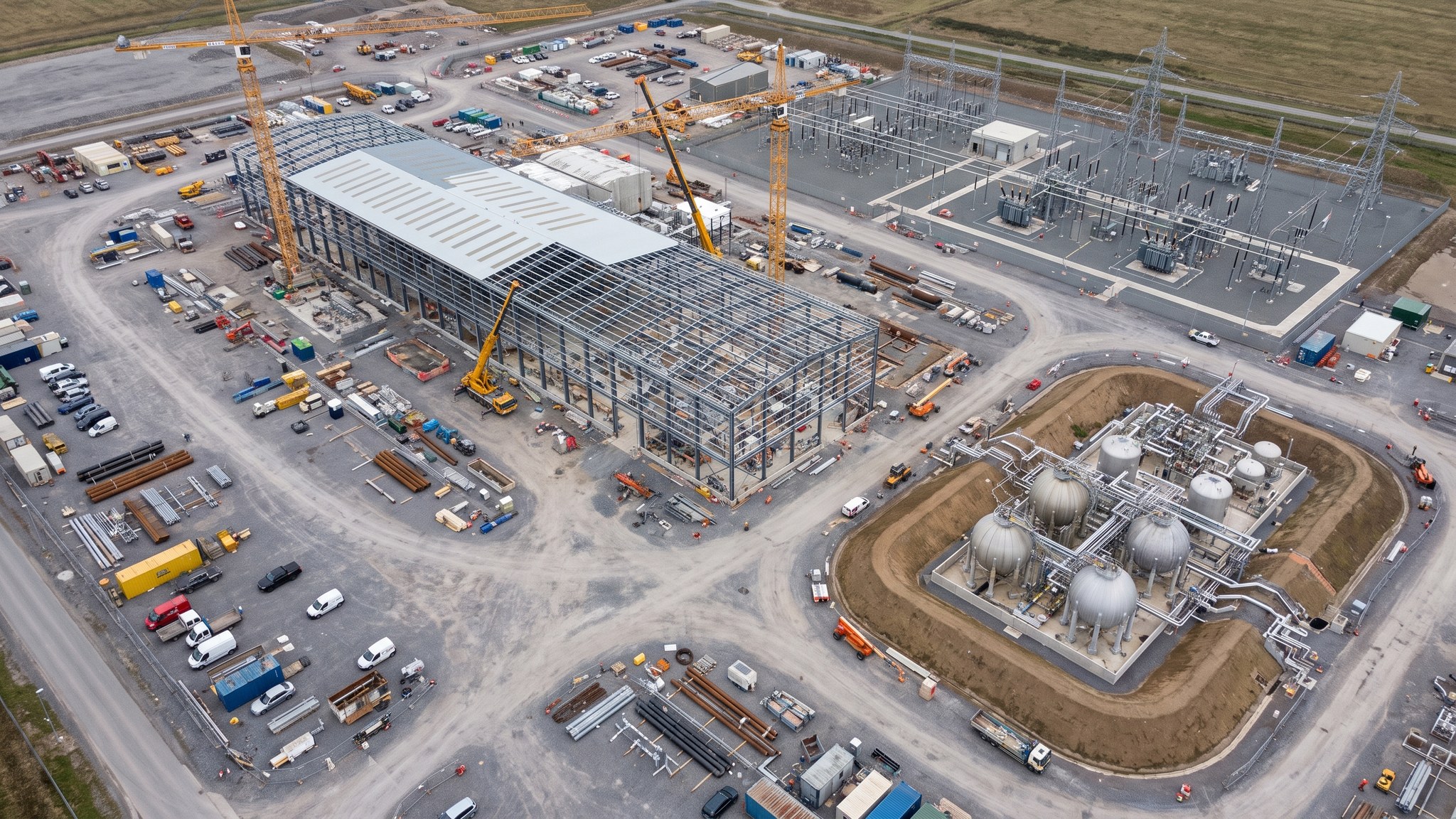
An electrical project and a process plant in the same fence line.
A hydrogen plant is two projects sharing a site. One is electrical: an electrolyser hall is essentially a large power conversion building, and the incoming supply, transformers and switchgear are a substantial job in their own right. The other is gas handling, and it starts the moment the first molecule is produced.
The process map - 5 guides
Each one is a full guide: overview, variants, numbered steps, plant, testing, safety and defects.
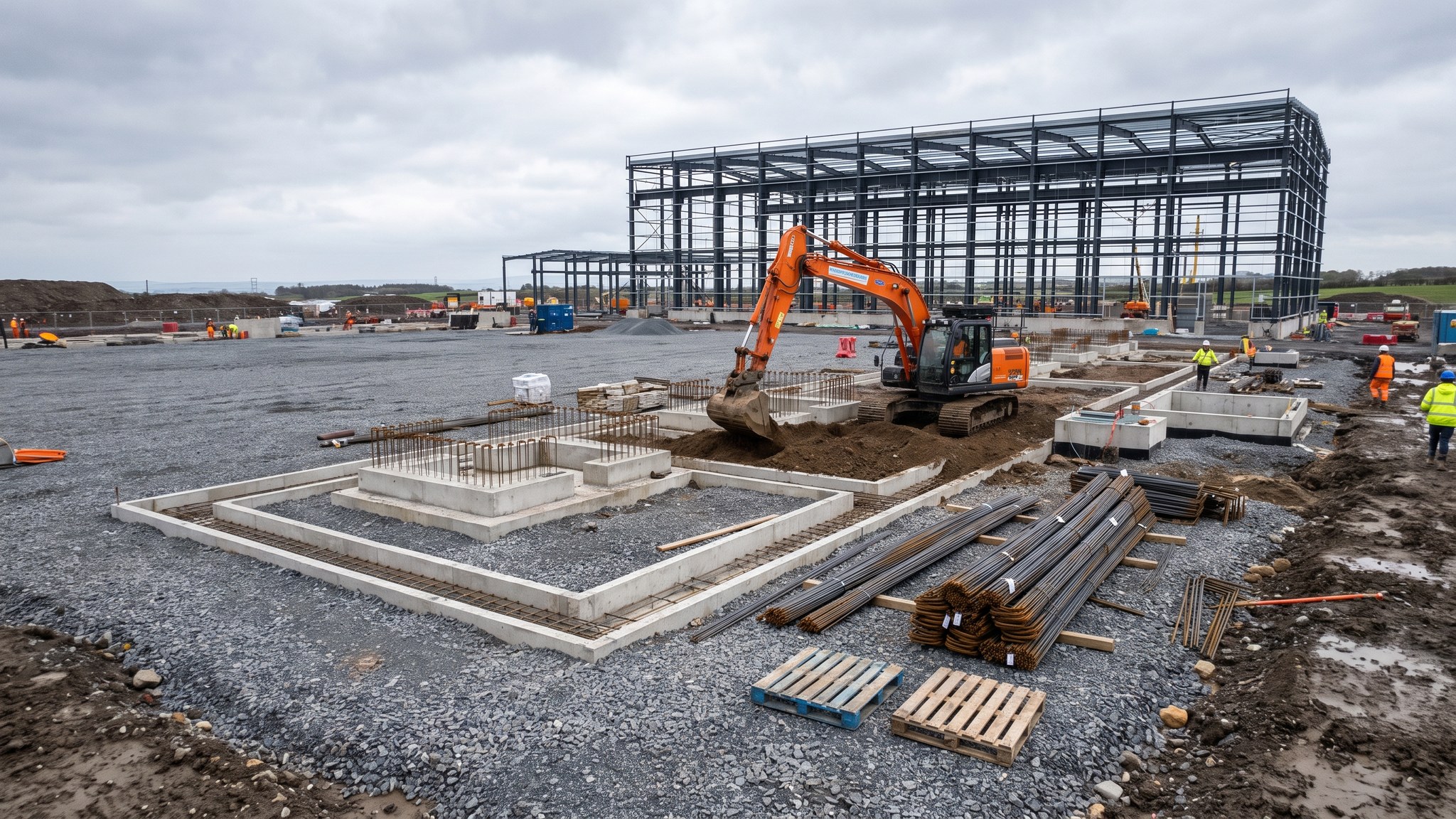
Site Civils & Foundations
The platform, piles, plinths and buried systems a hydrogen plant stands on - laid out not for the most efficient use of the plot, but to a shape the designer fixed long before, because separation and openness are safety measures rather than preferences.
Open process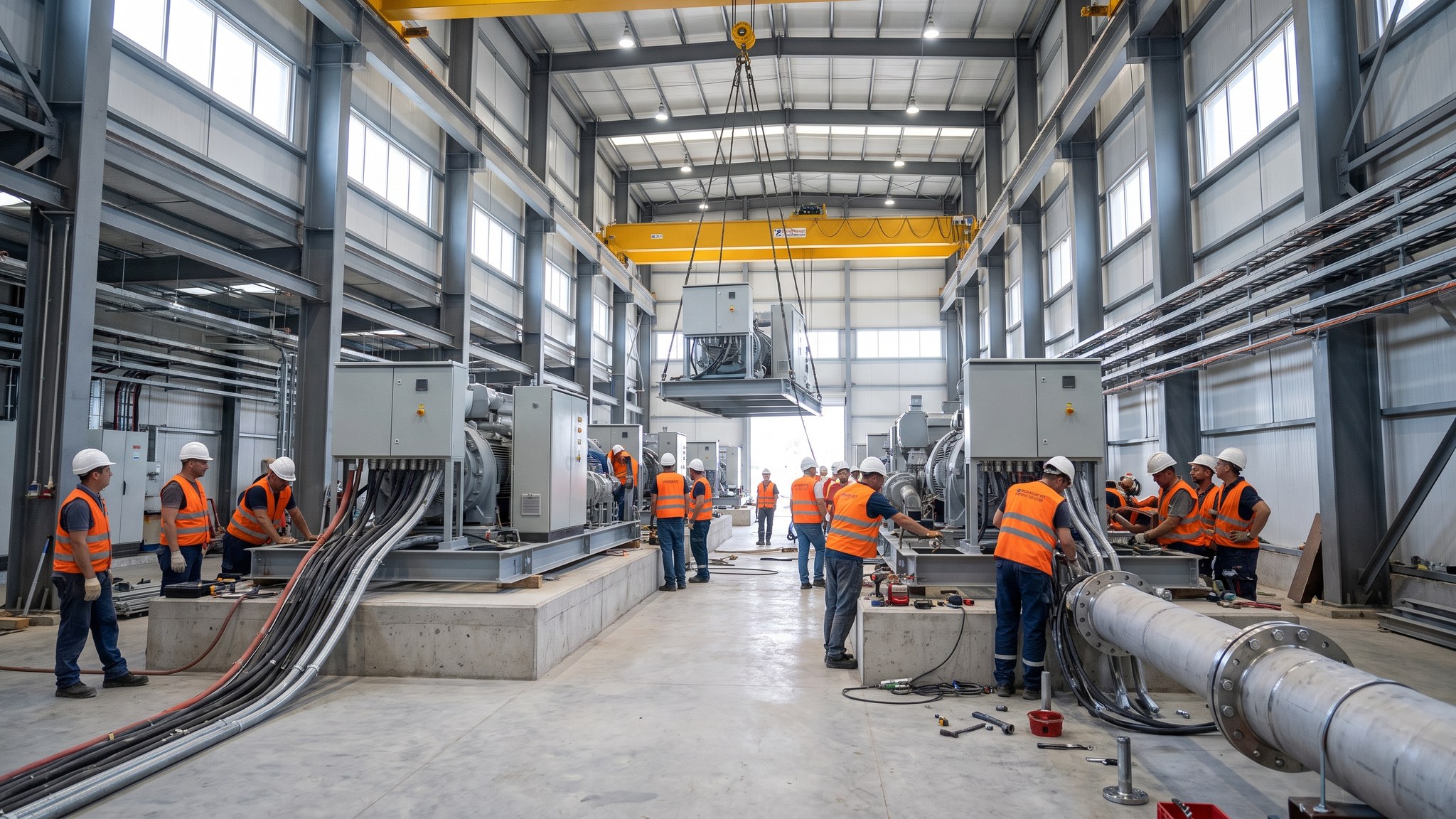
Electrolyser Hall & Installation
Installing the heart of the plant - which is, for most of its volume, a large power conversion building with a gas plant attached to the back of it, filled by packages that arrive complete and are landed, connected and proved rather than built in place.
Open process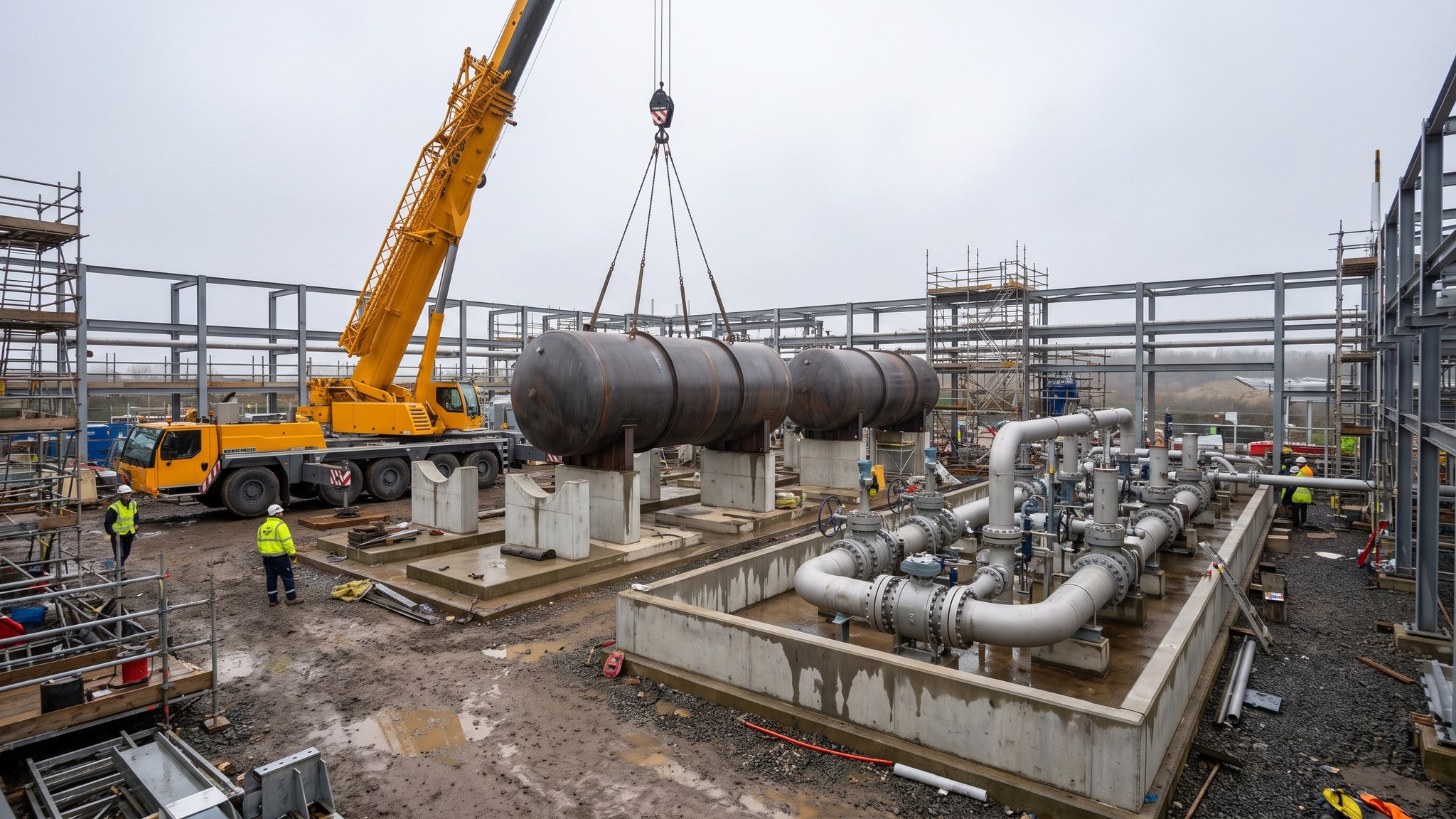
Compression & Storage
Raising the gas to the pressure the storage or the customer needs, and holding it - heavy rotating machinery on stiff bases, vessel banks in a compound that is deliberately open and deliberately half empty, because the spacing is the control measure.
Open process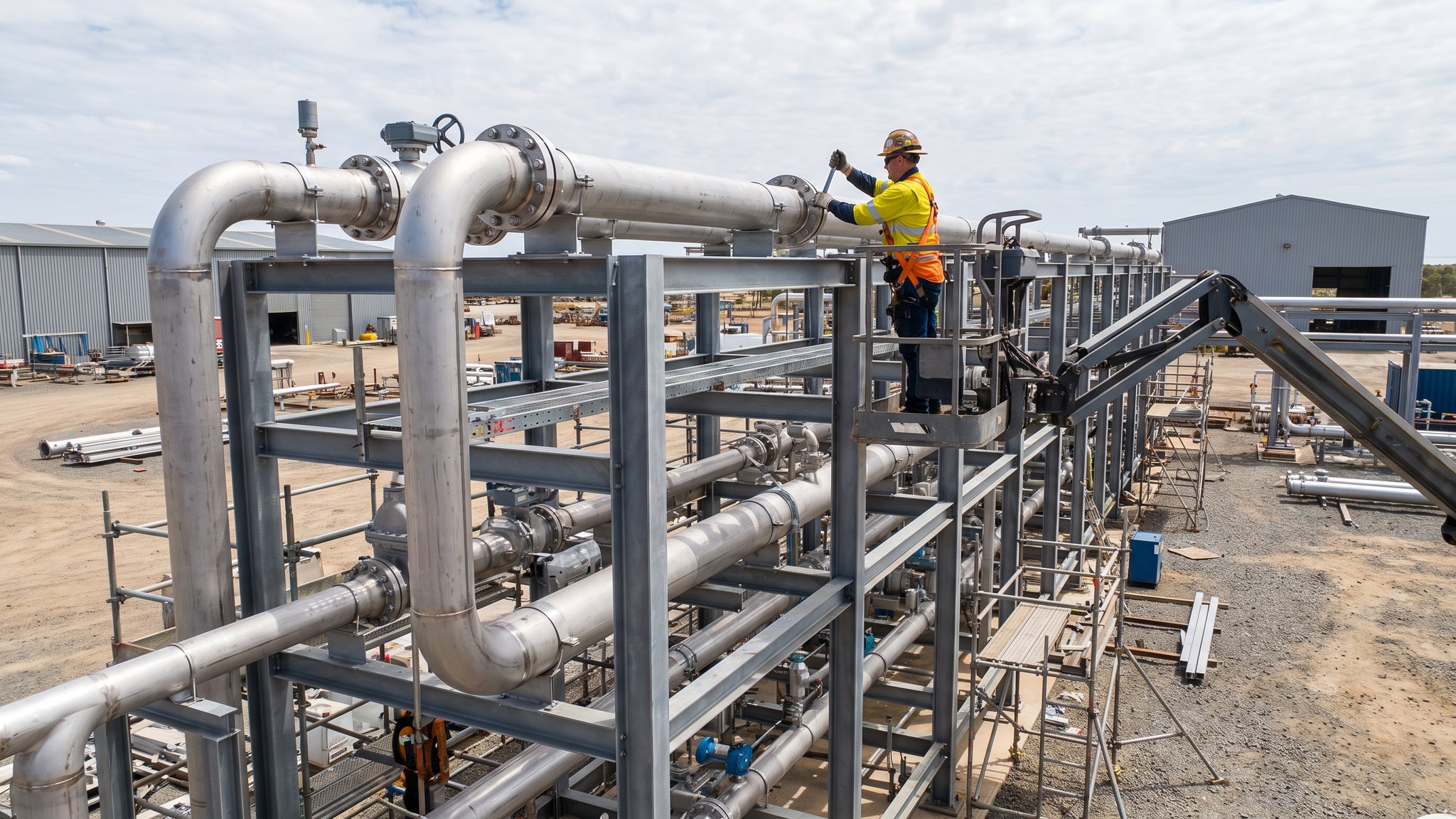
Pipework & Distribution
The connecting tissue of the plant, and the discipline that decides whether it is a good one - because a small gas finds every joint that was made carelessly, and the whole trade is organised around making fewer joints and making them properly.
Open process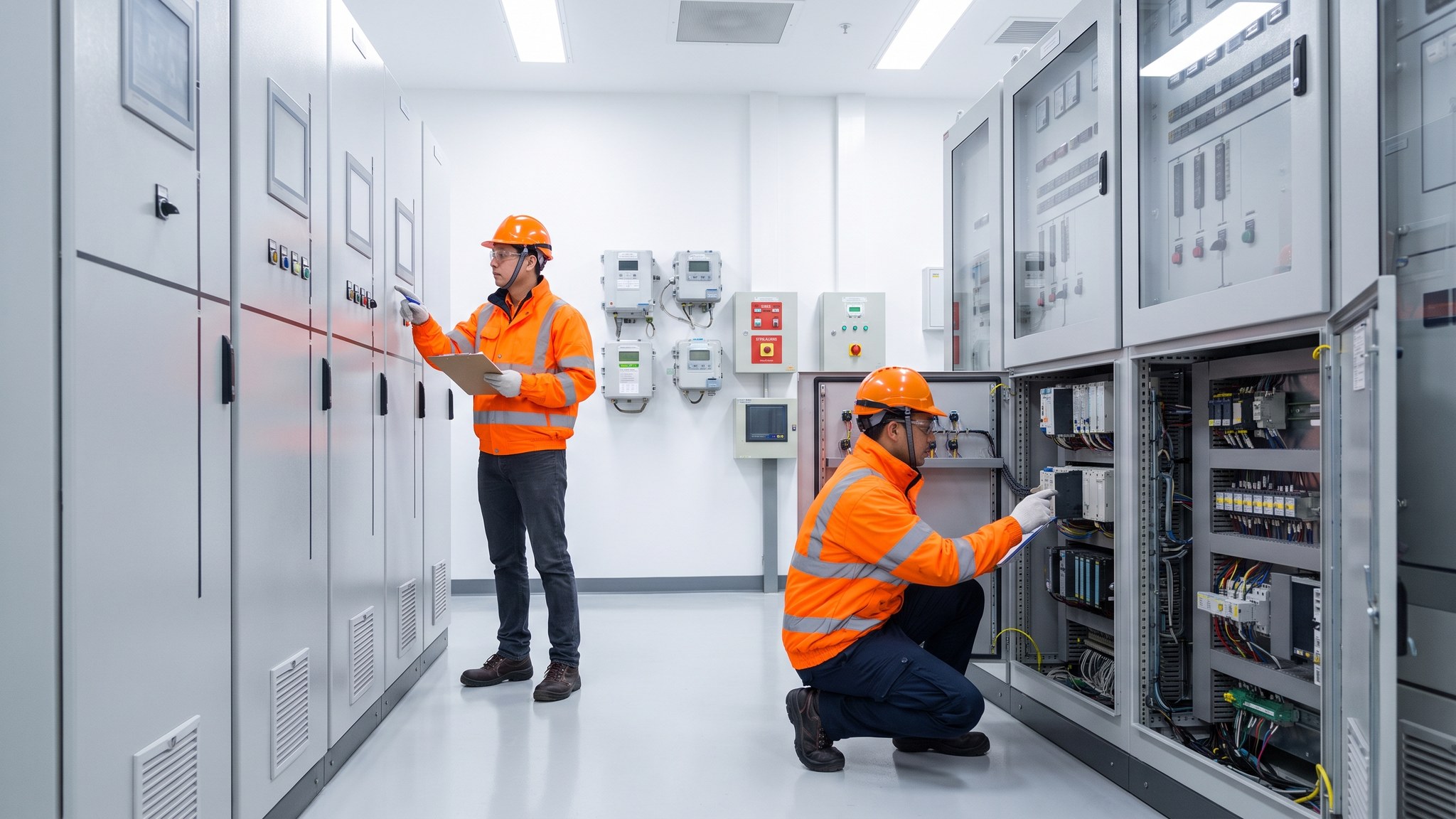
Commissioning & Safety Systems
Proving the plant works and proving the protections work, in that order and at a deliberate pace - because commissioning is the point where a construction site stops being a construction site and becomes a hazardous facility with an operator, a permit system and emergency arrangements of its own.
Open processShared methods used in this sector
These guides are owned by other sectors - the canonical page lives there - but the method is the same here. Cards open the guide at its home sector.
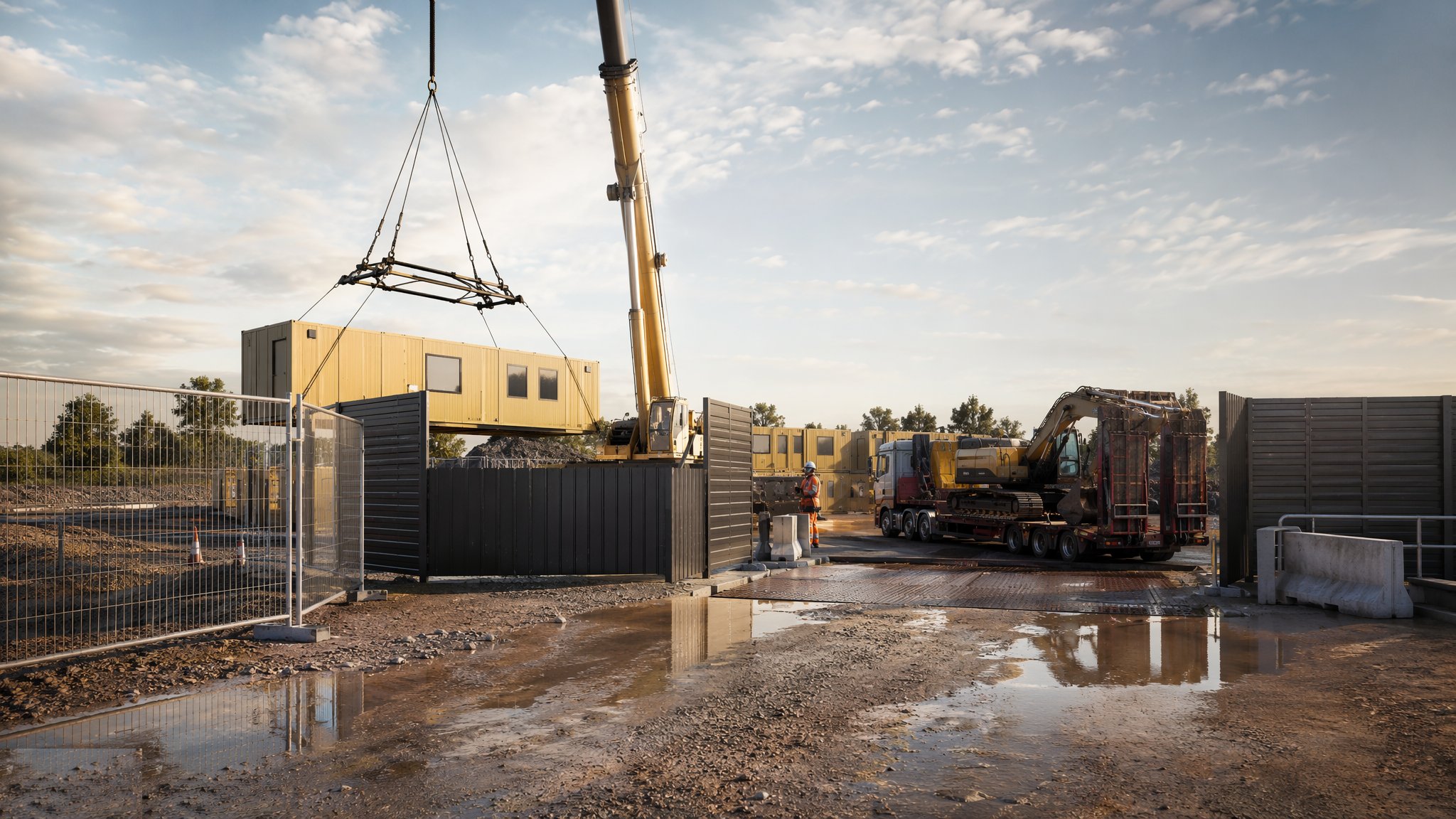
Site Access & Enabling Works
Turning a piece of land into a controlled, serviced, legal construction site.
Open processCanonical guide: Residential & Housing
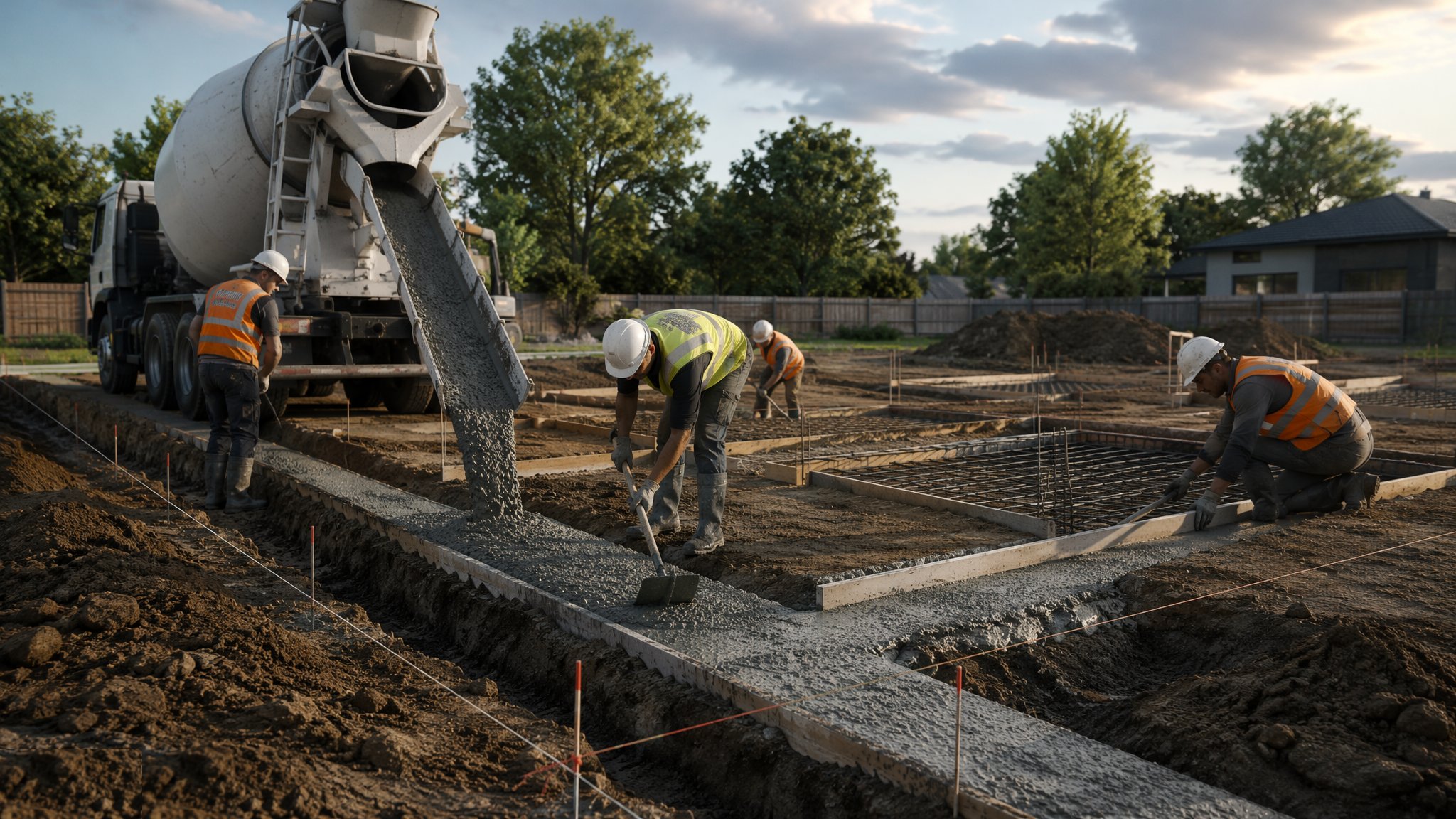
Shallow Foundations
Strips, pads and rafts - spreading the building's weight onto good ground near the surface.
Open processCanonical guide: Residential & Housing
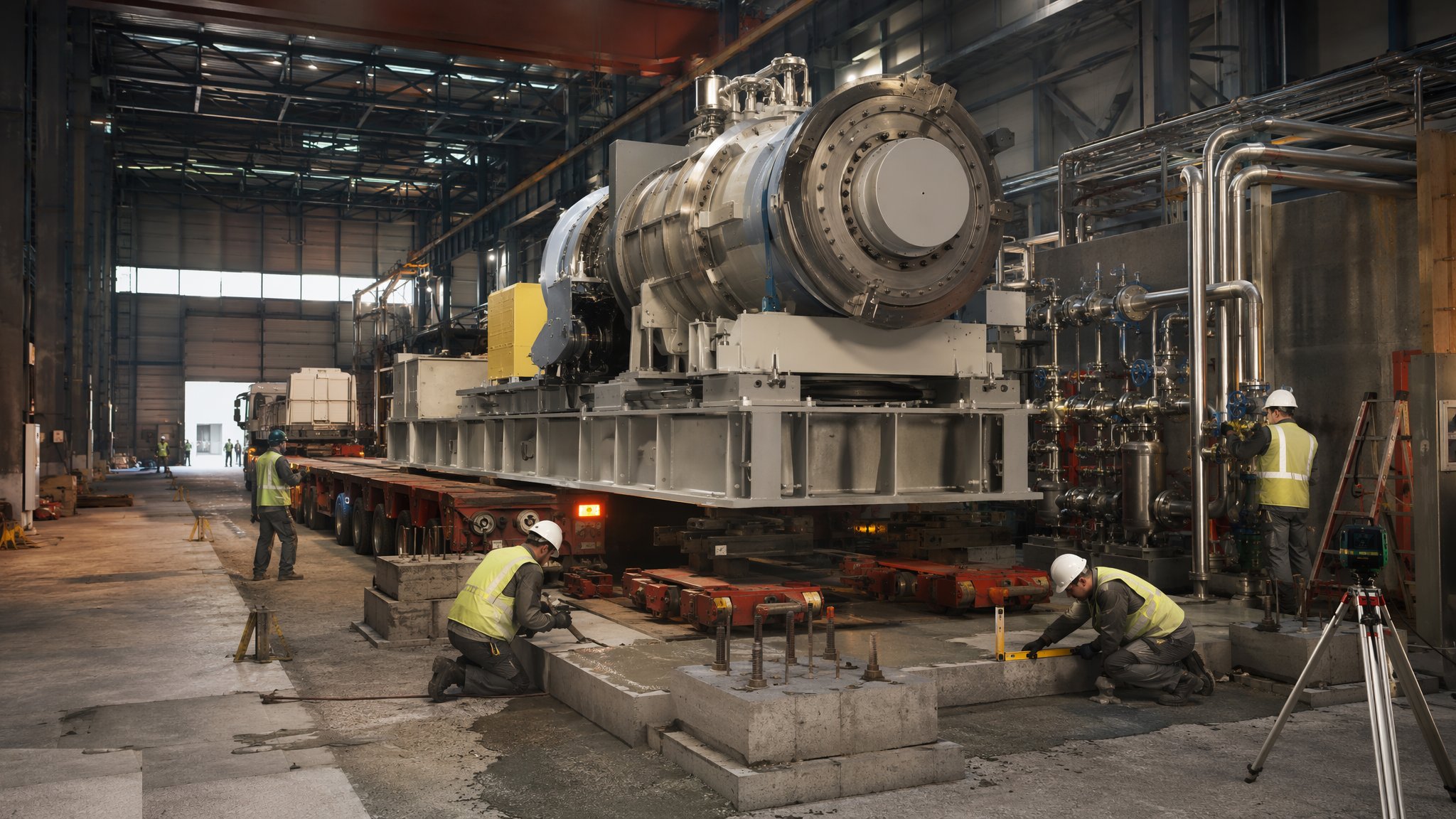
Process Plant & Production Line Installation
Machines off the low-loader and onto their bases - grouted, levelled and aligned to hundredths of a millimetre, hooked up to every service, then proven cold before anything gets hot.
Open processCanonical guide: Manufacturing & Industrial Plants
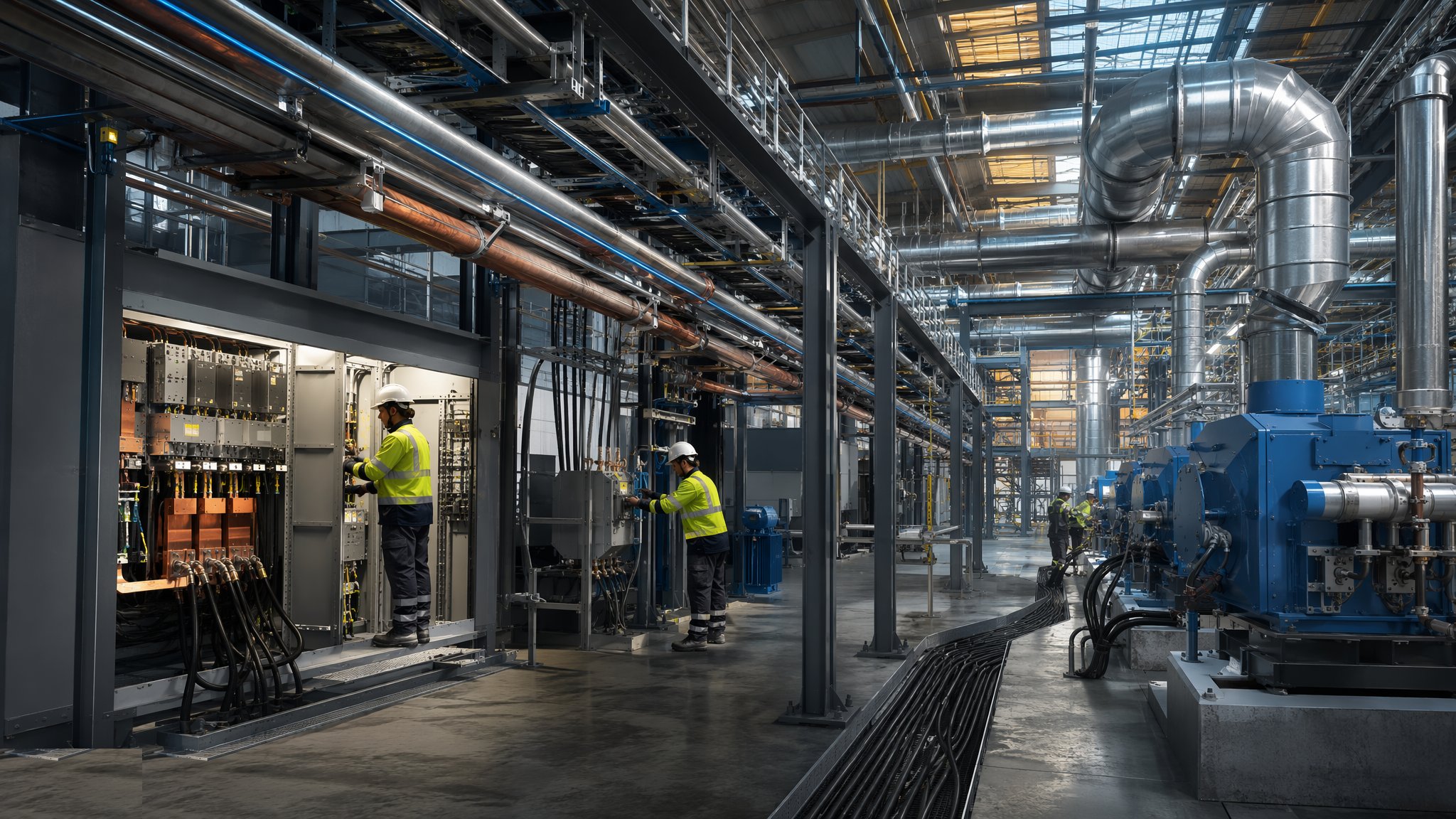
Industrial Services & Utilities
The arteries of the factory - compressed air ring mains, process water and steam, dust and fume extraction, HV/LV distribution for serious loads - built as production equipment, not building services with a bigger budget.
Open processCanonical guide: Manufacturing & Industrial Plants
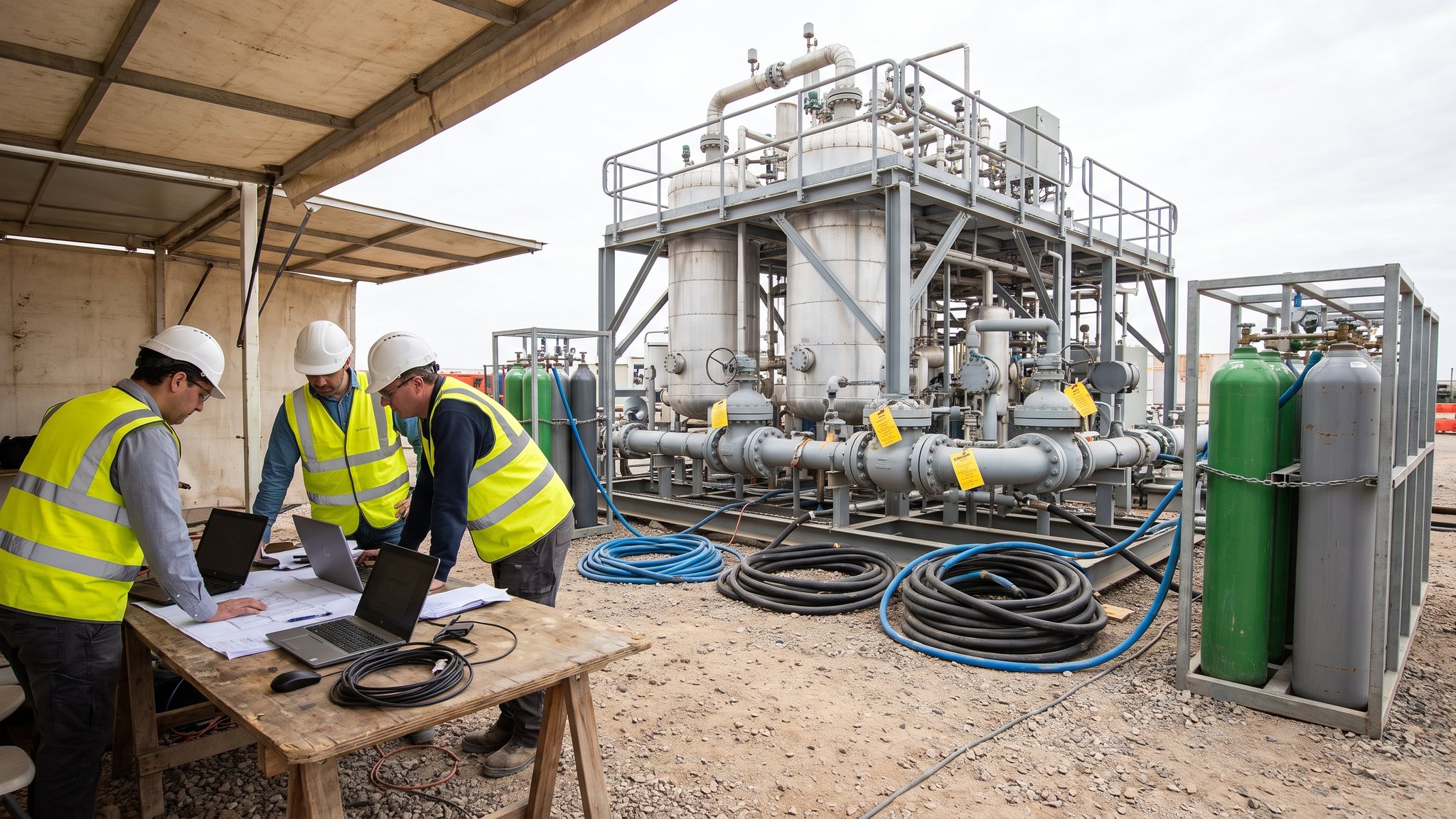
Hydrogen Production & Storage in depth
About Hydrogen Production & Storage
Construction runs from civils and foundations, through the electrolyser hall and its skid-mounted equipment, into compression and storage, then out through the pipework that distributes the product. Most of the equipment arrives as modules, so craneage and delivery sequencing shape the programme more than trade labour does.
Safety is not a section of the specification here - it is the reason the layout looks the way it does. Separation distances, hazardous area classification, detection and ventilation are settled early by the designer, and commissioning is deliberately slow because the systems that protect the plant are proved before the gas arrives.