Courts, civic offices and public buildings - formal procurement, formal architecture.
Civic work is building for the public purse: longer design lives, more layers of approval, and a client who answers to auditors. The construction itself is conventional - the same frames, envelopes and services as any large building, linked below as shared methods - but it arrives wrapped in governance that shapes everything from material selection to the handover documentation, and frequently with a security requirement threaded through the design.
The process map - 3 guides
Each one is a full guide: overview, variants, numbered steps, plant, testing, safety and defects.
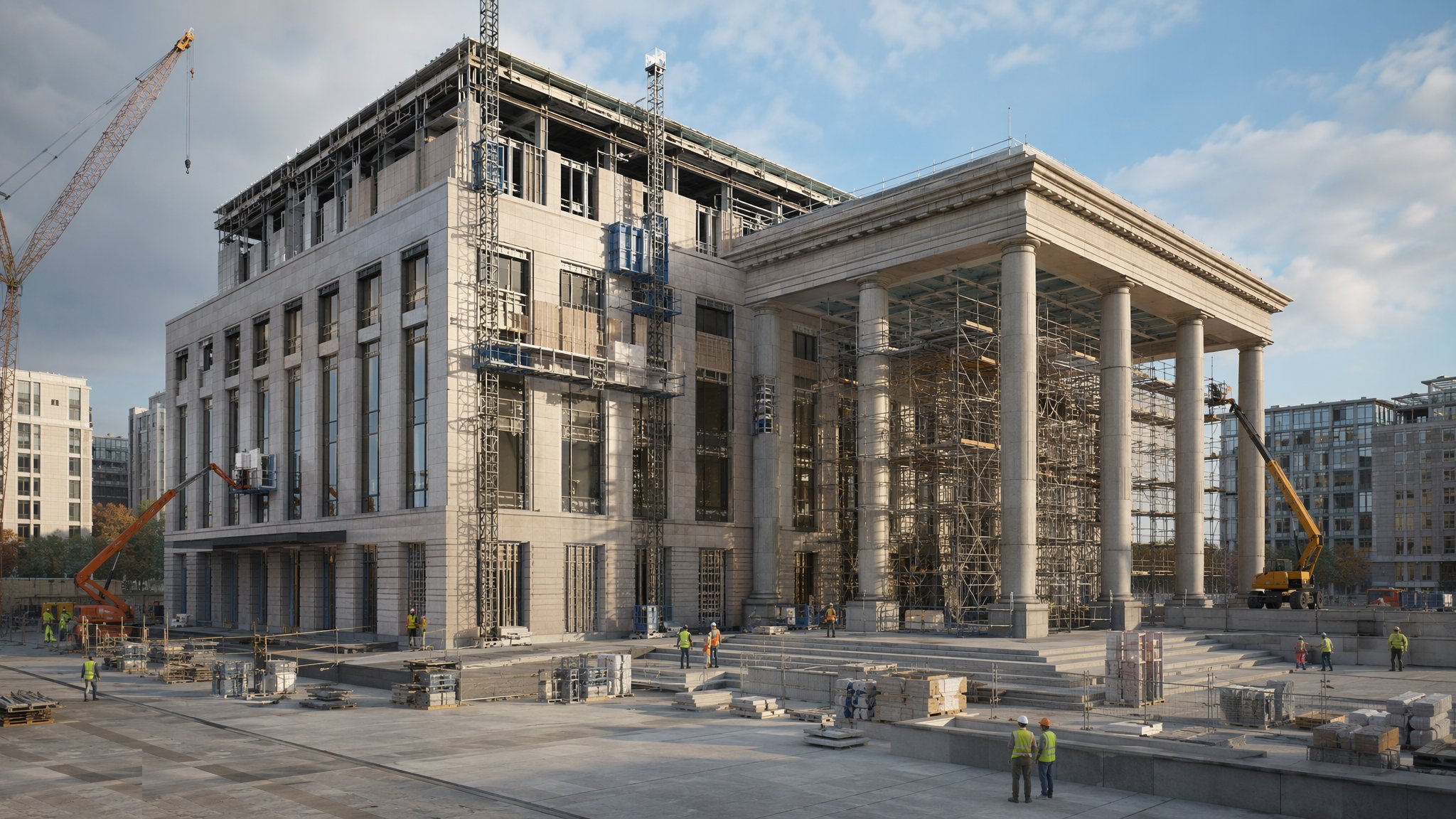
Civic & Government Building Construction
Council offices, courts and civic halls - public buildings built for a sixty-year life under public procurement, where durability, accessibility and maintainability outrank speed and gloss.
Open process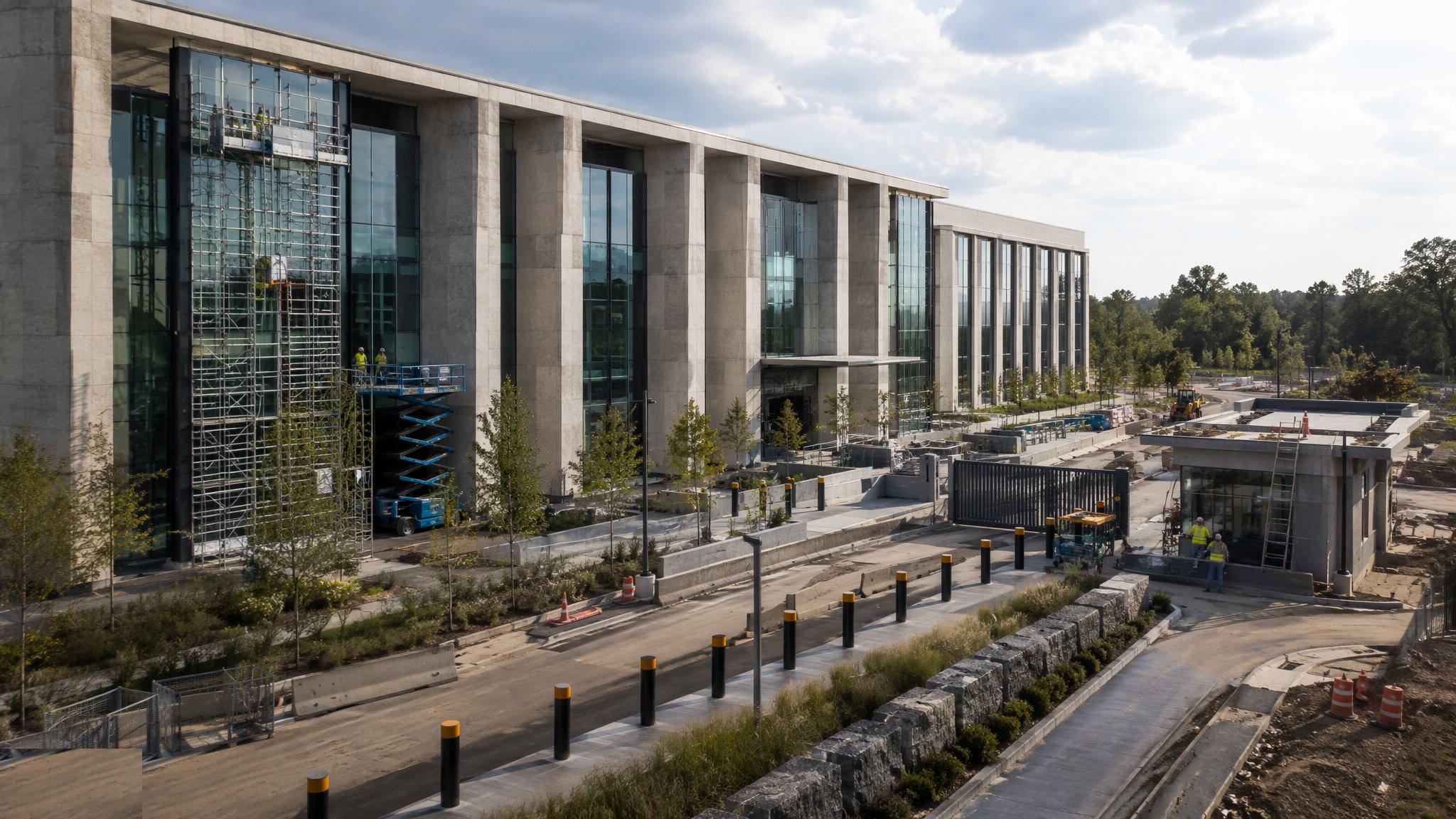
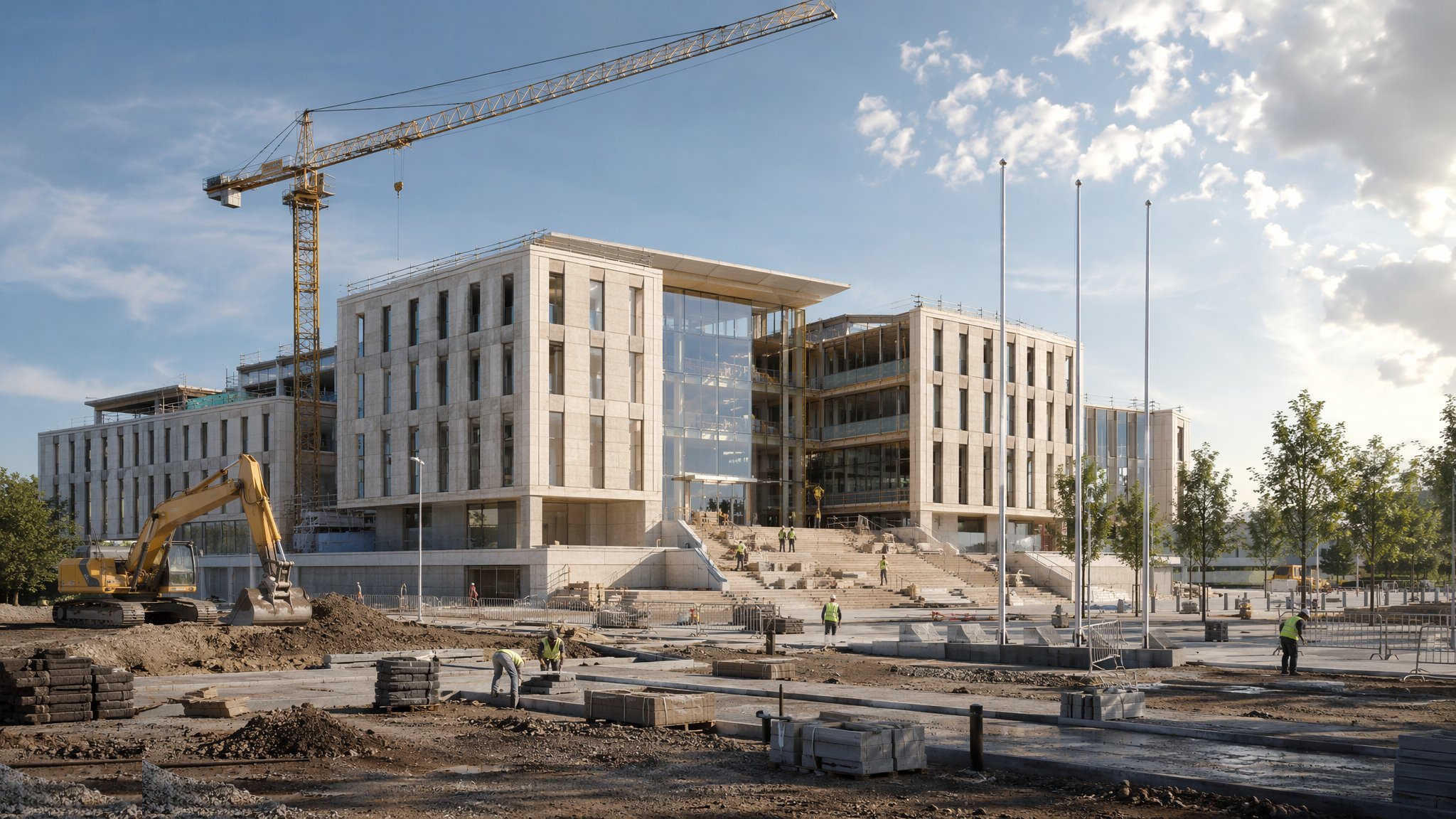
Security Measures in Government Buildings
The protective shell around public buildings - PAS 68-rated bollards, blast glazing, secure lobbies and stand-off - engineered so the security deters the threat without imprisoning the public.
Open process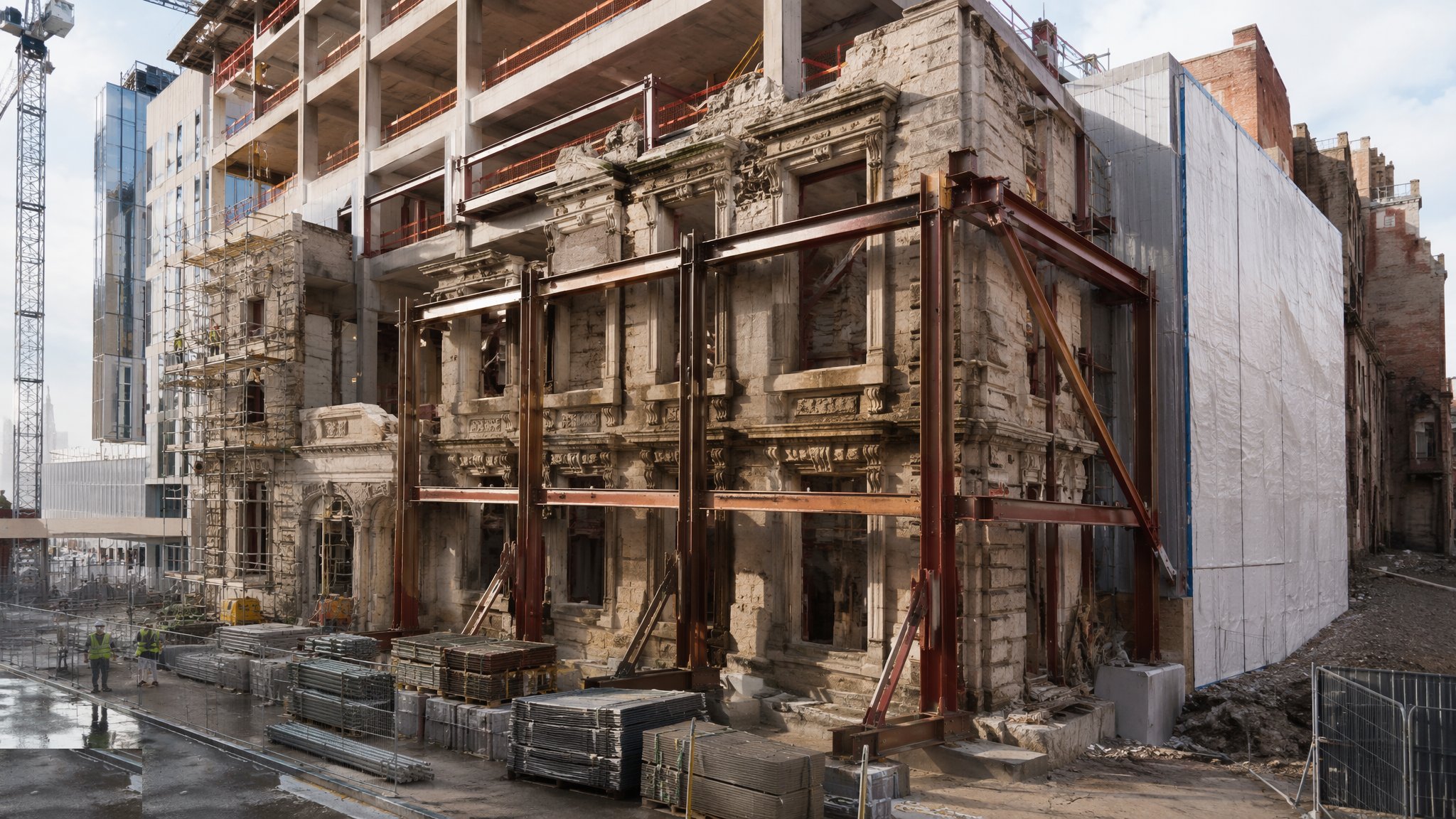
Working on Listed & Heritage Civic Buildings
Construction on listed civic buildings - consent first, like-for-like materials, and the historic fabric protected, recorded and respected at every stage of the works.
Open processShared methods used in this sector
These guides are owned by other sectors - the canonical page lives there - but the method is the same here. Cards open the guide at its home sector.
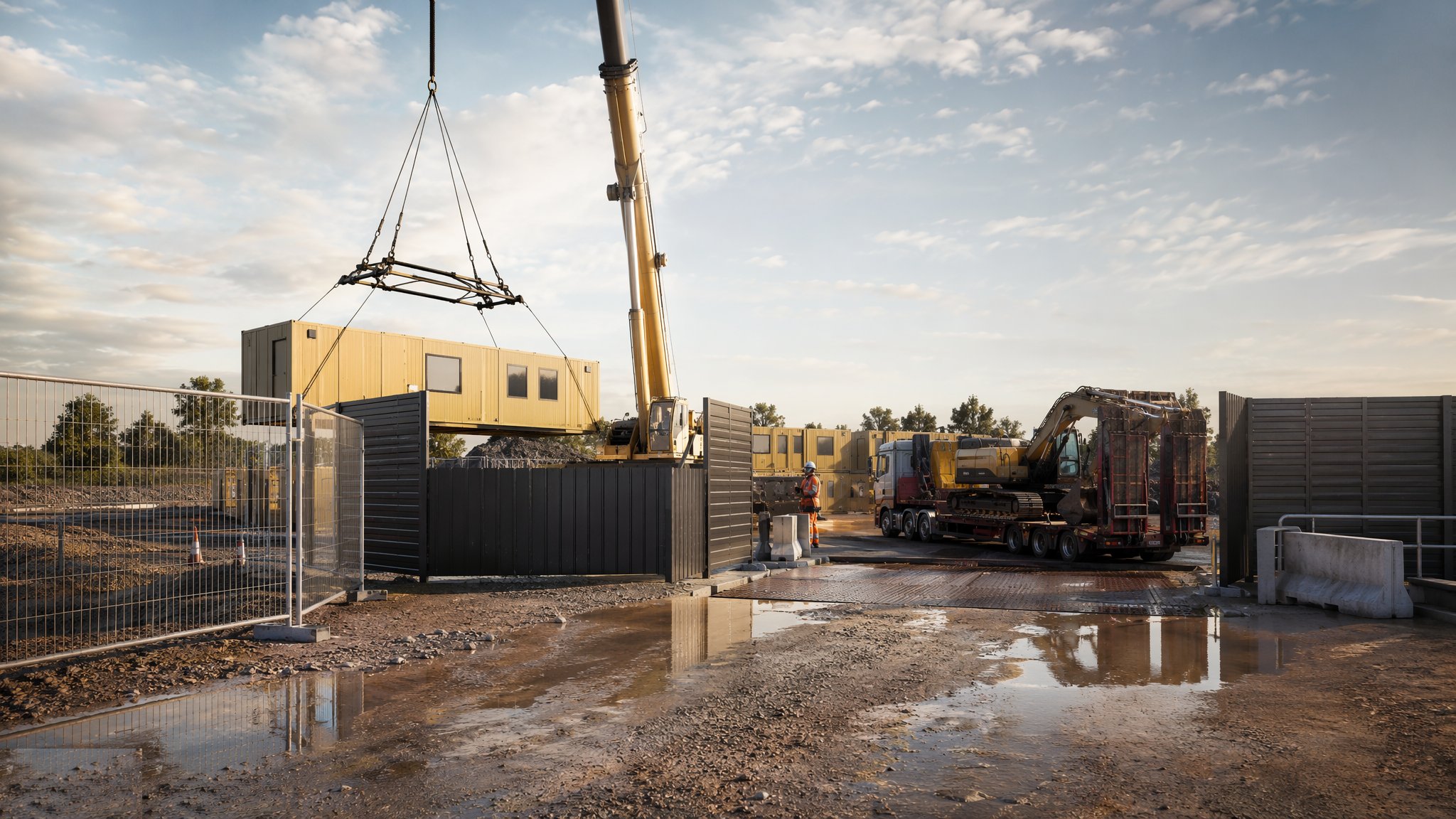
Site Access & Enabling Works
Turning a piece of land into a controlled, serviced, legal construction site.
Open processCanonical guide: Residential & Housing
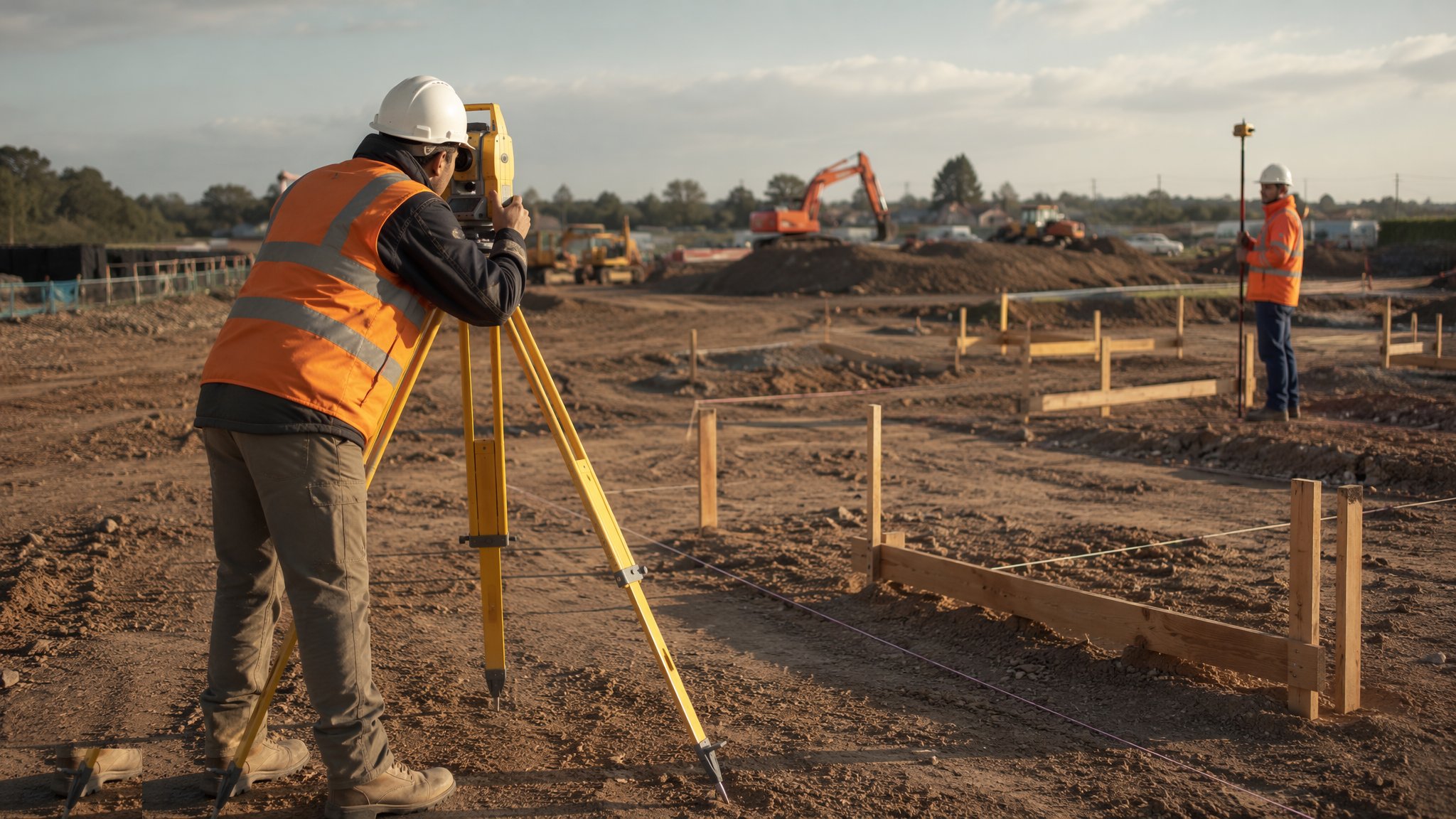
Setting Out & Survey Control
Benchmarks, grids and datums - the invisible framework every trade builds to.
Open processCanonical guide: Residential & Housing
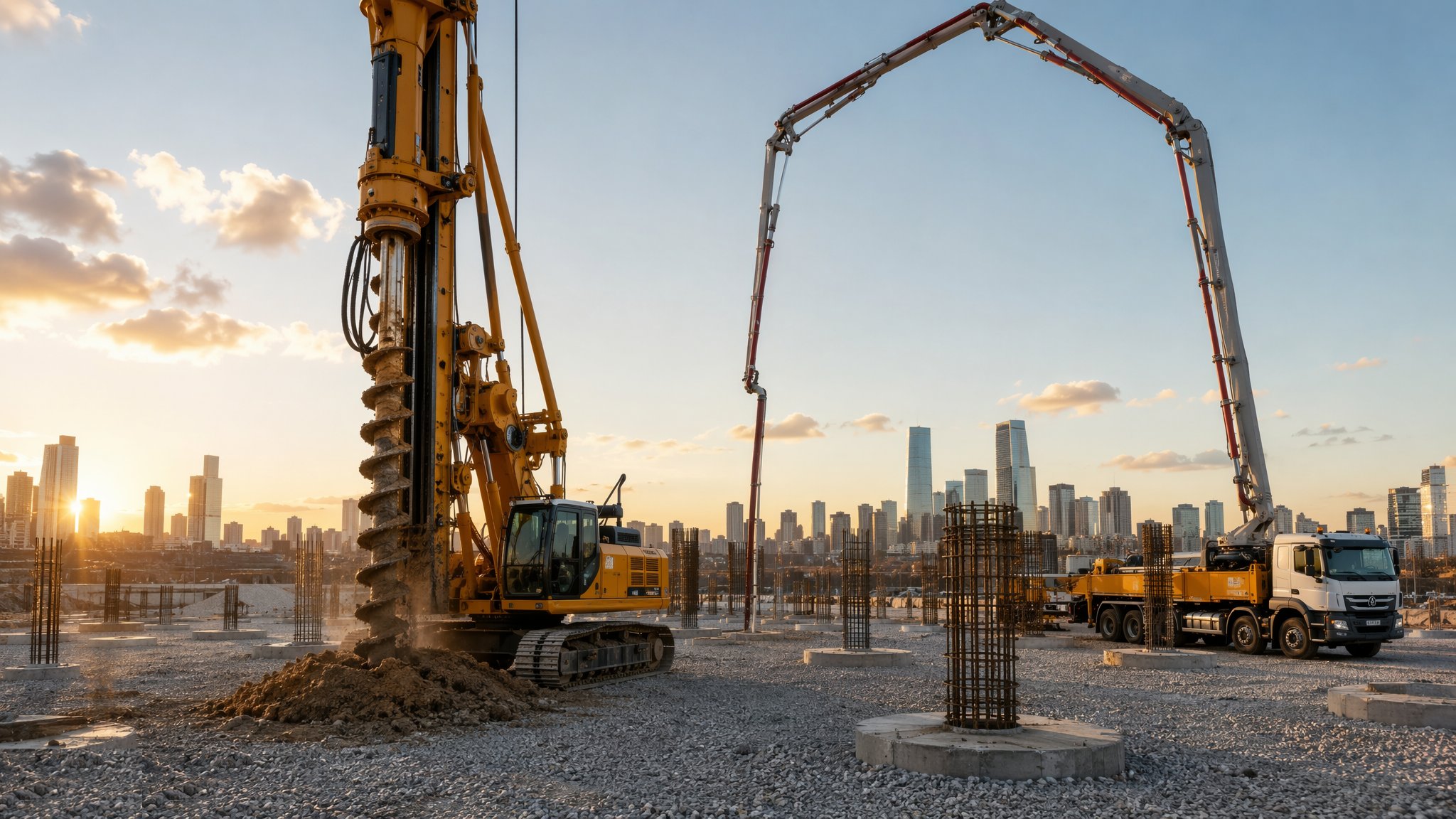
Piling & Deep Foundations
Driven, bored and CFA piles - carrying the building down to ground that can actually take it.
Open processCanonical guide: Residential & Housing
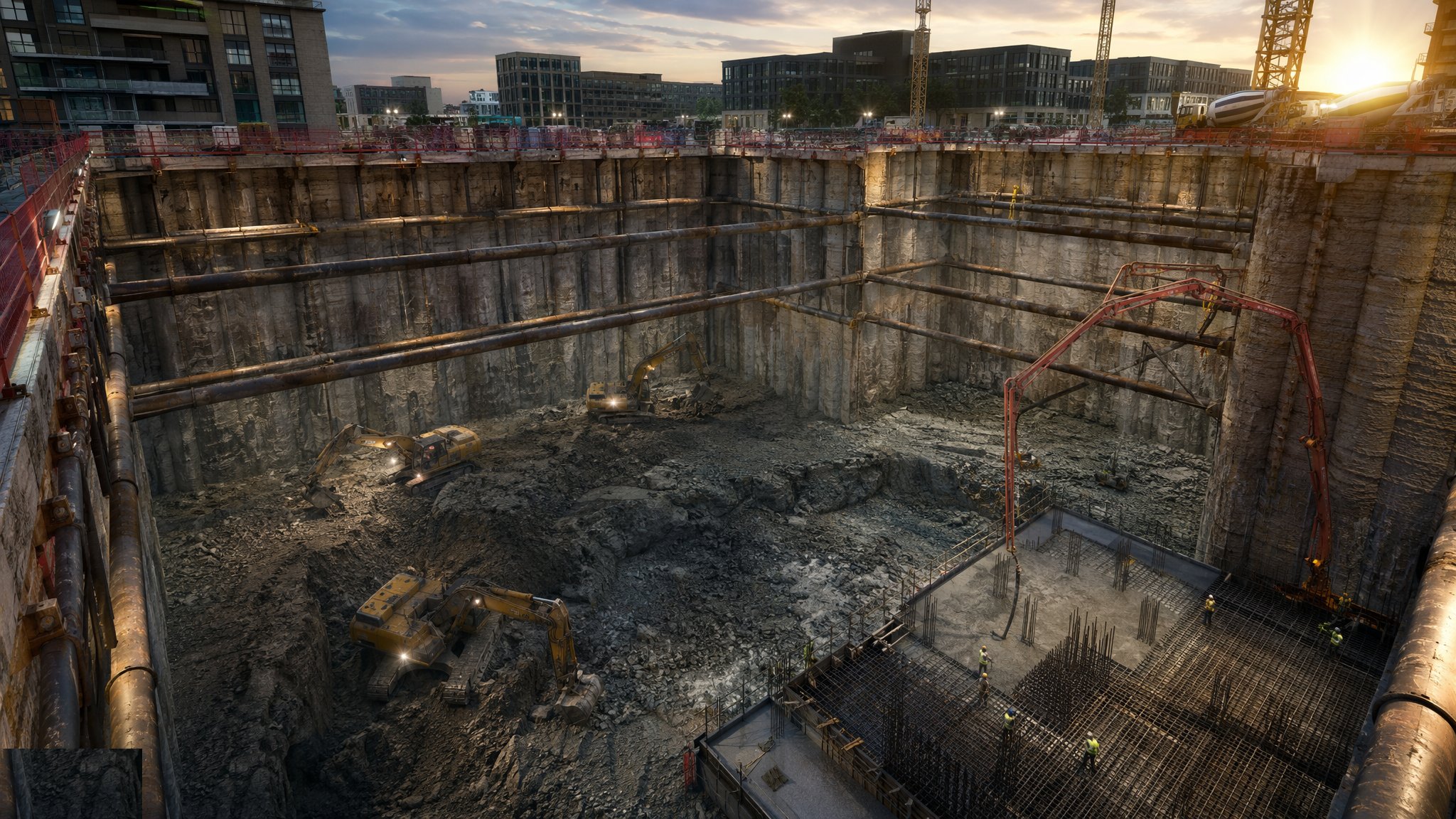
Basement & Substructure
Retaining walls, waterproof boxes and the fight to build dry space below ground.
Open processCanonical guide: Residential & Housing
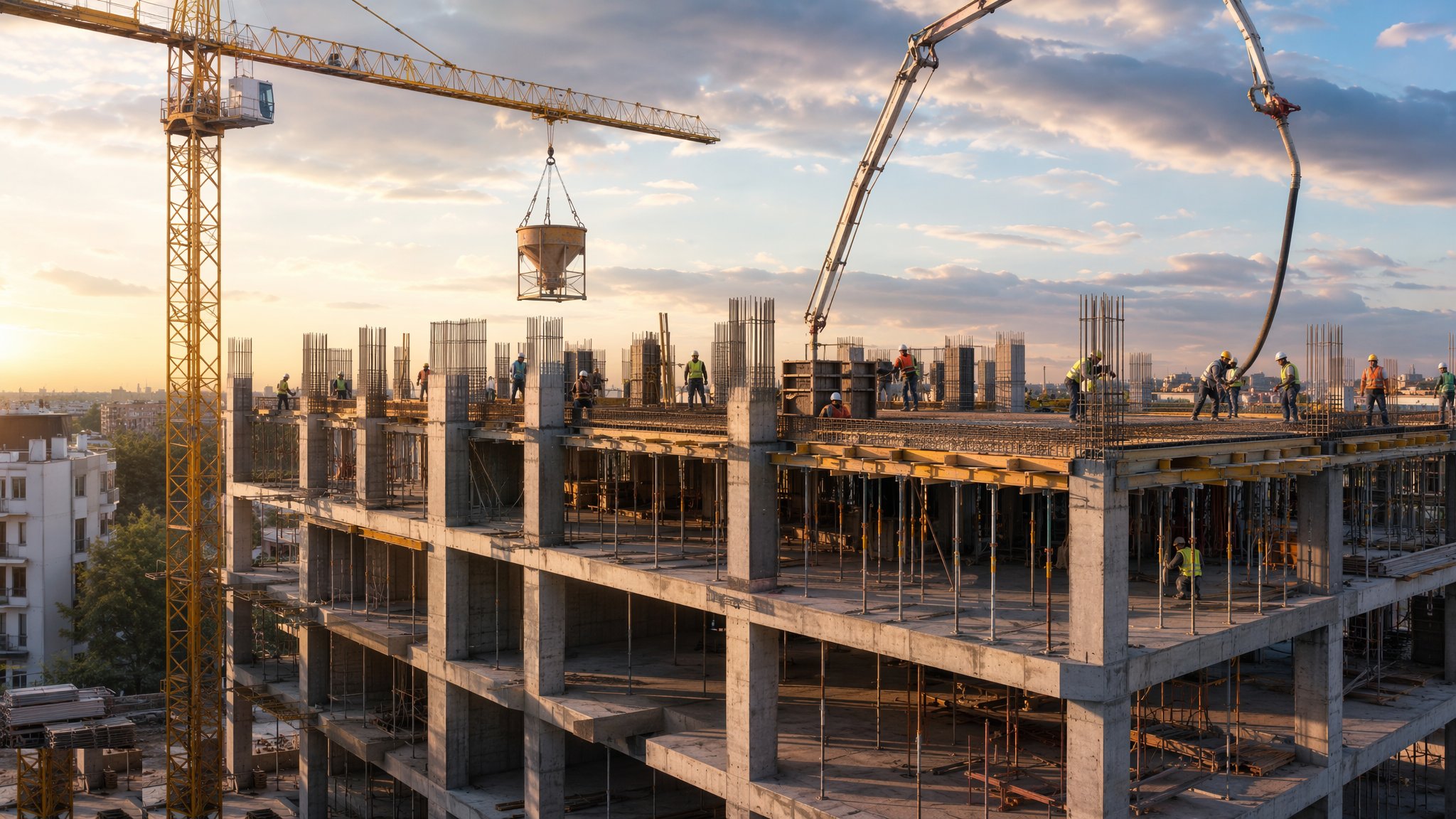
Concrete Frame Construction
Columns, walls and slabs cast in situ - the ribcage of a residential tower.
Open processCanonical guide: Residential & Housing
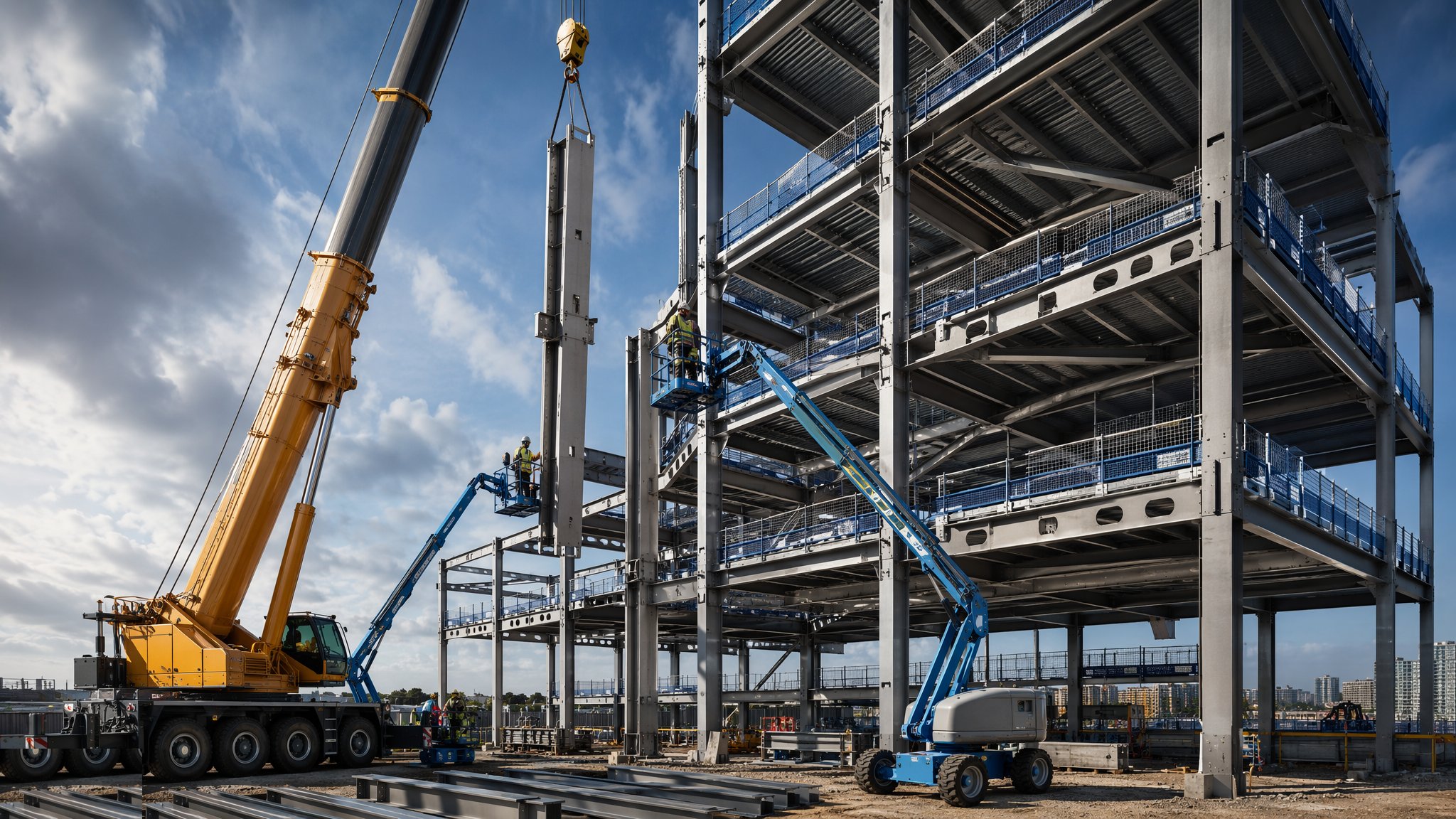
Steel Frame Construction
Fabricated off-site, erected at speed - bolted skeletons for frames that fly up.
Open processCanonical guide: Residential & Housing
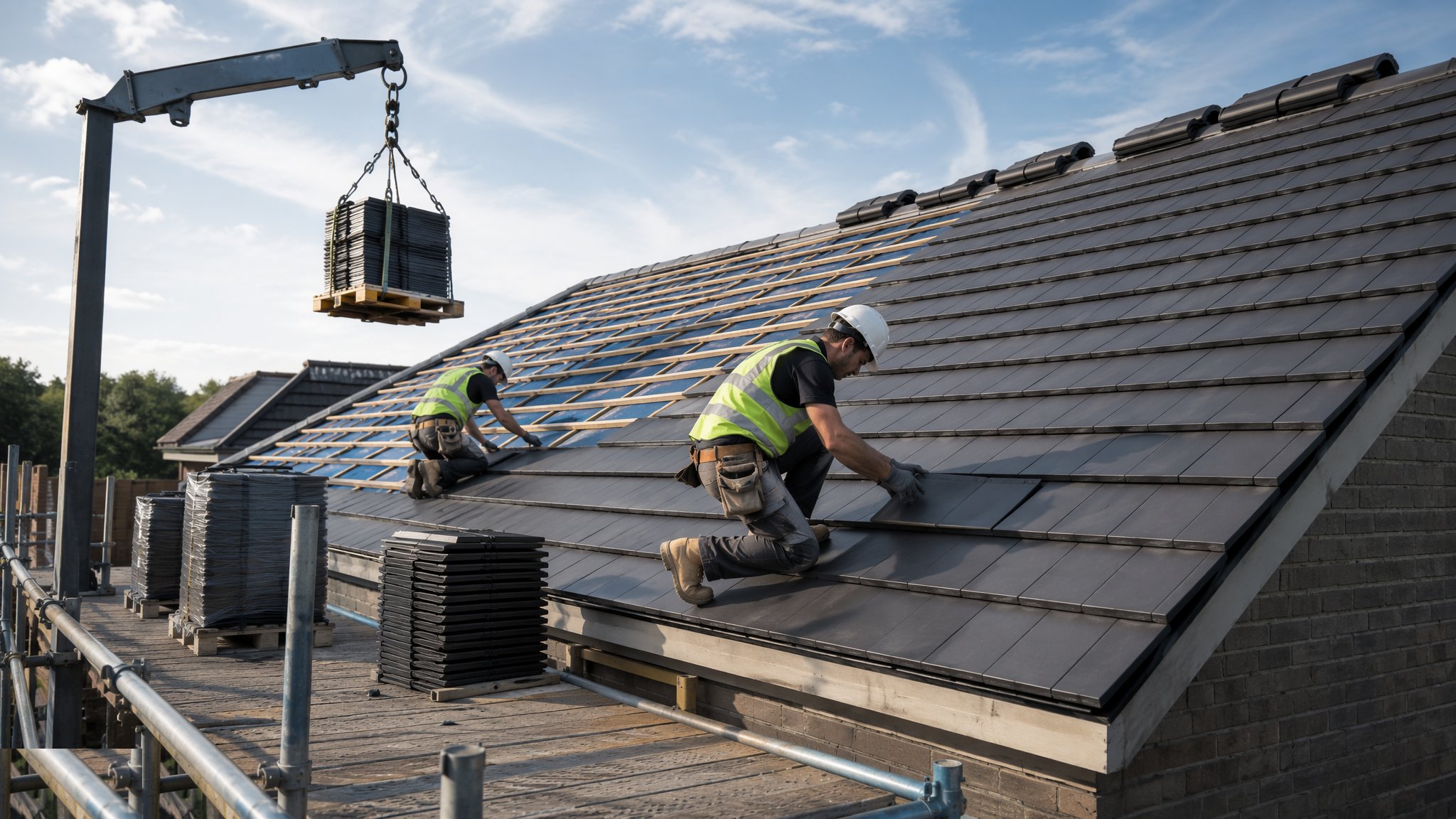
Roofing
Pitched trussed rafters and warm flat roofs - the hat that has to keep the weather out for fifty years.
Open processCanonical guide: Residential & Housing
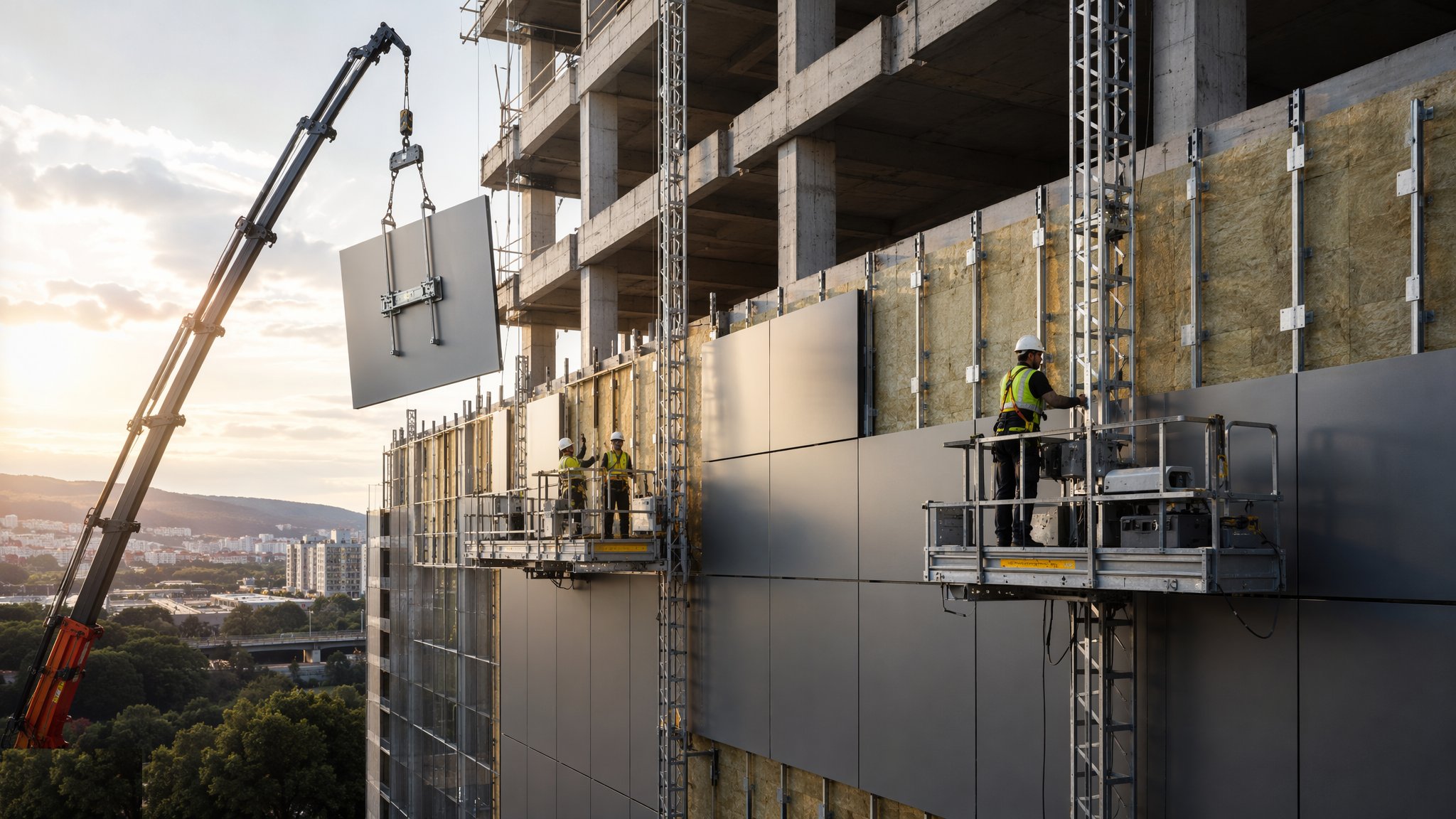
Façade & Cladding
The building's face - brick, render, rainscreen and curtain walling, and the fire details behind them.
Open processCanonical guide: Residential & Housing
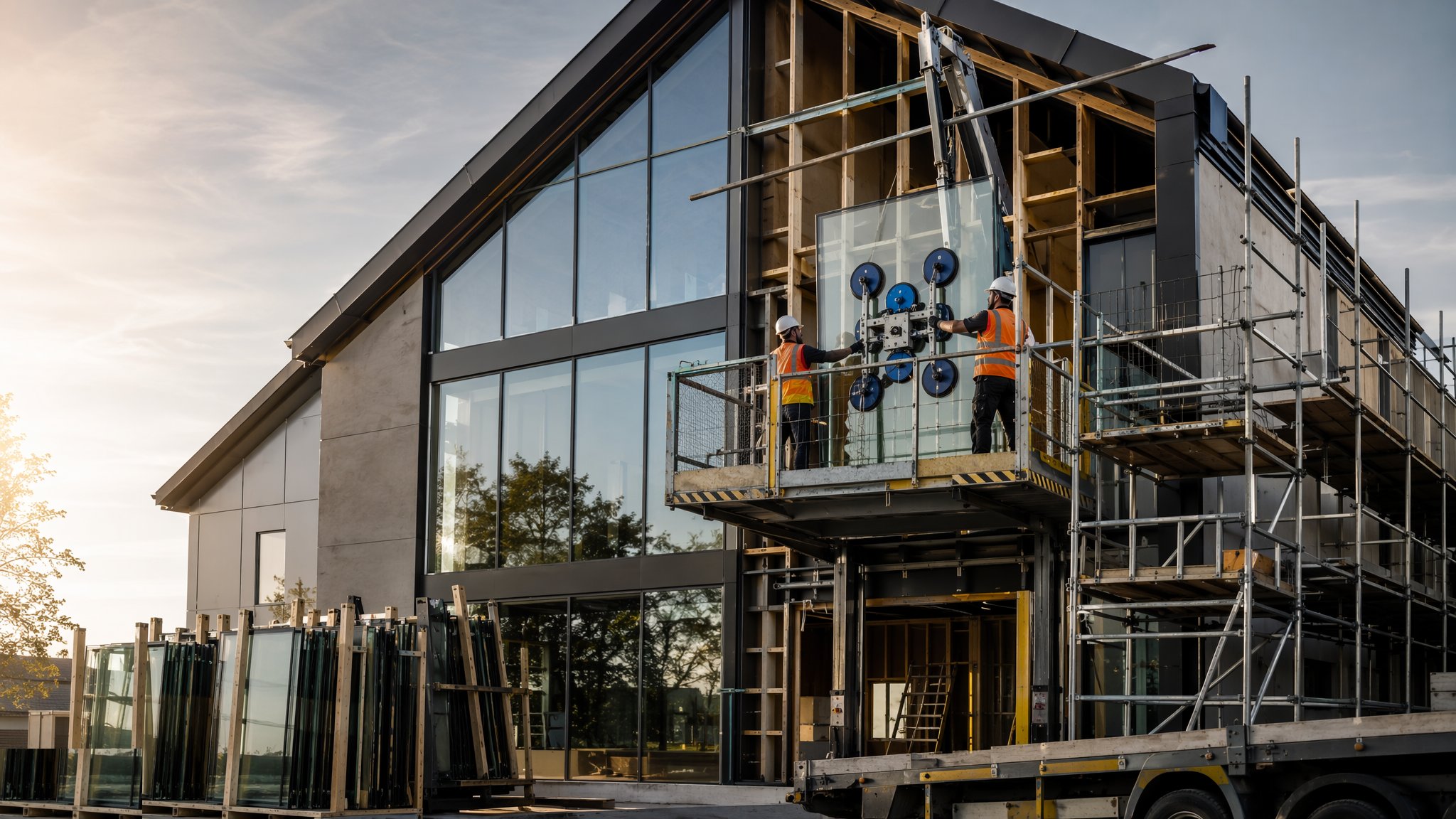
Windows, Doors & Glazing
Survey, fit and seal - the moving parts of the envelope that get used ten times a day.
Open processCanonical guide: Residential & Housing
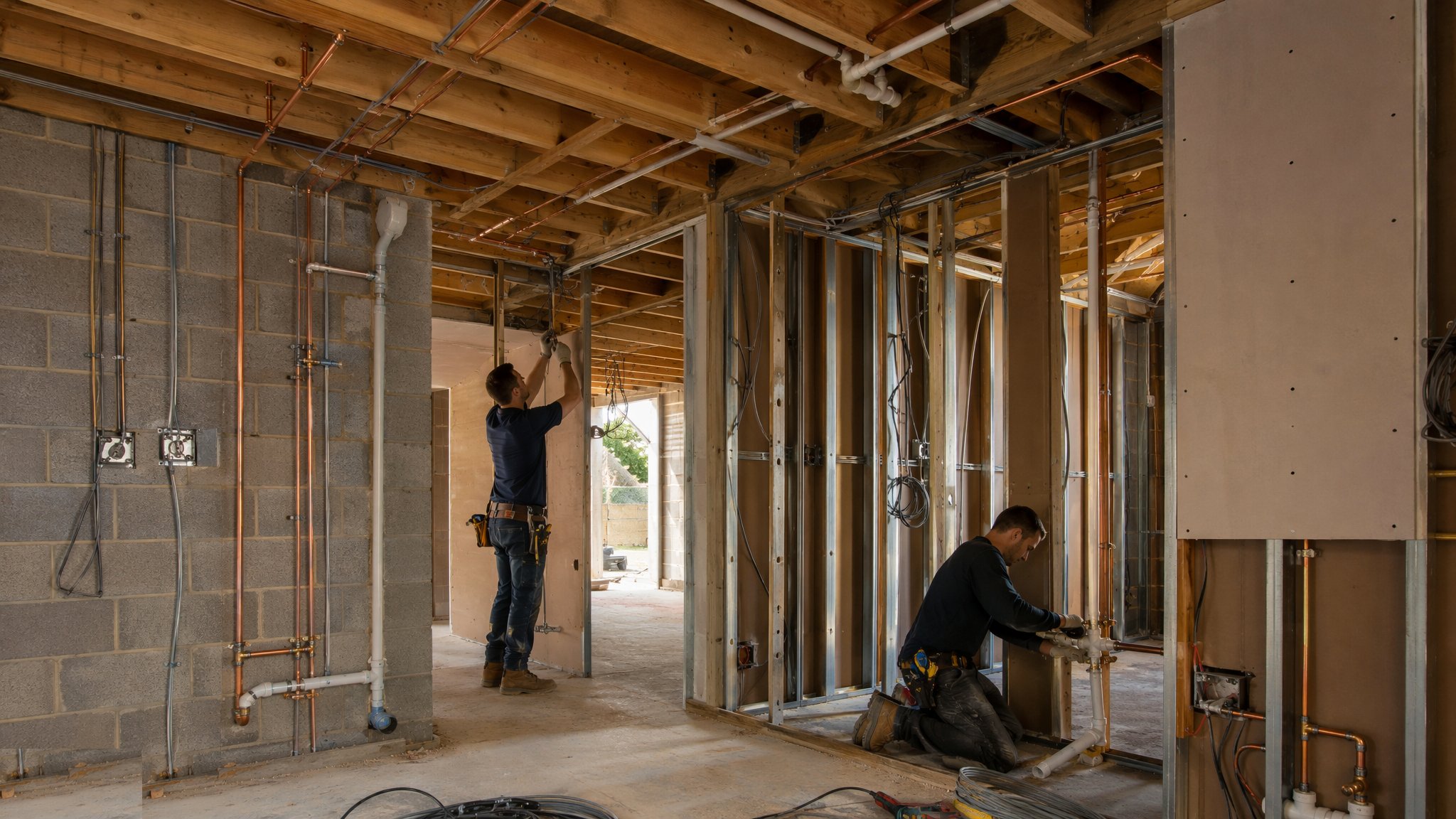
MEP First Fix
Ducts, pipes, cables and containment - the hidden nervous system, installed before the walls close.
Open processCanonical guide: Residential & Housing
Government & Civic in depth
About Government & Civic
Two flavours recur. New civic buildings - courts, council offices, embassies - where security measures are designed in from the structure outwards. And work at the heritage interface, where half the job is building new work against, inside or on top of a listed structure that must not be harmed. The three guides in this sector cover civic building construction, government security measures, and the heritage interface.
Public money, public rules
Civic procurement is slow on purpose. The client answers to auditors, value-for-money reviews and sometimes the press, so tendering is open and rule-bound - OJEU-derived procedures in the UK, government tender boards in the UAE - evaluation criteria are published, standstill periods are observed, and the cheapest compliant bid usually wins even when everyone in the room knows the second cheapest would build it better. Frameworks and two-stage routes soften this where they are allowed, but the default posture is defensible process over speed.
The documentation burden follows the money. Employer-facing reporting, equality and sustainability commitments priced into the bid, supply-chain payment terms policed, and a handover file that will be audited years later by people who were not born when the slab was poured. For the site team the practical translation is simple: keep the records as if each one will be read aloud in a committee room, because one of them will be.
Design governance adds a second layer. Civic buildings carry a representational duty - a court should look like justice, a council chamber like democracy - so design review panels, planning committees and stakeholder consultations shape the architecture well beyond technical necessity. The architect's authority is protected, the value-engineering conversations are longer, and the site inherits details that were chosen in a chamber, not a workshop.
The maintenance tail deserves the same discipline as the opening ceremony. Civic buildings are kept for a century by departments whose budgets shrink after the ribbon is cut, so the design decisions that matter most are the unglamorous ones: replaceable finishes in the public concourse, plant that a council engineer can service without specialist contractors, roof access that does not need scaffolding for a gutter. The building that earns its keep is the one that is cheap to look after, and that is decided on the drawing board, not in the maintenance budget meeting twenty years later.
Security threaded through the design
The security-driven civic building is its own genre. Courts need three circulations that never cross - public, judiciary and custody - plus a dock, cell circulation and vehicle docks with airlocks. Embassies and government offices carry stand-off distances, blast-resistant façades, progressive-collapse design and mail-room isolation. These are not bolt-ons: they set the column grid, the glazing system, the structural tying and the landscape design before planning submission, and changing them later is a redesign, not a variation.
Construction under those rules inherits the clearance regime. Vetted labour on the sensitive packages, photography controls, materials accountability on items like glazing and structural steel, and compartmentalised drawings where the full picture is held by few. The coordination cost is real - a services contractor who cannot see the whole riser diagram works slower - and it belongs in the programme, not in the surprise column.
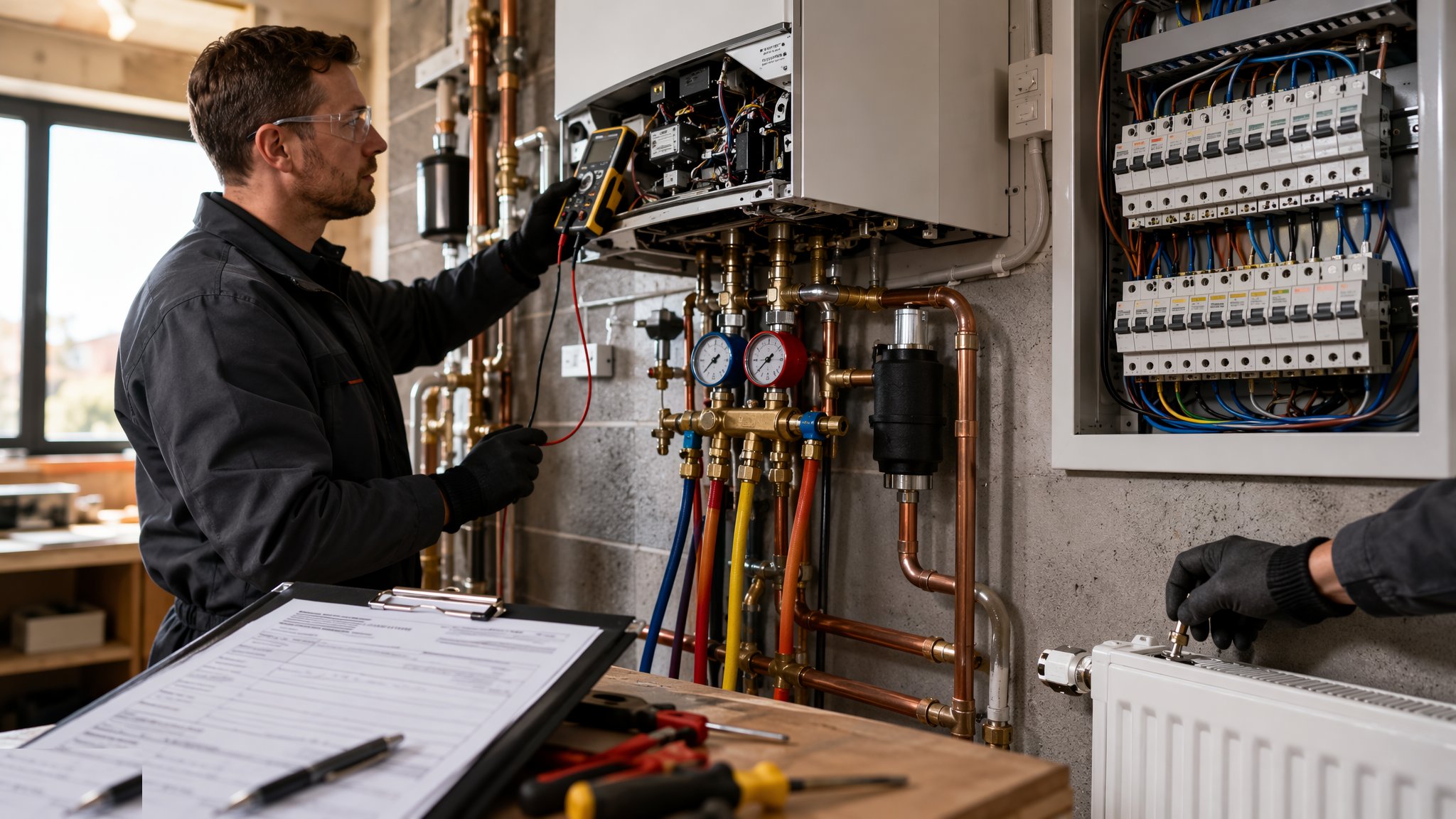
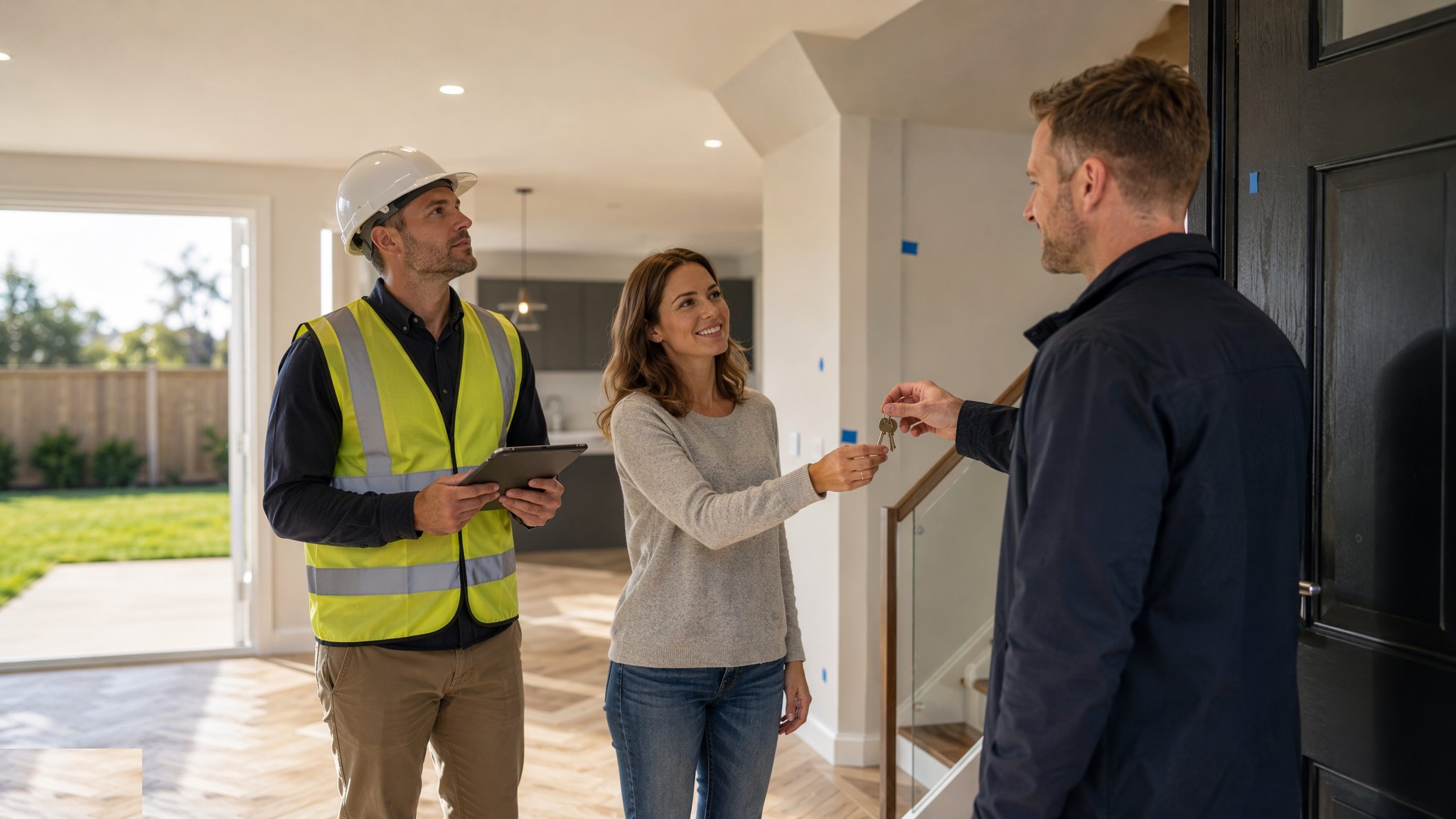
Commissioning has a security tail too: access control, CCTV, intruder detection and the custody suite systems are tested and witnessed by the end user's security team as a condition of handover, on their schedule. A court that is complete but unaccredited does not sit; the building is finished when the security authority signs, and that signature is a programme milestone like any other.
The heritage interface
Half of civic work touches something old. Extensions to listed town halls, new courts against Victorian façades, basements under Georgian streets. The rules of engagement are set by conservation officers and, in the UK, by listed building consent with conditions that can specify mortar mixes, stone sources and hand-tool-only demolition in places. The method consequence: the demolition is really dismantling, the temporary works hold up fabric that cannot be tied into, and the setting-out tolerance where new meets old is the tightest on the job.
Failure modes are specific. Vibration from piling cracking historic plaster or destabilising old foundations - hence the monitoring regime with real-time alerts and pre-agreed trigger levels. Water: new basements altering groundwater around timber-piled historic foundations, a failure that appears years later as settlement a street away. And the discovery: archaeology, asbestos, unrecorded structure - every heritage site carries a discovery allowance, and the jobs that go wrong are the ones that treated it as a contingency rather than a certainty.
The skill is sequencing. Stabilise before you open, prop before you cut, record before you cover up. The conservation officer, the structural engineer and the archaeologist are all effectively part of the site management team, and the programme that books their inspections as milestones rather than interruptions is the one that finishes.
UK versus UAE in civic work
The UK's civic sector is mostly stewardship: refurbishing and extending an inherited estate under conservation constraints, with the Building Safety Act and fire strategy review adding new gateways to old buildings, and budgets that arrive in annual slices against a programme measured in years. The UAE's is mostly creation: ministries, courts, majlis buildings and municipal complexes built new, at monumental scale, with stone, shade and water as civic language and a design review process that runs through the ruling offices rather than planning committees.
Climate and materials follow. UK civic work details for rain, freeze-thaw and a heating-dominated services philosophy, with stone and brick maintained as the public face. Gulf civic work details for solar load and dust: deep shading, screens and mashrabiya geometry doing environmental work, stone and precast selected for thermal mass and sandblasting resilience, and cooling plant sized for assembly spaces that fill occasionally but must condition fast.
Approvals diverge in mechanics but rhyme in effect. UK: planning, listed building consent where applicable, Building Regs, fire strategy, and a public client whose sign-off chain is documented to audit standard. UAE: DM, DDA or Trakhees depending on jurisdiction, DCD for fire and life safety, and client sign-off through government project offices with their own stage gates. In both, the certificate that matters is issued by someone outside the contract, and the experienced team finds out early exactly what that person needs to see.
For the practitioner, civic work is a school of patience and record-keeping that pays across a career. The habits it enforces - decisions minuted, inspections witnessed, changes priced before they are built, files assembled as if an auditor will read them, because one will - are exactly the habits that survive disputes in every other sector. And there is a quiet pride available here that the commercial market rarely offers: the building will still be serving the public in a hundred years, and the name on the completion certificate is, in a small way, a matter of public record.
There is one more trait worth naming: civic projects attract people who care about the public realm, and the site culture reflects it. The apprentice intake is larger, the community liaison is real, and the finished building opens with a ceremony rather than a quiet handover. For a young engineer it is a good place to learn that construction is a public act - every hoarding is a promise to the street, and every street remembers how the job behaved. The sector's paperwork is famous; its sense of purpose is the part nobody warns you about, and the part that keeps people in it.