Stadia, arenas and leisure centres - long spans, big crowds, hard deadlines.
Sports construction is structural theatre: long-span roofs, raked seating and bowl engineering on a scale that makes ordinary frames look modest, all programmed backwards from a fixture list or an opening ceremony that cannot move. The enabling works, foundations and frame methods are the shared ones, linked below - what sits on top is specialist.
The process map - 3 guides
Each one is a full guide: overview, variants, numbered steps, plant, testing, safety and defects.
Stadium Construction
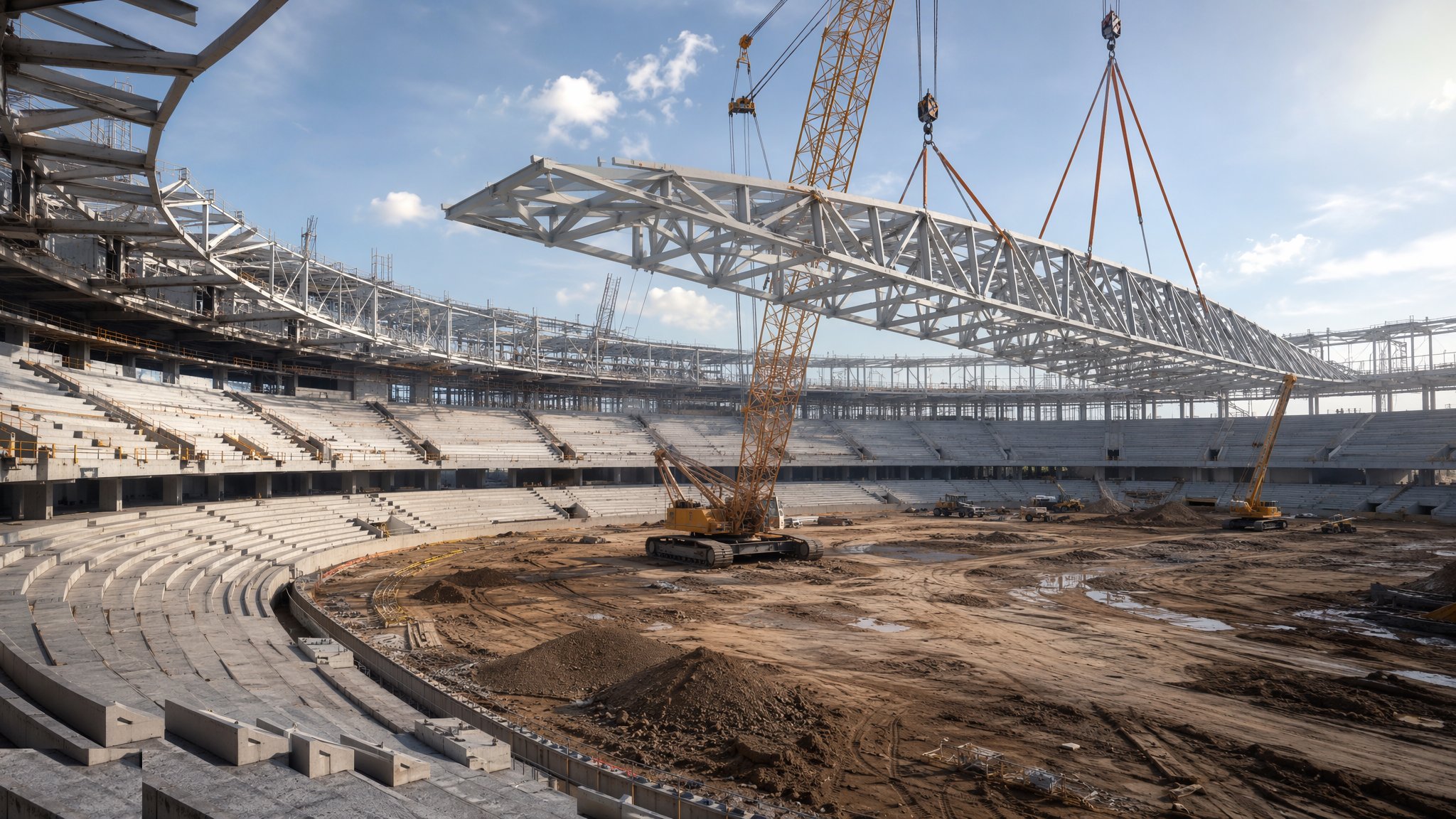
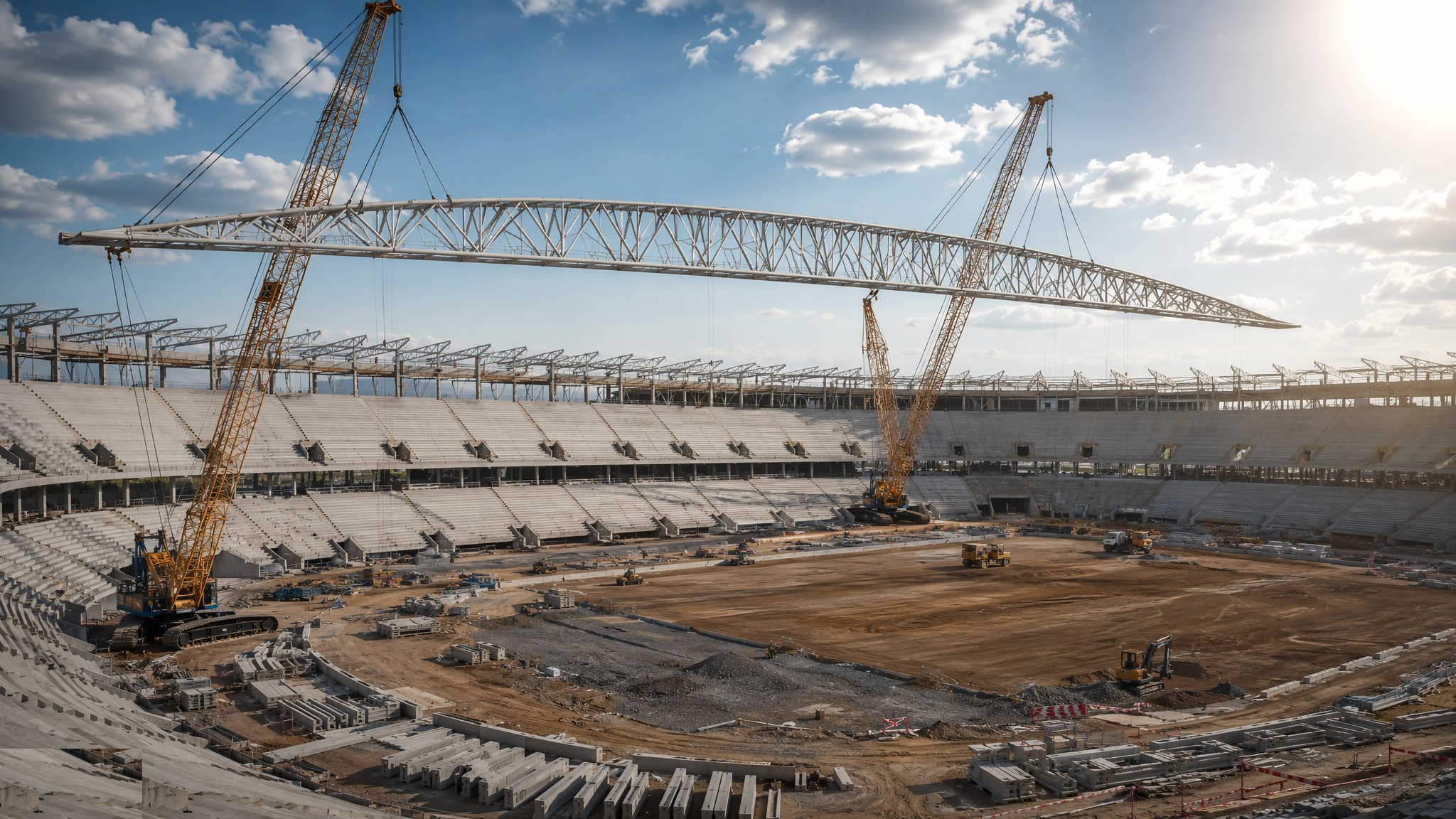
The specialist anatomy of a stadium: a raked bowl of precast terracing threaded with vomitories, capped by a long-span roof assembled on the ground and lifted in pieces too heavy for ordinary cranes.
Open process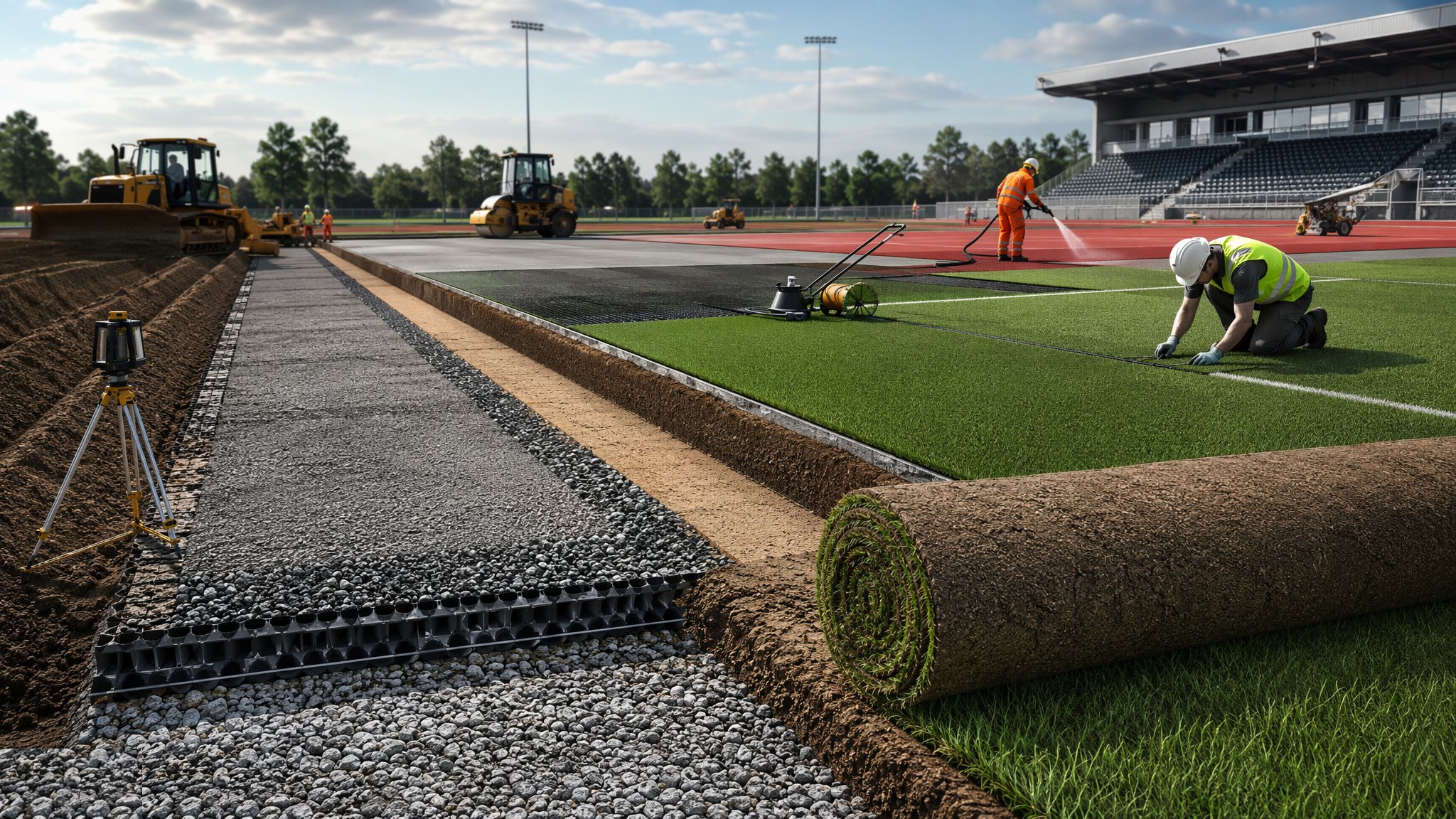
Pitches, Tracks & Playing Surfaces
Building the thing the whole venue exists for: natural turf profiles over engineered drainage, synthetic 3G carpets, polyurethane running tracks - all laid to millimetre tolerances and proven by independent certification testing.
Open process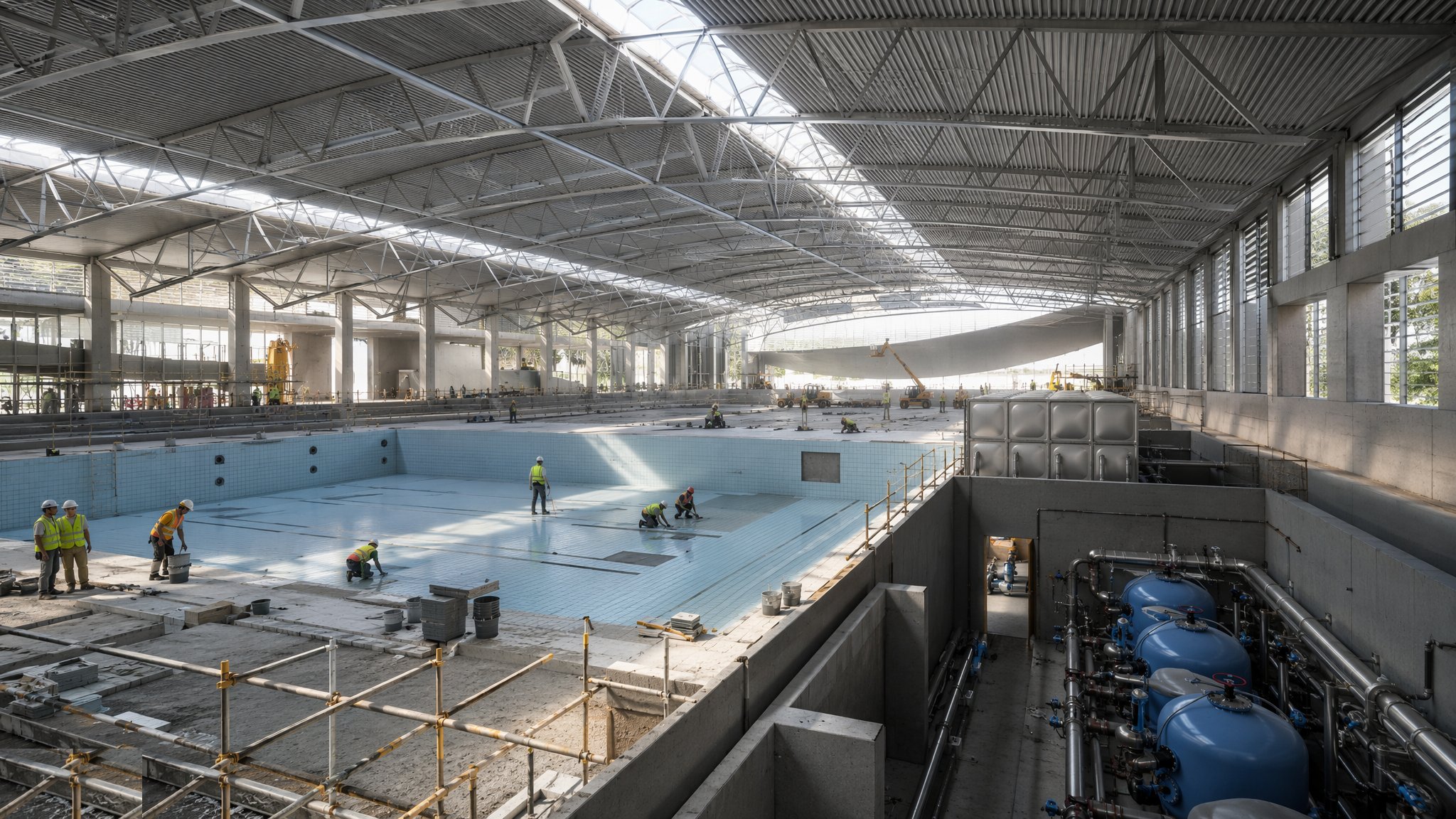
Leisure Centres & Swimming Pools
The wet heart of a leisure centre: water-retaining concrete pool tanks that must not leak, plant rooms that keep thousands of bathers' water clear, and a building envelope in a permanent war against warm, chlorinated air.
Open processShared methods used in this sector
These guides are owned by other sectors - the canonical page lives there - but the method is the same here. Cards open the guide at its home sector.
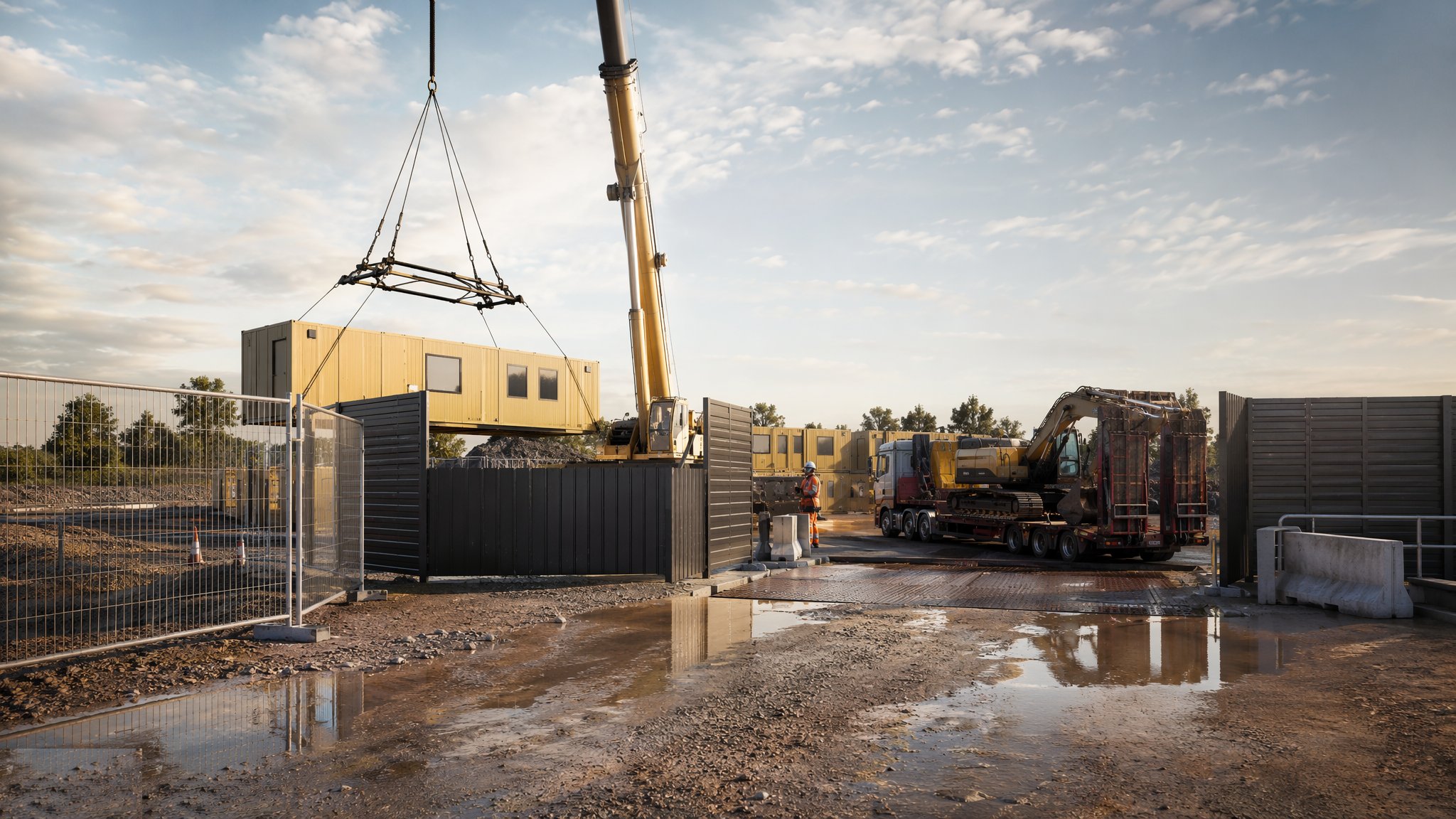
Site Access & Enabling Works
Turning a piece of land into a controlled, serviced, legal construction site.
Open processCanonical guide: Residential & Housing
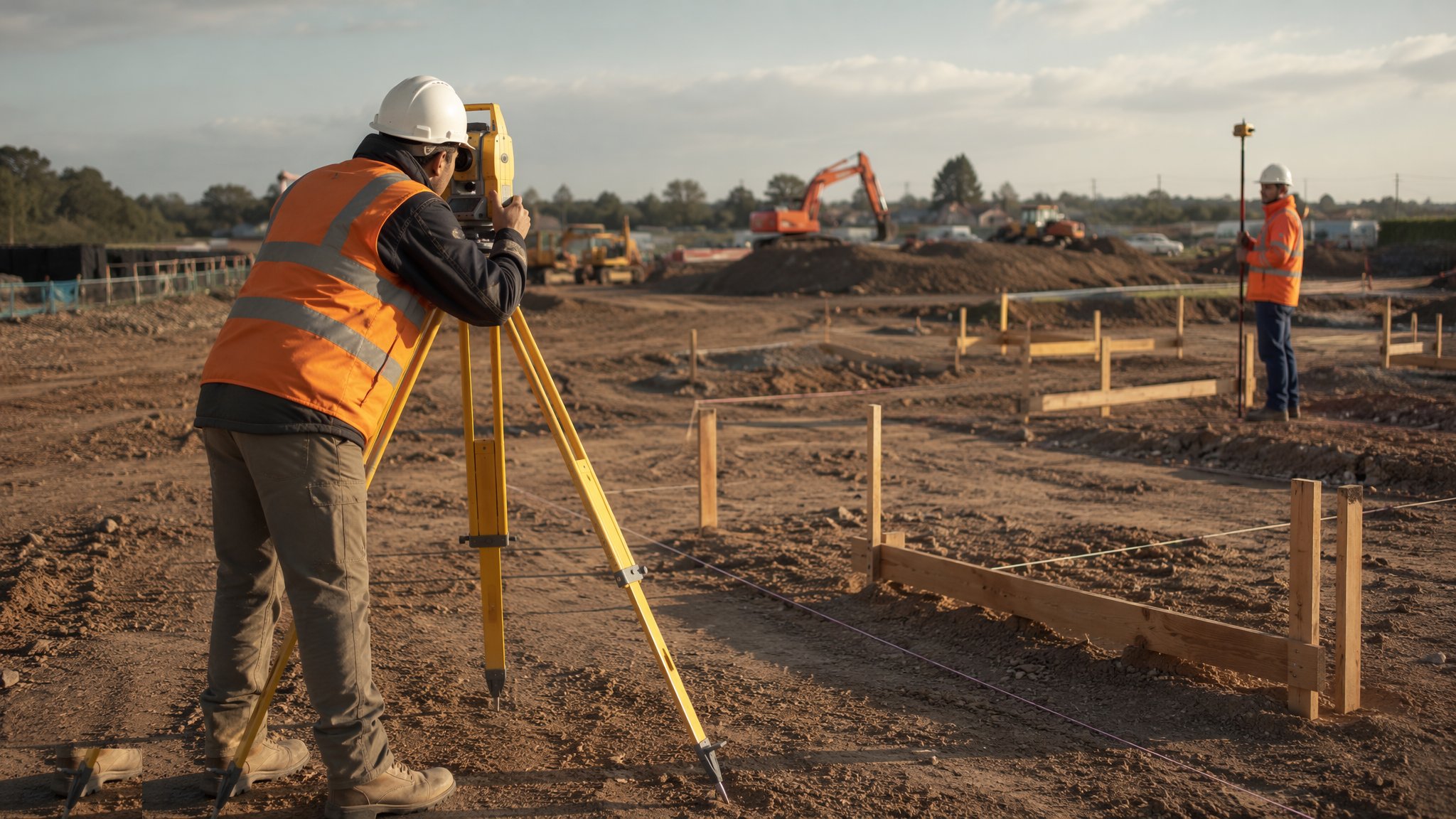
Setting Out & Survey Control
Benchmarks, grids and datums - the invisible framework every trade builds to.
Open processCanonical guide: Residential & Housing

Earthworks & Excavation
Cut and fill, trenching and compaction - reshaping the ground to take the building.
Open processCanonical guide: Residential & Housing
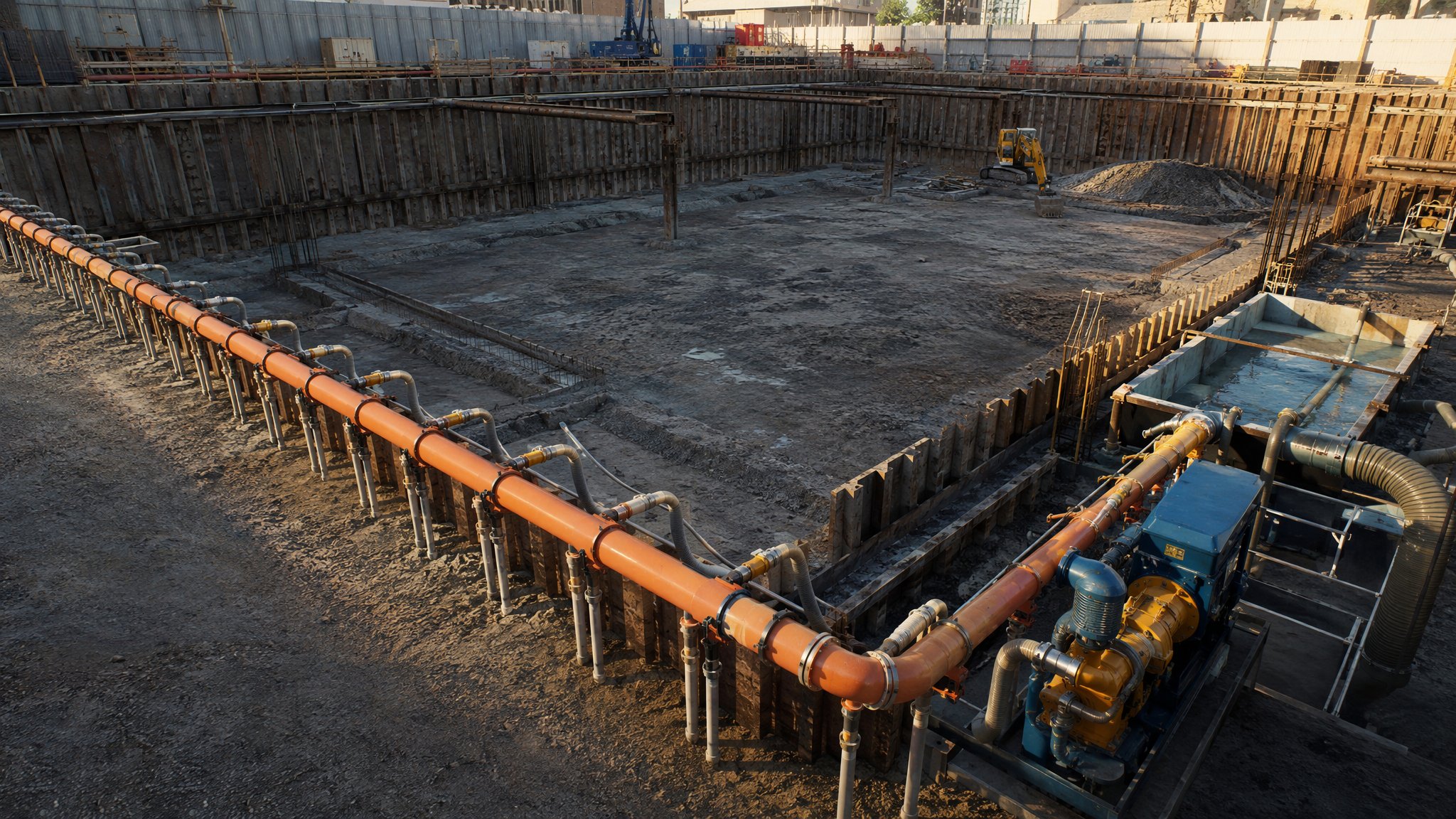
Dewatering & Groundwater Control
Keeping the dig dry - pumps, wellpoints and cut-off walls against an enemy that never sleeps.
Open processCanonical guide: Residential & Housing
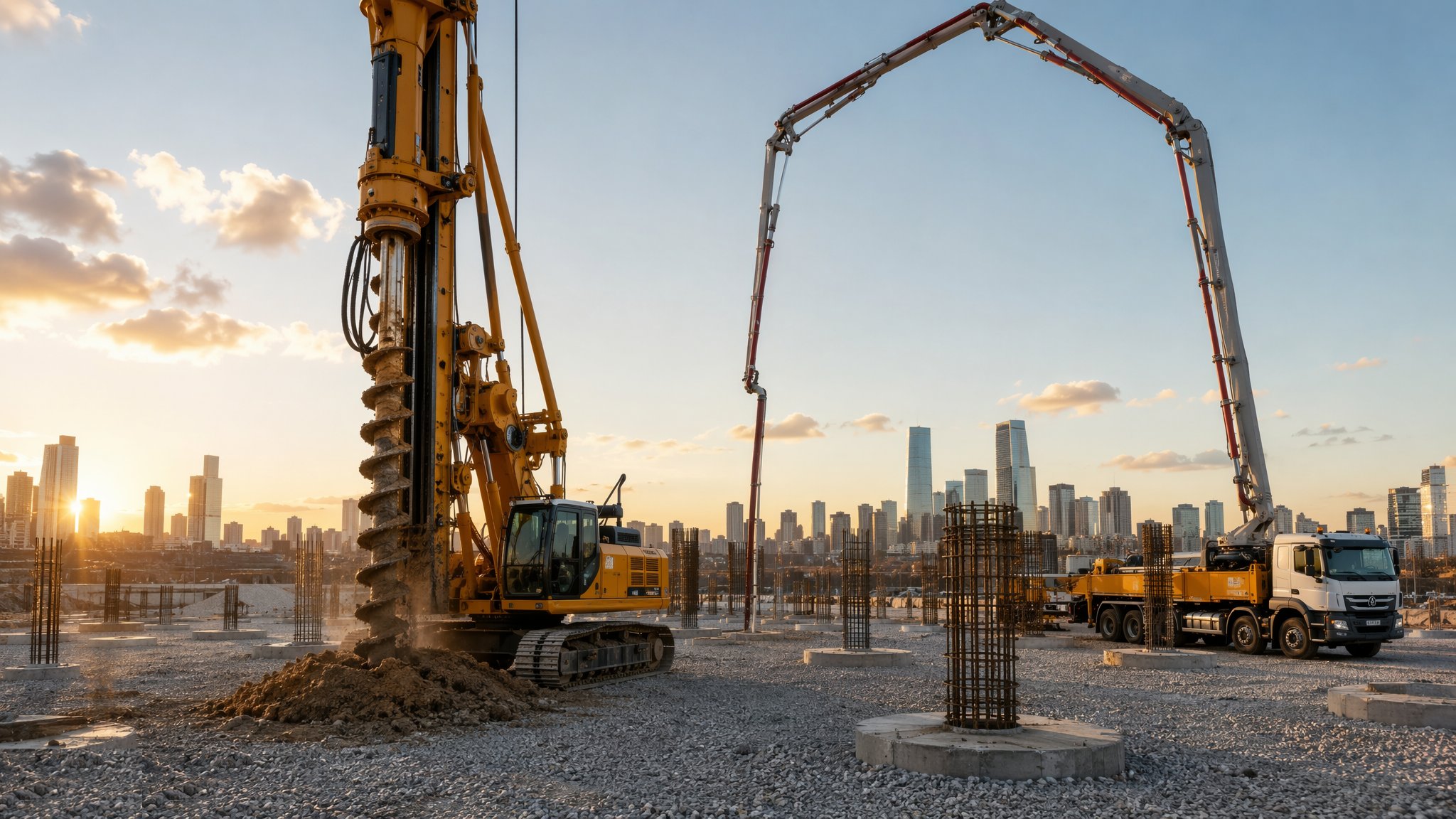
Piling & Deep Foundations
Driven, bored and CFA piles - carrying the building down to ground that can actually take it.
Open processCanonical guide: Residential & Housing
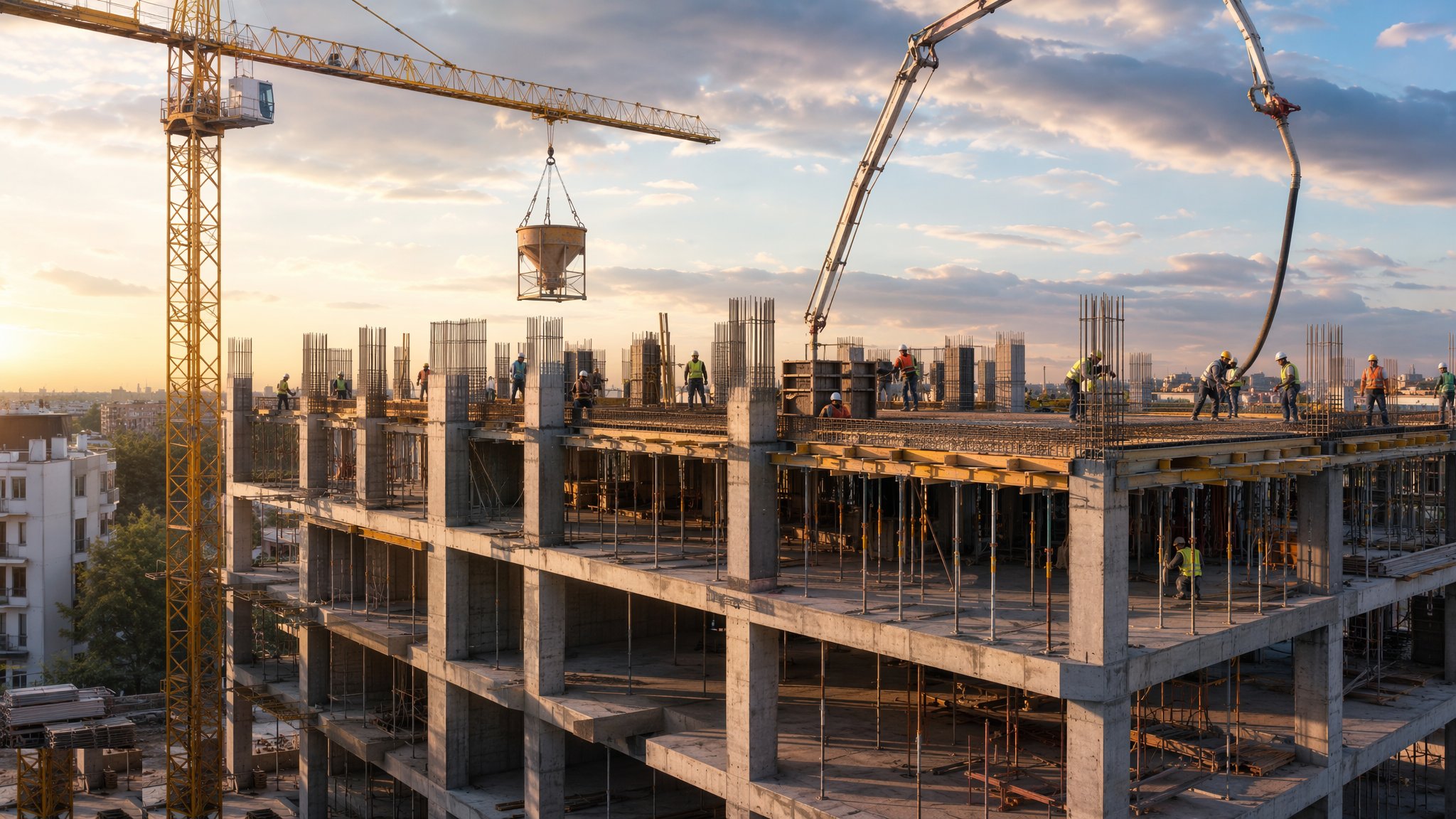
Concrete Frame Construction
Columns, walls and slabs cast in situ - the ribcage of a residential tower.
Open processCanonical guide: Residential & Housing
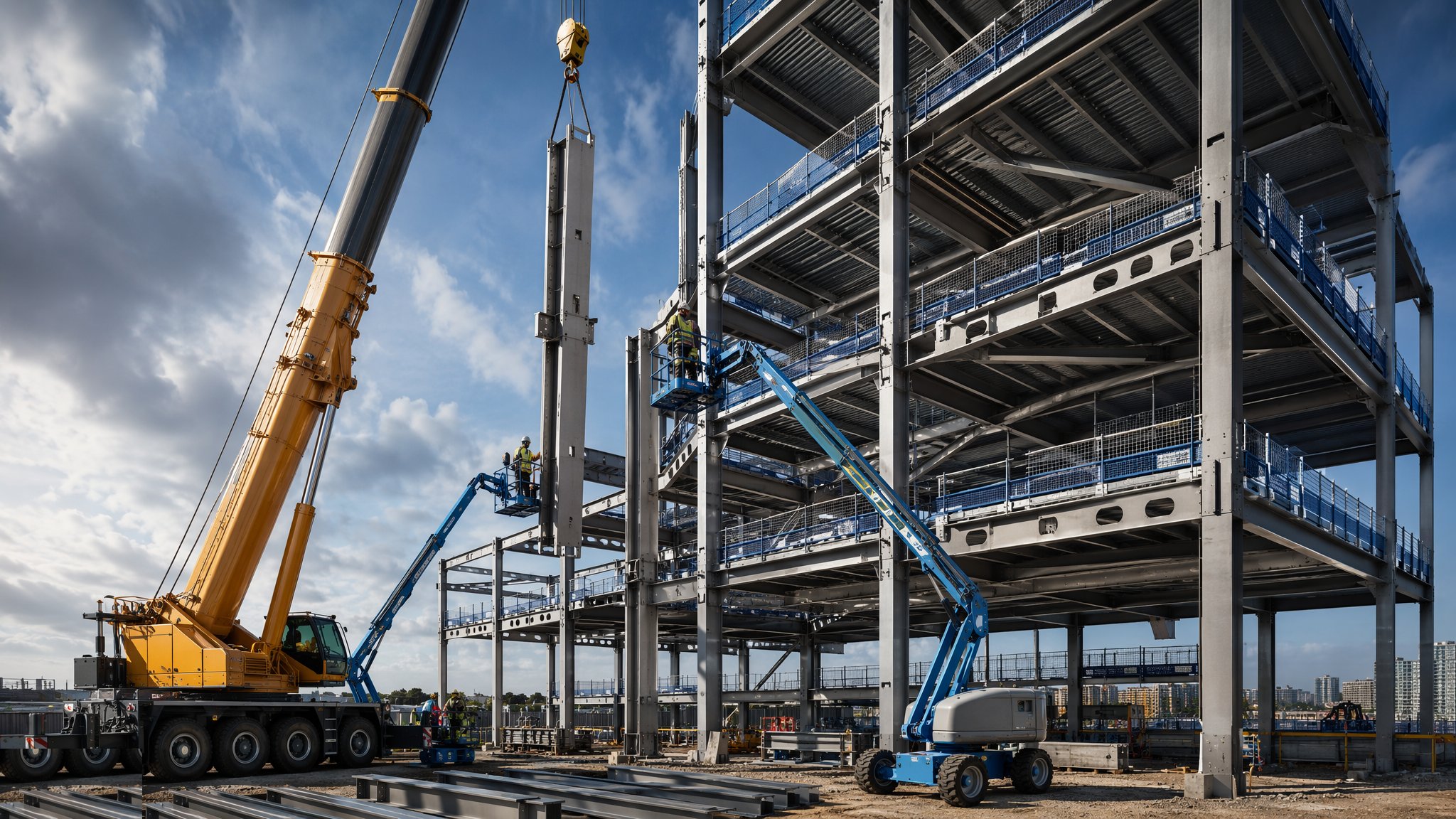
Steel Frame Construction
Fabricated off-site, erected at speed - bolted skeletons for frames that fly up.
Open processCanonical guide: Residential & Housing
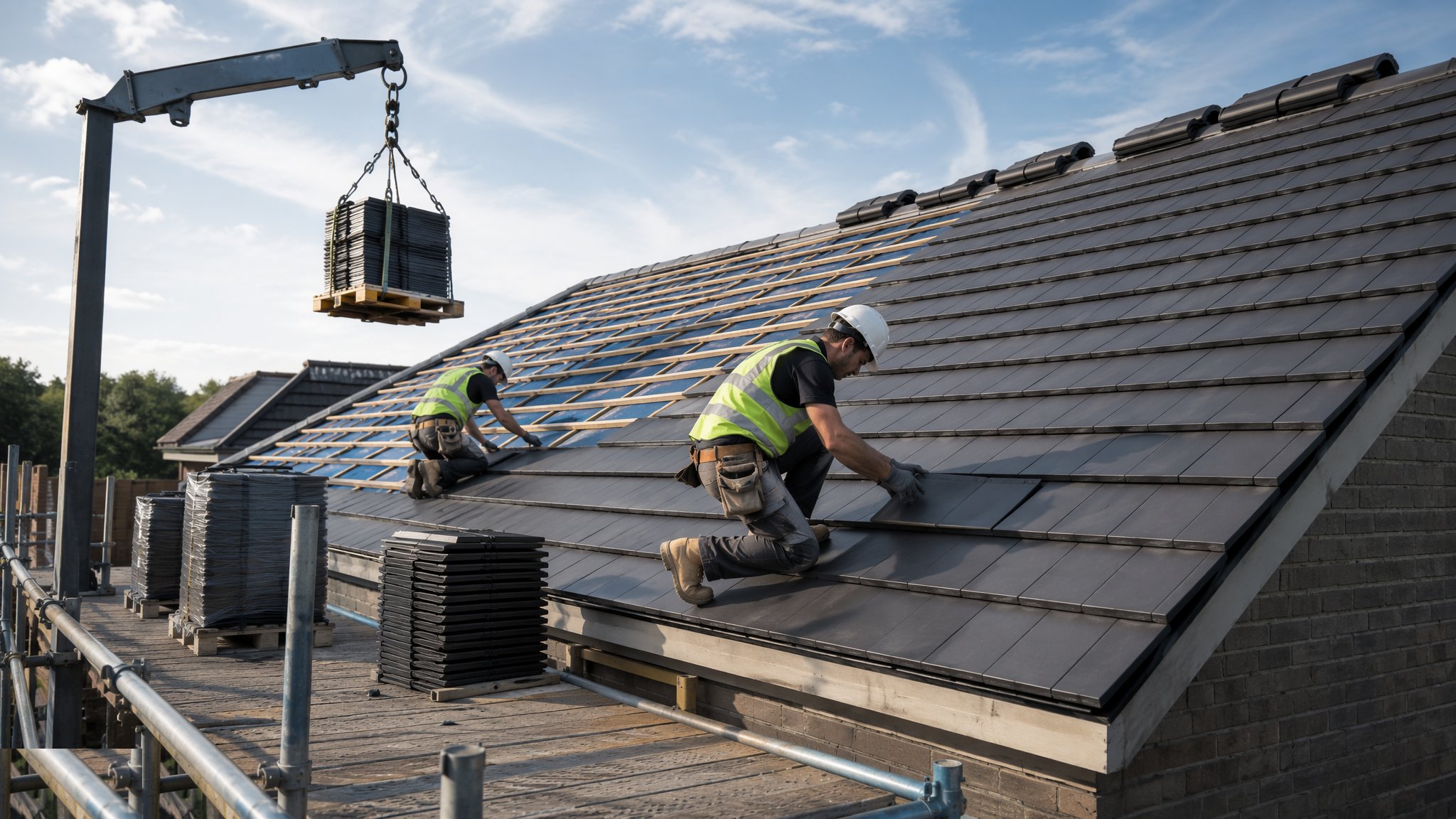
Roofing
Pitched trussed rafters and warm flat roofs - the hat that has to keep the weather out for fifty years.
Open processCanonical guide: Residential & Housing
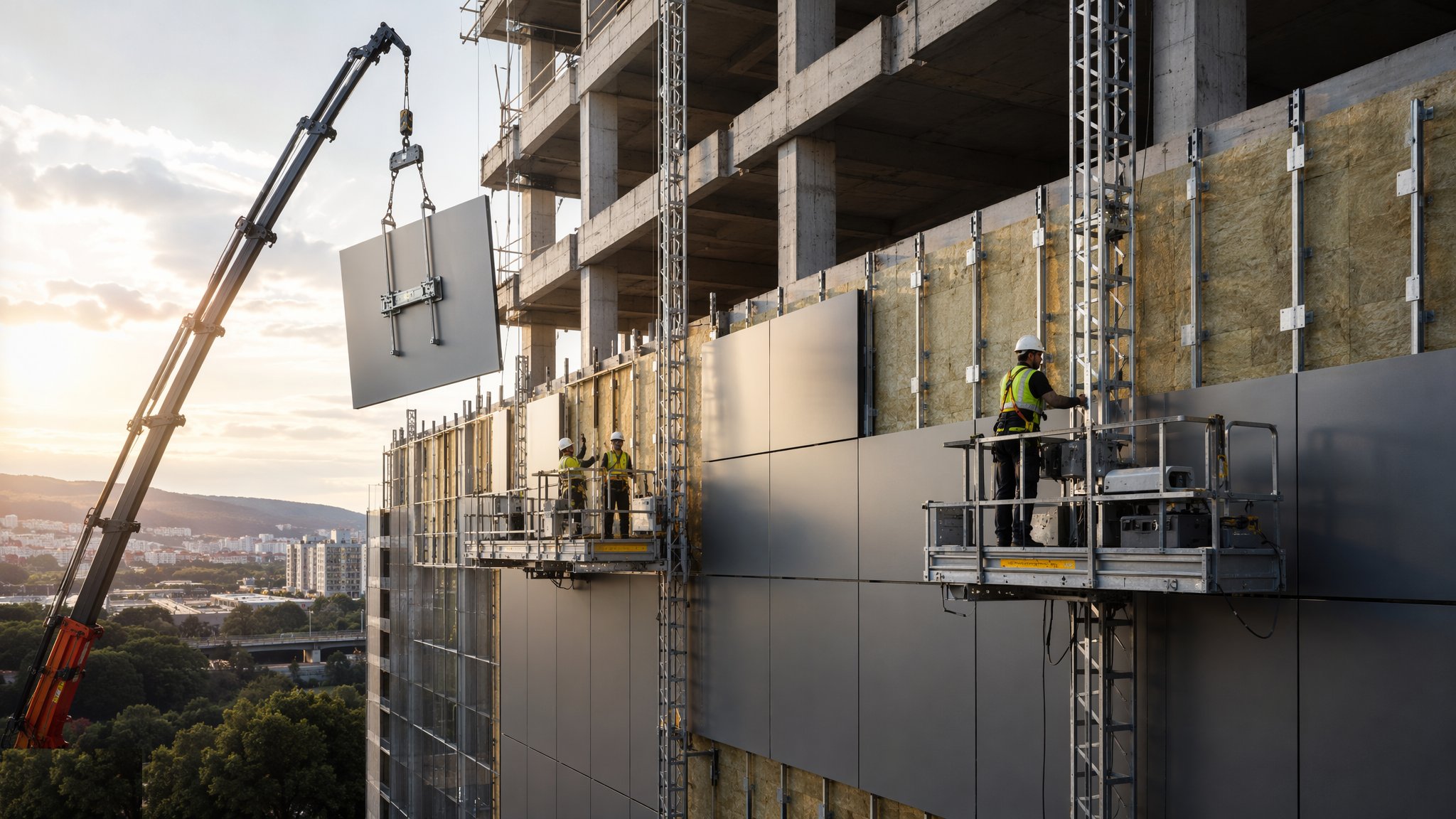
Façade & Cladding
The building's face - brick, render, rainscreen and curtain walling, and the fire details behind them.
Open processCanonical guide: Residential & Housing
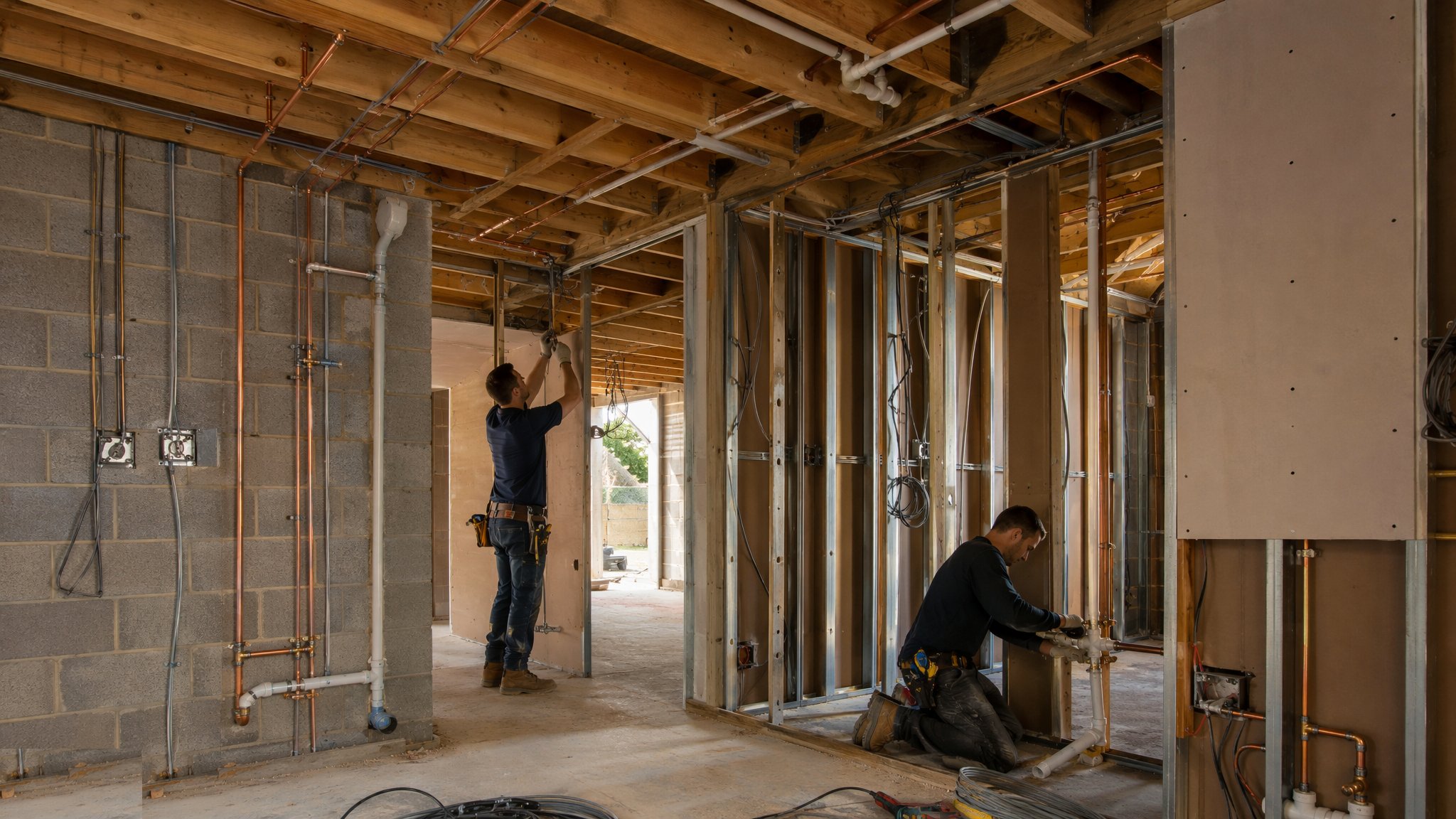
MEP First Fix
Ducts, pipes, cables and containment - the hidden nervous system, installed before the walls close.
Open processCanonical guide: Residential & Housing
Sports & Leisure in depth
About Sports & Leisure
The three guides in this sector cover stadia construction - the bowl, the roof and the terraces; sports pitches and surfaces, where the grass or track is an engineered product with drainage, heating and tolerances measured in millimetres; and leisure centres and pools, where a big tank of warm chlorinated water inside a building tests every detail of the envelope and the services.
The immovable deadline and how procurement bends to it
Sports construction is the only sector where the opening event is booked years in advance, broadcast globally, and utterly unmoveable. A stadium that is 95% complete on fixture day is a failure with a roof. So procurement is engineered backwards from the date: early contractor involvement, two-stage tendering, target-cost or pain-share contracts that align the contractor with the date rather than the argument, and a master programme that floats nothing on the critical path and says so openly.
The team has roles other sectors lack: a bowl and seating consultant, a pitch construction specialist, event overlay planners who will fit out the venue for its first tournament before the builder has fully left, and a safety certification body - in the UK the Sports Grounds Safety Authority regime, with the safety certificate as the actual completion document. The client is usually a club, a city or a tournament delivery authority, each with political exposure that makes the programme a public object.
Leisure centres and pools are the modest cousins but run the same logic at smaller scale: local authority or operator clients, a fixed opening for the community or the season, and a technical core - the pool tank and its plant - that decides the programme.
The community use case closes the loop. Most leisure assets earn their keep at 07:00 on a wet Tuesday, not at the televised final: school swimming lessons, five-a-side leagues, fitness classes in the studio under the stand. The designs that endure plan for that traffic - durable concourse finishes, changing rooms that survive daily abuse, plant sized for the everyday load rather than the exceptional crowd. The event is the deadline; the decade of Tuesday mornings is the asset. Build for both, in that order, and the venue pays its way.
Structure, bowl and roof: the programme spine
A stadium programme is three interlocking builds. The bowl: raked seating terraces in precast units placed onto raking beams or in-situ rakers, sequenced around the perimeter because the bowl is also the access. The roof: long-span steel - trusses spanning 150 to 250 metres on the big jobs - erected by strand-jacking, heavy crawler cranes or propped assembly, with the lift engineering rehearsed like a stage show because a roof truss does not forgive improvisation. And the pitch: the last thing in and the first thing judged, an engineered product of drainage, gravel and rootzone layers, undersoil heating, irrigation and grow lights, grown in over months that the programme must protect like a cure.
Where it slips is where the three meet. The roof cannot finish until the bowl gives access; the pitch cannot be laid until the roof stops dropping steel and starts keeping weather off; the fit-out under the stands - concourses, kitchens, hospitality - is a building inside a building competing for the same tower cranes. The experienced teams run the stadium as four quadrant projects with a master logistics plan, and they protect the pitch window in the programme with something approaching reverence.
Swimming pools concentrate the same risk in one detail: the tank. Cast, struck, tested - a full water test before tiling, and again after - with pipework and balance tanks cast in or sleeved, because a leak in a pool shell found after tiling is a demolition. The tank test is the milestone everything downstream hangs on, and it is failed by small things: a honeycombed kicker, a poorly formed penetration, construction joints waterbarred in theory only.
Failure modes and the bills they generate
The pool hall is a corrosion chamber. Warm, chlorinated, humid air attacks everything: roof steel without the right coating system, stainless that turns out to be the wrong grade for a chloramine atmosphere, fixings that streak the ceiling within a year. The sector's classic five-figure-a-year maintenance story is a leisure centre roof structure repainted in scaffolding over a live pool because the specification treated it like a warehouse. The fix is specification and ventilation design together - the air handling is part of the corrosion protection.
In stadia the failures are water and wear. Concourse waterproofing over occupied spaces below, vomitory and terrace drainage overwhelmed in a downpour, expansion joints between bowl and roof structure that were drawn but not built to accommodate real movement. And safety-critical details: barrier and rail loadings, terracing fixings, egress widths measured as built rather than as drawn - because the safety certificate is issued on measurement, and a fifty-millimetre shortfall on a gangway is found by the inspector's tape, not your BIM model.
Playing surfaces fail slowly and publicly: drainage silted because the outfall was an afterthought, rootzone contaminated by one bad delivery, synthetic pitches seamed badly and lifting at the lines. Each is a season of complaints and a rebuild in the close season. The defence is the same as everywhere on this site, applied harder: approved sources, witnessed testing, and a specialist who is allowed to say no.
UK versus UAE in sport
The UK builds for rain and legacy: stadia and leisure centres as community assets with fifty-year horizons, winter construction on exposed sites, natural-turf engineering as a high art, and the safety-certificate regime as the gate to opening. The UAE builds for heat and spectacle: air-conditioned arenas, shaded stadia, indoor training facilities at stadium scale, and outdoor venues designed around a usable season - with cooling loads for a full arena that rival a district and pitch systems that may be hybrid turf under retractable shade.
Climate drives the big differences. Gulf pool facilities run chillers where UK pools run boilers; outdoor pitches need irrigation volumes and turf species selection that UK groundskeepers never consider, plus grow-light and cooling strategies for grass under shade structures; and crowd comfort - concourse conditioning, misting, shaded circulation - is an engineering line item, not an amenity. The building services share of a Gulf venue's cost is strikingly higher than its UK equivalent, and the commissioning accordingly longer.
Approvals rhyme rather than match. UK: planning, Building Regs, SGSA safety certification for designated grounds, and licensing for events. UAE: DM, DDA or Trakhees approvals, DCD for fire and life safety with assembly occupancy under close review, and event-authority requirements layered on for major tournaments. Both end the same way: an inspector with a checklist stands between the venue and its first crowd, and the only way through is to have built what was measured.
The sector's other transferable lesson is deadline honesty. Because the fixture list cannot move, sports projects learn to say uncomfortable things early: the float is gone, the roof decision must be made this month, the pitch window is now at risk. Every other sector has the same moments and usually defers them, which is how ordinary buildings finish a year late without anyone ever having been wrong. Build a stadium and you learn that a programme is a promise with arithmetic attached - a lesson worth the sector's considerable stress.
For those choosing a corner of the industry, sports work offers the clearest feedback loop in construction: the building performs in public, in front of thousands, on a date known years ahead, and the result is visible to everyone including the people who built it. A stand that rocks with a crowd, a pitch that drains in a downpour, a pool that runs warm and clear every morning - these are engineering outcomes the whole city can see. The stress is real and so is the pride. Few sectors let you point at the result on television and say, truthfully: that was us.