Prisons and detention centres - security built into every detail of the fabric.
Correctional work is residential construction with the risks inverted: the fabric itself is the security system. The frame, envelope and services are the familiar shared methods, linked below - but every cell door, every grille, every anti-ligature detail and every metre of the perimeter is a security component with its own specification, its own testing and its own witness points.
The process map - 3 guides
Each one is a full guide: overview, variants, numbered steps, plant, testing, safety and defects.
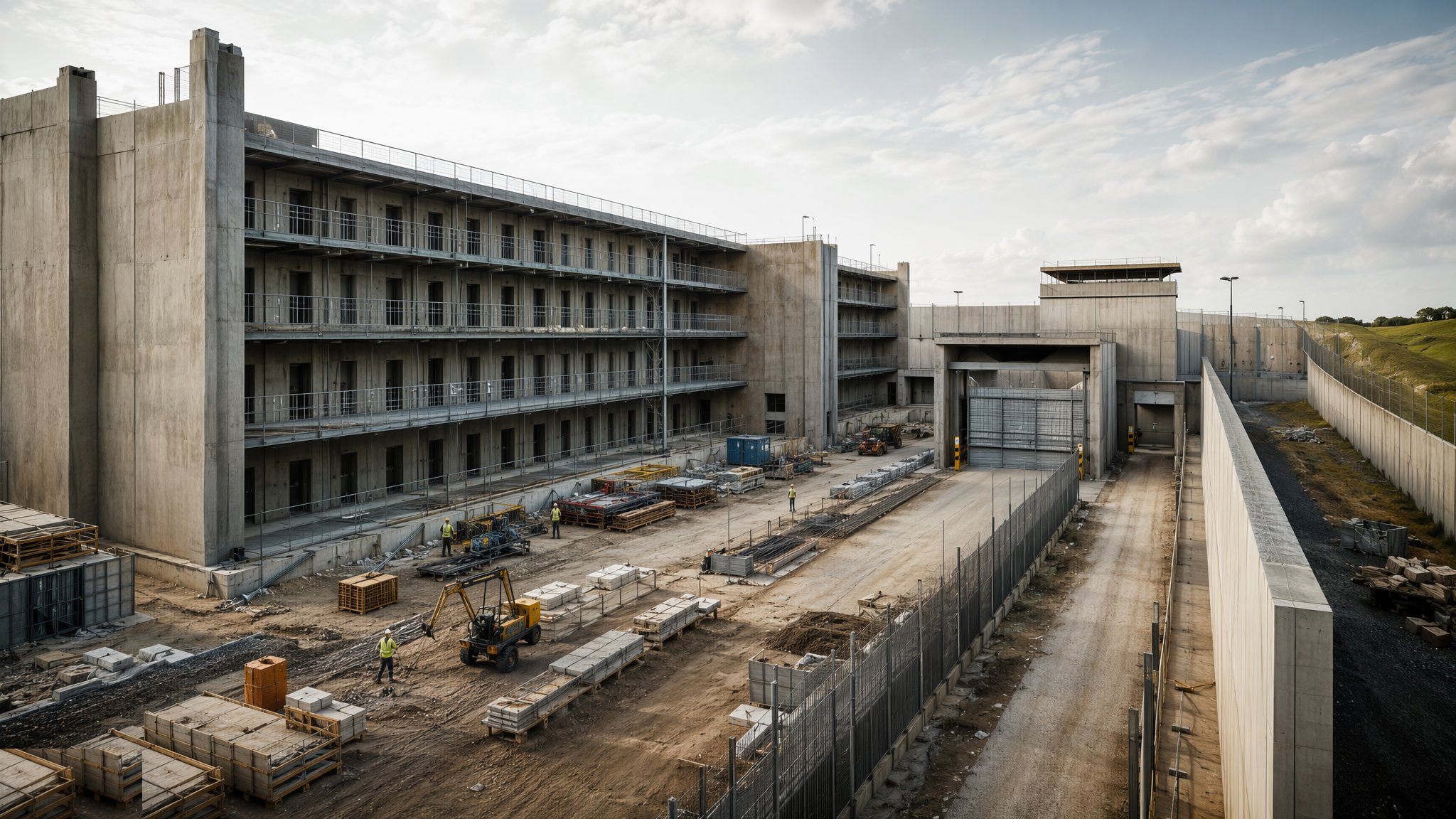
Prison Construction
The custodial estate from the ground up - galleried houseblocks of repetitive cell floors, precast cell options, a perimeter that is the first and last line of security, gatehouses, vehicle locks and exercise yards, all to Ministry of Justice specifications.
Open process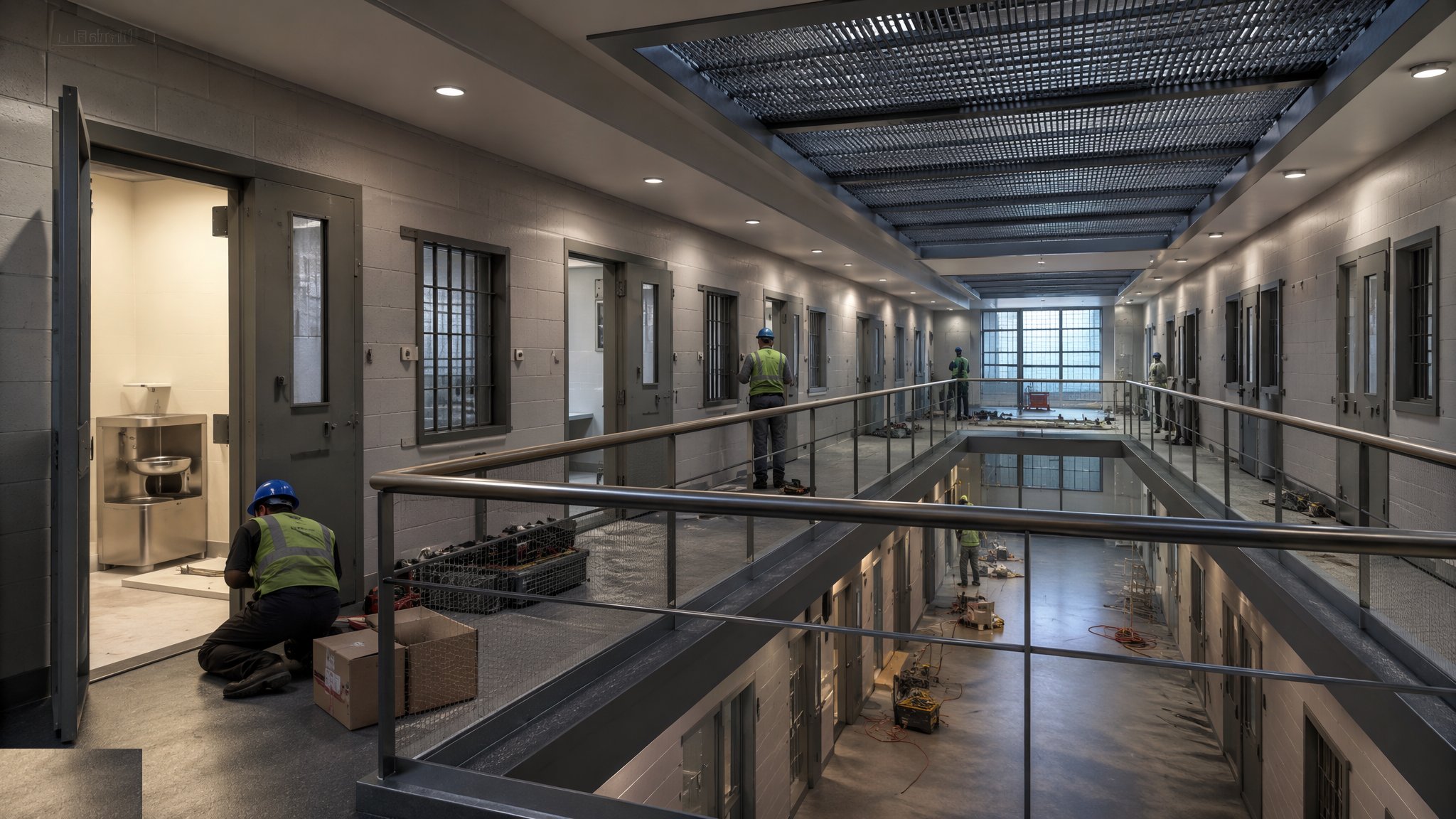
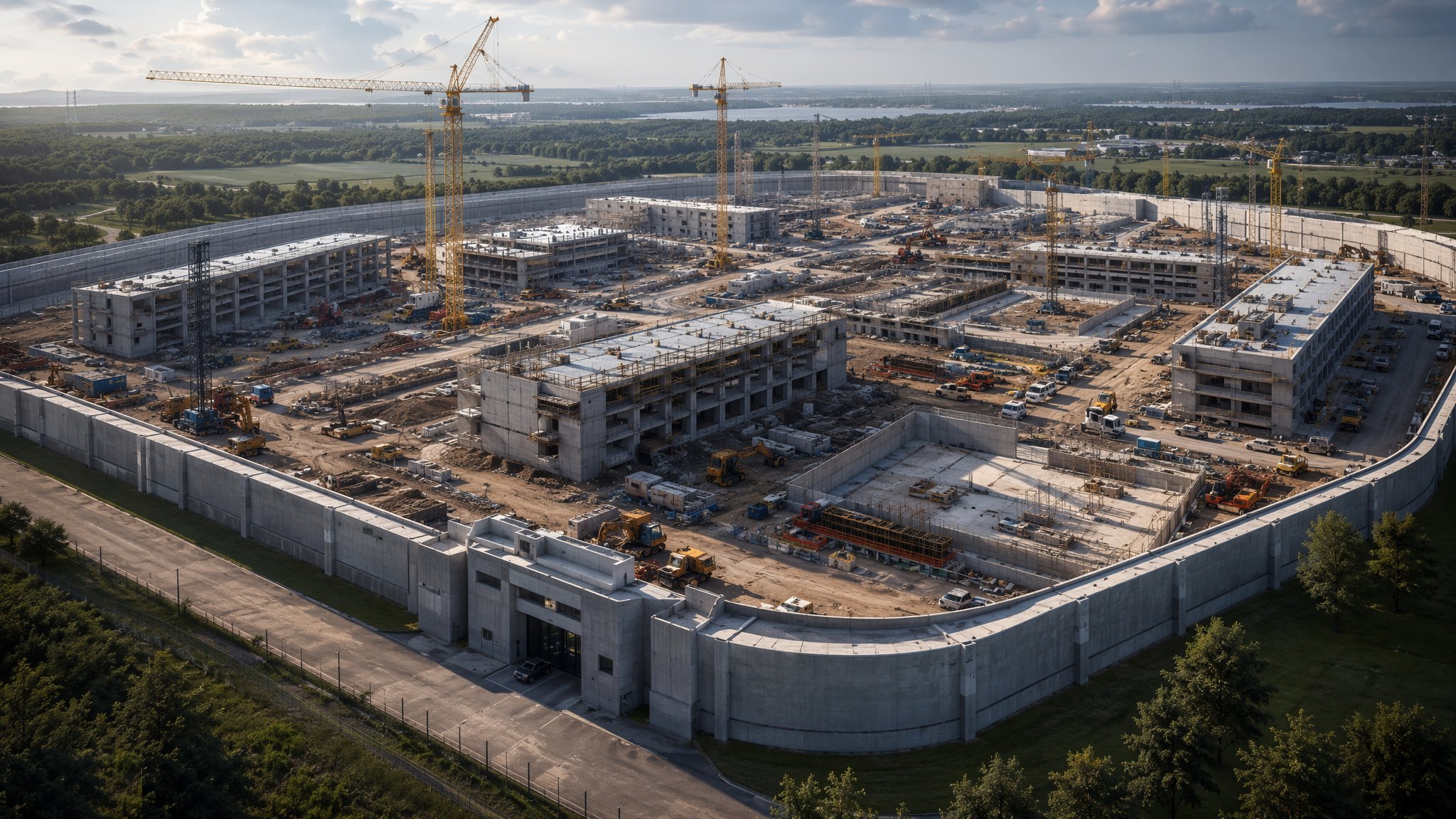
Custodial Fit-Out & Security Systems
Fitting out the inside of a secure establishment - detention-grade cell furniture and sanitaryware, doors and locks that are security equipment first and joinery second, grilles, CCTV and the control rooms that watch it all.
Open process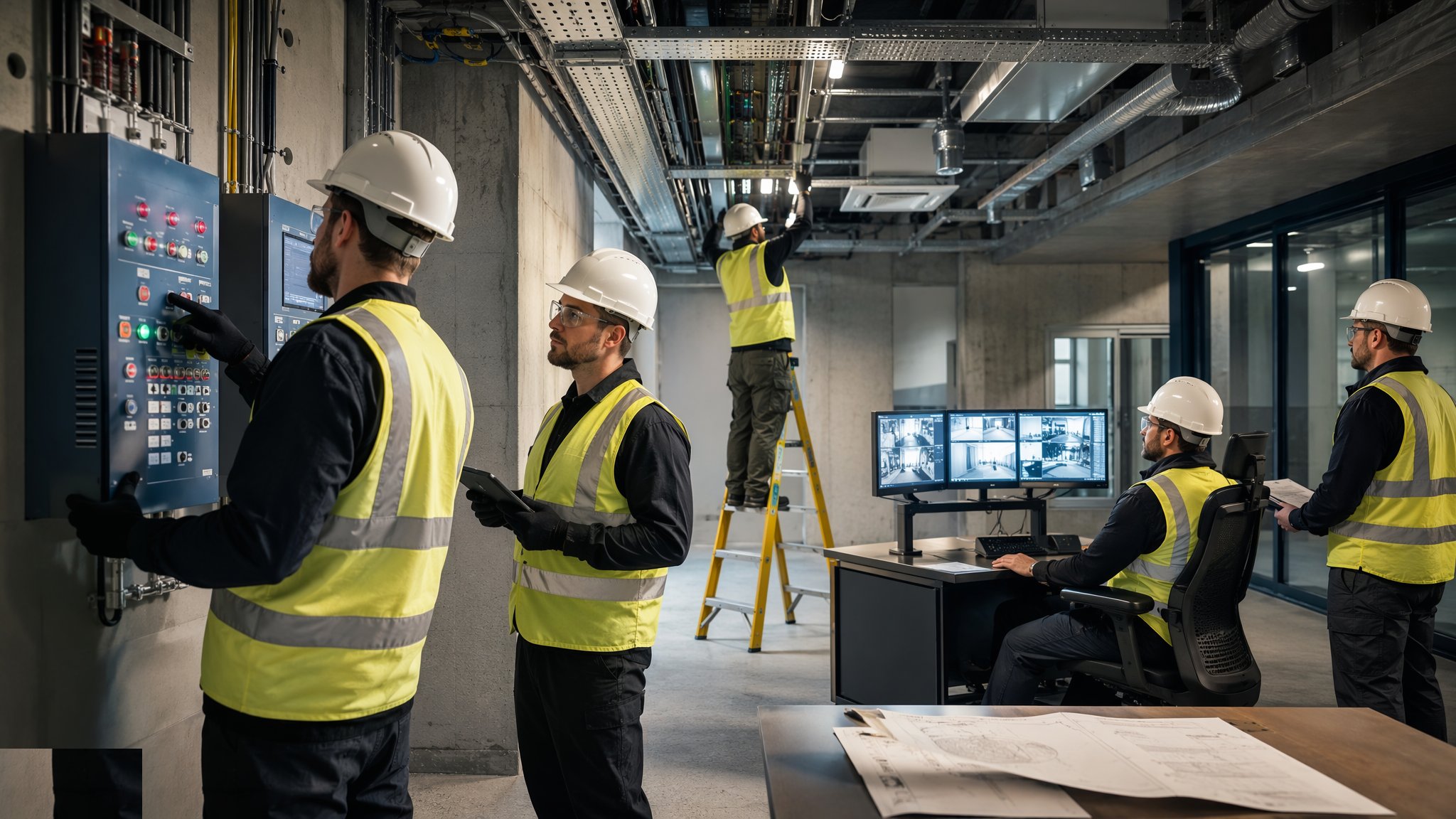
Custodial Services & Secure Commissioning
Making the engineering of a prison provable - tamper-proof MEP inside the secure envelope, water and power an operator can control, interlocked doors and integrated controls, and the witnessed testing and decant that turn a building site into an operating prison.
Open processShared methods used in this sector
These guides are owned by other sectors - the canonical page lives there - but the method is the same here. Cards open the guide at its home sector.
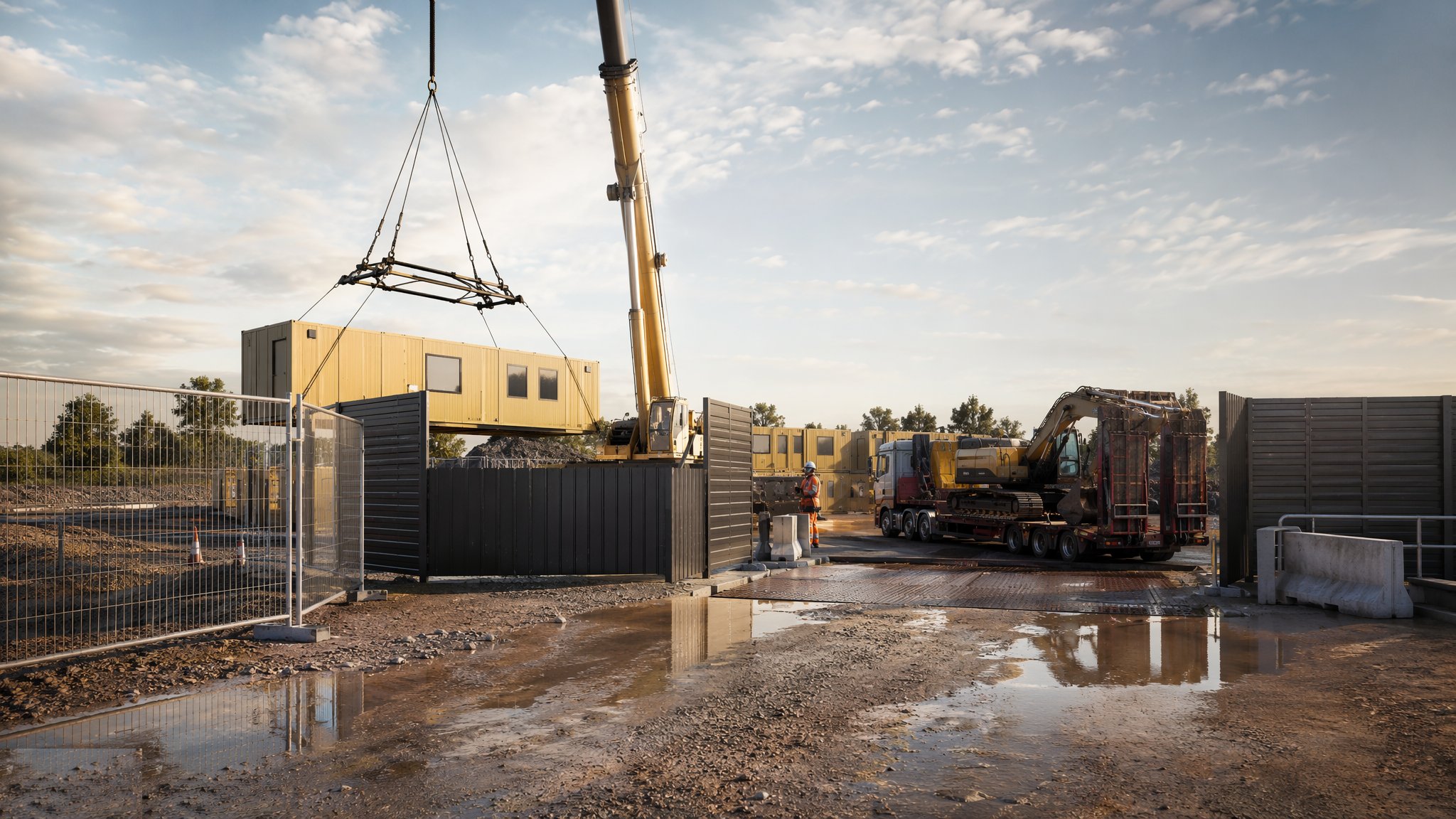
Site Access & Enabling Works
Turning a piece of land into a controlled, serviced, legal construction site.
Open processCanonical guide: Residential & Housing
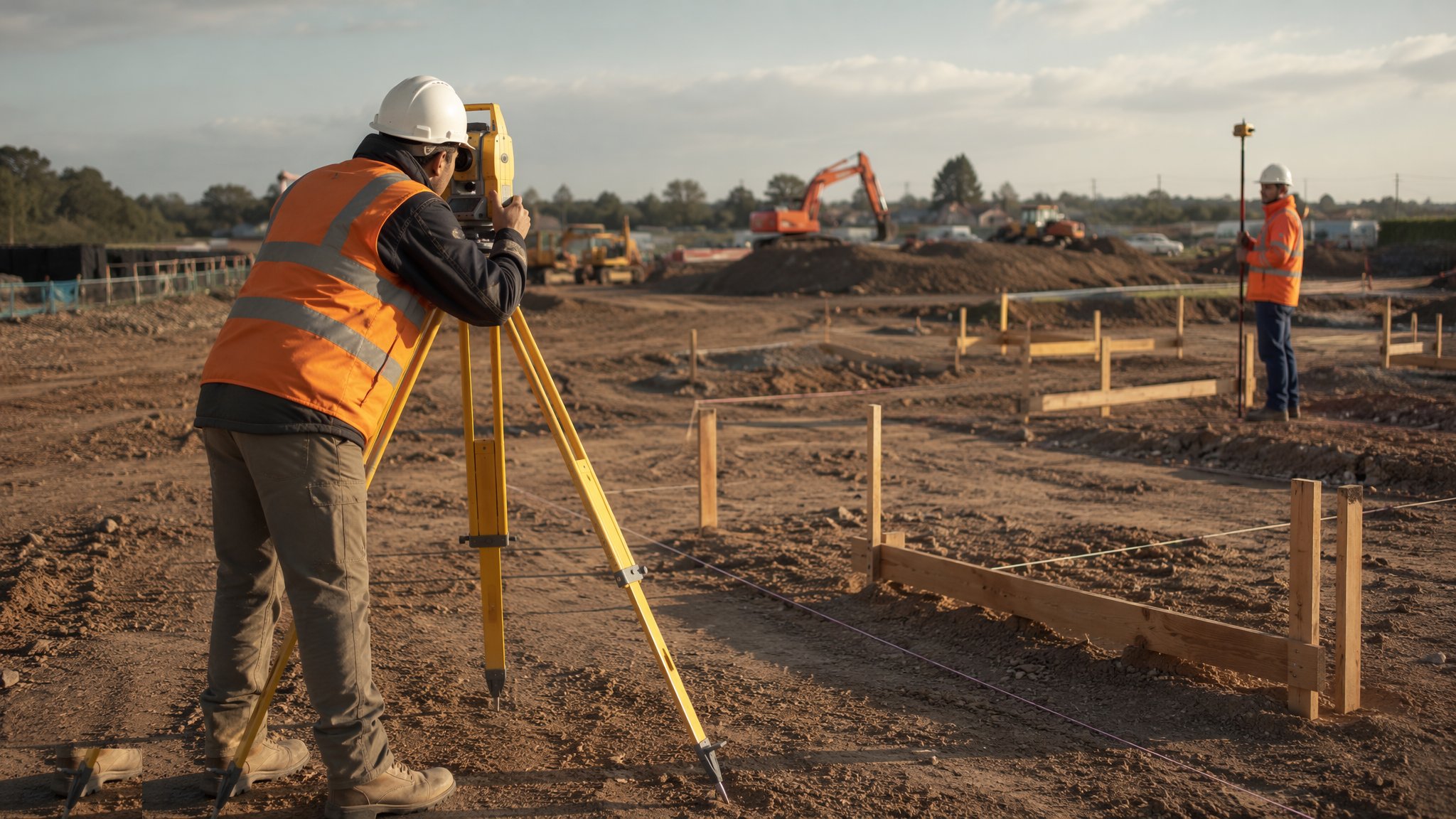
Setting Out & Survey Control
Benchmarks, grids and datums - the invisible framework every trade builds to.
Open processCanonical guide: Residential & Housing

Earthworks & Excavation
Cut and fill, trenching and compaction - reshaping the ground to take the building.
Open processCanonical guide: Residential & Housing
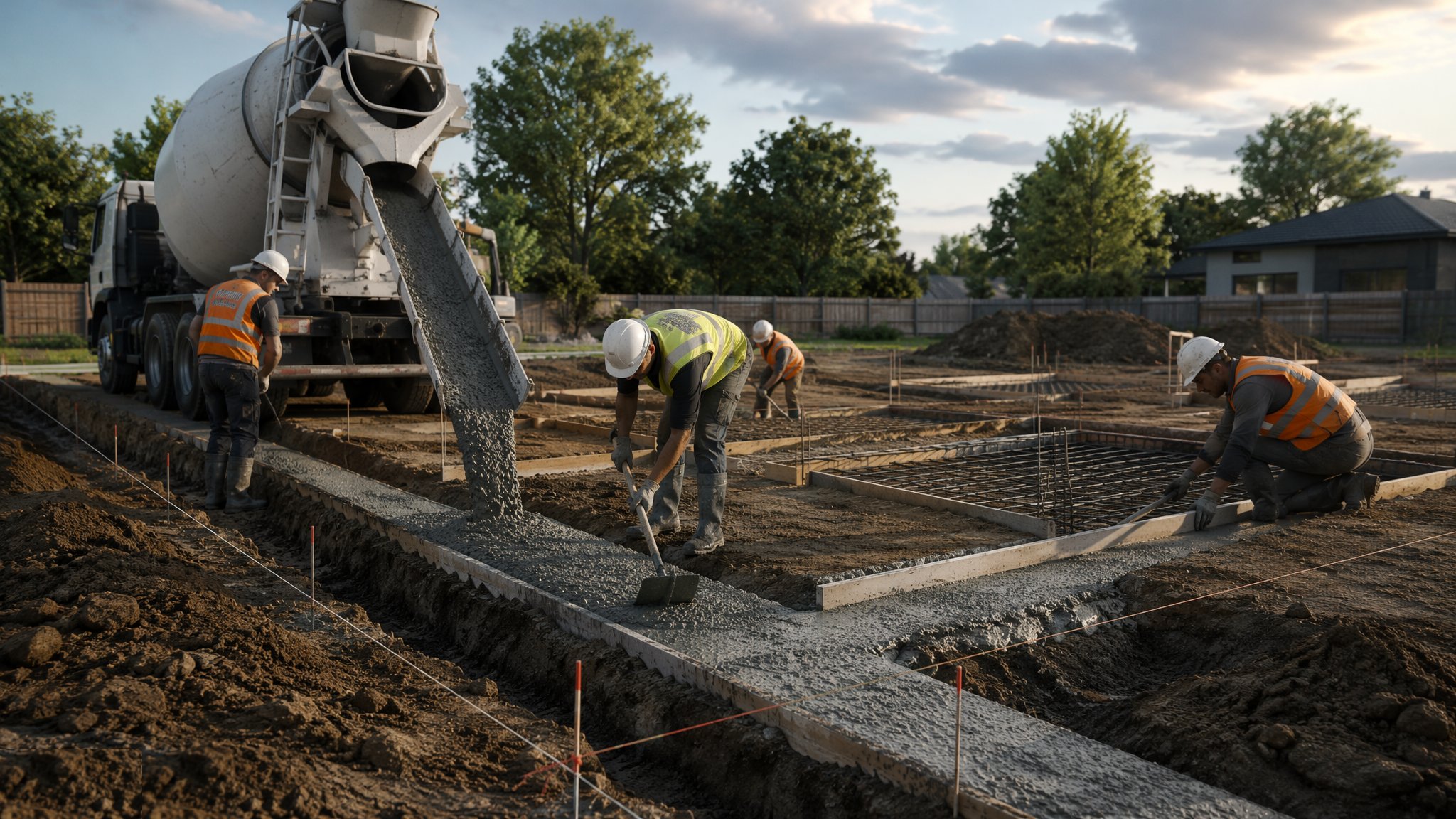
Shallow Foundations
Strips, pads and rafts - spreading the building's weight onto good ground near the surface.
Open processCanonical guide: Residential & Housing

Concrete Frame Construction
Columns, walls and slabs cast in situ - the ribcage of a residential tower.
Open processCanonical guide: Residential & Housing
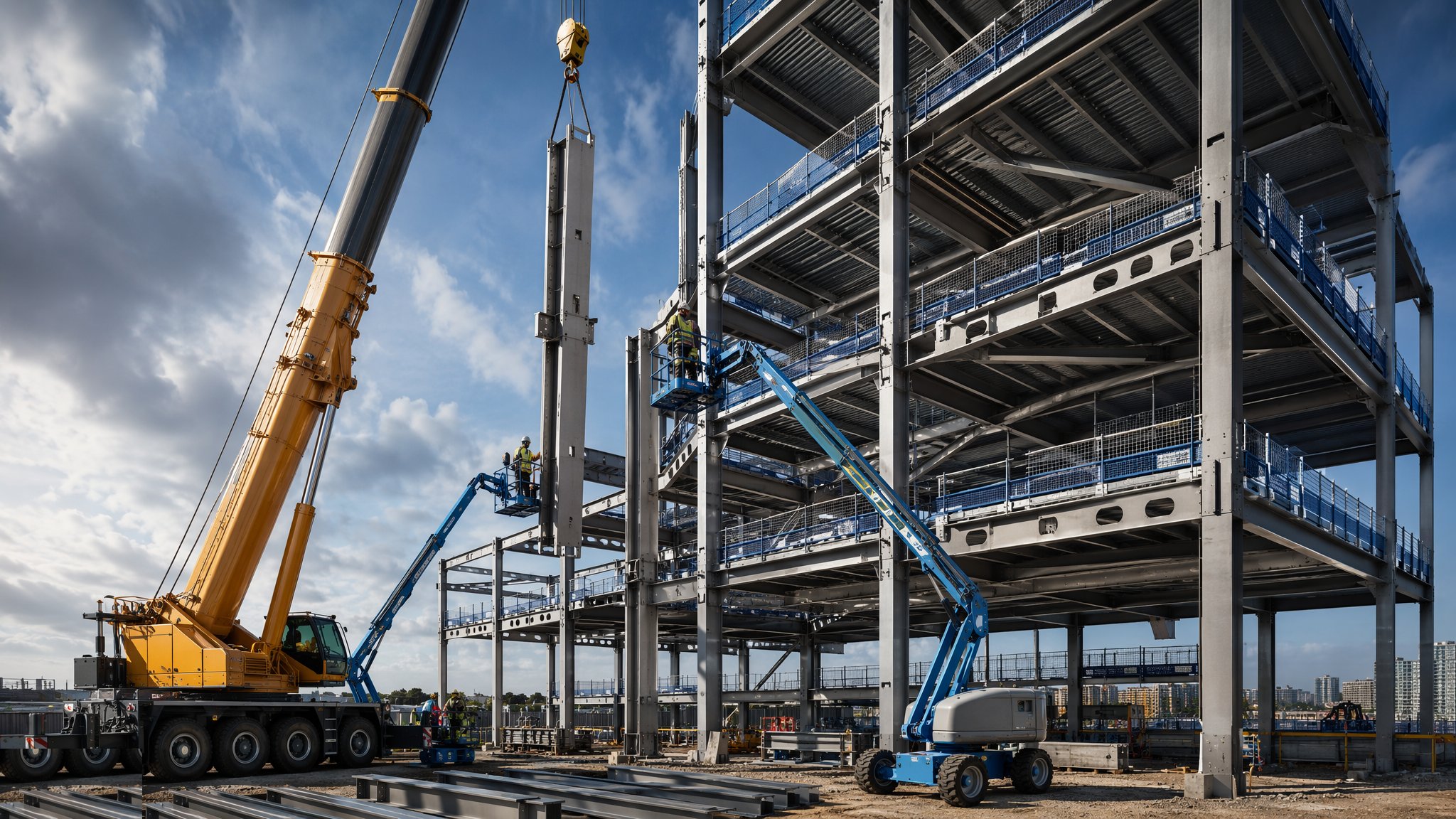
Steel Frame Construction
Fabricated off-site, erected at speed - bolted skeletons for frames that fly up.
Open processCanonical guide: Residential & Housing
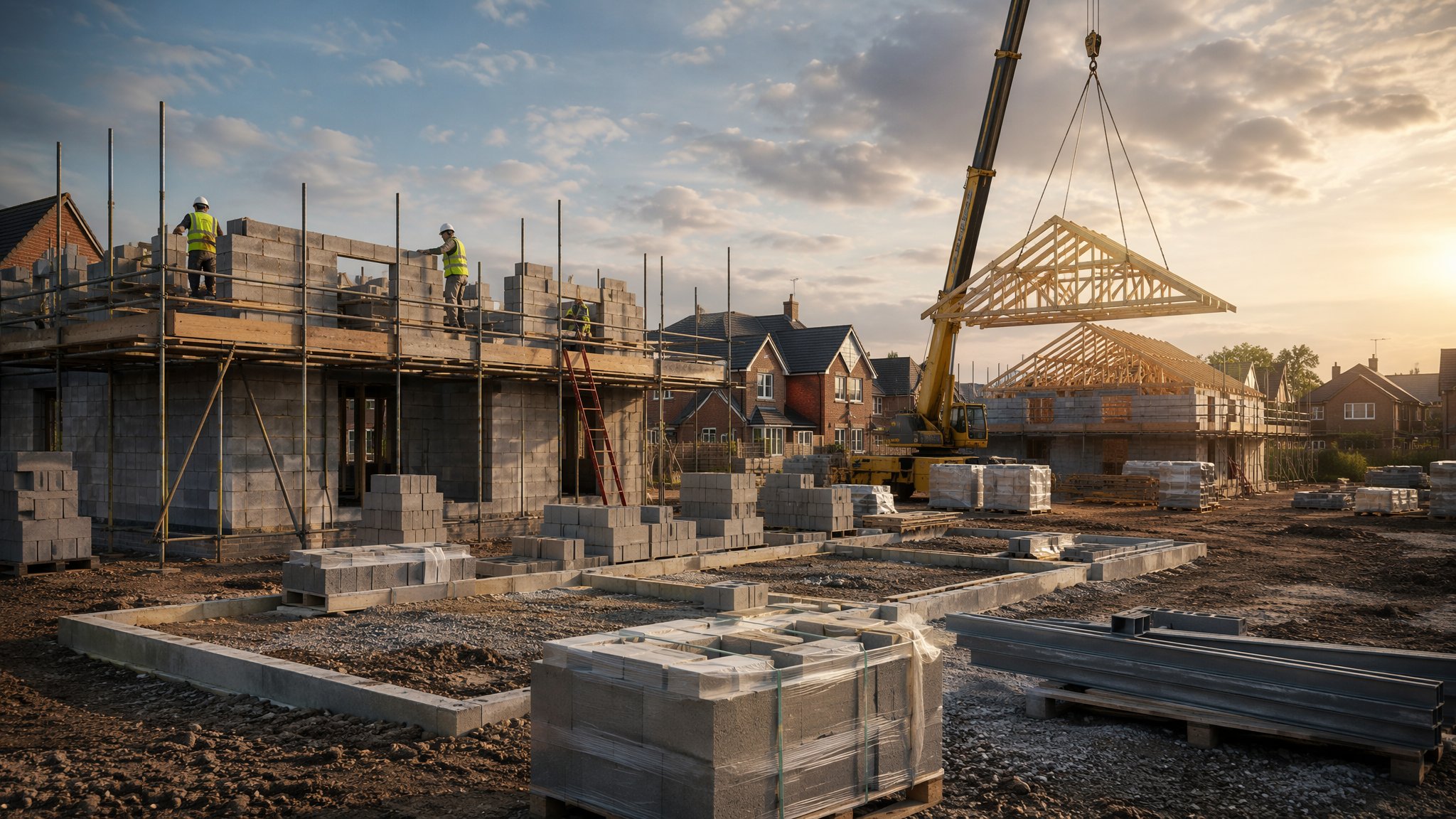
Masonry & Timber Frame
Cavity walls and factory-made timber panels - how homes and villas actually get built.
Open processCanonical guide: Residential & Housing
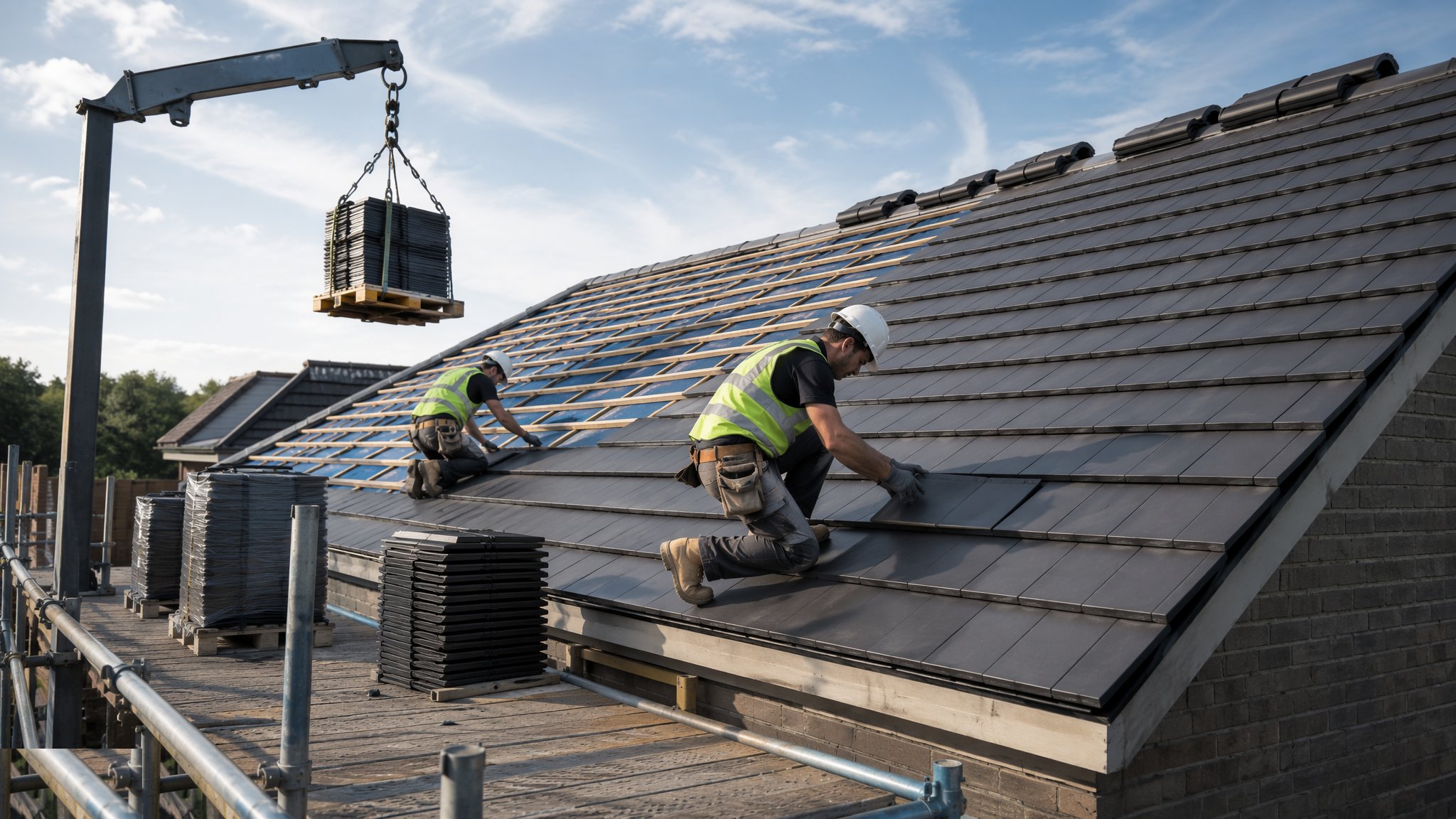
Roofing
Pitched trussed rafters and warm flat roofs - the hat that has to keep the weather out for fifty years.
Open processCanonical guide: Residential & Housing
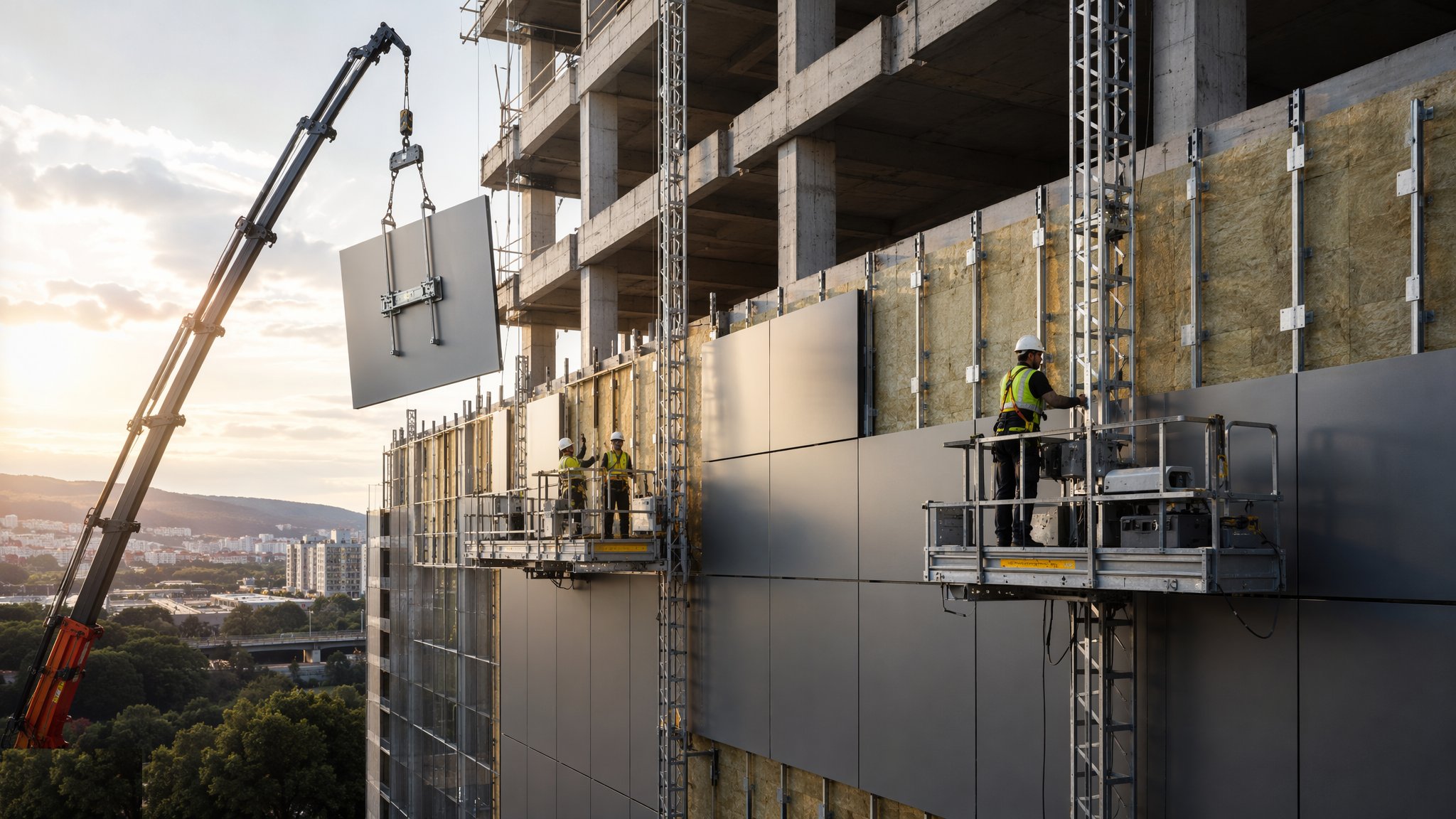
Façade & Cladding
The building's face - brick, render, rainscreen and curtain walling, and the fire details behind them.
Open processCanonical guide: Residential & Housing
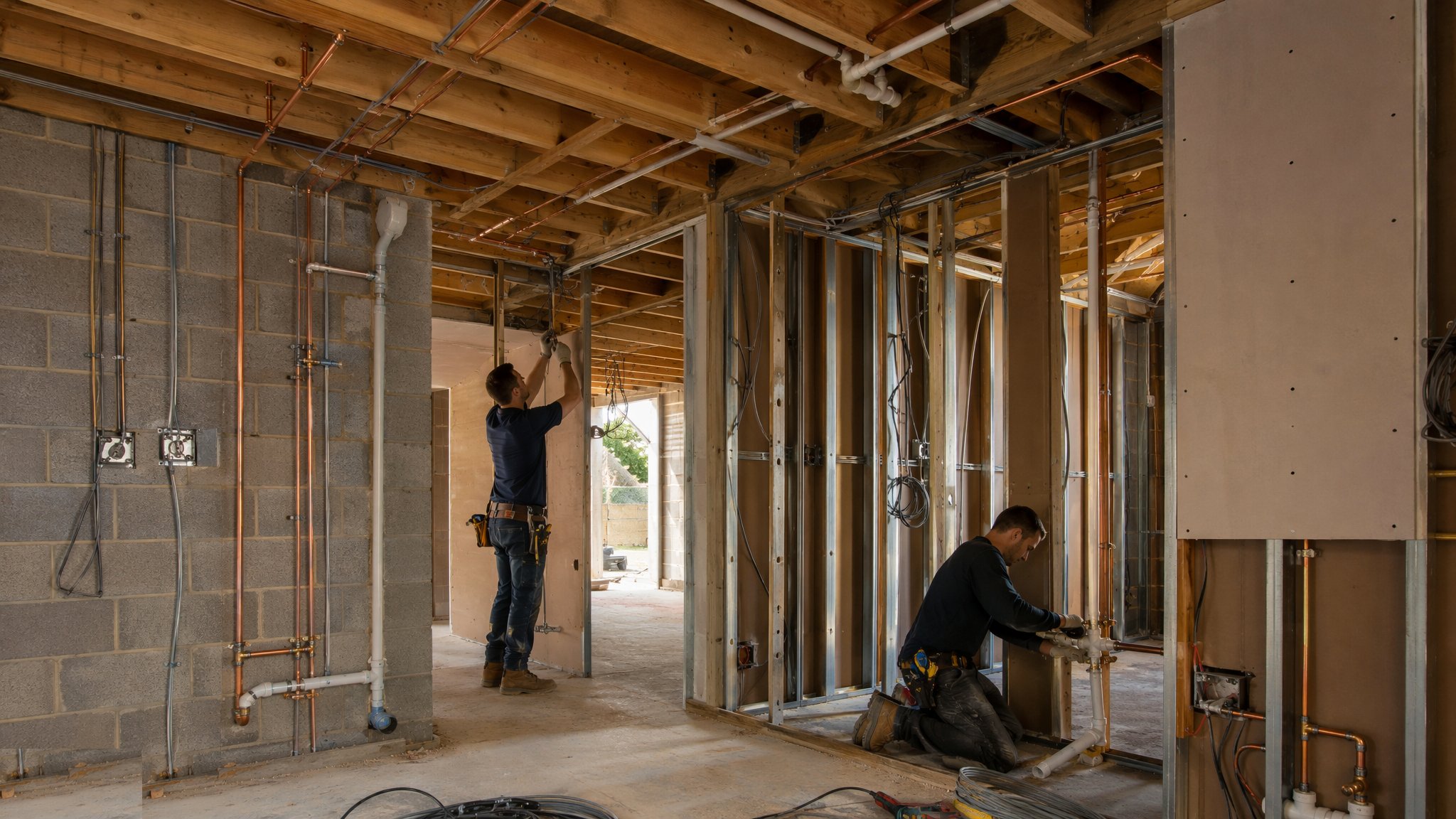
MEP First Fix
Ducts, pipes, cables and containment - the hidden nervous system, installed before the walls close.
Open processCanonical guide: Residential & Housing
Correctional Facilities in depth
About Correctional Facilities
The three guides in this sector cover prison construction - houseblocks built to hold, not just to house; custodial fit-out and security systems, where locks, doors and detection are commissioned like process plant; and services commissioning in an estate where a failure is a security incident, not a maintenance ticket. Quality control is witness-heavy throughout, and handover tests the locks before it tests the lights.
A sector where the fabric is the system
Prison procurement is public, formal and standards-bound. In the UK the Ministry of Justice buys through frameworks with published specifications - cell modules, door and lock schedules, glazing and grille standards - tested at approved facilities before they are allowed on site; the contractor's design freedom is narrow and intentionally so. In the UAE the equivalent facilities answer to the interior ministries and police authorities, with standards set by the operating authority and inspection to match. Either way, the client is buying a certified product, and the site team's job is proving, component by component, that what was installed is what was tested.
The team includes roles most sectors never meet: a security design authority whose approval gates the cell door, the grille, the glazing and every perimeter detail; locking and detention-equipment specialists who are manufacturers first and subcontractors second; and an operator acceptance team - prison officers, not engineers - who test the building the way it will be used, including trying to defeat it.
The labour regime reflects the future occupation. Tool accountability is absolute - every bit, blade and battery counted in and out, because a lost tool is a security incident. Materials with dual use as weapons or contraband are controlled. Workforce briefings cover conduct, contraband and the hard rule that nothing is ever carried in or out for anyone. This is not theatre; it is the industry's proper rehearsal for the building's purpose.
There is also a lesson in the sector's approach to furniture and finishes: everything is specified against deliberate abuse, tested for it, and fixed accordingly. Ligature-resistant, tamper-proof, impact-rated - the vocabulary is custodial but the thinking generalises to schools, hospitals and public buildings anywhere. The principle is honest: assume the building will be used hard, sometimes hostilely, and detail it so that hard use is maintenance rather than damage. The custodial estate simply refuses to pretend otherwise, and its defect rates for fixings and furniture are the better for it.
Programme and the witness-heavy build
A houseblock programme looks like residential construction with the inspection density of a nuclear job. The frame and envelope are conventional and fast; the cell fit-out is the long pole, because every cell is a small certified assembly - door, lock, grille, sanitaryware, anti-ligature fittings, furniture fixed against removal - each item with its own inspection and test record. Multiply by five hundred cells and the quality file is a deliverable measured in shelf-metres.
Hold points structure everything. Cell door sets are tested for operation and attack resistance before installation and again after; locking systems are commissioned cell by cell with key schedules witnessed; the perimeter - fence, wall, detection, lighting - is a package tested as a system with the operator observing. Services penetrations through secure boundaries are minimised, grouped and sealed to tested details, and each one is a witness point. The programme that books these inspections as activities finishes; the one that treats them as paperwork discovers otherwise at the end, at scale.
Phasing on a live establishment adds the final constraint: work beside occupied cells means movement windows agreed with the governor, tool convoys, lockdowns that stop the site without notice, and a decant sequence - moving prisoners block to block - that is the client's operation and the contractor's programme combined. The two plans are one document or the job does not run.
Failure modes: what costs money here
The defect that defines the sector is the failed security component discovered after handover: a grille fixed with the wrong anchors, a door closer defeated by a wedged object, a sealant joint that yields a hiding place, an anti-ligature fitting that ligatures. Each is found by people whose job is finding them, and each triggers a review of every similar component in the building - the remediation multiplier that makes a fifty-pound fixing into a six-figure re-inspection programme. The defence is the witness regime done honestly: every component installed as tested, every deviation recorded and re-approved.
Services failures are security events. A blocked sanitary system in a cell block, a heating failure in winter, a CCTV blind spot, a door-control panel that loses a zone - none of these is a maintenance ticket; each degrades the establishment's ability to operate safely, and the response times in the maintenance contract reflect that. Designing for maintainability without access into secure spaces - plant outside the perimeter, valves in service galleries, nothing maintainable only from inside a cell - is the sector's defining MEP discipline.
The conventional defects still apply but cost more to fix: waterproofing failures over occupied cells, cladding defects, floor finishes delaminating under trolleys and boots. Access for remediation runs the full security regime, so the price of a return visit is several times the open-market rate - another way of saying that in this sector, first-time-right is not a slogan but a cost model.
UK versus UAE in custodial construction
The UK estate is being renewed at scale: ageing Victorian local prisons alongside new-build houseblocks and megaprisons, with MoJ specifications driving standardised cell modules and a certification trail that would satisfy a pharmaceutical plant. Conservation matters too - some working prisons are listed buildings where the security upgrade must thread through protected fabric. The UAE builds new and to international standards: police headquarters with custody suites, detention and correctional facilities on single sites, with the operating authority's standards and inspection regime doing the work the MoJ specifications do in the UK.
Climate and services follow the Gulf pattern with custodial emphasis: cooling is a safety system, not a comfort one, so redundancy and maintainability are specified accordingly; water systems are designed against tampering and self-harm as well as legionella; and external envelopes handle heat, dust and - at coastal sites - aggressive corrosion, all under the constraint that nothing on the façade is climbable, removable or throwable.
The approval gates rhyme: UK handover runs through MoJ acceptance, fire strategy sign-off and operational commissioning with the prison service; UAE through the authority's engineering inspection, Civil Defence for fire and life safety, and the operating force's acceptance. In both, the last word belongs to the people who will run the building at 03:00 on a bad night. Build for their checklist and the certificates follow.
The sector also demonstrates, more clearly than any other, that construction quality is a moral act with a paper trail. Behind every witnessed test and certified component is a simple premise: the building will hold people who do not wish to be held, staffed by people entitled to go home safe, and the fabric is the guarantee for both. When the lock test passes and the officer signs, that is not bureaucracy completing itself - it is the building keeping its first promise. Few sectors let you see the point of the paperwork so directly.
For the practitioner considering the sector, expect a smaller supply chain, longer lead times on certified components, and a client relationship that continues long after handover - the maintenance contract and the operator's inspection regime mean you never quite leave. In return, the work is stable, the standards are clear, and the purpose is legible: a well-built custodial facility is safer for everyone inside it, staff and prisoners alike, and that is a measurable outcome rather than a slogan. The industry needs people who take that seriously, and it remembers the ones who do.