Schools, colleges and universities - repeatable classrooms, immovable term dates.
Education work rewards repetition: a standard classroom grid, standard details, and a frame and envelope you have seen a hundred times - the shared building methods linked below. What is not standard is the client's calendar. The programme answers to term dates whether you like it or not, which is why modular and off-site construction has made itself at home in this sector, and why a year of work is so often squeezed into a summer holiday.
The process map - 3 guides
Each one is a full guide: overview, variants, numbered steps, plant, testing, safety and defects.
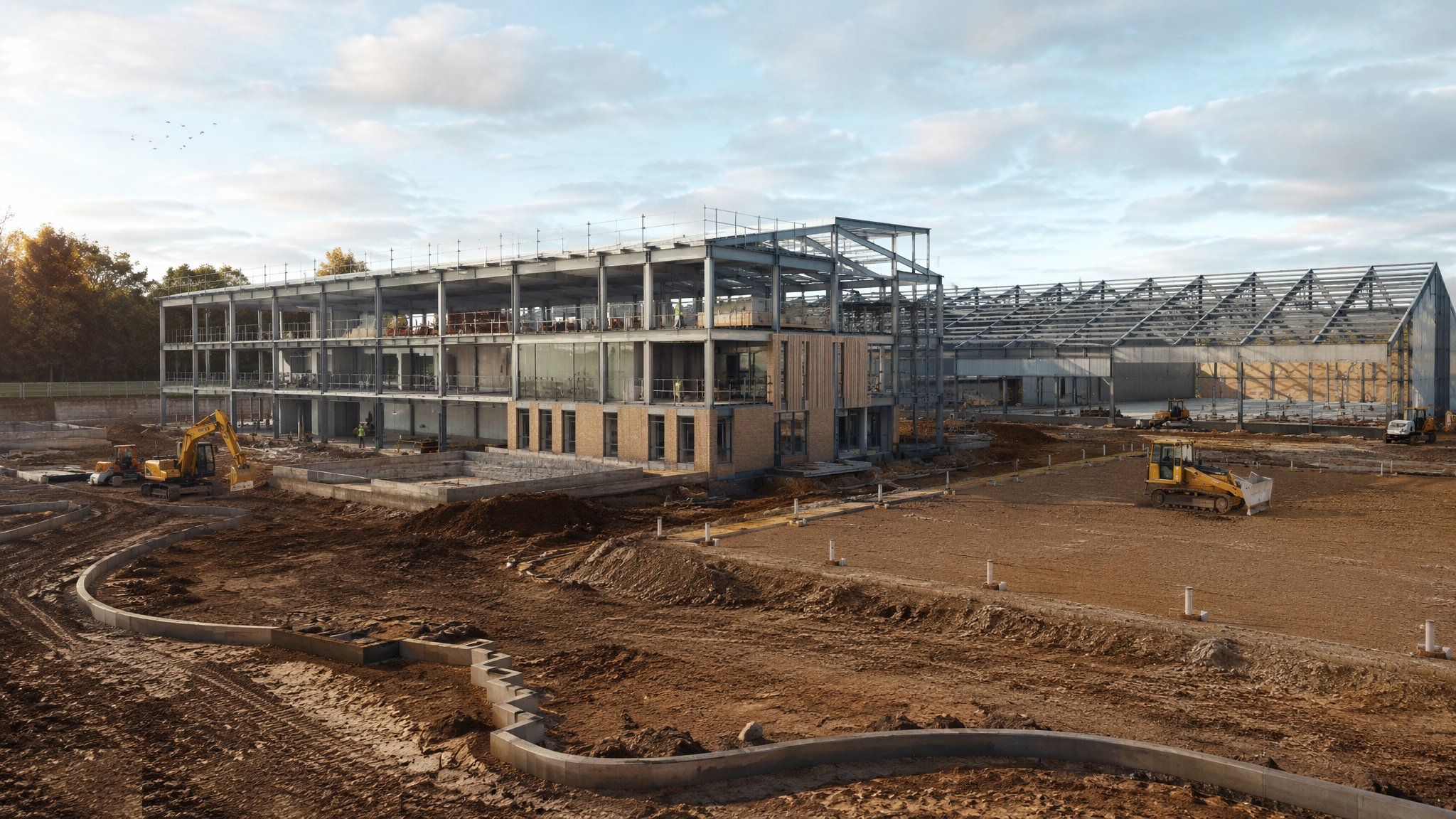
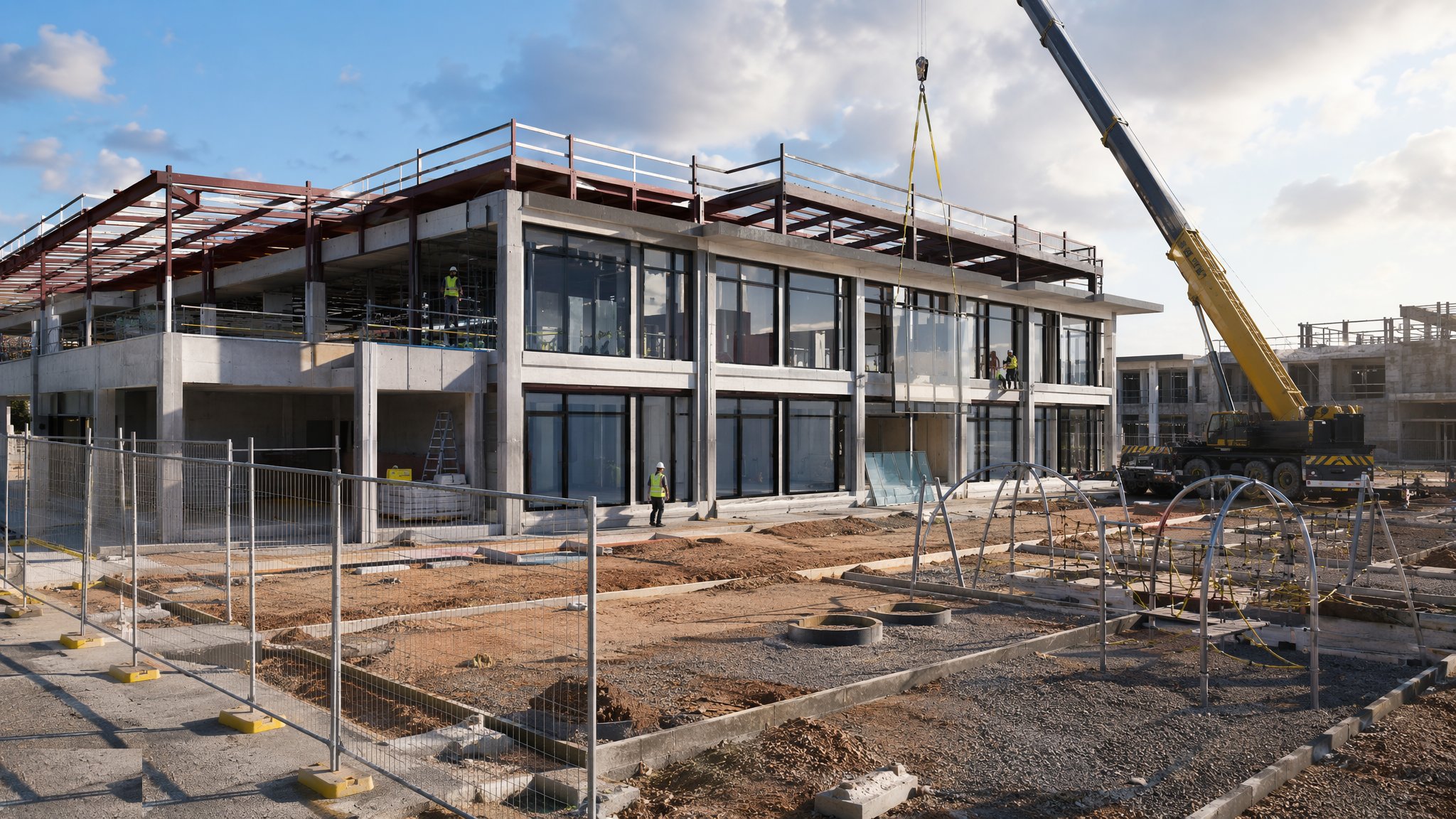
School Construction
Teaching blocks, halls and play spaces built to the Department for Education's output specification - where classroom acoustics, daylight, robustness and safe external areas matter as much as the frame that carries them.
Open process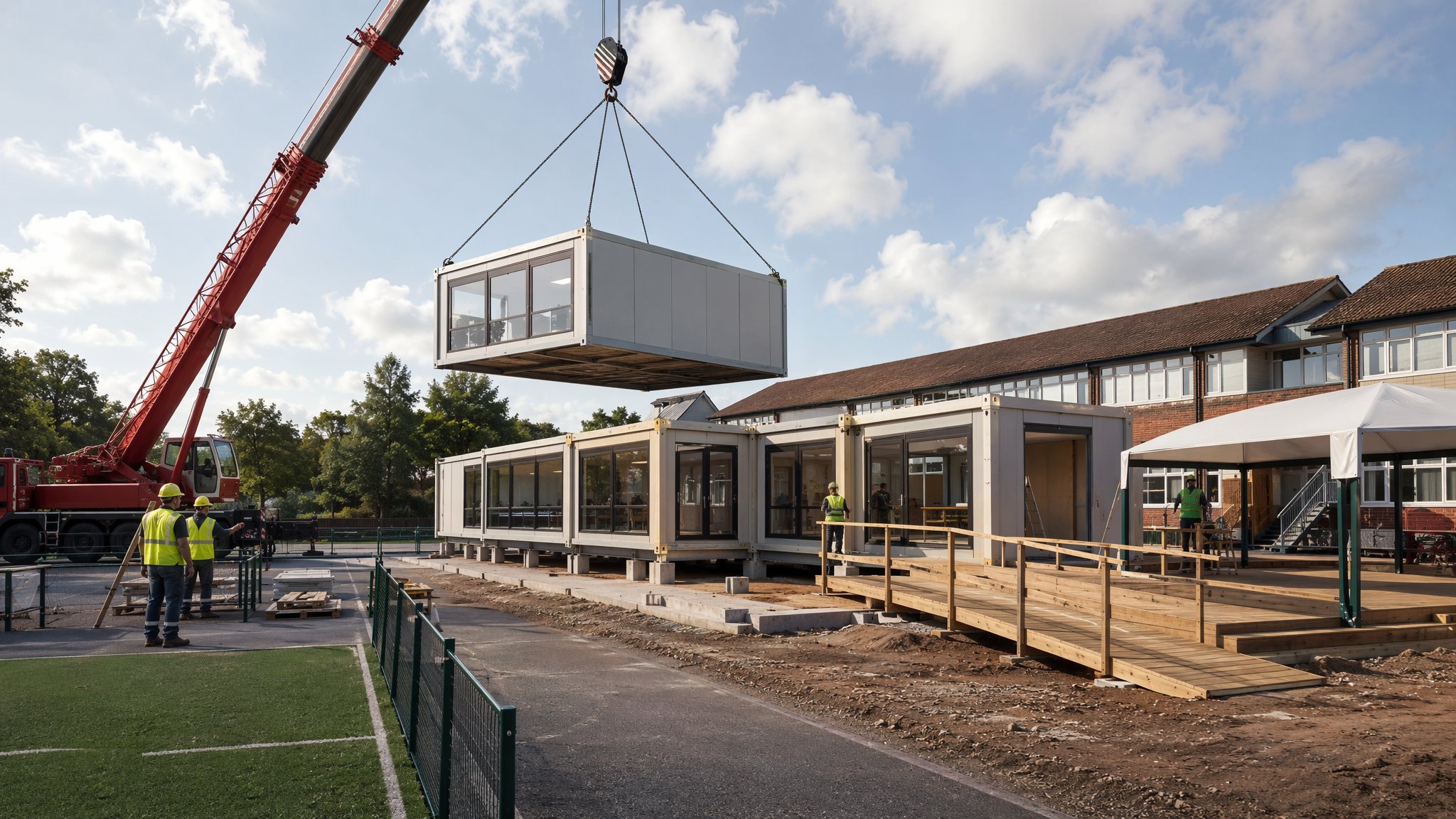
Modular Classrooms & Off-Site Solutions
Factory-built classroom modules craned onto prepared bases - the answer to bulge years, RAAC replacements and decant space, where the building leaves the factory ninety percent finished.
Open process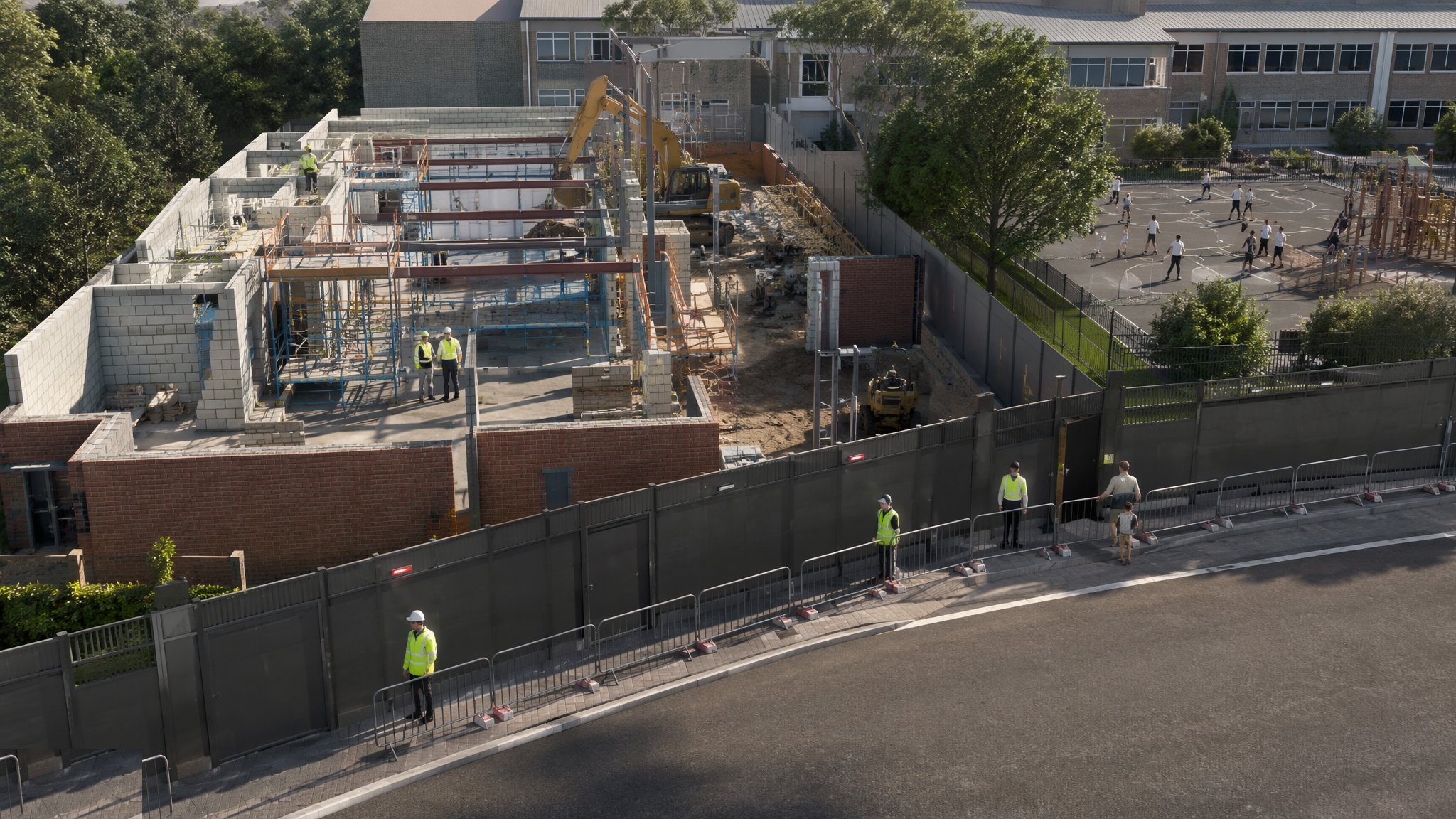
Working in Live Schools & Safeguarding
Construction on a live school campus - hoardings, segregated routes, vetted crews and holiday possessions - run on the principle that a pupil never meets the works.
Open processShared methods used in this sector
These guides are owned by other sectors - the canonical page lives there - but the method is the same here. Cards open the guide at its home sector.
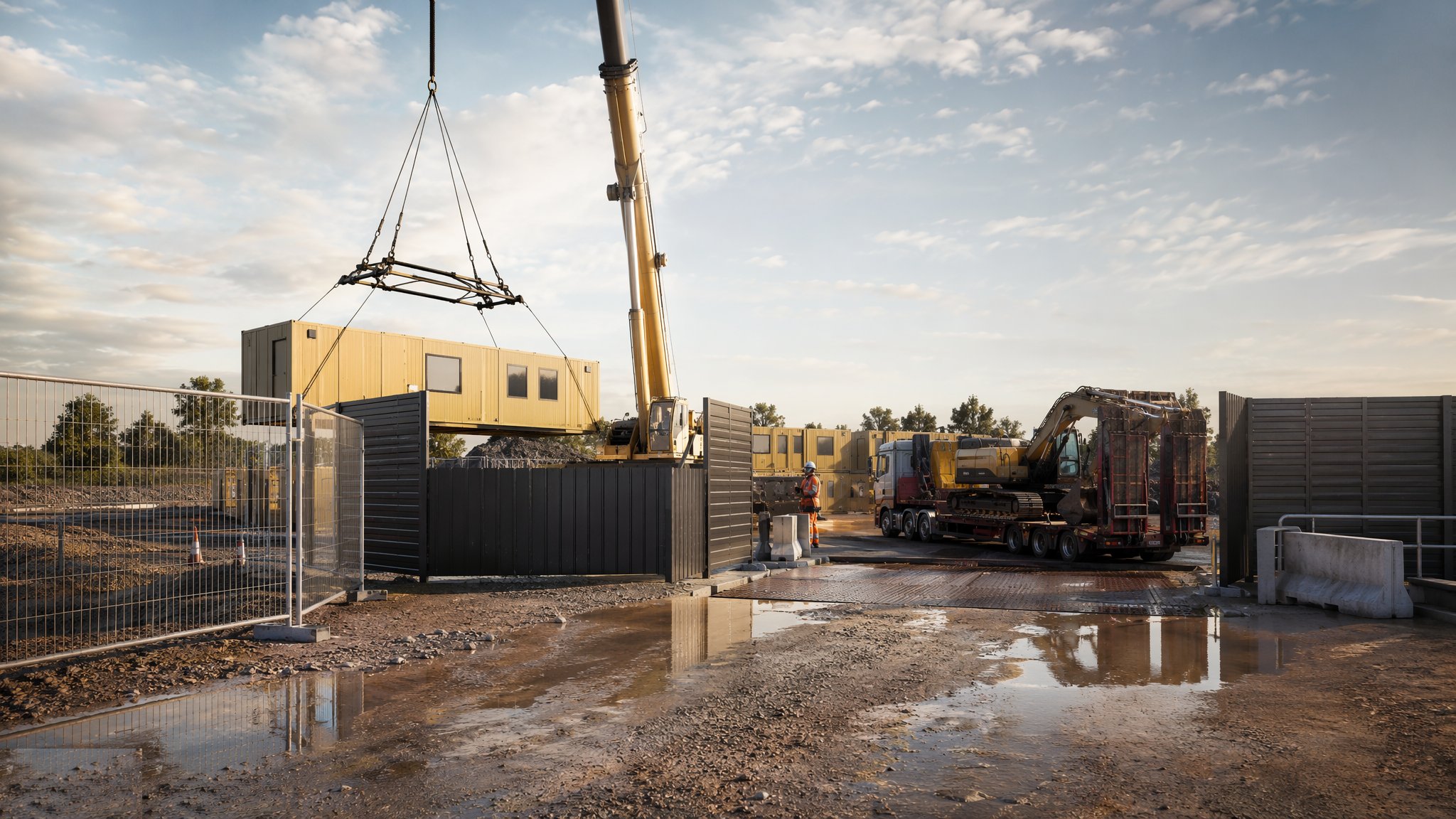
Site Access & Enabling Works
Turning a piece of land into a controlled, serviced, legal construction site.
Open processCanonical guide: Residential & Housing
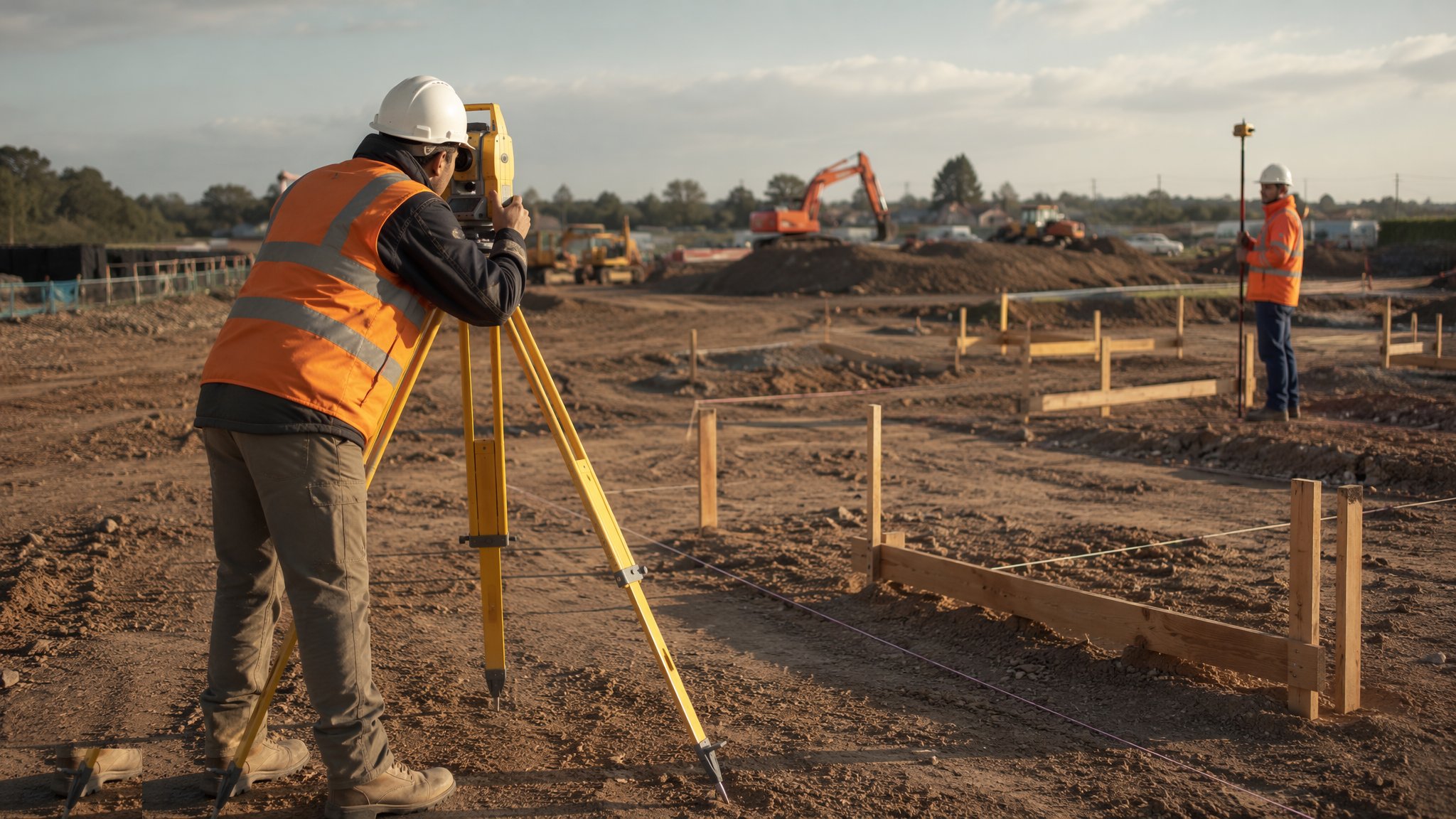
Setting Out & Survey Control
Benchmarks, grids and datums - the invisible framework every trade builds to.
Open processCanonical guide: Residential & Housing

Earthworks & Excavation
Cut and fill, trenching and compaction - reshaping the ground to take the building.
Open processCanonical guide: Residential & Housing
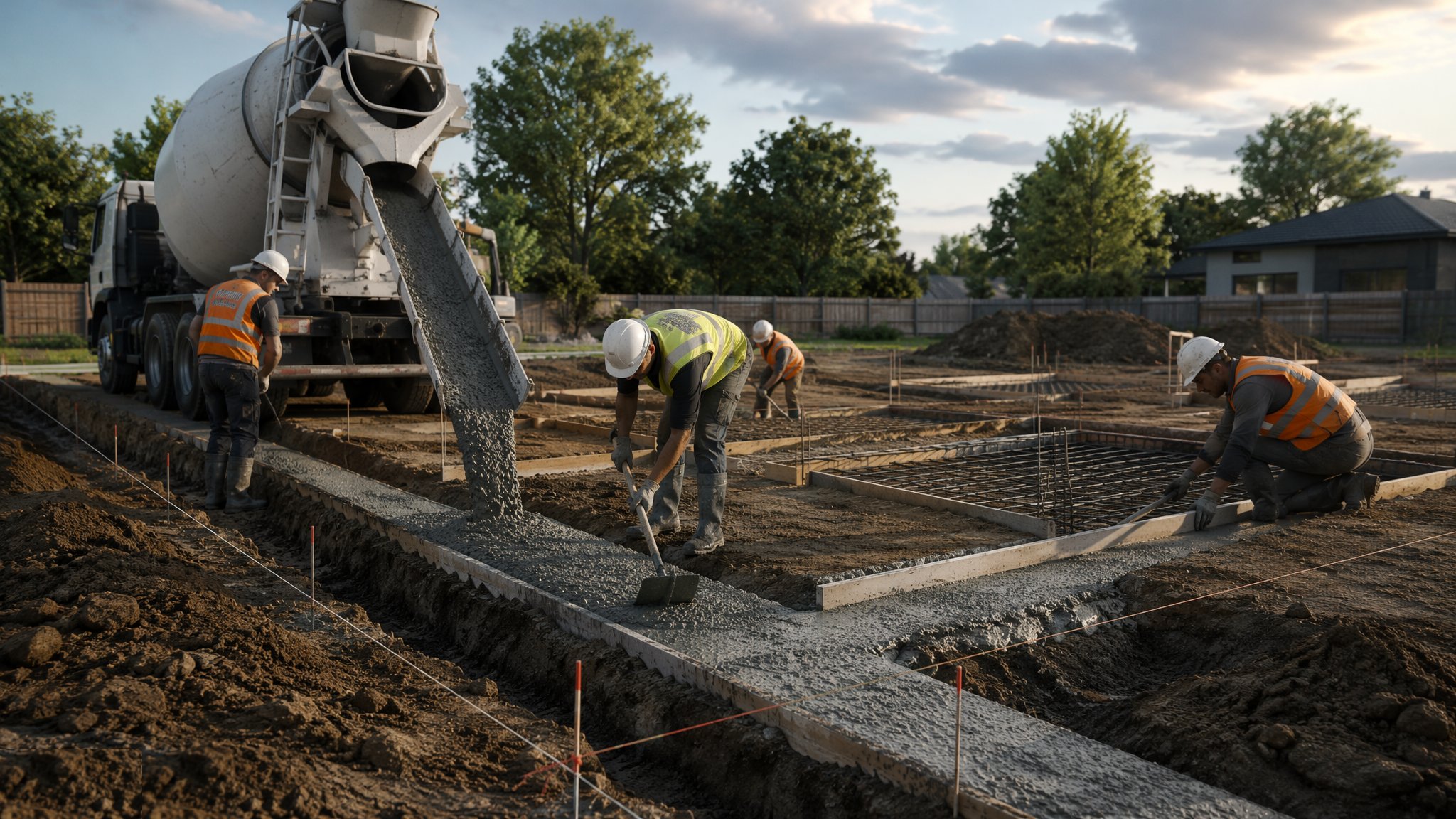
Shallow Foundations
Strips, pads and rafts - spreading the building's weight onto good ground near the surface.
Open processCanonical guide: Residential & Housing
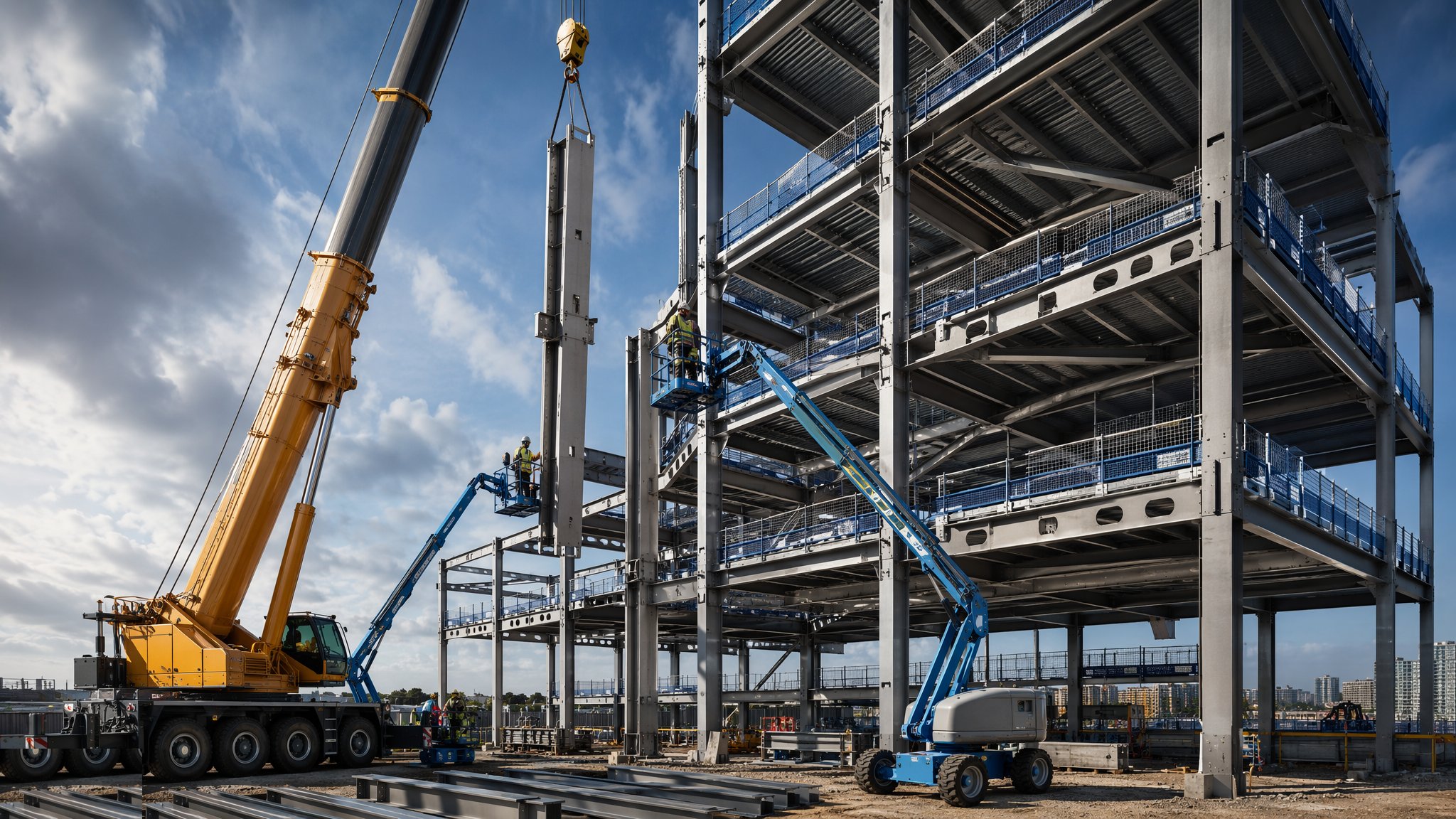
Steel Frame Construction
Fabricated off-site, erected at speed - bolted skeletons for frames that fly up.
Open processCanonical guide: Residential & Housing
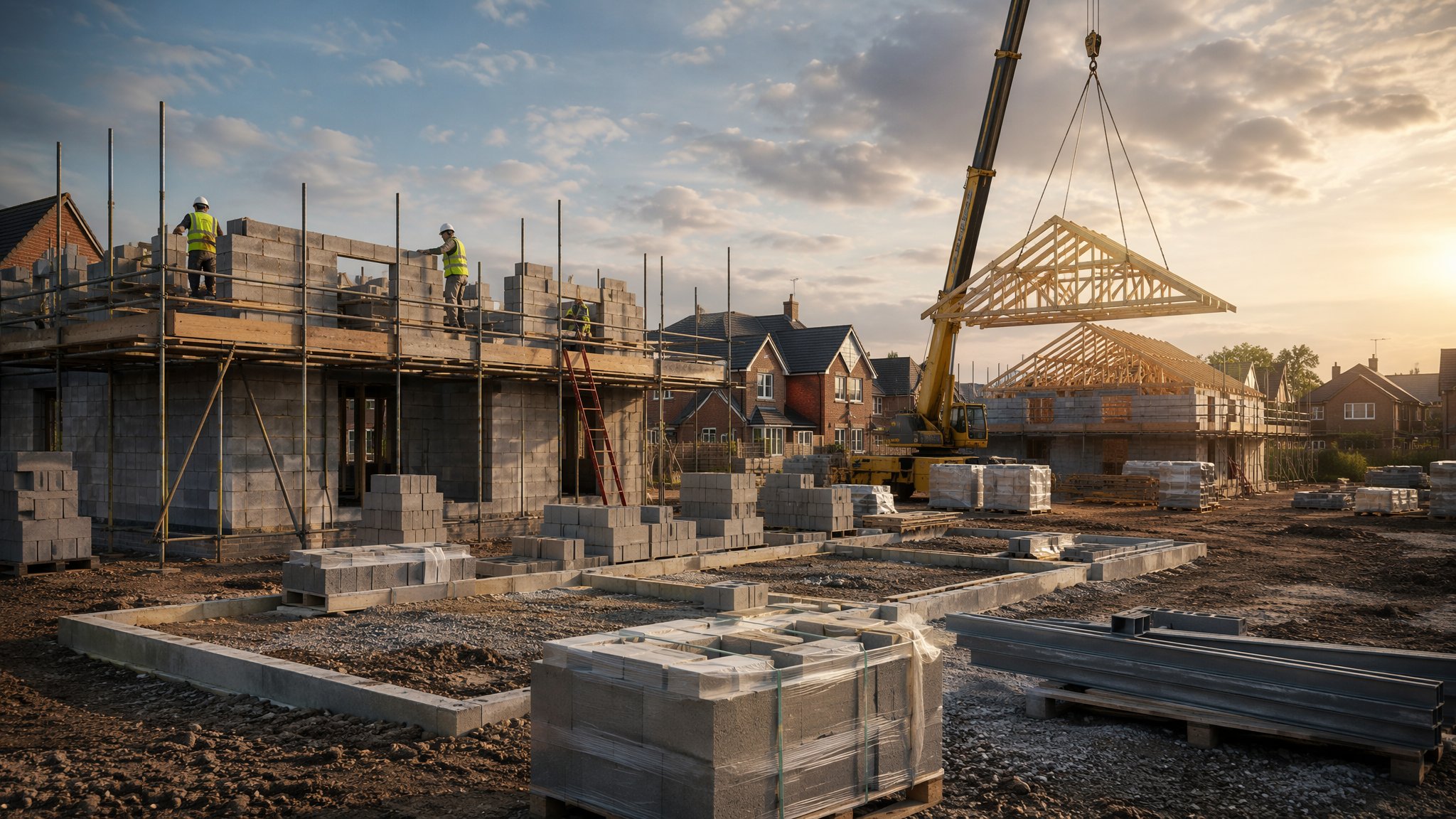
Masonry & Timber Frame
Cavity walls and factory-made timber panels - how homes and villas actually get built.
Open processCanonical guide: Residential & Housing
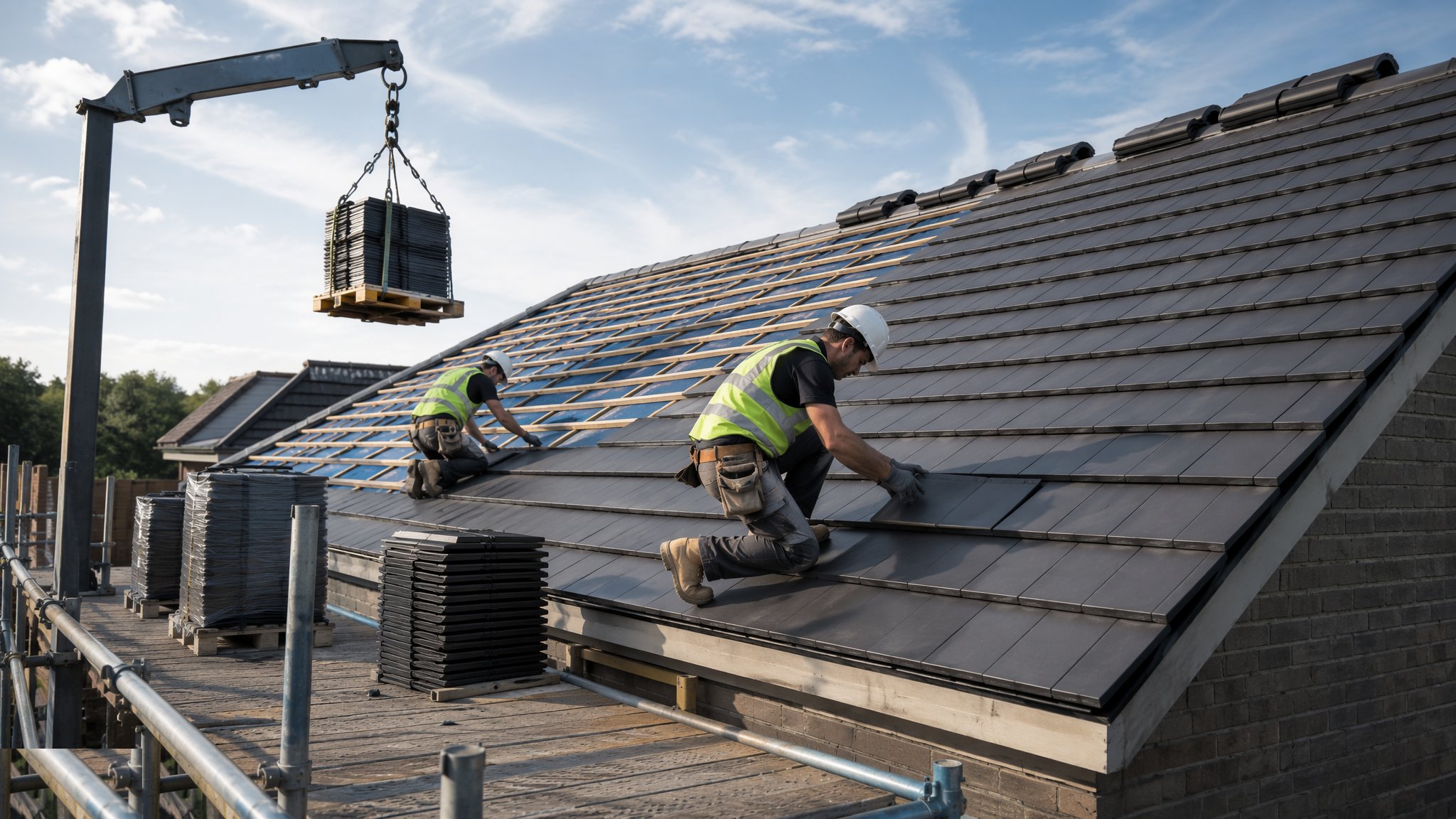
Roofing
Pitched trussed rafters and warm flat roofs - the hat that has to keep the weather out for fifty years.
Open processCanonical guide: Residential & Housing
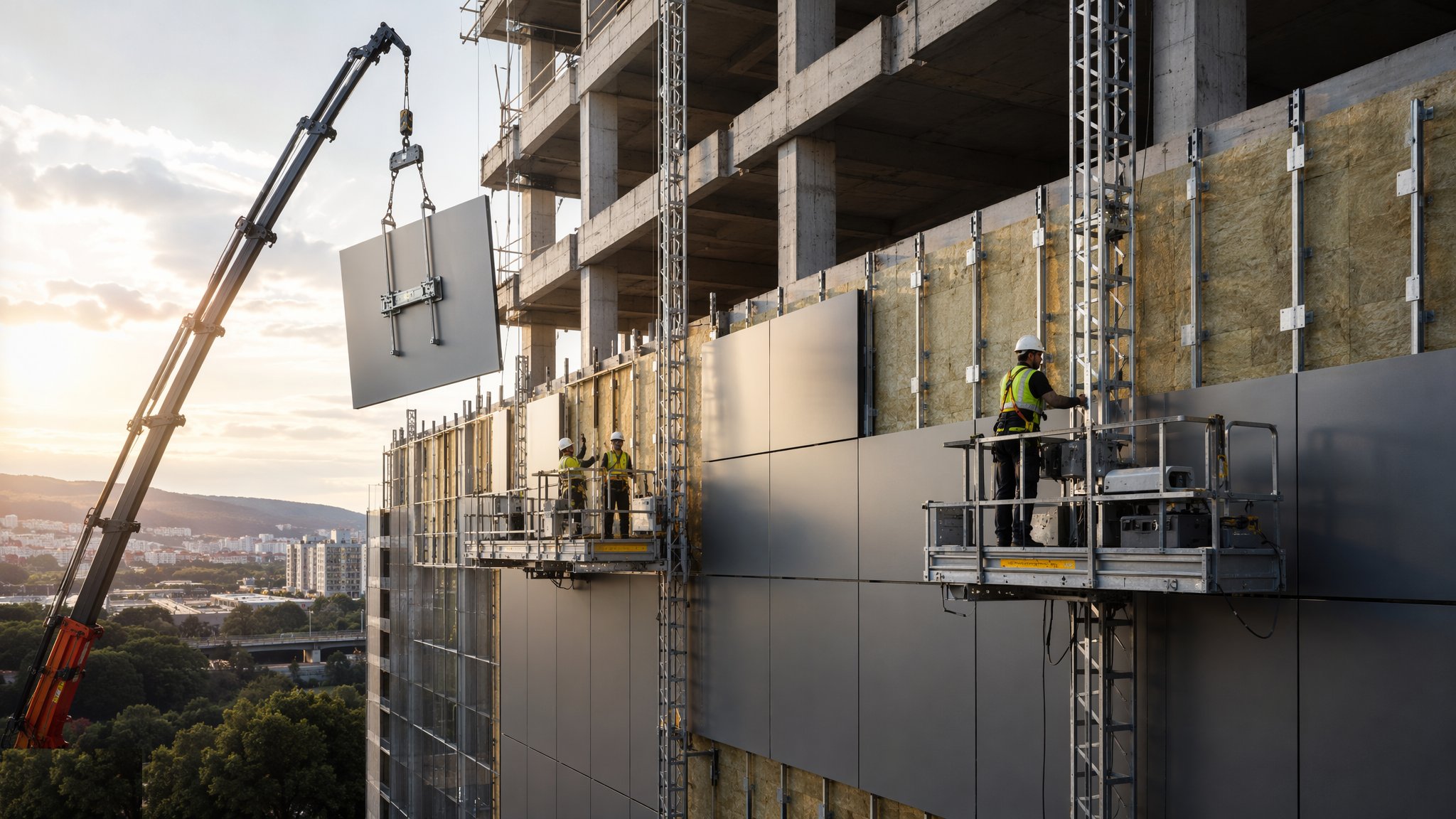
Façade & Cladding
The building's face - brick, render, rainscreen and curtain walling, and the fire details behind them.
Open processCanonical guide: Residential & Housing
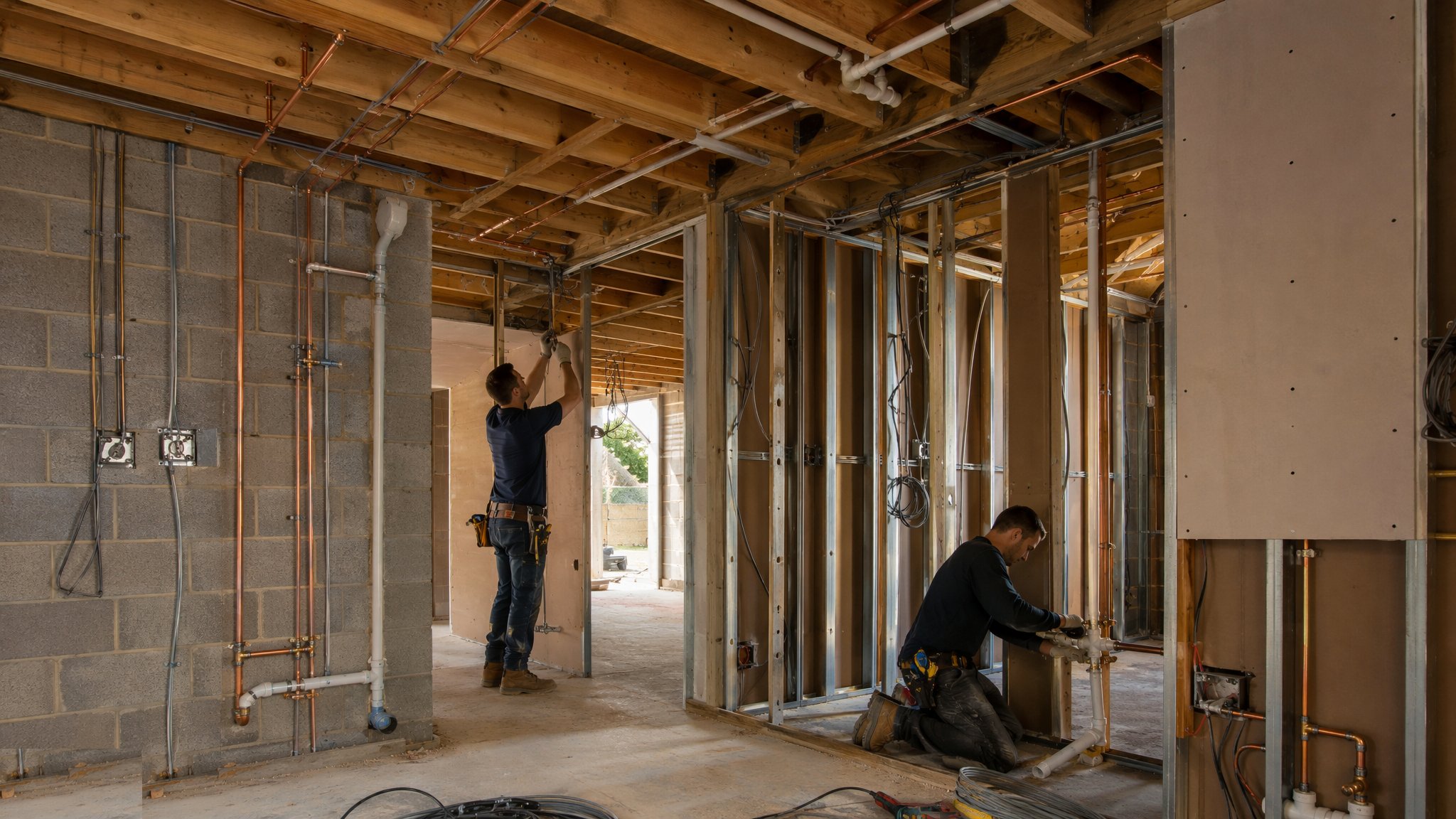
MEP First Fix
Ducts, pipes, cables and containment - the hidden nervous system, installed before the walls close.
Open processCanonical guide: Residential & Housing
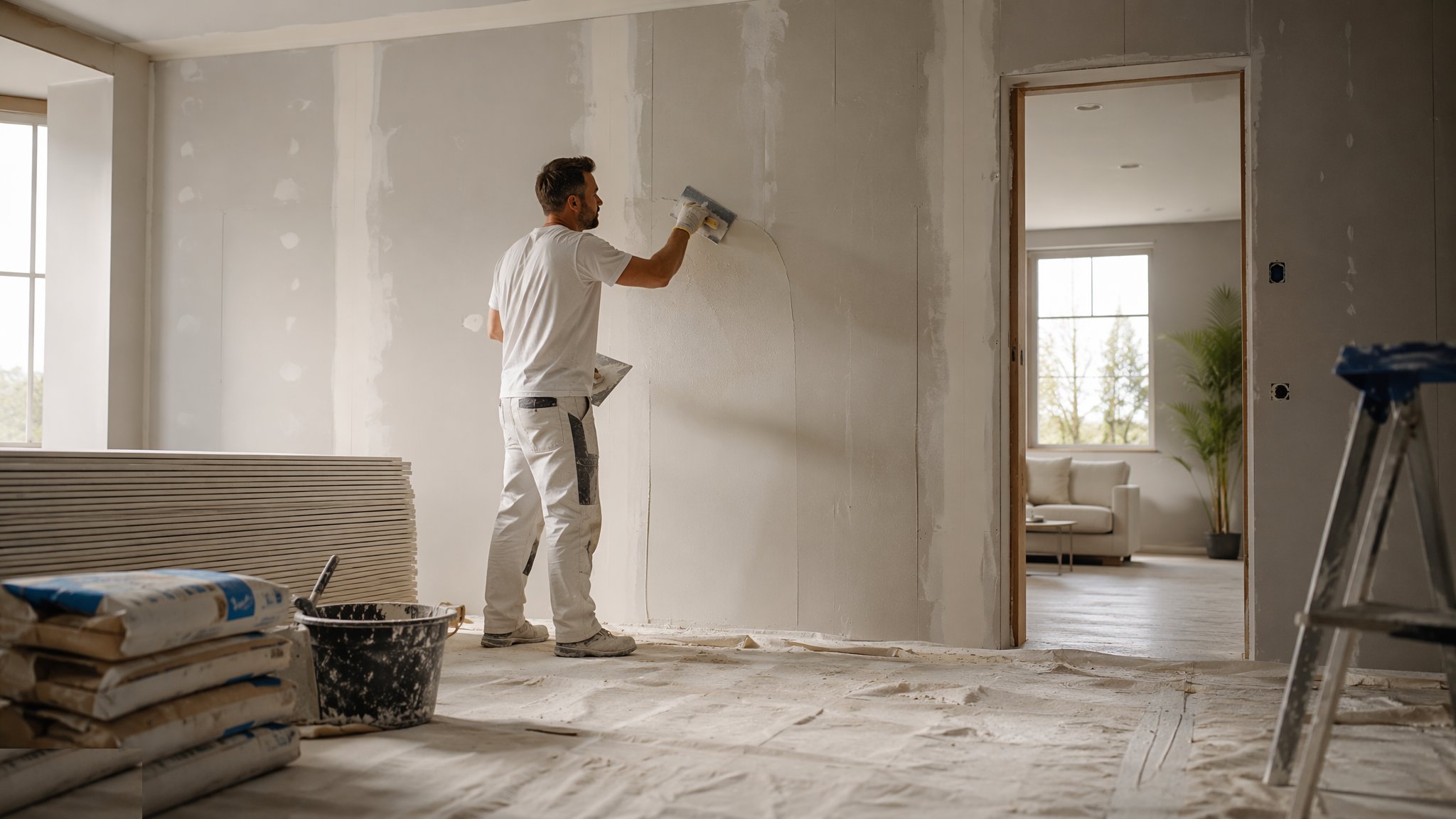
Internal Finishes
Boarding, plaster, joinery, tiling and paint - turning a shell into rooms people want to live in.
Open processCanonical guide: Residential & Housing
Education in depth
About Education
The other half of the job is working around children: live-school extensions with safeguarding boundaries, segregated access and a workforce checked and briefed before they get through the gate. The three guides in this sector cover school construction, modular classrooms, and live-site working and safeguarding - the layers that sit on top of the ordinary civils.
Procurement and the calendar that rules everything
Education clients buy certainty, not buildings. A school that opens a term late is a crisis; a school that opens a week early is unused budget. So the procurement shapes itself around the academic year: new schools programmed to a September handover, refurbishments and extensions compressed into the six weeks of summer, and anything that cannot fit the window either waits a year or goes modular. Frameworks dominate in the UK - the Department for Education's contractor frameworks with their output specifications and standardised room data sheets - because a repeatable product bought at volume suits a client building dozens of schools at once.
The design consequence is the standardised school: repeatable classroom clusters, standard structural grids, kit-of-parts façades and services layouts that a facilities team in Leeds can inherit from a team in Bristol without relearning the building. This is where off-site manufacture found its most natural UK market - whole classroom modules, precast frames, bathroom pods - because factory production in May and June converts the summer window from a construction programme into an installation programme.
In the UAE the calendar logic is similar but the market is different: private and international schools expanding on developer timelines, operator brands with their own standards much like hotel operators, and a construction window that avoids both the summer heat and the summer holiday problem by programming heavy works for the cooler months - which is also when every other sector wants to pour concrete.
For the school business manager inheriting the keys, a handful of documents matter more than the rest of the handover file combined: the asbestos register and reinspection plan, the fire strategy drawing, the water-system schematic with its legionella control points, and the heating controls manual that explains what the BMS actually does in January. Everything else can be reconstructed; those four cannot. The project that hands them over properly, with the site team walking the plant room with the caretaker, has finished the job. The one that couriers a box of files has merely stopped building.
Working around children
Live-school working is a discipline of boundaries. The site is segregated absolutely: hoarding with no gaps a child can see or climb through, separate gates for construction traffic, delivery windows outside school-run hours, and no shared space ever - not a corridor, not a toilet block, not a fire assembly point. In the UK the workforce is DBS-checked where contact is possible and briefed regardless; the safeguarding lead on the school side has a standing invitation to site meetings and a standing authority to stop work.
The operational constraints shape the method choices. Noisy work is scheduled to exam timetables and inset days; dust and fume controls assume occupied classrooms on the other side of the wall; service tie-ins happen at half-term or at 03:00 with the caretaker present. Hot works near occupied buildings carry permit regimes stricter than most industrial sites, because the evacuation of a school mid-lesson is a headline, not an incident report.
The payoff for getting this right is that schools are the best repeat clients in construction. A trust or operator that has watched a contractor extend one school without a single safeguarding incident hands over the next three. The cost of getting it wrong is not measured in the contract at all.
Programme shape and the classic slips
A new primary school on a clear site is an eighteen-month job; a secondary school with a sports hall and specialist spaces runs two years and up. The programme hinge is the same everywhere: weathertight by the winter before handover, because internal finishes in UK schools are not weather-hardy, and commissioning - heating, ventilation, kitchens, science-gas systems, ICT - must finish before the staff move in to set up classrooms, which is two weeks before the pupils arrive and not a day negotiable.
Slippage follows the money and the late information. Ground risk on playing fields - the new building always goes on the old football pitch - brings made ground, unexploded ordnance surveys on some UK sites, and drainage surprises. FF&E and ICT procurement by the client runs late because schools buy furniture like schools, not like contractors. And the external works - playgrounds, sports pitches, drop-off lanes - are always the last packages and always compressed, because the building took their float.
The summer-window refurbishment has its own failure pattern: six weeks of programme with zero float, asbestos discoveries in a 1960s school that the survey missed, and a workforce that must be off site, cleaned down and re-decorated before the INSET day. The contractors who thrive in it run these jobs like military exercises - everything prefabricated, every material on site before the children leave, and a daily programme reviewed twice a day.
UK versus UAE in education
The regulatory core differs. UK schools answer to the Building Regs with BB (Building Bulletin) guidance on acoustics, ventilation and daylighting that has near-contractual force on DfE projects - BB93 acoustic performance between classrooms is a design driver that shapes wall build-ups and services routes. UAE schools answer to DM or the relevant authority for the building, Civil Defence for fire, and the education regulator - KHDA in Dubai, ADEK in Abu Dhabi - which licenses the facility against curriculum and safeguarding standards before it can enrol a pupil.
Climate rewrites the environmental design. UK classrooms chase daylight and natural ventilation under BB101, with overheating a growing but manageable problem. Gulf classrooms are sealed and mechanically cooled; the design battle is fresh-air rates against energy cost, condensation control in a refrigerated box sitting in humid heat, and outdoor space that is usable for part of the year with shade structures, cooled play surfaces and covered circulation treated as architecture, not amenity.
The build products diverge accordingly. The UK default is a steel or precast frame, brick or rainscreen envelope, and a heating-led services design with the MEP at modest density. The UAE default is a concrete frame, high-performance envelope with external shading, and cooling-led services with MEP plant space that can approach hospital proportions on a large campus. Both are schools; both start with enabling works and end with snagging; and the engineer who can read one can read the other - provided they respect which parts of the specification are climate, and which are pedagogy.
The sector's quiet reward is that the product is visibly worthwhile and visibly used. A school that opens on the first day of term with the corridors painted, the heating commissioned and the playground safe is one of the few construction outcomes the public actually notices and appreciates. The teams that deliver it year after year are not doing anything exotic - they protect the commissioning window, they respect the calendar, they treat safeguarding as a method statement rather than a poster - but they do those ordinary things without exception, which in construction is close to extraordinary.
And the sector rewards repeat engagement like no other. A contractor who delivers one school well inherits a decade of windows: summer refurbishments, modular classroom drops, sports-hall extensions, the trust's next new build. The knowledge compounds too - the same safeguarding regime, the same room data sheets, the same commissioning battles won once and systematised. In an industry where every project pretends to be unique, education quietly admits that the product repeats, and the teams that embrace that repetition, detail by detail, are the ones the frameworks keep.