Supplier-led commissioning under a performance guarantee
The technology supplier commissions their own plant and demonstrates the performance they guaranteed - clear accountability, at the cost of control.
Last updated 2026-09-07
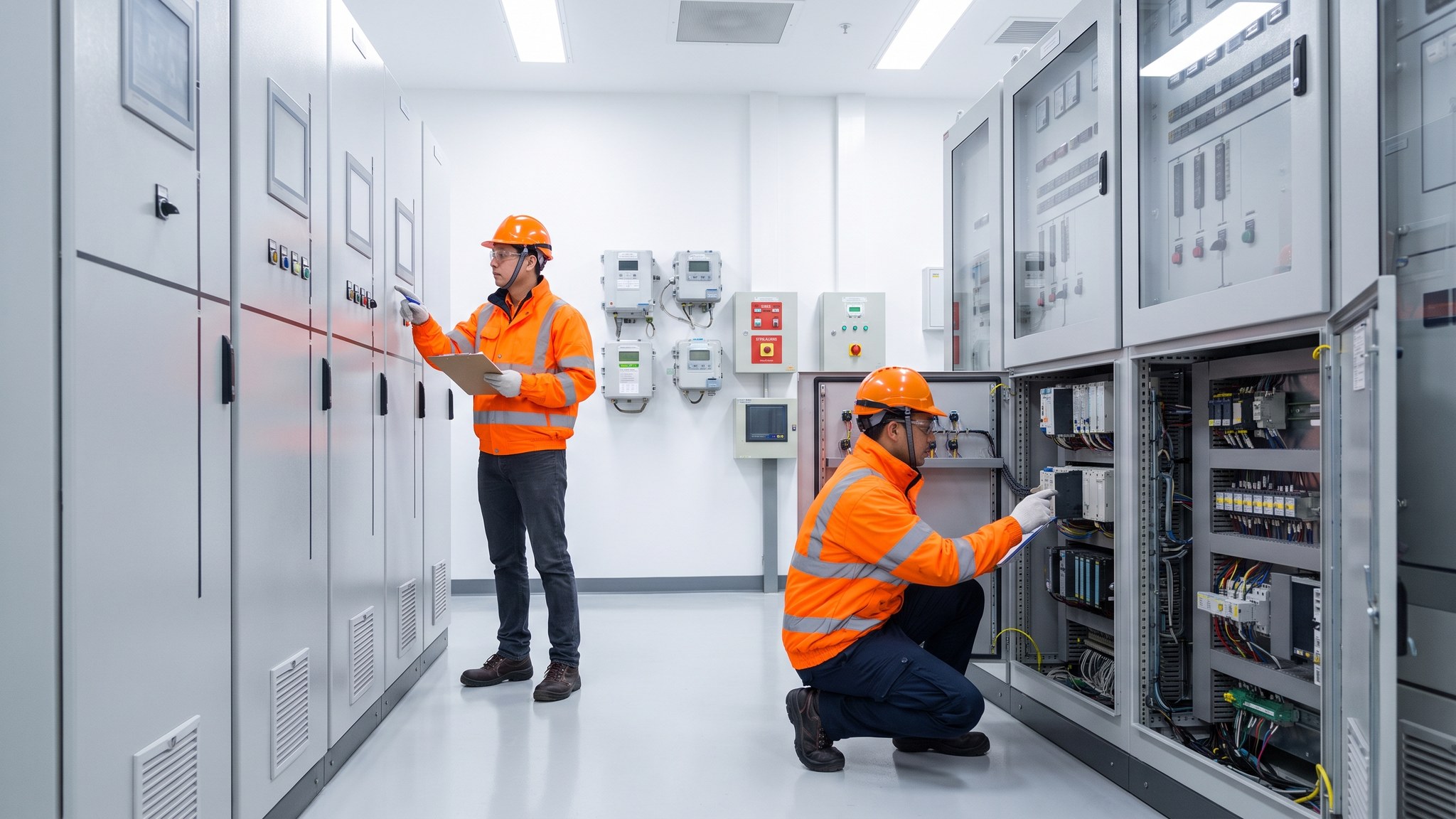
What is Supplier-led commissioning under a performance guarantee?
Electrolysis technology is developing quickly and the people who know how a particular plant behaves are the people who designed and built it. On many projects the operator recognises this and buys not just the equipment but the outcome, with the technology supplier taking responsibility for commissioning and for demonstrating a guaranteed level of performance before the plant is accepted. The supplier brings their own commissioning engineers, their own procedures and their own experience of what this plant does when it is started, and the contractor and the operator support them.
The attraction is accountability. If the supplier commissions the plant and guarantees what it will do, there is no argument about whether a shortfall is a design problem, an installation problem or an operating problem. The supplier owns the outcome, and the operator has a contractual position rather than a technical dispute. On a first-of-a-kind or novel technology that is worth a great deal, because the operator may have no basis on which to judge whether the plant is performing as it should. It also means the most specialised commissioning work is done by people who have done it before on that technology, which on a hydrogen plant is not a small consideration.
The cost is control and knowledge. The operator's team is present but not leading, so they learn less about their own plant than they would running the work themselves, and the arrangement can leave them dependent on the supplier for years afterwards. The guarantee itself has to be defined with unusual care, because a performance demonstration is only meaningful if everyone agreed beforehand what will be measured, under what conditions, for how long, and what happens if it is not achieved. Whoever leads the work, the operator's permit system governs the site: purging, inerting, leak testing and first fill are the most hazardous activities on the whole project, carried out by specialists to procedures written for that plant, and no commercial arrangement changes who controls the permit.
How does Supplier-led commissioning under a performance guarantee work, step by step?
- 1
Step 1: Define the guarantee before the contract is signed
What the plant is guaranteed to achieve, how it will be measured, under what conditions, over what duration and by whom is settled at contract stage. So is what happens if the demonstration falls short: further attempts, remedial work, a commercial remedy, or rejection. On most projects a vague performance clause causes more difficulty at the end of a project than almost anything else, because the parties discover they never agreed what success looked like.
- 2
Step 2: Agree the roles and the permit interface
The supplier leads the commissioning, but the site is the operator's and the permit system is the operator's. Who authorises work, who is competent to do what, who may operate which device and how the supplier's engineers are inducted and authorised are all agreed before anyone arrives. The contractor's continuing role in supporting the work is defined at the same time. This interface is written down, because it is where confusion is most dangerous.
- 3
Step 3: Verify installation against the supplier's requirements
Before the supplier will commission, they verify that what has been installed matches what they specified: positions, connections, materials, instruments, settings and the utilities serving them. Any deviation is closed before commissioning begins, because a supplier will not stand behind a guarantee on a plant that was not built to their requirements. On most projects this verification finds items that the contractor believed were closed, and time is allowed for that.
- 4
Step 4: Prove utilities, control and protective functions
Utilities, electrical distribution, control and the detection, alarm and shutdown arrangements are proved before anything hazardous is introduced. The supplier specifies what they need available and in what state, and the contractor and operator provide it. Protective functions are demonstrated end to end and recorded, because the supplier will not proceed to hazardous activities on a plant whose protection has not been shown to work.
- 5
Step 5: Carry out preparation under the operator's permit system
Purging, inerting, leak testing and first fill are the most hazardous activities on the whole project. They are carried out by specialists to procedures written for that plant and approved for it, under the operator's permit system regardless of who leads the commissioning. The supplier's procedures are reviewed and accepted by the operator before use rather than adopted because the supplier brought them. Nothing further about this work is set out here.
- 6
Step 6: Start the plant under supplier direction
The supplier's engineers direct the starting of the plant, with the operator's team present and the contractor supporting. Settings, sequences and adjustments are made by the supplier as they judge necessary, and each change is recorded so that the plant the operator inherits is documented as it actually runs rather than as it was designed. The operator's people observe and learn, and the arrangement should be structured so that they are able to.
- 7
Step 7: Run the performance demonstration as agreed
The demonstration is run under the conditions and for the duration agreed at contract stage, with measurement arrangements agreed and calibrated beforehand and both parties present throughout. Results are recorded as they are produced. If the demonstration falls short, the contractual route agreed at the outset is followed rather than negotiated at the time, which is precisely why it was agreed at the outset.
- 8
Step 8: Transfer the plant, the knowledge and the obligations
Acceptance transfers the plant to the operator together with the settings as run, the operating and maintenance documentation, the spares, the training and the warranty and support arrangements. Training is the item most often underdone in this model, because the operator's team watched rather than led. On most projects it is worth extending the supplier's presence beyond acceptance so that the operator's people build competence on a running plant.
What are the benefits of Supplier-led commissioning under a performance guarantee?
- Single-point accountability for whether the plant performs as promised
- The most specialised commissioning is done by people experienced on that technology
- The operator has a contractual position rather than a technical argument if performance falls short
- Particularly valuable on first-of-a-kind plants where the operator has no comparison to judge against
- Supplier procedures and settings reflect experience from other plants of the same design
- The demonstration produces an agreed performance baseline the operator can measure against later
What are the limitations of Supplier-led commissioning under a performance guarantee?
- The operator learns less about their own plant because their team supports rather than leads
- Can create long-term dependence on the supplier for settings, spares and specialist support
- The guarantee is only as good as the definition agreed before the contract was signed
- Supplier commissioning resource is finite and may be committed to other projects
- Interface between supplier direction and the operator's permit system needs constant management
- Training is easily underdone, leaving the operator's team behind at the point of takeover
What is Supplier-led commissioning under a performance guarantee best suited for?
What plant does Supplier-led commissioning under a performance guarantee need?
- Supplier commissioning equipment, test rigs and diagnostic tools specific to the technology
- Calibrated measurement and metering equipment agreed for the performance demonstration
- Nitrogen supply and distribution equipment for purging and inerting operations
- Loop-checking, calibration and protective function test equipment
- Portable gas detection and monitoring equipment for the commissioning team
- Temporary utilities where permanent services are not yet available to the supplier's requirement
How is Supplier-led commissioning under a performance guarantee quality-checked?
- Performance guarantee, measurement method, conditions and duration agreed in writing before contract
- Installation verified against the supplier's requirements with deviations closed before commissioning
- Supplier procedures reviewed and accepted by the operator before use on site
- Protective and shutdown functions demonstrated end to end and recorded before hazardous activities
- Demonstration measurements taken on calibrated equipment with both parties present and recorded live
- Settings as run, documentation, spares and training records transferred at acceptance