Fuel receipt, conditioning and metering
Taking fuel in, cleaning and conditioning it and measuring it - with the metering commercially critical to everyone involved.
Last updated 2026-09-07
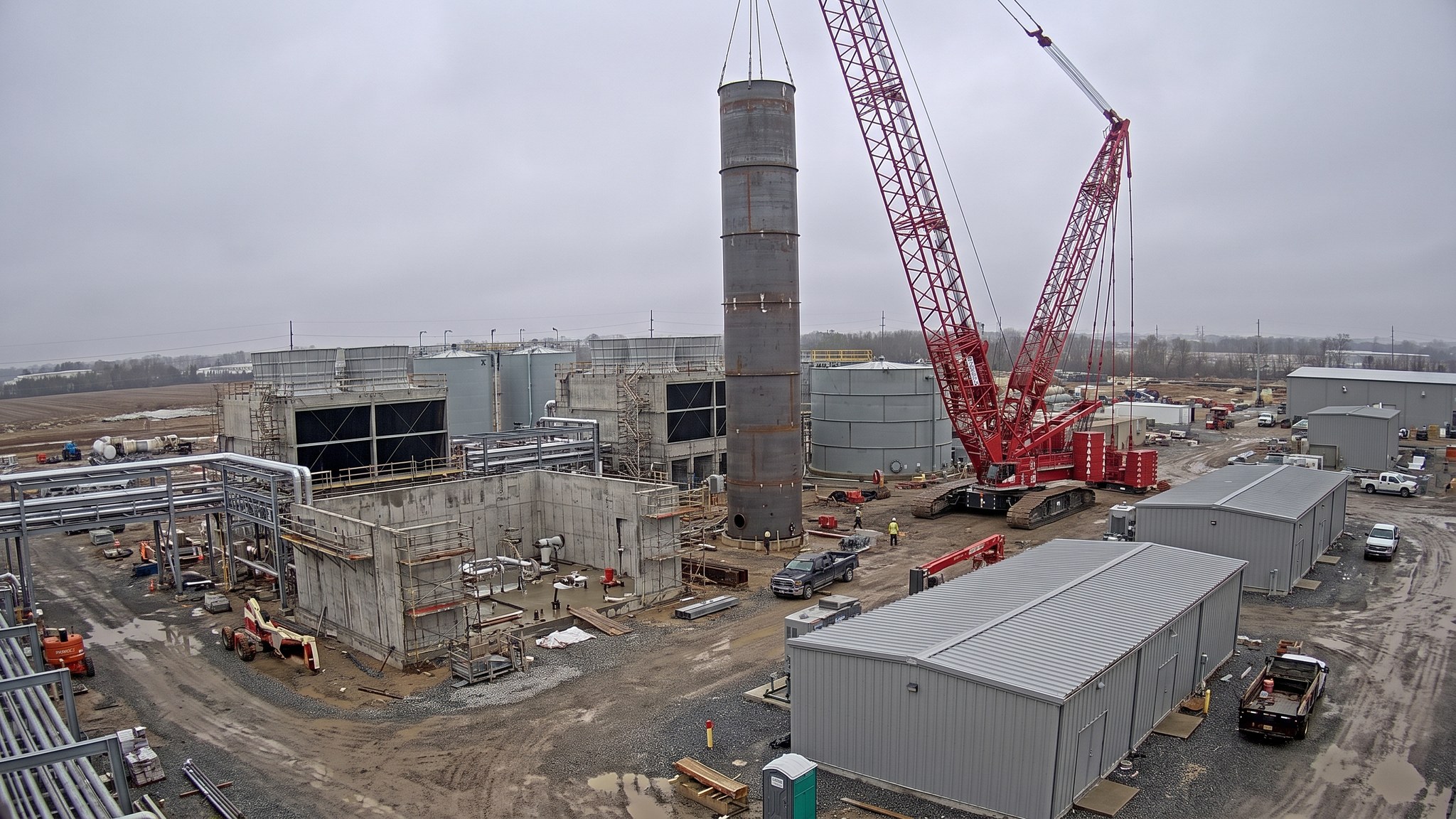
What is Fuel receipt, conditioning and metering?
Fuel arrives at a power station from outside it, and before it can be burned it has to be received, brought to the condition the plant needs and measured. The receiving end is where the station meets a supplier and a transport network, so it involves parties beyond the project. Conditioning covers whatever the fuel needs to make it usable and consistent, which varies entirely with the fuel. Metering measures what has arrived. All three sit together in a compound or building that is usually placed at the site boundary, close to where the fuel comes in and away from the main plant.
Metering deserves particular attention because it is a commercial instrument as much as an engineering one. What it records is what the station pays for and what the supplier is paid, so the metering installation is designed, installed, tested and sealed to a standard that satisfies both parties and the relevant authority. It is normally the plant supplier or a specialist who installs and proves it, with the operator and the fuel supplier both present at the proving. Once sealed it is not adjusted by the site, and any work near it is controlled.
The safety position is unambiguous. Fuel systems, and gas fuel systems above all, are among the most hazardous installations on the plant, and they are treated accordingly from the moment the first component is installed. Hazardous area classification governs the equipment and the working methods in the compound. All commissioning of the fuel system - admitting fuel, purging, venting, leak testing and first firing - is carried out by specialists under the operator's permit-to-work system, with the area cleared. Construction personnel do not open, purge, vent or test fuel systems, and normal site control does not apply once fuel is present.
How does Fuel receipt, conditioning and metering work, step by step?
- 1
Step 1: Establish the connection to the fuel supply
The station connects to a supply network or a delivery arrangement owned by somebody else, and that connection is negotiated and designed with them. Their requirements govern the boundary equipment, the metering, the protection and the operating procedures at the interface. Lead times on this work are long and largely outside the project's control, so it is started early. The physical point where the project's responsibility begins and ends is defined precisely and recorded, because it also defines who does what during commissioning.
- 2
Step 2: Lay out the compound with hazard and access in mind
The receiving compound is normally located at the site boundary, near the incoming supply and separated from the main plant. Layout is driven by hazardous area classification, by separation distances, by ventilation, by escape routes and by the access that delivery vehicles or maintenance need. Security and monitoring are designed in. The layout is fixed early because the classification affects every item of electrical equipment placed anywhere near it, including lighting, small power and instrumentation.
- 3
Step 3: Build the civils, containment and buildings
The compound needs foundations, hardstanding, containment, drainage, buildings or enclosures, and a security boundary. Containment and drainage are designed to the environmental requirements for the fuel in question. Buildings and enclosures are ventilated and detected as the classification requires. This civils work is straightforward but it is specific, and it is not a place to substitute details, because the arrangement has been assessed as a whole and changing part of it changes the assessment.
- 4
Step 4: Install the conditioning equipment
Conditioning covers whatever brings the fuel to the condition the plant needs and keeps it consistent - commonly cleaning to remove particles and liquids, and adjustment of the fuel condition to what the burners or the turbine require. The equipment is supplier scope, installed to the supplier's arrangement with its own instrumentation, protection and control. Materials, jointing and testing all follow the specification exactly. Nothing about a fuel system is improvised, and substitutions are referred back rather than resolved on site.
- 5
Step 5: Install the metering to the standard both parties accept
The metering installation is built to the arrangement agreed between the operator, the fuel supplier and the relevant authority, including the upstream and downstream pipework conditions the meters need to read correctly. Installation is by the plant supplier or a specialist. The whole assembly is inspected, proved and sealed in the presence of the interested parties, and the records are retained. After sealing the installation is not disturbed, and any work in its vicinity is controlled through the permit system.
- 6
Step 6: Complete detection, protection and emergency systems
Detection, alarm, isolation and emergency systems serving the compound are installed and integrated with the main plant control and with the operator's emergency arrangements. Emergency isolation from a safe location, fire detection and suppression where required, and the routing of alarms to the control room are all part of the design. These systems are proved as systems by the plant supplier and the operator, and they are proved before fuel is admitted rather than after.
- 7
Step 7: Complete pipework, inspection and records before fuel arrives
The pipework from the compound to the plant is installed, supported, examined and recorded to the specification, with full traceability. Every joint, every support and every valve is inspected and documented while access exists. Cleanliness is proved and the system is closed under a formal record. From the point at which the system is declared ready, it passes out of construction control and no further work is done on it except under the operator's permit system.
- 8
Step 8: Hand over for specialist commissioning under permit
Bringing a fuel system into service is a specialist operation. It is planned and executed by the plant supplier, the fuel supplier and the operator's commissioning team under the operator's permit-to-work system, with the compound and a defined area around it cleared of all other personnel and all other work stopped. The project's role at this point is to have completed and documented the installation, to keep people out of the area and to support the permit process. Nothing else is appropriate.
What are the benefits of Fuel receipt, conditioning and metering?
- Delivers fuel to the plant in a consistent condition, which protects the burners and the turbine
- Cleaning and conditioning remove contaminants that would otherwise damage downstream equipment
- Accurate, sealed metering gives both the operator and the fuel supplier a record they can rely on
- Locating the compound at the boundary keeps the hazard away from the main plant and its people
- Detection, isolation and emergency systems are integrated with the operator's wider arrangements
- Interfaces with the supply network are defined once and then managed as a single boundary
What are the limitations of Fuel receipt, conditioning and metering?
- The connection to the supply network has long lead times and depends on a party outside the project
- Hazardous area classification constrains equipment selection and working methods across the compound
- Metering installation requires the involvement and agreement of several parties, which takes time to co-ordinate
- No commissioning of the fuel system can be done by the construction team, so the site loses control of that front
- Any change to the layout or equipment requires the hazard assessment to be revisited as a whole
- Once the system is live, access for any remaining work is only through the operator's permit system
What is Fuel receipt, conditioning and metering best suited for?
What plant does Fuel receipt, conditioning and metering need?
- Excavation and civils plant for compound foundations, containment and buried pipe routes
- Mobile cranes and telehandlers for setting conditioning skids, vessels and enclosures
- Specialist pipe fabrication, jointing and examination equipment with full traceability
- Certified equipment suitable for use in the classified area, including lighting and small power
- Gas detection, monitoring and alarm test equipment for proving the detection systems
- Security fencing, access control and monitoring equipment for the compound boundary
How is Fuel receipt, conditioning and metering quality-checked?
- Boundary with the fuel supply network defined, agreed and recorded before installation begins
- Hazardous area classification drawings issued and all installed equipment verified against them
- Containment, drainage and ventilation completed and proved before any equipment is brought into service
- Full weld and material traceability records completed for all fuel pipework while access exists
- Metering installation inspected, proved and sealed with the operator and fuel supplier present, and records retained
- System declared complete, closed and handed to the operator's permit system before any fuel is admitted